Comilla War Cemetery – History, Opening Hours, Free Entry and Complete Travel Guide

Comilla War Cemetery – History, Opening Hours, Free Entry and Complete Travel Guide

Cumilla
·

11 October 2026

Travel Overview & Quick Facts

Directions
Location
Cumilla
Admission / Entry Fee
Entry is free for all visitors, including Bangladeshi and international tourists. No entry ticket, advance booking or general visitor permit is required. Transportation, refreshments and optional guide services are included at a separate cost. Access may be restricted during maintenance, security activities, special commemorations and certain religious holidays.
Opening Hours
Monday - Sunday 7:00 AM - 12:00 PM and 2:00 PM - 5:00 PM (Closed daily from 12:00 PM to 2:00 PM; may be closed on special holidays and for safety reasons)
Google Rating
★ 4.6 (723 reviews)
Category / Type
World War II Memorials, Historical Monuments, Military Cemeteries, Heritage and Remembrance Sites

Introduction to Comilla War Cemetery – History, Opening Hours, Free Entry and Complete Travel Guide

Comilla War Cemetery , officially known as Mainamati War Cemetery or Mainamati War Cemetery, is one of the most historically significant World War II memorials in Bangladesh. Located near the Comilla Cantonment along the Comilla-Sylhet road, about 7–9 km from the city center, this beautifully maintained military cemetery commemorates soldiers killed in World War II, especially those associated with the Burma Campaign and the military hospitals operating in the region.

Unlike the usual tourist destinations that are packed with entertainment and activities, the Comilla War Cemetery offers a completely different travel experience. Its carefully arranged graves, manicured green lawns, flowering trees, shaded paths and commemorative monuments invite visitors to reflect deeply on the human cost of war. The cemetery is dedicated to soldiers from Britain, undivided India, Africa, Australia, Canada, New Zealand and other countries whose lives were intertwined in one of the most devastating conflicts in history.

Historically, it is widely documented that there were approximately 736–737 Second World War graves and associated graves in the cemetery. However, this historical total should not be confused with the number of remains currently buried: a significant repatriation operation was carried out in November 2024 of Japanese military graves. The cemetery remains an important place of international remembrance and is maintained by the Commonwealth War Graves Commission (CWGC) .

Locally known as the English Cemetery or British War Cemetery, this place is of particular interest to history buffs, heritage tourists, students, military researchers, documentary photographers and visitors looking for a peaceful place for introspection. Due to its historical significance, it is a worthwhile addition to Comilla's heritage itinerary along with places like Shalban Vihar and mainamati Museum .

Brief information for visitors: General admission is free, and most visitors should allow about 45-60 minutes for a respectful tour. The generally published schedule includes morning and afternoon visits, and is closed at noon. The cemetery is located near the Combined Military Hospital (CMH) and Comilla Cantonment. Travelers should check gate opening times locally before setting off, as general visiting times may vary due to special restrictions.
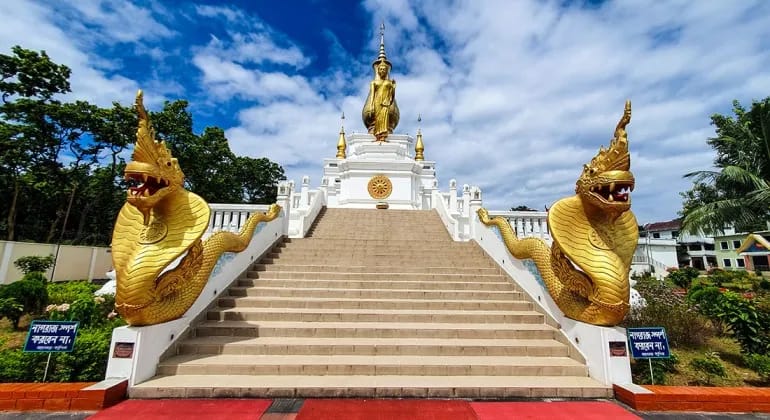
History of Comilla War Cemetery

The strategic importance of Comilla during World War II

During World War II, the territory of present-day Bangladesh was part of British India. Although Comilla was not a major battlefield like the Burma Front, it played an important supporting role in military logistics, medical care, troop movement, and regional defense.

Following the Japanese advance across Southeast Asia and Burma, eastern India became strategically important for Allied operations. The Comilla and Mainamati areas became a vast military base, including army camps, depots, airfields, and British and Indian military hospitals. Among the medical establishments operating in the area were the British General Hospitals No. 14 and No. 150.

Wounded and seriously ill soldiers were taken to military hospitals located far from active battlefields. While many survived, others died from war injuries, disease, medical complications, and illnesses related to military service. Their deaths led to the need for a permanent cemetery and memorial in the Mainamati area.

Establishment of a cemetery

The cemetery originated as a military cemetery established by the army during World War II, designed by the local garrison engineer. It was later consolidated and maintained under the Commonwealth War Graves Commission's International Programme for the Care of War Graves and Memorials.

After the war, the Army Graves Service and Commission relocated additional graves from isolated burial grounds and small cemeteries that could not be properly maintained. Historical records indicate that graves were relocated from places such as Dhaka, Faridpur, Pakse, Saidpur, Santahar, and Sirajganj, as well as from more distant locations involved in wartime military operations.

The result is a permanent memorial landscape where people of different countries, militaries, religious traditions and backgrounds can be remembered together. Rather than glorifying war, this cemetery serves as a permanent reminder of its consequences.

Who is buried in the Mainamati War Cemetery?

The records of the historic cemetery identify casualties from the United Kingdom, undivided India, Canada, Australia, New Zealand, East and West Africa, and several other regions. The personnel served in various branches of the armed forces, including the army, air force, and navy.

The cemetery also reflects religious diversity. Its burial grounds contain Christian and Muslim graves, and the extensive historical cemetery records also mention people of other faiths. Individual grave markers and cemetery records provide insight into the personal stories behind these international military casualties.

Repatriation of Japanese soldiers in 2024

A significant event in the cemetery's recent history occurred in November 2024, when a Japanese forensic team conducted an excavation and repatriation operation of 24 historically documented Japanese military graves. While remains were recovered from 23 graves, no remains were found in the remaining graves. The Inter-Services Public Relations (ISPR) of Bangladesh later confirmed the repatriation of the recovered remains.

This means that historical figures describing the original population of the cemetery should not automatically be taken as the exact number of people buried there today. The project also highlights how the cemetery continues to play a meaningful role in international remembrance, historical research, and relations between nations decades after the end of the conflict.

For further historical research, consult the Commonwealth War Graves Commission , which preserves international records of war casualties, cemeteries and memorials. (www.cwgc.org)


Special attractions of architecture, monuments and cemeteries

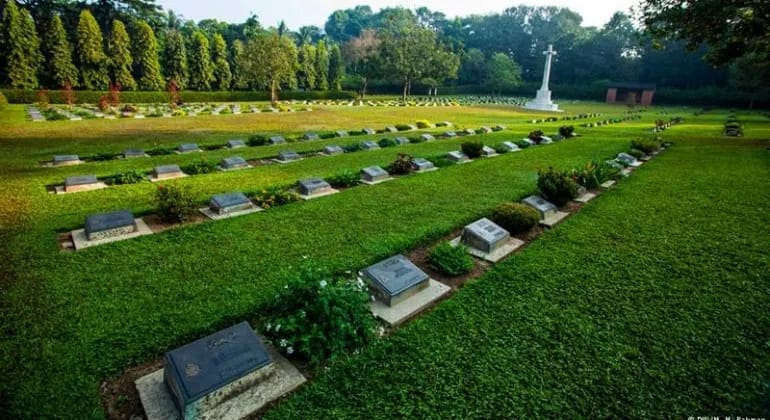
One of the most memorable features of the Comilla War Cemetery is its carefully planned landscape. The site is located on slightly elevated ground near the Mainamati area, with formal burial arrangements, well-established trees, ornamental flower gardens and a distinctive mound, which create a calm and solemn atmosphere.

1. The Cross of Sacrifice

The Sacrifice Cross is a prominent architectural feature of the cemetery. Situated on a raised platform in the middle of the ground, it forms an important visual and commemorative focal point. Such memorials are closely associated with Commonwealth war cemeteries and are a symbol of remembrance for those who died in military service.

2. Military grave markers

Visitors can see neatly arranged gravestones set amidst meticulously maintained lawns. Many of the plaques list the deceased's name, military rank, unit, job description, and date of death. Some also contain religious symbols or personal messages chosen by relatives.

Rather than viewing the graves simply as architectural monuments, take the time to read the many inscriptions. Names, ages, military units, and dates bring to the fore personal human experiences and reveal how different communities were affected by this war.

3. Well-decorated courtyard and flower trees

The cemetery landscape is a combination of mature trees and native plants with a formal memorial design. Carefully maintained green lawns, flowering shrubs and shady areas create a peaceful environment for deep contemplation. The contrast between the surrounding greenery and the tombstones is particularly striking during morning and late afternoon visits.

4. Elevated gardens and shelters

A small mound with old trees helps define the layout of the cemetery. The historical site description indicates that between the entrance and the mound are Christian graves and on the other side are Muslim graves. A canopy located on the other side of the raised area adds another architectural element to this carefully planned courtyard.

5. International Heritage and Remembrance

This cemetery is not only a local historic site, but also part of an international network of war memorials. Its historical connections extend across South Asia, Europe, Africa and the Pacific. Visitors with family connections to wartime military service may find this cemetery particularly meaningful.

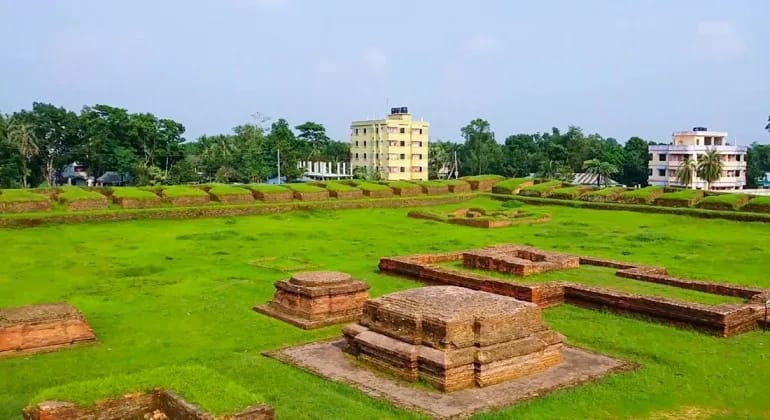
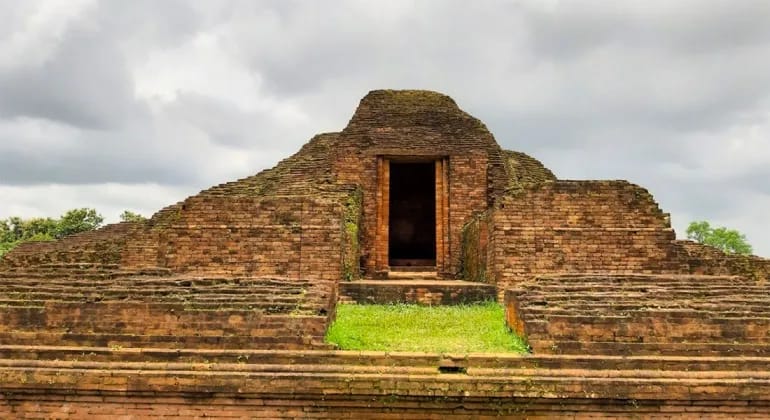
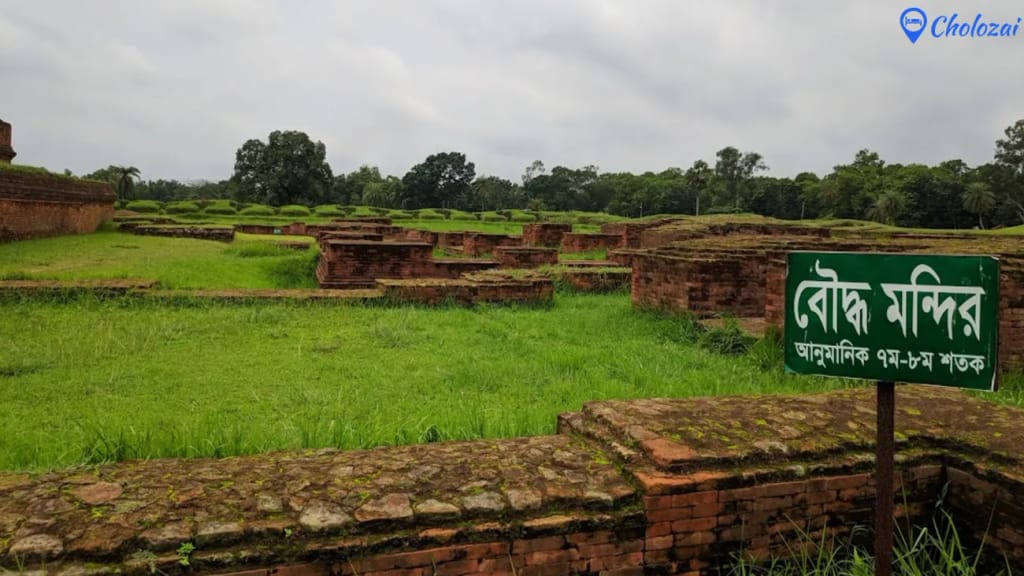
For travelers interested in different periods of regional history, the Comilla War Cemetery presents a valuable contrast to the much older Buddhist archaeological ruins such as Shalban Vihar , Itakhola Mura and rupban Mura .


Things to do at Comilla War Cemetery

Visiting the Mainamati War Cemetery is primarily a historical, educational, and memorable experience. The cemetery is not an amusement park or public recreation site, and visitors should show due respect in all activities.

  • Explore the cemetery's historic layout: Follow the designated walking path and observe the carefully arranged graves and well-decorated memorial courtyards.
  • Read individual inscriptions: Examine selected tombstones to learn about the identities, ages, military units, and personal histories of the deceased.
  • Observe the Cross of Sacrifice: Spend time at the memorial and consider its significance in the context of the Commonwealth's war remembrance tradition.
  • Learn about the Burma Campaign: Connect the history of the cemetery to the larger military campaign in Burma (now Myanmar) and the role of Eastern India in supporting the Allies.
  • Practice respectful photography: Take documentary or landscape photos where permitted, and avoid provocative poses, commercial photoshoots, and intrusive behavior.
  • Attend an appropriate commemoration: Historically, commemorations have been held in November, sometimes attended by diplomatic representatives and religious leaders. Public access is not guaranteed during the events.
  • Meeting with students: Use the cemetery as an opportunity to discuss world history, military medicine, colonial-era geography, remembrance, and the consequences of global conflict.

Suggested visit duration: Allow 30-45 minutes for a general visit, or approximately 60-90 minutes if you wish to read the inscription and explore its historical significance in more depth. Visitors researching family or military history may need additional time and should consult the CWGC's documentation in advance.


Ticket prices, entrance fees and visiting rules

There is no general admission fee to enter the Comilla War Cemetery. General visitors do not need to purchase tickets to enter during the approved visiting hours. It is an accessible historical destination for solo travelers, families, students, and international visitors.

Inspectorate Department or Service Price or requirement
Bangladeshi adult visitors Free
International visitors Free
Children and students Free
General admission ticket No need.
Simple personal photography There is no specific ticket for taking photos; site rules apply.
Optional private transportation Paid separately
Optional independent guide Prices are subject to personal negotiation; institutional guided tours are not guaranteed.

Important inspection rules

  • Maintain silence and respect: Speak softly and avoid shouting, singing, playing sports, or any activity that disrupts the atmosphere of the memorial.
  • Protect graves: Never sit, stand, climb, or place personal items on gravestones or monuments.
  • Stick to designated routes: Follow staff instructions and avoid areas marked as restricted or temporarily closed.
  • Appropriate attire: It is recommended to wear modest and comfortable clothing for the memorial service.
  • Avoid littering: Take your trash with you and do not damage plants, flowers, lawns, or cemetery property.
  • Follow photography guidelines: Photography may be permitted for general visitors, but restrictions may apply during security operations, events, maintenance, or special events.
  • Do not use the cemetery as a picnic area: Eating, organized entertainment, noisy gatherings, and commercial photography may be against cemetery regulations.
  • Follow safety rules: The cemetery is located near a military cantonment. Please refrain from taking photos of nearby military installations or protected areas.

Visitors traveling in organized groups or planning formal research, filming, or events should contact the relevant cemetery authorities before arriving.


Opening hours and best time to visit

The Comilla War Cemetery is usually open for two visits a day, rather than being open continuously throughout the day. Published visitor information obtained from Google and local reports generally mention the following schedule.

Day Morning session Afternoon session
Monday 7:00 AM - 12:00 PM 2:00 PM - 5:00 PM
Tuesday 7:00 AM - 12:00 PM 2:00 PM - 5:00 PM
Wednesday 7:00 AM - 12:00 PM 2:00 PM - 5:00 PM
Thursday 7:00 AM - 12:00 PM 2:00 PM - 5:00 PM
Friday 7:00 AM - 12:00 PM 2:00 PM - 5:00 PM
Saturday 7:00 AM - 12:00 PM 2:00 PM - 5:00 PM
Sunday 7:00 AM - 12:00 PM 2:00 PM - 5:00 PM

Important: The cemetery is usually closed for the afternoon break. Although some older travel publications state that the afternoon break is shorter, the 2:00 PM reopening time is supported by Google's opening hours list and multiple visitor accounts. Hours may change due to holiday closures, maintenance, memorial services, and safety instructions. Check the schedule before making a long trip, especially during the Eid holidays.

Best months to travel

The cemetery can be visited throughout the year, subject to its operating schedule. The months of October to March are particularly suitable for tourists visiting the area in conjunction with a visit to the heritage sites outside Comilla . Historically, the month of November is associated with the commemoration, although the dates and arrangements for public participation vary.

Best time of day

The first part of the morning visit is ideal for enjoying a peaceful atmosphere and observing the graves without unnecessary disturbance. The last part of the afternoon visit also offers lovely natural light for taking respectful photos. Plan to arrive comfortably before closing, rather than arriving at the last minute.


How to reach

The Comilla War Cemetery is located on the Comilla-Sylhet road, near the Comilla Cantonment and Combined Military Hospital. It is about 7-9 kilometers from central Comilla, depending on the starting point and route. It can be reached by intercity bus, train or private vehicle from Dhaka, and then a short local journey is required if necessary.

1. By bus from Dhaka

One of the easiest ways to reach the cemetery from Dhaka is by road. Buses to Comilla operated by companies like Tisha, Asia Line and other regional operators leave regularly from Sayedabad and Jatrabari transport areas, subject to current schedules.

  1. Board at a convenient bus departure point in Dhaka, usually Sayedabad or Jatrabari.
  2. Choose a bus heading towards Comilla via the Dhaka-Chittagong highway.
  3. Ask if the service stops at Comilla Cantonment or Cantonment Circle. Don't assume that every express coach is allowed to stop on the roadside.
  4. When the bus stops at the Cantonment Junction, take a local auto-rickshaw or any other vehicle to the Comilla-Sylhet road and the entrance to the cemetery.
  5. If your bus stops in Comilla city, take a CNG autorickshaw or local bus to go to the cantonment and Mainamati War Cemetery.

Dhaka-Comilla bus fare: Around 250–500 taka per person for many regular services, but prices can be higher for premium or air-conditioned options. The journey from Dhaka usually takes 2.5–4 hours, depending on traffic congestion, highway conditions, and the last stop. Fare and service availability should be confirmed with the operator.

2. By train from Dhaka

For tourists who want to avoid long road journeys, rail travel is a convenient option. Selected intercity and other trains operating along the Dhaka-Chittagong rail corridor serve Comilla Railway Station.

  1. Check the current Bangladesh Railway timetable and select a train that clearly stops in Comilla.
  2. Get off at the appropriate Dhaka station, usually Kamalapur, according to your ticket.
  3. Get down at Comilla Railway Station.
  4. Hire a CNG autorickshaw or use available local transport to go to Comilla Cantonment and Cemetery.

Estimated train fare: Approximately ৳170–৳750 or more per person depending on the train, seat class and applicable charges. The train journey will take approximately 2–3.5 hours, depending on the specific service. The last local journey from the station to the cemetery usually takes about 20–35 minutes.

Not all express trains on the Dhaka-Chittagong route stop at Comilla. Before booking, check the exact stoppage pattern with Bangladesh Railway.

3. From Central Comilla, Kandirpar or Railway Station

Tourists already staying in Comilla can reach the cemetery relatively easily. Kandirpar is a convenient central landmark, and local transport is available from Comilla Railway Station and the city's main transport system.

  • Reserved CNG Auto Rickshaw: Budget approximately 120–250 taka for a typical one-way local journey, depending on the starting point, traffic, and bargaining.
  • Shared CNG or local bus: Approximately 20–50 taka per person on existing routes, which may require a short walk or changing buses.
  • Reserved Car: A convenient option for families, senior visitors, or travelers traveling to multiple destinations. Set a set route, wait time, and total price before you start your journey.
  • Rickshaw or electric autorickshaw: Suitable for short distance travel around Cantonment Junction, but local operating and safety restrictions apply.

Tell the driver about the Mainamati War Cemetery , the English Cemetery , or the War Cemetery near Comilla CMH . The cemetery is located about 1 km away from the Cantonment Circle area along the road leading to Sylhet and Companyganj. Check the cemetery's directional signs and confirm the entrance locally.

4. From Dhaka by private car or rented car

For a convenient day trip, take the Dhaka-Chittagong highway towards Comilla and proceed to the Cantonment Junction. From there, follow the marked path to the cemetery along the road leading to Sylhet. If you have your own vehicle, visitors can travel to the cemetery, the archaeological site and the center of Comilla without having to rely on multiple separate local vehicles.

The cost of a one-day return car rental from Dhaka can vary widely depending on the type of car, distance traveled, fuel policy, tolls, driver allowance, and waiting time. As a rough estimate, a conventional private car can cost several thousand taka; ask for a detailed cost estimate rather than taking the quoted base price as the final total cost. Avoid stopping or parking your car in reserved cantonment areas.

5. By air

There are no regular scheduled commercial passenger flights directly to Comilla. Domestic and international passengers can arrive at Hazrat Shahjalal International Airport in Dhaka and travel by road or rail. Passengers entering Bangladesh via Chittagong can also travel to Comilla by train or road.

Allow extra time to reach your chosen train station or bus departure point from Dhaka Airport. It may be convenient for travelers with luggage or arriving in groups to arrange transportation in advance.

6. Nearby attractions and directions suggestions

  • Comilla Cantonment: The main area used to identify the cemetery.
  • Combined Military Hospital (CMH): An important nearby landmark located on the entrance road.
  • Cantonment Circle: A convenient road junction for arranging onward local transport.
  • Comilla-Sylhet Road: The main road connected to the entrance of the cemetery.
  • Mainamati area: This is a larger historical area, although the main Buddhist archaeological attractions are separate destinations.

Directions Tip: Do not rely on the general term 'Mainamati' alone, but search for Mainamati War Cemetery, as it can cover a much larger area. This cemetery is separate from Mainamati Museum and Shalban Vihar . Confirm your destination with the driver before starting your journey.

Comilla War Cemetery

GPS: 23.48698, 91.112496
Get Directions

Where to eat

The Mainamati War Cemetery is a memorial, not an entertainment center. Visitors should not expect restaurants, picnic areas, or food courts inside. The most practical option is to eat before you arrive or plan to eat in Comilla city after your visit.

Food around Comilla Cantonment

The commercial area around Cantonment Junction and nearby markets may have simple tea shops, snack stalls, bakeries and local restaurants. Their availability varies depending on the location and opening hours. These are useful for a quick refreshment before your next journey, but avoid taking food inside the cemetery.

Restaurants in Central Comilla

A wider range of restaurants are available in Kandirpara, Manoharpur and other major shopping and transport areas. Common options include Bangladeshi rice dishes, fish, chicken curries, various beef dishes, kebabs, biryani, parathas and simple vegetarian dishes.

An estimated budget is around 60–150 taka for a light snack and drinks, 150–350 taka for a simple local meal, and 350–700 or more for a full restaurant meal. These are planning estimates, not verified menus or fixed prices.

Try Comilla's famous Rasmalai

For many foodies, a visit to Comilla is incomplete without tasting the famous Rasmalai . It is a sweet made from milk that is closely associated with the city. The historical name Matribhandar is especially well-known in the Manoharpur area. Before buying, make sure you are at the right shop, as there may be similar businesses or fake shops elsewhere.

If you plan to visit dharmasagar Dighi later in the day , Central Comilla is a convenient place for lunch, sweets, and snacks in between sightseeing.


Where to stay?

Most tourists can visit the Comilla War Cemetery on a day trip from Dhaka or as part of a short itinerary in Comilla. However, for those interested in visiting multiple historical sites, traveling with family, or wanting to maintain a flexible schedule, staying overnight is convenient.

1. Central Comilla and Kandirpar

Central Comilla is generally the most convenient accommodation area for the average tourist, as it is within easy reach of restaurants, shops, public transport and the railway station. Travelers can find budget and mid-range accommodation in and around the city centre, although the quality of each hotel varies considerably.

Estimated room budget: Around ৳1,000–৳3,500 per night for many budget and mid-range options. Air conditioning, room size, service quality, and seasonal demand may affect the final price.

2. Padua Market and Highway Entrance Area

For travelers arriving by private vehicle, especially those who wish to continue their journey to Chittagong the next day or return to Dhaka, accommodation near Padua Bazar or major highway junctions may be convenient. Verify the exact address, as some properties advertised under Comilla may be outside the central tourist area.

3. Kotbari and Mainamati Heritage Areas

Kotbari is a convenient location for travelers primarily interested in the Mainamati archaeological sites. The bangladesh Academy for Rural Development (BARD) is located within this larger area, but institutional guest accommodations should not be considered the same as a typical walk-in hotel. Prior permission or eligibility requirements may apply.

Accommodation Booking Checklist

  • Ensure the exact location and distance from Comilla Cantonment or Railway Station.
  • See recent individual guest reviews and current room photos.
  • Ask if the price includes applicable taxes and service charges.
  • Ensure air conditioning, hot water, internet, parking, and family-room facilities if needed.
  • Please check the identification requirements and hotel guest policies before making payment.
  • Arrange transportation with your hotel the evening before for a morning cemetery visit.

For history-focused travel, staying in the city center allows visitors to visit the Comilla War Cemetery, the Mainamati Archaeological Site, and the dharmasagar Dighi without having to return to Dhaka repeatedly.


Practical travel tips and recommended itineraries

Before your visit

  • Make sure the session is open: Come to the published morning or afternoon session and have some time on hand before the closing time.
  • Carry drinking water: Buy food and drinks from outside the cemetery and follow the area's restrictions regarding food and drinks.
  • Wear comfortable shoes: Visitors may encounter grassy fields, footpaths, gentle slopes and stairs.
  • Accessibility plans: Some descriptions mention the possibility of wheelchair access through the main entrance, but the slope of the site and the layout of the garden may create limitations on mobility. Visitors with special mobility needs should check with cemetery staff about the current situation.
  • Respect privacy and security: Do not take photos of security personnel or nearby military installations.
  • Check memorial arrangements: November memorials may affect general admission conditions.
  • Carry loose change: Local autorickshaw drivers and small shops may not accept digital payments.
  • Use reliable transportation: If traveling near store closing times, arrange local fares in advance and make return arrangements.

Recommended one-day historical tour in Comilla

A worthwhile itinerary combines the World War II heritage of the Mainamati War Cemetery with the region's more ancient Buddhist history and the attractions of its vibrant city center. Actual arrival times depend on transportation, venue schedules, and road conditions.

  1. Morning: Arrive at the Cantonment area and visit the Comilla War Cemetery on the first day of opening. Allow about an hour to explore carefully.
  2. Afternoon or early afternoon: Head towards Kotbari and visit Shalban Vihar and mainamati Museum , but this depends on their different opening hours and entry arrangements.
  3. Afternoon: If you have time, visit some other traditional places like Itakhola Mura or Nab Shalban Vihar . (Nobo Shalban Bihar Comilla)
  4. Late afternoon: Return to Comilla city for lunch, traditional rasmalai and a visit to dharmasagar Dighi .

Important Notice Regarding Timings: The Archaeological Museum and Shalban Vihar War Cemetery are operated separately and have different opening hours. Please check their current official notices before selecting your travel dates. This is especially important during weekly closures, public holidays and special schedule changes.


Nearby attractions

The Comilla War Cemetery is an excellent starting point for exploring the vast history and culture of the Comilla district. In addition to the World War II memorial, the district is home to important Buddhist archaeological sites, historic water bodies, educational institutions, heritage estates and family entertainment venues. The following places can be combined to create a day trip or a longer district itinerary.

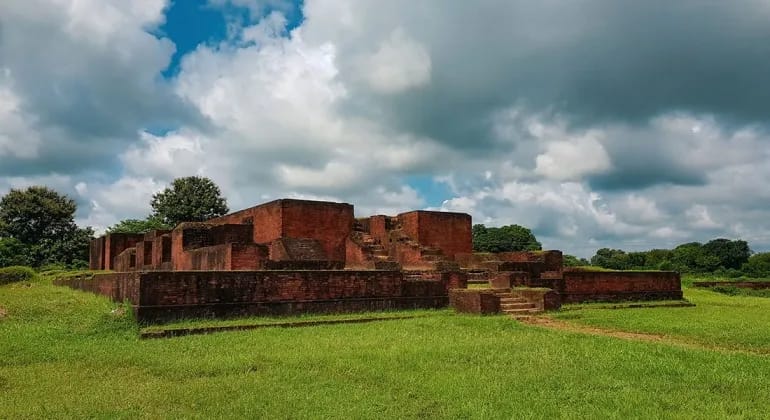
One of the most famous Buddhist archaeological sites in Bangladesh, Shalban Vihar preserves the ruins of an ancient Vihar complex in the Mainamati-Lalmai region. Visitors can explore the layout of the Vihar, its brick foundations, and the central shrine area. It is a particularly worthwhile destination for history buffs exploring the various historical eras represented across Comilla.

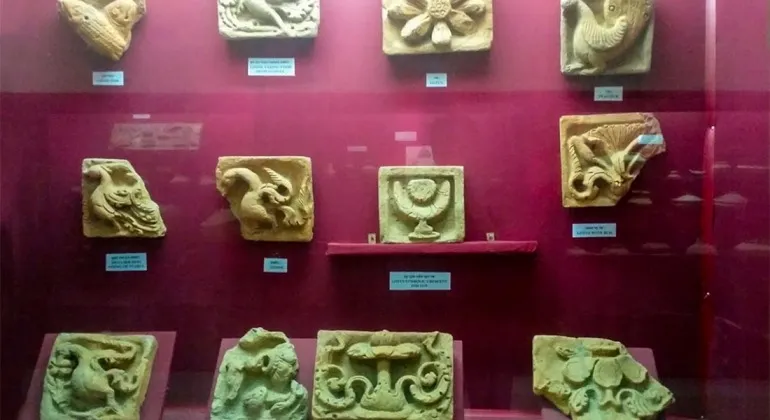
This archaeological museum displays important artifacts related to excavations in the Mainamati region, including sculptures, terracotta objects, inscriptions, coins, and evidence of Buddhist monastic life. It provides essential historical context for the nearby excavated sites. The museum's admission fee and operating hours are different from the free war cemetery.

Also known as New Shalban Vihar, this modern Buddhist religious complex offers a different perspective on the ongoing Buddhist tradition of the region. Its devotional atmosphere and contemporary religious architecture create a contrast with the ancient archaeological ruins of Shalban Vihar.

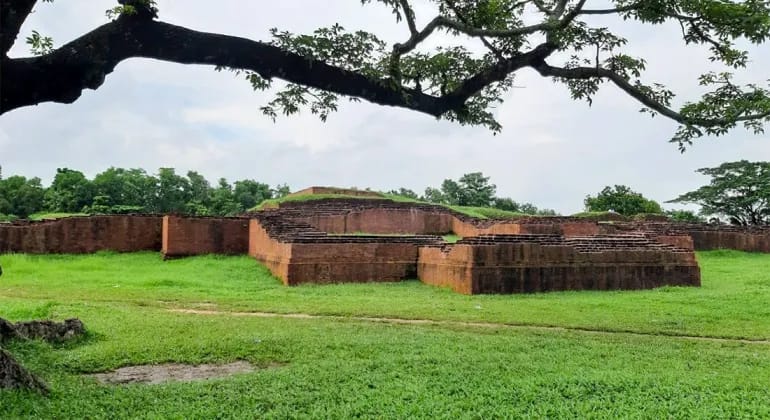
Itakhola Mura is an important archaeological mound within the Mainamati Heritage Area. The excavated remains help to illustrate the development of early Buddhist architecture and religious activities in this part of Bengal.

Rupban Mura offers another opportunity to explore ancient brick-built Buddhist ruins in the Mainamati region. Along with Itakhola Mura and Shalban Vihar, it helps visitors understand the historical importance of Comilla as a center of Buddhist culture.

Ananda Vihar is part of the larger Mainamati archaeological landscape and is associated with the Buddhist monastic heritage of the region. It is particularly attractive to visitors on archaeological or educational tours rather than traditional leisure trips.

This historic site is intertwined with the heritage and archaeological legacy surrounding Queen Mainamati. It adds a new dimension to local history, although visitors should separate historical evidence from folktales and legends related to the queen.

8. bangladesh Academy for Rural Development (BARD) Comilla

Located in Kotbari, BARD is an important educational and research institution associated with rural development in Bangladesh. Visitors interested in the country's modern social and institutional history may find it worthwhile, although permission may be required to enter the institutional facilities.

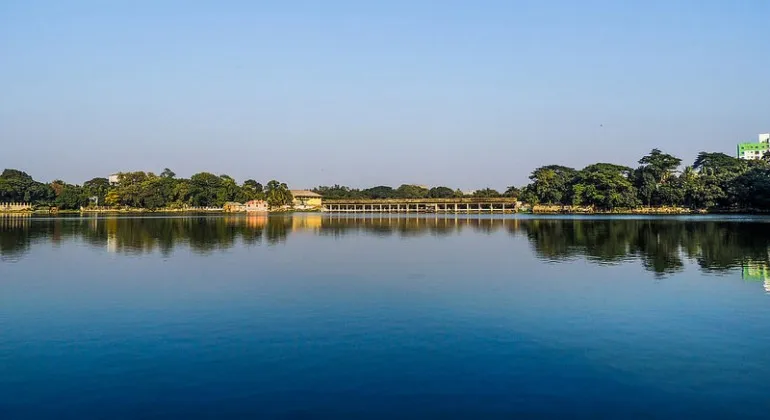
Dharmasagar Dighi, located in central Comilla, is a historic water body and a popular place for leisurely walks and sightseeing. It is a convenient destination after returning from the Cantonment or Kotbari heritage area and provides easy access to the city's restaurants and sweet shops.

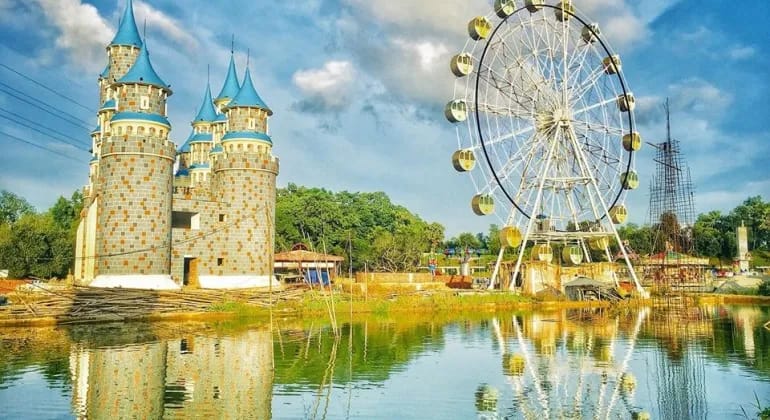
Magic Paradise Park offers a family entertainment experience through its amusement attractions. It is perfect for visitors traveling with children who want to balance recreational activities with a historical morning. Check out its current ticket packages and ride charges separately.

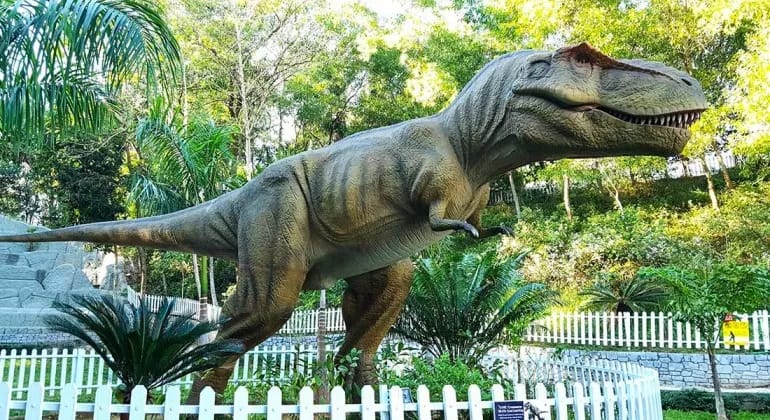
Dino Park is a dinosaur-themed amusement attraction that can be appealing to families and young travelers. It creates an interesting contrast to Comilla's archaeological and military history, especially for groups planning a varied day trip.

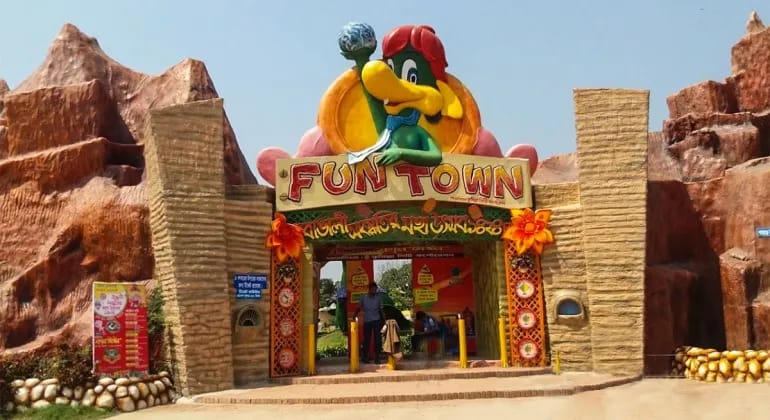
Fun Town is another family-oriented entertainment destination in the area. Visitors should not assume that its hours will coincide with other parks' hours, but rather check current operations, available activities, and admission prices.

The Jahapur Zamindar Bari, through its association with the traditional zamindari system, reveals another layer of Comilla's architectural and social history. It is more suitable for a longer heritage itinerary as it is located away from the main cantonment and the mainamati tourist attractions.

Suggested Combination: For a history-focused day, prioritize Comilla War Cemetery, Shalban Vihar , Mainamati Museum , and Dharmasagar Dighi . If travelers have extra time, they can include other archaeological sites of their interest or choose a family entertainment center.

Frequently Asked Questions (FAQ)

The Comilla War Cemetery, officially known as the Mainamati War Cemetery, is located near the Comilla Cantonment on the Comilla-Sylhet road in Comilla District, Bangladesh. It is located about 7–9 kilometres from central Comilla, depending on the route. The cemetery is located near the Combined Military Hospital and about 1 kilometre from the Cantonment Junction along the Sylhet-bound road. Visitors can reach it by CNG auto-rickshaw, local transport or private car. It should not be confused with the separate Mainamati archaeological attraction located near Kotbari.

Explore The Area

Top Attractions & Places to Visit in Cumilla

Discover more heritage, nature, and must-visit spots across Cumilla.

View all in Cumilla
logo ColoZai

ColoZai is a trusted travel guide and destination explorer platform in Bangladesh. We are making travel simple, authentic, and accessible for everyone.

Need Help ?

We are Always here for you! Knock us on Whatsapp (10AM - 10PM) or Email us.