Itakhola Mura Comilla

Itakhola Mura Comilla

Cumilla
·

25 September 2026

Travel Overview & Quick Facts

Directions
Location
Cumilla
Admission / Entry Fee
According to the information received, the entry fee for each Bangladeshi visitor is around 10–20 dirhams. Older visitor descriptions mention different rates for foreign visitors, which include 100 dirhams for citizens of SAARC countries and 300 dirhams for other foreign nationals, but these rates may have changed. Please confirm the current ticket price and eligibility at the official ticket counter before visiting. Historically, photography has been allowed without any additional fee.
Opening Hours
Open daily from 11:00 AM to 6:00 PM; check with authorities for current hours before traveling.
Google Rating
★ 4.4 (611 reviews)
Category / Type
Buddhist archaeological sites, historical monuments, ancient monasteries, cultural heritage centers

Introduction to Itakhola Mura Comilla

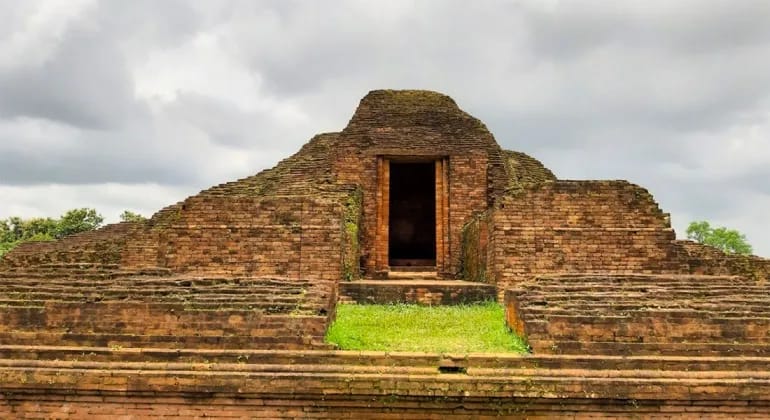
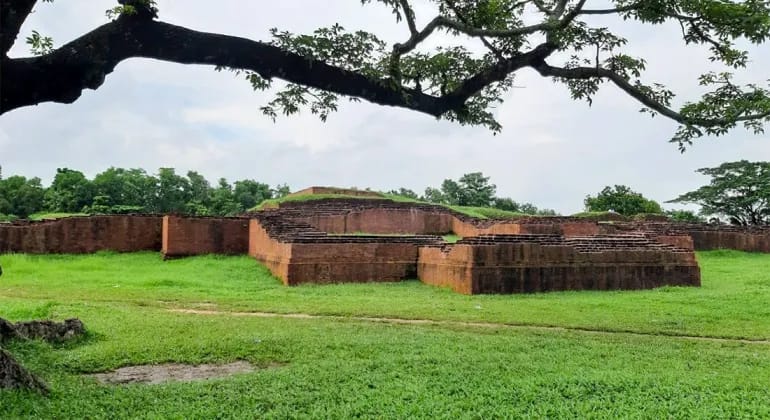
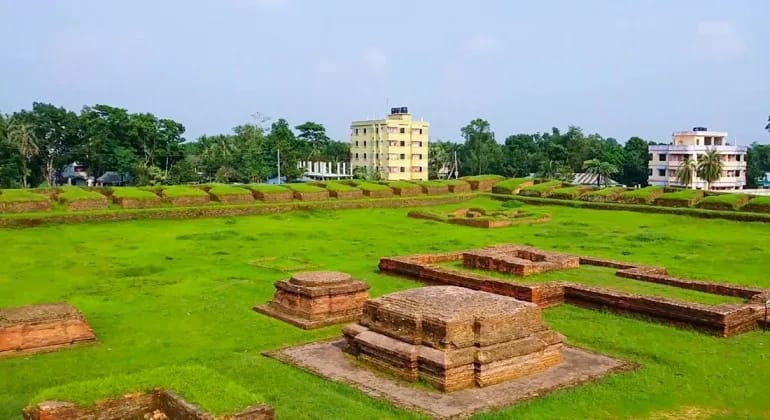
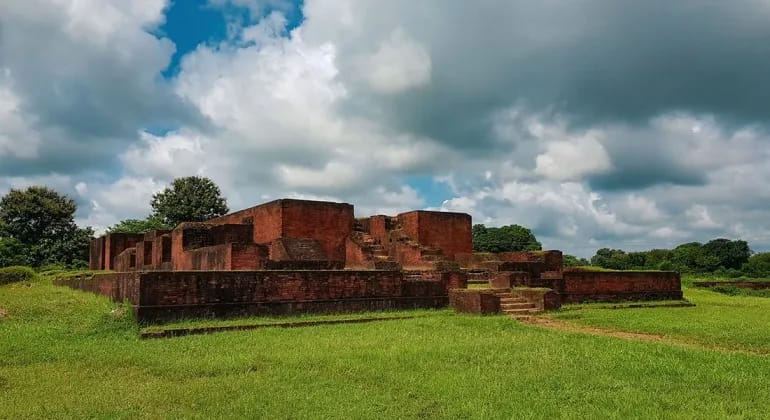
Itakhola Mura is an important archaeological site in the Kotbari area of ​​Comilla district, Bangladesh , which offers a fascinating glimpse into the ancient Buddhist heritage of the region. Situated on the historic Lalmai-Mainamati ridge, this excavated archaeological site preserves the ruins of a Buddhist religious complex, the successive construction phases of which reveal centuries of architectural and cultural development.

Unlike modern tourist destinations, Itakhola Mura offers visitors the opportunity for quiet exploration, historical discovery, and enjoyment of the archaeological landscape of southeastern Bangladesh. Its brick architecture, high foundations, stupa ruins, and traces of monastic architecture help visitors imagine the religious communities that once flourished here.

This place is of particular interest to history buffs, archaeology students, photographers, and travelers interested in destinations outside of Comilla's well-known monuments. It can be combined with a visit to Shalban Vihar (Shalban Vihar Comilla) , Mainamati Museum, and other archaeological sites around Kotbari for a worthwhile cultural day trip . (Mainamati Museum Comilla)

Location: Kotbari, Comilla District, Bangladesh. Suggested visit duration: Approximately 45–90 minutes. Entrance fee: There is reportedly a small entrance fee; check current entrance fees and opening hours before traveling.


History of Itakhola Mura

Itakhola Mura is part of the larger Lalmai-Mainamati archaeological landscape, known for its Buddhist monasteries, religious monuments, and ancient settlements. Archaeological research suggests that the region was an important center of Buddhist religious and cultural activity in early and medieval Bengal.

According to the Department of Archaeology of Bangladesh, the ruins of Itakhola Mura include Buddhist stupas and monastery structures. Excavations have revealed evidence of five cultural or construction phases, indicating repeated construction and rebuilding at the site. As earlier archaeological layers exist beneath later ruins, the mound has become valuable for understanding the long settlement history of the area.

The name Itakhola Mura is associated with the local brick-making tradition. The high mounds and extensive brickwork of the site reflect the importance of burnt bricks in the construction of ancient religious architecture in this part of Bengal.

The excavations have uncovered the ruins of a Buddhist temple and an adjacent monastery. Historical accounts also record the discovery of important antiquities, including precious metal objects and an inscribed copper tablet. These discoveries contribute to the study of religious institutions, crafts, and material culture of ancient South-East Bengal.

The exact chronology and interpretation of the distinctive architecture should be understood in the context of archaeological evidence, not just based on local legends. Visitors interested in additional context can explore the collections and interpretive exhibits of the Mainamati Museum , which houses artifacts recovered from various archaeological sites in the region.


Architectural and archaeological sites

The architectural remains of Itakhola Mura illustrate the practical and religious functions of a Buddhist structure built mainly of brick. The exposed foundations and structural outline allow visitors to observe how ancient builders arranged sacred spaces on a high mound.

Buddhist stupa complex

One of the main attractions of the site is its large brick stupa complex. Stupas were important structures in Buddhist religious life and would have been used as objects of worship, remembrance, and ceremonial circumambulation. The surviving masonry establishes a clear connection with the religious practices of the time.

The foundation and construction stages of the temple

Excavated temple ruins show evidence of multiple construction and reconstruction phases. Changes in the foundations, masonry, and structural layout help archaeologists interpret the evolution of this architecture. These layers are particularly important, as later buildings sometimes covered or modified earlier structures.

Monastery ruins

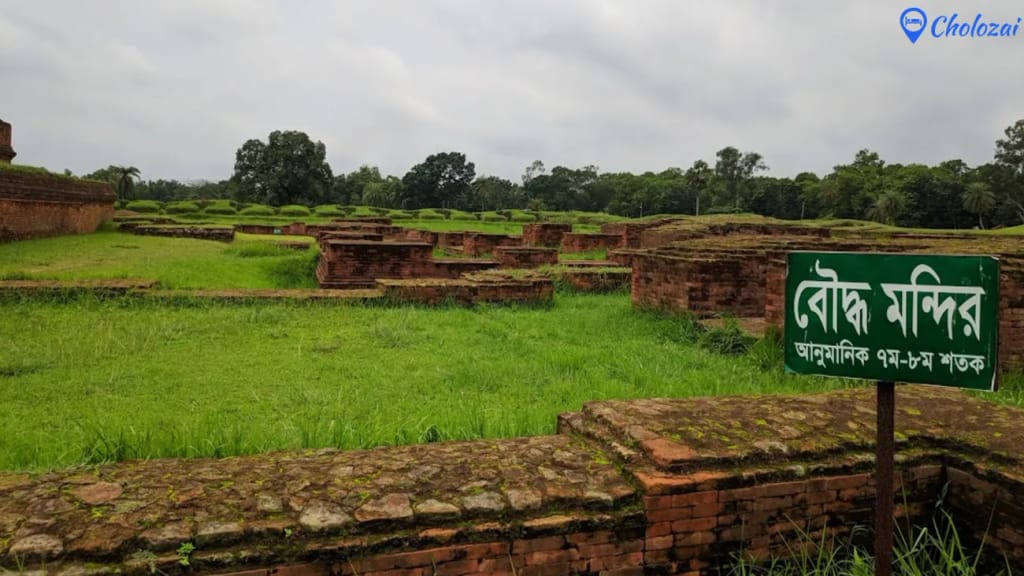
The ruins of the adjacent monastery suggest that this site was not just an isolated monument. Buddhist religious complexes typically included spaces for worship, study, meditation, and social life. The surviving foundation stones of Itakhola Mura help visitors to imagine these functions, although it is not possible to determine the specific purpose of each room or structure without expert interpretation.

Brickwork and archaeological layers

The exposed brickwork is a major attraction of the visitor experience. The various stages of construction highlight the challenges of interpreting an archaeological mound, whose visible remains represent only a fraction of its history. Avoid touching, climbing on, or removing objects from these ancient structures, as even seemingly minor damage can affect their preservation.


Things to do in Itakhola Mura

It is better to enjoy Itakhola Mura as a heritage site than as a commercial entertainment center. Allow plenty of time to walk around the excavated structures, observe the foundations, and enjoy the surrounding archaeological landscape.

  • Explore ancient ruins: Walk along the designated visitor path and observe surviving brick structures, remains of stupas, and temple foundations.
  • Learn about Buddhist history: Understand the role of religious institutions in the historic Mainamati region through this visit.
  • Take architectural photographs: Capture the geometry of the brickwork and the relationship between the ruins and the elevated terrain, within the constraints of the site.
  • Combine nearby archaeological sites: Plan a larger trip that includes Rupban Mura , Anand Vihar , and Shalban Vihar . (Shalban Vihar Comilla)
  • Visit the Regional Museum: Visit the Mainamati Museum to get a more comprehensive idea of ​​the antiquities recovered from the nearby archaeological sites .
  • Enjoy a quiet cultural trip: Its historic atmosphere makes the place suitable for travelers who prefer educational tours and fewer commercial attractions.

Visitors should be prepared for uneven terrain, exposed masonry, and limited modern amenities. It is recommended to bring comfortable walking shoes, drinking water, and a fully charged phone for self-guided exploration.


Ticket prices and entry rules

Historically, domestic visitors were required to purchase a small ticket to enter the Itakhola Mura. According to old local travel reports, the ticket price per person was around 10 dirhams, but recent travel information has put the price at around 20 dirhams. As these figures cannot be considered as current confirmed prices, visitors should contact the official counter for the applicable price.

Inspectorate Department Reported admission information
Bangladeshi adults Estimated ৳10–৳20 per person according to published inspection report; check current rates.
Children and students Ask at the ticket counter if any discounts or age-based exemptions apply.
SAARC inspectors According to old reports, around 100 taka per person; current eligibility and price verification required.
Other international visitors Older reports mention around 300 bales per person; check the current government rate.
Photography Historically, general photography has been permitted without a separate fee, subject to current site regulations.

Important: The figures above are historical or estimated information, they do not guarantee today's prices. Bring some Bangladeshi taka and check if any separate permits or charges apply for professional photography or videography.

Visitor etiquette

  • Follow the instructions of site staff and abide by all restricted areas.
  • Do not climb on ancient walls, pillars, or fragile foundations.
  • Never remove bricks, pottery shards, or any other archaeological material.
  • Dispose of trash responsibly and respect the cultural and historical significance of the site.
  • Check before traveling for temporary closures or limited access, especially during public holidays or conservation work.

Opening hours and best time to visit

Published visitor information gives varying opening times for Itakhola Mura, so it is not possible to determine an accurate and reliable current opening time. Some listings state that entry is during the day, while local visitors describe it as opening around 9:30 am and closing in the late afternoon. Another listing states that it is open until 6:00 pm.

For realistic planning, aim to arrive in the morning or early afternoon and confirm opening times locally before you leave. Don't assume that the schedule displayed on a third-party travel website guarantees entry to the archaeological site on a particular day.

Recommended time: November to February is a good time to visit the heritage sites around Comilla. October to March is also a good time to plan an extensive itinerary for the Mainamati archaeological site. Traveling in the morning usually gives you more time to explore the architecture and you can also visit other nearby attractions at the end of the day.

Allow approximately 45-90 minutes for Itakhola Mura alone. Visitors who enjoy detailed archaeological exploration or photography may want to allow more time.


How to reach

Itakhola Mura is located in the Kotbari archaeological area of ​​Comilla district, near the Bangladesh Academy for Rural Development (BARD) and other historical sites in the Mainamati range. The easiest way to get there is to go to Comilla or directly to Kotbari and complete the last part of the journey by local transport.

By bus from Dhaka

  1. Go to Sayedabad Bus Terminal or any other bus departure center in Dhaka bound for Comilla.
  2. Take an intercity bus to Comilla. Services vary by operator and the journey usually takes around 2.5–4 hours, depending on traffic, boarding points, and road conditions.
  3. Ask the operator if the bus stops at Kotbari or Comilla Cantonment. If it doesn't, then go to Comilla City Bus Terminal.
  4. Hire a CNG autorickshaw or local auto to go from Comilla towards Kotbari and BARD. Ask the driver to take you to Itakhola Mura or its nearest authorized entrance.

Estimated cost: Depending on the operator and class of service, a one-way fare per person for a regular intercity bus can be around 250–600 taka. From Comilla city, a one-way fare for a CNG or similar rented vehicle can be around 100–250 taka, depending on the pickup point, bargaining, and whether the vehicle is being shared. These are estimates for planning purposes, not fixed fares.

By train from Dhaka

  1. Check Bangladesh Railway services from Dhaka to Comilla through the official booking system and choose a departure at your convenience.
  2. Travel to Comilla Railway Station. Available services, journey times and fares depend on the schedule and ticket class.
  3. To go from the station towards Kotbari and BARD, take a CNG autorickshaw, autorickshaw or any pre-arranged vehicle.
  4. Confirm the final drop-off location with the driver before starting the journey, as it may be a bit of a walk to reach the archaeological entrance.

Train fares vary according to class and current railway tariffs. Check the official railway booking system for the exact fare rather than relying on old published prices.

By air from Dhaka

There is no commercial airport directly connecting Itakhola Murrah. For most travelers, it is more convenient to travel by road or rail from Dhaka. If you arrive in Bangladesh via Hazrat Shahjalal International Airport, you can travel to Comilla by road or by first reaching a suitable rail departure point. Private transportation can be arranged, but it is likely to be much more expensive than public transport.

From Comilla City Center

  1. Start from Kandirpar, Comilla Railway Station or the city's main transport hub.
  2. Take a local bus or CNG to Kotbari, or arrange for a direct vehicle.
  3. Ask to get off near BARD or Itakhola Mura archaeological site on Kotbari Road.
  4. Follow local instructions to proceed to authorized entrances and check ticketing procedures before entering.

The journey by road from central Comilla usually takes 20-40 minutes, although traffic and the exact starting point will affect the time. A one-way CNG fare for a rental car is around 100-250 dirhams; shared transport may be cheaper. Agree on the fare before you travel.

Local transportation and vehicle rentals

CNG autorickshaws and local motorized autos are convenient for reaching the Kotbari archaeological site. Rickshaws may be suitable for short distance travel, but are not practical for the entire journey from central Comilla due to the distance and road conditions. Visitors who wish to visit multiple archaeological sites in a day can hire a CNG to stop at multiple sites or arrange for a private car for greater convenience.

For half-day local itineraries, make sure the driver will wait at each attraction or charge separately for each ride. The cost of a private car depends on the duration of the trip, type of vehicle, route, and waiting time; find out the price before you start your journey.

Nearby attractions

BARD is a useful local guide, while Rupban Mura and Shalban Vihar are two notable archaeological destinations in the same larger area. The Mainamati Museum is another useful destination for visitors interested in archaeological discoveries in the region. Use an up-to-date map and confirm the correct entrance with the driver, as place names and road descriptions may differ from map listings.

Itakhola Mura Comilla

GPS: 23.43888, 91.12935
Get Directions

Where to eat

Itakhola Mura is primarily an archaeological attraction, not a developed entertainment complex. Visitors should not assume that there will be restaurants, cafes or a full-fledged food court inside. It is wise to bring drinking water and snacks, and in accordance with local regulations, food and drink should be avoided around sensitive archaeological remains.

For better food, head to Kotbari, the Bard area, or central Comilla, where local restaurants and general food stalls offer Bangladeshi cuisine. Depending on the establishment and time, the menu may include rice, lentils, vegetables, fish, chicken curry, and light snacks.

Tourists who continue their journey towards Shalban Vihar (Shalban Vihar Comilla) or Mainamati Museum should plan their lunch accordingly, rather than assuming that food will be available at each archaeological site. Restaurant opening times, menus and prices vary, so it is advisable to check locally before making a specific trip.

Practical advice on food

  • Carry bottled or other safe drinking water.
  • Bring cash for small local eateries, as they may not accept cards.
  • If you have any dietary restrictions, ask about food preparation methods and ingredients.
  • Leave enough time for the return journey, especially if using local public transport.

Where to stay?

Most visitors can visit Itakhola Mura as part of a day trip from Comilla, rather than staying near the archaeological mound. Central Comilla is a more convenient hub for travelers who want access to restaurants, transportation, and other city amenities.

Comilla offers budget guesthouses, business hotels, and more comfortable city hotels, but their prices and amenities vary. Choose your accommodation based on your transportation needs, preferred level of comfort, and the time you plan to spend exploring the Mainamati archaeological sites.

Visitors planning to start their journey early in the morning can arrange for a morning CNG or private vehicle from the center of Comilla to Kotbari. Those arriving late at night should make their own accommodation and transportation arrangements in advance rather than relying on finding a vehicle at the archaeological site.

Housing Planning Tips

  • Please confirm the exact location and check-in policy of the hotel before booking.
  • Ask if the authorities can arrange a car or CNG for the trip to Kotbari.
  • See recent reviews about cleanliness, safety, and service quality.
  • Verify the total price including taxes and any other additional charges.
  • If you also plan to visit dharmasagar Dighi or other tourist attractions in the city, you can consider booking a hotel in the center of Comilla.

For a short traditional itinerary, one night in Comilla is usually sufficient. Travelers who want to travel more slowly can stay longer and explore the archaeological sites along with the city's other cultural landmarks.


Travel tips and responsible travel

A little preparation can make a visit to Itakhola Mura more informative and comfortable. As an archaeological site, its greatest value lies in the surviving structures and the evidence they provide about ancient religious and cultural life.

  • Wear appropriate footwear: Paths and open ground can be uneven.
  • Bring water: Facilities may be limited inside the archaeological area.
  • Keep your belongings safe: Carry only essentials and keep valuables safe.
  • Follow conservation rules: Never climb on, scratch, move, or remove archaeological material.
  • Check opening times: Published schedules may vary, so be sure to check current access before traveling.
  • Carry cash: Local transport and ticket counters may not accept digital payments.
  • Keep traffic jams in mind: Traveling by road from Dhaka and within Comilla may take longer than expected.
  • Travel with context: Reading about the Mainamati archaeological landscape before visiting it makes it much easier to understand the ruins.
  • Photograph with respect: Follow any restrictions that apply to tripods, commercial filming, and photography inside protected areas.

It is particularly rewarding to visit Itakhola Mura as part of a larger exploration of Comilla's Buddhist heritage. When viewed in conjunction with the regional museum and surrounding ruins, a clear sense of how individual monuments fit into a larger historical context is gained.


Nearby attractions

One of the main advantages of visiting Itakhola Mura is its location within the larger archaeological and cultural context of Comilla. Travelers can visit several destinations in a day, provided they check the entry schedule and allow enough time to travel between the different sites.

Shalban Vihar

Shalvan Vihar is one of the best-known Buddhist archaeological sites in the Mainamati area. Its large monastery ruins and courtyard provide a useful opportunity for comparison with the smaller structures excavated at Itakhola Mura. It is an excellent next destination for visitors interested in ancient Buddhist architecture.

Beautiful Mura

Another archaeological site in the Kotbari area is rupban Mura . By visiting these two sites, tourists can appreciate the density and diversity of ancient religious ruins along the Mainamati ridge.

Mainamati Museum

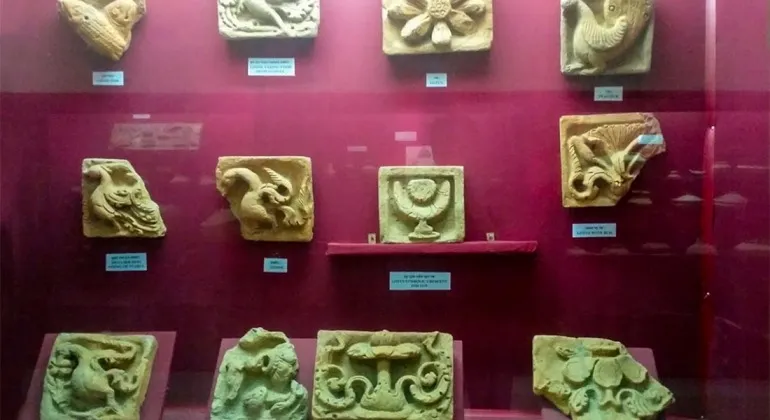
The Mainamati Museum preserves and exhibits archaeological artifacts recovered from various sites in the region. It is a valuable complement to visiting the ruins, especially for travelers who want to learn more about the objects and artistic heritage associated with ancient settlements.

Anand Vihar

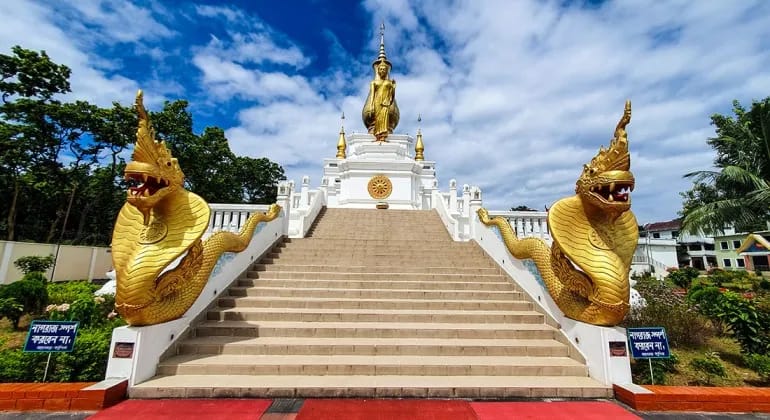
Ananda Vihara adds a new perspective on the Buddhist monastic heritage of the region. Be sure to check current access and directions before including it in your itinerary, as the larger archaeological site has various levels of excavation and visitor access.

Queen Mainamati's Palace

The ruins associated with the Rani Mainamati heritage add a new historical dimension to the area. Read the Rani Mainamati palace Travel Guide when planning a comprehensive tour of the Mainamati Archaeological Site .

Comilla War Cemetery

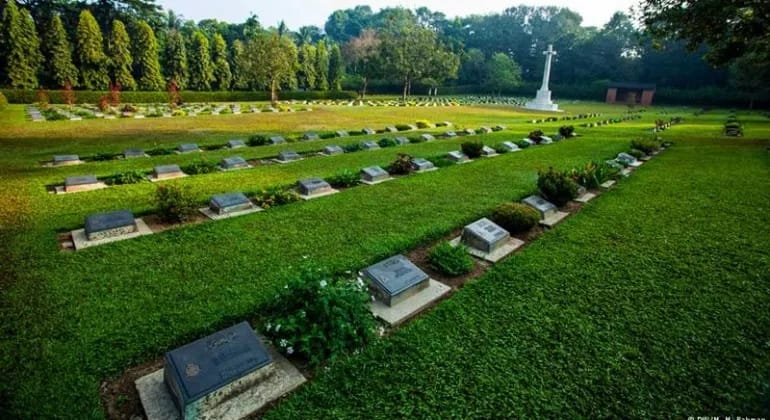
The Comilla War Cemetery offers a contrasting historical experience, commemorating the Commonwealth soldiers who died in World War II. Its memorial landscape is perfect for visitors interested in modern military history and remembrance.

Dharmasagar Dighi

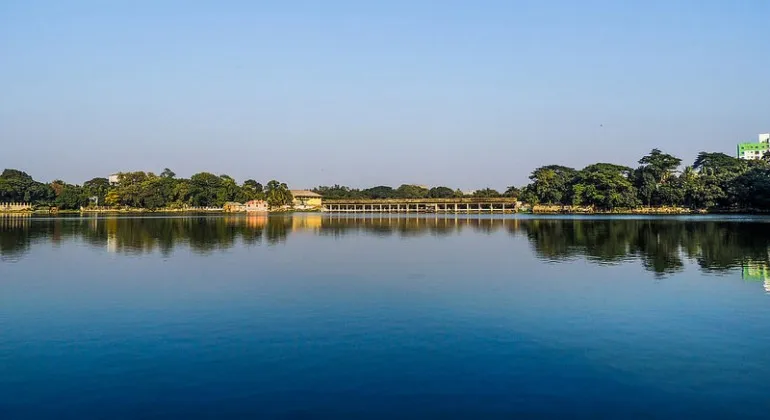
Dharmasagar Dighi is a historical reservoir in Comilla and a worthwhile addition to the city-wide itinerary. It offers a different atmosphere from the archaeological ruins and can be visited separately depending on the time available.

Other attractions to consider

  • For travelers, Nabo Shalban in Bihar is (Nobo Shalban Bihar Comilla) a great place to explore the region's traditional attractions.
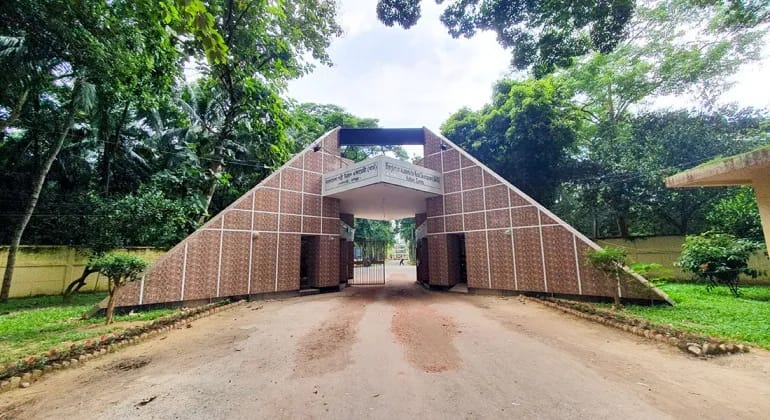
  • A notable local place near Itakhola Mura is the bangladesh Academy for Rural Development (BARD).
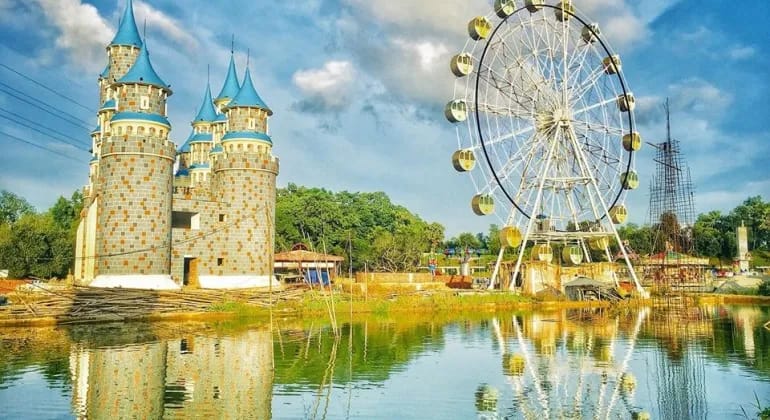
  • For those looking for recreational attractions in addition to visiting cultural sites, magic Paradise Park is the place to go.
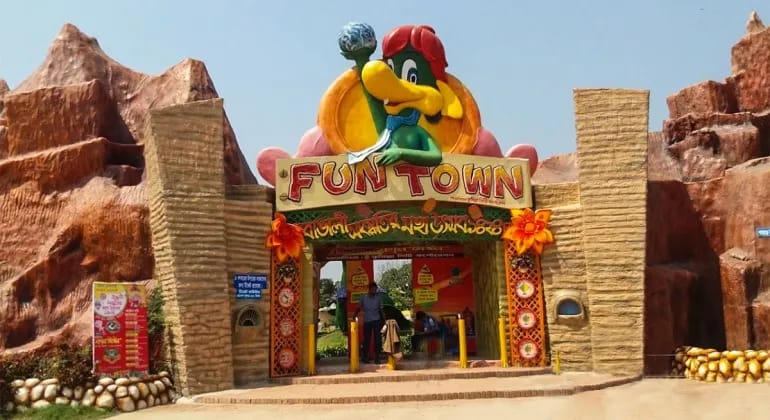
  • Fun Town Comilla is an ideal place for family entertainment .
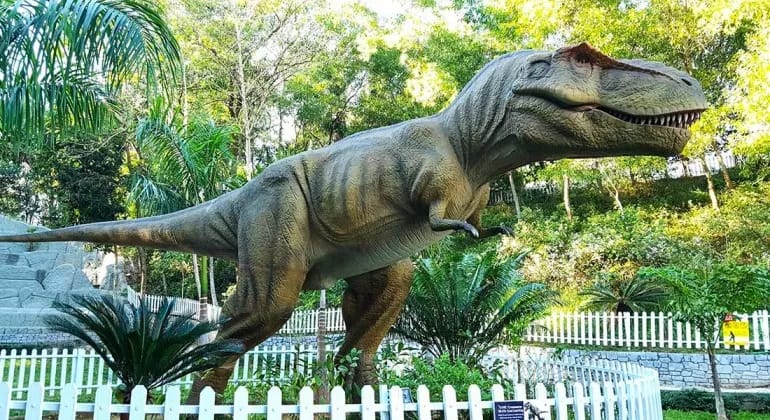
  • Dino Park Comilla is a great place for a different kind of trip, especially with children .
  • Jahapur Zamindar Bari is for travelers interested in historical residences and local architectural heritage .

Suggested itinerary: Starting from Itakhola Mura in the morning, visit Rupban Mura and Shalban Vihar and visit the Mainamati Museum as per the current opening schedule. Add other places as per travel time, ticket arrangements and personal interests. This approach provides a complete introduction to the ancient Buddhist heritage of Comilla without rushing to each destination.

Frequently Asked Questions (FAQ)

Itakhola Mura is an archaeological site located in Kotbari, Comilla District, Bangladesh, within the historic Lalmai-Mainamati Archaeological Landscape. It is close to the Bangladesh Rural Development Academy (BARD) and other Buddhist archaeological ruins. Travelers can find the location of Itakhola Mura on a modern map application and confirm the entrance with a local driver.

Explore The Area

Top Attractions & Places to Visit in Cumilla

Discover more heritage, nature, and must-visit spots across Cumilla.

View all in Cumilla
logo ColoZai

ColoZai is a trusted travel guide and destination explorer platform in Bangladesh. We are making travel simple, authentic, and accessible for everyone.

Need Help ?

We are Always here for you! Knock us on Whatsapp (10AM - 10PM) or Email us.