Roopban Mura Comilla – History, Entry Fees, Schedule and Complete Travel Guide

Roopban Mura Comilla – History, Entry Fees, Schedule and Complete Travel Guide

Cumilla
·

19 October 2026

Travel Overview & Quick Facts

Location
Cumilla
Admission / Entry Fee
The last officially announced entry fee was 10 gaani per person for general visitors and 5 gaani per person for students, which was introduced when Rupban Mura opened for ticketed tourism in January 2020. These are historical prices, not verified current prices as of 2026. Carry cash with you and check at the entrance for the latest entry fee, discounts for students, and any prices for foreign visitors.
Opening Hours
Daily 8:00 AM - 6:00 PM (Hours published on Google Business Profile; please reconfirm before visiting)
Google Rating
★ 4.5 (383 reviews)
Category / Type
Buddhist archaeological sites, historical monuments, ancient temple ruins, cultural heritage

Introduction to Roopban Mura Comilla – History, Entry Fees, Schedule and Complete Travel Guide

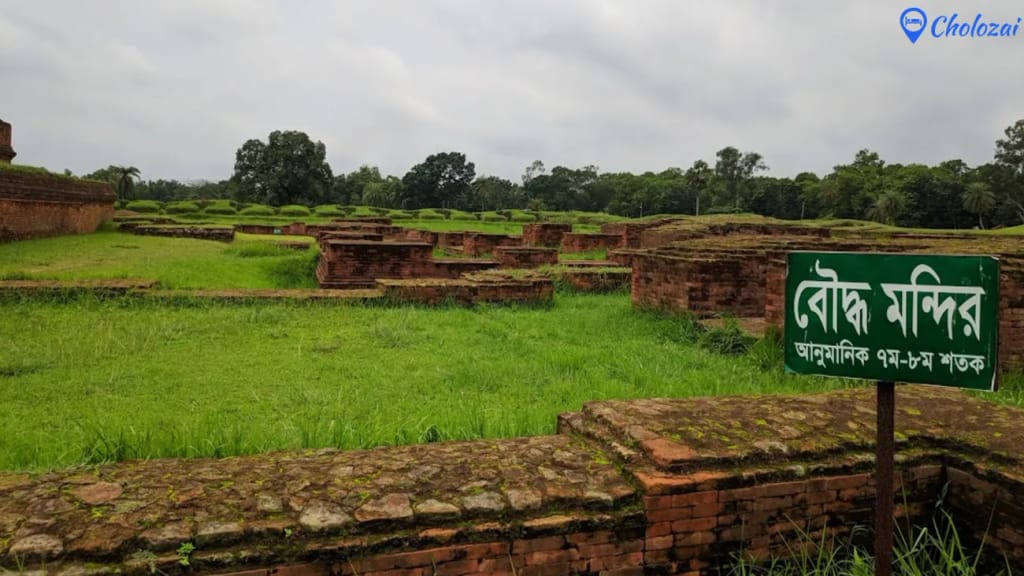
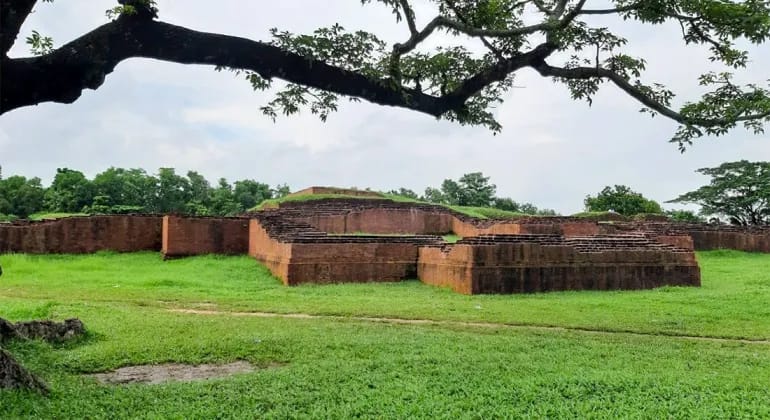
Rupban Mura , also known as Rupban Mura Comilla, is one of the most interesting Buddhist archaeological sites in the historic Mainamati-Lalmai region of Bangladesh. Located in the Kotbari area of ​​Comilla, about 8 kilometers west of the city center, this ancient religious complex preserves the ruins of a distinctive semi-cruciform Buddhist temple, a monastery, and an associated stupa. Its centuries-old brick foundation offers a remarkable glimpse into the spiritual, architectural, and cultural history of southeastern Bengal.

Unlike some of the more well-known tourist destinations in Comilla, Rupban Mura offers a relatively peaceful, traditional experience. Visitors can observe the surviving brickwork, study the exceptional layout of the ancient shrine, and enjoy the surrounding archaeological landscape. The site is particularly attractive to history buffs, archaeology students, photographers, cultural tourists, and families interested in the early Buddhist civilization of Bangladesh.

According to archaeological evidence, it was first constructed in the 6th–7th centuries AD, and has undergone subsequent architectural alterations and reconstructions. The site is part of the larger Lalmai-Mainamati archaeological landscape, which contains numerous Buddhist religious institutions. In 2023, the Lalmai-Mainamati archaeological sites were included in the UNESCO World Heritage Potential List of Bangladesh, although this does not mean that Rupbanmura is currently a listed World Heritage Site.

A visit to Rupban Mura is particularly worthwhile when combined with Shalban Vihar, (Shalban Vihar Comilla) one of the most important excavated Buddhist monasteries in Bangladesh, and the Mainamati Museum ; the archaeological discoveries in the area at the museum help explain the history behind the ruins. Together, these sites present a memorable glimpse into the religious and artistic achievements of ancient Bengal.

Location: Kotbari, Mainamati, Comilla, Bangladesh. The published area reference is C4PH+GQG, which is located near Bangladesh Rural Development Academy and the Comilla-Kalirbazar road. Visitors should distinguish Rupban Mura from nearby Itakhola Mura and Shalban Vihar when making travel arrangements.


History and archaeological significance

The origin of the beautiful Mura

Roopvan Mura is part of a significant network of Buddhist settlements that developed along the Mainamati-Lalmai ridge in the early medieval period. Archaeological excavations indicate that the site has undergone various phases of construction, alteration, repair and reconstruction. Its oldest structural phase is estimated to date to the 6th–7th centuries AD, and the pilgrimage site underwent significant changes in the following centuries, possibly including the 8th century.

The greater Mainamati region developed as an important center of Buddhist religious activity under the patronage of regional dynasties, which encouraged monasteries, temples, and religious scholarship. Its archaeological discoveries provide evidence of complex cultural relationships, artistic traditions, and religious practices across southeastern Bengal.

Archaeological excavations

Rupban Mura became particularly important to researchers after archaeological excavations conducted in the 20th century, especially in the 1980s. These excavations uncovered the remains of a large Buddhist temple, a monastic structure, and several subsidiary monuments. The surviving architecture suggests that the architectural complex was not built as a single, unaltered structure, but rather went through several construction phases.

One of the most important discoveries was a huge stone Buddha statue, which highlights the religious importance and artistic excellence of the site. The excavations also uncovered coins and other archaeological artifacts, which are helpful in understanding the chronology and historical connections of the region.

Why is the site important?

The beautiful Mura is particularly valuable because its unusual temple layout is different from conventional Buddhist architectural styles. Archaeologists can study its changing design to understand how places of worship changed over time. This combination of temple, monastery, and stupa also highlights the relationship between worship, monastic life, and religious remembrance.

This site complements the architectural monuments preserved in the itakhola Mura andthe Shalban Vihar complex. Visiting these archaeological sites together gives travelers a broader idea of ​​how Buddhist religious communities once lived in the Mainamati region.


Architecture and important archaeological discoveries

Semi-cruciform Buddhist temple

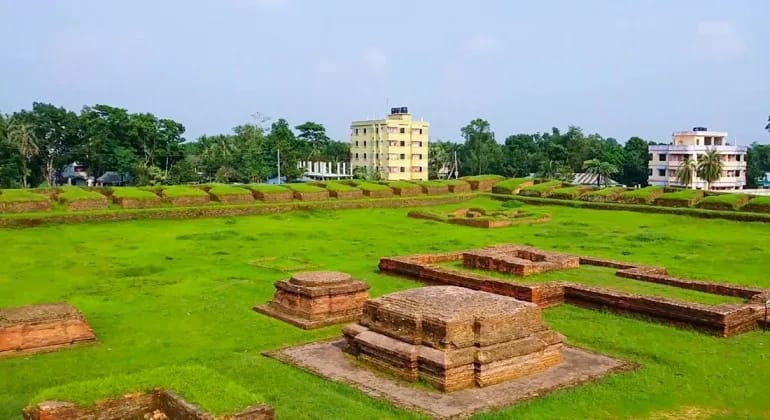
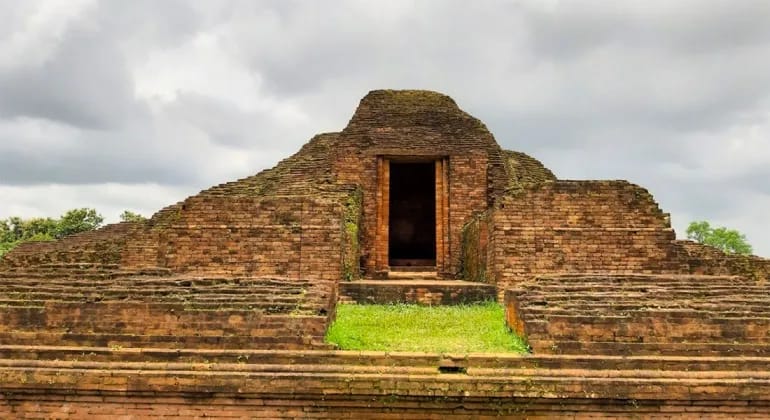
The main attraction of Rupban Mura is its remarkable semi-cruciform shrine, measuring approximately 28.2 meters from east to west and 28 meters from north to south . Archaeological research suggests that this structure evolved from an earlier square-based layout into a more elaborate religious monument.

Rather than following the layout of some conventional cruciform Buddhist temples, the later temple incorporated three elongated and narrow sanctuaries in its eastern part. This distinctive design has made Rupban Mura particularly interesting to researchers studying regional variations in Buddhist temple architecture.

Monastery and entrance

The excavations also identified the remains of an adjacent Buddhist monastery. The main eastern entrance of the temple faced the entrance of the monastery, suggesting a planned architectural relationship between the two structures. Although most of the original superstructure has disappeared, the excavated foundations provide evidence of a planned religious complex rather than an isolated place of worship.

Octagonal and square-ground mounds

Among the subsidiary monuments discovered at Rupban Mura were an octagonal stupa and another built on a square base. Stupas were important features of the Buddhist religious landscape and could have been used for devotional or commemorative purposes. Their presence helps to explain the ceremonial importance of the archaeological site.

Large stone Buddha statue

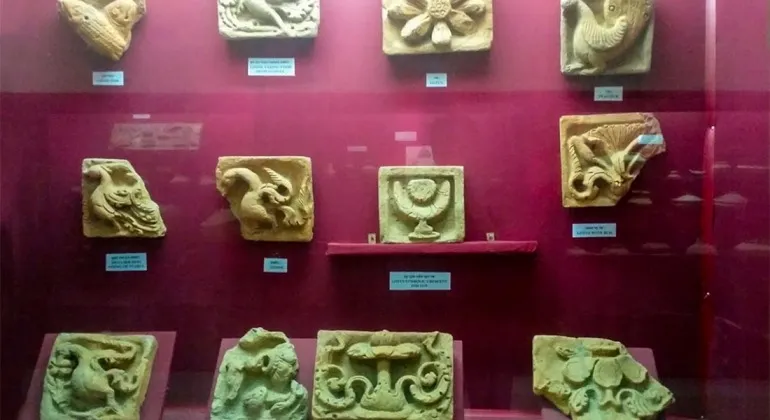
One of the most notable archaeological discoveries at Roopban Mura was a large stone statue of Buddha. This sculpture provides important evidence of the Buddhist artistic tradition in ancient southeastern Bengal. Visitors interested in this excavated sculpture and other comparable artifacts should include the mainamati Museum in their itinerary. Museum exhibitions and opportunities to view specific artifacts are subject to change, so availability of specific exhibits should be confirmed locally.

Historic brickwork and construction stages

The surviving brick walls, platforms, and foundations reveal centuries of architectural transformation. Archaeological excavations have identified three main phases of construction and reconstruction, with the later activities occurring after the 6th–early 7th centuries. As parts of the site have been extensively damaged over time, the surviving structure represents only a portion of the original structure.

Visitors should observe exposed masonry from authorized paths and refrain from climbing fragile walls. The surviving ruins are valuable archaeological evidence, and physical damage could permanently destroy the information that researchers rely on.


Things to see and do in Rupban Mura

Although Rupban Mura is a relatively small archaeological site, it offers several interesting experiences for travelers interested in history, photography, and cultural exploration. Most visitors can explore the main ruins in about 30-60 minutes, but archaeology enthusiasts may prefer to travel for longer.

  • Explore the ancient pilgrimage site: observe the excavated foundations and distinctive semi-cruciform design, which make the beautiful moor architecturally significant.
  • Discover Buddhist heritage: Learn how temples, stupas, and monasteries formed interconnected religious institutions in early medieval Bengal.
  • Take photos of historic brick architecture: Take photos of the geometric patterns of the brick foundations, the rough masonry, and the surrounding greenery without entering the protected area.
  • Study the archaeological landscape: Look for evidence of different construction phases and consider how the surviving foundations once supported much larger buildings.
  • Enjoy a peaceful cultural break: Spend time observing the historical site, away from the busy commercial areas of Comilla.
  • Plan an educational visit: Students and teachers can use this space to discuss the history of Buddhism, archaeological excavations, and heritage preservation.
  • Visit multiple archaeological sites: For a greater experience of heritage, visit the nearby Itakhola Mura , Shalban Vihar , and mainamati Museum .

Photography Tip: Early morning and late afternoon often provide attractive natural light on the ancient brickwork. Simple personal photography is usually the most convenient way, but visitors should adhere to posted restrictions and seek permission for commercial photography, drones, or specialized equipment.

Accessibility: Rupban Mura is an open archaeological site, with uneven ground, exposed brick edges, and elevation variations. Visitors with mobility impairments should check the current condition of the path before traveling. Full step-free access and wheelchair accessibility could not be independently verified.


Entrance fees, opening hours and visitor regulations

Roopban Mura ticket price

Rupban Mura is a ticketed archaeological attraction. When the site was officially opened to ticketed tourism in January 2020, the Bangladesh Department of Archaeology announced prices of 10 dirhams for general visitors and 5 dirhams for students. These published prices serve as a historical reference, but should not be considered as confirmed ticket prices for 2026.

Inspectorate Department Reported admission Current status
General visitor ৳10 Historical rates for 2020; reconfirm at the entrance.
Student ৳5 Historical rates for 2020; bring student ID and reconfirm.
Foreign inspector Not independently verified. Ask at the ticket counter about the applicable rates.
Children and special discounts Not independently verified. Check current eligibility and charges locally.

Bring small notes, as electronic payments are not guaranteed and cannot be exchanged. If you are visiting multiple archaeological sites, ask if you need separate tickets for each site.

Opening hours

The location's Google Business Profile reports that it is open daily from 8:00 AM to 6:00 PM . Another travel source has reported different hours, so this schedule should be considered the best available listing rather than a verified live Google Maps update. Access to the archaeological site may also be affected by maintenance, government directives, and special closures.

Visitor regulations and heritage protection

  • Purchase the necessary entry passes before entering the protected area.
  • Follow the instructions of the Department of Archaeology staff and local supervisors.
  • Do not climb on, scratch, stain, or remove bricks from ancient structures.
  • Do not collect pottery fragments, stones, or other archaeological objects.
  • Keep the space clean and dispose of waste responsibly.
  • Supervise children around excavated foundations, stairs, and exposed brick edges.
  • Respect any obstacles, temporary restrictions or protected archaeological areas.
  • Get permission before using a drone or doing commercial filming.

Planning advice: Allow at least 30-60 minutes for Roopban Mura alone. Allow extra time if you do this tour with the Mainamati Archaeological Circuit.


Best time to visit Rupban Mura

The best time to visit Rupban Mura is usually from October to March . The archaeological site can be visited year-round if it is open, but these months are especially convenient for walking outdoors, visiting historical sites, and incorporating multiple attractions into an itinerary.

Best time of day

Early morning, from approximately 8:00 AM to 10:30 AM, is a good time for visitors who prefer a relatively quiet environment and then want to visit other heritage sites. Late afternoon, from approximately 3:30 PM to 5:00 PM, can also be interesting for taking photos and leisurely exploring, if there is enough time before closing.

How long will it take?

  • Short sightseeing break: approximately 20-30 minutes.
  • Comfortable historical tour: approximately 45–60 minutes.
  • Photographing and detailed observation: approximately 60–90 minutes.
  • Mainamati Heritage Circuit: Allocate about half a day or more for Rupban Mura, Shalban Vihar, Mainamati Museum and other archaeological sites.

For a more complete cultural experience, start from Rupban Mura and head to Itakhola Mura before heading to Shalban Vihar . Check the operating schedule for each destination before finalizing your route.


How to reach

Roopban Mura is located in the Kotbari area of ​​Comilla, near the Bangladesh Rural Development Academy (BARD) and the Comilla-Kalirbazar road. The place is located about 8 kilometers west of the center of Comilla, although the actual travel distance depends on your starting point and the route chosen. Visitors can reach the area by intercity buses, trains, private cars, or local CNG autorickshaws.

By bus from Dhaka

  1. Travel to a major Dhaka departure point serving the Dhaka-Comilla route, such as Sayedabad or Jatrabari.
  2. Board an intercity bus bound for Comilla. Confirm the operator's specific stop and find out if the bus stops in Central Comilla, Paduar Bazar, or another convenient location.
  3. This journey usually takes about 2-4 hours, depending on traffic, road conditions, and starting point.
  4. Hire a CNG autorickshaw or any other local vehicle from Comilla bus stop to go towards Kotbari, Bard or Rupbanmura archaeological sites.
  5. Ask the driver to take you to Rupban Mura near the Comilla-Kalirbazar road, instead of just taking you to the well-known Shalban Vihar entrance.

Estimated cost: Budget around 250–600 taka per person for a regular intercity bus, depending on the operator, type of service, and pick-up location. Premium services may cost more. Confirm fares with the operator, as these are tentative estimates, not verified current fares.

By train from Dhaka

  1. Check Bangladesh Railway bus services from Dhaka or other suitable stations on the Comilla route.
  2. Book a train that stops at Comilla Railway Station; not all trains stop there.
  3. Travel by rail usually takes around 2-4 hours, depending on the train chosen and operational conditions.
  4. Upon reaching Comilla Railway Station, arrange for a CNG auto-rickshaw, reserved vehicle or suitable local transport to reach Kotbari.
  5. Proceed towards Rupban Mura entrance and Mainamati archaeological site near BARD.

Estimated train budget: Allow around 150-700 taka per person depending on the travel class and service. Check the official booking channel of Bangladesh Railway for actual train fares, seat availability and departure times.

From Comilla City Center

From Kandirpar, Comilla railway station or any other central location, passengers can reach Kotbari by local CNG autorickshaws, rented cars or local buses plying towards Mainamati area. Direct reserved CNG journeys are often convenient, especially for families or groups carrying bags.

  • Distance: Approximately 8-12 kilometers by road from the center of Comilla, depending on the route.
  • Journey time: Approximately 20-40 minutes under normal circumstances.
  • Estimated fare for reserved CNG: Approximately 200–400 taka one way, depending on departure point, bargaining, and traffic.
  • Estimated cost of shared local transport: Where suitable shared services are available, around 20–60 taka per passenger.
  • Short-distance local transportation: A short-distance ride by rickshaw or auto-rickshaw from any suitable location in Kotbari may cost approximately 30–100 taka, depending on the distance.

These transportation prices are estimated travel budgets, not guaranteed government fares. Please agree on the total price, destination, and waiting charges before boarding the reserved vehicle.

From Kotbari and Bard

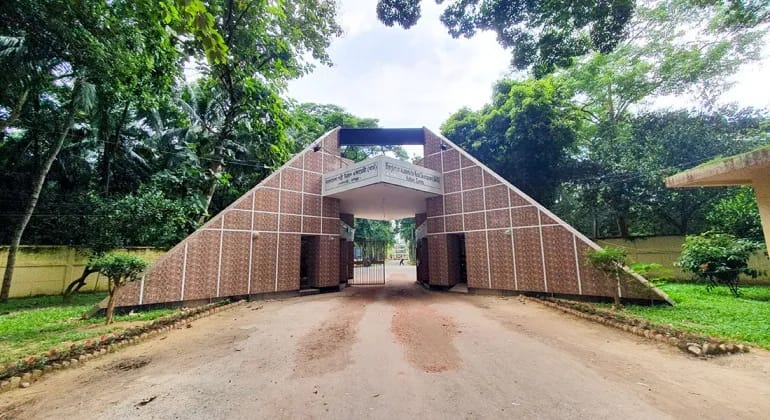
Rupban Mura is located within the larger Kotbari archaeological site, south of the Comilla-Kalirbazar road and close to BARD and security-related installations. Travelers to bangladesh Rural Development Academy can ask local residents or transport drivers for directions to the Rupban Mura archaeological entrance. In some cases, a short walk from the main road may be required.

Since there are government and security institutions in the surrounding area, visitors should use public roads and recognized entrances rather than attempting to take shortcuts through the protected property.

By personal car or rented vehicle

From Dhaka, head east along the Dhaka-Chittagong highway towards Comilla and continue towards the Kotbari-Mainamati area using current local directions. Private vehicles are convenient for visitors wishing to visit multiple archaeological sites in a day. The one-way road journey from Dhaka can take about 2-4 hours, or longer during traffic jams.

For day trips, a rental car can provide greater convenience in traveling between Rupban Mura, Shalban Vihar, Mainamati Museum, and other destinations. Request a comprehensive quote, including car, driver, fuel, tolls, parking, and any waiting charges, before booking.

By air

Comilla currently does not have a regular commercial passenger airport for tourists. Visitors from abroad usually arrive in Comilla by road or rail via Hazrat Shahjalal International Airport in Dhaka. For most domestic visitors, traveling directly from Dhaka by bus, train, or private vehicle is the most convenient option.

Important landmarks for guidance

  • Kotbari, Comilla
  • Bangladesh Academy of Rural Development (BARD)
  • Comilla-Kalirbazar Road
  • Mainamati-Lalmai Archaeological Site
  • Itakhola Mura
  • Shalban Vihar

Directions Note: Rupban Mura is usually identified by the spatial coordinates C4PH+GQG, Kotbari, Bangladesh. Make sure to check the specific archaeological entrance when traveling, as several Mainamati monuments are located nearby.

Where to eat

Rupban Mura is primarily an archaeological site, so visitors should not expect extensive food options within the protected area. Small restaurants, tea shops, and local food stalls around the entrances to Kotbari, Kalirbazar, and Comilla town are viable options.

Local food around Kotbari

In the Kotbari area, there are opportunities to buy tea, bottled water, biscuits, light meals and everyday Bangladeshi food. Depending on the establishment, visitors can get rice, lentils, various types of vegetables, parathas and other familiar local dishes with fish or chicken curry. Restaurant types and opening hours may vary.

Estimated food budget: A typical local meal per person can cost around ৳120–৳300, and tea and light snacks can cost ৳20–৳100. These prices are approximate and should be verified before ordering.

Dining in Central Comilla

Travelers looking for more restaurants can head back to the center of Comilla, especially the commercial streets in and around Kandirpar. These areas typically offer more options for family dining, traditional Bangladeshi food, biryani, grilled dishes, and light snacks.

Try Comilla's famous Rasmalai

A foodie's trip to Comilla is incomplete without trying its famous Rasmalai; a sweet made from milk that is inextricably linked to the city's cuisine. Traditional sweet shops around the center of Comilla are popular places to buy this special sweet. Other sweets like Sandesh and Rasgolla are also worth trying.

Practical advice: Bring drinking water before visiting Rupban Mura, especially if you plan to visit more than one outdoor archaeological site. Do not leave food packets or plastic bottles inside the heritage area.


Where to stay?

Rupban Mura can be easily visited on a day trip from Dhaka, but staying overnight in Comilla gives tourists more time to explore the historical sites of the district. Most conventional hotels are located in the center of Comilla, rather than right next to the archaeological monument.

Low budget accommodation in Comilla

Budget travelers can find basic residential hotels in the heart of Comilla and near convenient transportation hubs. Amenities can vary, so check room photos, recent guest reviews, bathroom facilities, security, and air conditioning before booking.

Estimated budget: Approximately ৳1,000–৳2,500 per room per night, depending on the room category and hotel standard.

Mid-range hotel

Visitors who want private bathrooms, air conditioning, and more reliable amenities can compare established hotels around Kandirpar and other central business areas. Staying in the center is convenient for restaurants, transportation, and evening activities after visiting the archaeological sites.

Estimated budget: Approximately ৳2,500–৳5,000 per room per night. These are general planning ranges, not verified and actual hotel prices.

Places to stay near Kotbari

Travelers whose main interest is archaeology may prefer to stay in the greater Kotbari-Mainamati area, if suitable guesthouses or accommodations are available. However, local accommodation options are more limited than in the city center, and institutional guesthouses may not accept general tourists without prior permission.

Recommended base for sightseeing

For those who want to travel with Rupban Mura to the Comilla War Cemetery , Dharmasagar Dighi and Mainamati Archaeological Site, Central Comilla is usually the easiest base. Book accommodation well in advance for holidays and confirm check-in policies, ID requirements and transport availability.


Practical travel tips and recommended itineraries

What to bring

  • Comfortable shoes suitable for walking on uneven archaeological paths.
  • Drinking water and a small bag for the day.
  • Small amount of cash for entrance fees, snacks, and local transportation.
  • A charged phone with offline navigation information.
  • A camera or smartphone for taking approved photos.
  • Student ID is required when requesting a discount.
  • Hat or umbrella for outdoor exposure.

Suggested Half-Day Mainamati Heritage Itinerary

Estimated time Activity
08:30 AM – 09:15 AM Visit Rupban Mura and observe the semi-cruciform temple.
9:30 am – 10:15 am Visit the nearby Itakhola Mura.
10:30 am – 11:45 am Explore the foundations of Shalvan Vihar and its ancient monastery.
12:00 PM – 1:00 PM When visiting the Mainamati Museum, please adhere to its current opening hours.
From 1 pm Enjoy lunch in Kotbari or return to Comilla city.

These times are suggested, not guaranteed. Arrange the order based on opening times, ticket availability, travel conditions, and how much time you want to spend at each destination.

Responsible heritage tourism

Archaeological sites are invaluable historical assets. Visitors should refrain from climbing fragile walls, touching ornate ruins, removing loose bricks, or collecting objects. Consider Rupban Mura as a preserved archaeological landscape rather than a conventional amusement park.

Families with children should have the historical significance of the ruins explained before entering. Visitors interested in a more in-depth explanation can arrange for an experienced local guide, if available, or explore the extensive archaeological collection at the Mainamati Museum.


Nearby attractions

Rupban Mura is ideally located for exploring several important historical, cultural and recreational attractions in Comilla. Visitors can combine this place with the ancient Buddhist monuments of Kotbari and also explore other places of interest across the larger district.

  • Itakhola Mura : Another important Buddhist archaeological site in the Kotbari region, known for its excavated religious structures and ancient brick foundations, it is a natural addition to the Rupban Mura heritage tour.
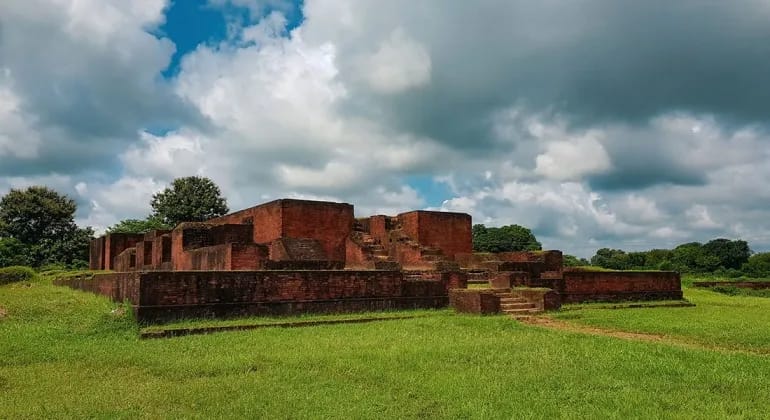
  • Shalban Vihar : One of the best-known Buddhist archaeological sites in Bangladesh, containing the ruins of a large monastery and a central religious structure, it is an essential site for understanding the Mainamati civilization.
  • Mainamati Museum : A major regional archaeological museum, displaying artifacts related to the Buddhist heritage of Mainamati. It is particularly useful for interpreting the finds from the beautiful Mura and surrounding sites.
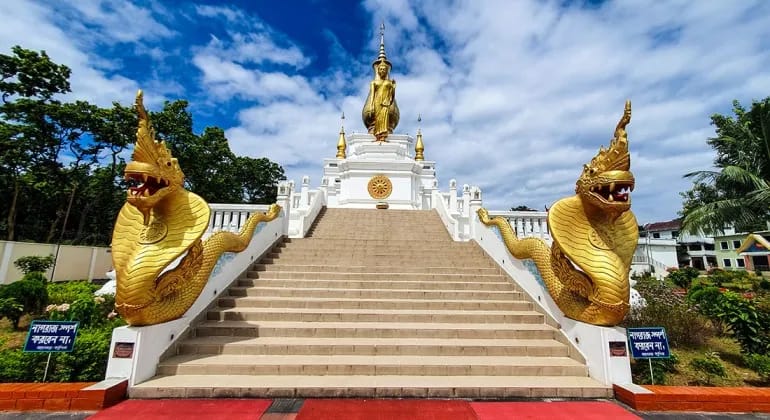
  • Nab Shalbana, Bihar : A modern Buddhist pilgrimage site that creates an interesting contrast with the ruins of the ancient monastery in the Mainamati region.
  • Ananda Vihar : The sprawling Buddhist monastery of Mainamati is an important archaeological site associated with history.
  • Queen Mainamati's Palace : A traditional place associated with the historical heritage of the region and the legendary character of Queen Mainamati.
  • bangladesh Rural Development Academy (BARD) : A nationally important institution located in Kotbari, which also serves as a convenient signpost on the way to Rupban Mura. Visitor access to the institutional premises may be limited.
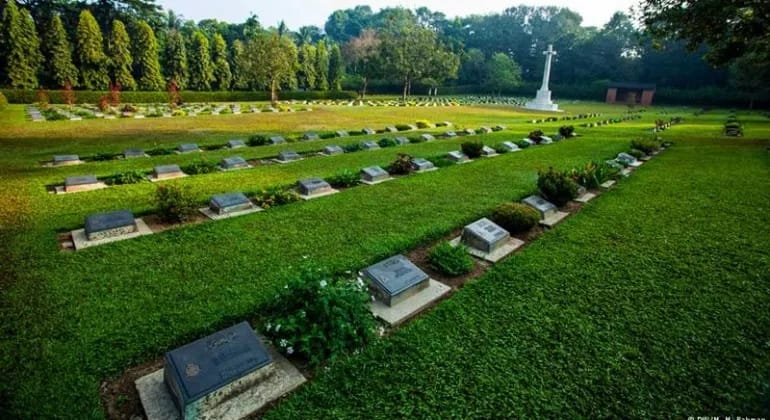
  • Comilla War Cemetery : A beautifully preserved Commonwealth War Cemetery built to commemorate the dead of World War II. It offers a contemplative historical experience distinct from Buddhist archaeological sites.
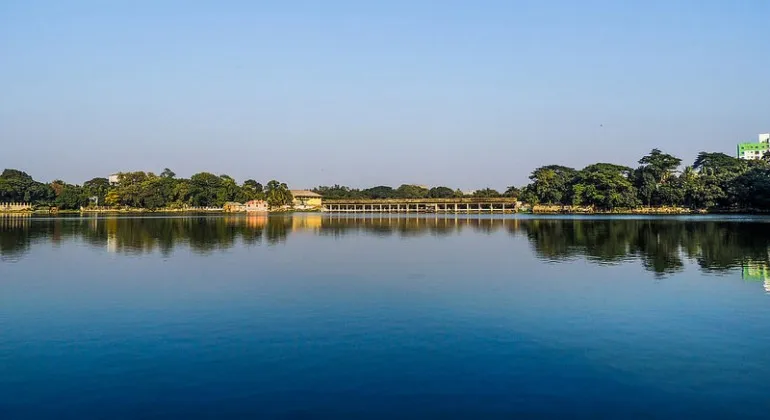
  • Dharmasagar Dighi : A historic reservoir in central Comilla, popular for walking, sightseeing, and enjoying the cultural atmosphere of the city.
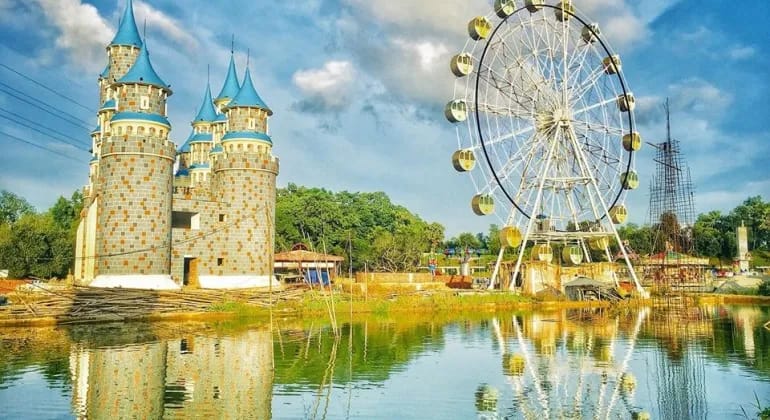
  • Magic Paradise Park : A family-oriented entertainment center, which has all the entertainment attractions that can diversify your trip to Comilla.
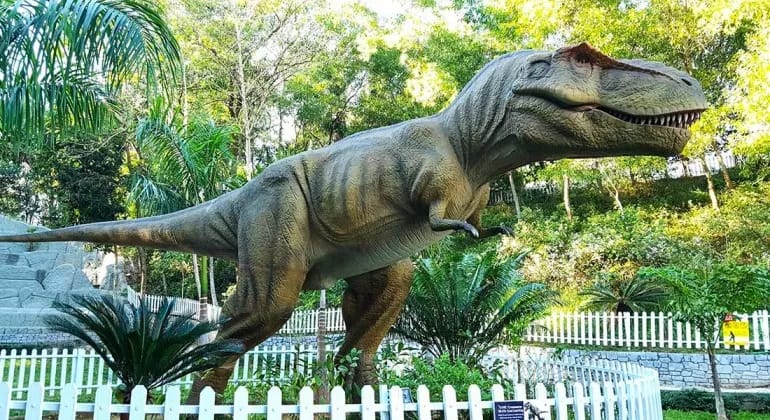
  • Dino Park Comilla : A dinosaur-themed amusement attraction, suitable for families looking for entertainment in addition to visiting historical sites.
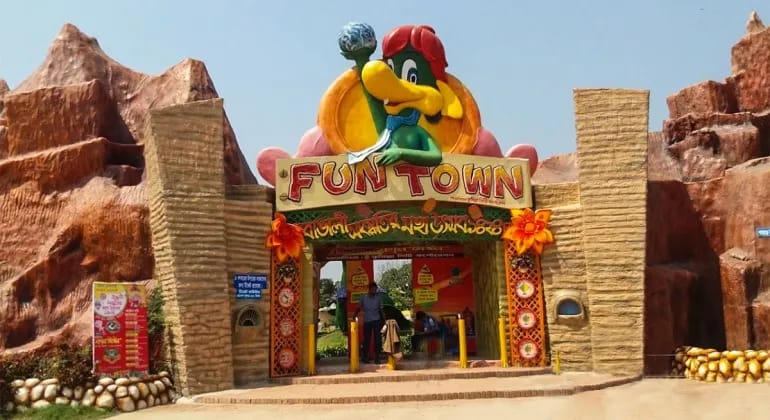
  • Fun Town Comilla : Another family entertainment option for tourists traveling with children.
  • Jahapur Zamindar Bari : A historic estate located on the other side of Comilla district, which provides an opportunity to explore the recent architectural heritage of the region.

Suggested Itinerary: For a history-focused tour, prioritize Rupban Mura, Itakhola Mura, Shalban Vihar and Mainamati Museum. Tourists spending a full day in Comilla can also visit Comilla War Cemetery or Dharmasagar Dighi. Families can include Magic Paradise Park or Dino Park, depending on the group's interests and time available.

Frequently Asked Questions (FAQ)

Rupban Mura is located in the Kotbari area of ​​Comilla District, Bangladesh, about 8 kilometers west of the city center. The archaeological site is located south of the Comilla-Kalirbazar road, near the Bangladesh Rural Development Academy (BARD) and the larger Mainamati archaeological site. Its commonly published location code is C4PH+GQG, Kotbari, Bangladesh . Visitors can reach the area by CNG autorickshaw, local transport, or private vehicles. The nearby Itakhola Mura serves as another convenient landmark.

Explore The Area

Top Attractions & Places to Visit in Cumilla

Discover more heritage, nature, and must-visit spots across Cumilla.

View all in Cumilla
logo ColoZai

ColoZai is a trusted travel guide and destination explorer platform in Bangladesh. We are making travel simple, authentic, and accessible for everyone.

Need Help ?

We are Always here for you! Knock us on Whatsapp (10AM - 10PM) or Email us.