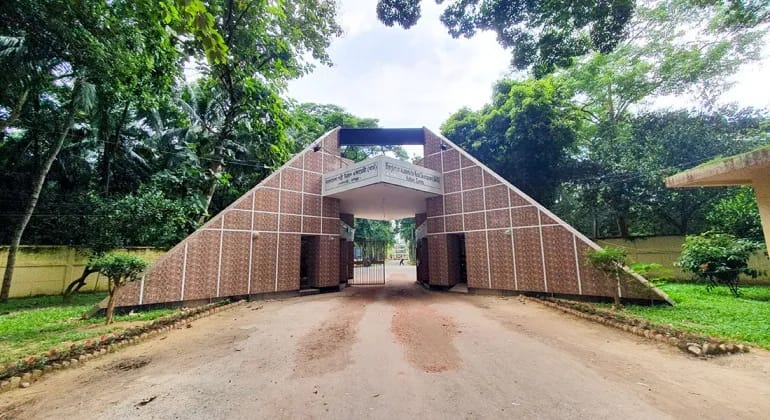
Queen Mainamati's Palace in Comilla – History, Location, Entry Fees, Schedule and Complete Travel Guide

Queen Mainamati's Palace in Comilla – History, Location, Entry Fees, Schedule and Complete Travel Guide

Cumilla
·

7 October 2026

Travel Overview & Quick Facts

Directions
Location
Cumilla
Admission / Entry Fee
Entry is generally free for visitors, but there is no separate mandatory entry ticket for the Rani Mainamati Palace. Historical accounts suggest that there were plans to introduce a ticketing system, so visitors should check with local authorities for the latest arrangements. Entry to the Shalban Vihar and Mainamati Museum is separate and may require a ticket.
Opening Hours
Daily 8:00 AM - 6:00 PM (Visit times listed; not independently verified with Google Maps live listing. Please confirm locally before visiting.)
Google Rating
★ 4.3 (658 reviews)
Category / Type
Historical monuments, archaeological sites, ruins of ancient palaces, cultural heritage attractions

Introduction to Queen Mainamati's Palace in Comilla – History, Location, Entry Fees, Schedule and Complete Travel Guide

Rani Mainamati's Palace , also known as Rani Mainamati Rani Prasad and Mainamati Palace Dhibi, is one of the most interesting archaeological sites in Comilla, Bangladesh. Located near Mainamati Saber Bazar in Burichang Upazila, the site preserves the ruins of an ancient fort-palace, traditionally associated with Rani Mainamati and the Chandra Dynasty of early medieval Bengal.

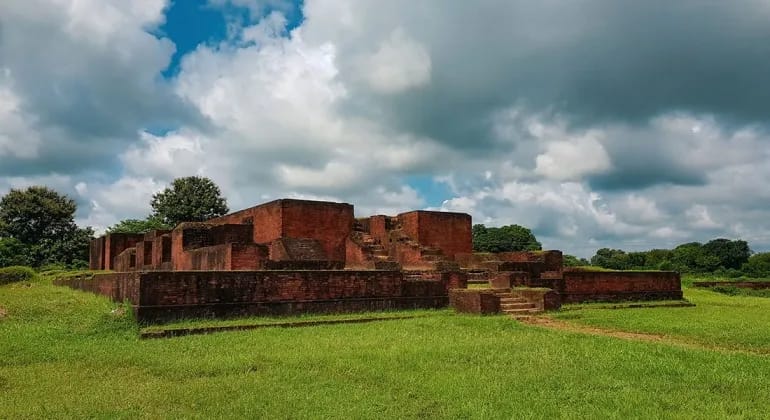
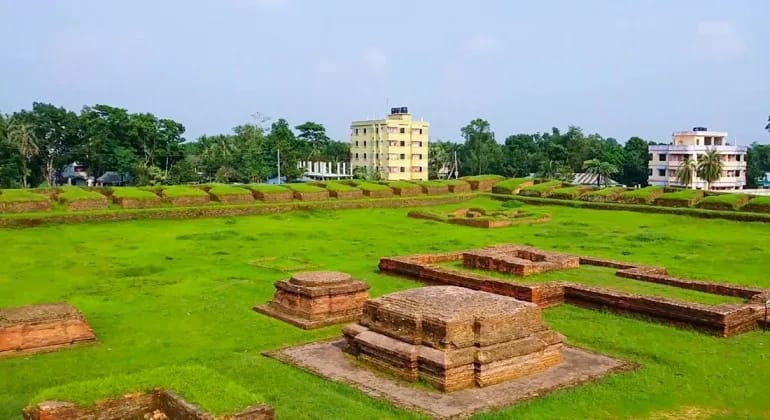
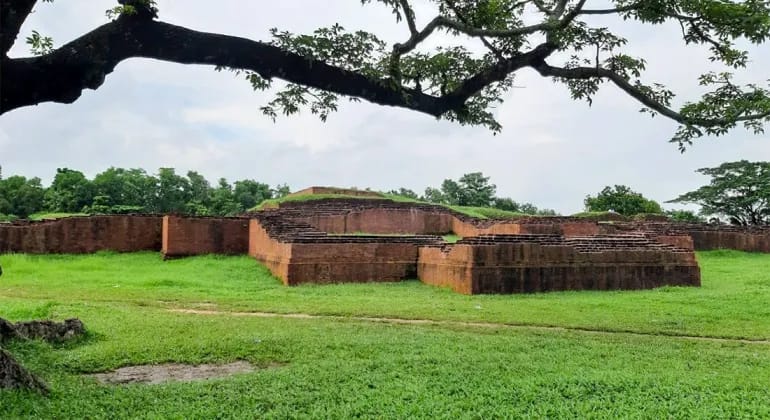
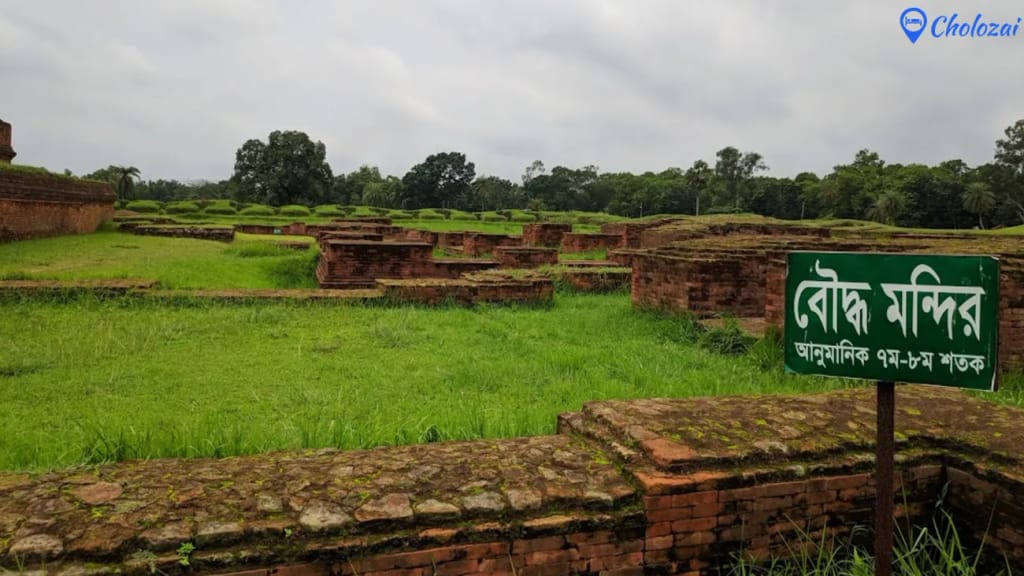
Unlike the grand palaces that survive elsewhere in South Asia, Rani Mainamati's palace is essentially an open archaeological site. Visitors can see ancient brick foundations, excavated walls, structural platforms, grassy mounds, and traces of buildings that once stood on this historically important site. Its appeal lies not in the reconstructed royal chambers or lavish interiors, but in the opportunity to explore tangible evidence of a settlement steeped in powerful rulers and centuries-old Bengali heritage.

The palace mound is located near the northern end of the Lalmai-Mainamati ridge. It is a historical archaeological site, home to numerous ancient settlements, religious monuments and architectural ruins. While nearby Shalban Vihar is particularly famous for its Buddhist monastery complex, the palace of Queen Mainamati offers a different perspective on the political and royal heritage of the region.

According to local folklore, the site is associated with Queen Mainamati, who is remembered in Bengali folklore as the wife of King Manikchandra and the mother of King Govindachandra. Although archaeological excavations have identified significant structural remains, it has not been possible to establish with complete certainty the specific relationship of the legendary royal figures to the surviving buildings.

For history buffs, archaeology students, photographers and travelers interested in lesser-known heritage sites, this is a worthwhile addition to a Comilla itinerary. The nearby Comilla War Cemetery is another historically significant destination, allowing visitors to explore different chapters of the district's past in a single trip.

Location: Mainamati Saber Bazar area, Sholanal, Burichang Upazila, Comilla District, Bangladesh. The site is located along the Comilla-Sylhet road corridor, north of the Mainamati War Cemetery. The coordinates provided in this guide follow a location guide obtained from a published Google Maps; the formatted map link has not been independently verified as an accurate live place-list URL from Google Maps.
History of Queen Mainamati's Palace

The history of the palace of Queen Mainamati is closely intertwined with the political heritage of the ancient region of Samatat, which comprises a portion of southeastern Bengal. Between approximately the 7th and 12th centuries, the greater Mainamati area witnessed important phases of settlement, religious activity, administration, and architectural development.

Queen Mainamati and the Chandra Dynasty

Rani Mainamati holds a prominent place in Bengali regional folklore. According to the traditional narrative, she is the wife of King Manikchandra and the mother of Govindachandra, the ruler of the Chandra dynasty. The extensive folklore surrounding Gopichand and Mainamati narrates stories of her wisdom, spiritual knowledge, and extraordinary powers.

According to popular local accounts, King Manikchandra built a palace for Queen Mainamati in the 10th century. This interpretation is common in tourist literature and local stories. However, this archaeological site should not be interpreted as a palace, the identity of whose original builder, date of construction, and occupants—all of which have been conclusively established by surviving inscriptions.

The Chandra dynasty was historically associated with southeastern Bengal in the early medieval period. Its rulers contributed to the creation of a regional environment in which royal institutions, Buddhist communities, religious establishments, and commercial relations flourished across the plains and surrounding areas.

Historical significance of the Mainamati Ridge

The Lalmai-Mainamati Range forms one of the most important archaeological landscapes in Bangladesh. Excavations across the region have identified monasteries, shrines, inscriptions, coins, sculptures, terracotta objects, and architectural remains from various periods.

The palace mound of Queen Mainamati is particularly interesting, as researchers have identified significant defensive and architectural features here, which may represent a fortified administrative or royal complex. Some archaeological interpretations link the northern part of this ridge to the historical urban center of Devparbat, associated with the ancient Samatata kingdom.

Unlike purely religious monuments, the surviving structural evidence at the palace mound has encouraged interpretations of royal, defensive, or administrative functions. However, the exact role of this site in the ancient settlement system remains an important subject of historical inquiry.

Archaeological excavations and discoveries

Archaeological work at the site began in 1988, and subsequent excavations revealed further construction phases and structural features. The published description includes strong brick walls, parts of a rampart, foundations, carved bricks, terracotta objects, and other objects related to the long history of settlement at the site.

Historical and archaeological records have also described temple-related structures and evidence of different construction periods. These discoveries suggest that the site was much more complex than a single residential building and may have been used for a variety of purposes over time.

Since excavations have only uncovered a fraction of the ancient architecture, its vast area remains difficult to interpret. Archaeologists have had to compare construction techniques, soil layers, pottery, architectural plans, and regional inscriptions to separate established evidence from later local folklore.

Tourists who want to learn about the larger material culture of ancient Mainamati should also visit the Mainamati Museum , where archaeological collections from the region help explain the artistic, religious, and social history of early medieval southeastern Bangladesh.


Architectural and archaeological sites

The most distinctive feature of Queen Mainamati's palace is its surviving brick archaeological landscape. Although the original superstructure has largely disappeared, the remaining foundations and defensive elements provide valuable evidence of the extent and organization of this ancient architecture.

Ancient brick foundation

Visitors can see exposed sections of reddish-brown brickwork, which outline the outline of earlier structures. These foundations reveal ancient construction methods and help to understand how large buildings were constructed using brick walls, platforms, and interconnected spaces.

Like a restored palace, the site does not have complete rooms furnished with period furniture or reconstructed royal decorations. Its value lies in the archaeological remains themselves and the questions they raise about how people lived, governed, and organized important settlements in early medieval Bengal.

Protective walls and secure features

The excavations have identified a significant amount of remains of a rampart and defensive wall. Some archaeological accounts have interpreted these structures as evidence of a fortress or fortified settlement rather than an isolated palace building.

The surviving walls suggest a complex structure that required a huge investment in construction and which probably had administrative or strategic importance. It is not possible to determine with certainty from each surviving section its exact original height, appearance, and function.

Palace Hill and surrounding landscape

The archaeological mound is located on a high point near the northern end of the Mainamati Range. This landscape provides important geographical context for understanding why an ancient settlement could have developed here.

Historical accounts mention the nearby Gomti River and its changing course over time. Riverine connections were important for the movement of people, agricultural products, and trade goods in ancient Bengal, although careful archaeological interpretation is needed to determine the precise relationship between settlements and historical waterways.

Structural ruins and religious connections

Excavation reports describe architectural remains from different construction phases, including features considered to be religious structures. This mixed evidence is consistent with the larger Mainamati region, where royal authority, religious institutions, and settlement activities coexisted in the same historical territory.

Visitors interested in comparing architectural styles can visit Itakhola Mura , Rupban Mura , and Ananda Vihar . These archaeological sites provide a new perspective on the religious and architectural heritage of ancient Comilla.


Things to see and do at Queen Mainamati's Palace

Queen Mainamati's Palace is best enjoyed as a peaceful historical exploration rather than a traditional entertainment attraction. Most visitors can explore the accessible parts of the ruins in about 30 to 60 minutes, although archaeology enthusiasts may prefer to visit for longer.

  • Explore the ancient foundations: Walk along the paths allowed for visitors and examine the outlines of the structures that were once part of this ancient architecture.
  • Observe historic brickwork: Observe surviving construction styles without touching, moving, or climbing over fragile archaeological structures.
  • Take photos of the ruins: Capture the contrast between the dilapidated brick structures, the grass-covered archaeological mounds, and the surrounding rural landscape.
  • Discover the folklore of Rani Mainamati: Learn how regional stories about Rani Mainamati, Raja Manikchandra, and Govindachandra became associated with the region.
  • Study the historical context: Consider the site's possible role within the larger Mainamati settlement system and its relationship to defensive architecture and nearby ancient religious monuments.
  • Enjoy a heritage-focused tour: Combine the palace with other archaeological attractions in Comilla to learn more about the region's early history.

Photography opportunities

The exposed brickwork and elevated archaeological terrain make for interesting backdrops for architectural and landscape photography. Morning and late afternoon light helps to highlight the structure of the surviving walls. Visitors should stay within designated areas and refrain from standing on the ancient brick structures to take photographs.

Activities involving professional filming, drone operations, commercial photography, or the installation of equipment in protected areas may require permission from the relevant authorities. Do not assume that commercial filming rights are included in general visitor access, and obtain permission before organizing such activities.

Educational value

This place is particularly valuable for students studying archaeology, architecture, history, Bengali folklore, and cultural heritage preservation. A visit here introduces important concepts such as archaeological excavations, construction phases, oral tradition, material evidence, and the difficulties of reconstructing ancient settlements.

To complete the educational tour, visit the Mainamati Museum and Shalban Vihar after visiting the Royal Palace. Together, these places give a comprehensive idea of ​​the ancient civilization of the region. (Shalban Vihar Comilla)


Admission prices, opening hours and visitor information

Before visiting the Rani Mainamati Palace, it is important to distinguish this archaeological site from the nearby ticketed heritage attractions. The entry policies and timings of the Mainamati Museum or Shalban Vihar should not automatically apply to the Rani Mainamati Palace.

Entrance fee

The historical report describes the palace ruins as an archaeological destination for public visitation and mentions the proposal to introduce a formal ticketing system. No specific, currently officially published entrance fee for the palace has been independently confirmed. For practical purposes, the site is generally considered free to visit, subject to any changes introduced by local authorities.

Inspectorate Department Admission information
Bangladeshi adult visitors Usually free; check local regulations for current access.
Children and students Usually free; there are no separate ticket schedules by palace.
International visitors The entrance fee for foreign visitors for this specific location has not been independently verified.
Photography Personal photographs can generally be taken with permission; approval may be required for special activities.
Parking and guides Separate charges may apply for available parking, guide or vehicle services.

Opening hours

While some travel listings state that the opening hours are approximately 8am to 6pm daily , third-party sources disagree on the official opening times. One directory states that it is open day and night, while another gives inconsistent information about opening times at night. As a result, it has not been possible to independently verify any reliable live opening times on Google Maps for this particular attraction.

For a realistic and respectful visit, plan to arrive during the day, preferably between 9am and 5pm. Access may depend on conservation work, local management, holidays, or site conditions. Tourists traveling from afar should check access with local tourism authorities before setting off.

Visitor facilities and accessibility

The palace's facilities should be considered rudimentary. Do not assume that the ruins will contain designated toilets, drinking water facilities, wheelchair accessible paths, formal interpretation centres or staffed ticket counters.

Some areas may have uneven ground, exposed masonry, steps or irregular archaeological surfaces. Visitors with mobility impairments should check local accessibility conditions before travelling and may require assistance to navigate the grounds.

Important safety rules

  • Do not climb, sit, or stand on ancient brick walls.
  • Do not remove bricks, pottery shards, stones, or other archaeological materials.
  • Avoid scratching the surface or writing on debris.
  • Keep the space clean and dispose of waste responsibly.
  • Follow the instructions of archaeological personnel or authorized local officials.
  • Supervise children around excavations and uneven ground.

Important: The official visitor schedule published by the Department of Archaeology for the Mainamati Museum and Shalban Vihar does not mention the opening hours or ticket prices for Rani Mainamati's Palace. These attractions should be checked separately when planning a combined trip.


Best time to travel

Queen Mainamati's Palace can be included in a Comilla itinerary all year round. However, the months of October to March are generally the most convenient for sightseeing, visiting heritage sites, and visiting multiple archaeological sites in one day .

Best months to explore heritage

October, November, December, January, February, and March are popular months for visiting historical sites outside Comilla. These months are quite convenient for tourists who plan to walk and take pictures around the Lalmai-Mainamati ridge.

Best time of day

Morning visits, between approximately 9:00 a.m. and 11:00 a.m., are convenient for travelers who want to explore the ruins before moving on to other destinations. Late afternoon can also provide attractive natural light for photography, provided there is enough time to leave before access is restricted.

Weekdays and weekends

For tourists seeking a relatively quiet archaeological experience, weekdays may be more convenient, although visitor numbers are not routinely released. Fridays, weekends, public holidays, and local events may see higher visitor numbers.

Traditional Baisakhi celebrations

Local reports describe a traditional Baisakhi fair associated with the Mainamati Palace area. Historical accounts suggest that the festival began around the Bengali month of Baishakh and sometimes lasted for weeks. Such events can provide an opportunity to experience regional culture, but their dates, duration, exact location, and current status should be verified locally, rather than assuming they remain the same every year.


How to reach

The palace of Queen Mainamati is located in the northwest of central Comilla, near Mainamati Saber Bazar in Burichang Upazila. The most convenient landmarks for finding directions are the Mainamati War Cemetery, Mainamati Saber Bazar, Comilla-Sylhet Road, and the Comilla Cantonment area . Travelers should ask specifically about the palace of Queen Mainamati, not just Mainamati, as this name refers to a larger archaeological area with various attractions.

By bus from Dhaka

  1. Proceed to a suitable Dhaka bus departure point like Sayedabad or any other established intercity boarding point that operates on the Dhaka-Comilla corridor.
  2. Choose a bus bound for Comilla along the Dhaka-Chittagong highway. Ask the driver if the bus can stop at Comilla Cantonment or Mainamati Road junction.
  3. When you find a suitable stop, get off near the intersection next to the Cantonment instead of unnecessarily going into the center of Comilla.
  4. Hire a CNG autorickshaw or local rickshaw along the Comilla-Sylhet road towards Mainamati Saber Bazar.
  5. Ask about Queen Mainamati's Palace, also known locally as Mainamati Rani's Prasad or Mainamati Rani's Kuthi, and confirm entry with local residents.

Dhaka Bus Estimated Fare: Around Tk 300–600 per person for a regular non-AC intercity service, depending on the operator, boarding point and current prices. Premium or AC services may cost more. Allow around three to four hours for the road journey under normal circumstances, plus additional time for traffic jams and local bus changes.

By train from Dhaka

  1. From Dhaka, take a Bangladesh Railway train that has a scheduled stop at Comilla Railway Station.
  2. Confirm service, departure times, class availability, and current fares using Bangladesh Railway's official booking system.
  3. Upon reaching Comilla Railway Station, take a CNG autorickshaw or any other suitable local vehicle to head towards the Cantonment-Mainamati area.
  4. Head towards Mainamati Saber Bazaar and ask the driver to find the palace of Queen Mainamati near the Comilla-Sylhet Road.

Estimated train fare: Depending on the train and class, a general reserved seat can cost around 150–350 taka or more per person. Air-conditioned seats cost even more. The train journey usually takes around two to three hours, depending on the service and the stops in between. Check the exact fare and schedule before buying a ticket.

From Dhaka by private car or rented vehicle

Private vehicles offer flexibility for visitors planning to visit multiple heritage sites in Comilla. From Dhaka, take the Dhaka-Chittagong Highway to the Comilla Cantonment Road Junction, then connect with the road leading to Mainamati Saber Bazar and the palace area.

Ask the driver to confirm the destination before starting the journey, as Shalban Vihar and the palace are two separate archaeological sites. A private car, rented microbus or chauffeured vehicle can be particularly convenient for families, photographers or teams carrying equipment.

Estimated cost of private car: Renting a car for a round trip on the Dhaka-Comilla route can cost around 5,000–10,000 taka or more, depending on the size of the car, rental period, fuel, tolls, waiting time, and operator. Get the full price list before booking.

From Comilla city and district headquarters

Tourists who are already staying in central Comilla can reach the Mainamati area using local buses, CNG autorickshaws or reserved transport. The palace is generally located within a travelable distance from the city, although route selection and traffic congestion affect travel times.

  • Local buses: Look for vehicles plying on Mainamati, Cantonment or Comilla-Sylhet Road corridor. The estimated fare for short distances is around 20-50 taka per person.
  • Shared CNG Auto Rickshaw: Shared fare depends on the route and passenger demand. Budget approximately Tk 30–80 per person for the appropriate segment, subject to availability.
  • Reserved CNG Auto Rickshaw: A reasonable plan allocation of approximately 150–350 taka from central Comilla to the greater Mainamati area, although the total cost may increase due to longer routes and waiting charges.
  • Local Rickshaw: Useful for reaching the final leg of the journey from Mainamati Saber Bazar or any other nearby alighting point. Short distance fares can range from around 30–100 taka depending on the distance.

These fares are just an estimate of your travel budget, not a verified fixed fare. Please confirm the fare and destination before boarding the flight. From the center of Comilla, the journey can take approximately 25-45 minutes or more, depending on the starting point and traffic.

By air

There is no regular commercial passenger airport providing direct service to the city of Comilla. Domestic and international passengers generally arrive at Hazrat Shahjalal International Airport in Dhaka and travel to Comilla by intercity bus, train or private vehicle. Passengers arriving from Chittagong can also reach Comilla by road or rail.

For international visitors, direct private road transportation from Dhaka Airport reduces the need to change vehicles when carrying luggage. However, careful planning should be taken when traveling on highways.

Nearby attractions for directions

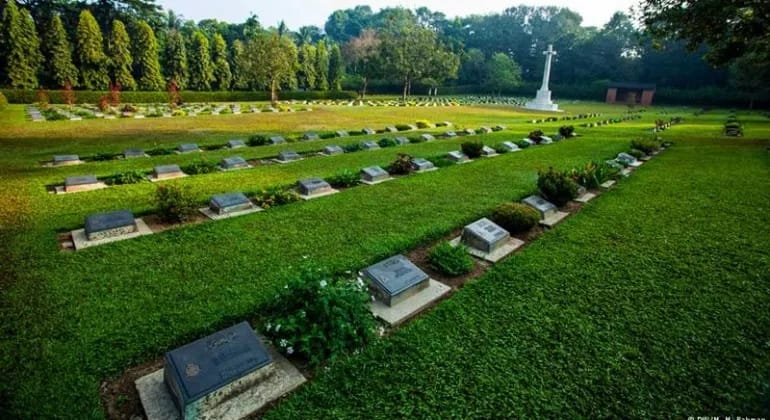
According to the straight-line map, the Comilla War Cemetery is located about one to two kilometers southeast of the Royal Palace area, with the Mainamati Saber Bazar and Mainamati Jame Mosque as local landmarks. The distance by road or walking may be greater than the straight-line distance . (Comilla War Cemetery)

Directions Tip: Tell the driver the full name of the attraction and make sure your destination is not the Palace Hill near Saber Bazaar, Mainamati Museum or Shalban Vihar. Google Maps navigation should be checked with local entrances and road conditions before taking the final route.

Queen Mainamati's Palace in Comilla

GPS: 23.4963811, 91.1077557
Get Directions

Where to eat

Dining options around the Rani Mainamati Palace are largely limited to nearby markets, roadside eateries, and the larger Cantonment-Mainamati corridor. Travelers should not assume that there are any specific restaurants or food courts within the archaeological ruins.

Local food shops around Mainamati Saber Bazaar

Mainamati Saber Bazar is a convenient place for tea shops, small restaurants, bottled drinks, light meals, and simple Bangladeshi dishes. Menus and opening hours may vary, so travelers should check what is available on the day of travel.

Local food stalls usually offer fish or chicken along with rice, a variety of vegetables, pulses, parathas, eggs, and tea. A simple snack can cost around 30–100 taka per person, while a mid-range local meal can cost around 150–350 taka, depending on the restaurant and the order.

Restaurant near Comilla Cantonment

There are more restaurant options along the wider Cantonment Approach and highway corridors. Dining directories feature the Food Valley and other established eateries in the Mainamati area, but it is worth checking the current opening hours, prices and quality of service before heading there.

Families looking for larger restaurants may prefer to eat along the main road or back towards Comilla town, where there are more options for Bangladeshi, Chinese-style, and casual dining.

Try Comilla's famous Rasmalai

A trip to Comilla would be incomplete without tasting the famous rasmalai, a milk-based dessert associated with Comilla's long culinary tradition . This dessert is usually made of soft channa served in thick, sweet milk.

Popular sweet shops in central Comilla offer the opportunity to buy rasmalai and other traditional sweets. Visitors can enjoy them upon returning from the palace or take the sweets home in suitable packaging.

Food and drinking water advice

  • Keep drinking water with you, especially when visiting various outdoor archaeological sites.
  • Before choosing a roadside food stall, check its cleanliness and food preparation conditions.
  • Confirm the price before ordering, especially for fish and meat items, which are sold by quantity or weight.
  • If you visit the Royal Palace, the Mainamati Museum , and other historical sites, leave extra time for food.
  • Throw away food wrappers outside protected archaeological areas.

Where to stay?

Most tourists visiting the palace of Queen Mainamati do not need to spend the night at the archaeological site. Comilla city is a more convenient place to stay, as it has rail connections, restaurants, markets, easy access to transportation, and other attractions in the district.

Hotels in Central Comilla

Visitors can find hotels in the city's central business district, Kandirpar, and the larger area adjacent to the railway station. Being in the city makes it easier to arrange transportation and combine sightseeing with local shopping and dining.

Hotel availability and quality vary. Don't just rely on old hotel listings, check recent guest reviews, current photos, room amenities, ID requirements, and cancellation policies before making a reservation.

Budget accommodation

A basic hotel room in Comilla can be found for around ৳1,000–৳2,000 per night, although prices vary depending on the quality of the hotel, location, demand, and booking conditions. Lower-cost rooms may have limited amenities, so travelers should check bathroom facilities, air-conditioning, and security measures.

Mid-range accommodation

Travelers looking for more comfortable accommodations can budget for an estimated ৳2,000–৳5,000 or more per night for suitable accommodations (if available). Check current prices directly, as these amounts are not guaranteed hotel offers, but rather a general budget estimate.

To be near the mother-in-law

Some accommodation and roadside accommodation may be available around the Mainamati-Cantonment corridor, but options may be more limited than in central Comilla. Carefully verify the exact address and make sure the property accepts bookings from the public, especially around controlled cantonment areas.

Suggested plan for overnight stay

For a relaxing and heritage-focused trip, arrive in Comilla on the first day, visit the Rani Mainamati Palace and the nearby war cemetery, then enjoy dinner in the city. The next morning, visit the Shalban Vihar , the Mainamati Museum, and other ancient monuments before returning to Dhaka.

Tourists interested in traditional architecture may also consider including jahapur Zamindar Bari in their extended Comilla itinerary, subject to available travel time and transportation arrangements.


Travel tips and suggested itineraries

Queen Mainamati's Palace is an archaeological site where careful planning can make a significant difference. Since it is not as well-developed as a conventional tourist destination as some famous heritage sites, tourists traveling independently should pay special attention to transportation arrangements, opening conditions, and local guidance.

Essential travel tips

  • Allow enough time: Allow approximately 30-60 minutes for the palace ruins, and extra time for transportation and photography.
  • Confirm location: Use the full name of the palace and the nearby Saber Bazaar sights to avoid confusion with other archaeological sites in Mainamati.
  • Carry cash: Small notes are useful for local transportation, food, and incidental expenses.
  • Wear comfortable shoes: Archaeological terrain can be uneven, with exposed foundations and rough walking paths.
  • Bring drinking water: Facilities for visitors may be limited.
  • Be respectful of archaeological ruins: refrain from climbing ancient walls or entering prohibited excavation areas.
  • Check access locally: Venue opening times, reservation procedures, and possible ticketing arrangements may change in the future.
  • Arrange return transportation: Ensure a means of return or bus connection to the city before entering the site.

Recommended half-day traditional route

9:00 AM: Start the journey from Central Comilla towards Mainamati-Saber Bazar area, leaving enough time for local traffic congestion.

9:45 AM: Tour the Palace of Queen Mainamati, focusing especially on its ancient brick foundations, surviving wall structures, and historic landscape.

11:00 AM: Visit the Comilla War Cemetery , where the meticulously preserved grounds commemorate those who died in World War II. Be sure to follow the arrangements made for visitors to the cemetery and observe its peaceful atmosphere with respect.

12:00 PM: Stop for a snack or lunch around Mainamati or the Comilla Cantonment Road corridor before heading back towards the city.

Recommended for a full day of historical exploration

For a longer tour, start with the palace and war cemetery, then visit Shalban Vihar and Mainamati Museum . You can add Rupban Mura or Itakhola Mura as per time and facilities .

The order should be arranged according to the official visiting schedule of each monument. In particular, the Mainamati Museum and Shalban Vihar have their own official schedule, ticketing rules and holiday closures. The palace's stated schedule should not be used to infer entry to those other places.


Nearby attractions

Rani Mainamati's Palace is an excellent starting point for exploring the archaeological, cultural and recreational attractions of Comilla. Several important heritage sites are located within the greater Lalmai-Mainamati region, but others require separate trips to central Comilla or different parts of the district.

Historical and archaeological attractions

  • Comilla War Cemetery : A sacred cemetery from World War II located near the Mainamati Cantonment area. It is one of the most convenient historical places to visit along with a visit to Queen Mainamati's Palace.
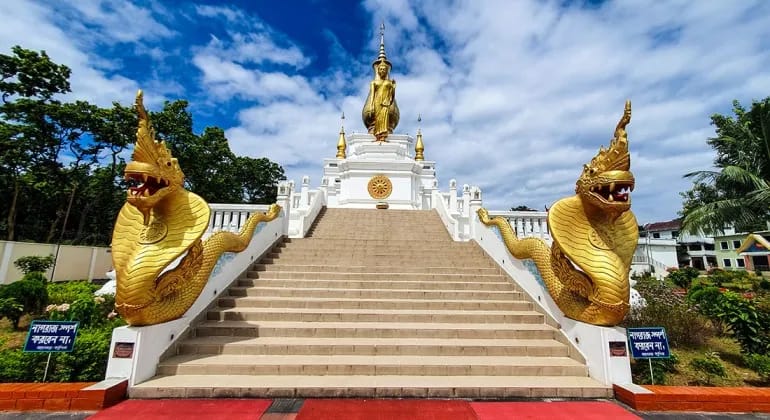
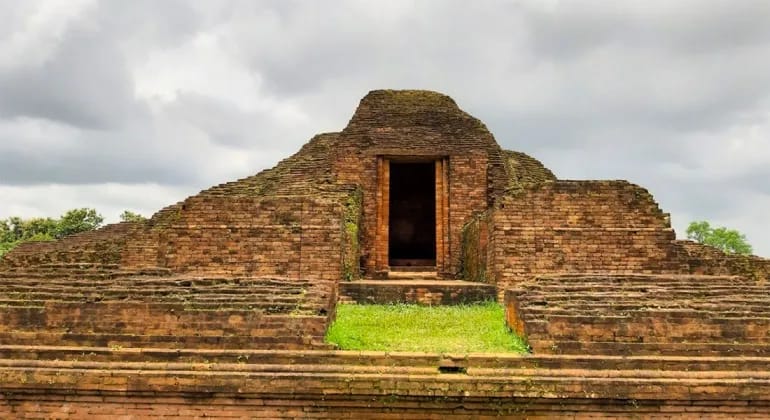
  • Shalban Vihar : One of the best-known excavated Buddhist monastery complexes in Bangladesh, it contains an extensive ancient layout and important religious architecture.
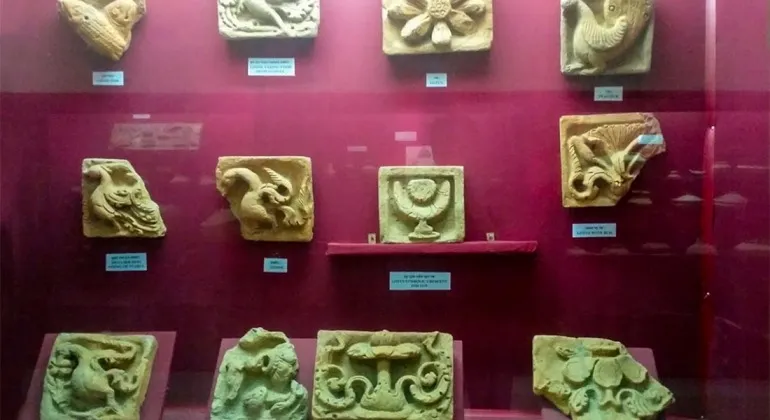
  • Mainamati Museum : A valuable destination for learning about the archaeological collections, sculptures, coins, inscriptions, and cultural heritage of the Mainamati region.
  • Itakhola Mura : An important archaeological mound with architectural remains related to the Buddhist history of ancient South-East Bengal.
  • Rupban Mura : A historical archaeological site where visitors can explore another part of the religious and architectural landscape of Mainamati.
  • Ananda Vihara : An important ancient Vihara center associated with the extensive Buddhist heritage of the Mainamati region.
  • Navshalvan, Bihar : A Buddhist pilgrimage site that allows visitors to experience a different dimension of the cultural and spiritual landscape of the region.

Culture, local traditions and entertainment

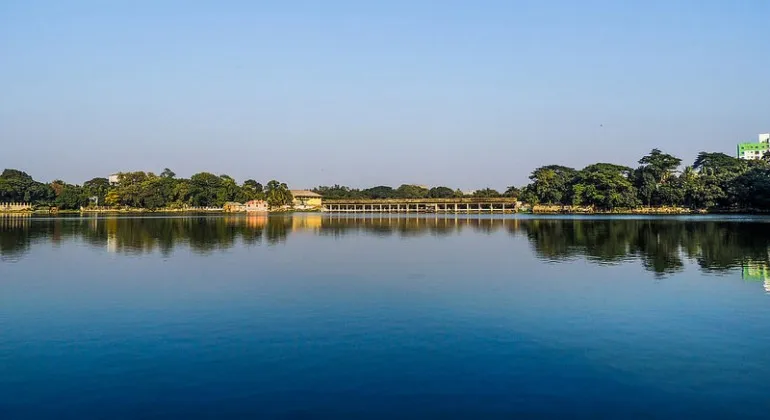
  • Dharmasagar Dighi : A historic reservoir in Comilla city, popular for leisurely walks and relaxing breaks after visiting archaeological sites.
  • bangladesh Academy for Rural Development (BARD) : An important institution associated with rural development research and training. Public access may be limited due to institutional facilities.
  • Jahapur Zamindar House : A traditional residence that presents a different architectural perspective on the history of Comilla.

Family entertainment and leisure

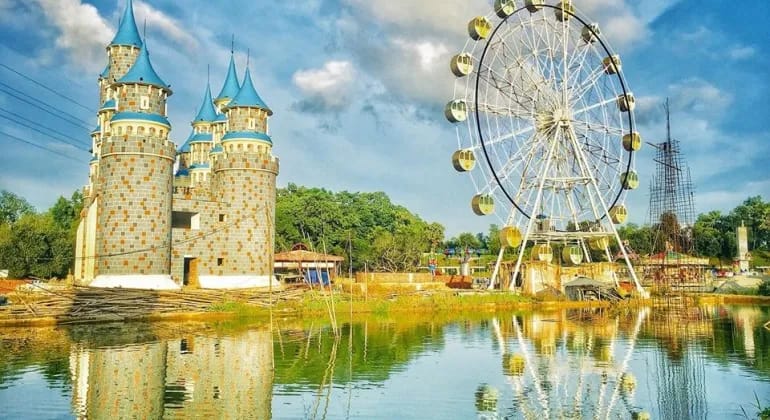
  • Magic Paradise Park : A family-oriented entertainment center, perfect for travelers who want to combine recreational activities with visiting historical sites.
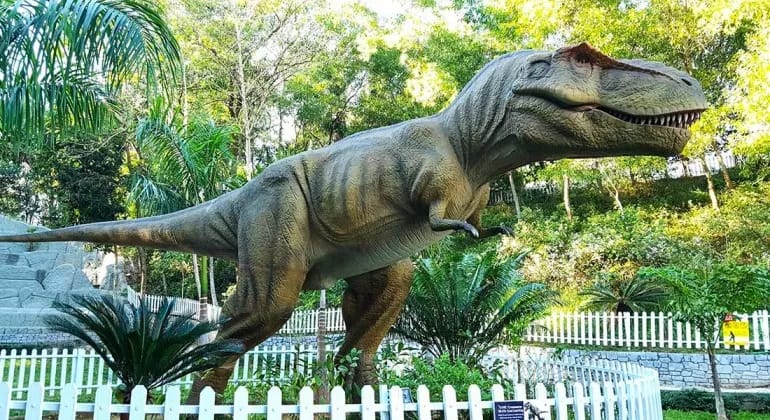
  • Dino Park Comilla : A dinosaur-themed entertainment center that can add a family entertainment experience to the district's larger itinerary.
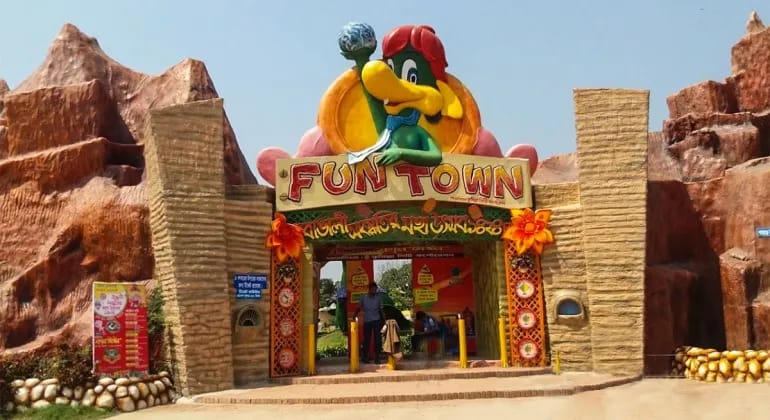
  • Fun Town Comilla : This is another entertainment option for families and groups looking for activities beyond visiting archaeological sites.

Suggested Combination: For first-time travelers, the Palace of Queen Mainamati, Comilla War Cemetery, Shalban Vihar, and Mainamati Museum make for a particularly meaningful heritage itinerary. Together, these itineraries introduce the district's royal heritage, Buddhist civilization, archaeological discoveries, and World War II history. With an extra day at hand, travelers can further expand their experience by exploring Comilla's other historical architecture, city attractions, and family entertainment.

Frequently Asked Questions (FAQ)

The Palace of Queen Mainamati is located near Mainamati Saber Bazar in Sholanal, Burichang Upazila, Comilla District, Bangladesh. It is located near the Comilla-Sylhet Road, north of the Comilla Cantonment area and approximately one to two kilometers northwest of the Comilla War Cemetery in a straight line . It is also known as the Mainamati Rani Prasad and the Mainamati Palace Mound. The approximate location coordinates obtained from published Google Maps are 23.4963811° North, 91.1077557° East. Travelers should verify the exact entrance and final road route locally.

Explore The Area

Top Attractions & Places to Visit in Cumilla

Discover more heritage, nature, and must-visit spots across Cumilla.

View all in Cumilla
logo ColoZai

ColoZai is a trusted travel guide and destination explorer platform in Bangladesh. We are making travel simple, authentic, and accessible for everyone.

Need Help ?

We are Always here for you! Knock us on Whatsapp (10AM - 10PM) or Email us.