Jahapur Zamindar Bari Comilla – History, Architecture, Location and Complete Travel Guide

Jahapur Zamindar Bari Comilla – History, Architecture, Location and Complete Travel Guide

Cumilla
·

30 September 2026

Travel Overview & Quick Facts

Location
Cumilla
Admission / Entry Fee
No officially published entry fee or ticket list has been verified. Jahapur Zamindar Bari is a historic residential area, not a conventional ticketed museum. Before entering, ask permission from the resident family or local caretakers and check whether there is an entrance fee or any fee for taking photos. Do not assume that every building is open to visitors.
Opening Hours
There are no verified opening hours available for the public. Obtain permission before visiting and plan your visit during the day.
Category / Type
Historical monuments, traditional estates of landlords, architectural heritage, cultural and religious heritage

Introduction to Jahapur Zamindar Bari Comilla – History, Architecture, Location and Complete Travel Guide

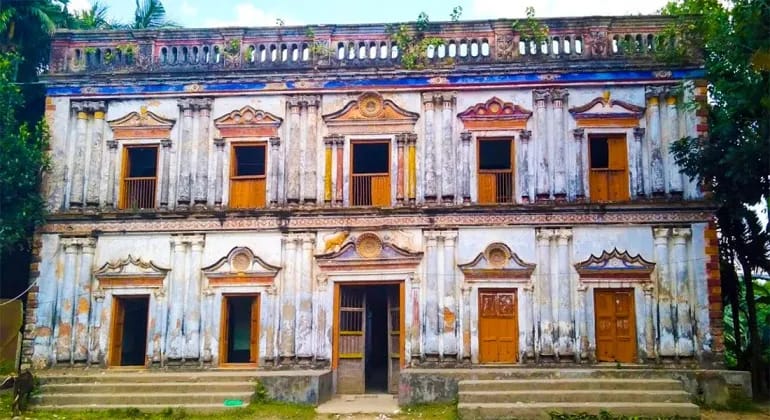
Jahapur Zamindar Bari , also known as Jahapur Zamindar Bari or Jahapur Zamindar Bari, is a notable historical estate located in Jahapur village, Muradnagar upazila, Comilla district, Bangladesh. Surrounded by old trees, traditional ponds, religious structures, and century-old residential buildings, the estate preserves an important chapter in the zamindari heritage of Bengal. It is particularly attractive to travelers who love historical architecture, cultural heritage, photography, and exploring lesser-known heritage sites outside the major tourist destinations of Bangladesh.

The estate is associated with the influential Roy family, whose ancestral presence in Jahapur is said to date back nearly four centuries. According to historical accounts published by the Bangladesh Sangbad Sangstha (BSS) and statements by family descendants, the family's formal landholding interests expanded in the 19th century, including the acquisition of the estate in 1862. The surviving complex contains buildings from various periods, reflecting the evolution of the family's residential estate over generations.

Unlike a restored palace museum, the Jahapur Zamindar Bari remains a living heritage site . Descendants of the original Zamindar family continue to reside within the estate, making the experience unique, but at the same time, the privacy of the residents is also important. Its architecture, ornate gateways, temple heritage and ancient structures create a fascinating atmosphere of the social history of the region.

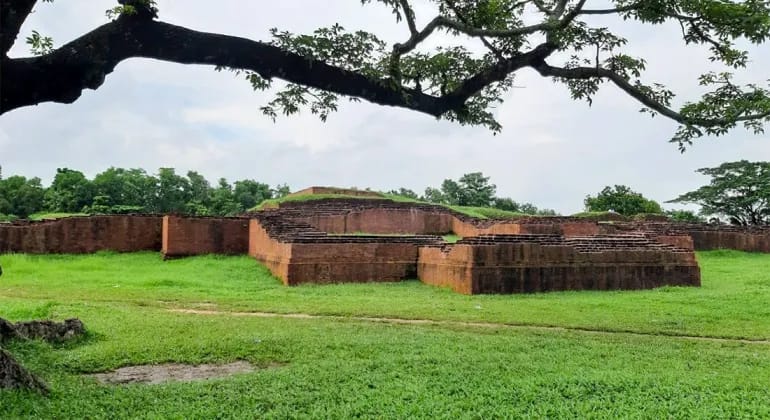
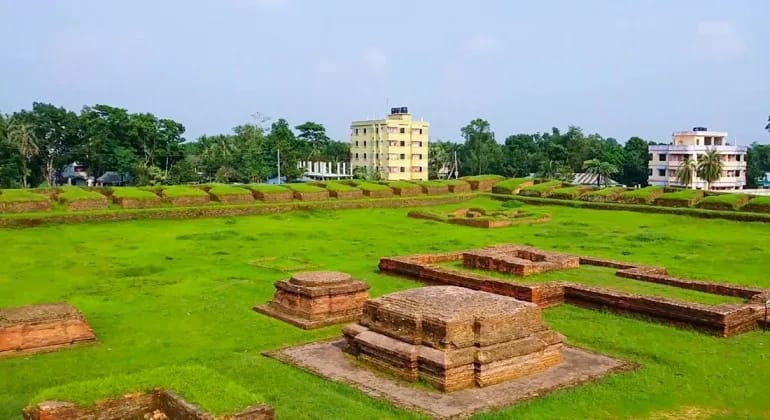
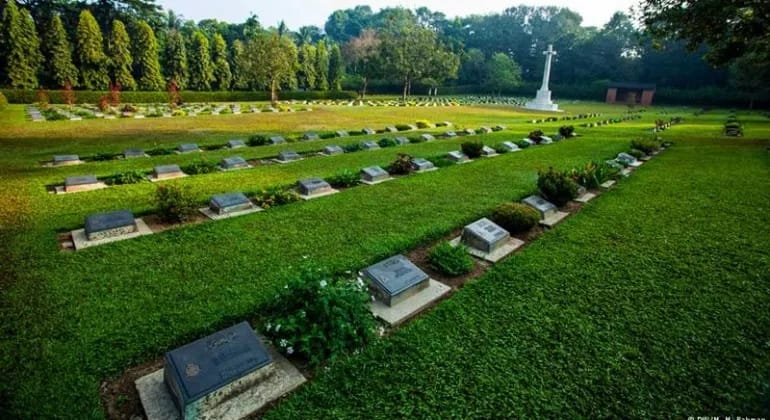
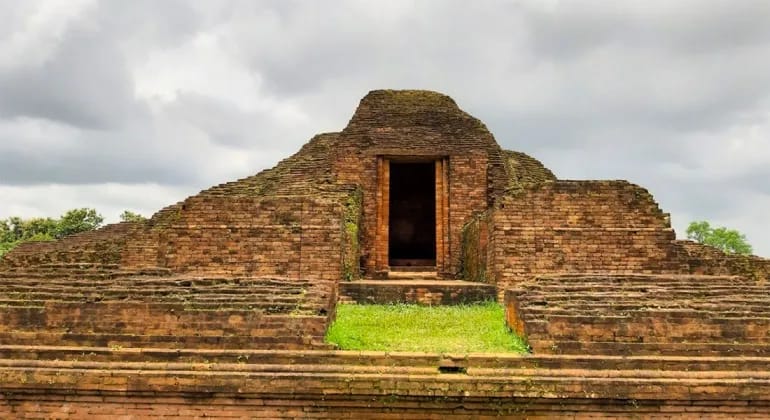
Located about 10 kilometers from Muradnagar Upazila headquarters, this place can be visited as a heritage-focused tour. Tourists planning a larger trip to Comilla can also visit the Buddhist archaeological ruins of Shalban Vihar and the historical memorial (Shalban Vihar Comilla)of Comilla War Cemetery , although these places of interest are located in different parts of the district and take additional time to reach.

Important information for visitors: A Google Maps location short link has been identified, but its detailed URL and exact GPS coordinates have not been independently verified. Google Maps ratings, number of reviews, and official daily opening times are also not guaranteed. Therefore, it is recommended to verify the location on Google Maps before publishing exact coordinates or promising public access.
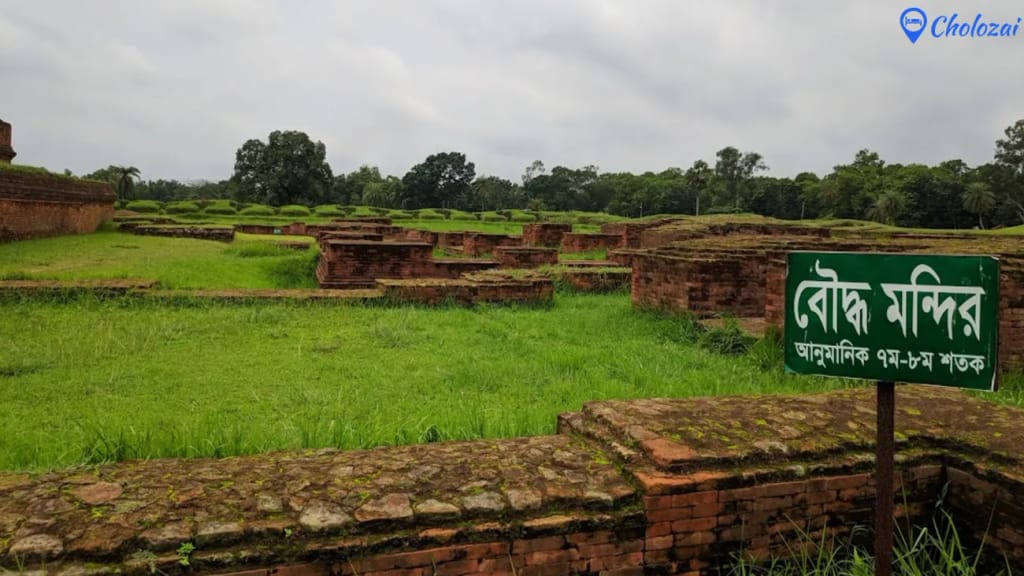
History of Jahapur Zamindar House

The Jahapur Zamindar House represents the heritage of the zamindari system, which influenced rural administration, agricultural revenue collection, and social life throughout Bengal. The history of the Roy family is particularly significant, as their ancestral settlement and the development of the formal zamindari estate belong to different historical periods.

Origin of the Roy family

Historical accounts identify Kanai Lal Roy as an early ancestor of this family. According to family testimony, their ancestors settled in Jahapur about 400 years ago and were involved in the jute trade before acquiring vast landed properties. Gauri Mohan Roy, described as the seventh generation member of the family, was involved in establishing the family's zamindari status.

The family is said to have acquired zamindari rights related to the Nawabs of Dhaka in 1862. Later, their landholdings extended to areas including Muradnagar, Daudkandi, Meghna, Titas, Chandina, Debidwar and Nabinagar. These geographical references describe historical influence rather than the boundaries of the surviving settlements.

Period of prosperity

The prestige of the family increased during the generations of Kamalakanta Roy and his son Girish Chandra Roy. This increase in landed property was reflected in residential buildings, ornate architecture, religious structures, and the amenities traditionally associated with a wealthy zamindar family.

The surviving architectural ensemble should not be understood as a single building constructed at one time. Various buildings were built or expanded in subsequent generations, and published accounts vary in the original number and current condition of these structures.

Ashwini Kumar Roy and religious tradition

A later member of the family, Ashwini Kumar Roy, played a significant role in developing the religious and architectural heritage of the estate. According to a report by Bangladesh Sangbad Sangstha, he established a chariot and temple dedicated to Lord Jagannath in Bengali 1324 (approximately 1917–1918 AD).

Another building bears the Bengali date 1334, which indicates the approximate period 1927–1928 AD, and is identified in historical accounts as one of the last major buildings added to the complex. These dated additions demonstrate that the estate continued to develop long after the family's original settlement.

Present-day estate

The political and economic role of such landed estates changed dramatically after the abolition of the zamindari system in the 20th century. Despite this, the Jahapur zamindar house survived as an ancestral residence and architectural monument. A 2024 report identified several descendants of Professor Anjan Kumar Roy and his extended family, including members of the fourteenth generation, as residents and caretakers of the surviving property.

The historical significance of this estate lies not only in its architecture, but also in its connection between family memories, Hindu religious traditions, and the transformation of rural Bengali society. Some of the buildings have deteriorated significantly, further reinforcing the need for careful documentation and responsible heritage conservation.

Historical references: Bangladesh Sangbad Sangstha, June 3, 2024 (140188) and Bangladesh Sangbad Sangstha, February 12, 2023 (78586) .


Architecture and main attractions

The architectural charm of the Jahapur Zamindar House stems from its combination of traditional Bengali land planning, ornate masonry, elaborate gateways, and Mughal-influenced design elements. Its decayed facade and partially preserved structure reveal successive stages of construction rather than a uniformly restored architectural composition.

Historic building

According to published travelogues, the estate historically covered about three acres. The description mentions a group of about nine or ten large buildings, including two-story structures and a large three-story residence. Reports from different years differ on the number of original buildings, and some structures have already been destroyed or severely damaged.

Visitors can notice ornate window frames, traditional wooden doors, elaborate architectural styles, elaborate roof cornices, and old brickwork. Some facades feature floral designs and design elements influenced by the architectural tradition of the Mughal period, although the surviving buildings are of a later date.

Lion-decorated entrance

One of the most notable architectural features of the property is its formal entrance, which is historically associated with lion sculptures. These decorations were symbols of the status and authority of the landlord family. Travelers should be aware that historical accounts describe the condition and survival of each sculpture differently.

Old furniture and family artifacts

Reports from the estate describe antique wooden beds, ornate chairs, traditional reclining chairs, carved furniture, vases and household items related to the family's previous life. Items noted as particularly unusual include an old imported water filter and a ceremonial silver umbrella used at weddings.

These objects provide insight into the domestic life of wealthy landowning families. However, they are not exhibits in a government-run museum, but rather family property. Viewing them depends entirely on the residents' permission to enter. Visitors should never enter private rooms or touch historical objects without express permission.

Jagannath Temple and ceremonial chariot

The religious heritage of Jahapur Zamindar Bari is closely linked to a temple of Lord Jagannath and a traditional chariot. Historical accounts indicate that Ashwini Kumar Roy established this chariot and temple in 1324 Bengali year. This chariot is associated with the annual Rath Yatra festival, when devotees and local residents gather to perform religious rituals.

This unbroken connection with Hindu religious practices has transformed the estate from a derelict aristocratic residence into a living cultural heritage site. Visitors to religious events should respect any restrictions placed on worshippers, ceremonial arrangements and access.

Naat Mandir, Durga Puja and Traditional Precincts

The published description of the estate mentions a naat temple, which was traditionally used for religious gatherings and ceremonies, as well as a place associated with Durga Puja. Together, these two structures reflect the relationship between the family's residential and religious activities.

Ponds, trees and grounds of the historic estate

Traditional ponds, old bathing steps and mature trees enrich the environment of the property. Bangladesh Sangbad Sangstha reported that the estate has ponds next to it and old stone steps that have worn out. Coconut trees and other plants surrounding the buildings have preserved elements of the traditional rural landscape.

The estate is also known to contain the remains of structures once associated with elephants and horses. Their historical function highlights the breadth of activities of wealthy families during the zamindari period, although visitors should not expect intact or restored animal shelters.


Things to do at Jahapur Zamindar House

The Jahapur Zamindar Bari is best enjoyed as a quiet cultural and architectural tour. There are no organized amusement rides, entertaining programs, or well-organized galleries like a modern museum. Rather, the main attraction here is the opportunity to appreciate a historic estate in a preserved rural setting.

  • Observe traditional architecture: Look closely at surviving facades, decorative arches, window arrangements, doorways, and architectural details from accessible areas.
  • Explore the history of the estate: Learn about the Roy family, their land holdings in the 19th century, and the larger zamindari system of Bengal.
  • Understand the essence of religious traditions: Where entry is permitted, observe the temple surroundings and the tradition of Lord Jagannath's Rath Yatra.
  • Enjoy heritage photography: Take photos of architectural monuments, outer walls, and traditional village scenes that are open to the public, subject to the necessary permits.
  • Enjoy the rural life of Comilla: Notice the ponds, plants, agricultural environment, and rural atmosphere outside the urban attractions of Comilla city.
  • Learn about conservation: Think about how old brickwork, wood, decorative plaster, and traditional architecture deteriorate without consistent maintenance.

Depending on access, photo opportunities, and whether residents allow a closer look, allow about 45 minutes to an hour and a half to respectfully explore the exterior. This is a suggested visit duration, not the length of an official tour.


Entrance fees, opening hours and visitor regulations

According to the reviewed sources, unlike government-run archaeological attractions, there is no reliably documented formal ticketing system or published visitor schedule at the Jahapur Zamindar House. Since this historic property is still used as a residence, access should not be assumed to be free.

Visitor information Details
Entrance fee There is no verified official admission price available.
Opening hours There is no verified public schedule available.
Recommended duration of visit During the day, especially after confirming permission.
Advance booking It was not possible to verify any established mass booking system.
Photography Seek permission, especially near residences, religious sites, and family belongings.
Guided tour No regular institutional guided-tour services could be confirmed.
Visitor benefits Don't count on finding public toilets, ticket counters, or tourist information centers.

Guidelines for Responsible Inspection

  • Obtain permission from residents or caretakers before entering enclosed courtyards, buildings, or residential areas.
  • Do not touch or remove antique furniture, religious objects, carved decorations, or historic building materials.
  • Avoid climbing on damaged stairs, roofs, balconies, or dilapidated structures.
  • Respect ongoing religious ceremonies and follow local guidelines on temple premises.
  • Ask permission before taking photos of residents, family interiors, or worshipers.
  • Supervise children near ponds, uneven paths, and structurally weak buildings.
  • Carry enough cash for drinking water, daily necessities, and local transportation.

Planning advice: If access to the building is restricted, enjoy the exterior only from areas designated for visitors. Do not treat the property as an abandoned or uninhabited archaeological monument.


Best time to travel

Jahapur Zamindar Bari is a historical site, not a seasonal attraction. Therefore, its historical significance can be appreciated throughout the year if access is available. The best time to plan a Comilla heritage tour for general sightseeing is from October to March.

A morning visit (approximately 9:00 AM to 11:30 AM) or afternoon visit (approximately 3:00 PM to 5:00 PM) may be convenient for exploring the visible architectural details and taking photos of the exterior. These are suggested times for visiting, not verified opening times .

Travelers interested in cultural heritage may find the annual Rath Yatra particularly meaningful, as the estate has a historical connection to the chariot of Lord Jagannath. The festival dates are determined according to the religious calendar and change every year. Visitors should check the schedule of the event and whether non-resident visitors are allowed to participate.

For those seeking a quieter, more traditional experience, weekdays may be more suitable, except during major festivals, while festival days may see larger crowds. In all seasons, respecting the privacy of residents is more important than a preferred itinerary.


How to reach

Location: Jahapur village, Muradnagar upazila, Comilla district, Bangladesh. The estate is located about 10 kilometers from Muradnagar upazila headquarters. Bangladesh Sangbad Sangstha also describes a 15-kilometer-long access road from Elliotganj on the Dhaka-Chittagong highway.

To find directions, search for Jahapur Zamindar Bari, Muradnagar, Comilla and make sure your destination is the historic Roy family estate, not another residential property with the same name. According to a contributor to Local Guides, a link to a place on Google Maps can be found at Jahapur Zamindar Bari . (wEK9pwwCRSNus61i6)

By bus from Dhaka

  1. Travel to any bus terminal in Dhaka, such as the Sayedabad area, that operates on the Comilla, Debidwar or Companyganj routes.
  2. Look for buses going towards Companyganj via the Debidwar corridor and confirm the route with the operator before boarding the bus.
  3. Request to disembark at the appropriate location, Pannaar Pool, Debidwar, as mentioned in the published travel guide.
  4. From Pannar Pul, proceed along the Bakhrabad Road corridor towards Jahapur. Published guides describe this final stage as about 10 kilometers long.
  5. Use locally available CNG autorickshaws, rented cars or any other suitable local transport service to reach the estate.

Alternatively, you can take the Dhaka-Comilla bus and arrange your onward journey via Mainamati, Debidwar or Muradnagar as per the available routes. The road journey from Dhaka can take several hours, the actual time of which depends on the starting point of the journey, traffic congestion, transfers and the route chosen.

Estimated transport budget: Allow around 250–600 taka per person as a planning allowance for a typical intercity bus journey, this is not a verified current fare. Local shared transport can cost considerably less than a privately reserved CNG or car. Confirm all fares with operators before starting the journey.

By train from Dhaka

  1. To travel from Dhaka's rail network to Comilla Railway Station, choose a train that stops in Comilla.
  2. Find out the current schedule, seat availability, and fares through Bangladesh Railway's official ticketing service.
  3. After reaching Comilla Railway Station, arrange for road transport to Muradnagar or Debidwar-Pannar Bridge.
  4. Proceed towards Jahapur village by CNG auto-rickshaw, local vehicle or reserved car.

Trains are a convenient option for travelers who want to travel to Comilla city, but Jahapur is not adjacent to the Comilla railway station. Allow extra time and money for long road journeys.

From Comilla city or district headquarters

  1. Identify a bus, microbus or local vehicle moving from Comilla city towards Muradnagar or Debidwar.
  2. Use Muradnagar Upazila Headquarters as an effective regional reference point.
  3. From Muradnagar, proceed towards Jahapur for about 10 kilometers using local CNG, auto-rickshaw or rented car.
  4. If the final road leading to the village is unclear, ask local residents about the historic zamindarbari.

For convenient family travel, taking a private car or reserved microbus from Comilla city is usually easier than the hassle of changing local vehicles multiple times. Decide on your return journey before you arrive, as finding a vehicle in smaller villages may not be as convenient.

By air

There is no regular commercial passenger airport in Jahapur. International visitors can arrive at Hazrat Shahjalal International Airport in Dhaka and travel to their next destination by road or rail. There is no direct connection to Muradnagar by domestic or international air, so the final leg of the journey has to be taken by road.

Vehicle rental and estimated local costs

The following figures are not independently verified published tariffs, but rather estimated travel-planning allowances:

Transportation Indicative budget Notes
Short shared auto-rickshaw ride About 20–80 taka per person Depending on route, availability and shared seating.
CNG is reserved for short-distance regional travel. Approximately ৳200–৳600 per car Confirm distance, waiting time, and return arrangements.
Long reserved local vehicle journey Approximately ৳600–৳1,500 or more This depends heavily on the pickup location and total distance.
Private car or microbus Quote needed Request the total price including fuel, tolls, waiting costs, and return journey.

Useful signs for directions

  • Muradnagar Upazila Headquarters: A practical administrative and transport control center located about 10 kilometers from the estate.
  • Pannar Pul, Debidwar: A proposed transfer station on the way to Jahapur via Bakhrabad Road.
  • Elliottganj: Local reports have identified an entrance along the highway.
  • Jahapur Village: The settlement in which the historic property is located.

Travel advice: Distances mentioned in different guides may apply to different road routes. Before leaving Dhaka or Comilla city, check current road conditions, transport services and the location of the final entrance.


Where to eat

Jahapur Zamindar Bari is located in a rural setting, so visitors should not expect any special tourist restaurants, food courts or large eateries right inside the estate. The easiest way is to eat here before arriving, bring the necessary food and drinks, or plan to eat in a nearby market town.

Local food around Muradnagar and Devidwar

Muradnagar, Debidwar and the market areas along the main connecting roads are convenient places for everyday Bengali food. Depending on the establishment and the time of day, a typical menu may include fish or chicken with rice, vegetables, dal, paratha, eggs, tea and traditional snacks.

When budgeting, a typical local meal per person can cost around 120–300 taka, but higher quality meals can cost more. These estimates are just to give you an idea, they are not verified menus or current prices for any particular restaurant.

Try Comilla's famous Rasmalai

Tourists passing through Comilla city should try the famous milk sweet ' Comilla Rasmalai' of the district . Traditional sweet shops, including those associated with the name 'Matru Bhandar', are a popular part of the city's food culture. Make sure to check the shop's identity and opening hours before visiting.

Food and water advice

  • Keep bottled drinking water with you, especially when traveling with children or elderly guests.
  • If you plan to travel to Dhaka or Comilla in the morning, have breakfast before you leave.
  • If you use local buses or small village roads, carry light food with you.
  • If you have dietary restrictions, ask about ingredients and preparation methods.
  • Dispose of food wrappers responsibly and refrain from throwing garbage in the estate's ponds or temple grounds.

For tourists who also visit the major archaeological sites along with the estate, there may be more options for eating in Comilla town or near the Mainamati-Kotbari tourist area than relying on the food stalls right around Jahapur.


Where to stay?

With transportation and transportation arrangements, most visitors can visit Jahapur Zamindar Bari in a day trip. There are no authorized accommodations or government-run guesthouses for visitors within this historic estate.

Living in Comilla city

For travelers who want quality hotel facilities, transportation services, restaurants, and access to various tourist attractions in the district, Comilla city is generally a more convenient hub. From the city, visitors can arrange private vehicles to visit Jahapur and other destinations on separate routes.

Published travel guides have historically mentioned accommodations such as Hotel Chandrama, Hotel Shalbon, Hotel Abedin, and other local guesthouses. However, their current operations, room quality, availability, and prices have not been independently verified for this guide. Please check recent reviews and contact the hotel before booking.

Estimated accommodation budget

Housing Department Suggested plan budget per night
Typical local guesthouse Approximately 800–1,500 taka
General budget or mid-range hotel Approximately ৳1,500–৳3,500
High-comfort accommodation Around 3,500 taka or more

These are general budget estimates, not guaranteed room rates. Actual prices depend on accommodation condition, location, room size, air conditioning, travel dates, and booking arrangements.

Staying near Muradnagar

Travelers whose main interest is Jahapur can look for locally available accommodations around Muradnagar or Debidwar. However, the verified accommodation options for tourists here are not as well documented as in Comilla city. Be sure to check out the amenities, guest policies, safety, and transportation options before making a final decision on where to stay for the night.

For families, international tourists, and first-time travelers, staying in Comilla city and organizing a special traditional tour is often the easiest way.


Suggested itinerary for a one-day trip

A specific half-day or full-day tour provides enough flexibility to thoroughly enjoy the Jahapur Zamindar Bari without having to rush or assume that you will have access to private residential buildings.

Half-day traditional tour from Muradnagar

  • 9:00 AM: Departure from Muradnagar after confirming whether a respectful meeting is possible.
  • 9:30–10:00 AM: Arrive at Jahapur village and find the authorized entrance to the historic estate.
  • 10:00 AM–11:00 AM: Subject to permission, observe the surviving exterior architecture, traditional ponds, and visible religious features.
  • 11:00–11:30 AM: Take photos from the approved area and learn about the estate's architecture and family history.
  • From 11:30 AM: Return to Muradnagar or break for lunch at a suitable market town.

Times are approximate and are subject to local travel conditions. This itinerary is not an organized tour and does not guarantee entry.

Connecting Jahapur with the archaeological heritage of Comilla

Visitors who come for a full day or overnight stay can plan an extensive heritage tour combining Jahapur with the Mainamati archaeological site. Important destinations include Shalban Vihar , Mainamati Museum and Itakhola Mura .

These places are not within walking distance from Jahapur and require separate road routes to reach them. If you are trying to visit multiple destinations in a day, it is best to have a private vehicle and a carefully planned route.


Travel tips, accessibility and heritage preservation

Since the Jahapur Zamindar House is both a historically significant property and a private ancestral residence, visitors should approach this experience differently from the traditional tourist destination.

Accessibility considerations

The estate contains older buildings, heritage staircases, external pathways and areas affected by structural damage. There are no documented wheelchair accessible facilities, accessible toilets, designated parking and disabled access. Visitors with mobility impairments should check access in advance and should not assume that they can enter safely.

Photography and visitor etiquette

One of the main reasons tourists visit is to photograph the exterior of the building, but there is a reasonable expectation of privacy for families. Permission is particularly important when photographing doorways, courtyards, people, religious ceremonies, or interiors. Commercial filming, drones, and professional photography should not be undertaken without proper authorization.

Safety around old structures

Old walls, ornate plaster, wooden floors, balconies and stone steps can be fragile. Visitors should avoid leaning on decorative railings, climbing shaky stairs or entering damaged buildings. Caution is also required around pond edges and old bathing steps, especially when traveling with children.

Why conservation is important

The Jahapur Zamindar Bari illustrates a significant heritage challenge in Bangladesh: privately owned historic estates may contain important architectural and family relics, but they lack a protected public museum infrastructure. Documenting the history, preserving the decorative features, and keeping the buildings safe requires coordination between property owners, local communities, and relevant heritage authorities.

Travelers can make a positive contribution by respecting property, avoiding physical damage, not removing materials, and sharing accurate historical information rather than exaggerating unverified legends.

To get a broader idea of ​​heritage conservation in Comilla, compare this estate with the institutionally studied Buddhist ruins of Shalban Vihar and the archaeological collection (Shalban Vihar Comilla)of the mainamati Museum . Together, these sites highlight the different approaches to preserving the district's historical heritage.


Nearby attractions

Jahapur Zamindar Bari is located in Muradnagar, while most of the most visited places in Comilla are concentrated in the city and the Mainamati-Kotbari area. The following places of interest are not located near Jahapur but rather within the larger Comilla district. Travelers should keep separate road routes in mind when traveling to these places together.

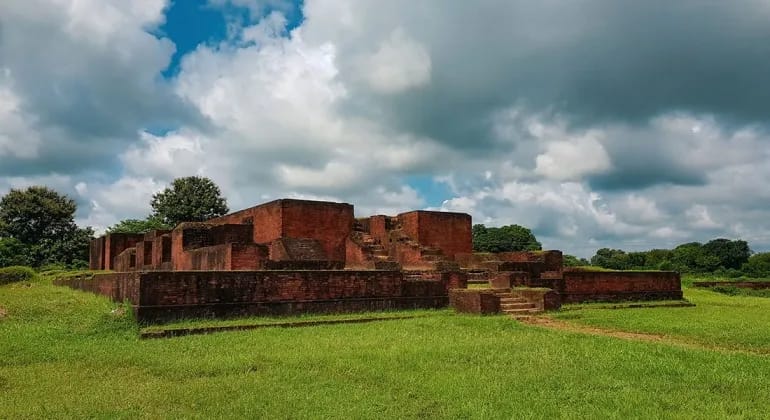
  • Shalban Vihar Comilla : One of the most well-known Buddhist archaeological sites in the district, containing the ruins of an ancient Vihar complex, it is an ideal place for travelers interested in archaeology and early Bengali history.
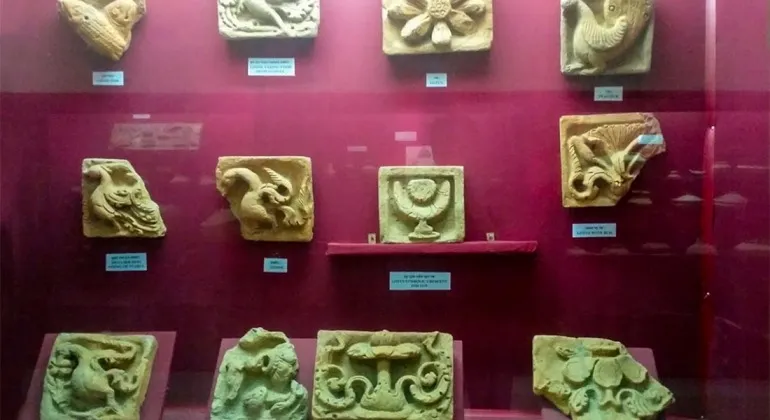
  • Mainamati Museum, Comilla : A valuable destination for exploring the sculptures, pottery, and archaeological discoveries of the Mainamati region.
  • Comilla War Cemetery : A Commonwealth War Cemetery built in memory of military personnel of World War II, known for its meticulously maintained memorial grounds.
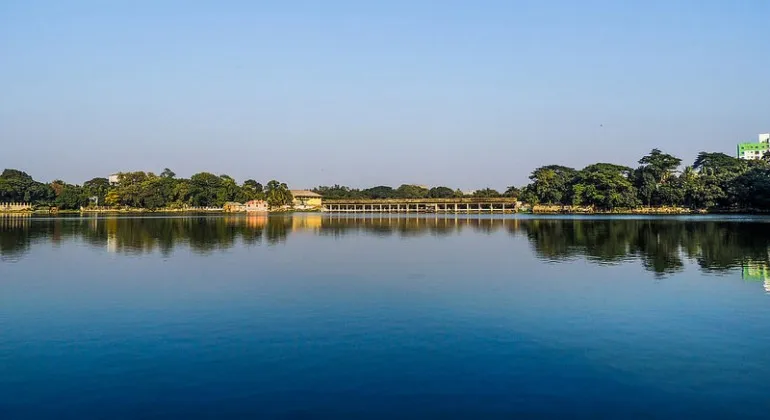
  • Dharmasagar Dighi Comilla : A historic reservoir in Comilla city that presents a different perspective on the district's urban heritage and public spaces.
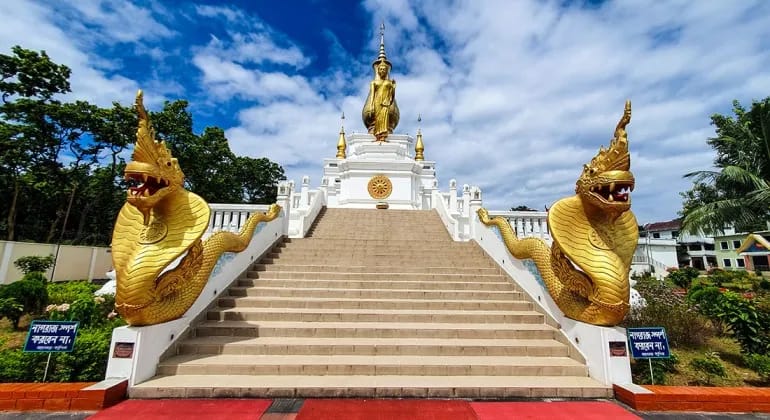
  • Naba Shalban Vihar Comilla : A Buddhist religious complex that presents an interesting contrast to the archaeological heritage of ancient Mainamati.
  • Ananda Vihar Comilla : An important archaeological site related to the Buddhist monastic past of the region.
  • Queen Mainamati's Palace : A traditional place associated with historical and legendary traditions surrounding Mainamati.
  • Rupban Mura Comilla : An archaeological mound related to the ancient Buddhist cultural landscape of this region.
  • Itakhola Mura Comilla : Another important archaeological site showcasing the early religious and architectural history of the district.
  • bangladesh Academy for Rural Development (BARD) : An institution recognized for its contributions to rural development research and training. Visitor access to institutional areas may be limited.
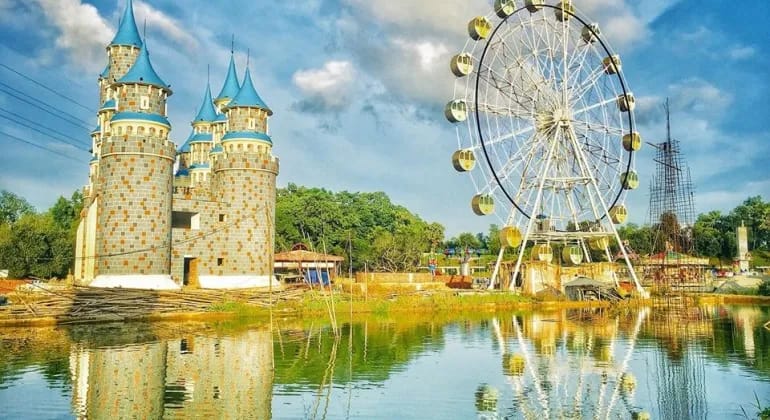
  • Magic Paradise Park Comilla : An amusement center for travelers who want to balance family entertainment with visiting historical sites.
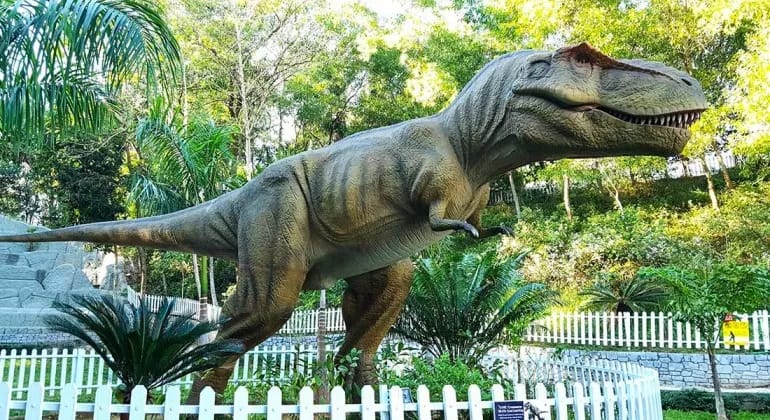
  • Dino Park Comilla : A dinosaur-themed entertainment attraction that may be of interest to families traveling with children.
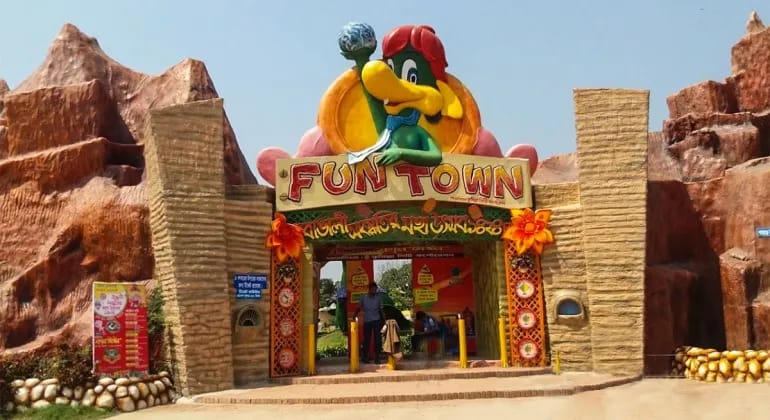
  • Fun Town Comilla : Another family-centric entertainment option for visitors visiting the greater district.

Suggested Combination: Visit the Jahapur Zamindar Bari for the district's zamindari heritage, then set aside time to visit the Shalban Vihar , Mainamati Museum and Comilla War Cemetery . This creates a balanced itinerary that encompasses Bengal's aristocratic residences, ancient Buddhism and modern military history.

Frequently Asked Questions (FAQ)

Jahapur Zamindar Bari is located in Jahapur village, Muradnagar upazila, Comilla district, Bangladesh. It is located about 10 kilometres from Muradnagar upazila headquarters. Tourists usually come to the area via Muradnagar, Debidwar or the Pannar Pul-Bakhrabad road corridor. This historic estate should not be confused with the tourist attractions located in the centre of Comilla city. A Google Maps place link for Jahapur Zamindar Bari is available, although its extended coordinates have not been independently verified.

Explore The Area

Top Attractions & Places to Visit in Cumilla

Discover more heritage, nature, and must-visit spots across Cumilla.

View all in Cumilla
logo ColoZai

ColoZai is a trusted travel guide and destination explorer platform in Bangladesh. We are making travel simple, authentic, and accessible for everyone.

Need Help ?

We are Always here for you! Knock us on Whatsapp (10AM - 10PM) or Email us.