Basu Bihar Bogra

Basu Bihar Bogra

Bogra
·

17 October 2026

Travel Overview & Quick Facts

Directions
Location
Bogra
Admission / Entry Fee
General entry is reported to be free and no separate ticket is usually required for Basu Vihar. Fees for any protected archaeological site, parking or guided services should be confirmed locally before visiting.
Best Time to Visit
October to March
Opening Hours
Accessible during daylight hours; official daily opening and closing times have not been independently verified. Confirm access with local archaeological authorities before traveling.
Category / Type
Historical sites, Buddhist archaeological sites, ancient monastery ruins, cultural heritage centers

Introduction to Basu Bihar Bogra

Basu Bihar Bogra , also known as Basu Bihar, Vasu Bihar or Narapati's Steps, is an important Buddhist archaeological site located in Shibganj Upazila of Bogra District, Bangladesh. Situated in the historic terrain surrounding Mahasthangarh, this peaceful heritage site preserves the ruins of ancient monastic buildings, religious structures and archaeological mounds related to the Buddhist past of the region.

The site offers a fascinating glimpse into the religious, educational and cultural life of early medieval Bengal. Excavations have uncovered the foundations of a Buddhist monastery and a large temple, as well as terracotta objects, decorated bricks, beads, clay lamps, seal stamps and other archaeological artifacts. These discoveries have helped researchers reconstruct the architectural heritage and daily activities of the people who once inhabited the region.

Basu Bihar is a worthwhile addition to a Bogra itinerary for travelers interested in the ancient history of Bangladesh. Its rural setting and exposed archaeological ruins offer a different experience from the larger, fortified settlement of Mahasthangarh . Combining these two sites can be a heritage tour that explores the region's long history of settlement, religious rituals, and cultural exchange.

Basu Vihar is best suited for history buffs, archaeology students, cultural tourists, photographers, and tourists looking for a quiet historical place outside of Bangladesh's most well-known tourist destinations. Since the surviving structure is not a reconstructed monument, but rather an archaeological ruin, visitors should come to the site with an understanding of its historical significance and the need to preserve its fragile structure.


History of Basu Bihar

Basu Bihar is part of a wider archaeological landscape associated with the ancient Pundravardhana region of North Bengal. The nearby Mahasthangarh settlement is identified as Pundranagar, one of the oldest urban centres in present-day Bangladesh. Archaeological mounds found in the surrounding countryside indicate a wider settlement and religious activity beyond the fortified core of the ancient city.

Basu Vihar is generally associated with the development of Buddhist monastic culture in North Bengal, especially during the early medieval period and the centuries of expansion of Buddhism under regional rulers, including the Pala dynasty. The exact chronology of each architectural and settlement phase is a matter of archaeological interpretation, so no single building should be automatically associated with a single ruler or century.

Archaeological excavations conducted in the 1970s and subsequent explorations uncovered the foundations of two monasteries and a large temple. The research documented multiple architectural phases and evidence of significant cultural layers at the mound. These discoveries demonstrate that the site has considerable archaeological significance beyond the excavations and excavations.

It is reported that excavations at the site have yielded approximately 800 archaeological artifacts, including terracotta tablets, decorated bricks, beads, figurines, clay lamps, iron objects, and seals. These artifacts provide evidence of craft production, religious rituals, and daily life, although individual objects may be related to different settlement periods.

Basu Vihar is also important in understanding the larger Buddhist heritage of Bangladesh. Along with other vihar centres across the country, it helps to highlight the historical presence of Buddhist institutions in Bengal and their relationship with regional political centres, trade systems and religious education systems.


Architectural and archaeological features

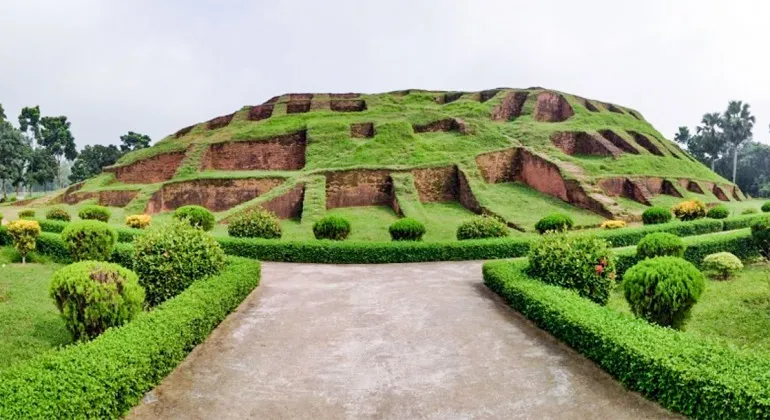
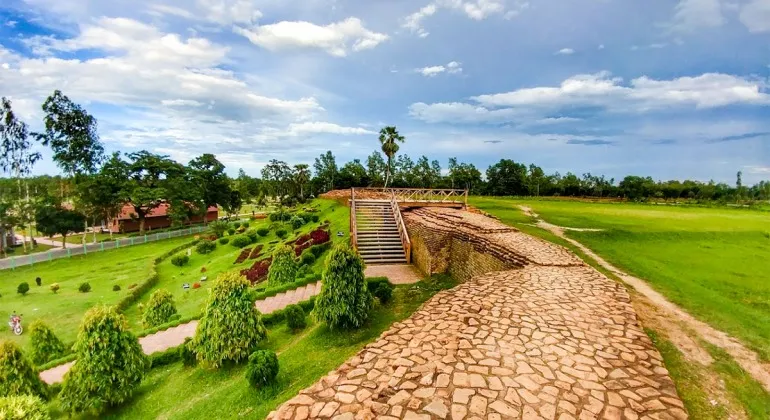
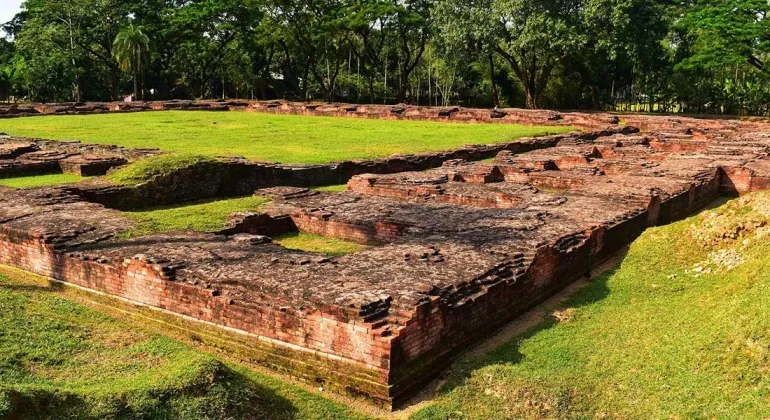
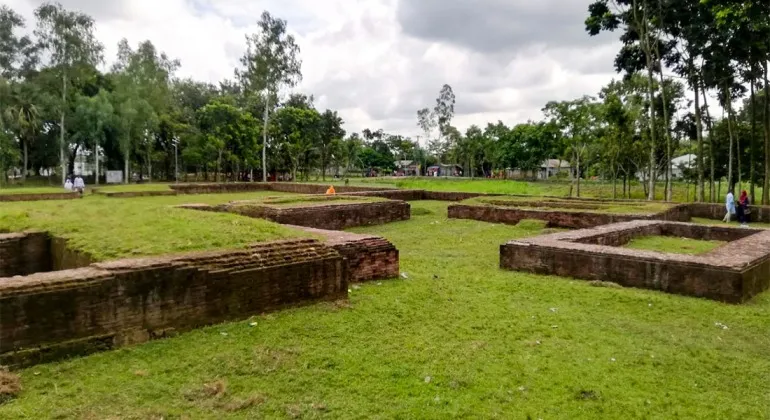
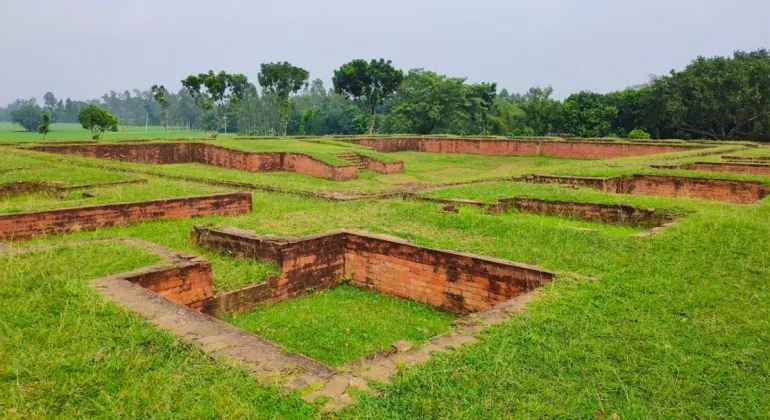
The most distinctive feature of Basu Vihar is its collection of archaeological mounds, which preserve traces of large brick religious and residential structures. The visible foundations help visitors imagine the layout of the rooms, courtyards, and social spaces that once formed part of the monastery complex.

Monastery premises and residential rooms

The excavations have revealed the layout of two main monasteries. The buildings were arranged in such a way that the monks' rooms were located on either side of a roughly rectangular or square central courtyard. There were verandas for passage between the rooms and the common areas, a characteristic arrangement of several Buddhist monastic traditions in the region. The number of rooms and the specific layout of the two excavated structures differ.

These residential spaces supported the monks' daily activities, such as study, meditation, religious rituals, and communal activities. Although the original roof and upper parts no longer survive, the remaining foundations provide valuable evidence of the architectural layout of the space.

Temple premises

A significant temple was also identified during the archaeological excavations. Its foundations suggest that religious architecture was not limited to residential structures. Worship and ceremonial activities were an important part of the function of this site, although careful interpretation of the archaeological evidence is required to understand the exact use of each room and the structural phases.

Brickwork and archaeological materials

Brick foundations, decorated brick fragments, terracotta objects, and other recovered objects help researchers investigate construction techniques and decorative traditions. Visitors should keep in mind that the exposed ruins are only a portion of the original architectural structure and that further evidence may be preserved in unexcavated layers.

Five mounds

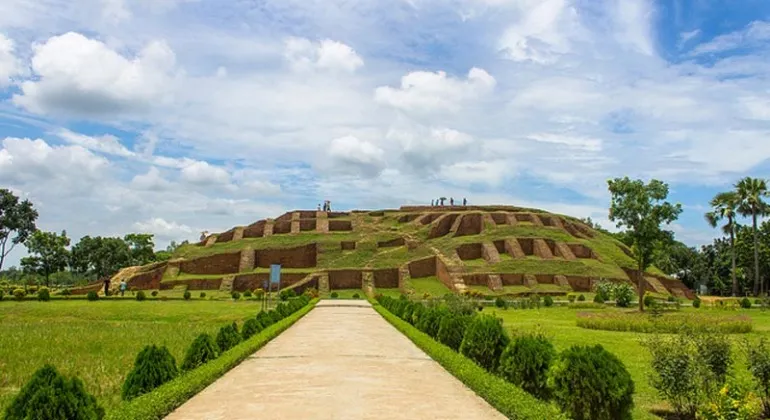
The site is generally described as consisting of five distinct mounds. Their varying sizes and visible remains reflect a complex history of construction, settlement, and preservation. Visitors should view the landscape as an archaeological landscape, developed over different periods, rather than treating each mound as a separate, complete structure.

To get a more comprehensive idea of ​​the monumental architecture of this region, you can compare Basu Vihar with Gokul Medh Bogra, another important archaeological site in Bogra district.


Things to see and do in Basu Bihar

A visit to Basu Vihar is essentially an archaeological and cultural experience. The site rewards visitors who take the time to examine its landforms, observe the surviving brickwork, and understand the landscape in relation to the surrounding historic settlements.

Explore the monastery grounds

Explore the accessible parts of the excavated monasteries and observe how the rooms and courtyards were laid out. These foundations give a realistic idea of ​​the planning of Buddhist residential complexes in ancient Bengal.

Observe the archaeological mounds

Note the relationship between the exposed structures and the larger mounds. The differences in elevation and the location of excavated ruins help explain why archaeological sites are studied as landscapes rather than simply as individual buildings.

Learn about Buddhist traditions

Use this tour to learn about the historical role of Buddhist monasteries in North Bengal. A visit to Basu Vihar can be combined with research or a visit to Mahasthangarh to understand the larger settlement and cultural history of the region.

Photography and quiet observation

The exposed brick foundations, earthen mounds, and surrounding rural scenery provide opportunities for documentary photography. Depending on access, visiting in the morning or late afternoon can provide the necessary natural light. Please refrain from climbing on ruins, removing archaeological objects, or entering protected areas to take photographs.

Plan a traditional circuit

Those with extra time can create an extensive Bogra itinerary centered around Basu Vihar and other archaeological or historical sites. Allow time for travel from one place to another and check road conditions and opening times before attempting to visit multiple places in a day.


Ticket prices and entry rules

Reported entry fee: General admission to Basu Vihar is generally described as free. However, no current independently verified entry fee list was available for this guide. Please check with the responsible archaeological authority or local site staff before your visit, especially if you are travelling in a group.

  • General Admission: Free admission is stated, but please confirm current admission arrangements locally.
  • Guided tours: If you arrange for a private guide, there may be a separate fee. Agree on the price and duration in advance.
  • Transportation and Parking: Local transportation, vehicle rental, and applicable parking charges are separate from the entrance fee.
  • Opening hours: Generally known to be open during the day, but official daily schedules and holiday arrangements have not been independently confirmed.

Follow any signs, barriers, and instructions from site staff. Do not climb on ancient brickwork, dig up soil, remove pottery or bricks, or disturb exposed foundations in any way. These precautions protect the archaeological remains and help preserve the site for future visitors.

Accessibility and visitor facilities may be limited compared to major museums. If you require stair-free entrances, accessible restrooms, seating, or assistance for elderly visitors, please check availability before your trip.


How to reach

Basu Bihar is located in Shibganj Upazila of Bogra District in northwestern Bangladesh. It is located about six kilometers northwest of the Mahasthangarh archaeological site, although the actual road distance depends on which road is taken. Bogra city is the main transport hub for visitors from Dhaka and other districts.

Step 1: Travel from Dhaka to Bogra by bus

Long-distance buses connect Dhaka with Bogra. Buses depart from major intercity bus terminals, depending on the operator. The journey usually takes five to seven hours, but traffic congestion, departure point, road conditions, and type of service can significantly affect the travel time.

This is not a guaranteed current fare, but as a rough estimate, budget around 600–1500 taka per person for a one-way bus journey; premium and air-conditioned services may cost more. Check with the bus operator for current departure times and fares before booking.

Step 2: Travel from Dhaka to Bogra by train

Train travel is another option to reach the Bogra area. Check the current Bangladesh Railway timetable for services to Bogra and suitable connections from Dhaka, as direct availability, departure times and stopover types may vary. If your chosen itinerary requires a connection, allow sufficient time for transfers.

Train fares vary according to class and route. Check the applicable fare and seat availability through the official railway booking system. Travel to Mahasthangarh and Shibganj by local transport from Bogra Railway Station.

Step 3: Journey from Bogra city to Basu Bihar

To visit the archaeological site from central Bogra, hire a CNG autorickshaw, reserve a local car, or arrange for a car with a driver. Indicate that you want to go to Basu Bihar, also known locally as Basu Bihar or Narpati's Step, in the Shibganj area. The place is located outside the central urban area, so make sure to make a return journey before leaving the city.

As an approximate travel budget, a short-distance local CNG or autorickshaw ride, when shared, can cost around 50-200 taka per person. On the other hand, the cost of a private vehicle for a long archaeological tour can range from a few hundred to a few thousand taka, depending on the duration, distance, and bargaining. These are just estimates, not actual verified prices. Please agree on the full fare before starting the journey.

Step 4: Departure from Mahasthangarh

If you have already visited Mahasthangarh , you can include Basu Vihar as a nearby travel destination. Local CNG, auto-rickshaws and rental cars may be available, but there is no guarantee of availability of transport. Ask the driver to wait or arrange for someone else to bring you back, as it may be difficult to find transport once you reach the archaeological site.

Step 5: Consider air travel

For most tourists, traveling by road from Dhaka is the most convenient option. There is no regular commercial passenger flight service to Bogra that can be relied upon for this itinerary. If you are considering traveling by air, first check current commercial routes and airport operations, then arrange for onward road transport to Bogra.

Useful directions and travel tips

  • Use the Google Maps pin provided for Basu Vihar and check the final route before starting your journey.
  • Make sure from your driver that the destination is the archaeological site in Shibganj Upazila, and not some other place with the same name.
  • Bring drinking water, cash for local transportation, and a charged mobile phone.
  • Travel during the day and leave extra time for rural roads and return transportation.
  • To make your trip more enjoyable, combine this tour with Mahasthangarh or any other nearby heritage site.

Basu Bihar Bogra

GPS: 24.9828, 89.2978
Get Directions

Where to eat

Dining options around Basu Vihar may be limited, as this attractive site is located in a rural archaeological area rather than a major commercial center. It's wise to eat in Bogra city or a major tourist destination nearby before heading there.

Local food of Bogura

Local restaurants and roadside food stalls in Bogra serve everyday Bangladeshi dishes like rice, fish curry, chicken, dal, vegetables, parathas, and light snacks. They are a convenient option for travelers who want to fill up before or after their sightseeing.

Try the famous yogurt of Bogra.

Bogra is particularly known for its sweet curd, commonly known as Bogra's curd. Visitors can check out the city's established sweet shops to see if they have takeaway packaging available for the return trip.

Food near Mahasthangarh

Depending on the day and season, there may be general food shops and small eateries around the Mahasthangarh tourist area. Their availability is uncertain, so do not assume that any particular shop will be open when you visit Basu Vihar.

Practical advice: Carry water and light snacks, take all trash with you, and don't leave food scraps around archaeological ruins.


Where to stay?

Bogra city is the most convenient base for overnight stays in Basu Bihar. There are a variety of accommodation options available here, including budget guesthouses, mid-range hotels, and business accommodations, compared to the archaeological site.

Stay in Bogra city

If you're planning to visit Basu Vihar, Mahasthangarh, and other heritage sites, choose a hotel located in the city center. Restaurants, shops, transportation, and medical services are easily accessible in the city. Before booking, check out recent reviews, room amenities, cancellation policies, and transportation options.

Choose your accommodation according to your itinerary.

If you are leaving early in the morning for a day trip from Dhaka, an overnight stay may not be necessary, but due to traffic congestion and the time required to visit the various archaeological sites, an overnight stay may be more comfortable. Those coming on a more extensive archaeological tour should consider staying one or two nights in Bogra.

Accommodation booking advice

  • Confirm the exact location of your hotel and its distance from Bogra Railway Station or Bus Terminal.
  • Ask if the authorities can arrange a car or driver for a half-day archaeological tour.
  • Please check air conditioning, hot water, breakfast, and payment arrangements before confirming your reservation.
  • Book in advance during public holidays and peak domestic travel times.

There is no need to assume that you will find accommodation right next to Basu Vihar. If you are not sure about a suitable place nearby, plan to return to Bogra city.


Travel tips and guides for visitors

A little preparation can make a visit to Basu Vihar more informative and enjoyable. It is better to view this place as a preserved archaeological landscape rather than as a developed entertainment center.

  • Wear appropriate footwear: Uneven ground, exposed foundations, and grassy mounds can make walking in regular sandals difficult.
  • Bring water: Don't assume that there will be drinking water, shops, or light meals available at the venue.
  • Bring sun protection: A hat and sunscreen come in handy when walking in open areas.
  • Protect the ruins: Never climb walls, dig, remove bricks, or collect archaeological objects.
  • Ask permission before taking pictures of people: Be respectful of local residents and any religious or cultural activities.
  • Confirm opening times: Check access and local conditions before traveling, especially on public holidays.
  • Make your return arrangements: Local transportation may not always be available.
  • Consider a guide: An experienced local guide can help explain the layout of the monastery and place the ruins in the history of ancient Bengal.

Visitors with mobility limitations should check the condition of walkways, entrances, and availability of assistance before visiting. Due to the preservation of archaeological remains, vehicle access and the installation of modern visitor facilities may be limited.


Suggested one-day itinerary for Bogra heritage tour

A visit to Basu Vihar is particularly useful as part of a day dedicated to exploring the archaeological heritage of Bogra. The following itinerary is a flexible suggestion; the actual time depends on transportation arrangements, opening times, and how much time you spend at each site.

  1. Morning: Start your journey from Mahasthangarh to visit the ancient fortified settlement and learn about the history of Pundranagar .
  2. As the day progresses: Visit Basu Vihar and explore the monastery grounds, temple ruins and archaeological mounds.
  3. Lunch: Return to a large settlement or Bogra city for food and refreshments.
  4. Afternoon: If travel and access are favorable, visit Gokul Medh Bogra or any other nearby historical site.
  5. Late afternoon: Return to Bogra city for local food, shopping or overnight stay.

Tourists interested in taking a longer cultural itinerary can also take in other historical sites, but should check their distances and opening times rather than assuming that every attraction is located right next to Basu Vihar.


Nearby attractions

Bogra district has a significant number of archaeological mounds, religious monuments and historical sites. Basu Vihar is an excellent starting point to learn about the vast heritage surrounding ancient Pundravardhan. The following places can help you create a comprehensive itinerary, although travel times vary depending on the route and local road conditions.

Mahasthangarh

Mahasthangarh is one of the most important ancient urban archaeological sites in Bangladesh. Connected to Pundranagar, the site preserves the remains of a fortified settlement dating back to at least the 3rd century BC. Visitors can also visit the site's museum, which is a natural complement to Basu Vihar due to its proximity to the archaeological landscape and facilities.

Gokul Medh Bogra

Gokul Medh Bogra is a notable archaeological mound, traditionally associated with local legends and the ancient past of the region. Its distinctive towering structure offers a different perspective on the archaeological heritage of Bogra.

Bihar Step Bogra

For travelers interested in seeing archaeological mounds and ruins of historic religious or residential settlements, bihar Dhap Bogra is a useful addition. Check its exact location and current transportation options before you set off.

Mankali's Kund Step Bogra

The Mankali Kund Dhap Bogra (Mankali's Kunda Steps Bogra) offers another opportunity to explore the archaeological landscape of the region and the historical heritage associated with its mounds.

Yogi Bhavan Bogra

If you have an interest in historical religious sites, local traditions, and the cultural history of northern Bangladesh, Yogi Bhavan Bogra is a heritage destination worth considering. (Jogi Bhavan Bogra)

Parashuram Prasad Palace Bogra

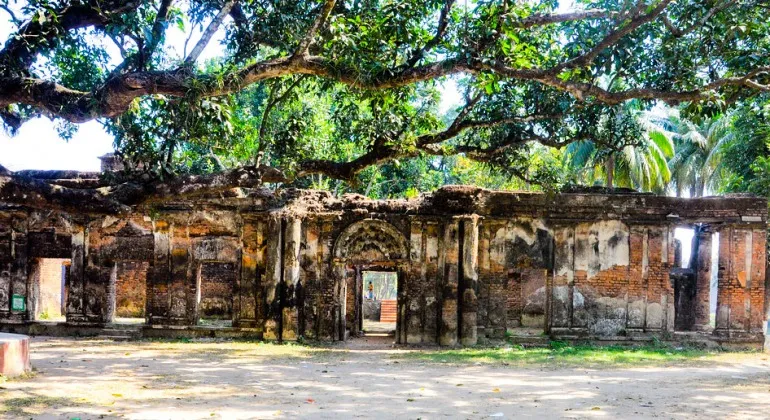
Parashuram Prasad Palace can enrich your archaeological itinerary by introducing you to the historical narrative and architectural heritage of the Bogra region (Parashuram Prasad Palace Bogra) . Before planning a stop here, check the exact location of the site and visitor access.

Kherua Mosque Bogra

The kherua Mosque in Bogra presents a diverse picture of the Islamic architectural heritage of the district. It is worth considering for any long trip exploring different historical eras and religious traditions.

Rani Bhabani's father's home is Bogra.

Bogra, the birthplace of rani Bhabani's father, could be another potential destination for travelers interested in regional history and heritage narratives involving notable historical figures .

Bhima Jungle Bagra

Bhima Jungle Bogra is another historical place worth considering when planning to explore the heritage sites of Bogra . Make sure to arrange local transportation and routes. (Bhima Jungle Bogra)

Poradaha Mela Bogra

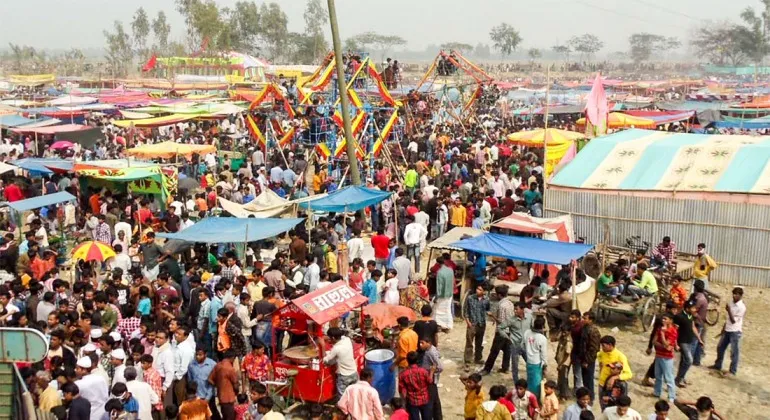
The poradaha Mela in Bogra is a traditional fair that offers a different kind of cultural experience. Its relevance depends on the date of the event, so make sure to check when the fair is held before planning your trip.

For the easiest archaeological tour, prioritize Basu Vihar and Mahasthangarh, then add other sites based on actual distance, accessibility, and opening status. This approach will allow you to explore Bogra's history without overburdening a day with long treks scattered across different locations.

Frequently Asked Questions (FAQ)

Basu Bihar is an archaeological site in Shibganj Upazila of Bogra District, Bangladesh. It is located about six kilometers northwest of the Mahasthangarh Archaeological Site. The site is also known as Basu Bihar, Vasu Bihar, and Narpati's Steps. Use the specific Google Maps pin provided in this guide and confirm the final destination with a local driver before traveling.

Explore The Area

Top Attractions & Places to Visit in Bogra

Discover more heritage, nature, and must-visit spots across Bogra.

View all in Bogra

Kherua Mosque Bogra

The Bogra Kherua Mosque, locally known as Kherua Mosque , is one of the most significant surviving examples of 16th-cent...

Shafayet Al-Anik

Gokul Medh Bogra

Gokul Medh Bogra, also known as Behula Basar Ghar or Behula and Laxminder Basar Ghar, is one of the most interesting arc...

Shafayet Al-Anik

Bhima Jungle Bogra

Bhimer Jungle, also spelled Bhimer Jungle or Bhimer Janghal, is an important historical landscape associated with ancien...

Shafayet Al-Anik

Bihar Step Bogra

Bihar Dhap Bogra , also known as Totaram Pandit's Dhap, is an important archaeological site located in Bihar village, Sh...

Shafayet Al-Anik

Jogi Bhavan Bogra - History, Ancient Temples, Location and Complete Travel Guide

Yogi Bhavan Bogra , also known as Yogi Bhavan or Yogi Bhavan Temple Complex, is a significant historical and religious h...

Shafayet Al-Anik

Mahasthangarh

Mahasthangarh in Bogra district, Bangladesh, is one of the country's most remarkable archaeological treasures and the si...

Shafayet Al-Anik

Mankali's Kunda Steps Bogra: History, Archaeological Ruins, Location and Travel Guide

Mankali Kund Dhap , also known as Mankali Kund or Mankali Dhap, is an archaeological heritage site associated with the a...

Shafayet Al-Anik

Parashuram Prasad Palace Bogra

Parashuram Prasad Palace, also known as Parashuram Palace or Parashuram's Prasad, is an archaeological attraction within...

Shafayet Al-Anik

Poradaha Mela Bogra

The Bogra Poradaha Mela is one of the most well-known traditional rural fairs in northern Bangladesh, famous for its hug...

Shafayet Al-Anik

Rani Bhabani's father's home Bogra – history, location, travel guide and sightseeing information

Rani Bhabani's Father's House , locally known as Rani Bhabani's Father's House or Rani Bhabani's Pitrugriha, is a histor...

Shafayet Al-Anik

logo ColoZai

ColoZai is a trusted travel guide and destination explorer platform in Bangladesh. We are making travel simple, authentic, and accessible for everyone.

Need Help ?

We are Always here for you! Knock us on Whatsapp (10AM - 10PM) or Email us.