Tupamari Dighi Kurigram

Tupamari Dighi Kurigram

Kurigram
·

20 October 2026

Travel Overview & Quick Facts

Directions
Location
Kurigram
Admission / Entry Fee
General admission is reported to be free, although a nominal entrance fee of around ৳10–৳30 per person may apply depending on current management. Optional activities may incur additional costs: around ৳100–৳250 for a 30-minute boat trip, ৳100–৳300 for a picnic shelter, and ৳20–৳50 for parking. Fishing permits and organized picnic bookings are priced separately. These are estimates only, not verified official price lists; confirm all costs locally before traveling.
Best Time to Visit
Open all year round, but November to February is best.
Opening Hours
Approximately 9:00 AM - 5:00 PM daily (times available to visitors; current Google Maps schedule has not been independently verified)
Category / Type
Natural lakes and ponds, Family picnic spots, Nature and recreation, Fishing destinations

Introduction to Tupamari Dighi Kurigram

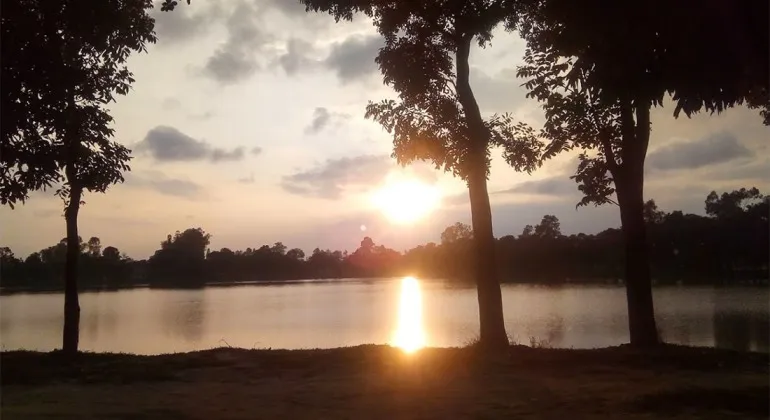
Tupamari Dighi Kurigram, also known as Tupamari Pond or Zia Pond , is a picturesque freshwater pond and popular picnic spot in Goraye village, Durgapur Union, Ulipur Upazila, Kurigram district, Bangladesh. Surrounded by leafy vegetation, tranquil rural scenery, and open recreational areas, this picturesque spot offers a refreshing glimpse of the natural beauty and rural lifestyle of northern Bangladesh.

Unlike the historic mosques, zamindar residences and riverside attractions of Kurigram, Tupamari Dighi mainly attracts visitors for relaxation, family outings, photography and recreational fishing. Its calm waters, green surroundings and homely picnic atmosphere make it particularly attractive to families, students, groups of friends and travelers seeking a peaceful break from the busy urban environment.

This attraction is a part of the Tupamari Multipurpose Agricultural Complex , an agricultural and recreational development project spread over about 25 acres of land. Historical records show that the main pond, covering about 18.27 acres, was excavated in the fiscal year 1980-1981. Over time, tree plantations, fish farming, and growing public interest have transformed this agricultural complex into a recognized local recreation center.

Visitors can enjoy the scenic views of the waterside, spot native birds, explore the surrounding greenery, and learn how a communal agricultural enterprise has become an important recreation center. Tupamari Dighi is particularly popular during the traditional winter forest feast season, when families and organized groups come together to enjoy this open environment.

Location: Goraye Village, Durgapur Union, Ulipur Upazila, Kurigram District, Rangpur Division, Bangladesh. Depending on the route chosen and starting point, the location is approximately 10 kilometers north of Ulipur town and approximately 8 kilometers from the center of Kurigram. The pond is located slightly east of the locally mentioned AKC Road.

Along with a trip to Tupamari Dighi, one can also visit the cultural heritage sites of Kurigram, especially the notable historical residence of Ulipur Munshibari in the same upazila and the popular tourist attraction of Dharla Bridge located on the Dharla River. (Dhorla Bridge Kurigram)

History and cultural significance of Tupamari Dighi

The history of Tupamari Dighi is inextricably linked to agricultural development, rural cooperation, and the transformation of low-lying land into a productive social asset. While its traditional name may suggest an ancient reservoir, the current pond is a relatively modern construction rather than a centuries-old archaeological site.

From wetlands to agricultural complexes

According to a historical report published in The Daily Star in December 2017, in 1972, the Ulipur Upazila Central Cooperative Society acquired about 25 acres of wetland in Goraye village. A large pond of about 18.27 acres was dug in the fiscal year 1980-1981 through a development project associated with the World Food Programme.

The aim of this initiative was to transform previously unused wetlands into productive agricultural infrastructure. Fish farming became an important activity, while at the same time, the planting of fruit, medicinal and other plants around the ponds gradually created an attractive green landscape.

Why is Tupamari Dighi called Zia Pond?

Locals commonly refer to this place as Zia Pukur . The name is associated with the era of former President of Bangladesh Ziaur Rahman and the rural development programs undertaken during that time. A report published by The Business Standard in April 2026 discussed the pond's connection to this local history and the development work of the late 1970s and early 1980s.

The alternative name is convenient for visitors, as local drivers and residents can more easily recognize Zia Pukur than Tupamari Dighi. Both names refer to the same recreation center in Durgapur Union.

Development as a picnic destination

After the excavation, the surrounding land was gradually planted with trees and the area became known for fishing and rural recreation. Visitors from Kurigram and neighboring districts, especially in winter, began to come to enjoy the natural environment of the pond.

Historical accounts also reveal the cultivation of fish and turtles on this land, and the commercial use of the fruits produced. These activities explain why Tupamari Dighi is more than just a simple village pond: it is a symbol of a combination of agricultural productivity, community enterprise, and public recreation.

Today, this attraction presents a distinct contrast to the architectural heritage of Kurigram. Tourists interested in exploring the former zamindari areas of the district can also visit the Naodanga Zamindar Bari and the Old Zamindar Bari located on the Vetarbandh. (The old manor house)


Main attractions and things to do

Tupamari Dighi can be enjoyed more as a peaceful recreational landscape than a traditional amusement park. Its appeal lies in the combination of open water bodies, old trees, picnic areas, and the everyday rural atmosphere of Ulipur.

Enjoy the beautiful pond and green surroundings.

The large freshwater pond is the centerpiece of this attraction. The plants growing on its banks create lovely reflections in the water, and the surrounding grounds offer opportunities to sit, walk, and enjoy the natural scenery. Weekday mornings can be especially pleasant for visitors who prefer a quieter environment.

Host a family picnic

Picnicking is one of the most popular activities at Tupamari Dighi. Families, schools, and groups of friends come here during the winter to enjoy a meal and spend time outdoors. The open space here is perfect for informal group gatherings, but for larger groups, make sure to check in advance for permission, reserved space, or additional fees.

Those planning a long picnic should bring drinking water, food, a mat, and suitable waste disposal bags. Do not assume that cooking facilities and shelter will be available, but check with local authorities.

Recreational fishing experience

Tupamari Dighi is known for its regulated fisheries, which have historically attracted amateur fishermen from Kurigram and the surrounding northern districts. Fishing is not necessarily a free public activity, as there is an organized fish farming system in this pond.

Any person wishing to fish must obtain permission from the relevant director, confirm the applicable fee, and comply with local regulations regarding equipment, fishing areas, and the amount of fish allowed.

Photography and bird watching

The pond's reflective water, mature trees, and surrounding countryside provide opportunities for landscape and nature photography. Early morning and late afternoon are especially attractive for taking photos of the soft natural light and the waterside.

Bird watching can also be a pleasant informal activity, especially in the wooded areas of the grounds. Birding opportunities vary from season to season, and visitors should avoid disturbing wildlife or entering protected agricultural areas.

Boat trips and relaxation by the water bodies

Travel guides describe paddleboat activities at Tupamari Lagoon, although boat availability, operating arrangements, and safety equipment have not been independently verified at this time. Ask the site operator if boating is available on the day of your visit.

If boating, use properly fitted life jackets, limit the number of passengers, and carefully supervise children. Swimming is not recommended, as the pond is a regulated body of water, not a designated swimming area.

Discover rural life in Ulipur

The surrounding area offers glimpses of the rural roads, farmlands, local markets, and daily life of northern Bangladesh. Tourists interested in rural culture can stop in Ulipur town before heading to ulipur Munshibari to explore another aspect of the upazila's heritage.


Best time to visit Tupamari Dighi

The most popular time to visit Tupamari Dighi is from November to February . These months coincide with the traditional forest feasting season in northern Bangladesh, when families, students, and organized groups often gather at open recreation centers.

November to February: Main picnic season

This is the best time for those looking to enjoy the vibrant social atmosphere of this destination. Weekends and public holidays can see large crowds, while weekdays are generally a more relaxed experience.

March to April: Relatively quiet travel

For those who prefer a less crowded environment, March and April may be the best months. Mornings and late afternoons are especially good for taking photos, walking, and enjoying the surrounding greenery.

May to September: Check local conditions

This place is known as a recognized tourist destination throughout the year, but seasonal changes may affect access to the premises, boating, and picnicking. Kurigram is a flood-prone district, so visitors traveling during the rainy season should check local conditions and road conditions before setting off.

October: Start of the main inspection phase

For those interested in exploring the area before the busiest picnic season begins, October can be a convenient interim month.

Recommended visiting times: Approximately 9:00 AM to 4:30 PM for sightseeing and family outings. Allow 1-2 hours for a short visit, 2-3 hours for a leisurely hike, or half a day for a planned picnic. These are suggested visiting times, not independently verified official working hours.


Ticket prices and entry rules

Tupamari Dighi is generally described as an affordable public recreation center. Some tourist information sources state that entry is free, while other travel guides state that there may be a small entry fee or charges for activities. No official price list for 2026 was available at the time of research, independently verified.

Estimated visitor spending

Activity or service Estimated cost Important information
Common entrance Usually free; however, a nominal charge of ৳10–৳30 per person may apply. Confirm current policies with local management.
Walking and photography Usually free Permission may be required for specialized or commercial photography.
Optional paddleboat ride About 100-250 taka every 30 minutes Dependent on availability, boat size, and safety measures.
Picnic shed or gazebo About 100-300 taka Confirm duration, availability, and team requirements.
Recreational fishing Discussed separately Prior permission may be required.
Car parking Approximately ৳20–৳50 if charged Parking arrangements and charges may vary.

Price Notice: These prices are estimates based on other travel information, and are not guaranteed or officially confirmed prices. Actual prices may vary and some optional services may not be available.

Visitor regulations and responsible tourism

  • Follow any instructions issued by the pond authority or local cooperative authority.
  • Get permission before fishing, hosting large gatherings, or setting up cooking equipment.
  • Do not swim in ponds or allow children to go near deep water without supervision.
  • If you are on a boat trip, use a life jacket and follow the driver's instructions.
  • Avoid littering, damaging trees, disturbing birds, or picking fruit from cultivated agricultural areas.
  • Take drinking water with you and take out your trash when you leave.
  • Ask permission before taking photos of local residents or private activities.
  • Plan to leave before dark, as lighting and return transportation may be limited.

Visitors planning large school trips, corporate picnics, or recreational fishing trips should make local arrangements well in advance, especially during the picnic season from November to February.


How to reach

Tupamari Dighi is located in Goraye village of Durgapur union of Ulipur upazila of Kurigram district. The most convenient way to reach here is to go to Kurigram district headquarters and proceed towards Durgapur union by local transport. Travelers can also come from Ulipur town, which is about 10 kilometers south of the pond.

By bus from Dhaka

  1. Start your journey from any convenient intercity bus boarding point in Dhaka, such as Gabtoli, Kalyanpur, or Asad Gate, depending on the operator.
  2. Book a bus to Kurigram. Operators mentioned in the regional travel information include Nabil Paribahan, Hanif and other bus services in northern Bangladesh. Check current routes and departure points before booking.
  3. Allow approximately 8-11 hours for intercity travel, depending on traffic, road conditions, and scheduled breaks.
  4. Budget approximately ৳900–৳1,500 per person for intercity bus travel, depending on the operator and seating category. This is an approximate range, not a guaranteed or direct fare.
  5. Upon reaching Kurigram town, hire a CNG auto-rickshaw, battery-powered easy-bike, or suitable local vehicle to head towards Tupamari Pond in Durgapur Union.

By train from Dhaka

  1. Start your journey from Kamalapur Railway Station in Dhaka or any other designated boarding station.
  2. Check out the current services of Bangladesh Railway at Kurigram Railway Station. Kurigram Express is a recognized option on the Dhaka-Kurigram route, depending on the current schedule.
  3. Another option is to travel by train to Rangpur and from there go to Kurigram by road or via a suitable rail connection.
  4. Allow approximately 9-12 hours for the main train journey, depending on the train and route.
  5. Rail fares vary significantly by class. Estimate ৳650–৳2,200 per person to set an initial budget, then check with Bangladesh Railway for actual fares and seat availability.
  6. Arrange local road transport from Kurigram Railway Station to Durgapur Union and ask for Tupamari Dighi or Zia Pond.

Railway Notice: Train schedules, operating days, ticket prices and route layouts are subject to change. Please contact Bangladesh Railways for current details before making travel decisions.

By air from Dhaka

There is no regular commercial passenger airport in Kurigram. The practical air route is to fly from Hazrat Shahjalal International Airport in Dhaka to Saidpur Airport in Nilphamari district and then continue by road.

  1. Book a domestic flight from Dhaka to Saidpur, subject to the airline's schedule.
  2. Arrange a private vehicle to travel from Saidpur Airport to Rangpur and Kurigram or use available local transportation.
  3. From Kurigram town, take a CNG auto-rickshaw, easy-bike, or rented car to Durgapur Union.
  4. Depending on the road, traffic, and connectivity, it may take approximately 2.5–4 hours to reach the sightseeing spot from Saidpur by road.

There is a significant difference between airfare and the cost of private vehicles, so compare current prices between airlines and find out about car rentals before you travel.

From Kurigram District Headquarters

It is generally said that the distance from the center of Kurigram to Tupamari Dighi is about 8 kilometers, although the actual distance by car depends on which road you choose. From Kurigram town, head towards Durgapur Union and ask the driver to take you directly to Tupamari Pond, also known as Zia Pond.

  • Shared Auto-Rickshaw or Easy-Bike: Where shared services are available, a working initial budget of approximately 50-100 taka per person for local travel can be a good starting point.
  • Reserved CNG or Auto Rickshaw: Request a fare with full route and waiting time before boarding.
  • Private car or microbus: Convenient for families and picnic groups carrying food or equipment. Daily rental costs depend on the size of the vehicle, route, and duration.

From Ulipur city

The pond is located about 10 km north of Ulipur town. Hire a CNG autorickshaw or battery-powered easy-bike to head towards Durgapur Union and Goraye village. According to some travel guides, shared local transport costs around 40-70 taka per person, while reserved three-wheelers cost around 200-350 taka depending on the journey and bargaining.

A useful local landmark is AKC Road , from which the attraction is described as being approximately 125 metres east. Road conditions and correct access should be checked locally.

Vehicle rental and group transportation

A reserved microbus can be convenient for travelers traveling in groups from Kurigram, as it allows travelers to carry picnic equipment together and arrange for return transportation. Some regional guides list the approximate cost of renting a microbus for a day as 3,000–5,000 taka, but the actual fare depends on the route, vehicle size, fuel arrangements, and waiting time.

Directions and nearby attractions

  • Don't just rely on the English name, ask local drivers about Tupamari Pond or Zia Pond.
  • To avoid confusion with other areas with similar names, specify the village of Goraye, which falls under Durgapur union in Ulipur.
  • Use the location of Tupamari Pond shown on the attached map, but verify the final access route with local residents.
  • You can consider combining this trip with Ulipur Munsibari or dhorla Bridge .
  • If you are traveling with children, elderly tourists, or a large picnic group, make arrangements for return transportation in advance.

Tupamari Dighi Kurigram

GPS: 25.7474996, 89.633918
Get Directions

Where to eat

Compared to Kurigram town, Tupamari Dighi has relatively limited dining options. This place is essentially a pond and picnic area, not a developed restaurant complex, so visitors should plan their meals before arriving.

Bring your own picnic food.

For families and organized groups, taking prepared food with you is often the most convenient option. Traditional Bangladeshi picnic foods such as rice, chicken curry, various beef dishes, vegetables, khichuri, and seasonal fruits are suitable choices. If preparing food at a picnic site, ask permission and make sure there is a designated area for cooking.

Restaurants and food shops in Ulipur

Ulipur town has local restaurants, tea shops, bakeries, and grocery stores, from which visitors can buy food and picnic supplies. Depending on the establishment and menu, a simple rice and curry meal can cost around 120–250 taka per person.

It is advisable to buy food and bottled water from Ulipur Market before visiting the pond, especially for families who will be spending several hours at this attractive location.

Dining in Kurigram town

There are many other dining options in Kurigram district headquarters. Travelers can explore the restaurants around Shapla More and the central business district. Regional travel guides list Nanna Biryani and Asia Hotel as popular dining options in the city, although you should check their current operations and menus.

Traditional local food worth tasting

  • Shidal Bharta: A unique dish of northern Bangladesh, made with fermented or dried fish and spices.
  • Traditional rice and fish curry: A familiar local dish served in many restaurants in Bangladesh.
  • Seasonal River Fish: Fish dishes that reflect the culinary traditions of the Dharla, Teesta and Brahmaputra river regions.
  • Local tea and snacks: A convenient option for a short break on your way through Ulipur or Kurigram town.

Meal planning tip: Take plenty of drinking water, especially when traveling with children. Don't assume that there will be a permanent food stall, drinking water facility, or restaurant right by the pond.


Where to stay?

Tupamari Dighi is primarily a daytime attraction, and visitors should not expect conventional hotel or resort accommodation right next to the pond. The most convenient place to spend the night is Kurigram town, where residential hotels and necessary services are readily available.

Accommodation in Kurigram town

Regional accommodation guides mention several residential hotels in Kurigram, including Hotel Arnab Palace, Hotel DK, Hotel Smriti, Hotel Nivedita and Hotel Mehedi. These hotels are also featured in local travel recommendations, but their current operating status, room quality, prices and booking availability should be verified directly.

Accommodation is generally concentrated in Ghoshpara, the central bus terminal, and nearby commercial areas. These areas provide relatively easy access to restaurants, transportation services, and other attractions in the district.

Estimated housing budget

Housing Department Estimated budget per night Suitable for
Basic residential hotel ৳500–৳1,000 Budget travelers and short-term trips
Standard private room ৳1,000–৳2,000 Couples and small families
Larger or better accommodation ৳2,000 and above, where available Families looking for extra amenities

These amounts are estimated planning allocations, not verified current hotel prices. Please ensure cleanliness, safety, bathroom facilities, check-in requirements, and total room rent before making a reservation.

Alternative overnight base

Travelers to various destinations in northern Bangladesh may consider Rangpur as an alternative base, especially if they want more hotel and transportation services. However, if you plan to travel around Tupamari Dighi and the surrounding districts, it is usually more advisable to stay in Kurigram.

Suggested two-day itinerary

  • Day 1: Arrival in Kurigram, afternoon city tour and visit to dhorla Bridge. Overnight stay in Kurigram.
  • Day 2: Take a relaxing morning or visit Tupamari Dighi for a picnic, then head towards ulipur Munsibari before returning to Kurigram.

Tourists who want to explore the district's architecture better can extend their stay to visit the chandamari Mosque and other historical sites.


Amenities, safety and practical travel tips

Although Tupamari Dighi is a recognized local recreation center, visitors should be prepared for relatively modest facilities. The condition and availability of facilities may vary depending on management arrangements, visitor demand, and the season.

Expected benefits

  • Open space: The surrounding landscape provides space for walking, sitting, and informal recreation.
  • Wooded area: Old trees create an attractive setting for picnics.
  • Picnic Shelters: Some travelogues mention bamboo shelters or gazebos, but you should check their current availability.
  • Boating: Although the travel guide mentions paddleboat rides, it should not be assumed that they will operate every day.
  • Fishing: Recreational fishing may be permitted subject to the director's permission.
  • Toilets and drinking water: Services may be limited or unreliable; prepare accordingly.
  • Food service: You should not expect a permanent restaurant inside the attraction.
  • Accessibility: Some outdoor areas are relatively flat, but uneven or soft surfaces and limited accessible restrooms can cause difficulties for wheelchair users.

Important safety tips

  • Keep young children under direct supervision around the pond.
  • Do not enter the water for swimming or bathing.
  • Make sure any boat you operate has proper safety equipment.
  • Avoid boating if you do not have safety equipment or if the driver cannot explain basic safety procedures.
  • Take drinking water, necessary medicines, and a small first aid kit.
  • Keep valuables safe and do not leave them unattended.
  • Check local transportation conditions before traveling during flood season.
  • Use designated paths and respect protected agricultural or fishing areas.

Advice for families and group visitors

Families should bring a light snack, drinking water, tissues, hand sanitizer, and a comfortable mat to sit on. Large picnic groups should plan their transportation, food preparation, and waste disposal responsibilities in advance.

Visitors are encouraged to respect local customs, avoid excessive noise, and help preserve the surrounding greenery. The appeal of Tupamari Dighi largely depends on the health of its ponds and planted landscapes.

Suggested personal budget

A one-way trip from Kurigram by local shared transport, excluding accommodation and meals, can cost an estimated 200-500 taka per person. However, those who want to add meals, reserved transport or optional entertainment will need to increase their budget further. These calculations are intended to give an idea of ​​approximate planning, and are not a fixed package price.


Nearby attractions

Tupamari Dighi can be a relaxing stopover in a comprehensive itinerary of Kurigram. The district is known for its historic estates, traditional religious architecture, riverside landscapes, and Bangladesh Liberation War memorials. The following attractions offer an opportunity to explore different aspects of the region.

Ulipur Munsibari Kurigram

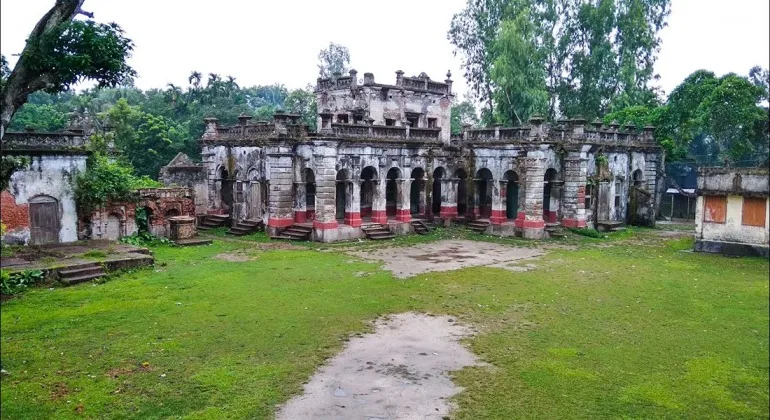
ulipur Munshibari is one of the most relevant heritage sites to visit along with Tupamari Dighi , as both attractions are located within Ulipur Upazila. This historic residence creates an architectural and cultural contrast with the recreational environment of the pond. Visitors can explore this heritage site before enjoying an afternoon at Tupamari.

Dhorla Bridge Kurigram

Dharla Bridge is a well-known structure located on the Dharla River near Kurigram town (Dhorla Bridge Kurigram) . The bridge and its surrounding riverside landscape attract tourists interested in photography, local natural scenery, and the riverine geography of northern Bangladesh.

Naodanga Jomida's house

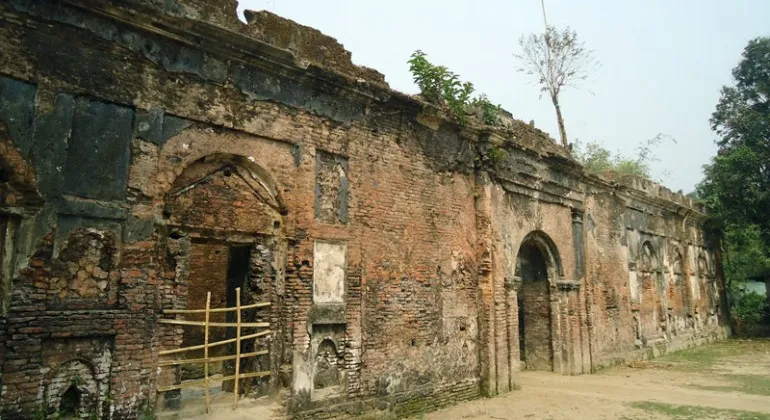
The Naodanga Zamindar House is associated with the district's former Zamindar heritage. Tourists interested in historical residences and regional land ownership traditions can include it in their long cultural itinerary.

Chandamari Mosque Kurigram

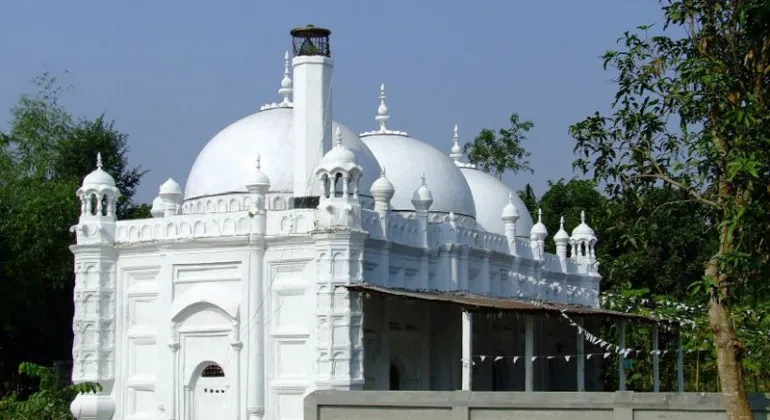
Chandamari Mosque is an important destination for visitors exploring the traditional mosque architecture and religious heritage of Kurigram district . (Chandamari Mosque Kurigram)

The old zamindar's house in Vetarbandh

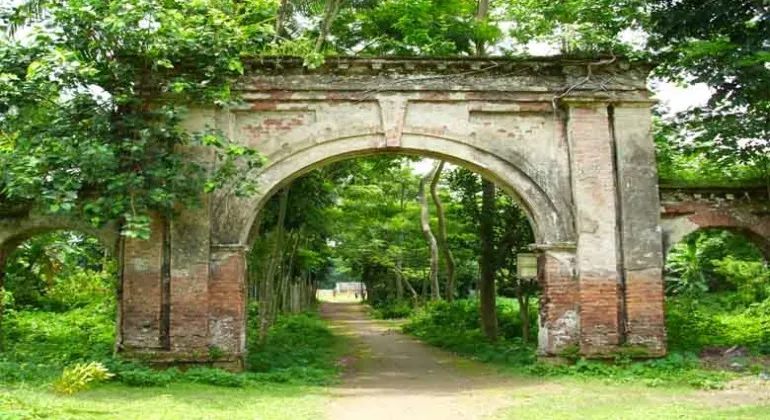
The old zamindar house , which is also connected to the Vetarbandh zamindar house, offers a different perspective on the history of zamindari in northern Bangladesh. It is a suitable addition to a district-wide heritage tour.

Freedom Fighters Memorial Block in Kurigram

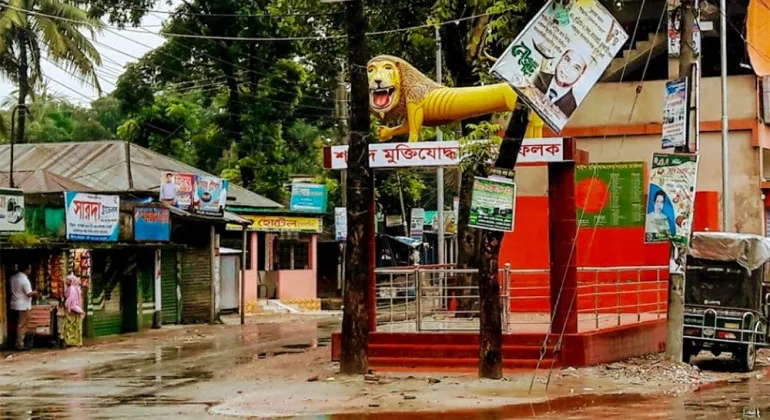
The freedom Fighters' Memorial in Kurigram commemorates the sacrifices made during Bangladesh's liberation war. It offers visitors an opportunity to reflect on the district's modern national history.

Banga Sonahat Bridge Kurigram

Banga Sonahat Bridge is another must-see for travelers interested in the transportation history and riverside scenery of the greater Kurigram region (Banga Sonahat Bridge Kurigram) . It is better to include it in a longer itinerary than a short trip focusing solely on Tupamari Dighi.

Achin Tree Kurigram

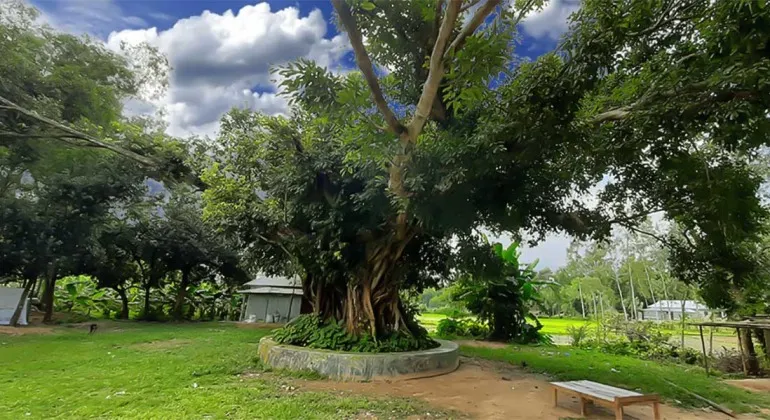
The Achin Tree is a locally recognized natural landmark in Kurigram, which can attract visitors interested in rare species of trees, rural heritage, and the quiet and serene natural beauty of the district.

Recommended Kurigram sightseeing route

For a convenient day trip, start from Ulipur Munsibari , go to Tupamari Dighi for a picnic or a break by the stream, and end the trip near Dhorla Bridge if you have time. Visitors spending two or three days in Kurigram can also add Chandamari Mosque , Naodanga Zamindar Bari and Vetarbandh Zamindar Bari to the tour. (The old manor house)

Trip Planning Tip: These attractions are spread across different parts of Kurigram district, so not all of them are right next to Tupamari Dighi. Plan your route according to actual road distances, available transportation, and daylight hours.

Frequently Asked Questions (FAQ)

Tupamari Dighi is located in Goraye village of Durgapur union of Ulipur upazila of Kurigram district of Rangpur division of Bangladesh. It is located about 10 kilometers north of Ulipur town and is said to be about 8 kilometers from the center of Kurigram depending on the route. This interesting place is also known locally as Tupamari Pukur or Zia Pukur. Visitors can reach it from Kurigram town or Ulipur by CNG autorickshaw, easy-bike or reserved vehicle.

Explore The Area

Top Attractions & Places to Visit in Kurigram

Discover more heritage, nature, and must-visit spots across Kurigram.

View all in Kurigram

Chandamari Mosque Kurigram

Chandamari Mosque, also known as Chandamari Mandalpara Jame Masjid, is a notable historical place of worship located in ...

Shafayet Al-Anik

Dhorla Bridge Kurigram

The Dharla Bridge in Kurigram , also known as Dharla Setu, is an important landmark in Kurigram Sadar, Rangpur Division,...

Shafayet Al-Anik

Naodanga Jomida's house

Naodanga Zamindar Bari , also known as Naodanga Zamindar Bari or Naodanga Zamindar Bari, is a historic zamindar estate i...

Shafayet Al-Anik

Achin Tree Kurigram

Learn about the Achin tree, one of the most interesting natural heritage sites in Kurigram district of northern Banglade...

Shafayet Al-Anik

The old manor house

Vetterbandh Zamindar Bari, also known as Bhitarbandh Zamindar Bari or Vetterbandh Rajbari , is a historic zamindar's res...

Shafayet Al-Anik

Banga Sonahat Bridge Kurigram

The Banga Sonahat Bridge, also known as Sonahat Bridge and locally as Pateshwari Bridge, is a historic iron railway brid...

Shafayet Al-Anik

Freedom Fighters Memorial Block in Kurigram

Located in the heart of Kurigram in northern Bangladesh, the Muktijoddha Smritiphalak, also known locally as Shaheed Muk...

Shafayet Al-Anik

Ulipur Munsibari Kurigram

Ulipur Munshibari , also known as Munshi Bari, is a historic landlord's residence located in Dharanibari Union of Ulipur...

Shafayet Al-Anik

logo ColoZai

ColoZai is a trusted travel guide and destination explorer platform in Bangladesh. We are making travel simple, authentic, and accessible for everyone.

Need Help ?

We are Always here for you! Knock us on Whatsapp (10AM - 10PM) or Email us.