Shailkupa Zamindar House Jhenaidah

Shailkupa Zamindar House Jhenaidah

Jhenaidah
·

19 October 2026

Travel Overview & Quick Facts

Location
Jhenaidah
Admission / Entry Fee
There is no publicly available verified entry fee. The property is related to descendants of the Sikhdar family, and access may be limited as parts of the historic residence are privately owned or occupied. Please confirm permission and applicable fees from local residents or property caretakers before visiting.
Best Time to Visit
October to March
Opening Hours
No verified opening hours are available for the public. Please contact local property managers before visiting.
Category / Type
Historical monuments, traditional architecture, landlord palaces, cultural heritage sites

Introduction to Shailkupa Zamindar House Jhenaidah

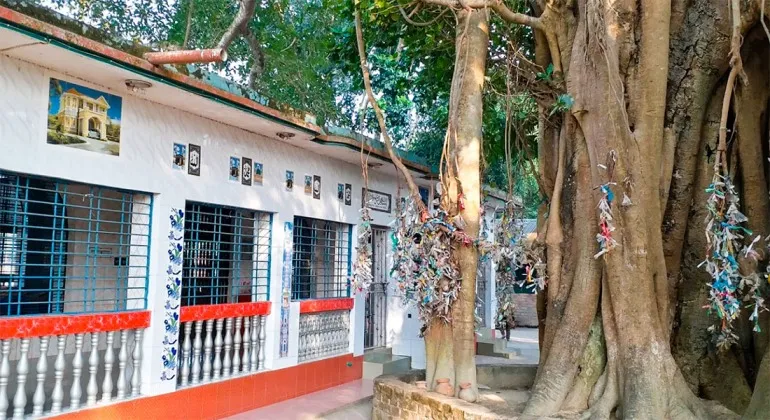
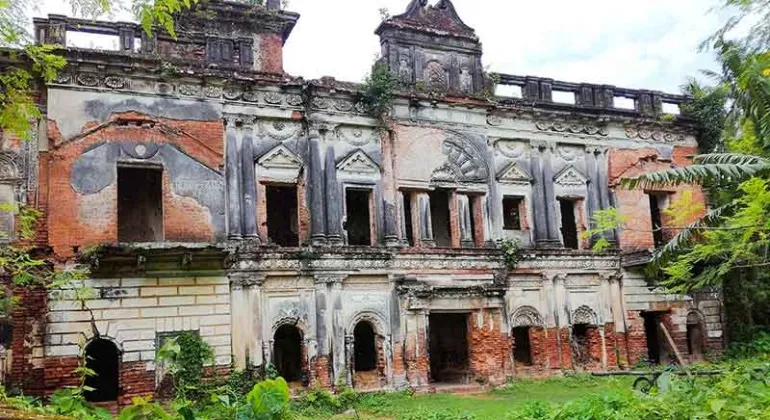
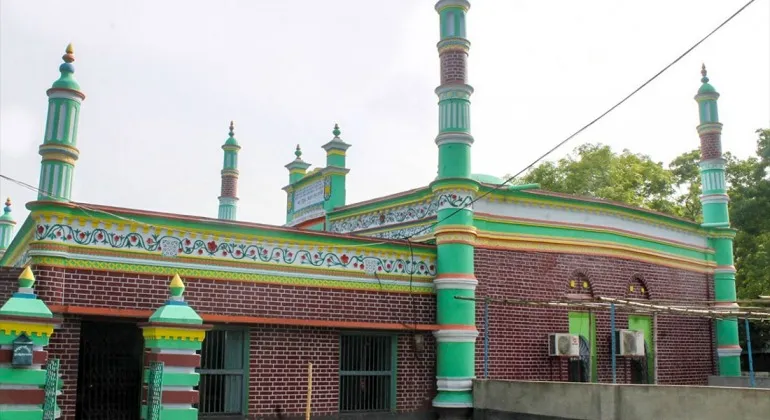
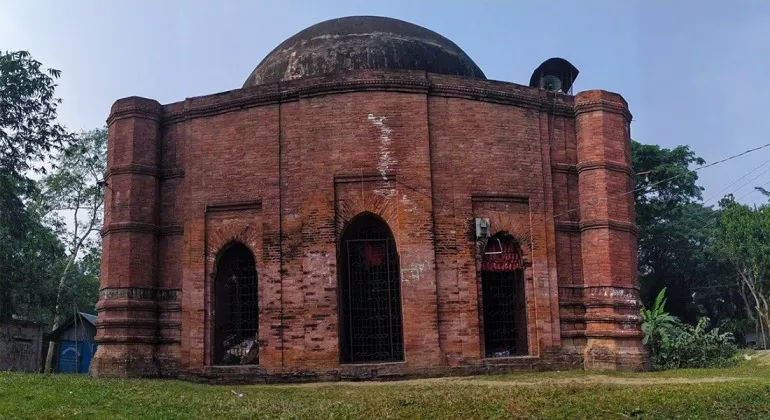
Shailkupa Zamindar Bari , also known as Abaypur Zamindar Bari and Sikder Street, is a historic aristocratic residence located in Abaypur village, Shailkupa upazila, Jhenaidah district, Bangladesh. This heritage structure, associated with the influential Sikder family and the zamindari system of Bengal, provides a glimpse into the social, commercial and architectural history of the region. Traditionally, the residence is associated with the zamindar Ramsundar Sikder and, according to local historical accounts, its construction is said to have begun in the mid-12th century, roughly the early 19th century, according to the Bangla calendar.

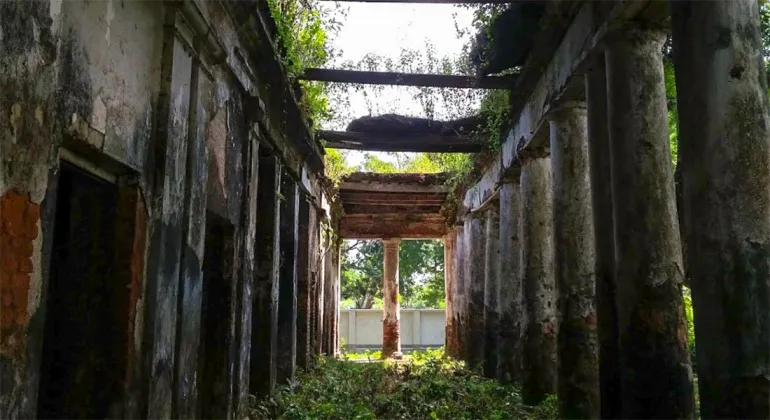
Unlike a modern museum or renovated palace, Shailkupa Zamindar Bari is a historic property, with surviving buildings and grounds reflecting the flow of time. The description suggests that it was a large two-story complex with numerous rooms and adjoining buildings. At one time, the estate was associated with commercial activities, a market, a theater, and a sub-registrar's office, making it more than just a family residence. It was part of a larger local center of economic and cultural life.

For travelers interested in Bengali heritage, this attraction offers an opportunity to explore the history of the zamindari family, traditional architecture, and rural settlements. It can also be included in a larger Jhenaidah itinerary that includes historic religious architecture, old residences, and traditional landscapes. Since it is not certain whether this place is operated as a tourist destination with regular staff, visitors should make advance arrangements for entry and respect the privacy of the residents.


History of Shailkupa Zamindar House

The history of the Shailkupa Zamindar House is closely linked to Ramsundar Sikdar, a landowner whose family became influential in the Abaipur area. According to local accounts, the estate was established in the mid-12th century Bengali, although published accounts differ on its exact chronology. The surviving estate is generally described as being over two centuries old, reflecting the rise and fall of a prominent landowning family during the late pre-colonial and British colonial periods.

The estate is known to have been built on about 400 bighas of land and the description suggests that it had a two-storey residence with about 350 rooms. These figures are found in local historical records and should be considered historical estimates rather than independently surveyed measurements of the surviving structures.

The larger settlement came to be known as Sikdar Street. Historical accounts show that a market, a sub-registrar's office and a theatre were established along with the estate. These facilities show how some influential landlord families participated in trade, administration and cultural life in addition to their landholding responsibilities. The report also shows that the sub-registrar's office eventually ceased to function at that location.

As the zamindari system collapsed and family property was divided or dispersed, the estate lost much of its former prestige. Today, the surviving buildings are valued primarily for their historical significance. Their condition also highlights the challenges of protecting privately owned heritage properties without consistent conservation, documentation, and maintenance.


Architectural and historical features

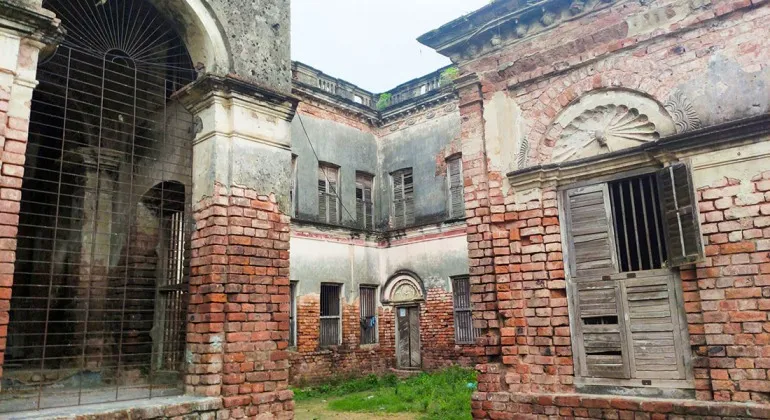
The Shailkupa Zamindar Bari is notable for its traditional masonry construction and its size relative to the original estate. Published accounts show that it used brickwork, lime mortar and structural reinforcement, with a two-storey layout and rooms arranged around a spacious residential complex. The surviving structure should be understood as a historic building rather than a fully restored palace or a purpose-built museum.

Traditional architecture and building layout

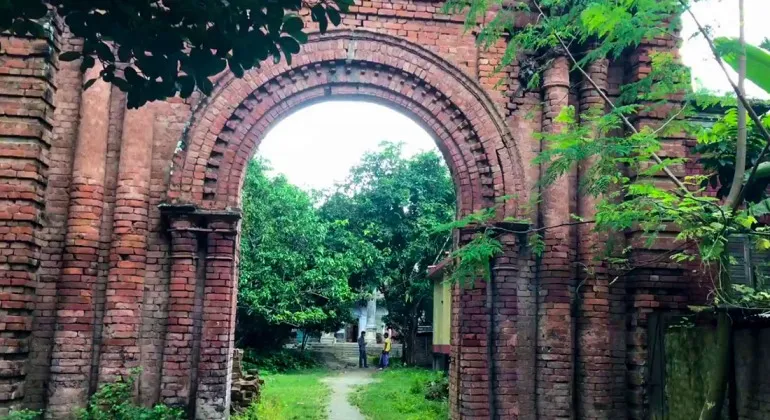
Brick and the traditional lime-based or Suraki construction style are among the features of many historic buildings in Bengal. The surviving walls, entrances, courtyards and architectural fragments in the Shailkupa can help visitors understand the form and layout of an old zamindari. Over time, some of the original features may have been lost or altered, so not every element visible today should automatically be assumed to be part of the original construction.

Residential and administrative history

The aforementioned combination of a large residence, commercial facilities, a market, and an administrative office makes the site particularly interesting to researchers studying the relationship between rural settlements and local power during the zamindari period. Its history is not limited to architecture alone, but also encompasses property management, trade, and social life.

Historical objects related to the family

Local reports mention various items associated with the Sikhdar family, including an old gramophone, a stone hookah, a sword, an Esraj musical instrument, religious texts, fragments of a silver-worked Benarasi saree, and a traditional wooden temple structure. The current location, ownership, condition, and public access of each item have not been independently verified. Visitors should not assume that these items are kept for public display inside the residence.

Photographs of the exterior may be taken with permission, but visitors should refrain from entering vulnerable buildings, touching historic objects, or taking photographs of private interiors without permission.


Why visit Shailkupa Zamindar House?

The Shailkupa Zamindar House is particularly relevant for those who prefer historical sites closely linked to local identity rather than commercial tourist destinations. The property serves as a starting point for understanding how the Zamindar families influenced the architecture, economy, and cultural life of rural Bengal.

  • Explore local history: Learn about the Sikdar family and historic zamindari practices.
  • Observe the traditional architecture: Subject to entry permits, see the surviving brickwork and ruins of a once-vast residential complex.
  • Understand rural commerce: Discover the alleged historical connections between estates, Sikdar Street, local markets, and administrative activities.
  • Plan to take photographs of heritage sites: With permission, take photos of the exterior details of the house and the surrounding village scenery.
  • Assist with local heritage awareness: Respectfully speak to knowledgeable residents and local historians to learn about the history of the property and the need for preservation.

Allow approximately 30-60 minutes for a visit, if access is available. Researchers, architecture lovers, and visitors interested in family history may want to allow more time, especially if they have arranged to speak with a local guide or property representative.


Ticket prices and entry rules

No reliable and current government ticket prices have been verified for Shailkupa Zamindar House. It should not be assumed that it is operated as a ticketed archaeological museum or commercial heritage park. Local reports describe the property as privately owned and that parts of the estate may be occupied or used for other purposes.

Before traveling, make sure that visitors have access, whether any entrance fees apply, and which parts can be seen. If a caretaker or resident gives permission, follow their instructions and do not enter locked rooms, populated residential areas, or unsafe structures.

  • Entrance fee: Not verified; contact property managers before visiting.
  • Opening hours: No confirmed schedule available to the public.
  • Photography: Ask permission before taking photos of residents, private spaces, or historic objects.
  • Group visits: Arrange entry in advance, especially for school groups, researchers, and organized tours.
  • Preservation: Do not climb on damaged walls, remove fragments, or otherwise disturb the historic site.

These precautions help ensure that an inspection respects both the heritage value of the property and the rights of the people who live or work there.


How to reach

Shailkupa Zamindar Bari is located in Abaipur village of Shailkupa upazila of Jhenaidah district in southwestern Bangladesh. Since the destination is far from the main urban center of Jhenaidah, the final part of the journey usually requires a road route. Locally, this place is commonly known as Abaipur Zamindar Bari or Sikder Street; these names may be more convenient when asking for directions.

By bus from Dhaka

  1. Travel from Dhaka to Jhenaidah via intercity road services towards southwest Bangladesh. Departure terminals, routes and journey times vary by operator.
  2. Upon reaching Jhenaidah town, look for a local bus, CNG autorickshaw, or reserved vehicle to go to Shailkupa.
  3. Arrange transportation to Abaipur village from Shailkupa town and look for Sikdar Street or the historic Zamindar's residence locally.

Without taking into account verified fares, as a rough estimate, budget around 600–1500 taka per person for a one-way bus journey from Dhaka to Jhenaidah, depending on the operator, seat class and date of travel. Local shared transport can cost around 50–250 taka per person for a single leg, while reserved CNG or other vehicles can cost several hundred taka or more. Confirm the current fare and destination with the operator before boarding the bus.

By local transport from Jhenaidah city

  1. Arrive at a local transport stand in Jhenaidah town.
  2. Take a bus or shared CNG to Shailkupa, or negotiate for a direct reserved ride if possible.
  3. At Shailkupa, confirm the route to Abaipur village from the driver.
  4. Ask to be dropped off at the historic Sikder Street or Abaipur Zamindar House and make sure you know the final walking distance before getting out of the car.

The town of Shailkupa is known to be located about 14 kilometers south of Abaipur Zamindar Bari, although the actual road distance depends on the route and route taken. For tourists unfamiliar with the area, a pre-booked local car is often the easiest way to get there. The estimated cost of renting a local car for a short private trip can start from ৳500–৳1,500, but this is an approximate budget, not a guaranteed local price.

By train from Dhaka

There is no guaranteed direct train service to Shailkupa town or the Zamindar residence. Passengers who wish to travel by rail should first check the current services of Bangladesh Railways and identify a suitable station for their destination. Depending on the available timetable, it may be necessary to first take a train and then a long road journey to reach the destination. Do not buy tickets with the assumption that the train will stop at Shailkupa.

By air from Dhaka

Subject to current flight availability, Jessore Airport is a potential regional gateway for travel to southwestern Bangladesh. From the airport, proceed by road to Jhenaidah and Shailkupa, then arrange local transport to Abaypur. A private vehicle or pre-arranged transport can make this multi-stage journey easier. You should check flight schedules, transport times and fares for your intended travel dates.

By personal car or rented vehicle

Visitors coming from Dhaka can drive directly to Jhenaidah and from there to Shailkupa and Abaipur. Private cars are convenient for visiting multiple heritage sites in a day, but travel times depend on traffic, road works, and the route chosen. A local driver familiar with Abaipur can help you find the site and confirm whether it is accessible.

Directions and landmarks

Search for the name Shailkupa Zamindar Bari or Abaipur Zamindar Bari in a navigation app, then verify the destination with local residents before starting the final leg. The exact pin and GPS coordinates of the attraction have not been independently verified for this guide, so no precise coordinates are provided. Do not rely on any general pin in the town of Shailkupa as identifying the historic residence.

Keep cash on hand for local transportation and small purchases, download an offline map before leaving major cities, and arrange return transportation in advance, especially if you're leaving later in the day.

Where to eat

Abaipur is a rural area, and no reliable restaurant list could be verified right next to the Shailkupa Zamindar House. The practical way is to eat in Shailkupa town or Jhenaidah town before going there, or ask the locals on the day of the trip for nearby tea shops and small eateries.

In local markets, visitors can find familiar Bangladeshi dishes such as rice, lentils, seasonal vegetables, fish, chicken, and simple snacks. Food availability and quality of preparation may vary by establishment, so check the menu, prices, and freshness before ordering. Travelers with special dietary restrictions should clearly communicate their needs.

Bring drinking water and a light snack for a day trip. Do not leave food wrappers or plastic bottles around the historic site, and ask permission before using private grounds or other facilities.


Where to stay?

Shailkupa Zamindar Bari is best viewed as a heritage site as part of a Jhenaidah tour rather than a destination with well-equipped accommodation facilities. This guide does not list any verified guesthouses or hotels operating within this historic estate.

Find hotels or guesthouses in Jhenaidah for overnight stays, where visitors are more likely to find transportation, restaurants, and essential travel services. Check out recent guest reviews, room availability, cancellation policies, and amenities before booking.

Tourists planning to visit multiple places of interest can use Jhenaidah city as a base and travel to Shailkupa during the day. For trips to remote rural areas, be sure of the return route before starting the journey and avoid relying on late-night public transport without checking the timetable.


Practical travel tips

  • First, confirm access: This is a historical site, not a recognized government museum with guaranteed daily entry.
  • Traveling during the day: Going during the day makes it easier to find the village, talk to the residents, and arrange for return transportation.
  • Bring cash: Transport services and shops in small villages may not accept digital payments.
  • Wear comfortable shoes: Some areas may be difficult to navigate due to uneven ground and dilapidated construction.
  • Protect the space: Never climb shaky walls, remove historical objects, or enter forbidden rooms.
  • Ask permission before taking photos: Some areas may be private homes or workplaces.
  • Verify historical claims: There are discrepancies between the number of rooms, the amount of land, and the exact construction date mentioned in various secondary sources.
  • Combine multiple destinations: Plan nearby heritage sites in advance to fully enjoy your journey from Jhenaidah city.

For tourists interested in the larger history of the district, it is particularly rewarding to see Shailkupa Zamindar Bari not as an isolated tourist attraction, but rather as part of a cultural itinerary.


Nearby attractions

Jhenaidah district is home to various historical residences, religious monuments, traditional landscapes and family-oriented entertainment centers. These places of interest can help visitors create a comprehensive itinerary around Shailkupa Zamindar House. Since the places are spread across different parts of the district, the distance and travel time from the actual starting point should be verified.

Historic residences and royal heritage

Historic mosques and cultural monuments

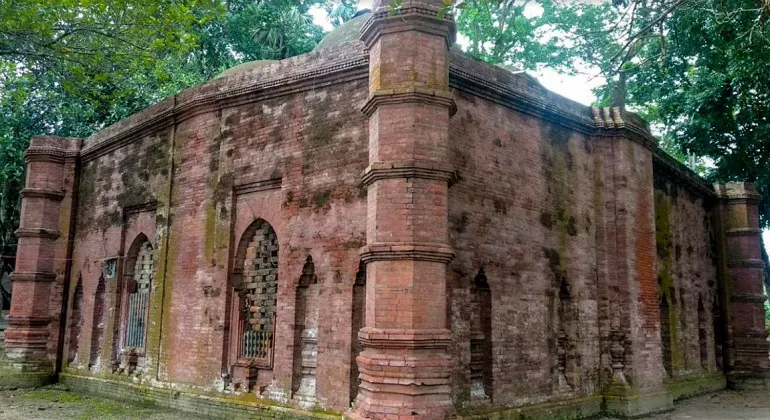
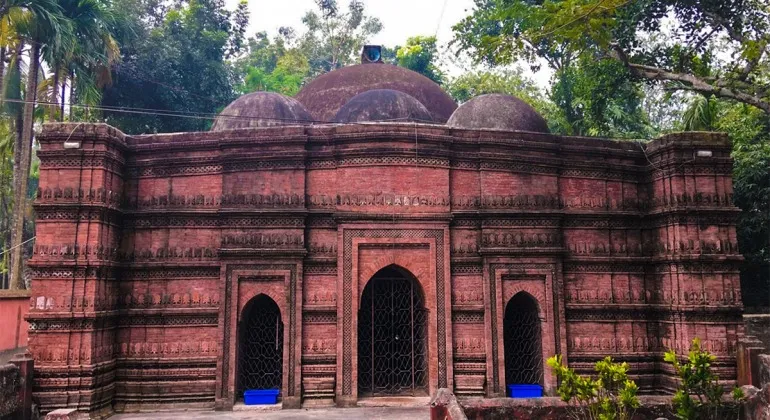
  • Shailkupa Shahi Mosque : This is an important place for travelers exploring the historical religious architecture of Shailkupa.
  • Zor Bangla Mosque, Jhenaidah : Include this mosque when researching the traditional Islamic architecture of the district.
  • Golakata Jhenaidah Mosque : This is another potential destination for visitors interested in historical mosques and regional stories.
  • gazi Kalu Champabati Shrine, Jhenaidah : Consider this cultural and religious heritage site as part of a larger district tour.
  • Barobazar Jhenaidah : Explore a historically significant area associated with the ancient settlements and traditions of this region.

Nature, entertainment and extraordinary sights

  • Dhol Samudra Dighi Zhenaidah : Visit this huge reservoir to see the landscape of the district from a different perspective.
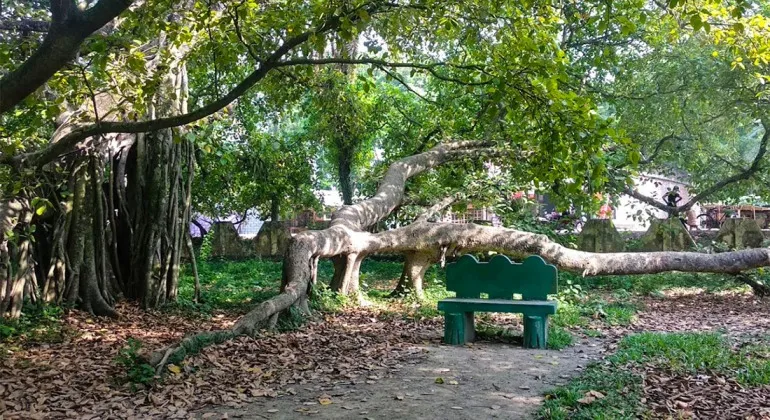
  • Zhenaidah, Asia's largest banyan tree : Include this well-known natural landmark in your nature-focused trip.
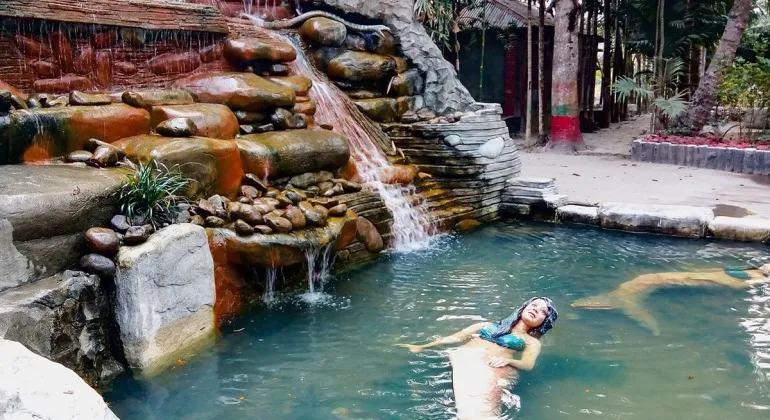
  • Johan Dream Valley Park, Jhenaidah : Consider a recreational break combining family activities with a visit to heritage sites.

For a specific historical tour, prioritize Shailkupa Zamindar Bari and Shailkupa Shahi Mosque , subject to road access and opening arrangements . For a larger district tour, choose additional destinations based on their physical location, daylight availability, and local road conditions.

Frequently Asked Questions (FAQ)

Shailkupa Zamindar Bari is located in Abaipur village, Shailkupa upazila, Jhenaidah district, Bangladesh. It is also known locally as Abaipur Zamindar Bari and Sikder Street. Visitors from Jhenaidah city usually proceed to Shailkupa by road and then arrange local transport to reach Abaipur. As there is no independently verified GPS pin available for the property in this guide, please confirm with local residents for definitive directions.

Explore The Area

Top Attractions & Places to Visit in Jhenaidah

Discover more heritage, nature, and must-visit spots across Jhenaidah.

View all in Jhenaidah

Dhol Samudra Dighi Zhenaidah

Dhol Samudra Dighi is one of the well-known traditional water bodies in Jhenaidah district of Bangladesh. Located in Bar...

Shafayet Al-Anik

Gazi Kalu Champabati Shrine Jhenaidah

Learn about the fascinating history, spiritual heritage, and folklore of Gazi Kalu Champabati Shrine, one of the cultura...

Shafayet Al-Anik

Johan Dream Valley Park, Jhenaidah

Johan Dream Valley Park and Resort is one of the most well-known family entertainment centers in Jhenaidah, a southweste...

Shafayet Al-Anik

Khalishpur Neelkuthi Bhaban Jhenaidah

Khalishpur Neelkuthi Bhaban, also known as Khalishpur Neelkuthi Bhaban or Khalishpur Indigo Factory, is an important col...

Shafayet Al-Anik

Kalipada KP Basu House Jhenaidah

Learn about the historical heritage of Kalipada KP Bose House, located in Harishankarpur village of Jhenaidah Sadar Upaz...

Shafayet Al-Anik

Golakata Mosque Zhenaidah

Golakata Mosque, Jhenaidah , also known as Golakata Mosque or Galakata Mosque, is a historic Islamic architectural monum...

Shafayet Al-Anik

Naldanga Rajbari Resort Jhenaidah

Naldanga Rajbari Resort Jhenaidah is a privately-owned resort located in the greater Naldanga heritage area of ​​Jhenaid...

Shafayet Al-Anik

Mia Dalan Jhenaidah

Miyar Dalan , also known as Miyar Dalan, Miyar Dalan Zamindar Bari, Selim Chowdhury's Bari and Bibi Ashrafunnesa Bari, i...

Shafayet Al-Anik

Zhenaidah, the largest banyan tree in Asia

Asia's largest banyan tree, commonly known as the Mallikpur Banyan Tree or the Suitala-Mallikpur Banyan Tree, is one of ...

Shafayet Al-Anik

Barobazar Jhenaidah

Barobazar Jhenaidah , also spelled as Baro Bazar or Barabazar, is one of the most interesting archaeological sites in so...

Shafayet Al-Anik

Shailkupa Shahi Mosque

Discover the extraordinary heritage of the Shailkupa Shahi Mosque, one of the most historic Islamic architectural monume...

Shafayet Al-Anik

Strong Bangla Mosque Jhenaidah

Discover the Jora Bangla Mosque, located in Barobazar, Kaliganj Upazila, Jhenaidah District, Bangladesh, a notable histo...

Shafayet Al-Anik

logo ColoZai

ColoZai is a trusted travel guide and destination explorer platform in Bangladesh. We are making travel simple, authentic, and accessible for everyone.

Need Help ?

We are Always here for you! Knock us on Whatsapp (10AM - 10PM) or Email us.