
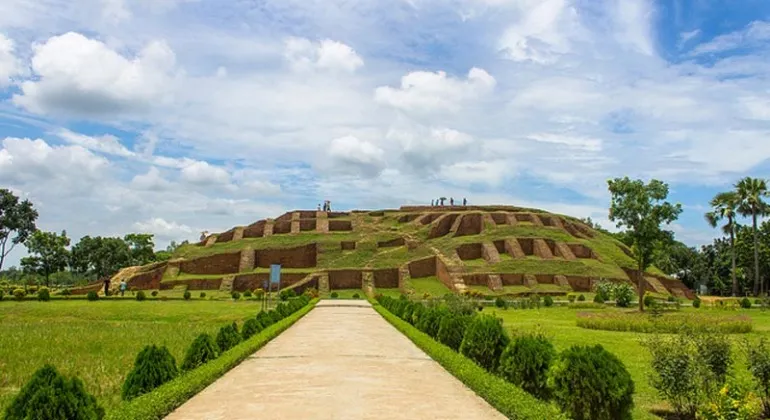
Mahasthangarh in Bogra district, Bangladesh, is one of the country's most remarkable archaeological treasures and the site of its oldest known urban settlement. Located in Shibganj upazila, about 13 kilometres north of Bogra city, this ancient fortified settlement preserves the ruins of Pundranagar, also known as Pundravardhanpur, a major political, religious and commercial centre of North Bengal . Its recorded history extends back to at least the 3rd century BC, making Mahasthangarh an essential destination for travellers interested in ancient civilisations, South Asian archaeology and the cultural heritage of Bangladesh.
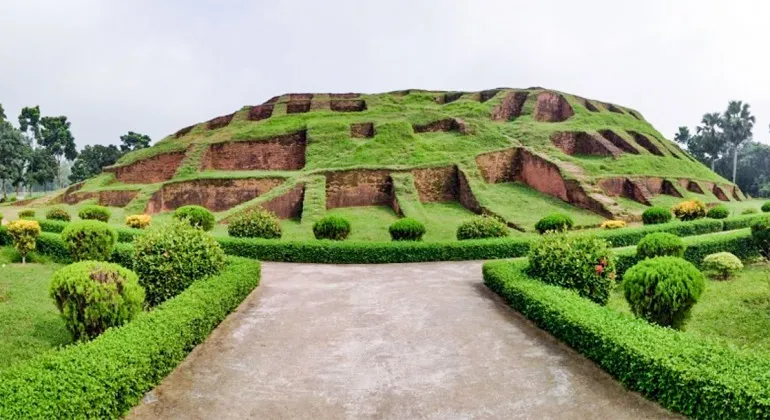
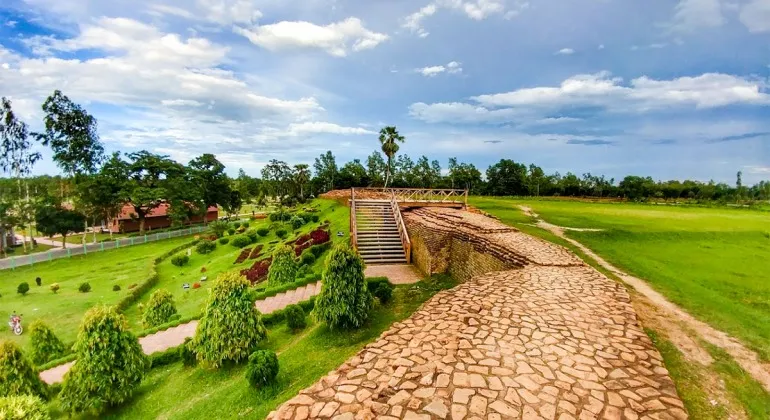
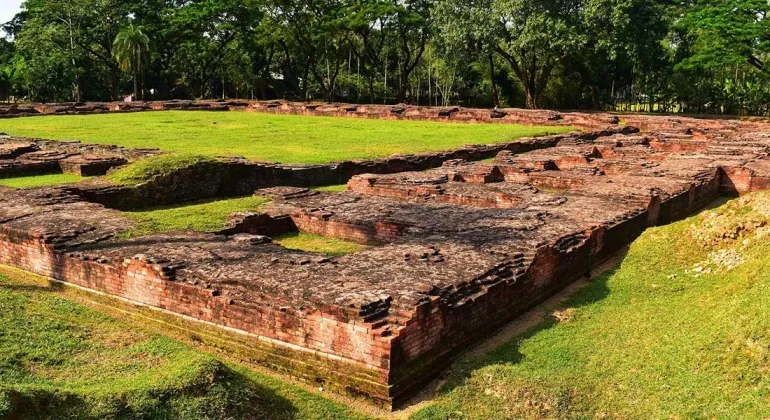
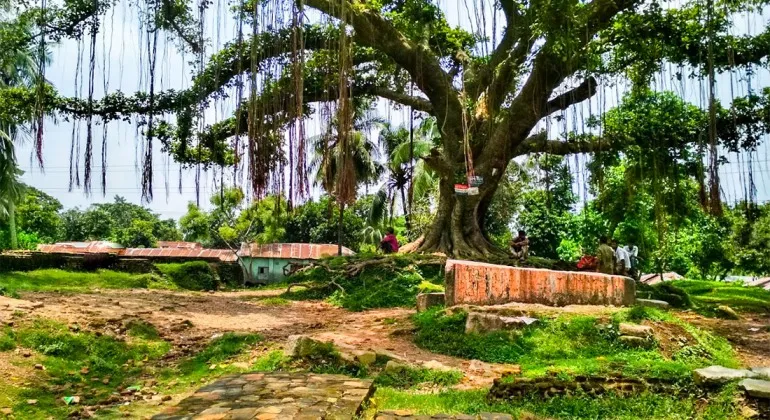
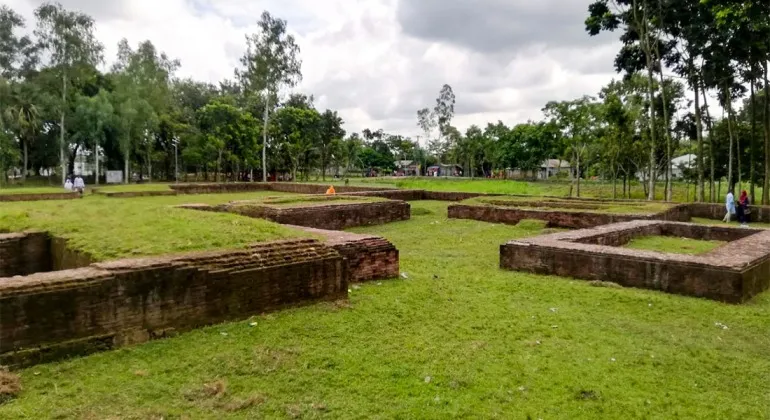
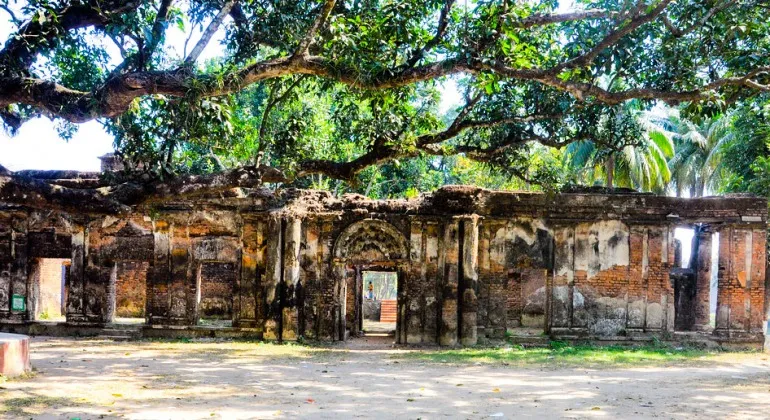
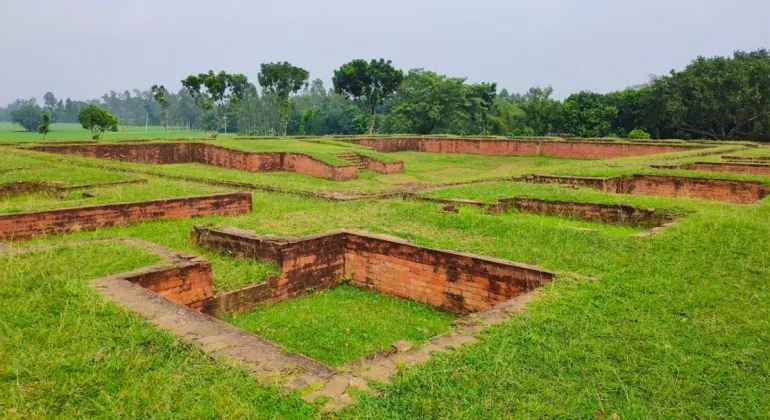
Unlike reconstructed palaces or conventional monuments, Mahasthangarh is a vast archaeological landscape. High earthen walls, eroded brick foundations, ancient settlement mounds, sacred sites, and the nearby Karatoya River reveal the outline of a city that developed over a series of historical periods. Visitors can explore various parts of the old fort walls, discover archaeological remains associated with temples and residential structures, and examine excavated objects at the Mahasthan Archaeological Museum.
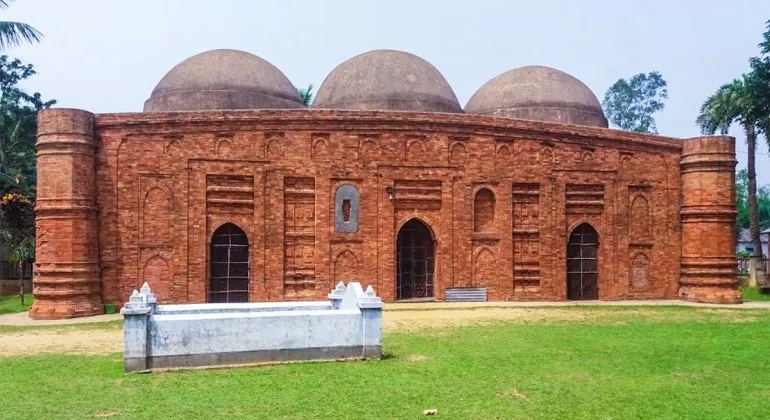
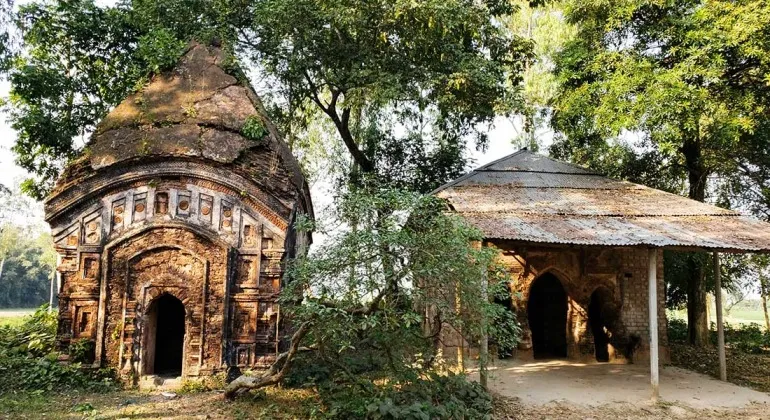
The historical significance of Mahasthangarh goes beyond its antiquity. Archaeological evidence links the settlement to the Mauryan, Gupta, Pala and later political traditions of Bengal. The surrounding area is home to Buddhist, Hindu and Islamic heritage, making this a particularly worthwhile destination for tourists interested in understanding the layered religious and cultural history of the region.
Mahasthangarh is an excellent starting point for exploring the vast archaeological landscape of Bogra. Nearby Gokul Medh Bogra , associated with the famous legend of Behula and Laxmindar, and the important Buddhist archaeological site of Basu Vihar Bogra, provide valuable historical connections to this ancient city. (Basu Bihar Bogra)
Allow about three to four hours to explore Mahasthangarh and its museum at a leisurely pace. Tourists planning to visit multiple archaeological sites around Bogra should consider a full-day heritage itinerary. This destination attracts history buffs, researchers, photographers, students, families, and independent travelers who want to get acquainted with one of the earliest chapters of urban life in Bangladesh.
 ColoZai