Istanbul, Türkiye – Complete Travel Guide to Historical Attractions, Bosphorus Cruises, Food and Culture

Istanbul, Türkiye – Complete Travel Guide to Historical Attractions, Bosphorus Cruises, Food and Culture

Istanbul
·

1 October 2026

Travel Overview & Quick Facts

Location
Istanbul
Admission / Entry Fee
There is no entrance fee to explore Istanbul's general streets, squares, waterways, and many historical areas. Each attraction has its own separate entrance fee. As of October 2026, the official combined ticket price for Topkapi Palace is approximately 2,750 Turkish Lira for foreign tourists and 500 Turkish Lira for domestic tourists. The Hagia Sophia's tourist gallery usually costs 25 euros for foreign tourists, but there are different rules for entering certain places of worship in the mosque. Entry to the Blue Mosque is free except during prayer times. Additional charges apply for Bosphorus cruises, museums, guided tours, and private experiences. Check the official websites for the latest entry prices.
Best Time to Visit
Open all year round, but April to May and September to November are particularly recommended.
Opening Hours
Open 24 hours
Category / Type
Historic cities, cultural heritage centers, architectural and religious monuments, coastal and urban tourism

Introduction to Istanbul, Türkiye – Complete Travel Guide to Historical Attractions, Bosphorus Cruises, Food and Culture

Istanbul, Turkey is one of the world's most fascinating travel destinations, where centuries of Byzantine and Ottoman history coexist with vibrant neighborhoods, renowned food traditions, magnificent religious monuments, and picturesque waterfront views. Located in northwestern Turkey, Istanbul straddles both the European and Asian sides of the Bosphorus Strait, creating a unique meeting point between two continents.

Formerly known as Byzantium and Constantinople, Istanbul served first as the capital of the Eastern Roman or Byzantine Empire and later of the Ottoman Empire. Today, visitors encounter this extraordinary history in monumental buildings such as the Hagia Sophia , the Blue Mosque and Topkapi Palace . The city's historic peninsula, lively bazaars, colourful ferry terminals, traditional tea gardens and bustling commercial areas offer an unforgettable glimpse into Turkish culture.

The historic areas of Istanbul have been designated a UNESCO World Heritage Site since 1985. The architectural treasures here highlight the city's importance in European, Mediterranean, and Islamic history. In addition to its famous monuments, Istanbul also attracts tourists with its neighborhood markets, riverside streets, contemporary art centers, traditional bakeries, and local restaurants.

Whether you are planning a family vacation, cultural tour, romantic getaway, photography expedition or independent travel from Bangladesh, Istanbul will offer you a wonderful experience. Allow at least four to five days to explore its main attractions and consider staying longer to explore both sides of the Bosphorus.

Location: Istanbul Province, northwestern Turkey. Currency: Turkish Lira (TRY). Official language: Turkish. Time zone: UTC+3 all year round. Admission: Free to explore the city; however, entrance fees may apply to certain museums and attractions.

Mapping Note: Istanbul is not a single ticketed attraction, but rather a large metropolis. The Google Maps link identifies Istanbul, but a verified Google Maps URL with a correct /@latitude, longitude coordinate pair could not be established. Therefore, the coordinate fields are null instead of showing an unverified pinpoint. Similarly, the number of city-wide Google Maps ratings and reviews could not be verified.


History and cultural significance

More than two millennia of urban history have shaped Istanbul's identity. Its strategic location between the Black Sea and the Sea of ​​Marmara allowed rulers, merchants, religious communities, and travelers to connect Europe with Asia via one of the world's most important waterways.

From Byzantium to Constantinople

Byzantium was founded by Greek settlers in the 7th century BC. The settlement expanded during Roman rule, and in 330 AD Emperor Constantine I inaugurated the city as the new imperial capital. The city, widely known as Constantinople, became the political and religious center of the Eastern Roman Empire.

During the Byzantine era, vast churches, defensive walls, underground aqueducts, and royal buildings transformed Constantinople into one of the most influential cities in the Mediterranean world. The Hagia Sophia, built in 537 AD under Emperor Justinian I, still stands today as an exceptional example of Byzantine architectural innovation.

Ottoman capital

In 1453, the Ottoman Sultan Mehmed II conquered Constantinople. The city later became the capital of the Ottoman Empire and an international center of administration, trade, arts, and Islamic scholarship.

The Ottoman rulers built numerous impressive structures, including the Topkapi Palace, the Suleymaniye Mosque, the Blue Mosque, and public fountains, educational centers, bazaars, and baths. These buildings continue to shape Istanbul's skyline and cultural identity to this day.

Modern Istanbul

Ankara became the national capital after the establishment of the Republic of Turkey in 1923. Despite this, Istanbul remains the country's largest city and a major center for business, education, tourism, the arts, and international transportation.

Today, Istanbul's historical monuments coexist with contemporary galleries, universities, shopping areas, international festivals, and vibrant residential areas. Its layered cultural heritage is particularly evident in Sultanahmet, Fatih, Galata, Balat, Uskudar, and Kadıköy.


The best things to see and do in Istanbul

The best way to explore Istanbul is by combining visiting historical sites, exploring the city on foot, discovering different neighborhoods, experiencing traditional cuisine, and crossing the Bosphorus.

1. Discover Hagia Sophia

Hagia Sophia is one of Istanbul's most famous architectural landmarks. Originally built as a Byzantine cathedral, the building later became an Ottoman mosque, then a museum, and was converted back into a mosque in 2020. Its massive central dome, marble surfaces, historic mosaics, and monumental interior reflect centuries of architectural heritage.

Foreign tourists should understand the difference between ticketed galleries and designated places of worship. Access arrangements and visiting routes may vary, especially during prayers and religious ceremonies. Allow approximately one to two hours for this.

2. Visit the Blue Mosque

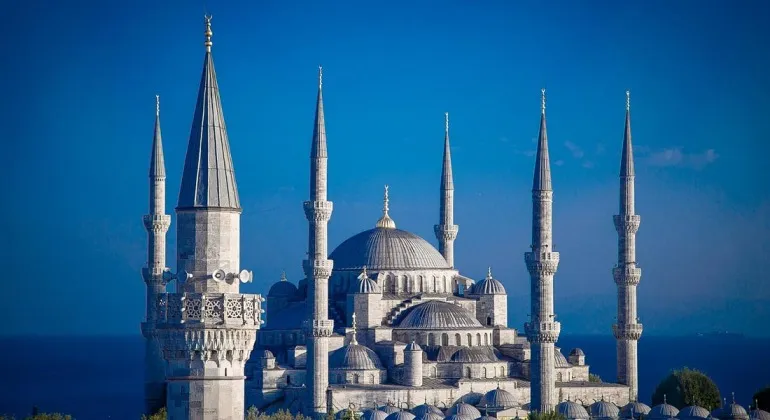
Sultan Ahmed Mosque , commonly known as the Blue Mosque, is famous for its magnificent domes, six minarets, and historic Iznik tile decoration. Built in the early 17th century, the mosque is still an active place of worship.

Entry is free, but there are restrictions on visiting the site during prayer times. Visitors must dress modestly and remove their shoes before entering designated prayer areas.

3. Visit Topkapi Palace

Topkapi Palace served as the residence and administrative center of the Ottoman Empire for centuries. Visitors can explore the ceremonial courtyards, royal chambers, collections of historical artifacts, architectural details, and elevated platforms with views of the Bosphorus and Golden Horn.

The harem section of the palace highlights court life and important aspects of Ottoman palace architecture. Allow at least three hours for a meaningful visit. The museum is usually closed on Tuesdays, subject to government holidays.

4. Land at Basilica Reservoir

The Basilica Cistern is a remarkable 6th-century underground cistern associated with Byzantine Constantinople. Its magnificent interior features hundreds of columns, illuminated walkways, and the bases of two famous Medusa-head columns.

This reservoir is particularly interesting for architecture lovers and photographers. Before visiting, you should check the booking system, entrance fees, and visiting hours.

5. Visit the Grand Bazaar

The Grand Bazaar is one of the most famous covered markets in the world. Its interconnected walkways are lined with shops selling textiles, pottery, jewelry, carpets, lamps, leather goods, and souvenirs.

There is no charge to visit, but prices vary widely. Before buying expensive items, compare several stores and ask about authenticity, shipping, and return policies. The market is usually closed on Sundays and certain public holidays.

6. Experience the Bosphorus

The Bosphorus cruise offers a completely different perspective on Istanbul. From the water, travelers can marvel at palaces, historic waterfront houses, mosques, fortresses, suspension bridges, and the contrasting landscapes of the European and Asian shores.

Public ferries are generally more affordable than sightseeing cruises. Shorter journeys offer scenic views, while longer trips allow visitors to explore more remote areas of the strait.

7. Discover Galata and Beyoğlu

The medieval Galata Tower is a distinctive feature of Istanbul's skyline. Nearby streets are lined with boutiques, cafes, art galleries, and historic architecture. Istiklal Avenue, which runs through Beyoglu toward Taksim Square, is known for its shopping, restaurants, cultural centers, and its iconic tram.

8. Explore the Asian side of Istanbul

Take a ferry to Kadikoy or Uskudar to enjoy local food markets, traditional tea gardens, lively waterfront areas and stunning views towards the historic European peninsula. The Moda area of ​​Kadikoy is particularly pleasant for strolling, unique cafes and relaxing by the sea.


Architecture, neighborhoods and photography

Istanbul's unique visual character emerges from a combination of Byzantine domes, Ottoman minarets, 19th-century European-style buildings, wooden houses along the river, traditional commercial streets, and modern urban architecture.

Sultanahmet and the Historical Peninsula

Sultanahmet is the most convenient starting point for first-time travelers. The Hagia Sophia, the Blue Mosque, the Basilica Cistern, the ancient Hippodrome monument, and Topkapi Palace are located within a relatively small historic area.

The surrounding streets become particularly attractive in the early morning, when the main squares begin to fill with pedestrians and the monuments can be best enjoyed from different angles.

Balat and foam

Balat and its surrounding Fener are known for their colorful buildings, steep streets, historic religious institutions, small cafes, and a multi-layered social history. Travelers interested in photographing the city should approach the area with caution, as many of the picturesque streets are still active residential areas.

Galata and Karakoy

Galata has narrow streets, historic commercial buildings, independent shops and a beautiful view of the Golden Horn. Descending the hillside, Karaköy offers riverside restaurants, galleries, ferry connections and access to the Galata Bridge.

Ortakoy Waterfront

Ortakoy is widely known for its beautiful mosque and nearby bridge on the Bosphorus. The surrounding waterfront is popular for photography, casual dining, and relaxing tourism.

Photography Tips: Good places to take photos include the Sultanahmet area, Galata Bridge, around the Suleymaniye Mosque, the Ortakoy Riverside area, the ferry piers, and selected stretches of the Bosphorus. Drone photography is regulated by Turkish aviation and local safety regulations and should not be done without the necessary permission.


Ticket prices, entry rules and visiting hours

There is no entrance fee to visit Istanbul. There is no general admission ticket required to explore the city's streets, neighborhood markets, waterways, and open spaces. However, historical museums, palaces, sightseeing spots, cultural experiences, and organized boat cruises have their own ticketing system.

Approximate entrance fee to the attraction

Attraction Admission information Inspection notes
Istanbul city Free Public open spaces will remain open, subject to local restrictions.
Blue Mosque Free Tourist access is limited during prayer times.
Hagia Sophia The entrance fee to the gallery for foreign tourists is about 25 euros. The access arrangements for tourists and worshippers are different.
Topkapi Palace For foreign visitors: The combined ticket for the palace, harem, and Hagia Irene costs approximately 2,750 Turkish Lira. Usually closed on Tuesdays.
Basilica Cistern Entrance fee must be paid; check current government prices. Ticket categories and session formats may vary.
Grand Bazaar Free to browse Usually closed on Sundays and selected holidays.
Galata Tower Entrance fees apply; approximately 30 euros for foreign tourists. Check the current ticket terms and conditions.
Bosphorus Ferry Route-based public transport fares Private sightseeing cruises cost more.

These prices are a tentative estimate for October 2026, not a guarantee of future rates. Tourist and domestic admission categories may vary. Please check palace prices through the National Palace Presidency and museum information through (www.millisaraylar.gov.tr)the Turkish Museums Directorate . (muze.gov.tr)

Important entry rules

  • Religious buildings: Wear clothing that covers shoulders and knees, follow posted dress codes, and adhere to prayer restrictions.
  • Shoes: Keep your shoes off as needed in the mosque prayer area.
  • Photography: Follow restrictions on flash use, tripods, video recording, and commercial photography.
  • Security: There is a possibility of bag searches at some important locations.
  • Children: Age-based discounts or free admission may apply, but eligibility rules vary by attraction.
  • Tickets: Purchase from designated counters or authorized vendors and check if reservations are required.

The city's streets are open 24 hours a day, but each attraction has different opening hours. Public transportation, restaurants, museums, and shopping facilities do not follow a single, universal schedule.


Best time to travel to Istanbul

Istanbul is a year-round destination. For a vacation focused on sightseeing, exploring historical areas, strolling through monuments, enjoying public squares, and cruising the Bosphorus, the months of April to May and September to November are particularly attractive.

Spring: March to May

Spring is popular for park visits, riverside walks, and photography. The tulip festival is particularly associated with April, although the blooming dates vary each year. Major attractions can be crowded during holidays and festivals.

Summer: June to August

Summer brings long daylight hours and a lively atmosphere for outdoor dining. Visitors can enjoy evening ferry trips, riverside restaurants, and a good deal of sightseeing in the surrounding area. Popular spots are often very crowded, so it's a good idea to plan ahead.

Autumn: September to November

Autumn is a great time for sightseeing, cultural activities, market visits, and trips along the scenic Bosphorus. It is especially suitable for travelers who want to take a leisurely stroll in the surrounding area in addition to visiting historical sites.

Winter: December to February

Winter is perfect for museums, historic buildings, traditional restaurants, Turkish baths, shopping, and cultural experiences. Seasonal opening hours and changes in ferry services should be considered when planning outdoor travel.

Suggested daily schedule: Explore Sultanahmet in the morning, visit the museums at the designated times, enjoy the nearby eateries in the afternoon, and spend the evening walking along the river, eating, or enjoying the beautiful views.


How to reach

Istanbul is an international transportation hub, accessible by air, intercity rail, long-distance bus, ferry, and road. Travelers from Bangladesh should plan an international journey rather than a domestic land route. Dhaka is a convenient departure point due to its international air connections.

Step 1: Travel from Dhaka to Istanbul by air

  1. Start from Hazrat Shahjalal International Airport (DAC) in Dhaka.
  2. Search flights to Istanbul Airport (IST) or Istanbul Sabiha Gokcen International Airport (SAW).
  3. Direct services could be available on the Dhaka-Istanbul route, as well as connecting routes operated through major international transit hubs.
  4. Compare total travel duration, baggage allowance, transit requirements, and airport arrival location before booking.
  5. Complete Turkish immigration procedures and collect your luggage before entering the city.

If there are non-stop flights, they usually take around nine hours, depending on the route and schedule. Connecting journeys take even longer. Airfares fluctuate widely, so you shouldn't assume a fixed price for a ticket from Bangladesh to Istanbul.

Step 2: Istanbul Airport (IST) to Sultanahmet

Istanbul Airport is located on the European side, northwest of the historic city center.

  1. Follow the airport signs to reach the M11 metro junction.
  2. Use the airport metro network and transfer to the existing urban rail system to head towards central Istanbul.
  3. For Sultanahmet, connect to the T1 tram via a suitable interchange such as the Gayrettepe–M2–Yenikapi–Marmaray route and then take another connection to Sirkeci.
  4. Get off at Sultanahmet Tram Station to visit the Blue Mosque, Hagia Sophia, and surrounding historical sights.

Depending on the interchange chosen and the service operated, the airport rail transfer can take around 75-110 minutes or more. Alternatively, use the official airport bus to a suitable central terminal and complete the journey by tram, metro or taxi.

Step 3: From Sabiha Gokcen Airport (SAW)

Sabiha Gökçen Airport is located on the Asian side of Istanbul. Passengers can take the M4 metro towards Kadıköy, connect to Marmaray at the Aydın Çeşme interchange, and from there head towards Sirkeci on the European side. From Sirkeci, Sultanahmet can be reached by taking the T1 tram or walking, depending on luggage and mobility.

Airport shuttle buses, government taxis, and pre-arranged vehicles provide alternative transportation. Journey times vary significantly depending on the location of the airport, traffic conditions, waiting times at interchanges, and final destination.

Travel from other cities in Turkey

By train: High-speed rail services connect Istanbul to destinations such as Ankara, Eskisehir, and Konya. Depending on the service, terminals in Istanbul may include Sogutluçesme or Halkali. Check the Turkish State Railways timetable for exact stations and departure times.

By bus: Long-distance buses connect Istanbul to many cities in Turkey. The main terminals include İstanbul and selected centers on the Asian side. Once you arrive, continue your journey by metro, tram, local bus, or taxi.

By road: Visitors from neighboring provinces can use Turkey's highway system. However, public transportation is particularly convenient for traveling to the city center due to traffic congestion and parking restrictions.

Local transportation and estimated fare

Istanbulkart is a convenient payment method for most of Istanbul's public transportation system. According to the October 2026 list of Metro Istanbul, a full-fare trip on the metro, tram or regular bus using a valid Istanbulkart costs approximately 46.20 Turkish Lira . Prices may vary for distance-based services such as Marmaray and some ferry routes. There is an additional cost to purchase a regular non-identified Istanbulkart, which is 165 Turkish Lira according to the official card service.

  • Metro: Useful for commuting between major commercial areas, residential areas, and rail connections.
  • T1 Tram: Particularly convenient for Sultanahmet, Eminönü, Karaköy and Kabataş.
  • Marmaray: Connects the European and Asian sides through an undersea rail crossing.
  • Public Ferries: Convenient for traveling between Eminönü, Karaköy, Kadıköy, Üsküdar and other waterfront terminals.
  • City Bus: Provides service to many districts beyond the scope of metro and tram services.
  • Taxi: Metered fares vary depending on distance, traffic, tolls, and waiting time. Do not rely on a specific estimated fare, but check the current official fare.
  • Vehicle Rental: Rental cars and private transportation are available, but traffic congestion and limited parking in central Istanbul should be considered.

Official fare information is available from Metro Istanbul and Istanbulkart . (ucretler limitler)

Important landmarks for guidance

Sultanahmet Square, Sirkeci Railway Station, Eminonu Ferry Terminal, Galata Bridge, Taksim Square, Kadikoy Ferry Terminal, and Uskudar Waterfront are some of the useful landmarks. These centers help tourists get around Istanbul without relying entirely on taxis.

Travel advice for Bangladeshi travelers: Check your Turkey visa eligibility and required documents before purchasing non-refundable tickets. Bangladesh is located outside the European Union and Schengen Area, and Turkey visa regulations are country-specific. Please consult the official Turkey e-Visa portal (www.evisa.gov.tr) and the relevant Turkish diplomatic mission for applicable conditions. Having a Schengen visa does not automatically grant entry to Turkey.


Where to eat

Istanbul's food culture is one of the city's main attractions. Traditional Turkish cuisine reflects Anatolian, Balkan, Mediterranean, and Ottoman influences, while modern restaurants showcase international presentations of regional ingredients.

Traditional food worth tasting

  • Simit: A type of round bread wrapped in sesame seeds, commonly sold in bakeries and roadside stalls.
  • Doner Kebab: Seasoned meat that is cooked on a vertical rotisserie and served on bread, wraps, or plates.
  • Turkish breakfast: It often includes cheese, olives, tomatoes, eggs, bread, various spreads, and tea.
  • Menemen: A popular breakfast dish made with eggs, tomatoes, and peppers.
  • Lahmacun: Thin dough bread topped with spiced minced meat and vegetables.
  • Pide: A type of Turkish flatbread made with various delicious toppings.
  • Balik Ekmek: A fish sandwich associated with Istanbul's waterfront food culture.
  • Baklava: A type of layered pastry traditionally made with nuts and syrup.
  • Kunefe: A hot dessert usually made with flaky pastry, cheese, and syrup.
  • Turkish tea and coffee: an essential part of the city's social and culinary tradition.

Best areas to eat

Sultanahmet: This is a convenient location for tourists looking for Turkish breakfasts, kebabs, traditional restaurants, and cafes close to major attractions. Restaurants that offer direct views of famous landmarks can be more expensive.

Eminonu: A popular area located near the waterfront, with street food, traditional sweets, fish sandwiches, spice shops, and home-style dining.

Karakoy: There are modern cafes, bakeries, dessert shops, and restaurants here, perfect for tourists to combine their food experience with sightseeing.

Kadikoy: A great destination for food markets, traditional restaurants, seafood, bakeries, coffee shops, and a variety of local dishes.

Estimated food budget

To keep a flexible budget, travelers can budget approximately 150–350 Turkish Lira for a simple snack or inexpensive meal, 350–800 Turkish Lira for a mid-range restaurant meal, and significantly more for a meal at an upscale restaurant by the river. These are general guidelines for planning, not verified menu prices; actual bills can vary considerably depending on the area, restaurant, and order.

There are plenty of vegetarian options, including lentil soup, various vegetable dishes, salads, boreki, and selected meze. Travelers who require halal food, allergy control, or specific dietary requirements should check with the restaurant directly to confirm ingredients and cooking methods.


Where to stay?

Istanbul offers a wide range of accommodation options, from budget hostels and family guesthouses to boutique hotels, serviced apartments, waterfront properties and international luxury hotels. The best area to choose from will depend on your priorities: sightseeing, nightlife, local culture, or transportation.

Sultanahmet – Best for first-time travelers

Sultanahmet is an excellent base for tourists visiting the Hagia Sophia, the Blue Mosque, Topkapi Palace, and the Basilica Cistern. Many attractions can be reached on foot, reducing the need for frequent changes of transportation.

The area is home to boutique hotels, traditional guesthouses, and heritage-style accommodations. Visitors should note that some of the nearby streets are steep, narrow, or pedestrian-oriented.

Sirkeci and Eminönü – Best for transport connections

Sirkeci and Eminonu are easily accessible from ferries, tram services, Marmaray rail connections, traditional markets and historical sights, making them convenient for travelers who plan to travel frequently within the city.

Galata and Karakoy – best for cafes and urban atmosphere

Galata and Karakoy are perfect for those interested in contemporary dining, photography, independent boutiques, and a vibrant mix of historic architecture and modern culture. Some streets have steep slopes, which can be difficult for travelers carrying heavy luggage.

Taksim and Beyoglu - Best for Entertainment

Taksim and Beyoglu areas are home to a variety of hotels, restaurants, shops, entertainment venues, and public transportation. Accommodations located right next to busy streets can be noisy late at night.

Kadikoy – Best for experiencing the Asian region

Kadikoy offers a neighborhood-centric atmosphere, with markets, cafes, restaurants, and ferry connections to the European side. It is especially attractive to repeat tourists who want to spend time outside the main historical tourist routes.

Estimated accommodation budget

Housing Department Estimated nightly planning budget
Hostel bed or simple guesthouse Approximately 800–2,000 TRY
Mid-range hotel Approximately 2,000–5,000 TRY
High-quality hotel Approximately 5,000–10,000 TRY
Luxury or premium waterfront property Often above 10,000 TRY

These are approximate budget ranges, not verified and actual hotel prices. Prices vary based on travel dates, room category, number of guests, exchange rates, and booking conditions. Before confirming your accommodation, check transportation options, cancellation policies, air conditioning or heating, elevator availability, and whether breakfast or local taxes are included.


Recommended Istanbul Itinerary

A well-thought-out four-day itinerary can introduce tourists to Istanbul's major historical attractions, while also allowing time for a variety of dining experiences, ferry trips, and sightseeing.

Day One: Historic Sultanahmet

  • Start from Sultanahmet Square.
  • Visit the Blue Mosque outside of prayer restrictions.
  • Visit Hagia Sophia using the appropriate visitor entrance.
  • Discover the Basilica Cistern.
  • Enjoy a traditional Turkish lunch.
  • Spend the afternoon there if Topkapi Palace's opening hours allow, or save the palace for the next morning.

Day Two: Bazaars, Mosques and Galata

  • Visit the Grand Bazaar during business hours.
  • Visit the Suleymaniye Mosque and its surrounding area.
  • Walk along the Spice Bazaar and Eminonu waterfront.
  • Cross the Galata Bridge towards Karakoy.
  • Explore the historic streets of Galata and enjoy views of the city skyline.

Day Three: Bosphorus and Asian Coast

  • Travel on the Bosphorus by public ferry or sightseeing cruise.
  • Enjoy the beauty of the waterfront and historic palaces from the water.
  • Travel to Kadıköy or Üsküdar.
  • Explore local markets, cafes, and neighborhood streets.
  • Enjoy a meal by the river before returning to the hotel.

Day Four: Neighborhood Culture and Leisure

  • Visit Balat and Fenar.
  • Visit selected museums, galleries or historical monuments.
  • Travel to Ortakoy to take photos by the water.
  • If interested, experience a traditional Turkish bath at a reputable establishment.
  • Complete your trip with an evening meal overlooking the city or the Bosphorus.

Those with less time can prioritize Sultanahmet, Galata, and a ferry ride. Those staying five to seven days can add Dolmabahce Palace, the Princes' Islands, some other areas on the Asian side, and additional museums to the itinerary.


Essential travel tips and safety

Understanding a few practical things can make traveling to Istanbul much easier, especially for first-time foreigners.

  • Travel documents: Carry a valid passport and obtain the appropriate Turkish visa or travel authorization before traveling.
  • Currency: The local currency is the Turkish Lira. Carry some cash for small purchases, although card payments are also widely accepted.
  • Transportation Card: Purchase Istanbulkart or any other recognized ticket product from an authorized source.
  • Traffic jams: Allow extra time for airport trips, city commutes, and urgent meetings.
  • Comfortable shoes: Historic areas often have cobblestones, slopes, and uneven walking areas.
  • Religious etiquette: Follow prayer schedules, local customs, and restrictions on taking photos.
  • Personal belongings: Keep your wallet, passport, and phone safe in crowded transportation stations, shopping streets, and popular tourist attractions.
  • Shopping: Check prices before ordering or purchasing, especially in busy tourist areas.
  • Taxi travel: Use a licensed taxi or reliable booking service and keep an eye on the fare determined by the meter or app.
  • Emergency Assistance: Dial 112 for emergency services in Turkey.
  • For Internet use: You may consider a local SIM, international roaming package, or compatible e-SIM, depending on the device and current service availability.
  • Travel insurance: Choose appropriate coverage for medical emergencies, cancellations, luggage, and planned activities.

Istanbul is a bustling metropolis, and visitors should take general city safety precautions. Protests, large events, renovations, security measures, and disruptions to transportation systems may affect travel to certain areas or attractions.

Accessibility: While some modern transit stations and attractions have elevators or accessible walkways, historic buildings, steep streets, stairs, and uneven sidewalks can pose barriers. Check with your accommodation provider and the relevant attractions to ensure accessibility.

Responsible Tourism: Respect worshippers, support legitimate local businesses, refrain from blocking residential streets to take photos, and adhere to preservation regulations at historic sites.


Nearby attractions

Istanbul's famous sights are spread across several districts. The following attractions are particularly helpful for planning a trip to Sultanahmet, Fatih, Beyoğlu, Besiktas, and the areas along the Bosphorus.

Attractions of the historic peninsula

  • Hagia Sophia : A vast former Byzantine cathedral and active mosque, famous for its massive domes and historical significance.
  • Blue Mosque : A 17th-century Ottoman mosque, famous for its tile work and distinctive minarets.
  • Topkapi Palace : Former Ottoman royal architecture, with courtyards, museums, and views of the Bosphorus.
  • Basilica Cistern : A beautiful Byzantine underground cistern.
  • Grand Bazaar : A vast historic covered market, famous for its traditional handicrafts, textiles, and jewelry.
  • Spice Market : A market famous for spices, sweets, tea, and Turkish cuisine.
  • Süleymaniye Mosque : An important 16th-century Ottoman mosque complex facing the Golden Horn.
  • Gulhane Park : A historic public park located next to Topkapi Palace, suitable for walking and relaxing.

Galata, Beyoğlu and Beşiktaş attractions

  • Galata Tower : A medieval architectural landmark from which a sweeping view of Istanbul can be seen.
  • Galata Bridge : A major crossing over the Golden Horn, known for fishing and city views.
  • Istiklal Avenue : A lively shopping and cultural street in Beyoglu.
  • Taksim Square : A major urban landmark and transportation hub.
  • Dolmabahce Palace : An ornate 19th-century Ottoman palace located on the European waterfront.
  • Ortakoy Mosque : A waterfront mosque famous for its beautiful natural surroundings on the Bosphorus.

Bosphorus and Asian-side attractions

  • Bosphorus Strait : Istanbul's main waterway, featuring ferries, historic waterfront architecture, and scenic views.
  • Maiden's Tower : A symbolic historical tower located on a small island near Uskudar.
  • Kadikoy : A lively district on the Asian side, with food markets, cafes and a ferry terminal.
  • Princess Islands : A group of islands located in the Sea of ​​Marmara, popular for day trips, walking, and cycling.
  • Rumeli Fortress : A historic Ottoman fortress located on the European shore of the Bosphorus.

For first-time visitors, combine the Hagia Sophia, Blue Mosque, Basilica Cistern, and Topkapi Palace into a single historical area itinerary. On another day, visit the Grand Bazaar and Suleymaniye Mosque together, then plan separate trips for Galata, the Bosphorus, and the Asian side. This approach reduces unnecessary travel within the city and allows more time to appreciate Istanbul's extraordinary cultural heritage.

Frequently Asked Questions (FAQ)

Istanbul is located in the northwest of Turkey, straddling both Europe and Asia. The Bosphorus Strait separates the European and Asian parts of the city and connects the Black Sea with the Sea of ​​Marmara. Famous historical sites such as Hagia Sophia and the Blue Mosque are located on the European side, while Kadikoy and Üsküdar are well-known districts on the Asian side. While Istanbul is the largest city in Turkey, Ankara is the country's capital.

logo ColoZai

ColoZai is a trusted travel guide and destination explorer platform in Bangladesh. We are making travel simple, authentic, and accessible for everyone.

Need Help ?

We are Always here for you! Knock us on Whatsapp (10AM - 10PM) or Email us.