Zurich, Switzerland – Complete Zurich Travel Guide, Attractions, Costs and Visitor Information

Zurich, Switzerland – Complete Zurich Travel Guide, Attractions, Costs and Visitor Information

Zurich
·

3 October 2026

Travel Overview & Quick Facts

Directions
Location
Zurich
Admission / Entry Fee
Zurich city, its main streets, the old town, the Lindenhof viewpoint and most of the lakeside paths are free to enter. There is no general ticket to enter the city. Separate fees may apply for individual museums, churches, observation towers, guided tours, lake cruises, public transport and other attractions. Depending on the type of ticket and zone, budget approximately 3-5 Swiss francs for many short-distance local public transport journeys. A typical journey between Zurich airport and the city centre for an adult costs around 7 Swiss francs. The Zurich Card is advertised at 29 Swiss francs for 24 hours and 56 Swiss francs for 72 hours, which includes eligible local transport and selected attractions. Check the current price and included services before purchasing. Zurich is a city rather than a single ticketed attraction, so it is not possible to verify any meaningful number of ratings or reviews on Google Maps across the city.
Best Time to Visit
Open all year round; April to October is ideal for sightseeing, and December is popular for the Christmas markets.
Opening Hours
Open 24 hours
Category / Type
Historic European cities, Cultural and architectural destinations, Lakeside and nature tourism, Shopping and city trips

Introduction to Zurich, Switzerland – Complete Zurich Travel Guide, Attractions, Costs and Visitor Information

Zurich, Switzerland, known internationally as Zurich and locally as Zürich , is the country's largest city and one of Europe's most distinctive city travel destinations. Located in the canton of Zurich, Switzerland, the city offers a wonderful combination of medieval architecture, picturesque waterfront views, world-class museums, international shopping opportunities, historic churches, and a very convenient public transportation system. Whether you're visiting Switzerland for the first time or planning a European vacation from Bangladesh, Zurich will give you a memorable introduction to Swiss culture and daily life.

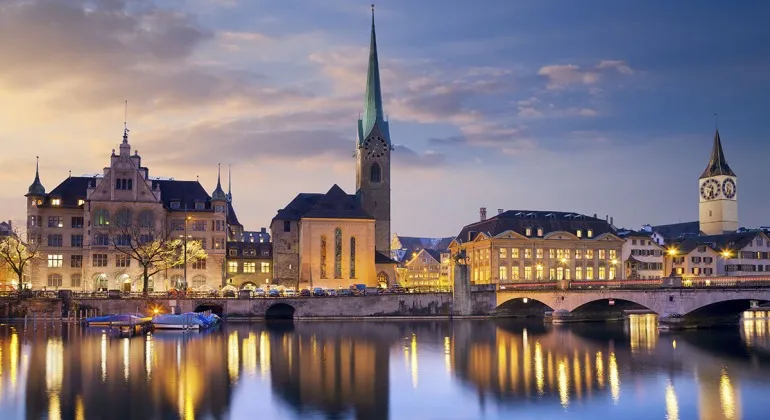
Zurich is often associated with international banking, finance and luxury shopping, but its charm goes far beyond its commercial reputation. The historic Altstadt , or old town, features winding cobblestone streets, centuries-old guild houses, picturesque squares, traditional restaurants and sights such as the Grossmünster, Fraumünster and St. Peter's Church. Nearby, the famous Bahnhofstrasse shopping avenue connects Zurich Main Station with the lakeside area, and the Limmat River creates some of the city's most recognizable sights.

Visitors can spend the morning exploring the Old Town, enjoy lunch at a traditional Swiss restaurant, take photos of the city from Lindenhof Hill, and end the day by Lake Zurich. For nature-loving travelers, the Uetliberg offers panoramic views of the city, lake, and surrounding landscape. Art lovers can visit the Kunsthaus Zurich and the Swiss National Museum, while families can enjoy the Zurich Zoo, interactive exhibits, parks, and seasonal activities.

Location: City of Zurich, Canton of Zurich, Switzerland. Country: Switzerland. Language: Locally, Swiss German is widely spoken, but standard German is used in writing and official business; English is generally understood in tourist areas. Currency: Swiss franc (CHF). Time zone: Central European Time, which varies between UTC+1 and UTC+2 according to daylight saving time. Recommended length of stay: Two to three days for the city's main attractions, or four to five days including excursions.

Zurich is not a protected tourist destination and has no single official entrance, ticket counter or city-wide Google review score. Its public areas are generally open year-round, although each museum, church, shop and attraction has its own schedule. For more inspiration for your Europe trip, check out the Colosseum travel guides .


History and cultural significance of Zurich

The history of Zurich dates back to the ancient settlements around Lake Zurich and the Limmat River. In Roman times, the settlement was known as Turicum , an important place associated with transport, trade, and customs. Archaeological discoveries provide evidence of Roman occupation, and even earlier prehistoric lakeside settlements suggest that the surrounding area was inhabited long before the medieval city was built.

During the Middle Ages, Zurich developed into an important commercial and religious center. Its location along important trade routes helped merchants, artisans, and guilds to gain considerable influence. The city joined the Swiss Confederation in 1351 and subsequently played an important role in Swiss political and cultural development.

One of the most important historical events in Zurich occurred during the Protestant Reformation in the 16th century. The religious reformer Huldrych Zwingli began his Reformation movement in Zurich, and the Grossmünster became closely associated with these changes. The Reformation influenced religious practices, education, social institutions, and the city's larger historical identity.

In the following centuries, Zurich developed into a major center for banking, manufacturing, research, education, and international business. The city is home to the ETH Zurich, a world-renowned university for science and technology. Its cultural reputation also grew with the rise of the Dada artistic movement at the Cabaret Voltaire in 1916.

Today, Zurich has preserved its medieval street layout and historic architecture while functioning as a modern international city. Visitors can experience this contrast by walking from centuries-old churches and guild buildings to contemporary galleries, a design district, and modern transportation hubs within a relatively small urban area.


Best things to see and do in Zurich

1. Explore Zurich Old Town (Altstadt)

The Old Town is the cultural heart of Zurich and an essential starting point for first-time visitors. Spread across both banks of the Limmat River, the city is lined with narrow pedestrian streets, historic buildings, picturesque squares, specialty shops, and traditional restaurants. The Niederdorf area is particularly attractive for strolling, eating, browsing boutiques, and discovering small historic squares.

Allow about two to three hours for a leisurely and independent walk. Starting near Zurich Main Station, head towards Central and Niederdorf, exploring the riverside area and entering the old town in the west to discover Lindenhof and its historic shopping streets.

2. Visit the Grossmünster church

The Grossmünster is one of Zurich's most famous landmarks, best known for its twin towers overlooking the Limmat River. This Romanesque church has deep connections to Zurich's medieval history and the Protestant Reformation. Visitors can marvel at its architecture, explore the enclosed interior, and learn about its historical significance.

The Karlsturm Tower offers a beautiful view of Zurich's rooftops, river, and historic center. Entry to the tower usually requires a separate ticket and involves climbing stairs, so comfortable shoes are recommended.

3. Discover the Fraumünster Church

Located across the river from the Grossmünster , the Fraumünster is famous for its stained glass windows by Marc Chagall. The church has its origins in a religious institution founded in the 9th century and is an important part of Zurich's medieval heritage.

Visitors interested in religious architecture, art history, and European cultural heritage should include the Fraumünster on their itinerary. Tickets may be required for entry, and visitor access may be limited during religious ceremonies or special events.

4. Enjoy the view from Lindenhof Hill

Lindenhof is a historic public square and elevated site overlooking the Limmat River, the Grossmünster, and the surrounding old town. It was once a Roman fort and later a royal residence in the early Middle Ages.

Today, Lindenhof offers benches, shade, chess tables, and great photo opportunities. Admission is free and the scenic spot is especially attractive in the morning or around sunset. Visitors can also take a stroll along the nearby Schifffahrt, one of Zurich's oldest riverside areas.

5. Walking along Lake Zurich

Lake Zurich , or Zurichsee, is one of the city's most important recreational and scenic spots. The lakeside paths are popular for walking, taking photos, relaxing, cycling in designated areas, and enjoying the beautiful views of the water.

The waterfront is easily accessible from the Burkleyplatz and Bellevue areas. Head towards Zürichhorn for more parks and open spaces. Scheduled boat trips are another way to enjoy the lake, with fares depending on the route, season of operation, and ticket category.

6. Shop on Bahnhofstrasse

Bahnhofstrasse is Zurich's internationally renowned shopping street, stretching from the area near Zurich Main Station towards Lake Zurich. Its upscale street is lined with Swiss watch boutiques, luxury fashion houses, department stores, jewelry stores, and cafes.

Shopping is optional, and walking the streets is completely free. Paradeplatz, one of Zurich's historic financial squares, is a highlight along this route. Visitors can also explore the surrounding streets for more cafes and small shops.

7. Experience the Uetliberg mountain

Uetliberg is Zurich's local mountain and a popular destination for panoramic views of the city. It is easily reached by taking the S10 railway and then a short walk uphill. There are various viewpoints, walking trails and connecting paths for longer hikes along the ridge.

Visitors can enjoy views of Zurich, Lake Zurich and, if visibility is good, the Alps. The summit area can be accessed without a general admission ticket, but charges may apply for transportation, meals and certain observation facilities.

8. Explore museums and Swiss culture

Zurich offers excellent museum visits. The Kunsthaus Zurich houses a major collection of Swiss and international art, while the Swiss National Museum, located near the main railway station, hosts exhibitions on Swiss history, culture, and heritage.

Other attractions include the FIFA Museum, Museum Rietberg and selected university museums. Admission prices, free admission, exhibition schedules and opening hours vary by institution.

9. Enjoy Zurich's seasonal experiences

Zurich's character changes throughout the year. Spring brings new life to the parks and promenades, summer brings more opportunities for leisure and al fresco dining by the lake, autumn brings interesting city walks and cultural events, and December is known for its festive decorations, Christmas markets and seasonal shopping.

Travelers planning to travel around major festivals, concerts, international exhibitions, or public holidays should check event dates in advance and reserve accommodations.

Ticket prices, entry rules and visiting hours

Admission to the city of Zurich is free. Visitors do not need to purchase a ticket to simply walk around the old town, explore the public squares, go down Bahnhofstrasse, or enjoy most of the public waterfront promenades. However, many individual cultural attractions and transportation services require separate fees.

Attraction or activity Admission information Inspector's note
Zurich Old Town Free Public streets and squares are generally accessible at all times.
Lindenhof Viewpoint Free The outdoor viewing area is available year-round.
On Bahnhofstrasse Free The opening hours of each store are different.
Public promenade on Lake Zurich Free Boat trips and certain bathing facilities are charged separately.
Grossmünster General admission to the church may be free. There may be fees or restrictions on tourist entry, exhibits, and tower climbing.
Fraumünster Entrance fees may apply for tourists. Check current ticket prices and admission arrangements.
Kunsthaus Zurich Entrance fees vary. Prices may vary for different collections and exhibitions.
Swiss National Museum Generally applicable to paid admissions There may be discounts and special offers.
Uetliberg Viewpoints Free entry outside Additional costs may apply for train fares and optional observation facilities.
Zurich Card Approximately 29 Swiss francs for 24 hours or 56 Swiss francs for 72 hours. Current conditions include appropriate transportation, museum access, and discounts.

Normal opening hours

There are no fixed opening or closing times in the city of Zurich. Public roads, bridges and many open spaces are open 24 hours a day. Museums are often closed on one working day of the week, especially Mondays, and churches may restrict entry during worship times. Shops are generally open during the day and early evening, but have limited opening hours on Sundays and public holidays.

Visitor rules and practical etiquette

  • Please adhere to restrictions on religious ceremonies, prayer spaces, and photography inside the church.
  • Follow the posted rules at lakeside bathing areas and public swimming areas.
  • Purchase the correct public transport ticket before traveling and save it for inspection.
  • Use designated pedestrian crossings and follow bicycle lane signs.
  • Keep public spaces clean and use the city's waste and recycling centers.
  • Keep noise levels tolerable in residential areas, especially late at night.
  • Carry your identity card with you and comply with Swiss immigration and visitor regulations.

Official information for tourists is available from Zurich Tourism . Current train schedules and fares can be checked through the Swiss Federal Railways . (www.sbb.ch)


Best time to visit Zurich

Zurich is a year-round destination, although the best months depend on whether visitors are looking for city breaks, outdoor recreation, cultural activities, or winter festivals. April through October are particularly good for exploring historic areas, enjoying the lakeside, and combining city trips with nearby attractions.

Duration Travel experience Recommended activities
March to May Spring scenery and active city trips Old town walks, gardens, museums and photography.
June to August Long daylight hours and lively outdoor activities Boating on the lake, entertainment on the waterfront, festivals and trips to Uetliberg.
September to October Autumn scenes and cultural events Architectural tours, scenic sights, museums and riverside walks.
November to December Seasonal celebrations and festive city experiences Christmas markets, decorated shopping streets, traditional eateries and museums.
January to February Winter city experience Art galleries, indoor attractions, Swiss food, and travel if the conditions are favorable.

The best times to visit Lindenhof, the bridges of the Old Town, and the lakeside area for photography and walking are early morning and late afternoon. Visitors planning popular weekend activities should expect heavy foot traffic in the central areas.

Zurich is also a convenient gateway to Switzerland's mountain destinations. Tourists who come primarily for alpine activities should plan their trip according to the operating calendar of their chosen resort, rather than assuming that all mountain attractions are open year-round.


How to reach

The city of Zurich in Switzerland, Europe, is located about 10 kilometers from Zurich Airport. Unlike domestic destinations in Bangladesh, it is not directly accessible from Dhaka by local buses, CNG autorickshaws, or regular intercity rail. Bangladeshi visitors usually arrive by international flight and then take Swiss trains, trams, taxis, or rented cars to reach the center of Zurich.

Step 1: Travel from Dhaka to Hazrat Shahjalal International Airport

Start your journey from Hazrat Shahjalal International Airport (DAC) in Dhaka . Passengers arriving from central Dhaka can use licensed taxis, app-based ride services, airport shuttles (if available) or private transport. Depending on the starting location, time and traffic, the estimated road travel budget for a rented car or ride-hailing service can be around 500–2,000 taka or more. These are estimates for planning purposes, not verified actual fares.

Passengers arriving from other district headquarters in Bangladesh can first reach Dhaka by domestic flight, Bangladesh Railway service or intercity bus. The appropriate route depends on the departure district. Allow extra time for traffic congestion and international check-in.

Step 2: Flight from Dhaka to Zurich Airport

Search for flights from Dhaka (DAC) to Zurich (ZRH) . Depending on the airline and current schedule, one-stop flights are usually available via international hubs such as Doha, Dubai, Abu Dhabi or Istanbul. Don't assume that there will be any nonstop service on your preferred dates.

Total travel times for a roughly connected one-stop route typically start at around 12-16 hours, but travel times can increase significantly for longer connections. Round-trip economy fares can vary widely depending on the season, airline, baggage allowance, and advance booking. When doing initial budgeting, some travelers may encounter prices around 90,000-180,000 taka or more, but this is an estimated planning range, not a verified current airfare price.

Bangladeshi passport holders are generally required to meet the requirements for a Swiss Schengen visa before travelling for tourism. Please check with the Swiss consular authorities for current procedures, appointment arrangements, required documents and processing times. Swiss short-stay visas are generally related to the Schengen framework and its applicable time frame.

Step 3: Zurich Airport to Zurich Main Station by Train

Upon arrival at Zurich Airport, follow the signs for 'Bahn / Train' to the railway station located below the airport complex . Buy the appropriate ticket from an SBB ticket machine, the SBB mobile app or an authorized counter. Take the appropriate train to the city's main railway station, Zurich HB (Zürich Hauptbahnhof).

Journey times are around 10-15 minutes and services operate frequently during peak operating periods. The official published fare for adults from the airport to the centre is around 7 Swiss francs , while the corresponding fare for children can be around 3.50 Swiss francs. Tickets and fares depend on the current ZVV zone rules and the passenger's qualifications.

Step 4: From Zurich Airport to the city by tram

Alternatively, take tram number 10 from Zurich Airport to the city centre . This route passes through the university areas and takes around 30-35 minutes to reach the main station area. This is a convenient option for travellers who like to see different parts of the city on their arrival route.

Step 5: Airport Taxi or Private Transfer

Licensed taxis operate outside the airport arrivals area. The journey to the centre of Zurich usually takes around 10-20 minutes, depending on traffic conditions. According to Zurich Tourism, a typical fare from the airport to the city is around 45-70 Swiss francs . Costs may be higher for private vehicles, larger groups and premium services.

Travel by train from other cities in Switzerland

Switzerland has an extensive national rail network. Visitors arriving via Geneva, Basel, Bern, Lucerne or other transport hubs in Switzerland can usually reach Zurich via direct or connecting rail services. Zurich Main Station is one of the main railway hubs in Switzerland, with frequent regional, intercity and international connections.

  • From Bern: The direct train usually takes about an hour.
  • From Basel: Many direct services take around 55-75 minutes.
  • From Lucerne: Direct services usually take around 40-55 minutes.
  • From Geneva: Direct intercity journeys usually take around two hours 45 minutes to three hours.

These times are approximate and may vary depending on the service. For exact schedules and fares, please visit the official SBB website . (www.sbb.ch)

Local transport within Zurich

Zurich has integrated trams, buses, S-Bahn trains and selected water services. The ZVV fare system uses travel zones instead of a fixed fare for each journey. There are many central attractions within walking distance of Zurich main station, although the tram is convenient for reaching Bellevue, the university area, museums and residential areas.

For short journeys within the central city area, budget approximately 3-5 Swiss francs for a suitable adult ticket; keep in mind that the exact price depends on the ticket duration and zone conditions. There is a special fare-zone system for Zurich zone 110, so always check the ticket conditions before paying.

Travelers can rent bicycles, use car-sharing services, or arrange for a traditional car rental. Estimated prices for small car rentals, excluding fuel, insurance upgrades, parking, and other fees, can start at around 50–100 Swiss francs per day, but actual prices vary considerably. Parking in the center of Zurich can be limited and expensive; public transportation is generally more convenient for general city travel.

Important arrival signs

  • Zurich Airport: Switzerland's main international airport for visitors arriving directly into Zurich.
  • Zurich HB: Main railway station and a convenient starting point for exploring the city.
  • Bahnhofstrasse: A main shopping street directly accessible from the central station area.
  • Lindenhof: A historic landmark about a seven-minute walk from Zurich main station.
  • Central and Niederdorf: Convenient access to Zurich's historic old town.
  • Bellevue and Burkliplatz: essential landmarks to reach the shores of Lake Zurich.

For up-to-date information on local transport, see ZVV. Official instructions for travel from the airport (www.zvv.ch) can be found from zurich Tourism .

Zurich, Switzerland

GPS: 47.3627946, 8.5324973
Get Directions

Where to eat

Zurich has a diverse food culture, combining traditional Swiss specialties, international restaurants, modern cafes, bakeries and fine dining. The Old Town, Niederdorf, Bahnhofstrasse, Zurich West and the lakeside areas offer excellent dining options to suit a variety of tastes and budgets.

Traditional Swiss food worth tasting

  • Zürcher Geschnetzeltes: A classic Zurich dish made with sliced ​​veal in a creamy sauce, often served with rösti.
  • Rösti: A Swiss specialty made from potatoes, served as a side dish or mixed with other ingredients.
  • Cheese fondue: Melted cheese that is traditionally enjoyed with bread and is especially popular during the winter.
  • Raclette: Melted Swiss cheese, served with accompaniments such as potatoes and pickles.
  • Swiss Chocolate: Chocolates, pralines, and specialty sweets are available throughout the city.
  • Birchermuesli: A Swiss dish made with oats, fruit, and dairy ingredients, which is related to Zurich's nutritional history.

Recommended dining venues and restaurants

Niederdorf and the Old Town: Traditional restaurants, historic interiors, cafes and ideal for a relaxing evening. Zum Königstuhl at Stusshofstadt 3 is known for its Swiss and regional cuisine in the atmosphere of a historic guild-house and serves a variety of traditional dishes, including fondue.

Lake Zurich: Perfect for dining in a pleasant setting with a view of the water. Fischerstube Zürichhorn, located at Bellevuestrasse 160 , is a long-standing lakeside restaurant serving fish dishes, Swiss classics, and vegetarian dishes. Self-service dining is also available.

Bahnhofstrasse and Zurich Main Station: Convenient for quick meals, pastries, sandwiches, coffee and takeaway food while sightseeing or during train connections.

Zurich West: Popular for contemporary international restaurants, food markets, cafes, and urban dining experiences.

Estimated food budget

Food category Estimated budget per person
Bakery snack or simple breakfast CHF 6–15
Supermarket takeaway food CHF 8–18
Simple lunch CHF 18–30
Average restaurant food CHF 30–55
Specialty or fine dining 70 Swiss Francs and above

These amounts are general plan estimates, not actual restaurant prices. Vegetarian, vegan, halal, and South Asian options are available in larger cities, but travelers with special dietary needs should check with the restaurant directly to confirm ingredients and preparation methods. Reservations are recommended for popular restaurants, especially on busy evenings and holidays.


Where to stay?

Zurich offers a variety of accommodations, from shared hostels and functional business hotels to boutique properties and luxurious lakefront hotels. The most convenient area depends on your itinerary, transportation preferences, and budget.

Zurich Old Town (Altstadt)

While in the Old Town, travelers can stay close to the Grossmünster, Fraumünster, Lindenhof, the Limmat River, restaurants, and picturesque historic streets. It is ideal for couples, cultural travelers, and first-time visitors who prefer to explore on foot. Accommodation costs are relatively high, and some older buildings have limited access to stairs or elevators.

Zurich main station and Bahnhofstrasse

The area around Zurich HB is very convenient for airport transfers, day trips and tourists traveling with luggage. Hotels near the station offer quick connections to the Old Town, Bahnhofstrasse and the local tram network.

Seefeld and Lake Zurich

Seefeld is a good choice for travelers looking for an upscale residential environment, restaurants, parks, and proximity to waterways. It offers a quieter atmosphere than some of the busy streets in the city center, while also maintaining convenient tram connections to the city center.

Zurich West and Langstrasse

Zurich's western district attracts travelers interested in modern design, converted industrial areas, restaurants, galleries, and contemporary urban culture. The Langstrasse area has a vibrant nightlife and a variety of dining options, although some streets may be less suitable for travelers looking for a more secluded stay.

Zurich Airport and Werlikon

Hotels near Zurich Airport or in Werlikon can be convenient for business travelers, early morning flights, exhibitions and short-term transit stops. Train connections make it possible to visit the city center without having to stay in the historic district.

Estimated accommodation costs

Type of accommodation Estimated price per night
Hostel dormitory bed CHF 40–80
Simple budget hotel room CHF 100–170
Mid-range hotel room CHF 170–300
High-quality hotel rooms CHF 300–550
Luxury hotel or premium suite CHF 550 and above

These are not verified current room rates, but rather an approximate budget range. Zurich hotel prices fluctuate based on conferences, trade fairs, major events, seasonal demand, and booking dates. Additional city taxes may apply depending on the accommodation and reservation conditions.

Before confirming a reservation, travelers should check whether it includes breakfast, local transportation, taxes, airport transfers, and cancellation options. For first-time visitors to Zurich, staying for two or three nights, near Zurich HB or the Old Town, is usually particularly convenient.


Suggested itinerary for a trip to Zurich

One Day Zurich Highlights

  • Morning: Arrive at Zurich main station and walk along Bahnhofstrasse towards the old town. Explore Lindenhof, Augustinergasse and the nearby historic alleys.
  • Late morning: Tour the Grossmünster and Fraumünster; allow extra time for the architecture and exhibits of the churches, where access is available.
  • Afternoon: Enjoy lunch in Niederdorf, explore the Limmatquai, and continue your journey towards Bellevue and Lake Zurich.
  • Evening: Walk along the riverbank, enjoy Swiss food, and take pictures of the city as the lights come on along the riverbank.

Two-day Zurich experience

Follow the one-day itinerary of the main attractions on day one. On day two, visit the Swiss National Museum or Kunsthaus Zurich before taking the S10 train to Uetliberg. Spend the afternoon enjoying the beautiful scenery or hiking to your heart's content, and return to the city for dinner.

Three-day Zurich experience

If you have three days, you can add a long boat ride on Lake Zurich, explore the modern Zurich West district, or visit additional museums and sites. Travelers interested in the regional scenery might consider a day trip to Lucerne, the Rhine Falls, or another destination with convenient transportation connections.

Always leave enough time between one attraction and another, especially when visiting museums with limited entry times or using boat and mountain railway services with limited schedules.


Travel tips, safety and essential information

Money and Payment

Switzerland uses the Swiss franc (CHF) as its national currency, instead of the euro . International debit and credit cards are widely accepted in Zurich, but it is convenient to carry a small amount of Swiss cash for occasional purchases and unexpected payment restrictions. Some businesses may accept euros and give change in Swiss francs at their own exchange rate.

Language and communication

Swiss German is commonly spoken in everyday conversation, while standard German is used on official documents and signs. English is often understood in hotels, major attractions, shops and tourist offices. Learning common greetings such as 'Grüezi' and 'Danke' can make interacting with locals more enjoyable.

Public transportation

Zurich's buses, trams and trains operate under an integrated regional transport network. Visitors can use the ZVV and SBB apps to plan their journeys and purchase the appropriate tickets. Always make sure your travel pass covers the correct zones, airport transfers, boats and additional regional connections.

Security and personal belongings

Zurich is generally considered a safe destination for tourists, although it is important to take general precautions in the city. Keep valuables safe around crowded stations, busy shopping streets, large events and public transport. Keep your passport and important documents safe and do not leave bags unattended.

Drinking water

Zurich is known for its public drinking fountains. Many fountains provide drinkable water, but visitors should always follow posted signs and avoid fountains that are clearly marked as non-drinkable. Carrying a reusable water bottle is an effective way to cut costs.

Accessibility

Many modern transportation services and public facilities are accessible. However, some parts of the old city have cobblestone streets, slopes, historic stairs, and old buildings, which can be difficult for wheelchair users or visitors with limited mobility. Check the accessibility of each attraction before you set off.

Electricity and connectivity

Switzerland commonly uses Type J electrical sockets, which supply approximately 230 volts and 50 hertz. International travellers should carry an appropriate adapter. Mobile internet is available via local SIM cards, supported e-SIM providers and eligible roaming services.

Emergency information

Important emergency numbers in Switzerland include 112 for general emergencies , 117 for the police , 118 for the fire service, and 144 for the ambulance service .

Advice for Bangladeshi travelers

Before departing from Bangladesh, check the validity of your passport, the conditions of any applicable Schengen visa, the conditions of your travel health insurance, accommodation reservations and proof of sufficient financial resources. Arrange an internationally accepted payment method and keep copies of your itinerary and necessary documents with you. Switzerland can be significantly more expensive than Bangladesh, so it is strongly recommended to create a daily budget in advance.


Nearby attractions

Zurich's central location and excellent transport links make it easy to explore the city and its surrounding canton of Zurich, with its numerous attractions. The following places will enrich your Zurich travel plans and offer a mix of architecture, history, shopping, outdoor recreation and family activities.

1. Lindenhof Hill

Located in the historic center, Lindenhof offers a panoramic view of the Limmat River, the Grossmünster, and Zurich's traditional rooftops. It is ideal for taking photos and leisurely strolling. Public admission is free.

2. Grossmünster Church

Located on the banks of the Limmat River in Zurich's old town, the Grossmünster is famous for its twin towers and its connection to Zurich's Reformation history. Its central location makes it an easy stop for a leisurely stroll.

3. Fraumünster Church

The Fraumünster church is located across the river from the Grossmünster. Its stained glass windows by Marc Chagall and medieval origins attract visitors interested in fine arts, religious heritage, and historic architecture. The church is within easy walking distance of Bahnhofstrasse.

4. On Bahnhofstrasse

This famous shopping street is ideal for experiencing Zurich's contemporary commercial culture. Travelers can browse the exquisite shops, visit cafes, find Swiss watch boutiques, and explore the nearby Paradeplatz without buying anything.

5. Swiss National Museum

The Swiss National Museum is conveniently located next to Zurich's main station. Its exhibitions highlight Switzerland's history, cultural identity, design, and social development. It is a particularly useful attraction for those who want to gain historical context before exploring the rest of Switzerland.

6. Kunsthaus Zurich

The Kunsthaus Zurich is one of the city's major cultural institutions, housing collections and exhibitions from various artistic eras. It is accessible from the old town and is a great indoor option for art lovers.

7. Lake Zurich and the Zurichhorn

The area along Lake Zurich has a great mix of scenic walking paths, amusement parks, boat connections, and restaurants. Zurichhorn is particularly attractive for those looking for open space away from the city's busiest central streets. For more lakeside destinations, check out the official Zurich area guide. (neighborhood)

8. Uetliberg Mountain

Uetliberg is a popular scenic resort away from central Zurich, with walking trails and sweeping views of the city and lake. The S10 railway line provides convenient access to this mountainous region. It is a great option for a half-day trip.

9. Zurich Zoo

Zurich Zoo is a major family tourist attraction located in the Zurichberg area. Visitors can explore zoological exhibits and educational environments on wildlife and conservation. Admission tickets are required and ticket prices vary depending on the current admission price category.

10. Rhine Falls

Located near Neuhausen am Rheinfall in the neighboring canton of Schaffhausen, the Rhine Falls are one of Switzerland's most impressive natural attractions and a popular day trip from Zurich. Visitors can reach the area by train and local transport, and can enjoy the falls from different perspectives via viewing platforms and optional boat trips. Although the Rhine Falls are located outside the canton of Zurich, they are included here as a convenient day trip option in the region.

For additional information about the city's sights, walking trails, cultural institutions and regional excursions, check out Zurich Tourism's official sightseeing guide and (places to visit) continue exploring travel destinations via ColoZai.com . (https:)

Frequently Asked Questions (FAQ)

Zurich, commonly written as Zürich or Zürich, is located in the canton of Zurich in northern Switzerland. The city is located at the northwestern end of Lake Zurich, where the Limmat River flows out of the lake. Zurich is the largest city in Switzerland and an important international center for business, finance, education, and tourism. Zurich Main Station and Zurich Airport provide convenient connections to other Swiss and European destinations.

logo ColoZai

ColoZai is a trusted travel guide and destination explorer platform in Bangladesh. We are making travel simple, authentic, and accessible for everyone.

Need Help ?

We are Always here for you! Knock us on Whatsapp (10AM - 10PM) or Email us.