Geneva Switzerland

Geneva Switzerland

Geneva
·

2 October 2026

Travel Overview & Quick Facts

Directions
Location
Geneva
Admission / Entry Fee
Admission to Geneva's main streets, historic old town, lakeside promenade, Jardin Anglais, Flower Clock and Parc des Bastions is free. Separate fees apply for individual museums, guided tours, boat cruises and special attractions. Depending on the experience, budget approximately 10-30 Swiss francs per person for selected museum visits and 15-40 Swiss francs or more for lake cruises. These prices are approximate; contact each attraction to confirm current admission prices.
Best Time to Visit
April to June and September to October; December is popular for Christmas markets and winter city trips.
Opening Hours
Open 24 hours (opening hours vary for attractions, museums, shops and restaurants)
Google Rating
★ 4.6 (10000 reviews)
Category / Type
Lakeside city destinations, historical and cultural tourism, international diplomacy and science, luxury and scenic tourism

Introduction to Geneva Switzerland

Geneva, Switzerland, is a cosmopolitan city located on the southwestern shores of Lake Geneva, where the Rhone River flows out of the lake and through a landscape surrounded by the distant Alps and Jura mountains. Renowned for its international institutions, watchmaking tradition, gourmet cuisine, historic architecture, and scenic waterfront, Geneva offers a unique blend of Swiss culture, French-speaking European lifestyle, and global significance. It is the capital of the canton of Geneva and one of Switzerland's most internationally connected urban destinations.

Visitors can marvel at the famous Jet d'Eau fountain, stroll the cobbled streets of the old town, learn about the city's human history, and enjoy a boat ride on the lake with views of the surrounding mountains. Geneva is also a center of scientific discovery at the Cerny, international diplomacy at the Palais des Nations, and a gateway to destinations in the nearby French Alps. Although the city is known for its luxury, many of its memorable experiences can be enjoyed for free, including lakeside walks, public parks, historic squares, and scenic viewpoints.

First-time travelers should allow two to three days to visit the main sights, explore the different areas, and enjoy the lakeside atmosphere without rushing. Geneva is an excellent starting point for a longer Swiss itinerary, including Lausanne, Montreux, and the mountainous scenery of the Lake Geneva region. Before planning your trip, consult the Geneva Tourism Department for official travel information.


Why travel to Geneva, Switzerland?

Geneva is notable for its extraordinary balance of international importance, historical character, and natural beauty. It is home to major international organizations, including the European headquarters of the United Nations, and is closely associated with the International Committee of the Red Cross. At the same time, its compact city center, lakeside gardens, and heritage sites make it easily accessible to independent travelers.

  • Lake Geneva: Enjoy the lakeside paths, public gardens, boat rides, and scenic views of this one of Europe's most famous lakes.
  • Jet d'Eau: See this iconic fountain of the city, which rises almost 140 meters above the lake when in use.
  • Historic Old Town: Explore medieval streets, picturesque squares, historic buildings, and St. Pierre Cathedral.
  • International Geneva: Learn about the city's diplomatic role through the United Nations Office in Geneva and the International Red Cross and Red Crescent Museum.
  • Science and Innovation: Visit CERN's exhibits and learn about research into the fundamental structure of the universe.
  • Swiss lifestyle: Experience chocolate shops, watchmaking traditions, French-influenced cuisine, unique boutiques, and lakeside cafes.

Geneva is perfect for couples, solo travelers, families with older children, culture lovers, business travelers, and anyone looking for a vacation in a classy European city. Its extensive public transportation system and walkable central areas are also convenient for tourists who don't want to rent a car.


Best attractions and things to do

Jet d'eau

The Jet d'Eau is Geneva's most well-known landmark and a major feature of its lakefront. The fountain can shoot water up to a height of about 140 meters, creating a spectacular view from the lakefront, the bridge and the surrounding parks. For a different perspective, take a walk along the Quai Gustave-Adore or visit the nearby port. Its operating conditions are subject to change due to weather, maintenance and safety restrictions, so the fountain should not be assumed to be running continuously.

Geneva Old Town and Saint Pierre Cathedral

Geneva's Vieux Ville, or Old Town, is ideal for a leisurely stroll. Wander the narrow streets, discover the historic squares, and marvel at the traditional architecture before visiting the Cathedral of St. Pierre, closely associated with the Protestant Reformation and John Calvin. There may be separate schedules and fees for entry to the cathedral, visits to the towers, and archaeological exhibits. Comfortable walking shoes are recommended, as some of the streets are steep and paved with cobblestones.

Jardin Anglais and the Flower Clock

The Jardin d'Angleterre is a beautifully landscaped public garden located by the lake, famous for its 'L'Horloge Flori' or 'Flower Clock'. Its floral design highlights Geneva's watchmaking tradition and is a popular spot for taking photos. With this tour, you can plan to walk along the lakeside and stop for a while at a nearby café.

Parc de Bastion and the Reformation Wall

Parc des Bastions features tree-lined avenues, open green spaces, and a peaceful respite from the busy center. Its most famous monument is the International Reformation Monument, commonly known as the Reformation Wall, which commemorates the main figures and events of the Protestant Reformation movement. The park is open to the public, so it's a worthwhile place to add to your list of free walks.

Palais des Nations

The Palais des Nations houses the United Nations offices in Geneva and represents the city's role in international diplomacy. Guided tours provide insight into multilateral cooperation, international negotiations, and the history of the institution. Tours and visitor access are subject to availability, security requirements, and official schedules. Please check the UN visitor information before traveling.

International Red Cross and Red Crescent Museum

This museum deals with humanitarian activities, armed conflict, emergency relief and the protection of human dignity. Its exhibitions provide a fascinating introduction to the international movements associated with Geneva. Admission is usually by ticket, and opening hours may vary due to public holidays and special events.

CERN Science Gateway

CERN, located near Geneva, is one of the world's leading centers for particle physics research. Its visitor centers introduce the science of the universe, particle accelerators, and international collaboration through exhibitions and educational activities. Some experiences require advance reservations and admission is subject to change. Review the official CERN Science Gateway information before your visit.

Cruise area

Located south of the central districts, Karuzi is known for its Mediterranean architecture, unique boutiques, craft workshops, cafes and relaxed neighbourhood atmosphere. It is an attractive alternative to the more formal areas of the lakeside and offers opportunities to experience local design, shopping and dining.

Lake Geneva Boat Cruise

A sightseeing cruise offers a unique view of Geneva's waterfront, its elegant villas, the surrounding mountains and the distant Alps. Routes and durations vary; some services focus more on local transport, while others are designed for sightseeing. Seasonal schedules, departure points and fares should be confirmed with the operator.

Shopping and Swiss watchmaking

Geneva is internationally known for its fine watchmaking, jewelry, luxury retail, and Swiss chocolate. The streets around Rue du Rhône and the central shopping area are lined with high-end boutiques, while smaller shops sell pastries, regional products, and gift items. Compare prices before buying luxury goods and check your eligibility for tax refunds if you're traveling internationally.

History, culture and architecture

The history of Geneva is linked to its development as an ancient settlement and a city in the Roman era. Its strategic location near the western end of Lake Geneva helped it become a regional center for trade and movement between the Alps and Western Europe. In the Middle Ages, the city gained religious, commercial, and political importance.

The Protestant Reformation in the 16th century transformed Geneva, and the city became closely associated with John Calvin and the wider Reformed tradition. In the following centuries, Geneva gained a reputation for diplomacy, humanitarian work, and international cooperation. The establishment of the International Committee of the Red Cross in Geneva in 1863 helped to establish its lasting identity as a center for humanitarian activities.

Modern Geneva combines historic architecture with international institutions, contemporary cultural centers, and upscale residential areas. The old town retains much of its traditional European character, while the lakeside area reflects the city's relationship with water, recreation, and tourism. Notable architectural landmarks range from the St. Pierre Cathedral and historic townhouses to grand diplomatic buildings and modern scientific facilities.

Although the main language of Geneva is French, English is widely understood in tourism, hospitality, international business, and diplomacy. The Swiss franc is the country's official currency. Switzerland is not a member of the European Union, so travelers should check applicable entry requirements, roaming arrangements, and payment terms before traveling.


Best time to visit Geneva

Geneva can be visited year-round, but the ideal time to visit depends on your interests, preferred activities, and travel budget. Late spring and early fall are particularly attractive for combining sightseeing, dining out, lakeside walks, and day trips.

  • April to June: This is a good time to visit gardens, go hiking, sight-seeing, and spend time by the lake, as outdoor activities increase during this time.
  • July to August: This is a popular time for boating, lakeside recreation, outdoor events, and long-term sightseeing. Accommodation demand may be high.
  • September to October: Excellent time for cultural excursions, exploring old towns, visiting museums, and regional tours, and crowds are often less than during the peak summer season.
  • November to March: Perfect for museums, shopping, restaurants, indoor cultural activities, and seasonal festivals. December is especially attractive for those interested in Christmas markets and winter city tours.

For first-time travelers, a variety of attractions and seasonal activities are available in May, June, September, and early October. Check the event calendar and each attraction's schedule before booking, especially if your itinerary relies on a specific museum, guided tour, or boat service.


Ticket prices and entry rules

Geneva is not a single ticket-based attraction, but rather a city. So there is no general admission fee to explore its streets, lakeside, historic squares, and parks. Your overall travel budget will depend on which museums, guided visits, boat cruises, and special experiences you choose.

Experience Estimated cost Important information
Old town, public park and lakeside promenade Free Local access to public spaces may be limited during events or maintenance.
See Jet d'Or Free The operation of the fountain depends on the conditions and maintenance.
Selected museums Approximately 10-30 Swiss francs per adult Admission prices depend on the museum, exhibition, and visitor category.
Boat trips for sightseeing on the lake Approximately 15-40 Swiss francs or more per person The price depends on the route, duration and operator.
Guided tour Varies by tour Advance booking may be required.

These amounts are tentative estimates, not verified current prices. Please confirm current prices with the attraction directly before visiting. Reduced prices may be available for children, students, senior citizens, or eligible groups. Certain museums or activities may be included in the City Pass, but terms may vary.

Public spaces in Geneva are generally accessible without a ticket. Museum admission, visits to the United Nations, and certain scientific or cultural experiences may require tickets, identification, security screening, or advance reservations. Visitors should adhere to photography regulations, bag restrictions, and any instructions given by venue staff.

Travelers staying at participating hotels, youth hostels or campsites may be eligible for the Geneva Transport Card, which gives them free use of public transport on the applicable local network for the duration of their stay. Please check eligibility and card distribution arrangements with your accommodation before taking advantage of this benefit.


How to reach

Geneva is located in western Switzerland, near the French border and on the southwestern shore of Lake Geneva. The most convenient international access point is Geneva Airport (GVA), and the Geneva-Cornavin railway station is the city's main rail hub. Since Geneva is located in Switzerland, international travel from Dhaka or any other district headquarters in Bangladesh requires international travel planning rather than direct domestic bus or train travel.

Step 1: Departure from Dhaka, Bangladesh

Book a flight from Dhaka to Geneva Airport (GVA) via Hazrat Shahjalal International Airport (DAC). Depending on the airline and itinerary, the journey may connect via cities such as Doha, Dubai, Istanbul or other international hubs. Direct flight availability, total journey time, baggage allowance and fares vary by date and airline.

For planning purposes, one-way economy class airfares can range from approximately $400-$900 or more, and vary significantly depending on the season. These figures are intended to provide an approximate budget, not a final price. Check current schedules, connection requirements, and Swiss or Schengen entry requirements before purchasing a ticket.

Step 2: Get from Geneva Airport to Geneva city center

The airport railway station is directly connected to the terminal. Follow the railway signs towards Genève-Airport station and from there take a train towards Genève-Cornavin, the central station. The journey usually takes around seven minutes. A standard local public transport ticket costs 3 Swiss francs (CHF) for a 60-minute journey; check the current fare and ticket validity before travelling.

Alternatively, take the TPG bus to the city centre or use an airport taxi or pre-booked transfer. Local buses and trams are generally affordable options, while taxis cost depending on destination, time, traffic and applicable fare rules. Confirm the fare before embarking on a private transfer.

Step 3: Travel by train from other cities in Switzerland

The Geneva-Cornavin railway line connects Geneva to major Swiss cities including Lausanne, Bern, Zurich and other regional destinations. A suitable direct service from Lausanne usually takes around 35-45 minutes to reach Geneva; journeys from Zurich or Bern take longer. Exact journey times depend on services and timetables. Use the Swiss Federal Railways website or official app to plan your connections and buy tickets.

Step 4: Travel by bus or coach

International coach services connect Geneva to selected cities in Switzerland and neighboring European countries. These can be convenient for budget-conscious travelers arriving from France or other European destinations. Routes, terminal locations, baggage allowances, and journey times vary, so be sure to check your destination station and onward connections before you set off.

Step 5: Travel by local transport

Geneva has an integrated network of trams, buses, local trains and the yellow shuttle boat known as 'Muy Genevoyage'. This network connects the central station, the lakefront, the international district, residential areas and many tourist attractions. A valid transport ticket or appropriate transport card is required. Visitors staying in participating accommodation should ask about the Geneva Transport Card, which gives access to the appropriate local public transport for the entire duration of their stay.

Step 6: Use a taxi, rental car, or bicycle

Taxis and ride-hailing services can be useful for late arrivals, traveling with extra luggage, or for destinations outside the main public transport system. Depending on the distance and circumstances, short-distance taxi journeys can cost around 20-40 Swiss francs or more; get an estimate of the cost before you set off. Rental cars are convenient for regional travel, but parking in the city center can be expensive and is often not necessary for exploring the city. Renting a bicycle is another option for exploring designated cycle routes and lakeside areas.

Getting to the main sights

  • Jet d'Eau and Jardin Anglais: Walk from the central lakefront or use the nearby public transport stops.
  • Old Town and Saint Pierre Cathedral: Walk from the city center or use local transportation to get to the central historic areas.
  • Palais des Nations: Use the tram or bus network to get to the Nations District and follow the government instructions given to visitors for entry.
  • CERN Science Gateway: Use public transport to get to the CERN area and check the latest routes and visitor access information.
  • Karuz: Take a tram or bus from the central areas to this neighborhood.

There is no relevant domestic district headquarters route from Bangladesh to Geneva. If travelling from any other district in Bangladesh, passengers will first need to arrange transport to Dhaka or another suitable international departure airport, and then fly to Geneva. Allow extra time for international check-in, immigration, transfers and baggage collection.

Geneva Switzerland

GPS: 46.192822, 6.162802
Get Directions

Where to eat

Geneva's food scene reflects both the French-speaking Swiss heritage and the city's international population. Visitors can find traditional Swiss cuisine, French-style bistros, fine dining, casual cafes, international cuisine, and fast food near major transportation hubs. Restaurant prices are generally higher than in many European destinations, so it's helpful to check the menu before you sit down to plan your budget.

Swiss specialties worth tasting

  • Fondue: Melted cheese served with bread, which is traditionally enjoyed sitting together.
  • Raclette: Melted cheese served with potatoes and other accompaniments.
  • Rösti: A Swiss potato dish that can be served as a side dish or as part of a main meal.
  • Swiss Chocolate: Visit chocolate boutiques for pralines, bars, and traditional desserts.
  • Lake fish: Subject to availability, some local restaurants serve freshwater fish from Lake Geneva and its surrounding area.

Where to find restaurants

The old town is home to traditional restaurants and homely eateries, while the area around the central station is home to convenient cafes, bakeries and international food outlets. The lakeside is home to restaurants in a pleasant setting, and the canals are a great option for cozy cafes, neighborhood bistros and independent eateries. There are upscale dining options throughout the city, especially in the important central districts.

For a realistic daily budget, allow approximately 8-18 Swiss francs for a typical bakery or takeaway meal, 20-45 Swiss francs for many typical restaurant meals, and considerably more for fine dining. These are rough estimates and do not include some drinks, service arrangements, and special menus. Check the current menu, dietary options, and opening hours before you go.


Where to stay?

Choosing a place to stay in Geneva is easiest if you first decide whether you prefer transportation, sightseeing, lake views, nightlife, or a quieter area. The city offers a variety of luxury hotels, business hotels, boutique properties, serviced apartments, hostels, and family-oriented accommodations.

City Center and Geneve-Cornavin

The area around the central railway station is convenient for travelers arriving by train, using airport connections, or planning day trips across Switzerland. There is convenient public transportation, restaurants, and a variety of accommodations. Some roads are busy, so check the exact location and up-to-date accommodation information before booking.

Lakeside and central shopping areas

Being on the lakeside provides easy access to walking trails, boat launches, gardens, and the city's main shopping streets. This area is perfect for tourists who want to walk in a pleasant environment and easily access major attractions. Hotels with lake views and upscale amenities tend to be more expensive.

Old city

The old town is a great choice for travelers interested in historic architecture, museums, traditional restaurants, and evening strolls. Accommodations here can offer unique character and a pleasant atmosphere, although the steep streets and old buildings may be less convenient for some travelers with mobility difficulties or those carrying heavy luggage.

International Districts and Nations

The area around international organizations can be convenient for diplomatic visits, conferences, and business trips. Before choosing a hotel, check transportation to the city center and the exact location of your meeting.

Carousel and residential area

Caruuge and other residential areas are attractive to travelers who like local cafes, independent shops, and a relaxed atmosphere. Accommodation here can be more affordable than the main lakeside properties, but the best choice depends on transportation and your planned itinerary.

Estimated accommodation costs are around CHF 50-100 per night for a bed in some hostels, CHF 120-250 for many basic hotel rooms and CHF 250 or more for premium hotels. Actual prices vary considerably depending on the season, event, room type and availability. Compare the total cost, cancellation policy, local taxes, transportation and amenities before confirming your reservation.


Practical travel tips

  • Currency: The Swiss Franc (CHF) is the official currency. Cards are widely accepted, but carry a small amount of cash for occasional purchases.
  • Language: French is the main local language. English is widely used in hotels, tourism, and international organizations.
  • Transport: Check the validity of your ticket before boarding the bus. Ask your place of residence if you are eligible for the Geneva Transport Card.
  • Reservations: Book popular guided visits, special exhibitions, and CERN experiences in advance as needed.
  • Clothing: Bring layers of clothing for changing conditions and comfortable shoes for long walks along the cobblestone streets and riverbanks.
  • Cost: Geneva can be expensive. Budget separately for accommodation, food, transportation, museum tickets, and excursions.
  • Safety: Geneva is generally a comfortable destination for visitors, but take general precautions around crowded transportation hubs and busy tourist areas.
  • Travel documents: Check passport validity, visa requirements, travel insurance, and transit visa requirements applicable to your nationality and itinerary.
  • Shopping Hours: Some stores are open for limited hours on Sundays and public holidays. Be sure to check the hours when planning your shopping or grocery shopping.
  • Accessibility: Check each attraction for step-free entrances, elevators, disabled-friendly restrooms, and historic streets to suit your needs.

Suggested one-day and three-day itineraries

A day in Geneva

Start with a morning walk along the lakeside and visit the Jet d'Eau viewing area. Then visit the Jardin Anglais and the Flower Clock, then explore the Old Town and St. Pierre Cathedral. After lunch, walk through the Parc des Bastions and see the Reformation Wall. Finally, enjoy a relaxing dinner by the lake or an evening stroll along the waterway. This itinerary highlights the central attractions and is subject to change according to museum opening hours.

Two days in Geneva

Follow the central sightseeing itinerary on day one. On day two, choose from the United Nations Visitor Experience, the International Red Cross and Red Crescent Museum, and CERN, depending on your interests and reservation availability. Spend the late afternoon on a cruise or take a boat trip if service schedules permit.

Three days in Geneva

Use the first two days to explore the city center, old town, international area and selected museums. Reserve the third day for a long lake trip or a regional trip to Lausanne or Montreux. Travelers interested in mountain scenery may want to consider crossing the French border to Mont-Salvé, but be sure to check transportation arrangements and relevant border regulations.

To make the most of your trip, group nearby attractions together and check guided-tour schedules before setting a specific itinerary. Avoid trying to visit all the major museums and international institutions in one day.


Nearby attractions

Geneva's location makes it an excellent base for exploring the lakeside towns, scenic Alpine views, historic towns, and cultural destinations of western Switzerland and neighboring France. These excursions provide a useful contrast to Geneva's own international character and urban charm.

Lausanne

Lausanne is a vibrant Swiss city on the northern shores of Lake Geneva, known for its cathedral, steep historic streets, museums and Olympic heritage. It can be reached by train from Geneva and is a great place for a half-day or full-day trip. For the latest tourist information, visit Lausanne's official tourism website.

Montreux

Montreux is famous for its lakeside walks, mountain views, cultural events, and easy access to the nearby Shillong Fort. It is a popular tourist destination for those seeking scenic lake views and a more relaxed vacation experience. Train services connect Montreux to Geneva, and journey times vary depending on the service.

Chillon Castle

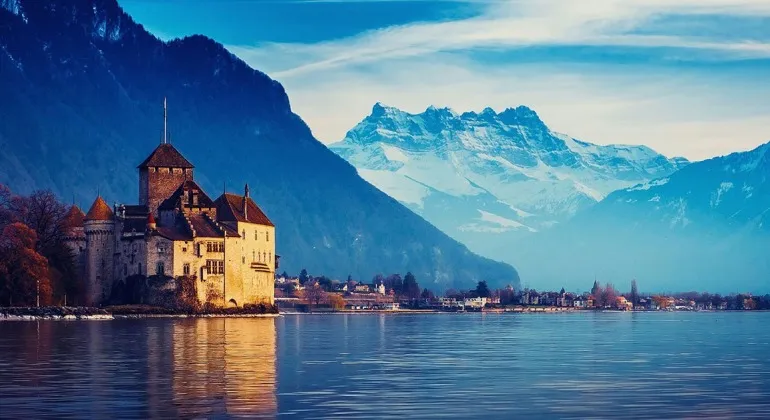
Located near Montreux, Château de Chillon is a historic lakeside castle with medieval rooms, courtyards, and panoramic views of Lake Geneva. Admission is required and opening hours vary seasonally. Check the castle's official website before visiting.

Neon

Nyon is a historic lakeside town between Geneva and Lausanne, with a castle, Roman heritage, waterfront promenades and a charming old centre. It's a good short trip by regional train.

Cruise

Although located within the city limits of Geneva, Carouge feels separate from the formal city center. Its unique boutiques, cafes, markets, and Mediterranean-style streets make it a worthwhile area to visit, especially for travelers interested in shopping and local culture.

Mont Saleve, France

Mont Salève is located just across the French border and offers hiking opportunities and panoramic views of Geneva, Lake Geneva and the Alps. Transportation and cable car services may vary depending on the season and maintenance schedules. Check current transportation information and carry appropriate travel documents when crossing the border.

CERN Science Gateway

For science lovers, CERN near Geneva offers an educational experience. Its public exhibition program is a great complement to the city's historical and cultural attractions. Check advance reservation requirements and the latest information for visitors before you travel.

When planning regional travel, check train and bus schedules, attraction opening times and return connections. Visitors entering France should ensure that their passport and visa arrangements allow entry into the Schengen area and any planned cross-border travel.

Frequently Asked Questions (FAQ)

Geneva is famous for Lake Geneva, the Jet d'Eau fountain, the luxury watch industry, Swiss chocolate, its historic old town, and its role in international diplomacy. It is home to the Geneva office of the United Nations and is closely associated with the International Committee of the Red Cross. The nearby CERN research center also makes Geneva an important destination for science and technology enthusiasts.

logo ColoZai

ColoZai is a trusted travel guide and destination explorer platform in Bangladesh. We are making travel simple, authentic, and accessible for everyone.

Need Help ?

We are Always here for you! Knock us on Whatsapp (10AM - 10PM) or Email us.