Sigiriya, Sri Lanka – Complete Travel Guide to the Ancient Lion Rock Fortress

Sigiriya, Sri Lanka – Complete Travel Guide to the Ancient Lion Rock Fortress

Sigiriya
·

2 October 2026

Travel Overview & Quick Facts

Directions
Location
Sigiriya
Admission / Entry Fee
As of October 2026, the general entry fee for foreign tourists is USD 35 for adults and USD 20 for children aged 6-12; children under 6 years of age are generally admitted free. Eligible citizens of SAARC countries including Bangladesh are eligible for a 50% discount on the general entry fee for foreign tourists, subject to passport verification and the current eligibility rules of the Central Cultural Fund. Sri Lankan citizens will be charged a separate entry fee for locals. The general entry fee includes the Sigiriya Rock Fortress and the Archaeological Museum. Prices for foreign visitors are quoted in USD and must be paid in Sri Lankan Rupees at the applicable government exchange rate. Prices and discounts are subject to change; please check the applicable section with the Central Cultural Fund before travelling.
Opening Hours
Daily 05:00 AM - 06:30 PM (Google Maps listing; official archaeological site and ticket counter entry times may vary, generally 06:30 AM - 05:30 PM for the site and 07:00 AM - 05:00 PM for ticketing. Please confirm before visiting.)
Google Rating
★ 4.7 (4204 reviews)
Category / Type
UNESCO World Heritage Sites, Ancient Rock Forts, Historical and Archaeological Monuments, Cultural Heritage and Scenic Mountaineering

Introduction to Sigiriya, Sri Lanka – Complete Travel Guide to the Ancient Lion Rock Fortress

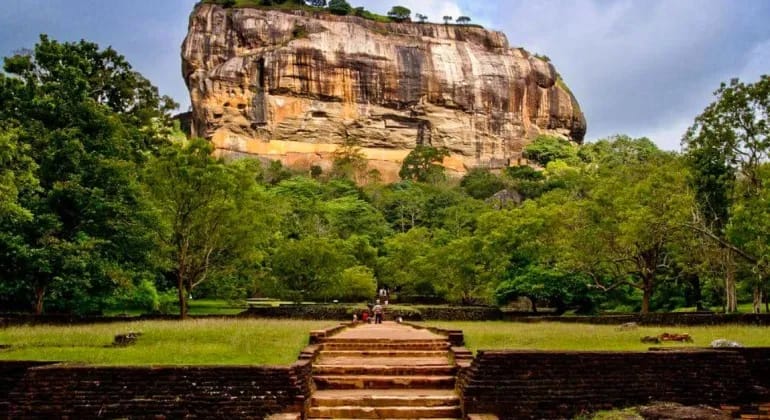
Sigiriya, Sri Lanka, also known as Sigiriya Lion Rock or the Ancient City of Sigiriya , is one of the most remarkable archaeological sites in South Asia. This massive rock fortress, rising about 200 meters above the surrounding plains, contains a 5th-century palace, sophisticated gardens, ancient engineering, magnificent wall paintings, and breathtaking views of the forests of central Sri Lanka. Located near Dambulla in the Matale District of Sri Lanka's Central Province, Sigiriya is a UNESCO World Heritage Site and one of the country's most popular tourist destinations.

This attraction is famous for its extraordinary location: a massive rock formation surrounded by ancient water gardens, defensive walls, moats and archaeological ruins. Visitors follow a historic path through the landscaped courtyard, then climb stairs to the ruins of a towering royal fortress. Along the way, they see the famous Sigiriya frescoes, the Mirror Wall and the huge carved lion paws, which gave the fortress its popular name 'Lion Rock'.

The historical significance of Sigiriya goes far beyond its dramatic exterior. Its surviving structures demonstrate sophisticated principles of urban planning, hydraulic engineering, landscape design, and defensive architecture. The fortress is particularly associated with King Kashyapa I, who ruled from approximately 477 to 495 CE ; although archaeological evidence indicates Buddhist monastic activity in the area before and after his reign.

For tourists exploring Sri Lanka's Cultural Triangle, Sigiriya is an essential destination, along with the ancient archaeological sites of Dambulla Cave Temple , Pidurangala Rock, and Polonnaruwa . These destinations offer a complementary experience of Buddhist heritage, ancient kingdoms, captivating landscapes, and historic architecture.

Location: Sigiriya, Dambulla area, Matale District, Central Province, Sri Lanka. Suggested duration of visit: 3-4 hours for gardens, archaeological sites, summit climb and museum, with additional time for photography and rest. Important: The coordinates provided in this record are taken from a published Google Maps-based georeferenced reference; the formatted Google Maps place URL has not been independently verified as an authoritative share URL by Google. The total number of Google Maps reviews and the management system may vary.


History and significance of UNESCO World Heritage Sites

The story of the Sigiriya Rock Fortress is intertwined with the political history of ancient Sri Lanka. Before its transformation into a royal fortress, the surrounding caves and rock shelters were associated with a Buddhist monastic community. Archaeological evidence suggests that religious activity has been ongoing in parts of the region since the 10th century BC.

King Kassapa and the royal capital

According to Sri Lankan historical accounts, Prince Kashyapa seized the throne during a period of royal conflict in the 5th century. His reign is traditionally dated to 477 to 495 AD. Sigiriya later developed into a fortified royal center with palace structures, landscaped gardens, and well-planned defenses.

The sheer height of the rock gave it a naturally defensive position, while its surrounding gardens and grand entrance created an impressive expression of royal authority. The uppermost levels contained buildings associated with the palace complex, including foundations, water conservancy systems, and structural remains, which can still be seen by visitors today.

Religious landscape from the royal castle

After Kasyapa's death, Sigiriya's role as a royal capital came to an end. The site continued to have religious associations, and in later historical times, Buddhist monastic communities occupied parts of the complex. The fort gradually lost its original political importance, although the site remained prominent in Sri Lankan cultural heritage.

Archaeological rediscovery and preservation

Sigiriya attracted greater international attention in the 19th century as a result of European descriptions. Subsequent archaeological exploration and conservation programs have documented the site's architectural remains, paintings, inscriptions, gardens, and irrigation systems. The site remains a major focus of heritage conservation in Sri Lanka.

UNESCO World Heritage recognition

The ancient city of Sigiriya was inscribed on the UNESCO World Heritage List in 1982. Its cultural value lies in the exceptional combination of architecture, artistic expression, landscape planning and engineering within a historically significant royal complex. The site is internationally recognized as a remarkable example of early urban development and monumental landscape design.

Visitors interested in the archaeological significance of Sigiriya can contact the UNESCO World Heritage Centre (202) and the Central Cultural Fund of Sri Lanka for reliable heritage information.


Main attractions and architectural highlights

Sigiriya is much more than just a climb to the top. Its archaeological site contains interconnected attractions that reveal how the ancient city was planned, populated, and defended. Visiting different parts of it in stages provides a deeper understanding of the fortress and its historical significance.

1. Sigiriya Lion Rock

This massive rock formation is the main attraction of the archaeological site. Rising almost 200 meters above the surrounding terrain, it contains the surviving foundations of an ancient palace. Visitors reach its summit via a combination of stone steps and modern stairs, which provide easy access to the historic structures.

The scenery changes constantly as you climb, taking in the gardens, surrounding forests, farmland, and distant mountains. At the top, the ruins and expansive views together explain why the location was strategically important.

2. Lion's Paw Entrance

One of the most famous features of Sigiriya is the 'Lion's Paw Plaza' , where two large carved lion paws flank the steps leading to the summit. Archaeological interpretation suggests that this gateway was once part of a much larger lion-shaped structure, although the upper parts have not survived.

The surviving ruins are one of Sri Lanka's most photographed archaeological sites and an essential stop on mountaineering trails.

3. The frescoes of Sigiriya

The carved images, preserved in a protected part of the rock, are among the most important artistic treasures of the site. Commonly known as the 'Sigiriya Kumari' , these paintings depict highly decorated female figures and demonstrate the sophisticated techniques of ancient painting.

Scholars have offered various explanations for their identity and symbolism, including depictions of celestial figures and those associated with royal artistic traditions. Visitors can view the surviving paintings from designated viewing areas, but photography of the frescoes is prohibited. Follow all posted conservation instructions.

4. Mirror wall

The Mirror Wall is a historic plastered surface, once polished to make a mirror. It is particularly important for the ancient inscriptions preserved on its surface. Over the centuries, visitors and pilgrims have left poetic lines and impressions here, providing valuable evidence of the public's fascination with the historical language, literature and art of Sigiriya.

The wall is a protected archaeological site. Visitors are not allowed to touch, scratch, mark, or lean on its historic surface.

5. Royal Water Park

The vast water gardens near the western entrance are a testament to the engineering prowess of Sigiriya's ancient planners. Its symmetrical pools, canals, fountains, and landscaped spaces were integrated into a well-thought-out water system.

Some of the ancient fountain systems may still function if there is enough water. These gardens are particularly rewarding for visitors interested in the history of architecture, landscape design, and water management in ancient cities.

6. Boulder Garden and Terraced Garden

The rock gardens incorporate massive natural rock formations with paths, terraces and archaeological structures. Evidence of previous buildings, caves and religious activity can be seen throughout the area. Further up, terraced gardens connect the lower terrain with the elevated citadel.

These sections show how Sigiriya's designers adapted the existing terrain to it, rather than simply replacing it with artificial structures.

7. Ruins of Summit Palace

The uppermost part contains the surviving foundations of palace-related buildings, ancient water tanks, stonework, and other architectural remains. Although the original structures of the palace are no longer intact, their layout helps visitors imagine the grandeur of this fifth-century royal architecture.

The peak also offers a sweeping view of the surrounding countryside. Visitors should stay within the marked area and refrain from climbing on fragile archaeological remains.

8. Sigiriya Archaeological Museum

The Sigiriya Archaeological Museum highlights the history, excavations, artistic heritage, and architectural development of the fortress. Its exhibits provide valuable context before or after the climb, helping visitors understand the significance of the gardens, frescoes, and ancient inscriptions.

Allow approximately 45-60 minutes for the museum, depending on your interest in archaeology and history. Be sure to check its separate opening hours before visiting.


Things to do in Sigiriya

Sigiriya offers a unique blend of historical discovery, scenic walks, photography, and cultural exploration. The following experiences help visitors get the most out of this archaeological site.

  • Climb to the top: Explore the palace grounds by following the historic climbing path and enjoy sweeping panoramic views of central Sri Lanka.
  • Take a photo of the Lion's Paw: Take a photo of this one of the country's most famous ancient architectural monuments from the designated visitor area.
  • Explore the water gardens: observe the layout of ancient ponds, canals, fountains, and well-groomed walkways.
  • Discover ancient paintings: See preserved frescoes and learn about their significance in Sri Lankan art history. Photography is prohibited in the fresco gallery.
  • Study the Mirror Wall: Learn about ancient poetic inscriptions and their importance in historical research.
  • Visit the Archaeological Museum: See exhibits that explain the history, engineering, and archaeological discoveries of the fort.
  • Enjoy taking landscape photos: Take photos of peak ruins, manicured gardens, and remote countryside, subject to permission.
  • Explore local village life: Learn about Sri Lanka's traditional cuisine, agriculture, and rural hospitality through authentic community-based experiences.
  • Travel to Pidurangala with Sigiriya: Visit the nearby Pidurangala Rock to see the Lion Rock formation from a different perspective .

Suggested half-day itinerary

Stage Recommended activities Estimated duration
1 Entrance and water park 30-45 minutes
2 Rock garden and low terrace 20-30 minutes
3 Fresco, mirror wall and lion's paw 30-45 minutes
4 Ultimate climbing and summit exploration 45–75 minutes
5 Genealogy and Archaeological Museum 60-90 minutes

The itinerary is flexible. Visitors who prefer to take photos, enjoy archaeological interpretations, or take frequent breaks should allow extra time. Lines can also reduce the total time, especially during popular tourist periods.


Sigiriya ticket prices, opening hours and entry rules

Sigiriya Rock Fortress is a ticket-based archaeological attraction. Admission fees vary depending on nationality, age, and eligibility for local or regional concessions. The Central Cultural Fund is responsible for ticketing for this heritage site.

Sigiriya entrance fee

Inspectorate Department Estimated entry price Important information
General foreign adult 35 US dollars General full access for tourists
Foreign children aged 6-12 20 US dollars Children's admissions have been reduced.
Children under 6 years old Usually free Subject to current admission policy
Qualified SAARC inspectors, including Bangladeshi nationals Approximately 50% of the applicable standard foreign rate Present a valid passport and confirm eligibility.
Sri Lankan citizen Separate local taxes or applicable discounts A valid Sri Lankan identity card may be required.

Price information: The general price for foreign adults is USD 35 and USD 20 for children as published in October 2026. Prices for foreign tourists are converted into Sri Lankan rupees using the applicable official exchange rate. Regional discounts, local rates and exemptions are governed by the current regulations of the Central Cultural Fund. These figures are approximate and should be verified before payment.

Where to buy tickets to Sigiriya

Visitors can purchase tickets from authorized ticket counters or using the official e-ticketing service of the Central Cultural Fund . In case of online purchase, travelers may be required to show an order receipt or booking number on site to collect the entry ticket. (landing)

Keep your ticket handy throughout your visit, as entry to various parts of the archaeological site may be checked. Avoid unauthorized ticket sellers who promise vague discounts or guaranteed entry.

Opening hours

Google Maps shows the daily opening hours for Sigiriya from 5:00 AM to 6:30 PM . However, published archaeological management information may specify a shorter time for visitors to enter. The Department of Archaeology of Sri Lanka lists the approximate opening hours for the site as 6:30 AM to 5:30 PM, while the Central Cultural Trust ticket counter opening hours are generally published as 7:00 AM to 5:00 PM . There may be additional restrictions on entry to the museum and fresco gallery. For a reliable visit, plan your arrival according to the confirmed opening times of the ticket counters, rather than relying on the general opening hours on Google Maps.

Important entry rules

  • Carry your passport or valid ID with you, especially when claiming SAARC or local entry fee discounts.
  • Use designated paths and stairs.
  • Do not touch frescoes, mirrored walls, or other protected archaeological surfaces.
  • Photography of the Sigiriya frescoes is prohibited; obey all signs and staff instructions.
  • Do not climb on fragile archaeological sites or cross the protective fence.
  • Bring drinking water, as refreshments may not be available throughout the archaeological area with an entrance fee.
  • Wear appropriate and safe shoes for walking on many steps and high stairs.
  • Follow instructions regarding bolts or bolts, which sometimes block access to certain parts of the rock.
  • Keep a close eye on children in high and open areas.
  • Contact the Central Cultural Fund regarding any necessary permits for commercial photography, professional filmmaking, or drone operation.

Best time to visit Sigiriya

Sigiriya welcomes visitors all year round and is suitable for travel in every season due to its archaeological importance. December to April is a popular time for tourists visiting central Sri Lanka, although it is possible to travel well outside these months.

Best time of day

The best time to start your hike is early in the morning, right when the government allows entry . This gives you more time to climb, reduces the chance of encountering large groups of tourists on the narrow stairs, and leaves the rest of the day free to explore the surrounding attractions.

Late afternoons can provide excellent light for photography, but travelers should keep a close eye on ticket sales, last-minute entry instructions, and any restrictions on access to the higher parts of the fort. Arriving late may not leave enough time for the summit and museum.

How long will it take?

Most visitors should allow about 3-4 hours for the core archaeological experience. The visit can be completed more quickly by focusing on a specific topic, but history buffs, photographers, and visitors who need frequent breaks can take 4-5 hours.

For a relaxed Cultural Triangle travel plan, spending at least one night in Sigiriya or Dambulla makes it easier to visit Lion Rock on the same day from Colombo without the long journey.


How to reach

Sigiriya is located in the Matale District of the Central Province of Sri Lanka, near the town of Dambulla. Depending on the starting point and route chosen, this attraction is approximately 170–180 kilometres by road from Colombo. Dambulla, located about 20–25 kilometres along the usual tourist route, is a major road-transport hub, while Habarana, located about 15–20 kilometres away, offers convenient rail connections.

International visitors from Bangladesh should be aware that Sigiriya is located in Sri Lanka, not Bangladesh. Therefore, traveling from Dhaka requires an international journey, which usually includes a flight to Sri Lanka and then a transfer by road or rail.

1. By air from Dhaka, Bangladesh

  1. Travel from Dhaka city to Hazrat Shahjalal International Airport.
  2. Book a flight from Dhaka to Colombo's nearby Bandaranaike International Airport. Depending on the airline and travel date, the route may be non-stop or may require a connection.
  3. Upon arrival in Sri Lanka, complete immigration and necessary entry formalities.
  4. Continue your journey to Sigiriya by pre-arranged car, hired driver, bus, or a combination of rail and local road transport.
  5. Arrive at Sigiriya village or your accommodation before heading to the archaeological entrance and ticket counter.

Flight schedules, airfares, visa requirements and entry permits are subject to change. Bangladeshi passport holders should check Sri Lanka's current immigration regulations and airline documentation requirements before travelling. The nearest major international arrival airport is Bandaranaike International Airport, not the smaller domestic airport at Sigiriya.

2. By private vehicle from Colombo or Bandaranaike International Airport

For international visitors, private cars with drivers are one of the easiest options. The journey generally follows the main highway network towards Kurunegala, Dambulla and Sigiriya, although the exact route depends on the destination and traffic congestion.

Estimated travel time: Approximately 4-5 hours from Colombo or the international airport under normal circumstances. Possible fare: Approximately USD 70-120 or more per vehicle for a private transfer, depending on the size of the vehicle, route, date, waiting time, and whether the trip is one-way or round-trip. Obtain a written price list before you begin your journey and confirm tolls, parking, and driver charges.

3. By bus from Colombo

  1. Start from the main long-distance bus departure area in Colombo, usually Petta or Central Bus Stand.
  2. Find a suitable service that stops in Dambulla, or for a destination to the north or east.
  3. Get off at Dambulla bus station.
  4. Hop on a local bus heading to Sigiriya or hire a tuk-tuk for the final journey.
  5. Proceed from Sigiriya village to the designated archaeological entrance.

Estimated Journey Time: Depending on connections, approximately 5-7 hours in total. Estimated Transport Budget: Allow approximately 1,000-2,500 Sri Lankan Rupees for the main intercity bus journey, plus additional local transport costs. These are estimates for planning purposes, not actual fares verified by the operator. Please check the actual bus fare and departure times locally.

4. By train from Colombo

There is no railway station at the rock fortress of Sigiriya. Instead, travelers can use a convenient train service connecting Colombo Fort and Habarana Railway Stations, subject to the current Sri Lanka Railways timetable.

  1. Start from Colombo Fort Railway Station.
  2. Select a train that stops at Habarana station and check the current schedule and available seat classes.
  3. Get down at Habrana Railway Station.
  4. Hire a tuktuk, taxi or private car for the rest of the road trip to Sigiriya.
  5. Ask the driver to use the designated visitor entrance to Sigiriya Rock Fortress instead of sending you to a normal village.

Estimated total duration: Approximately 5-7 hours or more, depending on train availability and transfers. Estimated local travel costs: Approximately 1,500-3,000 Sri Lankan rupees for a tuk-tuk from Habarana, which may vary depending on the pickup point and travel conditions. Confirm train fares and schedules directly with Sri Lanka Railways.

5. From Dambulla, the main local transport hub

Dambulla is one of the most convenient starting points for a trip to Sigiriya and has regular connections to other parts of Sri Lanka. The road to the fort passes through rural landscapes and small settlements.

  • By local bus: Take a bus from Dambulla to Sigiriya. The Sri Lanka Tourism Department has announced a bus service that runs approximately every 30 minutes during the day, although the actual departure time should be confirmed. It can take approximately 30-60 minutes depending on the stops and connections.
  • Tuk-tuk: Hire a three-wheeler to go directly to Sigiriya. The Sri Lanka Tourism Department previously set the fare for this journey at 800–1,000 Sri Lankan rupees; it may be wise to have a flexible budget of approximately 1,000–2,500 Sri Lankan rupees until current fares are negotiated.
  • By private car: The journey may take approximately 30-45 minutes depending on the starting point and traffic. Please be aware of parking and waiting charges.

6. From Matale, District Headquarters

Matale town is the administrative headquarters of Matale District. Travelers can reach it by road, heading north towards Dambulla and then continuing to Sigiriya.

  1. Start from Matale town or the main bus stand.
  2. Travel to Dambulla using appropriate public transport buses or private vehicles.
  3. Take a local bus to Sigiriya in Dambulla or hire a tuk-tuk.
  4. Proceed through the village of Sigiriya to the main archaeological visitor area.

Approximate route: Public transport can take between 1.5 and 2.5 hours, depending on the number of transfers. It is possible to get there faster by private vehicle. Public transport bus fares are generally affordable, but it is best to check locally rather than guessing the exact fare for a specific route.

7. From Candy

Kandy is another popular starting point for a trip to Sigiriya. Travelers can arrange local transportation to the next destination using buses heading to Dambulla, or hire a private driver for the entire journey. The journey takes about 2-3 hours by private road and longer using public transport. A return trip is possible in one day, but an overnight stay is more convenient.

8. Local transportation and vehicle rental

Tuk-tuks are widely used for short-distance travel between Sigiriya village, hotels, the archaeological entrance, and Pidurangala. For short-distance local travel, visitors can budget approximately 500–1,500 Sri Lankan rupees, depending on distance and bargaining. Bicycle rentals are also available through guesthouses, with daily rates of around 1,000–2,500 Sri Lankan rupees. These figures are approximate allowances, not directly verified fares.

Private cars with drivers are convenient for traveling to Sigiriya, Dambulla, Polonnaruwa, and other destinations in the Cultural Triangle. Before booking, make sure to check the itinerary, duration, vehicle type, parking fees, and any other additional costs.

Nearby attractions for directions

  • Sigiriya Lion Rock and Main Archaeological Ticket Counter
  • Sigiriya Archaeological Museum
  • Sigiriya Village and Sigiriya Road Approach
  • Pidurangala Rock and Pidurangala Royal Cave Temple
  • Dambulla town and Dambulla bus station
  • Habrana Railway Station

Directions: When asking for directions, use the specific attraction name Sigiriya Rock Fortress or Sigiriya Lion Rock . The village, archaeological entrance, peak and domestic airport are different locations. Allow extra time for parking, ticketing and walking from the arrivals area.

Sigiriya, Sri Lanka

GPS: 7.9578082, 80.7601958
Get Directions

Where to eat

The Sigiriya area has developed an interesting dining culture, with village restaurants, family kitchens, vegetarian cafes and hotel dining rooms serving Sri Lankan and international cuisine. It is most convenient to arrange meals in Sigiriya village or at your accommodation before or after visiting the archaeological site.

Local Sri Lankan food worth trying

  • Rice and Curry: A traditional meal consisting of rice, vegetable curry, dal, sambal, and, if available, meat or fish of your choice.
  • Kottu Roti: A popular Sri Lankan dish, made with sliced ​​bread, vegetables, spices, and optionally eggs or meat.
  • Hoppers: Bowl-shaped rice flour pancakes that are often served with eggs, coconut sambal, or savory accompaniments.
  • String Hoppers: Steamed rice flour noodles that are usually served with curry and coconut sambal.
  • Pol Sambal: A traditional coconut-based condiment enjoyed with many Sri Lankan dishes.
  • Fresh tropical fruits: seasonal pineapple, papaya, bananas, and other locally sourced fruits.

Restaurants and eateries

Sigiriya Village: The main road and surrounding guesthouse areas have convenient food options of average quality. Small restaurants are especially suitable for travelers looking for rice and curry, fruit juices, and affordable local food.

Soul Food: A recognized vegetarian eatery in Sigiriya, it is an alternative for visitors who prefer plant-based cuisine. Check current opening hours and menu availability before you go.

Hotel Restaurants: Hotels in Sigiriya and other established accommodation establishments provide convenient dining facilities for guests and, depending on the policy, also cater to outside guests. Hotel dining facilities can be quite beneficial for families or tourists returning from a long trek.

Dambulla: Travelers who use Dambulla as a transportation hub will find more restaurants, bakeries, and local food shops around the city center.

Food budget

Food type Estimated budget per person
Typical local food LKR 800–1,500
Typical tourist restaurant LKR 1,500–3,000
Hotel restaurant food LKR 3,000–6,000 or more
Fresh fruit juice or cafe drinks LKR 400–1,200

These are approximate food budgets, not guaranteed restaurant menu prices. Taxes, service charges, and seasonal changes may affect the total bill. Bring enough drinking water for your visit to the fort and avoid relying on refreshments on the way to the summit.


Where to stay?

Accommodation near Sigiriya ranges from budget family guesthouses to boutique hotels, nature lodges, and established resorts. Choosing the right place can significantly enhance the experience, especially for travelers planning to visit the archaeological site early in the morning.

Staying in Sigiriya village

For travelers whose main goal is Lion Rock, Sigiriya village is the most convenient base. There are many guesthouses and small hotels within a short tuk-tuk ride from the archaeological entrance. Being close by, visitors can start their journey in the morning without the hassle of a long road trip.

Family-run accommodations often include homemade Sri Lankan breakfasts, local travel advice, and help with arranging tuktuks or day trips. Make sure to check if breakfast can be served before your planned departure time.

Staying in Dambulla

For travelers who rely on public transportation buses or (dambulla cave temple) are planning to visit both Sigiriya and Dambulla Cave Temples, Dambulla is a convenient location. The town offers a variety of transportation options, shops, and daily services.

The main drawback is the extra morning commute to Sigiriya. Travelers planning to climb early in the morning should arrange transportation in advance.

Staying in Habarana

Habarana is a convenient base for those arriving by train or planning a trip to the larger Cultural Triangle. Its location is ideal for exploring Sigiriya, Pidurangala and the wildlife sanctuaries. Accommodation options range from small hotels, guesthouses and large nature-focused resorts.

Housing examples

  • Hotel Sigiriya: A well-established hotel located near the fortress area, popular with travelers for its comfortable amenities and easy access to Lion Rock.
  • Eco Sigiriya: A hotel option located close to the main tourist area of ​​Sigiriya, suitable for guests who prioritize access to the archaeological complex.
  • Sigiriya Jungles Resort & Spa: An accommodation option located in the greater Sigiriya area, offering resort-style amenities.
  • Local homestays and guesthouses: Often suitable for budget travelers, independent tourists, and those who want to get to know village life more personally.

Estimated accommodation budget

Housing Department Estimated budget per night
Budget guesthouse or homestay US$15–35
Comfortable mid-range hotel US$35–90
Upper-mid-range resort 90-160 USD
Luxury accommodation 160 USD and above

Accommodation prices are an estimate only and vary depending on dates, room capacity, taxes, meal plans, and hotel policies. Compare total prices instead of the original advertised price.

Booking tip: Prioritize accommodations that have reliable transportation, reviews from recent guests, clear cancellation policies, and a convenient location for your itinerary. A two-night stay will give you enough time to visit Sigiriya, Pidurangala, and Dambulla without rushing through each tour.


Travel tips, safety and accessibility

Sigiriya is a wonderful destination, but its high location and historic steps require preparation. Good planning is especially important for families, older travelers, and those with mobility limitations.

Difficulty of climbing

There are approximately 1,200 steps to the summit , including steep and relatively narrow sections. Some of the modern stairs are set into the rock and can be quite precarious. There is no public elevator to the summit.

The entire climb may not be suitable for travelers with significant mobility limitations, severe difficulty climbing stairs, or a fear of heights. However, the archaeological park and museum below can provide a meaningful historical experience. Contact the site authorities for current accessibility measures.

What to take with you

  • Comfortable walking shoes with reliable grip
  • Sufficient drinking water for the visit
  • Hat and appropriate sunscreen
  • Valid passport or ID card for ticket discounts
  • Phone or camera for taking approved photos
  • Small backpack for essentials
  • Any personal medication usually needed during physical activity
  • Cash payments in Sri Lankan rupees are required for small purchases and local transportation.

Wildlife and environmental awareness

Monkeys may be seen around the archaeological site. Avoid feeding or approaching wildlife and keep food well-maintained. There may be occasional ants or wasps near some of the rocks, so follow posted warnings and instructions from archaeological staff.

Respect for traditional places

Sigiriya is an internationally important cultural property. Do not remove stones, damage plaster, write on historical surfaces or enter protected archaeological areas. Dispose of trash responsibly and follow the instructions provided to protect fragile heritage.

Traveling with children

Families should assess whether children are capable of climbing up and down stairs for long periods of time. Hold small children's hands on open stairs, keep a close eye on them, and allow them to take frequent breaks. Not all areas are suitable for prams or strollers.

Spending plan

International visitors should budget separately for entrance fees to archaeological sites, transportation, accommodation, meals, guides, and optional nearby site visits. When calculating the cost of traveling to Sigiriya from Bangladesh, include airfare, entry-related paperwork, airport transfers, and currency exchange costs.


Nearby attractions

Sigiriya is an excellent base for exploring several major attractions in the Matale district and its surrounding areas and the greater Cultural Triangle of central Sri Lanka. A rich two or three-day itinerary can be created by combining the following destinations with this fort.

1. Pidurangala Rock

Approximate distance: 3–5 km from the main tourist area of ​​Sigiriya by local road, depending on the route.

Pidurangala Rock is famous for its expansive views of the Sigiriya Lion Rock towering above the surrounding jungle. The climb involves rocky paths and some climbing near the summit. Its historic Buddhist temple adds cultural charm to the experience. Visitors should dress modestly when passing through the religious area.

2. Dambulla Cave Temple

Approximate distance by road : 20-25 kilometers.

Dambulla Cave Temples , also known as the Golden Temple of Dambulla or the Rangiri Dambulla Cave Temples, is another UNESCO World Heritage Site. Its extraordinary cave temples contain extensive Buddhist paintings and numerous Buddha statues. The temple is a natural cultural complement to Sigiriya.

3. Golden Temple of Dambulla

Approximate distance by road : 20-25 kilometers.

The golden temple of dambulla is part of the larger Dambulla religious complex and is known for its prominent Buddha image. It is a popular attraction for visitors exploring Buddhist heritage in Matale District.

4. Kandalama Lake

Approximate distance: 15–25 kilometers, depending on perspective and road type.

Kandalama Lake is a reservoir surrounded by vegetation, scenic viewpoints, and rural landscapes. It provides a peaceful contrast to the fort and can be included in a leisurely tour of the Dambulla area.

5. Nalanda Gedige

Approximate distance: 40-50 kilometers by road, depending on the route.

Nalanda Gedige is a historic stone temple in Matale District, notable for its unique architectural style and blend of artistic influences. The site provides an additional perspective on the complex religious and architectural history of Sri Lanka.

6. Minneriya National Park

Approximate distance: 25–35 kilometers to the entrances commonly used for visitors, depending on the route.

Minneriya National Park is a major wildlife destination in the neighboring Polonnaruwa district, known especially for elephant sightings and seasonal elephant gatherings. Safaris are subject to wildlife movements, park access, and conservation regulations. Choose a licensed operator and follow the guidelines for responsible wildlife viewing.

7. Ancient city of Polonnaruwa

Approximate distance by road : 55–65 kilometers.

A UNESCO World Heritage Site, the ancient city of Polonnaruwa contains the colossal Buddhist sculptures, palace ruins, reservoirs, and archaeological sites of one of Sri Lanka's historic capitals. It is located in the Polonnaruwa district and is best visited as a separate half-day or full-day excursion.

Suggested two-day itinerary

Day 1: Visit Sigiriya Rock Fortress, Royal Gardens, Lion's Paw, Frescoes and Archaeological Museum. Afternoon explore Sigiriya village or relax at your accommodation.

Day 2: Morning visit to Pidurangala Rock, followed by Dambulla Cave Temple and Golden Temple Complex. If there is extra time, travelers can extend their trip to Minneriya National Park or Polonnaruwa.

These nearby destinations make Sigiriya one of the most convenient starting points for enjoying Sri Lanka's archaeological heritage, rural landscapes, historical Buddhist sites, and wildlife attractions. Distances are not direct geographical measurements, but rather road-planning approximations, and suggested internal links assume that the corresponding destination pages exist on ColoZai.com.

Frequently Asked Questions (FAQ)

Sigiriya is located in the Matale District of the Madhya Pradesh region of Sri Lanka, near the town of Dambulla. Depending on the route, this archaeological site is approximately 170–180 kilometres by road from Colombo. Dambulla is a convenient regional transport hub, while Habarana has the necessary rail connections. Sigiriya is part of Sri Lanka's famous Cultural Triangle and is internationally recognized for its ancient rock fortresses and archaeological landscapes.

logo ColoZai

ColoZai is a trusted travel guide and destination explorer platform in Bangladesh. We are making travel simple, authentic, and accessible for everyone.

Need Help ?

We are Always here for you! Knock us on Whatsapp (10AM - 10PM) or Email us.