Doha Qatar Travel Guide

Doha Qatar Travel Guide

Doha
·

23 September 2026

Travel Overview & Quick Facts

Directions
Location
Doha
Admission / Entry Fee
Doha is a city, not a ticketed attraction, so there is no general admission fee. Visitors can explore the Doha Corniche, Souq Waqif, the public waterfront area, and many outdoor attractions for free. Some museums, guided tours, boat trips, and entertainment centers require separate tickets. For example, the general admission price for adults at the Museum of Islamic Art is 100 Qatari Riyals, while children 16 and under and eligible Qatari and GCC residents can enter for free. A typical ride on the Doha Metro costs around 2 Qatari Riyals per trip, with a maximum daily fare of 6 Qatari Riyals, excluding the cost of purchasing an initial travel card. Be sure to check the prices of each attraction before you travel.
Best Time to Visit
Open all year round, but November to March is best.
Opening Hours
Open 24 hours
Category / Type
Cultural and Heritage Destinations, City Tours, Luxury and Family Travel, Architectural and Coastal Tourism

Introduction to Doha Qatar Travel Guide

Doha, Qatar is a captivating destination on the Arabian Gulf, where centuries-old commercial heritage blends with ambitious contemporary architecture, world-class museums, luxurious hospitality and vibrant waterfront areas. As the capital and main tourist destination of Qatar, Doha offers a unique blend of cultural heritage, modern urban attractions, traditional souks, international cuisine and memorable desert experiences.

From the charming alleys of Souq Waqif to the glass minarets overlooking the Doha Corniche , the city captivates tourists who appreciate both history and innovation. Travelers can learn about Qatar's traditional customs, explore internationally acclaimed art museums, sample authentic Middle Eastern cuisine, photograph stunning architecture, and experience the country's renowned hospitality.

Doha attracted widespread international attention during the 2022 FIFA World Cup , which spurred the development of its transportation system, hotels, entertainment venues, and public spaces. Today, its efficient metro system, expanding cultural institutions, and extensive visitor facilities make it an attractive destination for families, couples, solo travelers, and business visitors.

The city also serves as a convenient gateway to Qatar's wide range of attractions, including dramatic desert landscapes, inland waterways, coastal resorts, and historical sites. Whether it's a short airport layover or a longer vacation, travelers will find enough variety to create an itinerary to suit almost any travel style.

Location: Doha Municipality, eastern Qatar, Arabian Gulf. Currency: Qatari Riyal (QAR). Official language: Arabic, but English is widely used in the tourism and hospitality sectors. Time zone: Arab Standard Time (UTC+3). Recommended length of stay: Three to five days to make the first trip worthwhile.


History and cultural significance of Doha

The transformation of Doha from a coastal settlement to a thriving international capital is a reflection of Qatar's remarkable economic and cultural development. Before the discovery and widespread exploitation of petroleum resources, the local economy was primarily based on fishing, maritime trade, and pearling.

The settlement developed along the eastern coast of the Qatar Peninsula, where proximity to protected waters supported a fishing community and commercial activity. In the 19th and early 20th centuries, pearling played an important role in local livelihoods, connecting Doha's merchants and seafarers to extensive trade networks across the Persian Gulf and Indian Ocean.

The decline of the natural pearl trade, due to the advent of cultured pearls and economic turmoil, created major obstacles. Later, Qatar's oil and natural gas development enabled massive investment in education, healthcare, infrastructure, public transport, and cultural institutions.

Qatar gained independence in 1971, and Doha became the country's political, administrative, and economic center. The historic commercial areas gradually expanded into a modern metropolis, characterized by striking architecture, well-planned areas, and major cultural centers.

Despite extensive modernization, elements of Doha's traditional identity are still visible in its restored souks, architectural details, museums, dhows, and cultural celebrations. This blend of tradition and contemporary life makes Doha particularly attractive to travelers who want to delve deeper into the history of the Arabian Gulf.

What makes Doha culturally distinct?

  • Maritime Heritage: Traditional wooden dhow boats and a history of pearling are at the heart of the city's identity.
  • Islamic architecture: Mosques, museums, and cultural buildings combine geometric designs, courtyards, and regional architectural traditions.
  • Traditional Market: Souq Waqif maintains the atmosphere of historic commercial life through restored alleys and specialized shops.
  • International cultural institutions: Major museums highlight Islamic civilization, regional history, and contemporary artistic expression.
  • Multicultural community: Doha's international community contributes to the diverse food, retail, and hospitality experiences here.

Best places to visit and things to do in Doha

Doha has an impressive mix of attractions, from heritage sites and museums to parks, waterways, and modern entertainment venues. The following destinations provide an excellent base for a first-time traveler's itinerary.

1. Souq Waqif: Experience Qatar's traditional market culture

Souq Waqif is one of Doha's most well-known cultural landmarks. Its winding pedestrian streets, traditional architecture, spice shops, textile merchants, and lively restaurants evoke the character of a historic Arabian market.

Visitors can browse perfumes, incense, handicrafts, clothing, decorations and souvenirs. The nearby Falcon Souk offers an insight into falconry, a long-standing tradition of Qatari culture. The restaurants and cafes come alive in the evening, creating a pleasant atmosphere for leisurely strolling.

Recommended experience: Come in the late afternoon, explore the market on foot, and have dinner. General admission is free, but each shop and restaurant has its own schedule.

2. Doha Corniche: The city's iconic waterfront

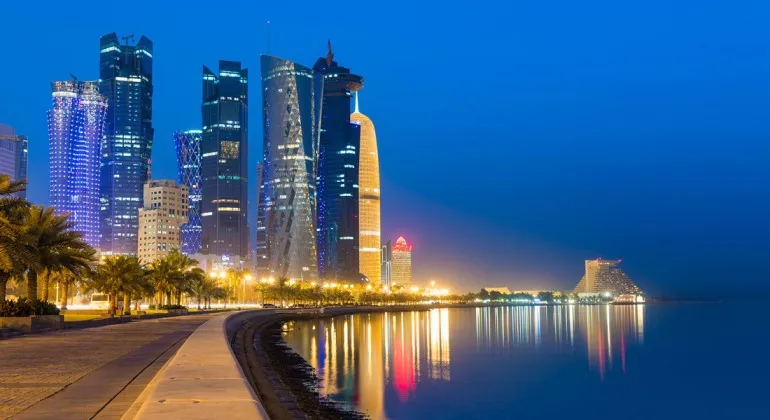
The Doha Corniche is a nearly seven-kilometer-long waterfront promenade that encircles Doha Bay, offering panoramic views of the West Bay skyline, landscaped open spaces, and traditional boats anchored on the shore.

Walking along the Corniche is one of the best free things to do in Doha. Travelers can take photos of the city skyline, watch boats crossing the bay, and enjoy the surrounding parks and attractions.

Recommended experience: Arrive before sunset and walk until dusk, when the illuminated skyscrapers create a dramatic cityscape.

3. Museum of Islamic Art: Explore hundreds of years of artistic heritage

The Museum of Islamic Art is housed in a magnificent waterfront building designed by internationally acclaimed architect I.M. Pei. Its collection represents nearly 1,400 years of artistic heritage from various regions of the Islamic world.

The exhibits include pottery, manuscripts, textiles, jewelry, metalwork, and other objects of historical significance. Visitors can also enjoy MIA Park, an attractive open space with beautiful views of the surrounding waterfront.

Visitor tip: Allow two to three hours for the gallery and its surrounding grounds. The museum has ticketing policies and is closed on certain days each week; check the latest policies before visiting.

4. National Museum of Qatar: Learn about the nation's history

Designed by architect Jean Nouvel, the National Museum of Qatar is famous for its interlocking disc-shaped architecture inspired by the structure of the desert rose. The museum features a fascinating mix of exhibitions, archaeological finds, multimedia installations, and historical collections.

Its galleries depict Qatar's natural environment, early settlements, maritime lifestyle, historical development, and contemporary transformation. The museum complex includes the historic palace of Sheikh Abdullah bin Jassim Al Thani.

Suggested Experience: Allow two to three hours to explore the exterior architecture as well as the interior exhibits.

5. Katara Cultural Village: Art, Architecture and Entertainment

Katara Cultural Village is a major cultural area, featuring galleries, venues, restaurants, open spaces and distinctive architectural features. Its amphitheater, ornate mosque design and waterfront location make it a popular destination for photography and leisurely strolls.

The district hosts art exhibitions, cultural festivals, and various events throughout the year. Visitors can also explore nearby dining options and certain beach areas, where some recreational services may require payment.

6. The Pearl-Qatar: Luxurious waterfront living

The Pearl-Qatar is an artificial island development project, known for its marina, residential towers, upscale shopping destinations, and waterfront restaurants. Porto Arabia features an attractive marina promenade, while the Qanat Quarter features colorful buildings and Venetian-inspired canals.

This area is especially suitable for couples, photography enthusiasts, and tourists who want to enjoy a meal in a sophisticated café or a relaxing setting by the river. No entrance ticket is usually required to walk through its public areas.

7. Moshaireb Downtown Doha: Modern Urban Planning

Mashreb Downtown Doha combines contemporary urban planning with architectural elements inspired by Qatar's traditional neighborhoods. The area emphasizes pedestrian-friendly streets, open spaces, cultural activities, and connected transportation.

The Mushaireb Museums highlight various aspects of Qatar's social history, including family life, the development of the nation, and historical experiences related to the region. Visitors can also use the free Mushaireb Tram to explore the district.

8. Qatar National Library: An Architectural Landmark

Located in Education City , the Qatar National Library is a striking government institution, recognized for its dramatic interior design, vast text collection, and heritage materials. The building is a worthwhile destination for architecture lovers, researchers, and families.

Admission is free for general visitors, but specific exhibits, activities, and admission arrangements may vary.

9. Aspire Park and Villagio Mall

The Aspire Zone at Aspire Park features expansive green spaces, walking trails, and family entertainment spaces. The nearby Villaggio Mall is known for its lavish Italian-inspired interiors, shopping outlets, and entertainment facilities.

This combination is especially effective for travelers who want to spend a quiet day away from the traditional areas.

10. Traditional Dhow Boating in Doha Bay

Traditional wooden boats offer memorable views of Doha's waterfront and distinctive skyline. Sightseeing cruises usually depart from designated areas along the Corniche, with options ranging from short-distance shared trips to private charters.

Before booking, make sure to check the route, duration of the journey, passenger capacity, safety measures, and whether refreshments are included. Prices vary depending on the operator, group size, and services provided.

Best time to visit Doha, Qatar

Doha welcomes tourists all year round, although the months of November to March are particularly popular for city tours, dining out, riverside walks, and trips outside the capital.

During these months, visitors can spend more time exploring public spaces, historic areas, and attractions such as the Doha Corniche, Souq Waqif, and Katara Cultural Village. October and April are also ideal for travelers who plan a mix of indoor and outdoor activities.

Summary of seasonal travel

Duration Travel experience Recommended activities
November to March Popular major tourist attractions travel season Walking tours, traditional markets, visiting the Corniche, dining out and desert tours
April to May Perfect for a mix of indoor attractions and selected outdoor activities. Visit museums, shopping centers, cultural areas, and evening sightseeing
June to September Domestic travel is usually more realistic. Museums, galleries, shopping, family entertainment and hotel experiences
October A useful preparation for entering the main outdoor tourism season. Waterfront attractions, markets, cultural tours and city photography

Best time of day: Early morning is great for taking architectural photos and visiting relatively quieter crowded areas. Late afternoon and evening are especially attractive for the Corniche, Souq Waqif, Katara, and riverside restaurants.

Travel Planning Tips: Ramadan, Eid celebrations, major sporting events, and international conferences can affect sightseeing schedules, restaurant hours, hotel demand, and transportation. Check the calendar before finalizing your itinerary.


Ticket prices, admission prices and visitor information

There is no entry fee to the city of Doha. Travelers can freely enter the city and enjoy various attractions, subject to meeting Qatar's immigration requirements. However, entrance fees may apply to individual museums, beaches, entertainment centers, travel and personal service centers.

Estimated attraction and transportation costs

Attraction or activity Entrance fee or estimated cost Visitor information
Doha Corniche Free Public waterfront promenade
Souq Waqif Free Shopping, eating and drinking, and other services incur additional costs.
Katara Cultural Village Entry is free for the general public. Some exhibits, events, and beach activities may require an admission fee.
Pearl-Qatar Public areas are free to explore. Restaurants, shopping, and personal amenities are charged separately.
Museum of Islamic Art General admission for adults is 100 Qatari Riyals. Children 16 and under and eligible local residents receive free admission; check current terms and conditions.
Qatar National Library Free general admission Visitor and exhibition entry fees may apply.
Doha Metro Approximate fare for a normal journey is 2 Qatari Riyals; maximum daily fare is 6 Qatari Riyals. Initial travel card purchase is additional.
Sightseeing tour on a traditional dhow boat Usually around 20-100 Qatari Rials or more per person. This is an operator-dependent indicative range, not a verified fixed tariff.
Guided Desert Safari Usually around 150-400 Qatari Riyals or more per person. Estimated price range for shared tours; private tours can cost considerably more.

Important: Museum ticket prices, discounts and exhibition access are subject to change. Please review official announcements via (intl en)the Qatar Museums and Visit Qatar tourism websites before purchasing tickets.

General guidelines for visitors

  • Clothing: Dress modestly in public. In traditional areas and cultural institutions, it is generally advisable to wear clothing that covers the shoulders and knees.
  • Religious sites: Follow the rules and specific clothing restrictions set for visitors.
  • Photography: Avoid taking photos of people without permission, especially in sensitive cultural situations. Follow restrictions in government institutions and other protected areas.
  • Public Conduct: Follow local laws regarding alcohol, public behavior, and prohibited substances.
  • Payment: Credit and debit cards are widely accepted, although it is convenient to carry some Qatari riyals for small purchases.
  • Family Travel: Many public spaces and cultural attractions are suitable for families, but age restrictions may apply to certain activities.

Travelers should keep in mind that having 24-hour access to a city does not mean that every business, museum, or public transportation service is open 24/7.


How to reach

Doha is Qatar's main international transport hub and is most easily accessible by air from Bangladesh and other overseas destinations. Within the city, visitors can choose from metro trains, public buses, taxis, ride-hailing services, and rental cars.

Step 1: Travel by plane from Dhaka, Bangladesh to Doha

Passengers who will start their journey from Dhaka will have to depart from Hazrat Shahjalal International Airport (DAC) and proceed to Hamad International Airport (DOH) in Doha.

Direct flights may be available via other airlines, including Qatar Airways and Biman Bangladesh Airlines, operating on the Dhaka-Doha route, subject to current schedules. Connecting services may also be available via other international hubs.

  • Departure Airport: Hazrat Shahjalal International Airport, Dhaka.
  • Arrival airport: Hamad International Airport, Doha.
  • Typical non-stop flight duration: approximately five to six hours, depending on the scheduled service.
  • Estimated airfare: Economy return ticket prices can range from around 45,000 to 110,000 taka or even more, depending on availability, travel dates, booking conditions and baggage allowance. This is a tentative estimate, not a final airfare.
  • Booking advice: Compare non-stop and connecting routes, check transit requirements, and confirm baggage allowance before paying.

Step 2: Arrive at Dhaka Airport from Central Dhaka

From central Dhaka, passengers can reach Hazrat Shahjalal International Airport by car, taxi, airport shuttle or suitable local transport. Journey times vary significantly depending on the departure point and traffic conditions.

Please allow sufficient time for travel and arrive according to your airline's international check-in recommendations. Passengers arriving from other district headquarters in Bangladesh can first arrive in Dhaka by domestic flight, intercity bus or train, then use appropriate road routes to reach the airport.

Step 3: Arrive in central Doha from Hamad International Airport

Hamad International Airport is located southeast of Doha city center and is connected to the city by a modern transportation infrastructure. The most convenient options for this are the Doha Metro, licensed taxis, ride-hailing services, and pre-arranged hotel transfers.

Option A: Doha Metro

Inside the airport, follow the signs to Hamad International Airport T1 Metro Station . Take the Red Line to central Doha. Passengers who wish to travel to Souq Waqif or the historic city center can change trains at Mushaireb Station for the Gold Line and travel to Souq Waqif Station.

  • Metro fare: Approximately 2 Qatari riyals per normal ride, and the maximum daily fare is 6 Qatari riyals.
  • Travel Card: A suitable ticket or travel card is required and may incur an initial purchase price.
  • Travel time: It usually takes about 25–40 minutes to reach the central destination, depending on different transportation systems and walking distance.
  • Best for: Budget travelers, solo travelers, and travelers with little luggage.

The Red, Green and Gold lines meet at Mashreq, a particularly convenient junction for first-time visitors. Check the official Qatar Rail website for current routes and service schedules. (www.qr.com.qa)

Option B: Hire a taxi or ride-hailing service

Official Karwa taxis operate from the airport's designated transportation area. Airport pickup arrangements and app-based services are also available, subject to service availability.

The cost of a trip from Doha Central Airport can range from approximately QAR 40-80 depending on destination, time, traffic, applicable surcharges and vehicle type . This is an approximate budget range, not a guaranteed fare.

Passengers with a lot of luggage, small children, or those arriving late at night may find door-to-door transportation more convenient than using the metro.

Option C: Hotel transfer or private vehicle

Many hotels can arrange airport transfers. Confirm pickup locations, vehicle capacity, luggage allowance, and total cost before arriving. Car rental desks and advance booking providers also operate at the airport.

By bus and local public transport

Doha's public transport bus network is operated by Mowasalat under the 'Karwa' brand. These routes connect major residential, commercial and transport areas, and Metrolink feeder buses complement the Doha Metro network.

Visitors can use the Karwa Journey Planner to identify suitable routes, stops and transfer options . Bus fares vary depending on the service and payment system; check the latest tariff rather than relying on a fixed fare.

By train

There is no international passenger rail connection between Dhaka and Doha. Upon entering Qatar, travelers can use the Doha Metro to reach many of the city's major districts and the Lusail Tram for further northern destinations.

By road from other parts of Qatar

Visitors already in Qatar can reach Doha by taxi, rental car or public bus from nearby destinations such as Al Wakrah, Lusail and Al Rayyan. Journey times depend on the starting point, route chosen and traffic.

International land entry into Qatar is possible via the Abu Samra border crossing with Saudi Arabia, subject to applicable immigration, vehicle and insurance requirements. This is not a practical direct land route from Bangladesh.

Transportation and vehicle rental in Doha

  • Doha Metro: Best for connecting major districts and reducing daily commute costs.
  • Karwa Bus: Useful for places outside of a convenient walking distance from the metro.
  • Taxi and ride-hailing: Convenient for sightseeing and commuting away from the train station.
  • Rental cars: Small economy cars can cost around QAR 80-180 or more per day, depending on insurance, car type and service provider. Compare current offers and terms of guarantee.
  • Walking distance: Convenient to areas like Souq Waqif, Mushaireb Downtown, parts of the Corniche, and parts of The Pearl-Qatar.

Helpful signs for directions

To explore central Doha, use the Souq Waqif Metro Station, Mushaireb Station, Doha Corniche, Museum of Islamic Art, and National Museum of Qatar as convenient landmarks. These locations connect many popular tourist itineraries.

Visa requirements for Bangladeshi travelers

Bangladeshi ordinary passport holders are required to arrange for appropriate entry permits before travelling to Qatar. According to Qatar's official tourism information, Haya platform is mentioned as the application medium for eligible tourist visa categories and the Qatar Embassy in Dhaka advises ordinary Bangladeshi passport holders to obtain visas before travelling.

Use the official Visit Qatar Visa Checker (visas) , Qatar Ministry of Interior or the Qatar Embassy in Dhaka (home) to verify your exact eligibility, passport validity requirements, residence documents, insurance obligations and visa conditions. Do not assume that you are eligible for visa-free entry or visa on arrival.

Doha Qatar Travel Guide

GPS: 25.3038418, 51.5190592
Get Directions

Suggested itinerary for a trip to Doha

A well-organized itinerary helps tourists enjoy Doha's cultural heritage, modern areas, and waterfront attractions without unnecessary travel to remote areas.

Day 1: Historic Doha and the Waterways

  • Morning: Start the day by learning about the country's history and culture at the National Museum of Qatar.
  • Afternoon: Explore the Museum of Islamic Art and its adjacent waterfront park, subject to museum opening hours.
  • Late afternoon: Walk along the Doha Corniche and take photos of the West Bay skyline.
  • Evening: Visit Souq Waqif, explore the traditional market alleys, and enjoy dinner at a local restaurant.

Day Two: Modern Architecture and Cultural Areas

  • Morning: Visit Mushaireb, located in the heart of Doha, and explore its heritage museums.
  • Afternoon: Visit Katara Cultural Village to enjoy galleries, architecture and seaside views.
  • Evening: Enjoy the Marina Promenade and restaurants of The Pearl-Qatar.

Day Three: Education City and Modern Doha

  • Morning: Visit to the Qatar National Library located in Education City.
  • Afternoon: Visit Aspire Park, Villagio Mall, or another family-friendly attraction.
  • Evening: Return to the Corniche for sunset photos or book a traditional dhow cruise.

Day Four: Desert Expedition Outside the City

Consider a tour with a professional guide to the desert landscape south of Doha, especially the Khor Al Adaid Inland Sea area, if permitted and accessible . Licensed operators can arrange dune excursions, photo stops, and optional meals.

Some desert routes require a suitable four-wheel-drive vehicle and an experienced driver. Avoid attempting to travel through inaccessible dunes in a regular rental car. Choose operators who provide proper safety equipment for the vehicle and clear information about the activity.

Day 5: Rest, Shopping and Departure

Use the last day for leisurely shopping, riverside cafes, unfinished sightseeing, or relaxing at the hotel. Allow plenty of time to arrive at Hamad International Airport, taking into account traffic and airline check-in requirements.

Short stopover tip: Travelers who only have six to eight hours outside the airport should prioritize a specific attraction, such as Souq Waqif and the Corniche, rather than planning a full-blown tour of multiple attractions. Allow enough time for immigration, airport transfers, and departure formalities.


Where to eat

Doha's food culture is a wonderful blend of traditional Qatari cuisine, Middle Eastern specialties, South Asian favorites, and international cuisine. Visitors can choose from affordable neighborhood restaurants, charming bazaar cafes, riverside eateries, and luxury hotel restaurants.

Traditional Qatari food worth tasting

  • Machboos: A fragrant rice dish made with spices that is usually served with chicken, lamb, or seafood.
  • Haris: A traditional dish made from wheat and meat, especially associated with family gatherings and festivals.
  • Tharid: A comfort food made by mixing a savory meat or vegetable stew with bread.
  • Balalit: A unique sweet and salty semolina dish that is often eaten for breakfast.
  • Luqaimat: Small fried cakes made from flour, usually served with date juice or other sweet toppings.
  • Karak Cha: A popular type of spiced milk tea enjoyed throughout the city.

Best areas to eat

Souq Waqif

Souq Waqif is a great starting point for regional cuisine, traditional atmosphere and outdoor dining. Well-known eateries here include Shay Al Shomous , known for its Qatari breakfast, and Parisa Souq Waqif , renowned for its exquisitely decorated Persian-style eateries. Check out the current menu, opening hours and reservation options before you visit.

Mashreb Downtown Doha

Moshaireb offers modern restaurants, coffee shops, and fine dining in an attractive, pedestrian-friendly area, making it particularly convenient for travelers visiting the historic center.

Katara Cultural Village

Katara has integrated cultural centers with restaurants and cafes, creating opportunities to enjoy a meal while visiting galleries or strolling along the waterways.

Pearl-Qatar

Porto Arabia and its surrounding areas are home to international restaurants, cafes and marina-facing eateries. This area is particularly suitable for evening dining and special events.

West Bay

West Bay is known for its upscale hotel dining, international restaurants, and lounges with panoramic city views. It is a convenient option for business travelers and tourists staying in modern high-rise hotels.

Estimated food budget

Dining section Approximate price per person
Tea and light snacks QAR 5–20
Simple takeaway or low-cost food QAR 15–35
Average restaurant food QAR 40–100
High-quality restaurant food 120-300 Qatari Riyals or more

These are not the restaurant's published price list, but rather a rough budget estimate. The actual bill will depend on the location, menu, amount of food, drinks, and additional services.

Travel food tips: Many establishments offer halal food and there are plenty of vegetarian options. Travelers with allergies or strict dietary restrictions should check with the restaurant directly about the ingredients and preparation methods.


Where to stay?

Doha offers a variety of accommodation options, from affordable basic hotels to internationally recognized five-star hotels and luxurious waterfront resorts. You can choose the best area depending on your budget, itinerary, and preferred mode of transportation.

1. Souq Waqif and Mushaireb: Best for culture and first-time travelers

Being close to Souq Waqif or Mushaireb gives travelers access to traditional markets, restaurants, heritage sites, and excellent metro connections. This area is ideal for tourists who love to walk and want to explore central Doha without relying too much on taxis.

Example accommodation: Al Najda Doha Hotel by Tivoli. Please confirm the hotel's current operations, room availability and rental rates before booking.

2. West Bay: Best for luxury and business travel

West Bay is a prominent modern commercial area in Doha, featuring skyscrapers, world-class hotels, and easy access to the Corniche. It is particularly convenient for conference organizers, business travelers, and tourists who prefer full-service hotels.

Examples of accommodations: W Doha and Four Seasons Hotel Doha. Hotels in this area generally have high-quality food, extensive amenities, and convenient road connections.

3. The Pearl-Qatar: Best for waterfront living

The Pearl-Qatar is an attractive destination for travelers seeking luxurious accommodations, marina views, and a resort-like urban environment. The hotel and serviced apartments are suitable for couples, families, and long-term stays.

Example of accommodation: Hilton Doha The Pearl. Consider transportation needs when planning frequent trips to the historic center.

4. Katara and Lusail: Best for a modern leisure experience

The Katara and Lusail areas offer modern architecture, entertainment facilities, waterfront attractions, and high-quality hospitality. These areas may be attractive to those planning a relaxed itinerary centered around leisure and dining.

Housing example: Raffles Doha in Lusail. Although Lusail is a separate municipality located north of Doha, it is closely linked to the capital's tourism economy.

5. Old Airport and Al Sadd: Realistic Alternatives

Travelers looking for more affordable options can compare hotels in established areas like Old Airport and Al Sadd. Metro connectivity, room quality, and nearby amenities vary from hotel to hotel.

Estimated hotel price

Hotel category Estimated rate per night
Budget hotel QAR 120–250
Mid-range hotel QAR 250–500
High-quality four or five star hotels 500–1,000 Qatari riyals
Luxury resort or premium suite 1,000 Qatari Riyals or more

Prices are approximate and do not apply to direct bookings. Major events, exhibitions, sporting events and busy holiday periods may have a significant impact on hotel rates.

Booking Tips: Check the total price including taxes and service charges, cancellation policies, room occupancy limits, airport transportation options, and proximity to metro stations. Families should check the availability of connecting rooms and child policies before booking.


Travel budget and practical advice

Doha offers both mid-budget sightseeing tours and high-end luxury tours. Costs vary depending on the quality of accommodation, food choices, mode of transport, and the type of tour you choose.

Estimated daily travel budget

Expense category Budget traveler Mid-range traveler Luxury traveler
Housing QAR 120–250 QAR 250–500 700+ Qatari Riyals
Food and drink QAR 40–80 QAR 100–200 QAR 250+
Local transportation QAR 6–25 QAR 30–100 150+ Qatari Riyals
Activities and attractions QAR 0–50 QAR 50–200 QAR 250+
Estimated daily total QAR 166–405 QAR 430–1,000 QAR 1,350+

These calculations are estimates for a typical plan for a single traveler staying in a single room. They do not include international flights, travel insurance, visa fees, and major purchases. Sharing a hotel room can significantly reduce the cost of private accommodation.

Practical travel tips

  • Use the metro: Qatar Rail's modern network connects many major areas and is very affordable for regular sightseeing.
  • Plan your sightseeing geographically: Combine Souq Waqif, Mushaireb, the Corniche, and nearby museums into a day trip to the heart of Doha.
  • Keep your ID with you: Keep necessary identification documents handy while traveling and keep your passport safe.
  • Consider travel insurance: Before traveling to Qatar, review the health insurance regulations for visitors there and choose the appropriate insurance.
  • Check the Friday schedule: Some services, museums, and businesses are open at different times during Friday prayers.
  • Respect cultural customs: Follow local guidelines regarding clothing, photography, etiquette, and visiting religious sites.
  • Stay connected: Subject to device compatibility and identity verification, airport mobile service providers and e-SIM services offer connectivity options.
  • Drink enough water: Keep drinking water with you if you are outside for a long time.
  • Prepare for major events: International sporting competitions and conferences can affect transportation demand and housing prices.
  • Know the emergency contact numbers: The emergency number for Qatar's police, ambulance, and fire services is 999.

Useful government travel information

  • Visit Qatar — Official information, destinations and events for visitors.
  • Qatar Rail — Metro and tram transportation information.
  • Museums in Qatar — museum exhibitions, visiting hours, and ticket information.
  • Haya — Relevant electronic visa application service.
  • Qatar Ministry of Interior — Official Entry and Immigration Guidelines.

Nearby attractions

Doha's central areas are home to a wealth of cultural attractions, museums, and waterfront destinations. The following places are particularly suitable for including multiple attractions in an itinerary.

  • Souq Waqif : A traditional market located in the heart of Doha, featuring traditional-style streets, local shops, cafes, and Qatari cultural experiences.
  • Doha Corniche : A waterfront promenade with views of the city's skyscrapers, public walkways, and traditional boat rides.
  • Museum of Islamic Art : An internationally important museum, which displays Islamic art and historical artifacts in a historic building located on the waterfront.
  • Qatar National Museum : An architectural and cultural destination that showcases Qatar's history, natural environment, and national identity.
  • Mushaireb Downtown Doha : A contemporary urban area, known for its heritage museums, pedestrian-friendly streets, and modern Qatari architecture.
  • Katara Cultural Village : A major arts and cultural center, featuring galleries, event venues, architectural landmarks, and waterfront spaces.
  • The Pearl-Qatar : A luxury island destination featuring a marina, restaurants, shopping opportunities, and distinctive residential architecture.
  • Qatar National Library : A major cultural and educational institution in Education City, recognized for its architectural style and vast library collection.
  • Aspire Park : A vast amusement park with landscaped green spaces, walking trails, and family-friendly outdoor facilities.
  • Villaggio Mall : A themed shopping and entertainment center located near the Aspire Zone.

Suggested itinerary: Start with the National Museum of Qatar, then head to the Museum of Islamic Art, stroll along the Corniche, and finish with dinner at Souq Waqif. On another day, you can visit the Katara Cultural Village before heading to The Pearl-Qatar.

Note on internal linking: The above attraction links use ColoZai's recommended descriptive URL slug. To avoid internal link invalidation, these should be checked against the actual published URL of the website before use.

Frequently Asked Questions (FAQ)

Doha is famous for its modern skyline, the traditional Souq Waqif bazaar, the Doha Corniche, the Museum of Islamic Art, the National Museum of Qatar, luxury hotels, and distinct cultural districts. The city has also gained international recognition as the main host city for the 2022 FIFA World Cup. Visitors appreciate its combination of Arabian Gulf heritage, contemporary architecture, international cuisine, and modern transportation system.

logo ColoZai

ColoZai is a trusted travel guide and destination explorer platform in Bangladesh. We are making travel simple, authentic, and accessible for everyone.

Need Help ?

We are Always here for you! Knock us on Whatsapp (10AM - 10PM) or Email us.