Palawan Island Philippines

Palawan Island Philippines

Palawan
·

4 October 2026

Travel Overview & Quick Facts

Directions
Location
Palawan
Admission / Entry Fee
There is no general entrance fee for Palawan Island tours. However, separate attractions, protected areas, island tours, and marine activities are charged separately. In El Nido, visitors from outside Palawan are charged a regular Eco-Tourism Development Fee of 400 pesos per person, plus an additional 200 pesos for entry to the Big Lagoon or Small Lagoon. In Coron, the municipal environmental fee is about 200 pesos for adults, while attractions like Kayangan Lake may charge about 300 pesos per visitor. The regular adult entrance fee for the Puerto Princesa Underground River is 500 pesos, plus a 150 pesos city environmental fee, boat transfers, and other applicable charges. Prices are in Philippine pesos and are subject to change; be sure to check current prices and tour inclusions before traveling.
Opening Hours
Open 24 hours
Google Rating
★ 4.7 (1306 reviews)
Category / Type
Tropical Island Destinations, Beach & Island Travel, Nature & Eco-Tourism, Snorkeling & Diving

Introduction to Palawan Island Philippines

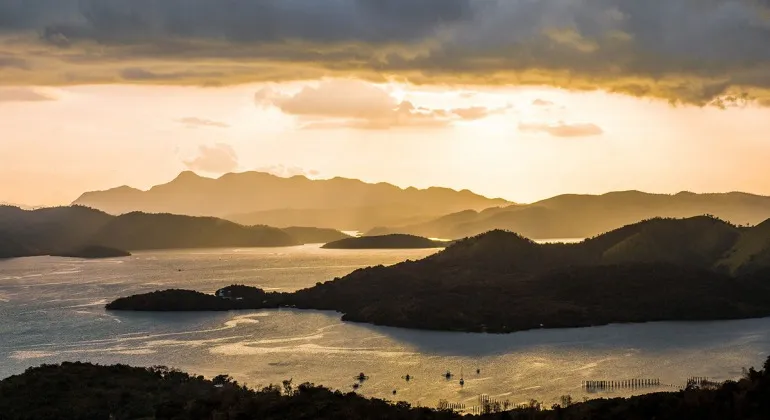
The Philippine island of Palawan is one of Southeast Asia's most spectacular tropical destinations, renowned for its towering limestone cliffs, turquoise lagoons, white sand beaches, coral reefs, and extraordinary biodiversity. Located in the MIMAROPA region of the western Philippines, the island forms the geographical center of Palawan province, which stretches between the South China Sea (also known as the West Philippine Sea in the Philippines) and the Sulu Sea. Its unique combination of coastal scenery, tropical forests, traditional fishing communities, and protected natural attractions make Palawan a dream destination for beach lovers, photographers, honeymooners, families, and adventure travelers.

Unlike a single beach resort or enclosed tourist park, Palawan Island is a sprawling island destination with several distinct tourist areas. The provincial capital, Puerto Princesa, serves as a major transportation gateway and a convenient starting point for exploring the island. Northern Palawan is famous for El Nido and its breathtaking Baquit Islands, while San Vicente and Port Barton offer more tranquil coastal getaways. Other important destinations throughout the province include Taytay, Quezon, and southern Palawan. The world-famous Coron tourist area, although usually included in Palawan itineraries, is mainly centered around Busuanga and Coron Island in the north of the main island.

One of Palawan's main attractions is its diverse landscape. Visitors can kayak in emerald-green lagoons surrounded by steep limestone cliffs, snorkel over colorful coral gardens, explore underground waterways, watch beautiful sunsets on palm-fringed beaches, and discover local communities whose lives are intertwined with the sea. The province is also home to internationally recognized conservation areas, including the puerto Princesa Subterranean River National Park and the Tubbataha Reefs Natural Park; both UNESCO World Heritage Sites.

Location: Palawan Province, Mimaropa, Philippines. Main gateway: Puerto Princesa International Airport. Recommended travel duration: Five to seven days for a first-time traveler, or ten to fourteen days to explore various destinations at a leisurely pace. Palawan is accessible year-round, although sailing schedules, sea conditions, and access to remote attractions vary depending on the season.

Travel Planning Note: Palawan spans a large geographic area, and its popular destinations are often located within a few hours' drive of each other. The Google Maps coordinates provided here indicate a mapped location in Palawan, not a public access point. Visitors should use the exact destination, accommodation address, or starting port of travel when planning their route locally. Internal attraction links in this guide use ColoZai's recommended URL slug and should be compared with published website routes before use.


Natural beauty and famous attractions

Palawan has earned an international reputation for its extraordinary natural environment. Limestone mountains rise dramatically above the coastal waters, protected bays shelter sandy beaches, and a vast marine ecosystem shelters tropical fish, sea turtles, coral reef creatures, and countless other species. Different regions offer unique experiences, so it's worth planning a trip beyond a single resort area.

El Nido and Baquit Islands

El Nido is one of the most famous tourist destinations in Palawan. Located on the northern tip of the main island, this place is famous for its huge limestone formations, hidden beaches, spectacular lagoons, and the thrilling experience of island hopping. Traditional outrigger boats, locally known as 'bangkas', ferry tourists between the Baquit Islands on organized tours. Popular attractions here include Big Lagoon, Small Lagoon, Secret Lagoon, Shimizu Island, Seven Commandos Beach, and Hidden Beach.

The Big Lagoon is particularly famous for its massive limestone walls and calm green waters, while the Small Lagoon offers a secluded kayaking experience surrounded by steep cliffs. Access to certain lagoons is controlled, and visitors should check current tour routes, permit availability, environmental charges, and kayak requirements before booking.

Puerto Princesa Underground River

Located near Sabang on the west coast of Palawan, Puerto Princesa Underground River National Park is (puerto princesa underground river) one of the most important natural landmarks in the Philippines. This UNESCO World Heritage Site features a navigable underground river that flows through a remarkable limestone cave system. Guided paddleboat tours introduce visitors to the vast chambers, unusual rock formations, and sensitive environment of the cave. To protect the site, entry permits are required and visitor numbers are controlled.

Port Barton and San Vicente

Travelers who prefer a slower pace of life can explore the coastal village of Port Barton , part of the municipality of San Vicente . The area is known for island hopping, comfortable beachfront accommodations, snorkeling, and serene sunsets. Nearby San Vicente's Long Beach is famous for its extensive coastline, making it a popular destination for scenic walks and photo opportunities. Compared to the busy resort centers, these destinations often offer a more peaceful experience.

Honda Bay

Honda Bay , located north of downtown Puerto Princesa, offers an easy way to get acquainted with the natural beauty of Palawan's archipelago. Cruises usually depart from the Santa Lourdes Jetty area and may include Kauri Island, Luli Island, and other approved destinations. Visitors can enjoy swimming, snorkeling, relaxing on the beach, and taking photos of the islands. The route and available islands may vary depending on the operator's schedule and local conditions.

Coron and Calamian Islands

Although geographically isolated from the mainland of Palawan, Coron Island and nearby Busuanga are among the main attractions of the greater Palawan province's tourism experience. Coron is famous for its Kayangan Lake, Twin Lagoon, Barracuda Lake, coral reefs, and historic shipwreck diving sites. Divers are particularly drawn to the World War II shipwrecks around Coron Bay, while non-divers can enjoy boat trips and swimming at designated sites.

Important geographical differences: Coron Island is not part of the main Palawan archipelago. Travel between Puerto Princesa, El Nido, and Coron requires careful planning, as some routes require air or sea travel instead of continuous road travel.


Best things to do in Palawan Island

From relaxing beach vacations to physically demanding adventures, Palawan has activities for almost every type of traveler. The following experiences highlight some of the most rewarding ways to explore the island's landscapes, marine life, and local people.

  • Island hopping: Join a guided boat trip to explore the islands, coves, lagoons, and snorkeling spots around El Nido, Honda Bay, Port Barton, or Coron. Don’t assume that each tour includes the same attractions—choose an itinerary based on what you want to see most.
  • Kayaking in the limestone lagoon: Explore El Nido's designated lagoon routes, especially the Big Lagoon or Small Lagoon, when included in an approved tour. Kayak rentals and lagoon entrance fees may apply separately.
  • Snorkeling on coral reefs: Discover colorful marine life at suitable coral reef sites around Port Barton, Honda Bay, El Nido, and Coron. Avoid standing on the coral or disturbing marine life.
  • Experience scuba diving: Certified divers can explore coral reefs and shipwrecks, especially the Coron shipwreck site, which is well-known for diving. Beginners should opt for introductory programs conducted under the supervision of qualified instructors.
  • Take an Underground River Tour: Explore the famous UNESCO-listed cave system near Sabang with the necessary permits and an approved local guide.
  • Relax on beautiful beaches: Enjoy places like Nakpan Beach near El Nido, Long Beach in San Vicente, and the protected shores around Port Barton. Know the local swimming conditions before getting in the water.
  • Explore the inland landscape: Discover waterfalls, woodlands, rural roads and scenic spots through locally guided tours as needed.
  • Enjoy taking sunset photos: Visit west-facing beaches and coastal viewpoints to capture the changing colors of the sky and sea.
  • Discover local culture: Explore public markets, taste traditional Filipino cuisine, buy locally made products, and learn about Palawan's cultural heritage through respectful and community-supported experiences.

Suggested five-day Palawan trip plan

Day Destination Recommended experiences
First day Puerto Princesa Come explore the city, visit local markets, and enjoy a traditional Filipino dinner.
Second day Sabang Take part in a tour reserved for the Puerto Princesa Underground River and return to Puerto Princesa.
Third day Puerto Princesa to El Nido Travel north by road, check into your accommodation and enjoy the sunset near the coast.
Fourth day El Nido Join an island hopping expedition, including kayaking and snorkeling in the lagoon.
Day 5 El Nido Visit Nakpan Beach or go on another excursion before departing for your next destination or spending the night.

This itinerary works best if travelers have convenient arrival and departure flights. It is recommended to allow an extra day for the return trip from El Nido to Puerto Princesa Airport. Adding Corona usually requires at least two or three more days, as it is a separate destination and requires additional transportation.


History, culture and environmental importance

Palawan's attractions extend far beyond its beaches. The island has a rich human history, shaped by migration, trade, maritime heritage, indigenous communities, and its strategic location in the western Philippines. Archaeological discoveries at Tabon Cave in southern Palawan provide important evidence of prehistoric human activity in the archipelago. These discoveries have made the area significant for studying the prehistoric history of the Philippines.

Indigenous communities and lifestyle traditions

Palawan is home to several indigenous cultural communities, including the Tagbanua, Palawan, and Batake peoples. Their history, language, customs, and ties to ancestral lands are an essential part of the province's identity. Traditional knowledge related to forestry, agriculture, fisheries, and natural resource management contribute to the island's cultural diversity.

Visitors interested in indigenous heritage should choose ethical and community-led cultural experiences, respect local customs, and refrain from entering ancestral territories or photographing residents without permission. Cultural heritage should be understood as living social practices, not as tourist attractions.

Protected Landscape and UNESCO Recognition

Palawan is recognized for its outstanding ecological value. The Puerto Princesa Subterranean River National Park was inscribed on the UNESCO World Heritage List in 1999, while the Tubbataha Reefs Natural Park was granted World Heritage status in 1993 and its boundaries were expanded in 2009. Both are important protected natural areas, although Tubbataha is located offshore in the Sulu Sea and is reached by specialized liveaboard diving expeditions rather than by ordinary day trips.

The island's marine habitats include coral reefs, vast areas of seagrass, and mangrove ecosystems, which provide food, shelter, and breeding habitat for numerous species. Conservation programs, marine protected areas, and regulated tourism activities help to cope with the pressure created by increasing tourist numbers.

Responsible tourism

  • Use licensed drivers who comply with marine conservation regulations and carry appropriate safety equipment.
  • Never touch, collect, stand on, or damage living coral.
  • Avoid feeding wildlife or getting too close to protected species.
  • Carry reusable drinking water containers and reduce the use of single-use plastics.
  • Comply with local environmental regulations and pay applicable conservation fees.
  • Support locally owned accommodations, restaurants, guides, and small businesses.
  • Respect protected areas, culturally important sites, and designated visitor limits.

Responsible travel plays an important role in protecting Palawan's natural environment, making it one of the best destinations in the Philippines.


Ticket prices and entry rules

General admission to Palawan Island is free. There are no single entrance fees, entrance tickets, or mandatory sightseeing packages throughout the island. However, individual municipalities, protected areas, boating destinations, and recreational activities may levy environmental taxes, entrance fees, conservation fees, or travel expenses. The following figures are approximate rates for 2026 and should be confirmed with the relevant tourism office or authorized operator before payment.

Attraction or service Estimated fees Important information
General access to Palawan Island Free No tickets are required for island-wide entry.
El Nido Eco-Tourism Development Fee 400 pesos for every regular visitor coming from outside Palawan. Different rates may apply to eligible local residents, students, senior citizens, and people with disabilities.
Big Lagoon, El Nido 200 pesos per person Additional charges apply for lagoon entry; kayak rentals may vary.
Small Lagoon, El Nido 200 pesos per person Access depends on approved routes and visitor capacity.
Coron Municipal Environmental Fee About 200 pesos per adult Separate fees may apply for venue and boat trips.
Kayangan Lake, Coron About 300 pesos per person The entrance fee mentioned; check if it is included in your boat package.
Twin Lagoon, Coron About 200 pesos per person Site fees mentioned; other charges may also apply.
Puerto Princesa Underground River General admission price for adults is PHP 500. Visitor entry permits are required; environmental, boat, audio-guide and transportation costs may be additional.
Puerto Princesa Environmental Fee 150 pesos per adult Applicable to certain tourist activities; save your receipt.
Port Barton Environmental Fee About 50 pesos per visitor. Reported local environmental tax; confirm current validity period.

Island tour costs

Guided group island hopping tours typically cost a few thousand Philippine pesos per person, depending on the destination, boat size, itinerary, meals, equipment, and included entrance fees. Private boats, while more expensive, are convenient for families and small groups. There are significant price differences between El Nido, Coron, Honda Bay, and Port Barton, so travelers should compare packages based on what is actually included, not just the advertised base price.

Important entry rules

  • Underground River Permit: Obtain a valid visitor entry permit in advance. The park operates with a controlled daily visitor capacity, and entry is not guaranteed without a permit.
  • Lagoon access: Some locations require advance arrangements or a scheduled itinerary.
  • Environmental payments: Save official receipts, especially when fees are valid for multiple activities.
  • Marine safety: Follow the guides' instructions and wear appropriate flotation equipment if necessary.
  • Conservation regulations: Coral collection, removal of protected wildlife, littering, and entry into protected habitats are prohibited.
  • Payment: Carry Philippine Peso cash with you, as ticket counters, boat drivers, and local transportation service providers in remote areas may not accept payment cards.

Prices, permit policies, and procedures may change through local ordinances. Official El Nido fee information is published by the Palawan Provincial Tourism Office, but park-specific details should be contacted with the respective protected area management office. Travelers should request a clear written explanation of all fees before paying any tour operator.


Best time to visit Palawan Island

Palawan welcomes tourists all year round, but November to May is a particularly popular time for beach trips, boating, and nature exploration. February to April is especially attractive for travelers who plan to spend several days island hopping, snorkeling, and visiting coastal attractions. It is important to check actual sea conditions and local operating restrictions before booking activities.

November to January

This is a popular time for scenic cruises, family vacations, and long island getaways. Vacations are in high demand in December and early January, so it's a good idea to reserve your accommodations and preferred itinerary well in advance.

February to April

These months are the most popular for lagoon kayaking, beach photography, swimming, and snorkeling. Popular waterways and famous attractions can be crowded, so it's a good idea to book tours in advance.

May to October

For travelers looking for a more flexible itinerary and potentially less crowded attractions, Palawan may be an option. However, cruises, boat trips, and arrivals at some destinations may be disrupted. Allow extra time between destinations and avoid connecting too quickly between separate cruises and flights.

Suggested Daily Schedule: Most guided boat tours depart in the morning, usually between 8:00 AM and 9:00 AM, and return in the afternoon. Later in the day, you can enjoy beach excursions, city exploration, and coastal dining. Although Palawan Island is open 24 hours a day, some protected attractions may have limited operating hours.


How to reach

Palawan Island is mainly accessible by air, with Puerto Princesa International Airport serving as the most convenient gateway to the main island. The provincial capital, Puerto Princesa City , is the main starting point for road travel in northern Palawan and for trips to Sabang, Honda Bay, Port Barton, Taytay, and El Nido. Separate air or sea connections are required to reach Coron and the Calamian Islands.

Step 1: Travel from Dhaka, Bangladesh

Passengers wishing to start their journey from Dhaka should start their journey from Hazrat Shahjalal International Airport (DAC). There are generally no regular non-stop passenger flights between Dhaka and Puerto Princesa. A convenient route is to book an international flight to Manila or another suitable Asian transit hub, and then take a domestic flight to Puerto Princesa. Depending on the schedule and ticket availability, airlines operating through cities such as Kuala Lumpur, Singapore or Bangkok may be used for connections.

  • By air: Fly from Dhaka to Manila's Ninoy Aquino International Airport (MNL) via any available connecting route, then take a domestic flight to Puerto Princesa International Airport (PPS).
  • Alternative Arrivals: Travelers who wish to travel to northern Palawan may consider flying into El Nido's Leo Airport (ENI), but this is subject to route availability, airline booking conditions, and operating hours.
  • For Coron: Fly to Francisco B. Reyes Airport (USU) on Busuanga Island, then proceed by road to Coron town.
  • International Documents: Bangladeshi passport holders should check with authorities regarding current visa requirements, transit regulations, passport validity, and onward ticket terms and conditions for the Philippines before purchasing non-refundable tickets.

The cost of flights from Dhaka varies significantly depending on the airline, transit point, booking date, baggage allowance, and travel season. Rather than relying on a specific estimate, check the total ticket price, including internal connections and checked baggage.

Step 2: Manila to Puerto Princesa

Domestic flights from Manila to Puerto Princesa usually take about 1 hour 20 minutes to 1 hour 40 minutes. Cebu Pacific, Philippine Airlines, and other available airlines may serve this route based on current schedules. Promotional one-way fares can sometimes start at around PHP 1,350 without optional extras, but the actual fare can be considerably higher. Book your flight with plenty of time to allow for immigration, baggage claim, and possible terminal changes in Manila.

Step 3: Puerto Princesa Airport to City Center

Puerto Princesa International Airport is conveniently located near the city's main commercial and residential areas. Depending on location and traffic, many hotels are located about 10 to 25 minutes away by road. Travelers can use airport-approved transportation, pre-arranged hotel transfers, or locally available tricycles with permits. Local tricycle rides for short distances can cost around 50-150 Philippine pesos, depending on the distance, number of passengers, and bargaining. Airport transfers can cost even more, so be sure to agree on the total fare before you set off.

Step 4: Puerto Princesa to El Nido by road

El Nido is located about 230 kilometers north of Puerto Princesa by road. Shared passenger vans are one of the most popular modes of transportation, and the journey usually takes about five to seven hours, depending on road conditions, breaks, and pickup arrangements.

  • Shared van: Approximately 700–900 pesos per person for a one-way trip. Many services operate from transportation terminals or arrange for pickup from hotels.
  • Public transport bus: This is usually a cost-effective option, although departure rates can be lower and journey times can be longer. Check the terminal for current fares and schedules.
  • Private Van: According to the published 2026 operator pricing information, the approximate cost for a group transfer is PHP 8,000–9,000, depending on the vehicle type and included amenities.
  • Rental cars: Self-drive options are available in many areas, and one-way rentals are not always convenient. Before booking, make sure to check insurance, approved routes, fuel arrangements, and car return terms.

Before reaching El Nido, road travel usually involves passing through towns such as Roxas and Taytay along Palawan's main northern highway. Travelers should allow extra time for road delays and avoid booking a flight immediately after a long land journey.

Step 5: Underground River from Puerto Princesa

The Underground River tourist area is located near Sabang, about 75–85 kilometers northwest of the center of Puerto Princesa by road. The journey usually takes about two hours, although travel times can vary. Most visitors choose an organized tour that includes transportation, permits, boat arrangements, and a guide. Independent travelers can arrange road transportation to get to Sabang, but they must obtain the necessary 'Visitor Entry Permit' and coordinate entry with authorized operators.

Step 6: Puerto Princesa to Port Barton

Port Barton can be reached through the municipality of San Vicente and is usually about three to four hours by road from Puerto Princesa, depending on pickup arrangements and road conditions. Shared vans, scheduled transportation services, and private transfers are available through local service providers. Plan to budget around 500-800 pesos per person for shared transfers as an allowance, but confirm the actual departure schedule and fare before traveling.

Step 7: Travel to Corona

Coron is not connected to the mainland of Palawan by road. Travelers can fly to Busuanga Airport via available domestic routes or use scheduled passenger ferries between El Nido and Coron, if service is available. The sea crossing usually takes about 3.5–5 hours, and published standard-class fares are often around PHP 1,700–2,200, depending on the operator and date. Routes are subject to suspension or change, so check the latest sailing schedules and do not rely on ferries for short-haul flight connections on the same day.

Local transportation around Palawan

Transportation Common use Estimated cost
Tricycle Short trip to the city Approximately 20–150 pesos, depending on location, distance, and whether the ride is shared or privately hired.
Shared van Transfers between major cities Common routes usually cost around 500-900 Philippine pesos per person.
Public bus Low-budget intercity travel Dependent on route; confirm with operator.
Scooter rental Independently search for suitable local roads Usually around 350-700 pesos per day, excluding fuel and security deposit.
Private car or van Family trips and customized itineraries Depends on distance, vehicle, driver, and rental term.
Tour boat Island tours and marine sightseeing Depends on location, passenger capacity, itinerary, and package contents.

Train Travel: There is no passenger rail network connecting Palawan's tourist destinations. Visitors cannot travel to Palawan by train directly from Dhaka or Manila. Air travel, road transport, and scheduled marine services are realistic alternatives.

Required points of departure: Puerto Princesa International Airport, San Jose Transportation Terminal Area, Santa Lourdes Jetty for Honda Bay trip, Sabang Jetty for access to the Underground River, El Nido town and its departure area, and Coron Port on Busuanga Island. Please confirm the exact terminal or jetty mentioned on your ticket, as departure points may vary by operator.

Palawan Island Philippines

GPS: 9.446231, 118.392942
Get Directions

Where to eat

Palawan offers a diverse dining experience, combining traditional Filipino cuisine, coastal seafood, local tropical ingredients, and international restaurants for tourists. Puerto Princesa has the largest number of dining options in the city, while El Nido, Port Barton, and Coron offer restaurants in a pleasant atmosphere near popular tourist destinations.

The best food to try in Palawan

  • Kinilo: A Filipino seafood dish, where fresh fish is preserved with vinegar or citrus fruits and cooked with local ingredients.
  • Grilled Seafood: Freshly prepared fish, squid, shrimp, and other available seafood served with rice, vegetables, and dipping sauce.
  • Chicken Inasal: Grilled chicken marinated in spices, usually served with rice and various accompaniments.
  • Sinigang: A delicious and sour-tasting Filipino soup made with vegetables and seafood or meat.
  • Adobo: A well-known Filipino dish made by cooking meat with vinegar, soy sauce, garlic, and spices.
  • Crocodile Sisig: A unique specialty dish available at select restaurants in Palawan, usually made with farm-raised crocodile meat. Travelers should choose reputable establishments that adhere to local regulations.
  • Fresh tropical fruits: Enjoy mangoes, bananas, pineapples, coconuts, and seasonal fruits and vegetables from the local market.

Recommended places to eat

Puerto Princesa: The Rizal Avenue area and its surrounding commercial areas are home to restaurants, bakeries, cafes, seafood shops, and general Filipino food outlets. Well-known dining names associated with Puerto Princesa include Kalui and Badjao Seafront Restaurants, but visitors should check their current operations, menus, and reservations before heading there.

El Nido: El Nido town and the Corong-Corong area have a mix of beachfront restaurants, cafes, grilled seafood, Filipino comfort food, and international cuisine. Sunset dining near Corong-Corong is especially popular with couples and photographers.

Port Barton: Small restaurants and locally run food stalls along the beach serve basic seafood dishes, rice dishes, breakfast items and refreshing drinks. Restaurant availability may be more limited here than in major tourist areas.

Coron: Coron town has seafood restaurants, casual dining, local food stalls, and cafes, which are popular with divers and island-hopping tourists.

General food budget

Eating habits Approximate price per person
Local food shop or simple rice dish PHP 100–250
Casual restaurant PHP 250–500
Seafood or beachside restaurants PHP 400–900 or more
Premium resort dining PHP 800–1,500 or more

These figures are not verified restaurant menu prices, but rather an approximate budget estimate. Resorts in tourist areas and remote islands can be considerably more expensive than local areas. Visitors with allergies or dietary restrictions should discuss ingredients directly with restaurant staff, as sauces and traditional recipes may contain seafood, soy, or other allergens.


Where to stay?

Accommodation in Palawan ranges from budget guesthouses and backpacker hostels to boutique hotels located on the beach and internationally recognized luxury resorts. Choosing the right place to stay is essential, as the island is huge and the main attractions are spread out across several municipalities.

Puerto Princesa: Best for convenient transportation

Puerto Princesa is a great choice for those arriving via Puerto Princesa International Airport, planning a trip to the Underground River, or just spending a short time exploring the city and Honda Bay. Hotels near the city center and main roads are convenient for dining, transportation, and early morning tours. Accommodation options include budget inns, business hotels, family-friendly accommodations, and established resort-style hotels.

El Nido: Best for island hopping and scenic views

El Nido is an ideal destination for travelers who prefer lagoons, snorkeling, limestone landscapes, and beach activities. El Nido town is convenient for restaurants and excursions, while Corong-Corong and nearby coastal areas offer beautiful sunsets and beachfront accommodations. Leo is another option for those who prefer a more organized resort environment. Resorts on remote islands may require additional boat trips and offer a more secluded setting.

Port Barton: Best for relaxation and a quiet atmosphere

Port Barton is attractive to travelers who prefer quiet seaside guesthouses, simple cottages, small resorts, and a slower pace of travel. It is especially good for couples, backpackers, and those who prefer a small coastal town to a busy tourist area. When booking small-scale accommodations, check the electricity, internet connection, and payment methods.

San Vicente: Best for open beaches

San Vicente offers accommodations near Long Beach and other scenic coastal locations. It's a great choice for those looking for beach walks, a quiet environment, and a less developed part of northern Palawan.

Coron: Best for diving and lake trips

Coron town on Busuanga Island offers a variety of accommodation options, from budget to mid-range to upscale. Being close to the town center is convenient for boat tour departures, dive operators, restaurants, and transportation. There are more secluded resorts on surrounding islands, which often require scheduled boat transfers.

Estimated accommodation budget

Housing Department Estimated price per night
Hostel dormitory bed PHP 500–1,000
Budget guesthouse or simple private room PHP 1,000–2,500
Mid-range hotel or boutique property PHP 2,500–6,000
High-quality seaside resort PHP 6,000–15,000 or more
Luxury private island resort PHP 15,000 or more

These are approximate planning ranges, not final hotel prices. Prices may increase during holidays and popular travel seasons. Before confirming a reservation, check the hotel's exact location, transportation availability, breakfast inclusions, cancellation policies, taxes, and whether it has direct access to the beach or requires transportation.

Practical advice: For a seven-day trip centered around the main island, consider spending two nights in Puerto Princesa and four nights in El Nido, with an additional night or suitable departures if needed. For a longer vacation, add Port Barton or San Vicente. Travelers planning to include Coron should consider it as a separate geographic destination, with their own accommodations and transportation bookings.


Essential travel tips and visitor information

Careful preparation can make a big difference when traveling to Palawan. While many familiar services are available in major tourist centers, smaller islands and rural coastal communities may have limited banking facilities, mobile connectivity, medical infrastructure, and scheduled transportation.

Money and Payment

The official currency is the Philippine Peso (PHP) . Larger hotels and some restaurants accept payment cards, but travelers should carry cash for tricycles, small eateries, boat rides, environmental taxes, and rural accommodation. ATM machines are available in major cities, although service can be disrupted and cash shortages may occur.

Internet and mobile connection

Mobile service is generally easier to find in Puerto Princesa and the more developed tourist areas than on the more remote islands. Connection quality varies by network and location. Travelers who require reliable connectivity should consider using a Philippine SIM or e-SIM, downloading maps for offline use, and informing their accommodation authorities in advance of important transportation arrangements.

Clothing and packing essentials

  • Light clothing is suitable for traveling in tropical regions.
  • Comfortable shoes for walking, transferring, and use on uneven surfaces.
  • Swimwear, quick-drying towels, and reusable water bottles.
  • A waterproof dry bag for boating and electronics.
  • Protection from the sun, which includes appropriate sunscreen, hats, and sunglasses.
  • Personal medical supplies, first aid kits, and insect repellent.
  • A waterproof copy of travel documents and accommodation information.
  • Sufficient cash for local transportation and entrance fees to attractions.

Safety and health

Use established boat operators, check buoyancy aids, and follow instructions regarding swimming conditions. Do not enter caves, coral reefs, or remote forest areas without proper permits and local instructions. Those who require medical attention should plan ahead, as specialized healthcare facilities may be far from remote destinations. It is strongly recommended to have comprehensive travel insurance to cover planned marine activities, cancellations, and emergency rescues.

Accessibility and family travel

Puerto Princesa has relatively convenient road transportation and urban accommodation. However, many of the island's attractions require taking small boats, walking on sand, climbing stairs, or getting off the boat into the water. Travelers with mobility limitations should discuss accessibility directly with tour operators before booking. Families traveling with young children should select age-appropriate itineraries and ensure the availability of life jackets of the correct size.

Recommended daily travel budget

Travel style Estimated daily budget per person
Budget traveler PHP 1,500–2,500
Mid-range traveler PHP 3,000–6,000
Comfort-oriented traveler PHP 7,000–12,000 or more

These calculations assume the cost of shared accommodation and reasonable food and local transport costs where applicable. They do not include international flights, major intercity transfers and expensive private travel. The daily total costs increase for days spent diving, private island trips or staying at premium resorts.

Final planning tip: Instead of trying to see all the famous sights in a few days, create an itinerary centered around two or three nearby destinations. Book tours that are in high demand well in advance, be aware of potential transportation disruptions, and treat Palawan as a collection of distinct travel experiences rather than a single small attraction.


Nearby attractions

Palawan Province has an extraordinary variety of natural and cultural attractions. Since the main island is spread over a vast geographical area, the following destinations are grouped by travel zone, rather than being within walking distance of each other. Visitors can combine them to create a regional itinerary based on their arrival location and available time.

Sightseeing around Puerto Princesa

  • Puerto Princesa Underground River : A UNESCO World Heritage Site near Sabang, it features a spectacular underground river and guided cave boat tours.
  • Honda Bay : Located north of downtown Puerto Princesa, it is a popular destination for snorkeling, boating, and relaxing in the island's tranquil surroundings.
  • Bakers Hill : A family-friendly entertainment center, known for its well-equipped grounds, bakery products, and attractions.
  • Mitra's Ranch : A picturesque attraction located on a hilltop, from where one can enjoy views of the surrounding Puerto Princesa landscape.
  • Plaza Cuartel : A historical monument related to the events of World War II in Puerto Princesa.
  • Palawan Butterfly Ecological Garden : An attractive place focusing on butterflies, nature interpretations, and selected cultural exhibits.

Sightseeing in Northern Palawan

  • El Nido : A famous tourist destination in northern Palawan, known for its limestone islands, lagoons, snorkeling, and boat tours.
  • Big Lagoon : A famous kayaking destination surrounded by towering limestone cliffs in the Baquit Islands.
  • Small Lagoon : A protected lagoon experience, accessible via authorized island tour routes.
  • Nakpan Beach : A beautiful sandy beach located north of El Nido town, popular for coastal relaxation and photography.
  • Port Barton : A relaxing coastal destination with beaches, snorkeling spots, and boat trip opportunities.
  • Long Beach, San Vicente : A wide sandy coastline that is perfect for leisurely walks and peaceful beach experiences.
  • Fort Santa Isabel : A historic Spanish-era fort located in Taytay, it offers an architectural and cultural contrast to the maritime attractions of Palawan.

Additional attractions throughout Palawan Province

  • Coron Island : A spectacular isolated island located north of the Palawan mainland, known for its limestone landscape, lakes, and controlled nature tourism.
  • Kayangan Lake : One of the most famous tourist attractions in Coron, accessible by an organized boat trip and a staircase.
  • Twin Lagoons : A dramatic marine attraction featuring limestone formations and protected lagoon waters.
  • Tabon Cave : An archaeologically important cave complex near Quezon, southern Palawan, associated with important prehistoric discoveries.
  • Tubbataha Reefs Natural Park : An internationally recognized coastal marine reserve and UNESCO World Heritage Site, accessible mainly by specialized liveaboard diving expeditions during the operating season.

Travelers can explore more destinations through Colojai's Philippines travel guide and the individual attraction pages linked above. For first-time Palawan travelers, Puerto Princesa, the Underground River, El Nido, and Port Barton provide an exciting introduction to the province's landscape, culture, and coastal adventures.

Frequently Asked Questions (FAQ)

Palawan Island is located in the western Philippines, within the MIMAROPA region, between the South China Sea (also known locally as the West Philippine Sea) and the Sulu Sea. It is the main island of the province of Palawan, whose capital is Puerto Princesa City. The province also includes numerous other surrounding islands and islets, including the Calamian Islands to the north. Puerto Princesa International Airport is a major gateway for tourists visiting the main island.

logo ColoZai

ColoZai is a trusted travel guide and destination explorer platform in Bangladesh. We are making travel simple, authentic, and accessible for everyone.

Need Help ?

We are Always here for you! Knock us on Whatsapp (10AM - 10PM) or Email us.