
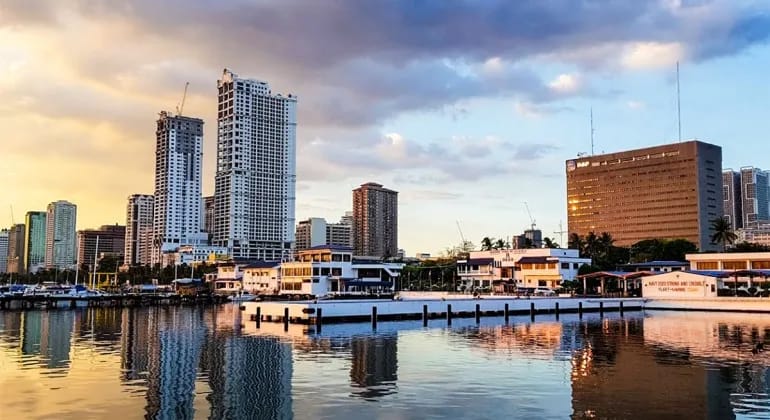
Manila, Philippines – The Complete Travel Guide to the Historic Capital

Manila, Philippines – The Complete Travel Guide to the Historic Capital

Manila
·

28 September 2026

Travel Overview & Quick Facts

Directions
Location
Manila
Admission / Entry Fee
There is no general admission fee to visit Manila, the capital city of the Philippines. Public streets, historic neighborhoods, and many outdoor attractions can be explored free of charge. Rizal Park offers free general admission, and the National Museum of the Philippines also offers free entry to its main museums. Individual attractions may charge separate fees. Fort Santiago charges PHP 75 for regular admission and PHP 50 for eligible discounted visitors. Casa Manila Museum charges approximately PHP 75 for regular admission, while Museo de Intramuros charges approximately PHP 150. Guided walking tours, heritage carriage rides, private transportation, and special experiences cost extra. Prices are in Philippine pesos and may change; Confirm current rates before visiting.
Opening Hours
Open 24 Hours (Citywide public access; individual attractions have separate opening hours)
Category / Type
Historic Capital City, Cultural and Heritage Destination, Urban Sightseeing, Food and Shopping Destination

Introduction to Manila, Philippines – The Complete Travel Guide to the Historic Capital

Manila, the Philippines, is a fascinating capital city, a blend of centuries-old Asian, Spanish, and American influences. Located on the eastern shore of Manila Bay on the island of Luzon, Manila is the political and historical center of the Philippines. Visitors can find centuries-old stone churches, colonial forts, bustling traditional markets, colorful jeepneys, important museums, and a vibrant culinary culture. Its blend of heritage, contemporary urban life, and Filipino hospitality has made Manila an essential destination for tourists visiting the country.

The city of Manila is part of the larger National Capital Region, commonly known as Metro Manila. Although the two names are often used interchangeably, Metro Manila also includes neighboring cities such as Makati, Pasay, Quezon City, and Taguig. The historic city of Manila includes important districts such as Intramuros, Ermita, Malate, Binondo, Quiapo, Santa Cruz, and San Miguel . Each area offers a different perspective on the city's history, architecture, daily life, and cultural heritage.

One of Manila's main attractions is Intramuros , a historic walled area from the Spanish period. This remarkable area preserves sections of defensive walls, cobblestone streets, religious monuments, and heritage buildings. Nearby, Rizal Park commemorates the Philippine national hero José Rizal, while the National Museum Complex introduces visitors to Filipino art, archaeology, biodiversity, and cultural identity.

Manila is also a popular destination for foodies. Travelers can explore the traditional Chinese-Filipino food culture of Binondo, sample Filipino dishes like adobo, sinigang, and kare-kare, visit nearby bakeries, or dine at restaurants with views of Manila Bay. From early morning traditional walks to evening dining, the city offers a variety of activities suitable for history buffs, families, photographers, independent travelers, and first-time visitors to Southeast Asia.

Location: Manila City, Metro Manila, Luzon, Philippines. Currency: Philippine Peso (PHP). Languages: Filipino and English. Time Zone: Philippine Standard Time (UTC+8). Recommended travel time: Two to four days to experience Manila's main historical, cultural, and culinary attractions. The Google Maps coordinates provided for this destination indicate the center of the map viewport rather than the entrance to any one point of interest, as Manila is an entire city. The number of city ratings and reviews across Google Maps has not been independently verified, so those metadata values ​​have been set to zero rather than being contrived.


History and cultural significance

Manila's history dates back well beyond the Spanish colonial period. Before European colonization, the peoples along the Pacific River and Manila Bay participated in regional maritime trade, which linked the Philippine Islands to China, Southeast Asia, and other trade networks. Settlements around the river mouths became important commercial and political centers.

In 1571, Spanish forces led by Miguel López de Legazpi established Manila as the capital of the Spanish colonial administration in the Philippines. The city's location made it a major hub for the Manila-Acapulco galleon trade, which linked Asian goods to markets in the Americas. This international exchange helped shape Manila's architecture, religious institutions, social history, and cultural identity.

Intramuros and colonial cities

Spanish colonial authorities developed Intramuros as a fortified administrative and religious center. Its walls, arcades, churches, and military installations reflected Manila's strategic importance. The district's surviving heritage includes Fort Santiago, the San Agustin Church, and reconstructed or restored colonial-era buildings. Intramuros is one of the most rewarding places to explore the Philippines' colonial history on foot.

National Independence and Jose Rizal

Influential Filipino writer and reformer José Rizal became an enduring symbol of Filipino nationalism. He was imprisoned at Fort Santiago before his execution in Bagumbayan in 1896; the area is now known as Rizal Park. Historical exhibits throughout Manila explain the reform movement, the Filipino Revolution, and the country's complex path to independence.

War, destruction and reconstruction

Manila suffered severe devastation during the Battle of Manila in 1945. Many historic buildings were destroyed and a large number of civilians died. The city underwent extensive post-war reconstruction, creating a distinctive urban landscape, where surviving colonial architecture stands alongside modern commercial buildings and residential areas.

Understanding this layered history reveals the significance of Manila's museums, churches, monuments, and streets. The city is not just a collection of tourist attractions; it is a living testament to the Philippines' national development, cultural resilience, and ongoing urban transformation.


Best things to see and do in Manila

1. Explore the historic walled city of Intramuros

Intramuros is the epicenter of Manila's heritage tourism. Stroll along its historic streets, marvel at preserved sections of the Spanish-era fort walls, take photos of colonial-style buildings, and explore the courtyards surrounded by stone architecture. Important sights include Fort Santiago, Manila Cathedral, San Agustin Church, Casa Manila, and Baluarte de San Diego. Walking is a great way to explore this area, although guided bicycle tours and horse-drawn carriage rides are also available.

2. Discover Fort Santiago

Fort Santiago is one of the most important historical sites in Manila. Located inside Intramuros near the Pacific River, the fort preserves military structures, well-decorated courtyards, historical exhibits, and memorials related to José Rizal. Visitors can explore the fort walls, walk through the historic arcades, and learn about the role the site played during Spanish rule and later in Philippine history. It takes about one to two hours to complete.

3. Visit Rizal Park

Rizal Park, also known as Luneta Park, is a major national tourist attraction and public gathering place. Its landscaped grounds are surrounded by monuments, memorials, gardens, and walking paths. The Rizal Monument commemorates José Rizal, whose execution nearby in 1896 marked a turning point in Philippine history. The park is popular for taking photos, taking leisurely walks, going on family outings, and learning about Philippine nationalism. General admission is free.

4. Visit the National Museum Complex

The National Museum Complex in Manila houses the National Museum of Fine Arts, the National Museum of Anthropology, and the National Museum of Natural History. These museums introduce visitors to important Filipino paintings and sculptures, archaeological finds, traditional cultural practices, and the country's extraordinary biodiversity. One of the most well-known works of art is Juan Luna's massive painting 'Spoliarium', which is displayed at the National Museum of Fine Arts. Admission to these major museums is free, making them especially valuable for travelers on a budget.

5. Admire the San Agustin Church

The San Agustin Church in Intramuros is one of the most important surviving colonial religious buildings in the Philippines. Built in the early 17th century, the church is part of the UNESCO-listed 'Baroque Churches of the Philippines'. Visitors can admire its massive stone exterior and richly decorated interior. The adjacent museum provides additional historical and religious context, although separate admission fees may apply.

6. Experience Binondo Chinatown

Binondo is widely recognized as one of the oldest and most continuously established Chinatowns in the world, dating back to 1594. Located across the Pacific River from Intramuros, the area is known for its Chinese-Filipino heritage, family-run restaurants, traditional bakeries, temples, markets, and bustling commercial streets. Food tours typically include Ongpin Street and its surrounding alleys, where travelers can sample dumplings, noodles, hopia pastries, and other local specialties.

7. Visit the Manila Cathedral

The Manila Cathedral, officially known as the Minor Basilica and Metropolitan Cathedral of the Immaculate Conception, is a prominent religious structure in Intramuros. Its current structure reflects repeated reconstructions after earthquakes and wartime destruction. Visitors can enjoy its architecture, stained glass work, and solemn interior decoration during religious ceremonies and cathedral activities.

8. Explore Quiapo and its markets

Quiapo offers a vibrant glimpse into Manila's traditional commercial and religious life. Quiapo Church, officially known as the Minor Basilica and National Shrine of Jesus Nazareno, attracts worshipers year-round. The surrounding streets are lined with shops, food stalls, small markets, and vendors selling daily necessities. Visitors should dress modestly around religious sites, be mindful of their belongings, and exercise caution in crowded pedestrian areas.

9. Enjoy Manila Bay at sunset

Manila Bay is integral to the city's waterfront identity. The easily accessible walkways along Roxas Boulevard and nearby open spaces provide opportunities for photo opportunities and evening strolls. Travelers should note that waterfront access, walkways, and viewing areas may change due to development or renovation projects. Manila Bay is best enjoyed from designated open spaces, rather than as a swimming destination.

10. Experience Manila's shopping and entertainment

Manila is home to traditional markets, department stores, independent boutiques, shopping centers, theaters, and modern entertainment venues. Those interested in bargain shopping can explore the established retail areas, while those looking for large modern shopping complexes can head to neighboring cities within Metro Manila. Popular metropolitan shopping areas include the Mall of Asia Complex in Pasay and retail areas such as Makati and Bonifacio Global City in Taguig.


Ticket prices, entrance fees and rules for visitors

Manila is a city, not a ticket-based tourist destination. Visitors do not need to purchase any entrance tickets to enter or explore the city. However, various museums, historical sites, entertainment centers, and guided experiences may charge separate fees.

Attraction Estimated admission fee Visitor information
Manila City Free No tickets are required for citywide entry.
Intramuros public road Free Each traditional attraction has a separate entrance fee.
Rizal Park Free Public access; separate charges may apply for selected activities.
National Museum of Fine Arts Free Subject to museum security and visitor guidelines.
National Museum of Anthropology Free Subject to museum opening hours.
National Museum of Natural History Free Subject to museum opening hours.
Fort Santiago Regular price PHP 75; discounted price PHP 50 Eligible visitors will be required to present supporting identification.
Casa Manila Museum About 75 pesos (normal) There may be opportunities to enter at a discounted price.
Intramuros Museum About 150 pesos (normal) There may be opportunities to enter at a discounted price.
San Agustin Church Entrance to the church is usually free. The adjacent museum may charge an admission fee.

Important: These amounts are an estimate for visitors' planning, not a guaranteed price for each date. Please check the official Intramuros Administration website (hours) and the National Museum of the Philippines for current admission prices, discounted sections, and opening hours. (www.nationalmuseum.gov.ph)

Normal opening hours

  • Manila's public roads: Accessible 24 hours a day, subject to local restrictions.
  • Rizal Park: Usually from 5:00 AM to 9:00 PM daily, depending on current management.
  • Fort Santiago: Monday - Friday 8:00 AM - 10:00 PM; Saturday - Sunday 6:00 AM - 10:00 PM, but last entry closes earlier.
  • National Museum Complex: Generally open Tuesday - Sunday from 9:00 am - 6:00 pm, but closed on Mondays and the schedule may change on holidays.
  • Intramuros Museums: Several of them are open from Tuesday to Sunday, with varying entrance schedules and are closed on Mondays.

General guidelines for visitors

  • Wear modest clothing when visiting churches and religious sites.
  • Please follow the restrictions on taking photos inside museums and religious buildings.
  • Follow the posted rules regarding food, large bags, and prohibited equipment.
  • Keep historic walls, religious objects, and museum exhibits intact.
  • Please bring identification when requesting a student, senior citizen, or other eligible admission discount.
  • Use designated pedestrian crossings and be aware of vehicles.
  • Please confirm the schedule before visiting the museum on national holidays or during special events.

Best time to travel to Manila

November to February is usually the best time to visit Manila's historic district, major museums, waterfront areas, and outdoor attractions. Tourists can visit the city year-round, as the city has a variety of permanent cultural attractions, indoor museums, shopping centers, and restaurants.

Start your day early in the morning, as the historic sites are usually less crowded. Late afternoons are ideal for strolling around Intramuros and enjoying the beautiful views along the waterfront. Museums can be visited in the middle of the day, while evenings are ideal for dining and entertainment.

Recommended daily inspection schedule

  • 7:00 AM - 9:00 AM: Explore Rizal Park and take pictures of the surrounding monuments.
  • 9:00 AM - 12:00 PM: Visit Intramuros, Fort Santiago, and nearby heritage sites.
  • 12:00 PM - 1:30 PM: Enjoy a traditional Filipino lunch.
  • 1:30 PM - 4:30 PM: Explore the National Museum grounds or other cultural attractions.
  • 4:30 PM - 6:30 PM: Visit the accessible attractions of Manila Bay or explore another historical area.
  • Evening: Enjoy restaurants, local sweets and entertainment.

For travelers who prefer fewer weekend crowds at popular attractions, weekdays can be convenient. However, some museums are closed on Mondays, and certain attractions may have special events or changes to opening hours.


How to reach

Manila is located on the island of Luzon in the Philippines and serves as a major international gateway. Travelers from Bangladesh usually arrive at this destination by air, while passengers arriving from other cities in the Philippines can use domestic flights, intercity buses, ferries, and regional land transportation. Ninoy Aquino International Airport (NAIA), with airport code MNL , is the main international airport for Metro Manila.

By air from Dhaka, Bangladesh

  1. Step 1: Start from Hazrat Shahjalal International Airport (DAC) in Dhaka.
  2. Step 2: Search for flights to Ninoy Aquino International Airport (MNL). Depending on airline schedules, passengers may be able to connect via international hubs such as Kuala Lumpur, Singapore, Bangkok, or Hong Kong. It should not be assumed that direct flights will be available.
  3. Step 3: Check transit requirements, baggage policies, and immigration regulations before purchasing your ticket. Total travel time varies significantly depending on connecting airports and stopovers.
  4. Step 4: Upon arrival at NAIA, complete immigration formalities and collect checked baggage.
  5. Step 5: Use an authorized airport taxi, pre-arranged transfer, or a legitimate app-based ride to get to your hotel or historical site in Manila.

Visa Information for Bangladeshi Tourists: Ordinary Bangladeshi passport holders require an advance travel authorization or visa for tourism in the Philippines. A Philippines tourist e-visa process has been launched for eligible Bangladeshi citizens in June 2026. Find out about the current eligibility rules, fees, required documents, and processing procedures through the Philippines’ official e-visa portal (evisa.gov.ph) and the Philippine Embassy in Dhaka. Travelers should also check the official e-travel registration requirements before traveling.

From Ninoy Aquino International Airport

NAIA is located south of central Manila, and has terminals in the Pasay and Parañaque areas. It usually takes about 30 to 90 minutes to reach destinations such as Ermita, Rizal Park, or Intramuros from the airport, depending on the terminal, destination, traffic, and travel time.

  • Airport Taxi: Use the government-approved airport taxi line. As a general rule, a taxi ride to Central Manila can cost approximately 250 - 600 pesos or more, depending on the class of taxi, traffic, distance, and applicable charges. Confirm current meter regulations before you begin your journey.
  • Grab or other approved app-based transportation: Convenient for visitors with luggage. Especially during peak times, it can cost an estimated PHP 300 - PHP 700 or more to get to central Manila. Please verify the actual fare shown on the app.
  • Public Transportation: According to the airport terminal, take the appropriate airport bus or other transportation service to the LRT-1 station. Proceed to the United Nations Station for Rizal Park or the Central Terminal Station for Intramuros. This route may require walking and changing vehicles, so it is not as convenient if you have heavy luggage.
  • Pre-booked private transportation: Perfect for families, groups, and late-arriving travelers. Request a specific price, specifying the terminal, drop-off location, and any additional fees.

By train within Metro Manila

The elevated rail system provides convenient transportation to various parts of central Manila. LRT-1 is particularly convenient for major tourist areas.

  1. Take LRT-1 from the station connected to your residence or transportation route.
  2. Exit through UN Station to go to Rizal Park and the National Museum area .
  3. Alternatively, exit through Central Terminal Station to go to Manila City Hall and Intramuros .
  4. Walk to the relevant attractions or use a valid local transportation service for the rest of the way.

The estimated fare for LRT-1 varies depending on the distance and ticket type, generally ranging from around 16 to 55 pesos. Check with the railway authorities for current fare information before traveling.

By bus from other cities in the Philippines

Provincial buses connect Metro Manila to various destinations throughout Luzon, including Pampanga, Bulacan, Batangas, Laguna, and provinces further north or south. Major bus terminal areas include Pasay, Cubao in Quezon City, and other designated regional terminals. Upon arrival, passengers can take city buses, rail services, metered taxis, or app-based transportation to get to the historic center of Manila. Ticket prices vary depending on the route, operator, distance, and class of service.

From Manila City Hall and other central landmarks

Manila City Hall is a convenient central point for exploring the historic district. From City Hall and the Lawton area, visitors can walk to Intramuros using designated pedestrian paths and crossings. Fort Santiago is located further inside the walled district, while Rizal Park and the National Museum Complex are located to the south. Allow extra time for walking due to major intersections and pedestrian access restrictions.

Local transportation and vehicle rentals

  • Traditional Jeepneys: Starting September 2026, the general minimum fare for traditional jeepneys has increased to approximately PHP 14 for the first four kilometers, with additional charges for journeys beyond that. Modern jeepney fares vary. Be sure to check the route signs before boarding.
  • City Bus: Standard initial fare is around PHP 15 for regular service and PHP 18 for air-conditioned service, which is determined based on distance.
  • Metered taxis: Convenient for commuting from home to destination; insist on authorized services and fares according to the applicable meter.
  • Ride-hailing vehicles: Convenient for commuting between historic areas, hotels, shopping areas, and airport terminals. Actual pricing depends on current demand.
  • Horse-drawn carriages: Calesa rides are available in some parts of Intramuros. Be sure to confirm the full fare, route, duration, and number of passengers before embarking on the journey.
  • Private car and driver: Perfect for groups traveling to multiple destinations. Compare rental packages carefully and check if parking, fuel, driver fees, and tolls are included.

Travel Planning Note: Manila is located outside of Bangladesh; therefore, internal buses, trains, CNG autorickshaws, or road are not a realistic direct transportation option to get from Dhaka to Manila. All prices in this section are given in Philippine Pesos, unless explicitly stated otherwise.

Manila, Philippines

GPS: 14.5896206, 120.9770283
Get Directions

Where to eat

Manila's food culture is extremely diverse, shaped by Filipino regional traditions, Chinese-Filipino culinary traditions, Spanish colonial influences, and contemporary international cuisine. Visitors can choose from traditional food stalls, traditional restaurants, street food stalls, food courts, cafes, and fine dining establishments.

Binondo for Chinese-Filipino food

Binondo is one of the most popular areas in Manila for foodie exploration. Traditional shops here serve dumplings, noodle soups, fried rice, spring rolls, and locally adapted Chinese dishes. For travelers who prefer to sample a few small dishes rather than a large meal at once, Ongpin Street and its surrounding streets are particularly enjoyable.

Popular establishments include Ying Bi Tin for hopia and other pastries, Wai Ying for dim sum, and several old-school Chinese-Filipino restaurants. Business hours, branches, and menus are subject to change, so check the current operations of a restaurant before visiting.

Intramuros for traditional dining

The historic area is home to cafes and restaurants where visitors can enjoy a leisurely lunch while sightseeing. The traditional Filipino eateries in and around Intramuros are perfect for sampling traditional Filipino cuisine after visiting Fort Santiago, Manila Cathedral, or San Agustin Church.

Ermita and Malate for casual and international cuisine

Ermita and Malate are home to numerous restaurants, cafes, and food stalls serving Filipino, Asian, and international cuisine. These areas are convenient for travelers who live near Rizal Park, Roxas Boulevard, and the historic center of Manila.

Traditional Filipino food worth trying

  • Adobo: Meat or other ingredients cooked with vinegar, soy sauce, garlic, and spices.
  • Sinigang: A delicious and sour soup made with vegetables and meat or seafood.
  • Kare-kare: A nutritious Filipino stew traditionally known for its peanut-based sauce.
  • Pancit: A broad family of Filipino noodle dishes.
  • Lumpia: A type of spring roll that is available in various fresh and fried forms.
  • Halo-halo: A popular layered dessert made with crushed ice, milk, and various sweet ingredients.
  • Hopia: A filled pastry usually associated with Chinese-Filipino bakeries.

Estimated food budget

Eating habits Estimated cost per person
Typical local food PHP 100 - PHP 250
Simple cafe or restaurant PHP 250 - PHP 600
Mid-range sit-down restaurant PHP 500 - PHP 1,200
High quality food PHP 1,200 or more

Prices are approximate and vary depending on location, restaurant, menu and service charge. Visitors with halal, vegetarian or allergy-related dietary requirements should check ingredients and preparation methods directly with the establishment. Halal options are available in Metro Manila, but should not be assumed to be available at every restaurant.


Where to stay?

Accommodation in Manila ranges from simple guesthouses and budget hotels to international hotel chains and luxury waterfront properties. The best area to choose from depends on your travel purpose, preferred mode of transportation, budget, and interest in historical or modern attractions.

Ermita – convenient for visiting historical sites

Ermita is a convenient hub for those planning to visit Rizal Park, the National Museum Complex, and Intramuros. The area offers a variety of accommodations, restaurants, commercial services, and access to major city roads. Hotel quality can vary considerably, so it's a good idea to check recent guest reviews and the exact street address.

Malate – Dining and Urban Atmosphere

Malate has a mix of hotels, restaurants, cafes, and nightlife. It is a convenient location for travelers who want a lively neighborhood atmosphere and relatively easy access to attractions in central Manila. Travelers should choose their accommodations carefully and use established transportation for late-night travel.

Intramuros – Heritage-Focused Accommodation

Visitors can enjoy Manila's historic district outside of peak tourist season by staying in or around Intramuros. Accommodation options in the district are limited compared to surrounding urban areas, but its historic setting can appeal to travelers who value colonial architecture, museums, and walking.

Roxas Boulevard – Waterfront-based hotel

The Roxas Boulevard corridor is known for its large hotels, bay-facing residences, and easy access to the Manila waterfront. It can be a good fit for business travelers, families, and visitors who prefer the amenities of established hotels. The landscape depends on the specific property, room class, and surrounding developments.

Makati and Bonifacio Global City – modern Metro Manila hubs

Although Makati and Bonifacio Global City are located outside of Manila, they are home to a number of modern hotels, serviced apartments, shopping complexes, and restaurants. These areas are attractive to travelers who want to combine business with a visit to Manila's heritage sites or experience the contemporary metropolis. Traveling by road to Intramuros can take significantly longer during busy periods.

Estimated price of accommodation

Housing Department Estimated price per night
Budget guesthouse or average hotel PHP 800 - PHP 1,800
Comfortable mid-range hotel PHP 1,800 - PHP 4,500
High-quality hotel PHP 4,500 - PHP 9,000
Luxury property PHP 9,000 or more

These figures are not final booking prices, but rather a general idea of ​​the plan. Hotel rates can vary widely based on dates, events, number of guests, booking terms, and taxes. Before confirming your accommodation, check recent reviews, cancellation policies, airport transportation options, security measures, and distance to your desired attractions.


Suggested Itinerary for a Trip to Manila

Day One: Historic Manila and Intramuros

Start at Rizal Park and explore its monuments and promenades. Then head to the National Museum of Fine Arts or one of the other museums in the complex. After lunch, head to Intramuros and visit San Agustin Church, Manila Cathedral, and Fort Santiago. Finish the tour with a relaxing dinner in the historic district or nearby Ermita.

Day 2: Chinatown, local markets and waterways

In the morning, explore the traditional streets, bakeries, and restaurants of Binondo. Visit the surrounding commercial areas and explore the local markets before visiting the religious and cultural monuments of Quiapo. In the late afternoon, explore the public attractions along Manila Bay and enjoy dinner at a nearby restaurant.

Day Three: Museums and Metropolitan Manila

Use the morning to visit museums or heritage sites that you missed in the previous days. In the afternoon, consider traveling to Makati or Pasay for modern shopping and entertainment. Visitors who are interested in learning more about local history can stay in central Manila and spend more time exploring Intramuros, architectural landmarks, or thematic guided walks.

Day Four: Flexible Exploration

An optional fourth day can be reserved for in-depth food tours, additional museums, cultural events, or visits to lesser-known areas. Those planning trips outside Metro Manila should plan these separately, as regional sightseeing can be time-consuming due to travel distances and road congestion.

Planning tip: Instead of crossing Metro Manila over and over again, visit attractions by area. Intramuros, Rizal Park, and the National Museum Complex are convenient to visit together, while Binondo and Quiapo make another great sightseeing cluster.


Travel tips, safety and practical information

Currency and Payment

The Philippine Peso (PHP) is the official currency. Electronic payments are generally accepted in hotels, large restaurants, and shopping centers, but cash is still required for smaller eateries, markets, conventional transportation, and small entrance fees. Travelers should use a reliable currency exchange service and check whether cards are accepted before making purchases.

Language and communication

Filipino and English are widely spoken in Metro Manila. English-language signage can be seen at airports, hotels, major shopping centers, and tourist attractions. Common Filipino expressions such as 'salamat' for thank you and 'magandang umaga' for good morning may be appreciated.

Traffic and transportation

Traffic congestion is a major concern in Metro Manila. Avoid planning activities too close to each other in the metropolitan area. For visiting central heritage sites, walking and using the LRT may be more reliable than road transportation on some routes. Use designated crosswalks and ensure transportation pickup points.

Personal safety

  • Keep valuables safe in crowded markets, terminals, and public transportation.
  • Especially at night, use government taxis or recognized ride-hailing services.
  • Confirm the price of any unofficial tour or horse-drawn carriage ride before accepting its services.
  • In addition to keeping your original passport safe, carry a copy of your passport details as per local regulations and accommodation arrangements.
  • Use pedestrian crossings and obey traffic signals.
  • Respect signs restricting access to military installations, government buildings, and protected heritage areas.
  • Please monitor local government advisories regarding transportation disruptions, public gatherings, and temporary closures of attractions.

Internet and mobile connection

Local mobile services and prepaid data plans are widely available. Visitors can purchase a suitable physical SIM or e-SIM, subject to the terms and conditions of the service provider. Mobile internet is useful for digital maps, transport bookings, hotel directions and translation applications.

Accessibility

Accessibility varies considerably throughout Manila. Large museums, modern hotels, and shopping centers may have ramps or elevators, while older streets and historic buildings may have uneven sidewalks, stairs, and limited access. Visitors with mobility needs should contact specific locations before arriving.

Responsible tourism

Support local restaurants and heritage businesses, follow museum preservation guidelines, and avoid damaging historic walls or monuments. Ask permission before taking photos of people in private or sensitive places, and be respectful of ongoing religious ceremonies. Carrying reusable water bottles and disposing of waste properly can help reduce the impact of urban tourism.

Estimated budget for daily sightseeing

Expenses Budget traveler Comfort Traveler
Food PHP 350 - PHP 700 PHP 800 - PHP 1,800
Local transportation PHP 100 - PHP 300 PHP 400 - PHP 1,000
Interesting places and activities PHP 0 - PHP 300 PHP 300 - PHP 1,200
Housing PHP 800 - PHP 1,800 PHP 2,500 - PHP 5,000
Estimated daily total PHP 1,250 - PHP 3,100 PHP 4,000 - PHP 9,000

This estimated budget does not include international flights, visa costs, major purchases, travel insurance, and unexpected expenses. These are not verified real-time market rates, but are illustrative only.


Nearby attractions

There are numerous historical sites and cultural destinations within relatively short distances from the central districts of Manila. Travelers can combine several of the following places into a one or two day trip. The internal links below are suggested ColoZai content paths and should be aligned with the published website slug before use.

  • Intramuros : Manila's historic walled area, known for its Spanish-era forts, churches, museums, and picturesque traditional streets.
  • Fort Santiago : A major historical fort, which preserves artifacts and memorabilia related to the colonial history of the Philippines and Jose Rizal.
  • Rizal Park : A nationally important public park containing monuments, gardens, and memorials.
  • Manila Cathedral : A prominent Roman Catholic cathedral located in Intramuros, known for its architectural and historical significance.
  • San Agustin Church : A UNESCO-listed Baroque church, recognized for its preserved historic architecture.
  • national museum of fine arts : An important institution that displays Filipino paintings, sculptures, and major historical artifacts.
  • national museum of natural history : A family-friendly museum that introduces visitors to the biodiversity and natural heritage of the Philippines.
  • Binondo Chinatown : A historic commercial area famous for its Chinese-Filipino restaurants, bakeries, and markets.
  • Quiapo Church : An important religious landmark surrounded by busy traditional commercial streets.
  • Casa Manila Museum : A heritage museum that highlights various aspects of domestic life during the Spanish colonial period.
  • Manila Bay : A waterfront destination known for its coastal views, walking trails, and evening photo opportunities.
  • Baluarte de San Diego : A historic fortress located inside Intramuros, with still-extant defensive structures and well-maintained areas.

Suggested itinerary: Explore Rizal Park and the National Museum Complex in the morning, visit Intramuros and its major churches in the afternoon, and set aside a separate morning or evening to enjoy the food culture of Binondo. This arrangement reduces unnecessary travel within the city and allows more time to appreciate Manila's historical and cultural heritage.

Frequently Asked Questions (FAQ)

Manila is the capital and historical center of the Philippines. Its major attractions include Intramuros, Fort Santiago, Rizal Park, San Agustin Church, Manila Cathedral, the National Museum Complex, and Binondo Chinatown. The city is also known for its Spanish colonial heritage, Filipino cuisine, historic religious sites, bustling markets, and the Manila Bay waterfront. Visitors can experience the daily life of a modern Southeast Asian capital while learning about the Philippines' centuries-old history.

logo ColoZai

ColoZai is a trusted travel guide and destination explorer platform in Bangladesh. We are making travel simple, authentic, and accessible for everyone.

Need Help ?

We are Always here for you! Knock us on Whatsapp (10AM - 10PM) or Email us.