Pokhara, Nepal – The Complete Travel Guide to Nepal’s Himalayan Lake City

Pokhara, Nepal – The Complete Travel Guide to Nepal’s Himalayan Lake City

Pokhara
·

23 September 2026

Travel Overview & Quick Facts

Location
Pokhara
Admission / Entry Fee
Entry to Pokhara city, its general streets, lakeside promenade and many public viewpoints is free. There are separate charges for individual attractions and activities. As a rough estimate, shared boating on Fewa Lake can cost 200-500 Nepali rupees per person, while private boat rentals can cost 600-1,500 Nepali rupees or more, depending on the duration and type of boat. Museums, caves, waterfalls, cable cars and adventure sports are charged separately. Guided paragliding flights usually cost several thousand Nepali rupees. Prices vary based on operator, season, nationality and service; check current tariffs before paying.
Opening Hours
Open 24 hours
Category / Type
Scenic lakeside destinations, Himalayan mountain tourism, adventure and outdoor recreation, cultural and nature tourism

Introduction to Pokhara, Nepal – The Complete Travel Guide to Nepal’s Himalayan Lake City

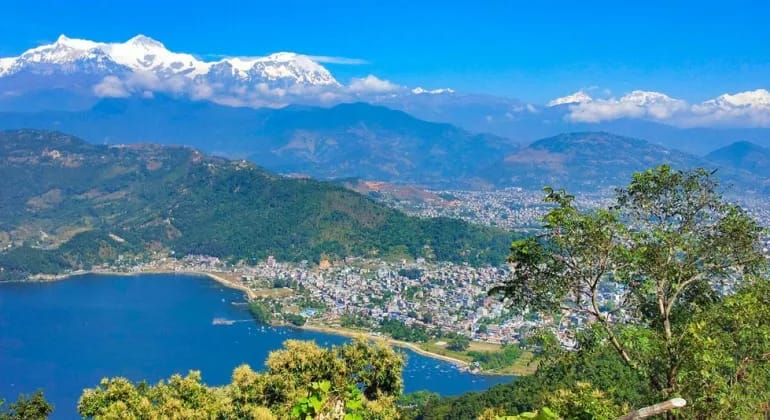
Pokhara, Nepal is one of the most attractive travel destinations in South Asia, where tranquil lakes, forest-clad hills, traditional Nepali culture and the breathtaking Himalayan mountains come together. Located in Kaski district of Gandaki province, about 200 km west of Kathmandu by road, Pokhara is famous for its spectacular views of the Annapurna range, the prominent pyramid-shaped peaks of Machhapuchhre and the tranquil waters of Phewa Lake. Whether visitors are looking for a peaceful lakeside holiday, an exciting Himalayan expedition, a memorable family trip or a cultural discovery, Pokhara offers an exceptional combination of experiences.

Often referred to as the gateway to the Annapurna region , Pokhara serves as an important starting point for some of Nepal's most famous trekking routes. But this destination is much more than just a trekking base. Visitors can enjoy boat rides beneath the Himalayan peaks, watch the sunrise from Sarangkot, explore sacred caves and temples, experience paragliding above the valley, visit informative museums, and discover heritage sites that have evolved over centuries of regional trade and cultural exchange.

The tourist hub of Pokhara is the lively eastern shore of Lake Fewa , also known as Lakeside, also known as Baidam . This attractive area is home to lakeside restaurants, boutique hotels, travel agencies, handicraft shops, cafes and scenic walking trails. The atmosphere here is a wonderful blend of international tourism and the unique character of Nepal's mountainous regions.

Pokhara is particularly attractive to tourists from Bangladesh, as it offers easy city tours with beautiful views of the Himalayas, a variety of accommodation options, and convenient connections from Kathmandu to the next destination. Those planning a larger trip to Nepal can combine Kathmandu with Pokhara, while nature lovers can explore destinations like Fewa Lake and sarangkot .

Location: Pokhara city, Kaski district, Gandaki province, Nepal. Language: Nepali, but English is widely understood in major tourist destinations. Currency: Nepali rupee (NPR). Recommended duration: Three to five days to comfortably explore the city and surrounding areas, with additional days required for trekking.


Why Pokhara is famous: Natural beauty and Himalayan landscape

Pokhara's international fame is due to its unique geographical location. The city is situated in a wide valley surrounded by green hills, lakes, rivers and farmland, while some of the world's most impressive Himalayan peaks rise dramatically to the north. This combination allows travelers to enjoy spectacular mountain scenery without any strenuous high-altitude climbs.

Panoramic Annapurna mountain view

The Annapurna range dominates the northern horizon of Pokhara. Depending on visibility and viewing position, tourists can see Annapurna South, Annapurna I, other peaks of the Annapurna group, and the spectacular Machhapuchhre mountain, popularly known as the 'fishtail' for its distinctive twin peaks. These mountains become especially memorable when illuminated by the rising sun.

Panoramic views of the mountain are available from select hotels, lakeside viewpoints, nearby mountain peaks, and (sarangkot) elevated points such as Sarangkot. The visibility of the mountain changes at different times of the day, so travelers should plan to visit more than once if they plan to take photos.

Beautiful Fewa Lake

Phewa Lake , also spelled as Phewa Lake, is Pokhara's most well-known natural attraction. Its banks are lined with restaurants, hotels, walking trails, and boat trips. On a clear morning, the surrounding hills and distant mountains can be reflected in the lake's waters, creating one of the most picturesque views in Nepal.

Visitors can rent boats, take photos of the coast, enjoy the sunset, visit the island's Tal Barahi temple, or simply sit and relax by the water. Wearing a life jacket is mandatory during boat trips and passengers must follow the instructions of licensed boat drivers.

Gateway to Himalayan expeditions

From Pokhara, the Annapurna region offers opportunities for short mountain walks, rural experiences and longer trekking expeditions. Popular itineraries include Australian Camp, Dhampus, Ghorapani-Pun Hill, Mardi Himal and Annapurna Base Camp Route. The difficulty, duration, permit requirements and mandatory guide regulations of the trek depend on the route chosen and current Nepali laws.

This remarkable balance of city amenities and nearby mountain wilderness makes Pokhara attractive to families, photographers, honeymooners, nature lovers, adventure seekers, and first-time visitors to Nepal.


History, local culture and spiritual traditions

Pokhara's appeal is not limited to its natural beauty. Historically, the valley was part of an important trade route between the Himalayan interior, the Tibetan-adjacent trading community, and the lower regions of Nepal and India. This trade context has contributed to a distinct cultural landscape formed by the Gurung, Magar, Newar, and Thaali peoples.

Traditional communities and traditions

The Gurung and Magar communities have long-standing cultural ties to the surrounding hills and Nepal's famous Gorkha military tradition. The Thaali community, who are historically associated with the Kali Gandaki corridor and the Mustang region, are particularly known for their commercial heritage, hospitality, and distinctive cuisine. The Newar community has contributed to urban commerce, crafts, and architecture.

A visit to Pokhara's old neighborhoods reveals a different side of the city from the modern tourist-centric lakeside areas. Traditional houses, local markets, religious sites, and daily neighborhood activities provide insight into the social history of western Nepal.

Vindhyavasini Temple and Religious Traditions

Vindhyavasini Temple, located near the Old Bazaar, is an important Hindu pilgrimage site dedicated to Goddess Bhagwati. Its elevated position offers views of parts of Pokhara, and the temple premises offer opportunities to observe local devotional traditions.

Another important religious attraction is the Tal Barahi Temple , located on an island in Phewa Lake. This sacred site, dedicated to a form of the Hindu goddess, is usually reached by boat. Visitors should be respectful of worshippers, observe the ban on photography, and dress appropriately.

World Peace Pagoda

The World Peace Pagoda , also known as the Peace Stupa, is located on a hill overlooking Fewa Lake. Its white Buddhist architecture symbolizes peace and spiritual harmony. Its surroundings offer a magnificent panorama of the lake, the city, and the Himalayan skyline.

Visitors should maintain a respectful environment around Buddhist monuments and follow posted instructions regarding footwear, photography, and movement around religious sites.


Best things to do in Pokhara

Pokhara offers a remarkable variety of outdoor, cultural, recreational, and educational activities. Travelers can enjoy the city's main attractions over several days without trying to fit everything into a single itinerary.

1. Enjoy a boat trip on Fewa Lake

One of the main attractions of Pokhara is the boat ride. Visitors can explore the waters around the lakeside and reach the Tal Barahi temple by traditional wooden boats and other locally operated watercraft. Early morning and late afternoon are popular times for sightseeing and photography. Boat rental arrangements vary between government boat stations and private operators.

2. Watch the Himalayan sunrise from Sarangkot

Head to sarangkot before sunrise for an unforgettable view of the mountain skyline . This high ridge is one of the most famous tourist attractions in Pokhara. Travelers can reach the area by road or by using the cable car when it is in operation. Allow extra time to reach the final viewpoint.

3. Experience paragliding over Pokhara

Pokhara is internationally known for tandem paragliding. Flights operated by qualified pilots offer sweeping views of the surrounding hills, farmlands, valleys and distant mountains. Take-off locations, landing arrangements, eligibility criteria and availability are subject to aviation regulations and operating conditions. Choose an approved operator and check insurance coverage before booking.

4. Visit Devi Falls and Gupteshwar Cave

Devi Falls , also known as Davis Falls or Patale Chango, is an exceptional waterfall where water cascades down an underground channel. The nearby Gupteshwar Mahadev Caves contain a Hindu temple dedicated to Lord Shiva along with natural rock formations. These attractions can be conveniently visited on the same trip. The cave passages may have stairs, narrow spaces, and slippery surfaces.

5. Visit the International Mountain Museum

The International Mountain Museum hosts exhibitions on Himalayan geography, the history of mountaineering, mountain people, exploration, and environmental conservation. It is particularly rewarding for travelers interested in the Annapurna region and Nepal's mountaineering heritage.

6. Explore the old markets and local markets

The old commercial area of ​​Pokhara offers a glimpse of traditional shops, neighborhood streets, local commerce, and historical architecture. Tourists can also visit the Vindhyavasini Temple and other nearby heritage sites in this area.

7. Discover Begnas Lake

Located east of Pokhara's central tourist area, Begnas Lake is a tranquil destination surrounded by rural landscapes and forested hills. It's an attractive option for those looking for a more tranquil lakeside getaway, delicious restaurants, local fish dishes, or a relaxing half-day excursion.

8. Try hiking and mountain biking.

Walking along the small paths of Sarangkot, Dhampus, Australian Camp and the surrounding villages offers scenic views of terraced fields, hillside settlements and mountains. Mountain biking is another popular way to explore the countryside. Travelers should choose their own routes, gather reliable directions and consider hiring an experienced local guide.

9. Visit the Pumadikot Shiva Statue

The well-known Shiva statue at Pudikot on the hill south of Fewa Lake (pumdikot shiva statue) is a religious and scenic attraction. Many visitors combine it with the World Peace Pagoda, which makes for a convenient trip focusing on Himalayan panoramas, cultural sites, and photography.

10. Enjoy lakeside cafes and evening walks

One of Pokhara's simple pleasures is spending a quiet evening around the lakeside. Visitors can browse souvenir shops, enjoy local cuisine, take sunset photos, and explore the lively restaurant area. This atmosphere is especially enjoyable for couples, families, and travelers looking to relax in between outdoor activities.


Ticket prices, entrance fees and rules for visitors

Entry to Pokhara city is free. There are no general entrance tickets and visitors can explore the main streets, markets and lakeside areas without purchasing any attraction passes. However, various museums, caves, waterfalls, boat services, cable cars, protected areas and adventure activities may incur entry or participation fees.

The following figures are approximate travel budget estimates, not verified official tariffs as of October 2026. Prices may vary depending on nationality, age, service level and operator. Please confirm current rates at the official counter before visiting.

Attraction or activity Estimated cost Important notes
Pokhara city and public lakeside areas Free There is no general ticket to enter the city.
Boat trip on Fewa Lake Approximately 200–500 Nepalese rupees per person for some shared arrangements. Private boat rentals and longer trips incur additional costs.
Private boat rental Approximately 600-1,500 Nepalese rupees or more Duration depends on the ship and rental arrangement.
The Fall of the Goddess Entry fee paid; current fee verification required. Visit the ticket counter to know the visitor categories.
Gupteshwar Mahadev Cave Entry fee paid; current fee verification required. Please verify locally before entering.
International Mountain Museum Entrance fee including visitor-class price Check the museum's current government tariff.
Sarangkot Cable Car Individually paid tickets Prices vary according to nationality and ticket category.
Tandem paragliding Often around 8,000–15,000 Nepalese rupees or more There is a considerable difference between packages and included services.
Surroundings of the World Peace Pagoda Generally accessible without the city's usual entrance ticket. Local parking or other charges may apply.
Annapurna Trekking Route Permit and reservation fees may apply. Requirements depend on route and nationality.

Important guidelines for visitors

  • Boating safety: Wear the right size life jacket and avoid boarding a boat with too many passengers.
  • Religious etiquette: Dress respectfully in temples, monasteries, and pilgrimage sites and follow the rules and regulations displayed.
  • Adventure activities: Use properly licensed operators, ensure safety measures, and be aware of insurance limitations.
  • Hiking and trekking: Carry adequate drinking water, suitable footwear, directional information, and necessary permits.
  • Environmental responsibility: Avoid littering around lakes, caves, forests, and mountain trails.
  • Payment: Carry some Nepalese rupees with you, as small shops, local vehicles, and rural establishments may not accept cards.
  • Photography: Ask permission before taking pictures of people or protected religious and cultural sites.

Travelers should understand the difference between a regular Pokhara visit and entry into the Annapurna Conservation Area. Trekking-related permits are separate from city entry permits. The Nepal Tourism Board publishes information about entry requirements for conservation areas on their official park-entry information page .


How to reach

Pokhara is located in the Gandaki Province of central Nepal and can be reached by domestic flights, intercity buses, private vehicles, or a combination of international travel and local transport. Travelers from Dhaka usually enter Nepal via Kathmandu and then travel to Pokhara. Since Pokhara is the headquarters of Kaski District, there is no separate transport system from the district headquarters to Pokhara; local travelers can go directly to Lakeside from the city's airport or main bus terminal.

Step 1: Travel from Dhaka to Kathmandu by air

For most travelers departing from Bangladesh, flying from Hazrat Shahjalal International Airport (DAC) in Dhaka to Tribhuvan International Airport (KTM) in Kathmandu is the most convenient way to travel. Depending on the airline and operating schedule, non-stop flights can take approximately 1 hour 20 minutes to 1 hour 40 minutes. You should check flight availability, connection options, and ticket prices for your intended travel dates.

After arriving in Kathmandu, visitors can travel to Pokhara by domestic flight, tourist bus, or private vehicle. Allow sufficient time for immigration, baggage collection, and travel between flights or terminals.

Step 2a: Kathmandu to Pokhara by domestic flight

Domestic flights between Kathmandu and Pokhara are one of the fastest transport options. Scheduled flight times are usually around 25-30 minutes , although the total travel time can be longer if airport formalities and ground transportation are included.

  • Departure: Kathmandu Domestic Airport Terminal.
  • Arrival: Pokhara International Airport (PKR).
  • Flight duration: approximately 25-30 minutes.
  • Estimated airfare: Approximately 5,000–15,000 Nepalese rupees or more for a one-way trip, depending on nationality, airline, fare class, and booking date.
  • From the airport to the lakeside: It usually takes about 20–40 minutes by road, depending on traffic and the location of the accommodation.
  • Estimated budget for taxi: around 800–1,500 Nepalese rupees or more, depending on the operator and availability.

Nepal's flight schedule is subject to change due to operational constraints and visibility. Avoid scheduling international flights too close to domestic flights.

Step 2B: Kathmandu to Pokhara by tourist bus

Tourist buses are a popular alternative overland transportation. These services usually depart from the tourist bus drop-off area near Sorkhat in Kathmandu or from other operator-specified pickup points. Be sure to confirm the correct boarding location when purchasing your ticket.

  • General route: Kathmandu → Prithvi Highway Corridor → Mugling area → Pokhara.
  • Distance by road: Approximately 200 kilometers, depending on the specific terminal and route.
  • Travel time: Often takes 7-10 hours or more due to traffic jams, road repairs, and road conditions.
  • Estimated fare: Around 1,000–2,500 Nepalese rupees or more per person for tourist bus service.
  • Arrival: Pokhara Tourist Bus Stop and Bus Park; exact location may vary by company.

Comfortable tourist buses may have reclining seats, air conditioning, and designated rest areas. Road conditions and journey times can vary significantly, so travelers should not rely on a specific arrival time.

Step 2C: Kathmandu to Pokhara by private car

Private cars or rented vehicles can be used to start the journey at a convenient time and have the opportunity to take breaks along the way. Travelers can arrange for a vehicle through registered transport companies, hotels or established travel agencies. This route usually follows the same highway routes as intercity buses.

Estimated budget for a private car: Around 12,000–25,000 Nepalese rupees or more for a one-way trip, depending on the type of car, availability, included costs, and negotiation. Get a written price list that includes tolls, parking, driver fees, and any other additional charges.

Traveling by road from Dhaka

Entering Nepal from Bangladesh by land requires crossing India, making the process considerably more complicated than by air. Depending on the authorized border crossing, travelers may need an Indian visa or transit permit, a Nepali visa, and transportation arrangements across multiple jurisdictions.

A possible geographical route is to travel from Dhaka to northern Bangladesh, enter India through an authorized checkpoint, proceed to the India-Nepal border near Panitanki-Kakarvitta, and then head west through Nepal to Pokhara. This is not a single direct bus service, and the viability of this route depends on immigration regulations, operational checkpoints, vehicle permits, and available connections.

There is no direct passenger train service from Dhaka to Pokhara . Travelling by rail requires first travelling to India and then to Nepal by road, and completing the applicable visa and border procedures. Travellers should independently check current international rail services, rather than assuming that direct tickets will be available.

Transportation from Pokhara Airport and Bus Terminal

Upon arrival in Pokhara, the most common tourist destination is the lakeside near Fewa Lake. Airport taxis, hotel private vehicles, local taxis, and some public transport services can connect arriving travelers to their accommodations.

  • Airport Taxi: A rough budget estimate is around 800–1,500 Nepalese rupees or more to Lakeside.
  • Taxi from Central Bus Stop: Approximately 300-800 Nepalese Rupees or more depending on the terminal, distance, traffic, and bargaining.
  • Local buses: Usually inexpensive, costing a few dozen Nepalese rupees for short journeys within the city. Routes and fares should be confirmed locally.
  • Motorcycle or scooter rental: Approximately 800–1,800 Nepalese rupees or more per day, depending on the condition of the vehicle and rental terms.
  • Private car with driver: Fares vary depending on the duration and plan of the trip; negotiate the full fare before starting the journey.

Travelers arriving at Prithvi Chowk or other central transport hubs can seek a taxi to Lakeside, Hallan Chowk or the shores of Fewa Lake. These places are quite useful when negotiating accommodation arrangements. Lakeside is also a convenient hub for arranging trips to Sarangkot, Devi Falls, World Peace Pagoda and other nearby attractions.

Nepal Visa Information for Bangladeshi Travelers

Bangladeshi passport holders can apply for a Nepal tourist visa upon arrival at designated entry points, including Tribhuvan International Airport. Under Nepal's SAARC agreement, the first eligible tourist visa for up to 30 days in a calendar year may be issued free of charge. Fees may apply for additional travel and longer stays. Travelers should carry a valid passport and appropriate travel documents and confirm the latest requirements with the Nepalese Embassy in Dhaka before travel. (visa 1)

Best time to travel and recommended travel duration

Pokhara welcomes tourists all year round, although different seasons offer different sights and exciting experiences. The most popular times for mountain photography, trekking and outdoor activities are usually October to November and March to April .

October to November

This is a popular time for Himalayan travel, outdoor adventures, mountain photography and trekking. Hotels and established tourist destinations can see heavy demand, especially during festivals and popular holidays.

March to April

Spring is another great time to visit Pokhara, go on short hikes, explore scenic spots, and visit nearby hill towns. Rhododendron flowers in spring can add a splash of color to some of the higher altitude treks.

December to February

Winter can be an attractive time for those who like to explore the city, relax by the lake, and go on short trips. The mountain views can be quite beautiful, although you may need warm clothes if you leave early in the morning to see from higher altitudes.

May to September

This is a convenient time for city tours, lakeside cafes, museums and selected cultural attractions. However, there may be seasonal disruptions to outdoor activities, road trips, boating and mountaineering. Travelers should prepare themselves for the conditions and follow local safety advice.

How many days is enough?

Duration Recommended experiences
1 day Fewa Lake, the lake shores and some selected points of interest in the city center
2 days Add the sunrise at Sarangkot, the World Peace Pagoda and Devi's Falls.
3 days Include a day of museums, cultural attractions, and leisurely strolling.
4-5 days Add Begnas Lake, surrounding villages and optional thrilling activities.
7 days or more Combine a suitable guided trekking itinerary with a visit to Pokhara.

Recommended time for first-time travel: Three to five days is enough to complete the introductory phase without rushing through distant attractions.


Suggested three-day Pokhara itinerary

A three-day itinerary allows visitors to enjoy Pokhara's famous lakes, scenic mountain views, historical sites, and recreational activities, while also allowing time for relaxation.

Day 1: Fewa Lake and Lakeside

  • Morning: Arrive in Pokhara, transfer to Lakeside and check in at the accommodation.
  • As the day progresses: Explore the riverbank, local shops, and cafes.
  • Afternoon: Take a boat ride on Fewa Lake and visit the Tal Barahi Temple if you have the chance.
  • Evening: Enjoy the beautiful sunset view and have dinner at a lakeside restaurant.

Day Two: Sunrise, Holy Places and Natural Wonders

  • Early morning: Journey to Sarangkot to photograph the sunrise in the Himalayas.
  • Breakfast: Return to Lakeside or stop at a suitable restaurant.
  • Late morning: Visit Devi's Falls and Gupteshwar Mahadev Cave.
  • Afternoon: Visit the World Peace Pagoda and the Pundi Kot Shiva Statue.
  • Evening: Return to Lakeside for a leisurely dinner.

Day 3: Museums, Heritage and Optional Excursions

  • Morning: Visit to the International Mountain Museum.
  • As the day progresses: Visit the Vindhyavasini Temple and the old market of Pokhara.
  • Afternoon: Choose between a planned exciting activity, more sightseeing, or relaxing at a cafe.
  • Evening: Shop for souvenirs and prepare for the next journey.

Visitors with extra time on their hands can dedicate a half-day or full day to Begnas Lake, hike the village with a guide, or take in a more extensive experience in the surrounding mountains. Keep your activities flexible, as flight schedules, access to attractions, and outdoor conditions can change.


Where to eat

Pokhara has one of the most diverse cuisines in Nepal outside of Kathmandu. Traditional Nepalese cuisine, Tibetan-influenced dishes, Himalayan specialties, international restaurants, bakeries, and vegetarian cafes can be found throughout the city. The lakeside area is particularly convenient for international tourists, as the restaurants here are concentrated in a walkable tourist area.

Traditional Nepali food

Dal Bhat is a traditional Nepalese dish consisting of rice, lentil soup, various vegetable dishes, pickles, and sometimes meat or other accompaniments. It is satisfying, easily accessible, and a great way to get acquainted with local food traditions.

Thaali Khana is another highly recommended dining experience. Associated with the people of Thaak Khola region, this Thaali dish usually consists of rice, pulses, seasonal vegetables, pickles and various carefully prepared accompaniments. Both vegetarian and non-vegetarian combinations are available.

Popular dishes to try

  • Momo: Steamed or fried dumplings served with spicy sauce.
  • Thukpa: A type of noodle soup associated with the culinary traditions of the Himalayas.
  • Dal Bhat: A complete meal made with rice, lentils, vegetables and pickles.
  • Thali Set: A regional dish with unique accompaniments and spices.
  • Sel roti: Traditional round rice bread that is commonly associated with Nepali festivals and home cooking.
  • Dhido: A traditional thick dish often made with millet or buckwheat flour.
  • Freshwater fish dishes: Available at selected restaurants in Lake Begnas and other areas along the lake shore.

Best place to eat

Lakeside: The most convenient dining area for tourists, featuring international cuisine, Nepali restaurants, coffee shops, rooftop dining, and scenic views of Fewa Lake.

Old Market and Downtown Pokhara: Suitable for tourists who want to better experience the everyday Nepali restaurants, light meals, and local commercial areas.

Begnas Lake Area: Known for its rural and lakeside setting, cozy restaurants and local fish dishes.

Estimated food budget

Food type Estimated budget per person
Typical local breakfast NPR 100–300
Local restaurant food NPR 250–600
Food at cafes in tourist areas NPR 500–1,200
High-quality restaurant food NPR 1,200–2,500 or more

These amounts are approximate budget ranges, not verified restaurant menu prices. Menu, service charges, taxes, and restaurant standards may affect the final bill. Travelers with dietary restrictions should ask staff about ingredients, preparation methods, and potential cross-contamination.


Where to stay?

Pokhara offers a variety of accommodation options, from budget backpacker hostels to boutique hotels on the lakeside, cozy family resorts, and luxury accommodations with mountain views. Choosing the right area can significantly enhance your travel experience.

Lakeside: Best for first-time visitors

Lakeside is generally the most convenient area for tourists . Visitors staying here are close to Fewa Lake, restaurants, tour agencies, souvenir shops, boat services, and transportation providers. It is ideal for couples, families, solo travelers, and visitors without their own transportation.

Hotels near Lakeside's busiest areas offer convenient access to dining and nightlife. Travelers looking for a quieter stay should consider hotels located on less crowded side streets or away from entertainment centers.

Damside: A Quiet Alternative

Located in the southern part of the urban area of ​​Fewa Lake, Damside offers a more relaxed atmosphere in select areas. The accommodation here is suitable for travelers who prefer to stay off the busiest tourist roads while still being within easy reach of the center of Pokhara.

Sarangkot: Best for Mountain Views

Accommodations around Sarangkot are particularly attractive to travelers who value Himalayan sunrise views and a tranquil high-altitude environment. Accommodations vary in accessibility and amenities, so guests should check vehicle access, transportation arrangements, and room-view category before booking.

Begnas Lake: Best for relaxation

Hotels and resorts around Begnas Lake can be attractive to couples, families, and nature-loving travelers who are interested in a quiet vacation. Since this area is far from the center of Lakeside, visitors should plan their transportation in advance to visit the city.

Estimated accommodation costs

Housing Department Estimated budget per night
Hostel or simple guesthouse NPR 800–2,000
Budget hotel NPR 1,500–3,500
Comfortable mid-range hotel NPR 3,500–8,000
High-end hotel or resort NPR 8,000–18,000 or more
Luxurious mountain-view resort NPR 18,000 or more

These rates are not an actual hotel price list, but rather a general idea for budgeting. Accommodation prices vary based on travel dates, festivals, room type, breakfast inclusions, and booking conditions.

Booking tip: For mountain-facing accommodations, ask for written confirmation of the exact room category and view. Even if a hotel is described as 'mountain-facing', there is no guarantee that every room will have an uninterrupted mountain view.


Travel budget, safety and practical advice

Pokhara has tours for people of all travel budgets, but the cost depends largely on the quality of accommodation, transportation options, organized activities, and the number of attractions with included entrance fees.

Estimated daily budget

Travel style Estimated daily budget per capita General inclusion
Budget NPR 2,500–4,500 Basic accommodation, local food, shared transportation, sightseeing for a limited amount of money
Mid-range NPR 5,000–10,000 Comfortable hotels, restaurant meals, taxis, selected sightseeing spots
Comfort-oriented NPR 12,000–25,000 or more High-quality accommodation, own transportation, excellent food, planned experiences

These calculations do not include international flights, major trekking packages, unusually expensive adventure sports, and other large one-time purchases.

Money and Payment

The local currency is the Nepalese rupee. There are ATMs, banks, and currency exchange facilities in tourist areas, although cash is convenient for smaller establishments and local transportation. Be sure to check the exchange rate and any transaction fees before changing money.

Personal safety

  • Use established transportation services and clarify the fare before starting the taxi ride.
  • Choose an approved adventure operator and follow their safety instructions.
  • Use a properly fitted life jacket during various activities on the lake.
  • Keep your passport and important documents safe, and store digital copies of them safely.
  • Stay away from dangerous waterfall edges, rapid rivers, and narrow cave passages.
  • Check current road and air travel advisories before long journeys.
  • Bring appropriate shoes and clothing for steep paths, temple stairs, and outdoor activities.
  • Drink safely purified or bottled water and take proper precautions regarding food hygiene.

Environmental and cultural responsibility

Pokhara's lakes, forests, and mountainous landscapes are valuable natural resources. Visitors can help protect them by avoiding single-use waste, littering responsibly, respecting wildlife, and choosing eco-friendly tourism companies.

Respect cultural heritage at Hindu temples and Buddhist monuments. Religious ceremonies, local festivals, and social gatherings are not mere spectacles for tourists, but rather meaningful occasions.

Accessibility considerations

Some parts of Lakeside are relatively easy to walk to, but many popular attractions have stairs, steep slopes, uneven surfaces, or narrow paths. Travelers with mobility limitations should check accessibility directly with accommodation providers and attraction operators. Private transportation can be particularly helpful for scenic mountaintop views and remote locations.

Reliable travel information

For destination information, see the Nepal Tourism Board's pokhara Guide . Local destination information is also availableon the Pokhara Municipal Tourism website (tourism.pokharamun.gov.np) . Travelers should check ticket prices, operating schedules, permits, and transportation arrangements well in advance of their trip.


Nearby attractions

Pokhara is surrounded by stunning natural scenery, lakes, religious sites, caves and cultural destinations. The following places of interest are located in the Pokhara metropolitan area or the surrounding Kaski district and can be included in short trips or more extensive itineraries.

1. Fewa Lake

Phewa Lake is the main attraction of Pokhara, offering boating, photography, sunset viewing, and a visit to the Tal Barahi Temple. The lakeside area is one of the most convenient places for first-time visitors.

2. Sarangkot

Sarangkot is a famous mountain viewpoint overlooking the Pokhara Valley and the Annapurna range. It is popular for sunrise viewing and is closely associated with Pokhara's paragliding tradition.

3. World Peace Pagoda

The world Peace Pagoda is located on a hill overlooking Fewa Lake . Its white Buddhist architecture and picturesque location make it a popular attraction for photographers, hikers, and culturally interested visitors.

4. The Fall of the Goddess

Devi Falls is a unique waterfall with an underground drainage system. This attraction is conveniently connected to the nearby Gupteshwar Mahadev Cave.

5. Gupteshwar Mahadev Cave

The Gupteshwar Mahadev Cave contains a Hindu temple and underground passages, which connect to natural formations and the surrounding waterfall system.

6. Begnas Lake

Located east of Pokhara's main tourist hub , begnas lake is a quiet alternative to the bustling atmosphere of Fewa Lake. Visitors come here for lakeside relaxation, scenic views, and local cuisine.

7. Silver Lake

rupa lake, part of the greater Pokhara metropolitan area , is another important freshwater lake. Its surroundings are attractive for nature photography, bird watching, and exploring the countryside.

8. International Mountain Museum

The International Mountain Museum showcases the history of mountaineering, the Himalayan environment, traditional peoples, and mountaineering achievements.

9. Vindhyavasini Temple

Vindhyavasini Temple, near Pokhara's old commercial area, is an important Hindu pilgrimage site, offering both cultural insight and enhanced city views. (bindhyabasini temple)

10. Pumadikot Shiva Statue

The Pumadikot Shiva Statue is a prominent hilltop religious monument overlooking the Pokhara region. It is often combined with a visit to the World Peace Pagoda.

11. Mahendra Cave and Bat Cave

Mahendra Cave and Batur Cave are two well-known cave tourist destinations located north of central Pokhara. Visitors should be prepared for uneven terrain, stairs, narrow passages, and potentially slippery paths.

12. Dhampus and Australian Camp

Dhampus and australian camp offer short treks in the hills surrounding Pokhara , two attractive options for those who want to enjoy village scenery, jungle trails, and panoramic views of the Himalayas without a major expedition.

For a delightful regional itinerary, combine a trip to Sarangkot, World Peace Pagoda, Devi Falls and Gupteshwar Mahadev Caves with a visit to the shores of Fewa Lake before exploring Begnas Lake or nearby hill villages. These experiences show why Pokhara remains one of Nepal's most attractive destinations for nature, culture, photography and adventure tourism.

Frequently Asked Questions (FAQ)

Pokhara is located in Kaski District of the Gandaki Province of Nepal, approximately 200 kilometers west of Kathmandu by road, depending on the route. The city is located in a picturesque valley surrounded by green hills and the Himalayan range. Pokhara serves as the headquarters of Kaski District and is internationally known as the gateway to the Annapurna trekking region.

logo ColoZai

ColoZai is a trusted travel guide and destination explorer platform in Bangladesh. We are making travel simple, authentic, and accessible for everyone.

Need Help ?

We are Always here for you! Knock us on Whatsapp (10AM - 10PM) or Email us.