Kuala Lumpur Malaysia

Kuala Lumpur Malaysia

Kuala Lumpur
·

2 October 2026

Travel Overview & Quick Facts

Directions
Location
Kuala Lumpur
Admission / Entry Fee
Entry to Kuala Lumpur city is free. Public areas such as Merdeka Square, KLCC Park and many streets, markets and religious sites can be visited without a general admission ticket. Separate fees may apply for individual attractions including the Petronas Twin Towers Observation Experience, KL Tower, Aquaria KLCC and certain museums. Public transport, guided tours and recreational activities are charged separately. All prices are quoted in Malaysian Ringgit (MYR or RM).
Best Time to Visit
Open all year round, but December to February and June to August are popular for sightseeing, shopping, and cultural activities.
Opening Hours
Open 24 hours
Category / Type
Capital city tourism, cultural and historical tourism, architectural and urban tourism, shopping and culinary tourism

Introduction to Kuala Lumpur Malaysia

Kuala Lumpur, Malaysia is the country's vibrant national capital. It is an exciting destination where futuristic skyscrapers, historic architecture, colorful markets, heritage sites and renowned Southeast Asian cuisine come together. Commonly known as KL, this cosmopolitan city offers an unforgettable blend of urban elegance and multicultural heritage. Located on the Malaysian peninsula, Kuala Lumpur serves as a major gateway for international tourists visiting the country.

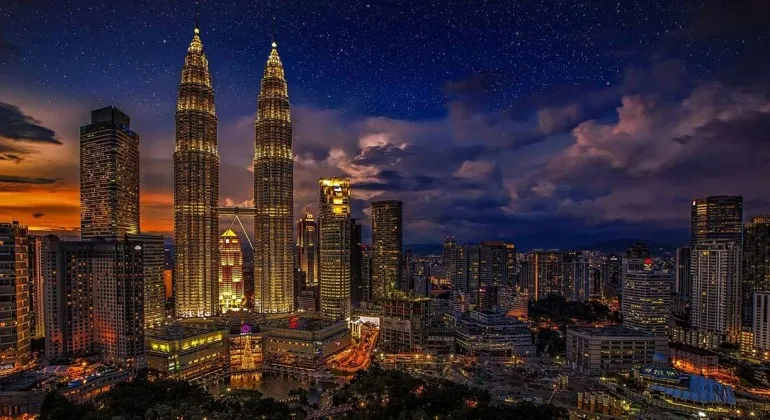
The city's most recognizable landmark is the magnificent Petronas Towers Malaysia , whose distinctive twin skyscrapers have become an internationally recognized symbol of Malaysia's development. Beyond the skyline, travelers can explore the historic Merdeka Square, the picturesque streets of Chinatown, the bustling Bukit Bintang shopping area, traditional Malay architecture, impressive mosques, and fascinating museums.

Kuala Lumpur's cultural identity is a reflection of the heritage of its Malay, Chinese, Indian and other communities, passed down through generations, which has shaped the city's food, festivals, architecture and daily life. In this incredibly diverse urban environment, visitors can enjoy fragrant nasi lemak for breakfast, explore ornate Chinese temples, marvel at the intricate details of Islamic architecture and experience authentic Indian cuisine.

Unlike any single monument or ticketed attraction, Kuala Lumpur is a complete metropolitan destination. Its streets, public squares, parks, and neighborhoods are generally free to visit, although museums, observatories, and entertainment venues may require tickets. The coordinates provided indicate a common central landmark in Kuala Lumpur, rather than the entrance to any specific attraction. The Google Maps URL uses independently published city-center coordinates; its exact location has not been independently verified. The city-wide Google Maps review ratings and number of reviews have not been verified, so these fields are intentionally left blank, not fabricated.

Recommended duration of trip: Three to four days to experience the city's main attractions, cultural areas, shopping, and dining. Travelers with limited time can explore select attractions in the city center in one or two days, while those with five days or more can create a more relaxed itinerary by traveling outside the city center.


History and cultural heritage of Kuala Lumpur

The city of Kuala Lumpur developed in the 19th century around the confluence of the Klang and Gombak rivers. The general translation of its name is 'muddy confluence', reflecting the geographical location associated with the early development of the settlement. Tin mining activities in the surrounding area encouraged commercial growth and attracted a migrant community, transforming the settlement into an increasingly important trading centre.

During British colonial rule, Kuala Lumpur developed into an important administrative and commercial centre. Railways, government buildings, commercial areas and civic institutions reshaped the city's landscape. Many of the surviving heritage buildings reflect the architectural influences of British colonial administration, Islamic design traditions and local adaptations.

Upon independence in 1957, the city became the capital of the Federation of Malaya, and remained the national capital after the formation of Malaysia in 1963. Today, Kuala Lumpur is the national capital of Malaysia and a federal territory, while Putrajaya serves as the country's federal administrative center.

Important historical monuments

  • Merdeka Square: An important national historical site associated with Malaya's independence on 31 August 1957. The square is particularly known for its vast green space and tall flagpole.
  • Sultan Abdul Samad Building: Built in 1897, this historic structure features arched colonnades, distinctive domes, and a clock tower, overlooking Merdeka Square.
  • Jamek Mosque: One of Kuala Lumpur's earliest notable mosques, located near the historic confluence of the Klang and Gombak rivers.
  • Central Market: Established as a market in 1888, it later became an important destination for shopping for Malaysian handicrafts, souvenirs, and cultural items.
  • National Textile Museum: A heritage-focused institution that showcases Malaysia's textile heritage, decoration techniques and cultural crafts.

A walk through Kuala Lumpur's historic center reveals a striking contrast between colonial-era buildings, modern infrastructure, and bustling traditional commercial areas. Visitors interested in Malaysian history should set aside a few hours for Merdeka Square, the nearby museum, Chinatown, and the Masjid Jamek area.


Top attractions and architectural highlights

Kuala Lumpur has a wide variety of attractions, from internationally renowned skyscrapers to well-maintained parks, museums, markets, and historic religious architecture. The city's main attractions are spread across several neighborhoods, making it a great combination of public transportation and walking.

Petronas Twin Towers and KLCC

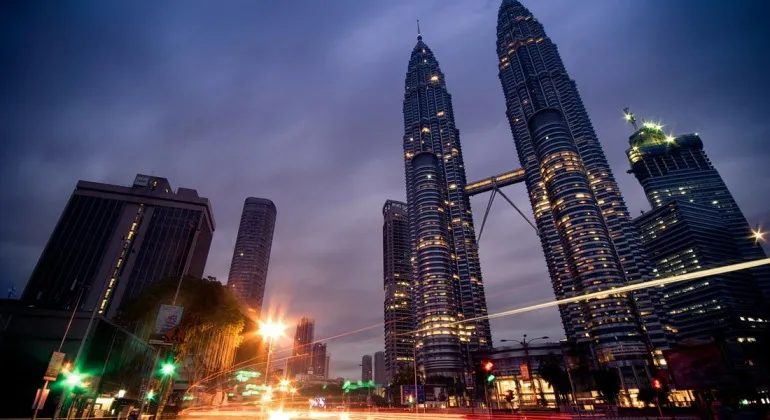
The 88-story petronas Towers in Malaysia are one of the most famous architectural landmarks in Southeast Asia. Standing at 452 meters tall, the towers have a striking design influenced by Islamic geometric patterns. Visitors can take photos of the towers from the surrounding public areas or purchase admission to enjoy the skybridge and designated observation decks.

The nearby Kuala Lumpur City Centre, commonly known as KLCC, is home to the Suria KLCC shopping mall, luxury hotels, international restaurants and the well-maintained KLCC Park. The park features pedestrian walkways, landscaped gardens and striking views of the towers, making the area particularly enjoyable for families and photography enthusiasts.

KL Tower

Menara Kuala Lumpur, commonly known as KL Tower, is a major telecommunications and observation tower located in Bukit Nanas. Its observation decks offer sweeping views of the Kuala Lumpur city skyline. Admission fees and access arrangements vary depending on the observation experience selected.

Merdeka Square and Sultan Abdul Samad Building

Merdeka Square or Dataran Merdeka is one of the most important historical public spaces in the city. Visitors can admire the famous Sultan Abdul Samad Building and explore the nearby traditional streets. The surrounding area is particularly interesting for architecture lovers interested in Malaysia's colonial era and national history.

Bukit Bintang

Bukit Bintang is Kuala Lumpur's vibrant shopping and entertainment hub, known for its large malls, restaurants, international retailers and nightlife. Pavilion Kuala Lumpur and its surrounding shopping streets attract visitors who seek both a modern shopping experience and a vibrant urban environment.

Chinatown and Petaling Street

Chinatown is home to street markets, traditional shops, restaurants, heritage buildings and important cultural landmarks. Petaling Street is particularly popular for bargain shopping, souvenirs and street food. Nearby attractions include the Sri Maha Mariamman Temple and several historic streets around the old commercial centre.

Islamic Arts Museum Malaysia

Located near the Perdana Botanical Gardens, the Islamic Arts Museum of Malaysia presents Islamic decorative arts, historical objects, architectural models and cultural collections. It is an excellent destination for visitors interested in arts, crafts and the wider Islamic world.

Perdana Botanical Garden

The sprawling botanical garden area provides a striking contrast to the busy commercial areas of Kuala Lumpur. Visitors can explore the landscaped grounds, walking trails, and nearby nature-focused attractions. It is a worthwhile destination for travelers looking for a more relaxing outdoor experience within the capital.


Things to do and memorable experiences

Kuala Lumpur rewards travelers who explore beyond the designated tourist attractions. The city is especially enjoyable when sightseeing is combined with exploring new food, strolling through neighborhoods, cultural activities, and evening photo opportunities.

Recommended experience

  • Explore the city skyline: Take photos of the Petronas Towers Malaysia from KLCC Park and enjoy the city's skyscraper architecture.
  • Explore the traditional areas: Walk through Merdeka Square, Jamek Mosque, Chinatown and the historic streets around it.
  • Taste Malaysian street food: Visit local food courts, traditional food stalls, and the Jalan Alor food district.
  • Enjoy shopping: Explore Pavilion Kuala Lumpur, Suria KLCC, Central Market, and the surrounding shopping streets.
  • Visit museums: Learn about Malaysian history, Islamic art, traditional crafts, and regional cultural heritage.
  • Experience multicultural heritage: observe local architecture, reverently visit religious sites, and discover the city's diverse culinary influences.
  • Enjoy an evening stroll: Explore the illuminated central sights and well-known shopping areas after sunset.
  • Go on a regional trip: You might consider a trip to Batu Caves in nearby Selangor, which is famous for its limestone surroundings and Hindu religious significance.

Suggested plan for a three-day Kuala Lumpur trip

Day Suggested itinerary Main experience
First day KLCC, Petronas Twin Towers, KLCC Park and Bukit Bintang Modern architecture, skyline photography, shopping and dining
Second day Merdeka Square, Sultan Abdul Samad Building, Central Market and Chinatown History, traditional markets and multicultural heritage
Third day Perdana Botanical Gardens, Islamic Arts Museum and KL Tower Gardens, museums, cultural education and beautiful views of the city

Travelers with extra days can explore residential areas, contemporary art centers, or destinations outside of Kuala Lumpur's city center. For a more relaxed itinerary, plan your sightseeing in a group by area rather than traveling through the city repeatedly during busy times.


Ticket prices, entrance fees and visiting rules

Kuala Lumpur city is free to enter. There are no general admission tickets, entrance fees, or mandatory sightseeing passes in the city. Travelers only need to budget for accommodation, transportation, food, and activities that require separate entrance fees.

Estimated visitor spending

Attraction or activity Admission information
Streets and public areas in Kuala Lumpur city Free to explore
Merdeka Square Free entry to the public square, subject to event restrictions.
KLCC Park Free general admission
Chinatown and Petaling Street Getting around is free; shopping and dining cost extra.
Central Market Admission is generally free; additional charges apply for shopping and certain activities.
Petronas Twin Towers Observation Experience Tickets are required; prices vary by age, residence, and ticket category.
KL Tower Observation Experience Entrance fees apply; cost depends on package selected.
Aquaria KLCC Entrance fees apply; prices depend on visitor category and promotion.
Selected museums and special exhibitions Free or paid depending on the institution and exhibition.

Ticketed attractions may have different prices for Malaysian citizens, international visitors, children and senior citizens. Online promotions and holiday schedules may also affect entry. Check the official websites of attractions before traveling rather than relying on unverified ticket prices.

Practical inspection guide

  • Respect religious customs: Wear appropriate modest clothing when entering mosques and temples. Some places provide a chador or covering for visitors.
  • Follow photography regulations: Photography may be prohibited in some religious sites, exhibitions, and security-sensitive areas.
  • Keep valuables safe: Take general precautions when traveling in the city, especially in busy markets, public transport stations and crowded shopping areas.
  • Follow local regulations: Follow posted restrictions regarding smoking, littering, pedestrian access, and public behavior.
  • Book popular experiences: If possible, especially during peak travel seasons, reserve observation-deck tickets and special activities in advance.
  • Allow security checks: Bag inspections or visitor screening may be required at major towers, museums, and transportation hubs.

Best time to visit Kuala Lumpur

Kuala Lumpur is a year-round urban destination, with shopping malls, museums, restaurants, cultural venues, and many attractions open year-round. The best time to visit depends on the tourist's preferred activities, interest in festivals, and ability to tolerate holiday crowds.

December to February is attractive for those interested in festive shopping, year-end celebrations and major cultural events . June to August is another popular time for families, international tourists and long holidays in Southeast Asia . These are realistic travel planning choices, not guarantees of any specific outdoor conditions.

Best time of day

  • Morning, approximately 8:00 AM - 11:00 AM: Suitable for sightseeing, parks, taking photos outdoors, and visiting historical areas.
  • Afternoon, approximately 12:00 PM - 4:00 PM: Convenient for museums, galleries, shopping malls, and indoor attractions.
  • Evening, approximately 6:00 PM - 10:00 PM: Popular for taking photos of illuminated sights, restaurants, shopping areas, and the city skyline.

Travelers planning to visit major attractions during weekends, Malaysian public holidays, or important festivals should book accommodation and entrance tickets in advance. Individual businesses and attractions may operate on modified schedules during religious festivals or special events.


How to reach

Kuala Lumpur is one of the major transportation hubs in Southeast Asia and is accessible by international flights, intercity trains, long-distance buses and Malaysia's extensive road network. For travelers from Bangladesh, flying from Dhaka is the most convenient option. Once in Malaysia, rail services, public buses, taxis and app-based transportation systems provide convenient connections between the airport, KL Sentral and the city's main districts.

Step 1: Travel from Dhaka, Bangladesh to Kuala Lumpur

Book a flight to Kuala Lumpur International Airport (KUL) departing from Hazrat Shahjalal International Airport (DAC) in Dhaka. Depending on the airline's current schedule, passengers can choose between a direct flight or a connecting flight. A direct flight usually takes around four hours, although the exact duration varies depending on the airline, route and operating conditions.

Ticket prices vary significantly depending on the booking period, travel season, airline, and baggage allowance. To give you an idea, a return fare for economy class can be around 25,000-60,000 taka or more, but this is not a verified and immediate price. Compare current prices across airlines before finalizing your travel dates.

Important: Bangladeshi passport holders should check with the Malaysian government immigration authorities regarding the country's current visa requirements, passport validity, required documents for entry, and applicable Malaysia Digital Arrival Card regulations before leaving the country.

Step 2: Travel from Kuala Lumpur International Airport to KL Sentral

After clearing immigration and collecting your luggage, follow the airport signs for the rail, bus, taxi or approved e-hailing pickup point. Kuala Lumpur International Airport has Terminal 1 and Terminal 2, and ground transportation is available from both locations.

  • KLIA Express: Use the Airport Rail Link to travel to KL Sentral, the city's main rail interchange. As of October 2026, the normal one-way fare for adults was RM55. The airport authority has announced that it will increase the fare to RM65 from 1 January 2027. The express journey from Terminal 1 to KL Sentral takes approximately 28 minutes, with additional time required if travelling from Terminal 2.
  • KLIA Transit: An alternative airport rail service that stops at intermediate stations, including Putrajaya and Cyberjaya and Bandar Tasik Selatan. The normal adult fare from the airport terminal to KL Sentral is RM55 until October 2026.
  • Airport Bus: Coach services connect airport terminals to specific transport hubs in the city, including KL Sentral. Depending on traffic, this can take around 60-90 minutes or more. Estimated fares for adults are usually between RM12-RM20, depending on the operator and service.
  • Taxi or Grab: A convenient option for families, groups, and travelers with a lot of luggage. The cost to get to central Kuala Lumpur can range from approximately RM65-RM120 or more, depending on pickup location, tolls, vehicle type, traffic, and demand.

Step 3: Reach the main attractions from KL Sentral

KL Sentral is a convenient starting point for reaching Kuala Lumpur's main attractions. Its rail connections include services operated by the city's integrated public transport system.

  • To get to KLCC and the Petronas Twin Towers: Take the Kelana Jaya LRT line from KL Sentral towards Gombak and get off at KLCC station. Walk through the adjacent shopping area towards the towers. This journey usually takes around 15-25 minutes, excluding any additional waiting time.
  • To get to Merdeka Square: Take the Kelana Jaya LRT line to Masjid Jamek and walk through the historic area.
  • To get to Bukit Bintang: Use the KL Monorail from the KL Sentral area, or follow the appropriate MRT connection.
  • To get to Chinatown: Take the train to Pasar Seni, then walk to Petaling Street and nearby heritage sites.

By long-distance bus from Malaysian cities

Travelers already in Malaysia can reach Kuala Lumpur by long-distance bus services from major urban areas. Terminal Bersepadu Selatan, commonly known as TBS, is a major intercity bus terminal connected to the Bandar Tasik Selatan railway station. The journey from Melaka usually takes about two to three hours, while the journey from Penang usually takes four to six hours, depending on the starting point and traffic congestion.

For planning purposes, intercity bus fares can range from approximately RM10-RM50 or more depending on the route, operator and vehicle class. Please confirm the exact departure terminal, schedule and fare with the bus operator.

By train from other cities in Malaysia

KTM intercity and electric train services connect Kuala Lumpur to various destinations in Peninsular Malaysia. Commuters arriving from cities such as Ipoh or Butterworth can use the appropriate KTM services to reach KL Sentral, subject to current timetables. KTM Commuter also serves numerous destinations within the greater Klang Valley.

Local transportation and fare estimates

Transportation Indicative rent Best use
LRT, MRT or Monorail Estimated RM1.20-RM6 for many city journeys Movement between central districts
Rapid KL City Bus Usually inexpensive, often a few ringgit Areas where there is no direct rail service
Short-distance Grab rides Approximately 8-25 ringgit or more Door-to-door travel and luggage
Airport coach Approximately RM12-RM20 Low budget airport transfers
Rail from the airport to KL Sentral One-way fares for adults are 55 ringgit until the announced increase in 2027. Predictable airport connections
Private car rental Approximately 100-250 ringgit or more per day Independent regional travel

All local fares, except for official airport-rail fares for specific dates, are not actual prices, but rather approximate estimates. Taxi fares may be subject to additional tolls or surcharges. Renting a car is generally less necessary to get around the city center, as Kuala Lumpur's rail system extends to many major districts. International tourists planning to drive should check licensing requirements, insurance coverage, and rental company policies.

Useful signs for directions

Important landmarks include KL Sentral, Masjid Jamek Station, Pasar Seni Station, Bukit Bintang Station, KLCC Station, Merdeka Square, Central Market and Petronas Towers Malaysia . These landmarks help visitors plan efficient routes between cultural areas and modern attractions.

Kuala Lumpur Malaysia

GPS: 3.139, 101.6869
Get Directions

Where to eat

Kuala Lumpur is one of Malaysia's top destinations for foodies. From traditional family restaurants and hawker stalls to modern food courts and fine dining, the city is home to influences from Malay, Chinese, Indian, Peranakan and international cuisines.

Traditional Malaysian food worth trying

  • Nasi Lemak: Coconut-flavored rice usually served with sambal, anchovies, peanuts, cucumber, and egg; sometimes accompanied by chicken or other ingredients.
  • Roti Canai: A type of popular crispy bread that is usually served with curries or dal and is often eaten for breakfast.
  • Char Koi Teo: Fried flat rice noodles made with various ingredients according to the vendor's own style.
  • Satay: Grilled meat wrapped in string, usually served with peanut sauce and other accompaniments.
  • Laksa: A delicious noodle dish that comes in different forms in different regions.
  • Teh Tarik: Malaysian strained milk tea, traditionally made by pouring tea between two pots.
  • Chendol: A popular dessert, consisting of crushed ice, coconut milk, tamarind syrup, and green jelly.

Popular dining areas

Jalan Alor, Bukit Bintang: This is a well-known evening food street, with a wide range of restaurants, grilled specialties, noodle dishes and desserts. The prices and types of food here vary from simple street food to more upscale restaurant experiences.

Chinatown and Petaling Street: Great places to find traditional food stalls, Chinese-influenced Malaysian cuisine, bakeries, drinks, and market food vendors.

Kampung Baru: A distinct urban area, known for its Malay culinary heritage, local restaurants, and a contrasting view of Kuala Lumpur's modern skyscrapers.

Brickfields: Also known as Little India, this area has a wide range of South Indian and other Indian-influenced food options, including banana leaf rice, vegetarian dishes, and traditional sweets.

Suria KLCC and Pavilion Kuala Lumpur: Convenient to international restaurants, established local dining brands, cafes and a well-organized food court. The KLCC dining area is particularly convenient after visiting the Petronas Towers Malaysia .

Estimated food budget

Food type Estimated cost per person
Typical local breakfast RM5-RM12
Typical local food 10-25 ringgit
Average restaurant food 25-60 ringgit
High quality food 80-200 ringgit or more
Tea, coffee or local drinks RM3-RM15

These figures are approximate budgets, not verified restaurant menu prices. Travelers seeking halal, vegetarian, or allergy-sensitive meals should check with the establishment directly to confirm ingredients and preparation methods. Kuala Lumpur has a wide range of dining options, but each restaurant's certification and cuisine varies.


Where to stay?

Kuala Lumpur has accommodation options for almost every type of traveler, including budget hostels, guesthouses, business hotels, serviced apartments, international hotel chains, and luxury hotels with unique views of the city. The most convenient area depends on the traveler's itinerary, transportation preferences, and budget.

KLCC: Best for skyline views and upscale accommodations

The KLCC area is a convenient choice for travelers who prioritize major attractions, luxury shopping, international cuisine, and modern hotels. Being close to the Petronas Towers Malaysia, it is easy to get to central attractions and interesting evening strolls.

Hotels commonly associated with this larger area include Mandarin Oriental Kuala Lumpur, Grand Hyatt Kuala Lumpur and Traders Hotel Kuala Lumpur. Rates vary depending on dates, room category and availability.

Bukit Bintang: Best for shopping and entertainment

Bukit Bintang is perfect for travelers who enjoy shopping malls, restaurants, cafes, and lively evening activities. The area offers a variety of accommodations, from budget accommodations to high-end hotels, and is conveniently accessible via the monorail and MRT.

KL Sentral and Brickfields are best for transport connections.

Hotels near KL Sentral are especially convenient for travelers planning short trips, airport transfers, and train travel to other cities in Malaysia. Brickfields offers an opportunity to explore Kuala Lumpur's Indian cultural influence and diverse restaurant scene.

Chinatown: Best for budget-conscious and heritage-loving travelers

The Chinatown area attracts backpackers, independent travelers, and tourists interested in traditional streets, local markets, and cheap food. Hostels, capsule hotels, and boutique hotels can be found around Petaling Street and Pasar Seni.

Estimated accommodation budget

Housing Department Estimated cost per night
Hostel dormitory bed 30-70 ringgit
Budget private room 70-150 ringgit
Comfortable mid-range hotel RM150-RM350
High-quality hotel RM350-RM700
Luxury hotel or premium suite 700 ringgit or more

These are approximate plans, not the final hotel prices. Final prices may be affected by tourism taxes, service charges, booking conditions, and Malaysian public holidays. Please confirm cancellation policies, guest eligibility, additional charges, and exact location of the hotel before booking.

Practical advice: First-time travelers should consider staying within walking distance of an LRT, MRT, or monorail station. This can reduce travel costs and make it easier to explore multiple areas without relying too much on taxis.


Travel tips, safety and practical information

Good preparation helps tourists make the most of Kuala Lumpur's bustling urban environment. The city has a modern transportation system, large shopping centers, international-quality accommodations, and a wealth of tourist services, but traveling is made easier by understanding local customs and necessary precautions.

Essential travel information

  • Country: Malaysia.
  • Location: Federal Territory of Kuala Lumpur, Peninsular Malaysia.
  • Time zone: Malaysia time, UTC+8.
  • Currency: Malaysian Ringgit, abbreviated MYR or RM.
  • National language: Bahasa Malaysia, also commonly known as Malay. English is widely used in tourism, hospitality, and commerce.
  • Electricity: Type G electrical sockets with a supply capacity of 230 volts and 50 hertz are commonly used in Malaysia.
  • Emergency assistance: Malaysia uses 999 for major emergency services. Mobile emergency access and service routing can also support 112.
  • Main airport: Kuala Lumpur International Airport, IATA code KUL.
  • Main rail interchange: KL Sentral.

Money and Payment

Many hotels, shopping malls and established restaurants accept cards, but cash is still required for smaller shops, traditional markets and some street food vendors. Use a reputable bank or licensed money-changing service and check the currency exchange rate before exchanging money. Some public transport services require compatible stored-value cards or specific payment methods.

Clothing and cultural etiquette

Casual attire is generally appropriate for shopping areas and public places of interest. Visitors entering religious buildings should cover their bodies appropriately according to the venue's published rules. Shoes may be required to be removed before entering certain temples and places of worship.

Personal safety

Be mindful of personal belongings in crowded places, avoid displaying large amounts of cash, and use authorized transportation services. Verify vehicle details when booking e-hailing rides and exercise normal caution when crossing busy roads. Keep digital copies of important travel documents safely.

Family and accessibility considerations

Large shopping malls, many modern hotels, and several railway stations have elevators, escalators, and disabled access. However, pedestrian access varies in older streets, markets, and heritage areas. Travelers with mobility needs should check the station for stair-free access and attraction-specific amenities before traveling.

Families can create a flexible itinerary combining KLCC Park, shopping mall amenities, museums and indoor attractions. For major attractions and popular family activities, advance reservations can reduce uncertainty during busy travel times.


Nearby attractions

Kuala Lumpur's major tourist areas contain numerous attractions that can be combined to create convenient half-day or full-day itineraries. The following destinations are located within Kuala Lumpur and offer complementary architectural, historical, cultural, entertainment and shopping experiences.

Petronas Towers Malaysia

The world-famous Petronas Towers are one of the most important landmarks in the Malaysian capital. The twin towers, the surrounding KLCC Park and the nearby shopping facilities make them one of the city's must-see attractions. Visitors with a passion for photography should explore the surrounding open spaces to capture the city's skyline from different perspectives.

KLCC Park

Located next to the Petronas Twin Towers, KLCC Park features landscaped walkways, gardens, open spaces, and stunning views of the surrounding skyscrapers. It is especially suitable for families and travelers who want to enjoy the city's modern architecture without buying tickets to any attractions.

KL Tower

KL Tower offers a panoramic view of the capital's skyline. Its location near the Bukit Nanas area makes it a worthwhile destination for tourists interested in taking photos and taking in the city's skyline from a height.

Merdeka Square

Merdeka Square is an important historical site surrounded by architectural monuments. The Sultan Abdul Samad Building, nearby museums, and traditional streets make this area particularly attractive for cultural tourism.

Central Market

Central Market is a convenient destination for shopping for Malaysian souvenirs, clothing, decorative items, traditional handicrafts, and gifts inspired by local heritage. Its central location allows for easy access to Chinatown and nearby historical sites.

Petaling Street and Chinatown

Petaling Street is one of Kuala Lumpur's most well-known market areas. This small, traditional neighborhood offers visitors a bustling street lined with traditional food stalls, souvenir shops, and religious sites.

Islamic Arts Museum Malaysia

This museum provides a deeper understanding of Islamic artistic heritage, architecture and decorative arts. Its location near the Perdana Botanical Gardens area makes it convenient for a combined cultural and garden-focused tour.

Perdana Botanical Garden

This vast botanical garden offers a pleasant walk and a well-maintained environment away from the busy commercial areas. It can be visited in conjunction with museums and other attractions nearby in the larger garden area.

Bukit Bintang and Pavilion Kuala Lumpur

Bukit Bintang offers a vibrant contrast to the historic areas of Kuala Lumpur, with modern shopping malls, restaurants, cafes and entertainment options. It is particularly attractive to travelers who enjoy shopping and an urban nightlife experience.

Suggested itinerary: Explore Merdeka Square, Central Market and Chinatown in the morning, then head to KLCC in the afternoon. Finish the tour by walking around KLCC Park and enjoying the view of the illuminated Petronas Towers Malaysia . This itinerary combines Kuala Lumpur's historical heritage with its most recognizable modern skyline.

Frequently Asked Questions (FAQ)

Kuala Lumpur is famous for its spectacular skyline, multicultural heritage, shopping areas and Malaysian cuisine. The city's most internationally recognized landmark is the Petronas Towers Malaysia , a pair of 88-story skyscrapers that stand approximately 452 meters tall. Other major attractions include KL Tower, Merdeka Square, Chinatown, Central Market, Bukit Bintang, and the city's diverse food culture. Kuala Lumpur is also an important transportation and commercial hub in Southeast Asia.

Explore The Area

Top Attractions & Places to Visit in Kuala Lumpur

Discover more heritage, nature, and must-visit spots across Kuala Lumpur.

View all in Kuala Lumpur

Petronas Towers Malaysia

The Petronas Towers Malaysia, known internationally as the Petronas Twin Towers , are one of the most recognizable archi...

Shafayet Al-Anik

logo ColoZai

ColoZai is a trusted travel guide and destination explorer platform in Bangladesh. We are making travel simple, authentic, and accessible for everyone.

Need Help ?

We are Always here for you! Knock us on Whatsapp (10AM - 10PM) or Email us.