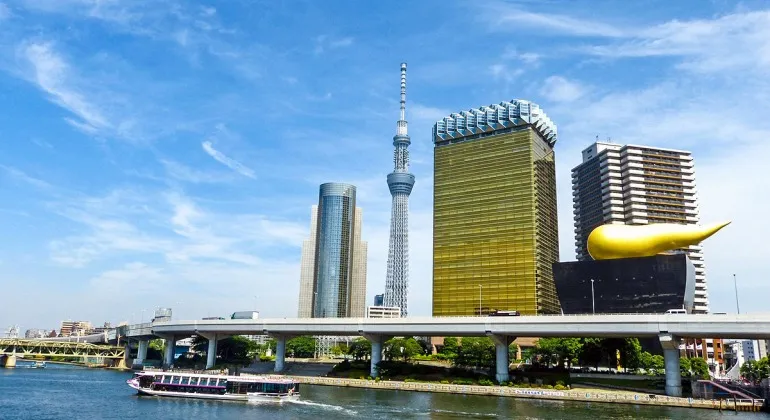
Tokyo city, Japan

Tokyo city, Japan

Tokyo
·

23 September 2026

Travel Overview & Quick Facts

Directions
Location
Tokyo
Admission / Entry Fee
Entry to Tokyo is free. Visitors can explore the city's main streets, famous areas, shopping malls, and many temples, shrines, and parks without purchasing an entrance ticket. Popular free attractions include Senso-ji Temple, Meiji Jingu Shrine grounds, Shibuya Crossing, and the Tokyo Metropolitan Government Building Observatory. Paid experiences include Tokyo Tower, Tokyo Sky Tree, museums, theme parks, observation decks, and guided activities. For example, admission to the main deck of Tokyo Tower costs about ¥1,500 per adult, but other attractions have different prices. Public transportation, accommodations, meals, and airport transfers are additional costs. Check each attraction's website for current admission prices and reservation requirements.
Best Time to Visit
Open all year round, but March to May and October to November are particularly popular.
Opening Hours
Open 24 hours
Category / Type
Capital City & Urban Tourism, Historical & Cultural Destinations, Shopping & Entertainment, Food & Lifestyle Tourism

Introduction to Tokyo city, Japan

Tokyo, Japan is one of the world's most exciting travel destinations, combining centuries-old Japanese traditions with futuristic architecture, great food, vibrant shopping streets, and a highly efficient transportation system. Located in the Kanto region of Honshu, Tokyo is the capital of Japan and its main political, economic, and cultural center. From the illuminated skyscrapers of Shinjuku to the historic temples of Asakusa, the city offers an incredibly diverse array of experiences for international travelers.

Tokyo is more accurately described as a metropolis than a single conventional municipality. The Tokyo metropolitan area consists of 23 special wards, 26 cities, five towns, and eight villages , extending far beyond its densely populated central districts. Its central wards contain some of Japan's most well-known landmarks, including Tokyo Tower, Tokyo Sky Tree, the Imperial Palace, Senso-ji Temple, Shibuya Crossing, and Meiji Jingu Shrine.

Tokyo's specialty is the contrast between its different areas. Visitors can enjoy the traditional atmosphere of Asakusa, browse the luxury boutiques of Ginza, discover anime and electronics culture in Akihabara, stroll the tranquil temple grounds of Harajuku, and enjoy the magnificent views of the city from Shibuya and Shinjuku. While each area feels like a separate destination, Tokyo's rail network conveniently connects them.

Tokyo is perfect for solo travelers, couples, families, photographers, culture lovers, foodies, and first-time visitors to Japan. A four to seven-day stay is recommended to take your time and explore its main attractions , although a short trip of just two days can provide an unforgettable start.

Travelers planning a longer vacation in Japan can combine Tokyo with other destinations such as kyoto , Osaka , and Mount Fuji . These trips reveal different aspects of Japan's heritage, landscape, and contemporary life.

Location and map information: The Google Maps link points to the city of Tokyo, Japan. Since Tokyo is a large metropolitan area rather than a single point of interest, the coordinates given here refer to the center of the map viewport of the referenced Google Maps URL; not to any individual entrance, landmark, or official geographic center. Similarly, there is no meaningful citywide Google Maps attraction rating or review count that can be reliably determined for all of Tokyo.


History and cultural significance

Tokyo's history dates back centuries. Originally known as Edo , the city became a major political and commercial center after the establishment of the Tokugawa Shogunate by Tokugawa Ieyasu in 1603. Throughout the Edo period, the city became an important center of administration, commerce, crafts, folk art, and urban culture.

In 1868, during the Meiji Restoration, the city of Edo was renamed Tokyo, meaning "Eastern Capital". The imperial court was moved from Kyoto, and Tokyo emerged as the administrative center of modern Japan. Rapid industrialization transformed the city's landscape, bringing with it railways, modern institutions, commerce, and Western-influenced architecture.

Tokyo suffered extensive damage from the Great Kanto Earthquake of 1923 and the bombings of World War II. Subsequent reconstruction and economic expansion helped shape the modern metropolis. The hosting of the 1964 Summer Olympics symbolized Japan's post-war recovery, while the Tokyo 2020 Olympic and Paralympic Games, held in 2021, marked another important chapter in the city's international history.

Today, Tokyo continues to preserve elements of its Edo heritage alongside modern innovations. Traditional gardens, Buddhist temples, Shinto shrines, historic streets, and established craft businesses coexist with contemporary museums, technology districts, and global business centers.

Important cultural heritage

  • Visiting Shinto shrines: Visitors can learn about purification rituals, offerings, seasonal festivals, and reverence for sacred places at shrines like Meiji Jingu.
  • Buddhist Temple Culture: Senso-ji Temple introduces tourists to religious architecture, incense offerings, traditional shopping streets, and historical ceremonies.
  • Japanese Garden: Carefully designed landscapes reflect cultural traditions related to seasonal changes, water, stone, and harmony with nature.
  • Traditional performing arts: Kabuki theater, classical music, festivals, and cultural exhibitions provide opportunities to explore Japan's artistic heritage.
  • Modern popular culture: Manga, anime, gaming, fashion, and digital entertainment contribute significantly to Tokyo's contemporary international identity.

The best things to see and do in Tokyo

Tokyo has an incredibly diverse collection of attractions, from historic religious sites to modern observatories and entertainment venues. The following experiences are especially worthwhile for first-time travelers.

1. Visit Senso-ji Temple in Asakusa

Senso-ji Temple is one of Tokyo's most famous Buddhist temples. Its grand Kaminarimon arcade, traditional Nakamise shopping street, impressive temple buildings, and distinctive five-story pagoda make it one of the city's most recognizable historic sites. Visitors can explore the surrounding area as well as sample Japanese sweets, souvenirs, handicrafts, and traditional cuisine. The temple grounds are open 24/7, although the main hall is open at specific times.

2. Experience Shibuya Crossing

Shibuya Crossing is internationally recognized for its dramatic pedestrian traffic, large digital advertisements, and vibrant urban atmosphere. The nearby Hachiko Memorial is a popular meeting place. The crossing is surrounded by shopping centers, restaurants, entertainment venues, and photo opportunities. Evening trips are especially attractive for travelers who want to see the illuminated cityscape of Tokyo.

3. Enjoy panoramic views from Tokyo Skytree

Tokyo Skytree is about 634 meters tall and is one of the most famous towers in the world. Its observation decks offer sweeping views of Tokyo and the surrounding area. The adjacent Tokyo Solamachi complex offers shops, dining, and entertainment. Advance reservations may be helpful during busy periods.

4. Discover Meiji Jingu Shrine

meiji jingu shrine, located near Harajuku, is dedicated to Emperor Meiji and Empress Shoken. Visitors approach the shrine along a wide path surrounded by extensive woodland. Its impressive torii gates and tranquil surroundings provide a peaceful contrast to the nearby commercial streets. Entry to the main temple grounds is free, although some of the facilities associated with it require an entrance fee.

5. Explore Shinjuku

Shinjuku is famous for its skyscrapers, department stores, restaurants, transportation hubs, entertainment streets, and vibrant nightlife. There is a free observation deck at the Tokyo Metropolitan Government Building, which offers excellent views of the city. Travelers can also visit Shinjuku Gion National Garden, which requires a separate entrance ticket and is open according to published opening hours.

6. Explore Akihabara

Akihabara is a major destination for Japanese electronics, video games, collectible figurines, manga, anime merchandise, and specialty shops. Its colorful shops and themed establishments make it particularly attractive to tech enthusiasts and fans of Japanese popular culture.

7. Visit Tokyo Tower

Tokyo Tower is a 333-meter-high architectural landmark, completed in 1958. Inspired by the Eiffel Tower, the tower is a symbol of Tokyo's post-war modernization. Visitors can enjoy panoramic views from its observation decks, explore the commercial centers at its base, and take photos of the tower illuminated after sunset.

8. Explore Ueno Park and its museums

Ueno Park is a major cultural and recreational destination, home to museums, historic religious sites, landscaped spaces, and seasonal cherry blossoms. The surrounding area is perfect for families, art lovers, history buffs, and travelers looking for a break from the busy shopping area.

9. Experience Ginza and Tsukiji

Ginza is known for its upscale department stores, international fashion brands, luxury shopping, restaurants, and modern architecture. The nearby Tsukiji Outer Market offers a lively atmosphere for browsing seafood, Japanese cooking supplies, specialty foods, and small food stalls. Some stalls are open mainly in the morning, so an early morning visit is recommended.

10. Discover interactive art and entertainment

Tokyo's contemporary attractions include digital art installations, immersive exhibitions, themed entertainment, and major amusement parks. Visitors interested in digital art can check out the ongoing exhibitions at Team Lab, while family-friendly attractions include Tokyo Disneyland and Tokyo DisneySea in neighboring Chiba Prefecture. Timed reservations and advance ticket purchases are recommended for popular experiences.


Ticket prices and entry rules

There are no city-wide entrance fees in Tokyo. Visitors can freely enter public areas, walk along public streets, explore shopping areas, and enjoy many outdoor attractions. Entrance fees apply only to certain attractions, transportation services, exhibitions, and organized activities.

Attraction or experience Indicative admission Important information
Streets and public areas in Tokyo city Free No general admission ticket required.
Shibuya Crossing Free Usable as a public pedestrian crossing.
Senso-ji Temple Free The entry schedules for the main hall and the temple premises are different.
Meiji Jingu Shrine Free Some related benefits require separate payment.
Tokyo Metropolitan Government Observatory Free Subject to scheduled and temporary closures.
Tokyo Tower main deck Approximately ¥1,500 per adult Additional charges apply for higher viewing experiences.
Tokyo Skytree Admission is payable; which varies depending on deck, date, age, and ticket type. See the official ticket calendar.
Museums and special exhibitions May vary by institution. Some museums and exhibitions offer free or reduced admission.
Tokyo Disneyland and Tokyo DisneySea Paid, date-based admission Advance booking is recommended.

Guide for visitors

  • Follow the instructions posted at temples, shrines, museums and other cultural attractions.
  • Avoid taking photos of people without permission, especially inside small businesses and private establishments.
  • Speak softly on public transportation and avoid obstructing busy pedestrian traffic.
  • Please observe photography restrictions at religious buildings, exhibitions, and commercial properties.
  • According to Japanese law, carry your passport with you when necessary and keep important travel documents safe.
  • Reserve tickets for popular observation decks, museums, and immersive exhibits, when advance booking is available.
  • Check the official website before traveling, as opening hours, ticket prices, and temporary closure announcements may change.

All prices are approximate and are quoted in Japanese Yen. Admission prices for each attraction must be confirmed through the relevant official ticketing channel prior to travel.


Best time to visit Tokyo

Tokyo welcomes tourists all year round, but the months of March to May and October to November are particularly popular for sightseeing, outdoor exploration, and seasonal scenery. The best time to visit depends on whether tourists enjoy cherry blossoms, festivals, autumn foliage, shopping, or cultural events.

March to May: Spring and cherry blossoms

Tourists flock to the cherry blossom viewing area in spring, known as hanami. Popular spots include Ueno Park, Shinjuku Gyoen, and the Chidorigafuchi area. The blooming dates vary each year, and the main bloom period can be short-lived. Travelers planning to see the sakura specifically should check the latest bloom forecasts before booking.

June to August: Festivals and summer activities

Summer is a time for traditional festivals, fireworks displays, evening entertainment, and seasonal cultural events. Visitors can enjoy local festivals as well as explore shopping centers, museums, and indoor attractions. Popular events can be very crowded, so it's especially worth planning ahead.

September to November: Autumn Travel

Autumn is a popular season to explore Tokyo's gardens, parks, shrines, and historic areas. Especially in late autumn, the ginkgo trees and maple leaves become major seasonal attractions. This season also offers great opportunities for photography and leisurely strolls through the areas.

December to February: Winter illuminations

Winter visitors can enjoy seasonal lighting, shopping, sightseeing, and New Year's traditions. Major commercial areas often host spectacular evening illuminations. Travelers around New Year's should check for holiday closures and modified opening hours.

Early morning is especially good for taking photos of the sights at Senso-ji Temple and traditional streets, while evening is best for Shibuya, Shinjuku, Tokyo Tower, and other illuminated landmarks.


How to reach

Tokyo is accessible via international airports, Japan's extensive rail network, domestic flights, long-distance buses, and local transportation services. The most convenient route for tourists from Bangladesh is usually via an international flight from Hazrat Shahjalal International Airport (DAC) in Dhaka to Tokyo's Haneda or Narita Airports.

Step 1: Travel from Dhaka to Tokyo by air

  1. Departure: Journey begins from Hazrat Shahjalal International Airport in Dhaka. Passengers arriving from other districts of Bangladesh can reach Dhaka via domestic flight, intercity train or long-distance bus and begin their journey on an international flight.
  2. Choose a flight: Search for flights to Tokyo Haneda Airport (HND) or Narita International Airport (NRT). If scheduled, non-stop service offers the easiest journey, while connecting flights can go through major airports in Asia. Check the airline's current operations and transit requirements before booking.
  3. Complete Entry Procedures: Bangladeshi passport holders should arrange for appropriate Japanese visas prior to travel and confirm current immigration, passport and entry regulations from the Japanese Embassy or a reliable source from the Japanese government.
  4. Arriving in Japan: After immigration and baggage collection, follow the airport signs for trains, airport buses, taxis, and the tourist information center.
  5. Head to central Tokyo: Choose an airport transfer that serves your hotel area or the nearest major train station.

International flight prices vary widely depending on the airline, travel season, reservation time, and itinerary. Compare the total journey time and baggage allowance instead of just looking at the basic ticket price.

Step 2: Travel from Haneda Airport to central Tokyo

Since Haneda Airport is located close to major urban areas, it is generally more convenient for traveling to central Tokyo.

  • Keikyu Railway: This service connects Haneda Airport with Shinagawa and from there to central Tokyo. Depending on the route and destination, the approximate rail fare for an adult in the central districts is around ¥330–¥650.
  • Tokyo Monorail: This connects Haneda Airport to Hamamatsucho, from where passengers can transfer to JR services such as the Yamanote Line. The monorail section can cost approximately ¥500–¥700, depending on current fares and ticketing arrangements.
  • Airport Limousine Bus: These services connect airport terminals to selected hotels and transportation hubs. Adult fares vary by route, typically starting at ¥1,000 and increasing for longer destinations.
  • Taxi or private transportation: Convenient for travelers with a lot of luggage or traveling in groups. Transportation costs in central Tokyo can range up to several thousand yen, with the final amount depending on the destination, tolls, traffic congestion, and service conditions.

Step 3: Travel from Narita Airport to central Tokyo

Narita International Airport is located in Chiba Prefecture, away from central Tokyo. Passengers should allow extra time for travel.

  • JR Narita Express: Provides direct connections to major stations such as Tokyo, Shinagawa, Shibuya, and Shinjuku, depending on the service. Depending on the applicable ticket terms, the cost of a trip to Tokyo Station for an adult is usually around ¥3,000 or more.
  • Keisei Skyliner: A convenient express railway connecting Narita Airport with Nippori and Keisei Ueno. Typical adult fares are around ¥2,500–¥2,600, subject to current ticket conditions.
  • Low-cost airport buses: Selected bus services connect Narita with Tokyo Station and other districts. Depending on the operator and service, some routes cost around ¥1,500 per adult.
  • Taxi or private transportation: Available from designated airport taxi stands and booking providers. Depending on the destination, tolls, and service arrangements, a trip to central Tokyo can cost approximately ¥20,000–¥35,000 or more.

Step 4: Reach Tokyo by train from other cities in Japan

Travelers already in Japan can reach Tokyo via the extensive Shinkansen high-speed rail network. Tokyo Station and Shinagawa Station are important gateways for intercity services.

  • From Kyoto: Depending on the service, it takes approximately 2 hours 15 minutes to 3 hours to reach Tokyo from Kyoto via the Tokaido Shinkansen.
  • From Osaka: Travel to Tokyo by Shinkansen from Shin-Osaka Station, which usually takes about 2 hours 30 minutes to 3 hours.
  • It takes about 1 hour 40 minutes to 2 hours to reach Tokyo from Nagoya by high-speed train.
  • From Yokohama: Frequent conventional rail services connect Yokohama to central Tokyo, which takes around 25-45 minutes depending on the station and service.

Intercity train fares depend on the route, seat reservation, train class, and applicable rail pass. The Japan Rail Pass does not automatically cover every train operator or every high-speed service without additional terms and conditions.

Step 5: Traveling by long-distance bus

Intercity highway buses connect Tokyo to various cities including Osaka, Kyoto, Nagoya, and other destinations throughout Japan. For some routes, overnight buses can reduce the need for overnight stays, although the journey time is significantly longer than high-speed rail. Many services arrive at major hubs such as the Shinjuku Expressway Bus Terminal, commonly known as Busta Shinjuku. Bus fares vary depending on the operator, seat type, and date of travel.

Step 6: Use local transportation in Tokyo

Tokyo's transportation network includes JR Railway, Tokyo Metro, Toei Subway, private rail companies, public buses, taxis, and bicycle rental services.

Transportation options Estimated cost Suggested use
Tokyo Metro or Toei Subway Approximately 180–330 yen or more per ride, depending on the route and operator. Travel between the main attractions.
JR local train Fares are based on distance, which is usually a few hundred yen for a central journey. The main connection system between Tokyo, Shibuya, Shinjuku, Ueno and other stations.
Toei city bus At current tariffs, the cost of a general flat-fare service for adults in 23 wards is around 210 yen. Areas where there is no direct rail service.
Tokyo Metro 24-hour ticket About 700 yen per adult Only Tokyo Metro lines can be used for repeated travel.
Tokyo Metro and Toei Subway One-Day Ticket Approximately ¥1,100 per adult Multiple journeys across both subway networks.
Taxi Metered fare and applicable charges Direct transfers, luggage and late night journeys.
Rental bicycle Hourly or daily rates depending on the service provider Short-distance area exploration.

Useful travel tips: A rechargeable Suica or Pasmo IC card makes many rail and bus journeys easier. Tokyo Station, Shinjuku Station, Shibuya Station, Ueno Station, and Shinagawa Station are useful landmarks for planning your journey from one station to another. Walking within your own area is convenient, but visitors should use the train to travel between distant districts. There is no single district headquarters from which all sightseeing tours in Tokyo begin; the route depends on the ward, station, or attraction chosen.

Before renting a car, travelers should check Japanese driver's license eligibility, international driving permit requirements, insurance, expressway tolls, and parking availability. For most first-time visitors who stay in central Tokyo, rail transportation is easier and generally more affordable than renting a car.

Tokyo city, Japan

GPS: 35.7004175, 139.773357
Get Directions

Where to eat

Tokyo is one of the world's premier food destinations, with everything from inexpensive noodle shops and traditional market stalls to sophisticated sushi counters and internationally acclaimed restaurants. Travelers can experience Japanese cuisine in almost every area and price range.

Best areas for food

  • Shinjuku: A great place for ramen, yakitori, izakaya, casual restaurants, and late-night dining. Omoide Yokocho is particularly known for its small-scale restaurants and traditional atmosphere.
  • Tsukiji Outdoor Market: Popular for seafood, sushi, grilled specialties, Japanese ingredients, and food-focused morning walks. Visitors should follow shop rules and refrain from blocking the narrow pedestrian walkways.
  • Asakusa: A good destination for tempura, soba noodles, Japanese sweets, traditional snacks, and established local restaurants.
  • Ginza: Here you will find high-quality sushi restaurants, sophisticated Japanese cuisine, elegant cafes, specialty desserts, and international cuisine.
  • Shibuya: A variety of casual restaurants, cafes, ramen shops, themed venues, and modern food concepts can be found here.
  • Ueno and Ameiyoko: Convenient for cheap food, street food, home-style restaurants, and a variety of Asian cuisine.

Japanese food worth trying

  • Sushi and sashimi: Fresh seafood dishes, served in a variety of restaurants, from simple conveyor-belt restaurants to premium counters.
  • Ramen: A type of noodles served with broths from various regions, including soy sauce, miso, salt, and pork-based broths.
  • Tempura: Deep-fried vegetables or seafood dipped in a light batter, usually served with rice or noodles.
  • Udon and Soba: Traditional Japanese noodles served in hot broth or cold dishes.
  • Yakitori: Grilled food similar to skewered kebabs, often found at izakaya restaurants.
  • Japanese Curry Rice: A popular, belly-filling, and relatively affordable dish.
  • Taiyaki and Mochi: Traditional sweets found on shopping streets and in specialty shops.

Estimated food budget

Dining section Approximate price per person
Breakfast or snacks at a convenience store ¥300–¥700
Simple ramen or curry dishes ¥800–¥1,500
Average restaurant food ¥1,500–¥3,500
Simple sushi food ¥1,500–¥4,000
Premium dining experience ¥8,000 or more

For Bangladeshi and Muslim travelers: Tokyo has a number of restaurants serving halal-certified or Muslim-friendly food, especially in major commercial and tourist areas. The standards of certification and preparation vary by establishment, so travelers should check with the restaurant directly about ingredients, cooking methods, and current halal status. Vegetarian travelers should also make sure that broths, sauces, or seasonings contain no fish-derived ingredients.

Some restaurants use ticket-vending machines or ask customers to order through a digital system. Popular establishments may have queues, minimum order policies, or reservation requirements. Before you head across town to find a specific restaurant, check current prices and opening hours.


Where to stay?

Tokyo has a wide range of accommodation options, including capsule hotels, hostels, budget business hotels, apartment-style accommodations, international luxury hotels, and traditional Japanese ryokan. Choosing the right area can save you a lot of travel time.

Shinjuku: Best for transportation and nightlife

Shinjuku is a convenient hub for those looking for extensive shopping, dining, nightlife, and rail connections. The area offers a variety of accommodation options at a variety of prices. Since Shinjuku Station is very large, travelers should be aware of the exact walking distance between their hotel and the station entrance.

Shibuya: Best for shopping and youth culture

Shibuya is perfect for those interested in modern Tokyo, fashion, entertainment, restaurants and famous city sights. Hotels near Shibuya Station are easily accessible by several major rail services. Accommodation in the busiest central areas can be relatively expensive.

Asakusa: Best for a traditional atmosphere

Asakusa is an ideal destination for travelers looking for historic streets, temple visits, traditional shops, and a more relaxed atmosphere. There are guesthouses, business hotels, and ryokan-style accommodations. The area is especially attractive to those who enjoy early morning walks around Senso-ji.

Ueno: Best for affordable prices and cultural tourism

Ueno is a convenient option for travelers visiting museums, parks, traditional markets, and various areas of northern Tokyo. Hotels near Ueno or Okachimachi stations can offer convenient rail connections and relatively affordable prices.

Tokyo Station and Ginza: For the best quality amenities

The Tokyo Station and Ginza areas are ideal for business travelers, luxury shoppers, and those planning to travel to other cities in Japan by Shinkansen. These districts offer a mix of high-end hotels as well as some mid-range accommodations.

Estimated housing price

Housing Department Estimated price per night
Hostel dormitory or simple capsule accommodation ¥3,000–¥7,000 per person
Budget business hotel ¥7,000–¥14,000 per room
Mid-range hotel ¥12,000–¥25,000 per room
High-quality hotel ¥25,000–¥50,000 per room
Luxury hotel 50,000 yen or more per room

Accommodation prices are not verified final prices, but rather a general estimate of the plan. Cherry blossom season, major holidays, festivals, conferences, and popular weekends may significantly affect availability and prices. Local accommodation taxes or additional fees may apply.

Booking tips: Prioritize proximity to a convenient train station, carefully consider room size, luggage storage and check-in procedures, and consider whether there are convenient transportation links from your arrival airport to the surrounding area. Families and groups should also check the bed configuration and occupancy regulations of the accommodation before booking.


Recommended itinerary for a trip to Tokyo

A well-organized itinerary helps travelers explore Tokyo's diverse neighborhoods without unnecessary travel. The following three-day plan offers a balanced introduction to the city's cultural heritage, contemporary entertainment, shopping, and skyscraper attractions.

Day 1: Traditional Tokyo and historical sites

  1. Morning: Start the day in Asakusa by visiting Senso-ji Temple, Kaminarimon Gate, and Nakamise Shopping Street.
  2. As the day progresses: Explore the nearby traditional shops, cafes, and local streets.
  3. Afternoon: Visit Tokyo Skytree and explore Tokyo Solamachi.
  4. Evening: Enjoy dinner in Asakusa or explore the illuminated streets around the Sumida River.

Day 2: Modern Tokyo and Famous Areas

  1. Morning: Visit Meiji Jingu Shrine and explore the forest trails surrounding it.
  2. As the day progresses: Explore Harajuku and its unique shopping streets.
  3. Afternoon: Travel to Shibuya Crossing, visit the Hachiko Monument, and explore nearby shopping centers.
  4. Evening: Enjoy the illuminated skyline of Shibuya or head to Shinjuku for restaurants and nightlife.

Day Three: Parks, Museums, Shopping, and City Sightseeing

  1. Morning: Explore Ueno Park and choose a museum according to personal interest.
  2. Afternoon: Visit Akihabara for electronics, manga, anime content, and gaming culture.
  3. Late afternoon: Explore the Tokyo Station area, Ginza, or the area around the Imperial Palace.
  4. Evening: Visit Tokyo Tower or any other sightseeing spot, subject to ticket availability and opening hours.

Travelers staying for five to seven days can plan to visit gardens in western Tokyo, additional museums, food tours, digital art exhibitions, or day trips outside the central metropolitan area. For itineraries that include multiple popular attractions with entrance fees, reserve an entrance slot before you travel.


Travel tips, safety and visitor benefits

Tokyo is widely regarded as a convenient international travel destination, with an extensive rail system, well-organized public transportation facilities, multilingual information centers in many major tourist areas, and a wide range of accommodation and dining options. However, good preparation will make your first trip considerably easier.

Essential travel information

  • Currency: Japanese Yen (JPY). Credit cards are widely accepted in many hotels, department stores, and large businesses, but it is convenient to carry some cash for smaller establishments.
  • Language: Japanese is the main language. English-language signage is commonly seen at major stations, airports, and popular tourist destinations.
  • Time zone: Japan Standard Time (UTC+9), which is three hours ahead of Bangladesh Standard Time.
  • Connectivity: International visitors commonly use international roaming, prepaid SIM cards, e-SIM services, and portable Wi-Fi devices.
  • Directions: Smartphone mapping apps and a reliable internet connection make changing trains and finding your way around quite easy.
  • Payment: Transport IC cards can be used for many rail and bus journeys and at participating businesses.
  • Electricity: Type A electrical outlets with a standard voltage of 100 volts are commonly used in Japan. Check the compatibility of your device before traveling.
  • Emergency numbers: The police can be contacted at 110 and the ambulance or fire brigade at 119.

Etiquette and personal safety

Visitors should obey pedestrian signals, show respect for private property, refrain from obstructing busy sidewalks, and follow local regulations regarding smoking and waste disposal. Public trash cans are not always available, so it may be helpful to carry a small bag for personal waste. On trains, speak slowly and follow priority-based seating instructions.

Tokyo is prone to various natural disasters, including earthquakes and severe storms. Travelers should be aware of hotel evacuation instructions, government emergency warnings, and relevant disaster-preparedness guidelines in Japan. It is especially important to follow the instructions of local authorities during any emergency.

Accessibility and family travel

Many major stations, museums, department stores, and modern attractions have elevators, disabled-friendly restrooms, and other mobility aids. However, some older stations, religious sites, and heritage buildings may be difficult to access. Families traveling with strollers or visitors using wheelchairs should check the exits and amenities of each station and attraction in advance.

Practical money saving tips

Travelers can reduce costs by visiting free attractions together, using public transportation, eating at local restaurants, choosing accommodations near train stations, and purchasing appropriate transportation passes only if the expected cost of the trip is reasonable. Tokyo Metro, Toei Subway, JR Railway, and private train companies operate different networks, so it is important to carefully check what is covered by the ticket.


Nearby attractions

There are numerous attractions spread across Tokyo's central wards and surrounding metropolitan districts. The following destinations can be combined to create area-based itineraries. These are attractions within Tokyo, not around any one central gateway.

  • Senso-ji Temple : A historic Buddhist temple located in Asakusa, known for its Kaminarimon Gate, Nakamise shopping street, and traditional architecture.
  • Tokyo Sky Tree : A 634-meter-high observation and broadcasting tower located in Sumida, popular for its panoramic views and shopping in Tokyo's Solamachi.
  • Shibuya Crossing : An internationally famous pedestrian intersection surrounded by shopping, entertainment centers, and the city's major tourist attractions.
  • Meiji Jingu Shrine : A major Shinto shrine located next to Harajuku, with tree-lined avenues and important cultural heritage.
  • Tokyo Tower : A historic communications tower located in Minato, with a paid observation deck and unique nighttime lighting system.
  • Ueno Park : An important recreational and cultural area, with museums, seasonal cherry blossoms, and historical attractions.
  • Shinjuku Gion National Garden : A planned garden known for its blend of Japanese, English, and French garden styles.
  • Tokyo Imperial Palace : The main residence of the imperial family, surrounded by historic courtyards and selected gardens open to the public.
  • Akihabara : A major shopping and entertainment center for electronics, gaming, anime, and Japanese popular culture.
  • Odaiba : A waterfront entertainment and shopping area along Tokyo Bay, known for its modern architecture and entertainment attractions.

For a convenient itinerary, combine Tokyo Skytree with Asakusa, Shibuya with Harajuku, or Akihabara with Ueno. These combinations usually involve less travel between cities than visiting unrelated areas in a single trip.

Outside of central Tokyo: Travelers with extra time on their hands may want to consider visiting Mount Takao in western Tokyo, the historic city of Kamakura in Kanagawa Prefecture, or the Mount Fuji region. These destinations require separate travel plans and should not be confused with the attractions located in Tokyo's central wards.

Frequently Asked Questions (FAQ)

Tokyo is located in the Kanto region of the island of Honshu, Japan. It is the country's capital and one of the country's major cultural, political, and economic centers. The Tokyo metropolitan area consists of 23 special wards, 26 cities, five small towns, and eight villages, which include the central urban area as well as suburban, mountainous, and island areas. International visitors usually start their journeys in central areas such as Shinjuku, Shibuya, Asakusa, Ginza, and Ueno.

logo ColoZai

ColoZai is a trusted travel guide and destination explorer platform in Bangladesh. We are making travel simple, authentic, and accessible for everyone.

Need Help ?

We are Always here for you! Knock us on Whatsapp (10AM - 10PM) or Email us.