Gili Islands, Indonesia

Gili Islands, Indonesia

Gili Islands
·

18 October 2026

Travel Overview & Quick Facts

Directions
Location
Gili Islands
Admission / Entry Fee
There is no general entry ticket required to visit the Gili Islands or enjoy its public beaches. However, marine conservation or tourism fees may apply for certain snorkeling, diving and other activities within the Gili Matara Marine Protected Area. Boat transfers, snorkeling equipment, guided tours, bicycle rentals and accommodation are charged separately. As a guide, shared snorkeling trips can cost around IDR 150,000–250,000 per person, while local public boat transfers from Lombok cost around IDR 15,000–25,000 per person, depending on the route and current tariffs. Please confirm current reservation charges, transportation fares and activity prices before embarking on your journey.
Opening Hours
Open 24 hours
Google Rating
★ 4.6 (279 reviews)
Category / Type
Tropical Island Destinations, Beach & Marine Recreation, Snorkeling & Scuba Diving, Nature & Wildlife

Introduction to Gili Islands, Indonesia

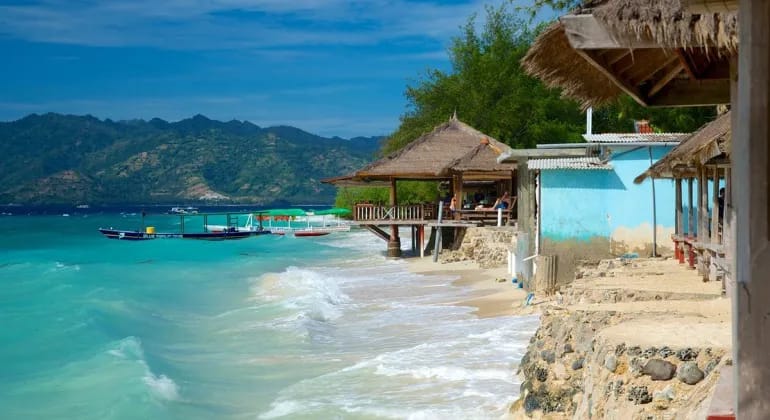
The Gili Islands, located off the northwest coast of Lombok, Indonesia, are a trio of three small tropical islands, famous for their turquoise waters, white sand beaches, coral reefs, sea turtles, and a tranquil island atmosphere. Its three main islands— Gili Trawangan, Gili Meno, and Gili Air —each offer a unique experience, making the archipelago an attractive destination for honeymooners, families, backpackers, divers, and travelers who prefer a slower pace of life.

Unlike many developed seaside destinations, there are no conventional cars or motorbikes for general transportation on these islands. Visitors get around on foot, cycle along sandy coastal paths, or use traditional horse-drawn carriages known as sidomo. Boats connect the islands to each other and to mainland Lombok, as well as speedboats from Bali. This makes it a destination where the rhythm of the sea, the sound of bicycles and the mesmerizing sunsets are at the heart of the experience.

Whether you want to swim with sea turtles, learn to scuba dive, dine on the beach, discover underwater sculptures, or simply spend an afternoon watching fishing boats drift by, the Gili Islands offer a fascinating combination of marine thrills and laid-back tropical lifestyle. For a comprehensive Indonesia itinerary, consider combining Lombok or Bali with these islands.

Destination Overview: The islands are located in the Gili Indah area of ​​Pemenang, North Lombok Regency, West Nusa Tenggara, Indonesia. They can only be reached by boat, and visitors should plan their arrival according to ferry schedules and sea conditions, rather than expecting airport facilities on the islands.


Discover the three Gili Islands

Although the three islands are located in close proximity, choosing the right base can make a significant difference to your trip. Each has its own unique characteristics; such as vibrant beach-side nightlife, secluded coastal views, and a social and wellness-focused atmosphere.

Gili Trawangan: Nightlife, Diving and Sunset Views

Gili Trawangan , often called Gili T, is the largest and most lively of the three islands. It has the most extensive range of accommodation, restaurants, dive centres, beach clubs and evening entertainment. Travelers can end the day with morning snorkelling, cycling around the island and enjoying sunset drinks on the west coast.

The island's aquatic attractions include a popular turtle viewing area and well-established dive sites. Beginners can sign up for introductory scuba sessions, while certified divers can arrange guided dives based on their experience. The main settlement near the eastern port is convenient for transportation, shopping, and dining, while the west coast is attractive for sunset viewing and a quiet evening atmosphere.

Gili Meno: solitude, nature and romance

Gili Meno is the smallest of the three and is generally quieter. It attracts couples, honeymooners, wildlife enthusiasts, and tourists who prefer the solitude of a peaceful island to a bustling nightlife. Its beaches, relatively slow-paced walking trails, and quiet accommodation make it particularly suitable for travelers looking for a relaxing getaway.

Gili Meno is also known for the underwater sculpture 'Nest' by artist Jason DeCaires Taylor . The underwater installation consists of a circular arrangement of human figures and has become a unique attraction for snorkelers and divers. Access is subject to sea conditions, local boat services and responsible behavior towards the surrounding coral reef.

Gili Air: Local culture, cafes and balanced island lifestyle

Gili Air has a relaxed atmosphere with a variety of cafes, restaurants, yoga studios, guesthouses and dive operators. It is often a great choice for travelers who want a balance between quiet beaches and convenient amenities. The island has a more visible connection to local social life than some of the busier resort areas.

Visitors can cycle around the island, arrange snorkeling trips, enjoy fresh seafood, or join a yoga class before breakfast. Due to its proximity to mainland Lombok, boat travel times can be shorter than some other island destinations, depending on the departure port.

Which island would you choose? Gili Trawangan for nightlife and a variety of activities, Gili Meno for tranquility and romance, and Gili Air for a balanced mix of local atmosphere, wellness, dining, and marine entertainment. If travelers have enough time, they can stay on one island and visit other islands during the day.


Best things to do in the Gili Islands

The Gili Islands' biggest attraction is their natural marine environment. Although the islands are small, the combination of coral reef ecosystems, sandy beaches, coastal villages, and boat trips create plenty of opportunities for an active or leisurely vacation.

1. Go snorkeling with sea turtles

Snorkeling is one of the most popular activities on all three islands. Depending on the location, visitors can spot green sea turtles, hawksbill turtles, tropical reef fish, and coral. Guided boat trips usually take in several snorkeling spots, and sometimes stop at the underwater sculptures of Gili Meno.

There is no guarantee that you will see marine wildlife. Keep a respectful distance from turtles, never touch or chase marine animals, avoid standing on coral, and use reef-friendly sunscreen. If there are strong currents or low visibility, opt for a supervised excursion rather than going into the water on your own.

2. Scuba diving experience

The Gili Islands are a well-established destination for scuba diving, with dive schools offering courses for beginners, introductory dives and guided trips for certified divers. Popular dive sites include Shark Point, Turtle Haven and the areas around the Gili Meno reef system. Conditions are variable and marine life sightings depend on season, depth, visibility and luck.

Choose a reputable operator who tests equipment, explains emergency procedures, follows safe ascent rules, and respects marine conservation guidelines. Novices should not attempt scuba diving without proper professional supervision, and certified divers should stay within the limits of their training and experience.

3. Cycling around the islands

Cycling is an effective way to explore the islands' coastal paths, village streets and beachside cafes. There is a popular cycle path that runs along much of the coastline of Gili Trawangan, although it may be necessary to dismount on sandy sections and rough roads. Gili Air and Gili Meno also offer enjoyable cycling and walking opportunities, depending on their path conditions.

The approximate price of bicycle rentals usually starts at around 50,000 Indonesian rupiah per day, and this rate varies depending on the island, rental period, quality of the bicycle, and season. Before renting, find out if there are any restrictions on return times, locks, and riding on sandy areas.

4. Watch the sunset

The islands' west coast is particularly popular at sunset, when the sky turns orange, pink and purple. Gili Trawangan offers a vibrant sunset view from the beach, while Gili Meno and Gili Air offer more tranquil options. On clear evenings, views of distant Bali and Mount Agung can be seen.

Arrive before sunset to find a comfortable spot, and remember that the actual sunset time varies throughout the year. Keep the beach area clean and be respectful of the resort's privacy when choosing a viewing spot.

5. Visit the underwater sculpture installation

Located near Gili Meno, 'The Nest' is one of the region's most famous underwater photography subjects. Its submerged features have become part of the seascape and attract snorkelers and divers. Access can be affected by currents, visibility, boat traffic and local conservation regulations, so ask a licensed guide about the safest way to visit.

6. Try local Indonesian food

Beachside restaurants and small local eateries serve international cuisine as well as Indonesian classics. Look for nasi goreng, mee goreng, grilled fish, seafood, satay, and Lombok's regional specialties. Night markets and street food stalls can provide an opportunity to get to know Indonesian flavors at affordable prices, especially in Gili Trawangan.

7. Enjoy yoga, wellness, and slow travel

Gili Air and Gili Meno are great for yoga, meditation, spa treatments, and a relaxing day at the beach. Visitors can plan a morning for a yoga class or a swim, spend the afternoon reading by the sea, and end the day with a simple seafood meal. These peaceful activities also make the islands perfect for travelers who don't want to spend time on organized excursions every day.


History, geography and marine conservation

The name 'Gili' in the Sasak language usually refers to a small island, and these three islands are collectively known as Gili Trawangan, Gili Meno and Gili Air. The islands are located in the Lesser Sunda Islands, just off the northwest coast of Lombok, in the West Nusa Tenggara province of Indonesia.

The islands grew from small coastal towns to internationally recognized tourist destinations as diving, snorkeling, and backpacking became increasingly popular in the late 20th century. Tourism has since created employment and business opportunities in accommodation, food services, shipping, diving, and entertainment.

The marine environment is a central part of the destination's identity. The coral reef is home to countless fish and other marine life, while the surrounding waters support sea turtles and other reef-dwelling species. Responsible tourist behavior is particularly important as the islands are part of the Gili Matara Marine Tourism Conservation Area.

Travelers can help protect the area by avoiding single-use plastics, using designated waste disposal centers, choosing responsible tour operators, and refraining from activities such as touching, feeding, or disturbing wildlife. Never collect coral or snails from protected habitats, and never stand on coral reef structures while snorkeling.

The islands' car-free nature is another unique feature. There is generally no conventional motorized transportation for visitors, so bicycles, walking, boats, and traditional Sidomo vehicles are the main means of transportation. This creates a peaceful environment, but can make loading and unloading luggage and transportation more difficult.


Ticket prices, entrance fees and rules for visitors

There is no general admission ticket to just tour the Gili Islands, walk the public beaches, or explore its villages. However, that doesn't mean every activity is free. Marine conservation fees, boat rentals, snorkeling trips, scuba-diving sessions, equipment rentals, and accommodation costs are separate.

Indicative activity and transportation costs

Activity or service Estimated cost Important information
General access to the island and public beaches There is no general admission fee. There may be separate charges for private facilities and certain marine activities.
Local public transport boat from Bangsal Approximately 15,000–25,000 Indonesian Rupiah per person Route, boat type, and current fare affect prices.
Group snorkeling trip Approximately 150,000–250,000 Indonesian Rupiah per person Confirm equipment, breaks, duration and storage costs.
Bicycle rental From about 50,000 Indonesian Rupiah per day The fare depends on the island, the bicycle, and the rental period.
Private boat rental Approximately 500,000–1,500,000 Indonesian Rupiah The cost depends on the route, duration, boat capacity, and driver.

These figures are tentative estimates, not guaranteed current rates. Please check the full price before booking, which will include any equipment, port, marine reserve or island tour fees. Rates may differ for domestic and international visitors in the case of regulated reserve activities.

Important rules for visitors

  • Respect coral reefs and marine wildlife; do not touch turtles or feed fish.
  • Do not attempt to swim between the islands. The currents can be dangerously strong, even if the distance seems short.
  • Use established boaters and follow sailors' instructions, especially when sea conditions change.
  • Carry cash in Indonesian Rupiah, as card acceptance and ATM availability vary between islands.
  • Agree on the fare for the sidomo before starting the journey and consider animal welfare when choosing transportation.
  • Respect local customs, wear appropriate clothing when visiting villages, and follow restrictions at beaches or religious sites.
  • Please check the latest marine conservation requirements and ticketing regulations before joining a snorkeling or diving activity.

Best time to visit the Gili Islands

The Gili Islands can be visited year-round, but the best time for beach activities, boat trips, snorkeling, and diving is generally from April to October . May, June, and September also offer an interesting balance between favorable conditions and tourist numbers, although conditions vary from year to year.

April to June: This time is often attractive for outdoor activities, diving, and island hopping. Travelers can find a better balance between activity opportunities and a more relaxed atmosphere during this time compared to the busiest weeks of the holiday.

July and August: These months are popular with international tourists and can be quite crowded. Make reservations for accommodations and speedboats well in advance, especially if you need a specific room type or want to catch a later flight.

September and October: These months can be great for snorkeling, diving, cycling, and sunset viewing. Tourist numbers may drop after the main holiday season, although local events and holiday dates can affect demand.

November to March: This is usually the rainy season, with changing sea conditions and increased chances of boat delays or cancellations. When conditions are favorable, the islands can be visited and travelers can enjoy a relatively calm environment. Be flexible with your travel times and check with the boat operators before you set off.

The best days for diving and snorkeling depend not only on the calendar, but also on underwater visibility, currents, waves, and operator advice. Morning trips are often convenient for island hopping, but calm waters or wildlife viewing are not guaranteed at any particular time.


How to reach

The Gili Islands have no commercial airport, train station, or conventional road connection to the Indonesian mainland. All tourists arrive by boat. The two main routes to get there are from Lombok and Bali , with the sea route via Lombok generally being the shortest.

1. From Lombok International Airport

Fly into Lombok International Airport (LOP), located in the southern part of Lombok. From the airport, arrange a taxi, private transfer, or pre-booked car to get to Bangsal Harbor on the northwest coast. Depending on traffic, road conditions, and exact pickup location, the journey usually takes about 1.5–2.5 hours.

From Bangsal, buy tickets at the official harbor counter for a public boat or other arrangement to quickly get to your chosen island. Depending on the island and the vessel, the journey usually takes about 15-30 minutes. Gili Air is the closest to the mainland, followed by Gili Meno and Gili Trawangan, although actual journey times vary by service.

For planning purposes, a private car from the airport to the port can cost approximately IDR 350,000–700,000, depending on the operator and booking conditions. Public boats are usually much cheaper than private transport. Be sure to check the current fare, departure time, and final destination before paying.

2. From sand

Speedboats to the Gili Islands usually depart from Padang Bai and, depending on the operator, from Serangan or other ports around Bali. The journey usually takes around 1.5–3 hours, but some routes take longer due to breaks, departure ports and sea conditions.

Allow extra time to arrive at the departure port from South Bali. Travelers staying in Ubud, Changu, Seminyak, Kuta, or Sanur should make sure that hotel pickup is included. Estimated one-way fast-boat fares typically range from around US$25-50, depending on the operator, route, season, and included amenities.

Book with an established operator, check baggage allowances, and arrive at the port within the company's recommended check-in time. Don't schedule international flight connections too soon after sailing; this can lead to delays and flight cancellations.

3. From Dhaka, Bangladesh

There is no direct road, train or bus route from Dhaka to the Gili Islands, as the destination is located in Indonesia. The most realistic option is to fly from Hazrat Shahjalal International Airport (DAC) to Lombok or Bali, where there are usually one or more connections. Depending on the airline and schedule, a traveler may end up in Jakarta, Kuala Lumpur, Singapore or another regional hub.

Via Lombok: Fly to Lombok International Airport, then drive to Bangsal Port and take a boat to the chosen island. This is often the easiest route if the flight schedule is convenient.

Via Bali: Fly to Ngurah Rai International Airport (DPS), go to the corresponding fast-boat port, and board a boat to the Gili Islands. Allow plenty of time between landing and the scheduled boat departure time, especially when separate tickets are required.

The cost of international flights varies significantly depending on the airline, season, baggage allowance and date of booking. Travelers should compare the full return journey before booking, not as a direct fare calculation, but for planning purposes. Local bus, train and rickshaw fares in Dhaka are not applicable for the Indonesian portion of the journey; Bangladeshi transport is only relevant for reaching the airport.

4. From Lombok city, Senggigi or other local centers

Travelers staying in Mataram or Senggigi can take a taxi, private car, or hotel transfer to Bangsal or Teluk Nare. Bangsal is a common departure point for public passenger boats, while Teluk Nare is used for some private transfers. Journey times depend on the starting point and traffic congestion.

It takes approximately 45-90 minutes to reach the northern departure area by road from Senggigi, depending on the route and conditions. A private car or transfer can cost approximately IDR 200,000-500,000 per car. Check the pickup point, port, boat rental and whether this price includes luggage costs.

5. Traveling around the islands

Cars or motorbikes are not generally available for tourists to travel on these three islands. The main means of transportation are walking, bicycle rentals, and sidomo vehicles. Bicycles are suitable for exploring independently, while sidomos can be helpful for carrying luggage or for travelers who cannot comfortably walk to their accommodation.

Public boats and fast local boats connect Gili Trawangan, Gili Meno and Gili Air. Depending on the route and type of boat, the approximate fare between the islands can be around IDR 25,000–50,000 per person. Shared boat schedules can be limited, so check with the official ticket office for departure times before planning a day trip.

6. Nearby transportation centers

Bangsal Harbor: A major landing point for public boats on the Lombok mainland.

Teluk Naray: A coastal departure area used by private speedboat drivers and a select few transport services.

Lombok International Airport: The main air gateway for passengers arriving directly to Lombok.

Padang Bai and Serangan: Important departure points in Bali for fast boats to the Gili Islands, depending on the operator's schedule.

All fares and travel times are approximate. Please confirm the actual destination island, boat departure point, current schedule and ticket conditions before traveling. If possible, arrive on the mainland at least one day before any urgent international flights.

Gili Islands, Indonesia

GPS: -8.35197, 116.05778
Get Directions

Where to eat

The Gili Islands offer a variety of dining options, from low-cost Indonesian food to seaside seafood restaurants, international cafes and resort dining rooms. Gili Trawangan generally offers the most options and the liveliest evening dining atmosphere, while Gili Air is particularly attractive for its cozy cafes and health-conscious menus. Gili Meno has a relatively quieter atmosphere of restaurants, often associated with guesthouses and small resorts.

Local food worth trying

  • Nasi Goreng: Indonesian fried rice, which is usually served with eggs, vegetables, chicken, or seafood.
  • Mee Goreng: Fried noodles made with vegetables, eggs, and protein of choice.
  • Ikan Bakar: Grilled fish, often served with rice, vegetables, and sambal.
  • Satay: Grilled meat or other ingredients served with a delicious sauce.
  • Plesing Kangkung: Kalmi Shag served with spicy sambal, which is a special dish of Lombok.
  • Ayam Taliwang: A well-known grilled chicken dish in Lombok style, cooked with lots of spices.

For a simple dinner, check out the local food stalls and evening market areas, especially around the main settlement on Gili Trawangan. Prices vary depending on the restaurant and the amount of food; a simple local meal can cost around IDR 25,000–60,000, while seafood platters and resort meals can cost much more.

When choosing seafood, check the price by weight before ordering. Travelers with allergies or special dietary needs should clearly state this and be sure to check the ingredients, including sauces and cooking oils. Food availability, opening hours, and payment methods vary by establishment, so bring some Indonesian rupiah.


Where to stay?

Accommodation in the Gili Islands ranges from budget guesthouses, boutique hotels, beachfront bungalows, villas, diving lodges and luxury resorts. You can choose the best island depending on your preferred environment, budget and daily activities.

Gili Trawangan: Best for first-time tourists and nightlife

Gili Trawangan offers a variety of accommodation options, from budget hostels near the main settlement to private villas and resort-style properties. The eastern side is close to the harbor, providing easy access to boats, restaurants and shops. The western side is ideal for tourists who prefer sunset views and a quieter environment away from the busiest nightlife areas.

Gili Meno: The best and most peaceful vacation spot for couples

Gili Meno is perfect for couples, honeymooners, and travelers who prefer a quieter environment. The small resorts, cottages, and beachside accommodations provide a relaxing haven for snorkeling, reading, swimming, and walking. The island has fewer amenities than Gili Trawangan, so check restaurant access, transportation, and available services before booking.

Gili Air: Best for wellness and relaxed socializing

Gili Air is home to guesthouses, boutique stays, yoga retreats and beachfront accommodation. It offers a comfortable balance between the lively atmosphere of Trawangan and the quiet nature of Meno. Travelers who enjoy cafes, snorkeling, wellness activities and dining often find it a convenient hub.

Estimated housing budget

  • Low-budget hostels and guesthouses: Approximately $10-30 per night.
  • Mid-range hotels and boutique accommodations: Approximately $35–100 per night.
  • High-end resorts and private villas: Approximately $120–300 USD or more per night.

These are estimates, not verified actual rates. Prices vary based on dates, room occupancy, amenities, taxes, and seasonal demand. July, August, and major holidays can be particularly busy, so book well in advance if traveling during peak times.

Before you confirm your accommodation, find out if there is assistance with luggage, air conditioning, reliable internet, hot water, and boat transportation. Since the islands have sandy or rough roads and no conventional car access, ask about the distance from the port and whether there are any travel restrictions.


Practical travel tips and responsible tourism

A little preparation can make a trip to the Gili Islands more comfortable. Although this destination has restaurants, dive shops, accommodations, and tourist services, it is still a small island environment and there are limitations in transportation and infrastructure.

  • Carry cash: Indonesian rupiah is useful for boat tickets, small eateries, bicycle rentals, and local transportation. ATM and card facilities can be unreliable or limited, especially on Gili Meno.
  • Pack light: You may have to carry your luggage across the beach or along bumpy roads once you reach your destination.
  • Bring coral reef-friendly essentials: A reusable water bottle, sun protection, a hat, and a dry bag can come in handy for boating.
  • Be prepared for limited connectivity: Wi-Fi and mobile data are available in many businesses, but coverage and reliability vary from person to person.
  • Check sea conditions: Boat schedules may change and rough seas may disrupt transfers. Allow some extra time before your next flight.
  • Protect marine life: Don't touch coral, don't get too close to turtles, or throw trash on the beach.
  • Choose transportation responsibly: Ask about fares and consider the condition and welfare of the animals before using Sidomo.
  • Respect local customs: Dress appropriately when visiting rural areas and be considerate around religious and social sites.

Travelers with mobility limitations should arrange assistance in advance, as boats, beach landings, and sandy paths may not be wheelchair accessible. Those planning to dive or engage in strenuous water sports should raise relevant safety concerns with the operator and follow professional instructions.


Nearby attractions

The Gili Islands are a great base for exploring the surrounding islands, coral reefs, and coastal landscapes of North Lombok. Depending on the availability of transportation and the length of your trip, the following destinations can also be combined with a stay in the Gili Islands.

1. Bangsal Port

Bangsal Harbour is one of the main departure points from the mainland to the Gili Islands. Visitors can use this to observe local boat traffic, arrange public transport, and continue exploring North Lombok by road. It is more of a convenient transport stop than a major beach attraction. Learn more about the surrounding area with our Lombok travel guide .

2. Senggigi Beach

Senggigi Beach is a well-known coastal destination in West Lombok, offering sunset viewing spots, beachfront accommodations, restaurants, and transportation to other parts of the island. It is a convenient stopover for travelers planning to stay on the mainland beaches, including the Gili Islands. Explore Lombok's coastal attractions when planning a comprehensive itinerary.

3. Mount Rinjani National Park

Mount Rinjani is one of Indonesia's most prominent volcanic landscapes and a major trekking destination in Lombok. Its mountainous landscape, volcanic lakes, and rugged hiking trails create a stark contrast to the quiet beaches of the Gili Islands. Trekking requires proper preparation, permission where applicable, and attention to current trail conditions.

4. Tanjung and the coastal villages of North Lombok

The mainland surrounding North Lombok offers traditional villages, local markets, coastal scenery, and opportunities to enjoy regional cuisine and social life. Visitors can arrange to travel by road from the port area and combine their island vacation with a short trip to the mainland.

5. Sand

Bali is a popular extension of the Gili Islands itinerary for travelers interested in temples, cultural attractions, rice terraces, restaurants, and a variety of accommodations. Speedboats connect selected ports in Bali to the Gili Islands, although schedules vary depending on the service provider and sea conditions. For travel planning, see the Bali Destination Guide .

6. Other Gili Islands

One of the easiest ways to extend your trip is to visit the other two islands in the archipelago. From Gili Trawangan, you can head to Gili Meno for quieter beaches and underwater sculptures, or travel to Gili Air for cafes and a relaxed village atmosphere. These combinations are possible with shared boats and organized island tours, but check departure times and return arrangements in advance.

When planning a trip nearby, prioritize safe boaters, protect the marine environment, and allow enough time for travel. A trip to the Gili Islands is most rewarding when visitors take the time to explore as well as enjoy the beaches and the unique features of each island.

Frequently Asked Questions (FAQ)

The best time to visit is usually from April to October, when conditions are often favorable for snorkeling, diving, cycling, and various beach activities. May, June, and September offer a good balance between tourist numbers and outdoor activity opportunities. July and August are particularly popular, so it is a good idea to book accommodation and boat tickets in advance. The islands can be visited year-round, but sea conditions and boat schedules can be less predictable from November to March.

logo ColoZai

ColoZai is a trusted travel guide and destination explorer platform in Bangladesh. We are making travel simple, authentic, and accessible for everyone.

Need Help ?

We are Always here for you! Knock us on Whatsapp (10AM - 10PM) or Email us.