Sikkim India

Sikkim India

Sikkim
·

22 September 2026

Travel Overview & Quick Facts

Directions
Location
Sikkim
Admission / Entry Fee
There is no general entry fee to enter the Indian state of Sikkim. Separate charges may apply for individual attractions, monasteries, museums, national parks, guided tours, vehicle permits and visits to protected areas. Foreign nationals must obtain the applicable entry permits and should check current regulations before traveling. Permit fees and tour prices vary by destination and operator.
Opening Hours
Open year-round; individual attractions, transportation services, and permit offices operate on their own schedules.
Category / Type
Himalayan Mountain Destinations, Nature & Wildlife Tourism, Cultural & Heritage Tourism, Adventure & Trekking Destinations

Introduction to Sikkim India

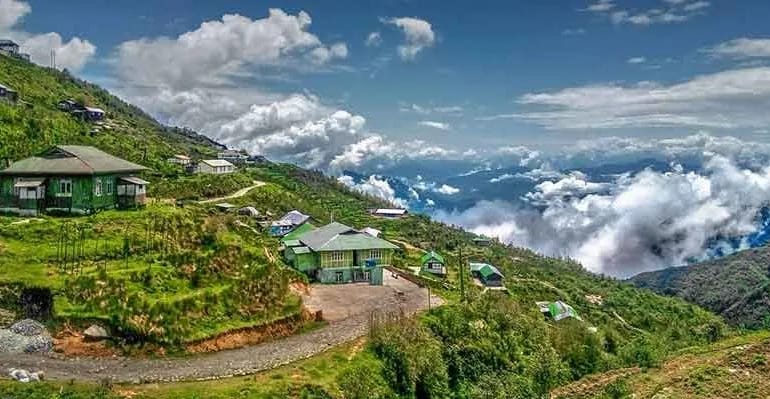
Sikkim, located in the Eastern Himalayas of northeastern India, is a wonderful hill destination, famous for its snow-capped peaks, alpine lakes, ancient Buddhist monasteries, forested valleys, and distinct Himalayan culture. Bordered by Nepal, Bhutan, Tibet, and the Indian state of West Bengal, this small state has an extraordinarily diverse landscape, from subtropical river valleys to the wilderness of high mountain ranges.

The state capital, Gangtok, is the main hub for exploring Sikkim. Its lively streets, hilltop viewpoints, monasteries and cafes provide a great introduction to the region. Outside the capital, travelers can explore the stunning natural scenery of Somgo Lake, the flower-filled landscapes (Tsomgo+Lake,+Sikkim,+India)of Yumthang Valley , the historic monasteries of West Sikkim and the scenic spots around Pelling . (Pelling,+Sikkim,+India)

Sikkim is particularly attractive to nature lovers, photographers, trekkers, families and cultural travelers. Its heritage reflects the customs of the Lepcha, Bhutia and Nepali communities, while Tibetan Buddhist architecture and sacred landscapes contribute to its unique identity. The state is also home to the Kanchenjunga National Park, a UNESCO World Heritage Site recognized for its extraordinary mountain scenery and biodiversity.

Since Sikkim is a state rather than a single ticketed tourist destination, there is no universal entry gate, opening hours or state-wide entry ticket for visitors. Travelers should plan their destinations according to travel times, local activity schedules, road conditions and applicable permits. Official information in this regard is available from the Sikkim Tourism Department . (www.sikkimtourism.gov.in)


Best attractions in Sikkim

Sikkim offers a wonderful blend of Himalayan scenery, cultural heritage, and outdoor adventures. Its main attractions are spread across the state, so choosing a base and allocating enough time for mountain trekking can make a big difference to your experience.

Gangtok and MG Marg

Gangtok is the state's main tourist hub, with a convenient arrangement of hotels, restaurants, shops, monasteries and guided tours. Its pedestrian-friendly central thoroughfare, MG Marg , is ideal for evening strolls, local shopping and tasting regional cuisine. Nearby attractions and cultural institutions make the capital an attractive destination in itself.

Lake Somgo

Located in the highlands of the Eastern Himalayas, Somgo Lake is known for its mountain ranges and seasonal changes. It is a popular day trip destination from Gangtok. Access is restricted, and visitors must arrange necessary permits and transportation in advance. Conditions and access restrictions are subject to change.

Kanchenjunga and the Himalayas scenery

The Kanchenjunga Mountains dominate the landscape of the region and have deep cultural and spiritual significance. When visibility is good, the Himalayan skyline can be enjoyed from viewpoints around Gangtok and Pelling. There is no guarantee that you will be able to see the mountain, so be flexible with your travel time.

Monastery and spiritual tradition

Important cultural sites include Rumtek Monastery , Nche Monastery , and Pemangtse Monastery . These institutions preserve Buddhist heritage, religious art, and architectural heritage. Visitors should dress modestly, abide by the photography ban, and refrain from disrupting prayers or ceremonies.

Yumthang Valley and North Sikkim

The Yumthang Valley is famous for its hilly meadows, picturesque river views and seasonal flowers. Travelling through Lachung and other northern settlements reveals a more remote side of Sikkim. These trips require extra planning due to the altitude, long road journeys, weather disruptions and permit regulations in protected areas.

Pelling and West Sikkim

Pelling offers scenic mountain views, cultural attractions, and a quieter environment than the capital. The surrounding area is a good option for travelers interested in monasteries, rural experiences, forest walks, and views of Kanchenjunga.


History, culture and tradition

The cultural history of Sikkim is shaped by the indigenous Lepcha heritage, the Bhutia heritage, the Nepali-speaking community, and long-standing connections with the wider Himalayan Buddhist world. The region formed its own state before becoming a state of India in 1975. Its historical legacy is visible in its monasteries, traditional settlements, religious festivals, and local customs.

Buddhist monasteries serve as important centers of worship, education, and social life. Prayer flags, chortens, prayer wheels, and sacred mountain landscapes are well-known features throughout the region. Hindu temples and festivals are also an important part of Sikkim's diverse religious life.

Festivals such as Losar and Lusung reflect local cultural traditions, although their dates and public celebrations vary. During the festivals, visitors can expect to see masked dances, ceremonial gatherings, and traditional music. Travelers should check the local calendar before planning a trip around a specific festival.

Responsible tourism means respecting religious sites, asking permission before taking pictures of people, refraining from littering, and following local guidelines in villages and environmentally sensitive areas.


Things to do in Sikkim

Sikkim offers a variety of experiences, from leisurely treks to challenging high-mountain expeditions. Choose your activity based on your physical ability, time available, travel season, and permits required for your chosen route.

  • Explore Gangtok: Walk along MG Marg, explore local markets, and discover monasteries and cultural institutions.
  • Himalayan Lake Trip: Plan an approved trip to visit Somgo Lake and check the permit requirements before starting the journey.
  • Discover Buddhist heritage: Visit monasteries, stupas, and religious sites while observing local customs.
  • Enjoy mountain photography: Visit the renowned viewpoints around Gangtok and Pelling for a chance to photograph the Himalayan landscapes.
  • Explore North Sikkim: Subject to current access rules, you may want to consider a guided multi-day trip through Lachung and Yumthang Valley.
  • Go trekking: Choose a route according to your physical ability and experience, and arrange for the necessary permits and qualified local support.
  • Taste regional cuisine: try momos, thukpa, phagshapa, traditional fermented foods, and (if available) locally produced tea.
  • Enjoy rural life: Consider eco-friendly homestays and locally run cultural experiences.

High altitude activities require special precautions. Allow time to acclimatize, drink plenty of water, follow local advice, and seek medical advice if you have any concerns about the altitude. Avoid strenuous activity if you develop symptoms of altitude sickness.


Ticket prices and entry rules

General entry to Sikkim is free. Since Sikkim is a state of India, there is no single ticket for state-wide entry. Costs vary depending on the individual attractions, transportation, accommodation, activities and protected areas included in the itinerary.

General travel expenses

  • Entry to the kingdom: There is no general admission fee.
  • Monasteries and religious sites: Some places are free to enter, but selected attractions may charge an entrance fee or donation.
  • Museums and Parks: Entrance fees may apply and vary by location.
  • Travel to protected areas: Permit, vehicle, guide and package charges may apply depending on the destination and operator.
  • Accommodation and transportation: Prices vary based on season, location, type of vehicle, and booking method.

The price should be confirmed with the respective attraction or authorized operator before starting the journey. Calculating a fixed entry fee across the state would be misleading, as each attraction has its own rules and charges.

Permit for foreign citizens

Foreign visitors must comply with Indian visa and entry regulations for Sikkim. There are additional regulations for protected areas in certain destinations, including Somgo Lake and parts of North Sikkim. Foreign visitors should consult the Government Restricted Area Permit Guidelines and Protected Area Permit Guidelines before travelling.

The government guidelines mention additional restrictions for nationals of certain countries. In particular, Bangladeshi nationals should check the current requirements directly with the relevant Indian authorities before booking. Historically, the Sikkim Police government guidelines have mentioned prior approval from the central government for Bangladeshi nationals. Do not assume that a normal foreign tourist permit process automatically grants entry.

Carry all necessary original travel documents and approved permits. Permit requirements may vary by destination, and approval for one location does not automatically grant travel to other restricted areas.


How to reach

Sikkim is mainly accessible by road from neighbouring West Bengal. Most visitors arrive via Bagdogra Airport or New Jalpaiguri Railway Station and travel to Gangtok by taxi, shared car or pre-arranged vehicle. Travellers arriving from Dhaka will first need to make appropriate international travel arrangements and ensure that they have the necessary Indian visas and border entry permits.

From Dhaka, Bangladesh

  1. Choose your international entry route. Depending on current flight schedules and visa eligibility, travel from Dhaka to any authorized Indian airport or use any authorized land border. Verify entry permission before purchasing non-refundable tickets.
  2. For air travel, compare flights to Bagdogra with available connections. Arrange a taxi or shared transfer from Bagdogra to Gangtok in advance.
  3. For land travel, use an authorized Bangladesh-India border crossing, proceed through West Bengal by appropriate road or rail and connect with the Siliguri-Gangtok route. Entry permits and required documentation at international borders will need to be verified separately.
  4. Allow a full day or more for the trip. International connections, immigration, train schedules, and Himalayan road conditions can significantly extend the journey time.

International transportation fares vary considerably. Rather than relying on a specific estimated cost for a Dhaka to Sikkim trip, compare actual fares based on your travel dates.

By air

Bagdogra Airport (IXB) in West Bengal is a major gateway to Sikkim. The distance from the airport to Gangtok by road is about 120-130 km and the journey usually takes four to six hours, depending on traffic, weather and road conditions. Shared transfers can cost around Rs 400-1,000 per person, while private vehicles can cost around Rs 3,000-6,000 or more. These are estimated estimates, not verified actual fares.

Pakyong Airport is geographically close to Gangtok, but flight availability may be limited and schedules may change. Check the operational status and flight availability before planning your itinerary around this airport.

By train

New Jalpaiguri Railway Station (NJP) near Siliguri is the main rail gateway for passengers heading to Sikkim. Take a pre-booked taxi or shared car from NJP to Gangtok. Depending on the situation, the journey by road usually takes four to six hours. The estimated fare for a shared car is around Rs 400–1,000 per person, while a private taxi can cost around Rs 3,000–6,000 or more.

There is no operational railway station in Gangtok. Book a train ticket till NJP and make your further road arrangements separately.

By bus and shared transport

Regular and private road services connect Siliguri to Gangtok, although departure points and schedules may vary. After arriving at Siliguri from your arrival airport, railway station or authorized border crossing, check the current bus and shared-jeep departure times. As a rough guide, a bus or shared road service from Siliguri can cost around Rs 200-700 per person, depending on the service and departure point.

It should not be assumed that direct public transport will be available from Dhaka to Gangtok. International travel and subsequent transport within India usually require separate tickets and transfers.

Local transportation and vehicle rentals

Gangtok has local taxis, shared vehicles and authorized tour operators. Depending on the distance and vehicle arrangement, a short-distance local taxi ride can cost approximately Rs. 150-500. A full-day sightseeing tour can cost around Rs. 2,000-4,500 or more, while special tours to restricted destinations can cost significantly more. Make sure that permits, parking, waiting time and other charges are included.

For North Sikkim and other controlled routes, use a suitably authorised vehicle and arrange for the necessary permits through appropriate channels. Some hilly roads may be impractical or restricted to access by self-driving.

Nearest transportation hub

  • Gangtok SNT Bus Terminal: A necessary landmark for bus and road connectivity in the capital.
  • New Jalpaiguri Railway Station: The main rail junction for reaching Sikkim.
  • Bagdogra Airport: A major gateway for road travel to Gangtok.
  • MG Marg: A central and well-known place in Gangtok for hotels, eating and drinking, and visiting local attractions.

Important: All transportation fares mentioned above are approximate ranges and are subject to change. Please confirm prices directly with operators. Bangladeshi visitors should obtain up-to-date written proof of visa, border, registration and destination-permit requirements before travelling.

Sikkim India

GPS: 27.5329718, 88.5122178
Get Directions

Where to eat

Sikkim's cuisine reflects its Himalayan environment and diverse community traditions. Gangtok is the most convenient hub for finding restaurants, cafes, and casual eateries, while smaller towns and villages offer local cuisine and homestays.

Local food worth trying

  • Momo: Steamed or fried dumplings filled with vegetables, chicken, or other ingredients.
  • Thukpa: A type of warm noodle soup that is usually served with vegetables or meat.
  • Phagshapa: A traditional pork dish from Sikkim made with radish and chillies.
  • Gundruk and Kinema: Traditional fermented vegetable and soybean dishes.
  • Sel roti: A type of round rice bread associated with Nepali culinary traditions.
  • Local tea and coffee: Widely available in cafes and select regional establishments.

MG Marg and its surrounding streets in Gangtok offer a wide range of dining options, from affordable cafes to full-fledged restaurants. Restaurants serving regional, Indian and international cuisine are also available in Pelling, Namchi and other established towns.

Depending on the location and menu, budget around Rs 150–350 per person for a casual meal and Rs 400–1,000 or more for a restaurant meal. These are estimates; check current menu prices. Travelers with food allergies or dietary restrictions should clearly explain their needs, especially when ordering traditional fermented foods or shared dishes.


Where to stay?

There are a variety of accommodations available, from budget guesthouses and family homestays to comfortable hotels and luxury accommodations with panoramic mountain views. The best place for your trip depends on which destinations you want to visit and how much time you want to spend traveling between them.

Gangtok

This is one of the most convenient places for first-time visitors to Gangtok. Staying close to MG Marg provides easy access to restaurants, shops, and attractions in the city center, while accommodations further away from the center may offer more space or different mountain views. Choose accommodations based on your mobility and the steepness of the surrounding roads.

Pelling

Pelling is a great base for travelers visiting West Sikkim, its monasteries and scenic Himalayan landscapes. It is a viable option for a peaceful stay with a focus on natural beauty and cultural excursions.

Lachung and North Sikkim

Travelers to Yumthang Valley typically book accommodation as part of an approved multi-day itinerary. Be sure to check road access, permit requirements, meal arrangements, and cancellation policies before booking.

Estimated housing budget

  • Budget guesthouses: Approximately INR 800–2,000 per room per night.
  • Mid-range hotels: Approximately INR 2,000–5,000 per room per night.
  • Premium hotels or resorts: Approximately 5,000–15,000 rupees or more per room per night.
  • Homestay: Prices vary based on location, amenities, and whether meals are included.

These figures are general estimates, not final prices. Rates may increase during holidays and peak travel periods. Check heating, hot water availability, transportation, meal inclusions, and the hotel's cancellation policy before confirming your reservation.


Practical travel tips

  • Plan ahead: Mountainous journeys can take much longer than the distance. Avoid making frequent connections after long road trips.
  • Dress in layers: Conditions vary greatly depending on altitude and season. While the lower valleys are comfortable, pack appropriate warm clothing.
  • Check permits: Confirm the regulations of each reserved or restricted destination before traveling.
  • Prepare for altitude: If possible, ascend slowly, avoid overexertion, and seek help if you experience symptoms such as headache, nausea, or unusual shortness of breath.
  • Carry identification: Keep necessary travel documents and approved permits easily visible at checkpoints.
  • Respect local customs: dress appropriately in monasteries, ask permission before taking photos, and follow posted instructions.
  • Travel responsibly: Where possible, bring reusable water bottles, dispose of waste properly, and avoid disturbing wildlife.
  • Keep the itinerary flexible: mountain roads, transportation services, and entry permits can change at any moment.

For the latest government information, consult the Sikkim tourism website and the relevant district administration before embarking on your journey. (www.sikkimtourism.gov.in)


Nearby attractions

Sikkim's tourist attractions are spread across various hilly valleys and districts. The following destinations are great additions to a larger itinerary, but not all of them should be considered short-distance trips from Gangtok. Before deciding which places to visit together, check road travel times, opening times, and permit requirements.

Somgo Lake, a highland glacial lake located east of Gangtok, is known for its breathtaking mountain scenery and seasonal changes. Visitors require appropriate permits and approved transportation.

Rumtek, one of the most famous Buddhist monasteries in Sikkim, is an important destination for architecture, religious heritage and cultural appreciation. Know the visiting arrangements and respect the ongoing religious rituals.

There are strict restrictions on entry to this high pass on the historic Indo-Tibetan trade route. Generally, only eligible Indian nationals are allowed, and access may be affected by security conditions and weather. Foreign visitors should not assume that they will be able to travel to Nathula.

The Yumthang Valley in North Sikkim is renowned for its riverine landscape, mountainous surroundings, and seasonal flowers. It is usually visited as part of a multi-day trek, including a trip to Lachung and the necessary permits.

Pelling is a popular base for exploring West Sikkim, with access to scenic mountain peaks, cultural attractions, and historic monasteries. Rather than rushing from Gangtok and trying to explore the entire region in a day, you might consider spending the night here.

This sacred lake in West Sikkim is appreciated for its spiritual significance and forested setting. Visitors should follow local conservation guidelines and maintain the peaceful atmosphere of the place.

Also known as Tathagata Sal, this beautifully decorated attraction features a huge Buddha statue perched on a hill. It is a useful addition to your travel plans in South Sikkim and the Ravangla area.

This religious complex in South Sikkim houses a huge Shiva statue and replicas of important Hindu pilgrimage sites. It provides insight into the Hindu religious heritage of the state and can also be linked to other interesting places in the Namchi area.

For a well-planned first-time trip, you can plan a separate North Sikkim tour with sightseeing in and around Gangtok or a West and South Sikkim tour. Travelers from Bangladesh should check all applicable entry and destination restrictions before booking any of these tours.

Frequently Asked Questions (FAQ)

Sikkim is a state in northeastern India, located in the eastern Himalayas. It is bordered by Nepal to the west, Bhutan to the southeast, Tibet to the north and northeast, and West Bengal to the south. Gangtok is its capital and main tourist destination.

logo ColoZai

ColoZai is a trusted travel guide and destination explorer platform in Bangladesh. We are making travel simple, authentic, and accessible for everyone.

Need Help ?

We are Always here for you! Knock us on Whatsapp (10AM - 10PM) or Email us.