
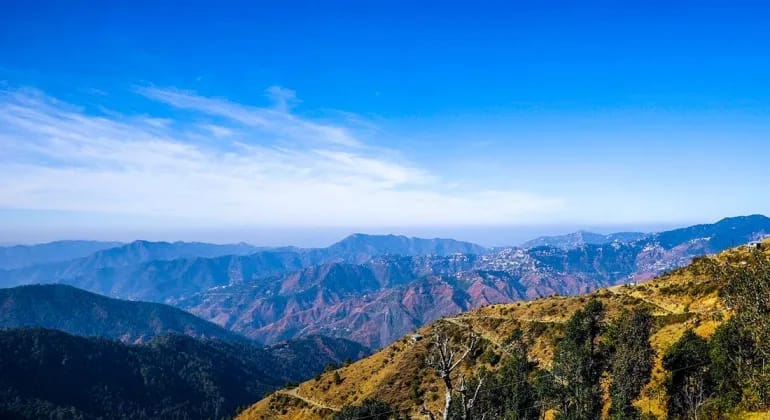
Shimla, India – Complete Travel Guide to the Himalayan Rock City in Himachal Pradesh

Shimla, India – Complete Travel Guide to the Himalayan Rock City in Himachal Pradesh

Shimla
·

22 September 2026

Travel Overview & Quick Facts

Location
Shimla
Admission / Entry Fee
There is no entry fee to enter Shimla town or to visit public places like The Ridge and Mall Road. Museum entry, guided tours, Jakhu Ropeway, recreational activities and heritage train rides may be charged separately at individual attractions. Excluding transport and accommodation, budget approximately Rs 100–500 per person for selected paid attractions. Prices vary from attraction to attraction and should be confirmed before travelling.
Opening Hours
Open 24 hours
Category / Type
Rock cities, mountain and natural destinations, colonial heritage destinations, family and cultural tourism

Introduction to Shimla, India – Complete Travel Guide to the Himalayan Rock City in Himachal Pradesh

Shimla, the capital of Himachal Pradesh in northern India , is one of the country's most famous Himalayan hill towns. Known for its pine-clad hills, colonial-era architecture, lively pedestrian streets, and picturesque mountain scenery, Shimla combines the charm of a historic hill town with the charm of a modern resort. Situated at an altitude of about 2,200 meters in the Western Himalayas, the city attracts couples, families, photographers, history buffs, and travelers looking for a memorable mountain experience.

Formerly known as Shimla, the city became the summer capital of British India in 1864. Its administrative importance during the colonial era has left an architectural legacy, visible in the grand buildings, churches, public squares and various institutions that surround the historic centre. Today, attractions such as The Ridge, Mall Road, Christ Church, Viceroy Lodge and Jakhu Temple remain essential destinations on a Shimla travel list.

One of the top experiences in Shimla is a ride on the UNESCO-listed Kalka-Shimla Railway. It is a historic narrow-gauge mountain railway, known for its tunnels, bridges, hill-side stations and sweeping valley views. Visitors can explore traditional markets, sample Himalayan cuisine, explore nearby forests and plan trips to destinations such as Kufri, Mashobra and Naldehra.

Unlike a single monument or enclosed tourist park, Shimla is a complete city and a hill station . There are no city-wide entry tickets, closing gates or fixed visiting hours. It is best experienced by spending two to four days exploring its walkable centre and surrounding hill attractions. For more travel inspiration, explore destinations across India and discover the unique cultural and natural experiences of Himachal Pradesh.


History and colonial heritage

From Himalayan settlement to summer capital

Shimla's transformation into an internationally recognized hill town began in the 19th century, when British officials increasingly used its mountainous surroundings as a seasonal retreat from the plains. In 1864, Shimla was declared the summer capital of British India. Government officials, administrators, and influential residents would commute to the city during the summer, making it a major center of colonial political and social activity.

As the settlement expanded, new administrative buildings, churches, residences, entertainment centers, and roads were built. British architectural influences blended with local building methods suited to the Himalayan terrain. Many of the surviving structures show traces of Gothic Revival, Tudor-inspired, and other European architectural styles.

Christ Church and The Ridge

Standing proudly atop The Ridge, Christ Church is one of Shimla's most well-known landmarks. Dedicated in 1857, the church is known for its neo-Gothic design, stained glass windows, and distinctive minarets. Its illuminated exterior becomes especially memorable after sunset.

The adjacent Ridge is Shimla's historic civic center. This wide pedestrian area hosts various festivals and public gatherings and offers scenic views of the surrounding mountains. Nearby architectural landmarks include the Gaiety Theatre and historic municipal buildings.

Viceroy Lodge

The beautiful Viceroy Lodge, now affiliated with the Indian Institute of Advanced Studies, is located on Observatory Hill. Built in 1888, the lodge was formerly used as the summer residence of the British Viceroy. Its elaborate stone architecture, well-maintained grounds, and historical connections make it one of the city's most important heritage destinations.

Visitors interested in India's colonial history and independence movement should consider traveling with a guide, where permitted. Access to the interior, guided-tour schedules, and photography are governed by the institution's current visitor regulations.

A living heritage destination

Modern Shimla maintains a strong connection to its history, but it is not just an architectural museum. Bustling markets, educational institutions, temples, restaurants and neighbourhoods give the city a contemporary identity. A walk around the city shows how historical buildings coexist with everyday life in this Himalayan capital.


Best places to visit and things to do in Shimla

1. Walk along the ridge.

The Ridge is one of the most important public spaces in Shimla and an ideal starting point for sightseeing. Visitors come here for the mountain views, photography, historical architecture and the vibrant atmosphere surrounding Christ Church. It becomes especially attractive at dawn and dusk, when the changing light creates a dramatic scene on the hills.

2. Visit Mall Road

Mall Road is Shimla's famous shopping and entertainment thoroughfare. Lined with cafes, restaurants, souvenir shops and historic buildings, this street is one of the best places to enjoy the city's social life. Visitors can enjoy this largely pedestrian-friendly central area as well as shop for woolen jewelry, handicrafts, gifts with a touch of local culture and traditional food.

3. Visit Jakhu Temple

Located on Jakhu Hill, one of the highest points in central Shimla, the Jakhu Temple is dedicated to Lord Hanuman. The temple is famous for its towering Hanuman idol and the panoramic views of the surrounding hills. Visitors can walk up the hill, use local transport or take the Jakhu Ropeway, which is a separate ticketed ride, if available.

Monkeys roam the temple and its surrounding jungle. Keep food well-packed, avoid feeding the animals, and keep open items like glasses and mobile phones secure.

4. Experience the Kalka-Shimla Toy Train

The Kalka -Shimla railway is one of the most famous heritage railways in India and is a part of the UNESCO World Heritage Site of the Mountain Railways of India. The approximately 96 km long journey involves crossing mountain bridges, passing through historic tunnels and winding along forested hills. The journey usually takes five to six hours, depending on the train service.

Advance reservations are recommended, especially during holidays and peak travel periods. Passengers can check the current services, available accommodation and ticket prices through the official booking system of Indian Railways.

5. Know about Indian Institute of Advanced Studies

The former Viceroy's Lodge offers insight into the political and architectural history of British India. Its grand exterior and ornate surroundings attract photographers, while authorized guided tours provide additional historical context. Check government arrangements for visitors before heading to Observatory Hill.

6. Visit Lakkar Bazaar

Lakkar Bazaar is traditionally known for its wooden products and souvenirs. Visitors can find decorative items, walking sticks, handicrafts and regional products here. It is conveniently located near the historic city center and can be included in the itinerary of The Ridge and Mall Road tours.

7. Enjoy the Himalayan scenery and nature walks

Shimla is surrounded by tree-lined walkways, hilltop viewpoints, and Himalayan flora. Summer Hill, Annandale, and nearby forested areas offer an alternative to the busy central market streets. Choose designated routes, be aware of local access restrictions, and avoid secluded paths after dark.

8. Travel to the mountains

Travelers with extra time can arrange day trips to Kufri, Mashobra, Naldehra or other destinations within Shimla district. From forest landscapes and mountain views to the natural beauty of villages and outdoor recreation, each place offers a different experience.


Best time to visit Shimla

Shimla welcomes tourists all year round , but the best time to visit depends on the type of activities and scenery that tourists want to enjoy. March to June is popular for general sightseeing, while October to December is attractive for exploring heritage sites, taking photographs, and enjoying the scenic views of the mountains. Winter tourists can come in January or February in the hope of snowfall, although there is no guarantee of snowfall on a specific date.

Duration Travel experience Recommended activities
March to June Popular sightseeing season with active markets and outdoor tourism. Mall Road, The Ridge, Heritage Walks and Family Trips
July to September Green hilly landscape, and the possibility of disruption to travel due to heavy rains. Flexible local sightseeing, cafes and cultural attractions
October to November Autumn is a popular time to travel for its attractive mountain scenery. Photography, nature trips and visiting historical sites
December to February Winter tourism season with the possibility of snowfall Winter photography, mountain experiences, and seasonal sightseeing

April, May, October and November are particularly suitable for tourists who prefer easy walking and extensive sightseeing. Travelers who want to see snow should check the short-term forecast rather than assuming that it will snow during their stay. Special attention should be paid to road conditions and landslide warnings during the rainy season.

Tourist numbers can increase significantly during weekends, major Indian public holidays, and popular vacation periods. It is advisable to book accommodation and transportation in advance during these times.


Entrance fees, ticket prices and rules for visitors

Entry to Shimla city is completely free. Visitors do not need any entry ticket to enjoy the common streets, The Ridge or Mall Road. However, separate charges may apply for museums, heritage buildings, ropeways, train rides and commercial entertainment facilities.

Attraction or activity Admission information
Shimla city Entry is free.
The Ridge Free public access
Mall Road Free access for pedestrians
Christ Church Entry to the site is generally free, subject to religious ceremonies and access arrangements.
Jakhu Temple Entry to the temple is free.
Viceroy's Lodge and Indian Institute of Advanced Study Tickets may be required for guided tours and designated areas for visitors.
Kalka–Shimla Railway Paid rail tickets; prices depend on service and class.
Jakhu Ropeway Tickets must be purchased separately.
Organized sightseeing tours Prices depend on the type of vehicle, itinerary, and driver.

These details are provided for travel budgeting purposes and are not verified and current ticket prices. Visitors should check with the attraction operators directly for current charges, discounts and operating arrangements.

Important guidelines for visitors

  • Pedestrian areas: Access to general vehicles is limited in most parts of the central Mall Road and Ridge area. You may have to walk between major attractions.
  • Religious etiquette: Dress respectfully in temples and churches, take off your shoes as needed, and follow the guidelines regarding taking photos.
  • Wildlife: Do not feed monkeys or leave food unattended around Jakhu Hill.
  • Cleanliness: Use designated waste containers and follow local regulations on littering and single-use plastics.
  • Road Safety: Check road conditions before traveling to distant tourist destinations, especially during heavy rain or snowfall.
  • Photography: Photography may be prohibited in some museums, heritage sites, and government-controlled properties.

How to reach

According to the official transport information of Shimla district, Shimla is located in Himachal Pradesh, India, approximately 119 km by road from Chandigarh and 370 km from Delhi. Travelers can reach the city by road, rail or air. International visitors arriving from Dhaka, Bangladesh will first need to plan an international journey and then arrange for internal transport within India. Shimla itself is the district headquarters, so there is no need to travel separately from any other district headquarters.

1. By air from Dhaka

  1. Fly from Hazrat Shahjalal International Airport in Dhaka to New Delhi or any other suitable destination in India. Flight availability and transit requirements may vary.
  2. Take a domestic flight from Delhi to Chandigarh, where suitable services are available, or arrange for onward rail or road transport.
  3. Shimla, located about 120 kilometers away from Chandigarh Airport by road, usually takes four to five hours to reach, depending on traffic congestion, road conditions, and destination.
  4. Alternatively, you can check for flights to Shimla Airport, located in Jubbarhati, about 22-23 km from the city. Services are limited and should not be assumed to operate daily.
  5. After reaching Shimla, take a local taxi or bus to your hotel. You may have to walk a bit from the nearest authorized vehicle drop-off point to reach your accommodation near The Ridge or Mall Road.

International travelers should check Indian visa eligibility, current entry procedures, airline transit rules, and passport requirements before purchasing tickets. Bangladeshi passport holders should not assume that a visa will be available upon arrival.

2. From Dhaka by road and rail

If the necessary immigration clearances and passenger services are available, travel by land may be possible via authorized Bangladesh-India border crossings. Passengers would typically need to arrive at an Indian railway station, from there take a train to Delhi or Kalka, and then travel to Shimla. This journey is significantly longer than by air and requires checking border management, Indian visa requirements, and current train availability.

There is no direct train from Dhaka to Shimla. The availability of international rail connections between Bangladesh and India is subject to change and must be confirmed separately.

3. By bus from Delhi

  1. Arrive at the appropriate interstate bus departure point in Delhi.
  2. Book a bus to Shimla through Himachal Road Transport Corporation, Himachal Pradesh Tourism Development Corporation or any established private operator.
  3. The journey to Shimla is about 370 kilometers. The journey usually takes eight to ten hours, although travel time may increase due to traffic and road conditions.
  4. Most long-distance buses use the Tuticorin Interstate Bus Terminal, also known as ISBT Shimla, located about four kilometers from the main city center.
  5. Take a local bus or taxi to Cart Road, Mall Road Lift area or your place of residence.

The estimated fare for a one-way bus from Delhi can range from around Rs 600 to Rs 1,800 or more per person, depending on the operator, seat category and booking date. These are planned estimated fares, not verified actual fares.

4. By bus or taxi from Chandigarh

Chandigarh is one of the most convenient gateways to Shimla. There are regular buses to the hill town and the journey by road usually takes around four hours under normal conditions.

  • Normal or Deluxe Bus: Budget approximately 250–800 taka per person, depending on the service and date.
  • Private Taxi: Allow approximately 3,000–5,500 taka for a one-way journey, depending on the type of vehicle, demand, tolls, and the fare offered by the operator.
  • Private car rental: Available from selected operators, but be sure to check driving restrictions on mountain roads, parking costs, permitted routes, and deposit terms.

5. By train via Kalka

  1. Travel to Kalka Railway Station from Delhi or any other major railway hub in India.
  2. Book tickets for your next journey on the historic Kalka-Shimla Narrow-Gauge Railway.
  3. Enjoy this mountain journey of approximately 96 kilometers, which usually takes five to six hours by train.
  4. Arrive at Shimla Railway Station, located below the central city.
  5. Take a local taxi or proceed to the main market area using available local transport and walking routes.

Train fares depend largely on the service and seat class. Published government examples show a variety of options, from low-cost general seats to premium heritage and panoramic-coach options costing a few hundred rupees. Check the current fares and schedules on IRCTC before booking. (train search)

6. Local transport within Shimla

Shimla has an extensive local bus network and taxi services. The district administration has detailed local bus services on routes connecting Tutikandi, Victory Tunnel, Sanjauli, Summer Hill, Chhota Shimla and other areas. The tourist hub around Mall Road and The Ridge is best explored on foot.

Transportation Estimated planning costs Best use
Local public bus About 10–50 taka per person for very short distance travel within the city Low-cost travel between areas
Short ride in a local taxi Approximately ₹200–₹600 per car Connection between stations, hotels and market areas
Half-day sightseeing taxi Approximately ₹1,500–₹3,000 per car Selected points of interest outside the pedestrian center
Private sightseeing taxi for the whole day Approximately ₹2,500–₹5,000 or more per car Kufri, Mashobra and other tours
Walking Free The Ridge, Mall Road, Christ Church and Lakkar Bazaar

All local fares mentioned above are estimates and are an unverified budget range, not an official fare. Fares may increase during busy periods or for long and difficult routes. Before embarking on a taxi journey, negotiate or confirm the total fare, including waiting charges and parking fees.

Important arrival signs

Useful places for guidance include ISBT Tuticorin, Shimla Railway Station, Victory Tunnel, Cart Road, Mall Road Lift, Christ Church and The Ridge . As ordinary private vehicles cannot access some of the central pedestrian streets, travellers should check with their hotel for the nearest approved drop-off point and whether any assistance is available for luggage.

For official route information, see Shimla District Administration's transport guidelines (how to reach) and local transport and parking information .


Where to eat

Shimla's food culture reflects a fusion of Himalayan culinary traditions, North Indian cuisine, Tibetan influences and familiar international cafe menus. Dining options here range from small bakeries and casual market restaurants to established hotel dining rooms with mountain views.

Traditional Himachali food

Visitors interested in regional cuisine should look for restaurants serving Himachali Dham. It is a traditional festive dish, usually made with rice and a variety of pulses, beans and curd-based dishes. Its recipes and accompaniments vary across Himachal Pradesh, and authentic Dham may require ordering in advance or seeking out a specialty establishment.

Other regional specialties include Siddu, which is steamed wheat bread and is usually served with ghee or other accompaniments; and Madra, a rich dish made with lentils and yogurt-based spices. Availability may vary by restaurant.

Cafes and restaurants on Mall Road

Mall Road is the easiest place to eat for first-time visitors. It is convenient for breakfast, lunch and evening snacks, with a wide range of restaurants, bakeries and cafes. Established names associated with Shimla's central dining scene include Indian Coffee House and Cafe Soul. Check current business operations and opening hours before making any specific trips.

Street food and market snacks

Lower Bazaar and other market areas are popular places to find affordable food. Visitors can find momos, noodles, chaat, samosas, stuffed rotis, and traditional Indian sweets here. Choose busy food stalls that prepare fresh food and maintain visible hygiene standards.

Indicative food budget

Dining section Estimated cost
Tea or simple snack ₹30–₹150 per person
Simple breakfast ₹100–₹300 per person
Budget restaurant food 150–400 taka per person
Average restaurant food ₹400–₹900 per person
Premium hotel dining ₹1,000 or more per person

These are not verified restaurant menu prices, but rather a general idea of ​​the plan. Travelers with vegetarian, vegan, halal, or allergy-related special needs should check with each establishment to confirm their food ingredients and preparation methods.


Where to stay?

Shimla has accommodation options for a variety of travel budgets, including backpacker hostels, affordable guesthouses, family hotels, heritage properties, and luxury mountain resorts. The best area to stay in depends on whether visitors prefer walking to sightseeing, easy access to transportation, or a quieter environment away from the busiest commercial streets.

Mall Road and The Ridge

For first-time travelers, staying near Mall Road or The Ridge is especially convenient. Restaurants, shopping streets, Christ Church, and several historic sites are within walking distance. However, during peak travel times, the cost of accommodation in the city center can be high, and transportation restrictions can make it difficult to get around.

Cart Road and Vijay Tunnel

Hotels around Cart Road and Victory Tunnel are easily accessible by taxi, other public transport and the city centre. Some hotels are located below the main attractions, so visitors may need to take a public lift, taxi or walk uphill.

Small shimla and sanjouli

These areas offer alternatives to the busiest tourist areas, with a variety of accommodation options, from affordable guesthouses to mid-range accommodations. Be sure to check your arrival time on Mall Road before booking, as traffic jams and steep terrain can affect local travel.

Mashobra and surrounding hills

Travelers looking for a quiet forest setting and resort-style accommodations can consider properties in Mashobra and other nearby hilly areas. These locations are more suitable for travelers who can arrange their own transportation or are comfortable using local taxis.

Housing Budget Guide

Type of accommodation Estimated price per night
Hostel or simple guesthouse ₹600–₹1,800
Budget hotel ₹1,500–₹3,500
Mid-range hotel ₹3,000–₹7,000
High-end hotel or heritage property ₹7,000–₹15,000
Luxury resort ₹15,000 or more

The price list mentioned here is for guidance only and may vary significantly depending on dates, number of guests, taxes and accommodation quality. Before confirming your accommodation, check recent guest reviews, heating facilities, hot water facilities, cancellation policy, parking, transport facilities and actual walking distance from the nearest vehicular road.

For convenient sightseeing, hotels in the city center are generally the best choice for short stays. Travelers planning multiple mountain trips can benefit from accommodations with reliable parking and well-organized transportation.


Recommended Shimla Itinerary

Day 1: Historic Shimla and the city center

  • Morning: Upon arrival in Shimla, check in to your accommodation and start with a leisurely walk along Mall Road.
  • As the day progresses: Visit The Ridge, take photos of Christ Church, and explore the surrounding colonial architecture.
  • Afternoon: Enjoy lunch near Mall Road, visit Lakkar Bazaar, and explore the surrounding shopping streets.
  • Evening: Return to 'The Ridge' to enjoy the scenic mountain views and have dinner in the city center.

Day 2: Temples, History and Sightseeing

  • Morning: Visit Jakhu Temple by walking uphill or using available vehicles.
  • As the day progresses: Explore the scenic viewpoint of Jakhu Hill and the surrounding forest.
  • Afternoon: Visit Viceroy's Lodge and Indian Institute of Advanced Studies subject to current visitor schedule.
  • Evening: Return to the hotel or spend some time relaxing at a cafe near the historic center.

Day 3: Kufri and its surrounding hills

  • Morning: Arrange transportation to Kufri for mountain views and seasonal recreational activities.
  • Afternoon: Leave enough driving time and explore another nearby destination like Mashobra.
  • Evening: Return to Shimla for shopping, dinner or onward journey.

Passengers arriving by the Kalka-Shimla Toy Train should allocate a significant portion of their arrival or departure day for rail travel. During winter or when road disruptions occur, keep the itinerary flexible by not trying to travel to multiple distant destinations in one day.


Travel tips, safety and practical information

What to take with you

Bring comfortable walking shoes with good grip, layered clothing, a jacket, sun protection, a reusable water bottle, and essential medications. Winter travel may require thermal clothing, gloves, warm shoes, and extra protection from low temperatures. Carrying heavy luggage on the steep pedestrian streets of Shimla can be difficult.

Health and height

Shimla is significantly higher in altitude than most major cities in India. Many visitors do not have any particular difficulty with this, but travelers should control their pace when walking uphill and drink plenty of water. Those with heart disease, respiratory problems, or serious mobility issues should discuss the suitability of the trip with a qualified physician.

Cash, cards and connections

The local currency is the Indian Rupee (INR). Digital payments are widely accepted at established businesses in the city, but it is convenient to carry some cash for small purchases, local transportation, and in areas with unreliable network coverage. International visitors should ensure that their payment method and mobile roaming will work in India.

Follow restricted road and parking regulations.

In central Shimla, especially on Mall Road and other busy pedestrian areas, there are restricted areas for vehicle entry. Drivers should use the approved parking facilities and adhere to the current restrictions rather than relying entirely on navigation apps. Parking can be difficult on weekends and major holidays.

Mountain travel warning

Check government forecasts and road warnings before undertaking long mountain treks. Landslides, snowfall, ice, traffic jams, and temporary closures can disrupt travel at different times of the year. Avoid standing near unstable slopes or exposed cliff edges to take photos.

Responsible tourism

Support local businesses, respect places of worship, avoid disturbing wildlife, and dispose of waste responsibly. Walk on designated trails in forest areas and follow local regulations when taking photos, using drones, and entering protected or restricted areas.

Official information is available through Himachal Pradesh Tourism's shimla Guide , Shimla District Administration , and Incredible India Travel Guide . (shimla a quick and handy travel guide)


Nearby attractions

Shimla district is home to numerous historical sites, temples, scenic spots and hill stations. The following places of interest are suitable for short trips or longer itineraries. Distances are approximate from central Shimla and may vary depending on the route chosen.

1. Kufri – about 15-17 kilometers

Kufri is one of the most popular hill stations near Shimla, popular for its scenic beauty, seasonal snowfall and outdoor recreation. Visitors can explore the attractions and tourist facilities here, but the availability of activities depends on the operational conditions.

2. Jakhu Temple – About 2-3 km from Shailshira

This important Hindu temple located on the Jakhu hills attracts visitors for its religious significance, towering Hanuman idol and sweeping views of the Himalayas. It can be reached by hiking uphill or by using the available local transport and ropeway services.

3. The Ridge – Central Shimla

The Ridge is Shimla's historic public square, known for its mountain views, Christ Church, and colonial architecture. It is an ideal starting point for exploring the city on foot.

4. Mall Road – Central Shimla

Mall Road is the city's main pedestrian shopping and dining thoroughfare. Its cafes, historic buildings, and market atmosphere make it an essential destination for tourists visiting central Shimla.

5. indian institute of advanced study – about 4 kilometers

The former Viceroy's Lodge is one of Shimla's most impressive heritage sites. Its architecture, well-decorated grounds, and historical significance attract visitors interested in the political history of colonial India and the subcontinent.

6. Mashobra – about 12 kilometers

Known for its wooded hilly surroundings, peaceful accommodations, and picturesque rural views, Mashobra is perfect for those looking for a quiet getaway away from the busy tourist roads of Shimla.

7. Naldehra – about 23 kilometers

Naldehra is famous for its hilly landscape and historic golf course. This destination offers a peaceful setting for sightseeing and a pleasant journey through the hills surrounding Shimla.

8. Chadwick Falls – about 7 kilometers

Chadwick Falls is a forested natural attraction near Summer Hill. The water flow varies seasonally, so visitors should check trail conditions before traveling. During the rainy season, the trail and surrounding slopes may be slippery or impassable.

9. Tara Devi Temple – about 11 kilometers

Tara Devi Temple is located on a picturesque hilltop and is an important pilgrimage site associated with the goddess Tara Devi. The place offers breathtaking views and an opportunity to experience the spiritual heritage of the region.

10. Summer Hill – about 5 kilometers

Summer Hill is a relatively quiet area of ​​Shimla, known for its hilly scenery, educational institutions, and nature-filled walks. It is located along the historic Kalka-Shimla rail corridor.

Those with just a day should prioritize The Ridge, Mall Road, and Jakhu Temple. For two or three days, adding Viceroy Lodge and a trip to Kufri makes for a balanced sightseeing itinerary. For longer days, there's time to explore the less populated areas of Mashobra, Naldehra, and Shimla districts. Explore other travel destinations in india for inspiration when planning a larger Himalayan trip.

Frequently Asked Questions (FAQ)

Shimla is located in the Western Himalayas of the northern Indian state of Himachal Pradesh. It is the state capital and the administrative headquarters of Shimla district. The city is situated at an altitude of about 2,200 metres and is about 119 kilometres by road from Chandigarh and 370 kilometres from Delhi. Due to its location, it is a popular destination for hill holidays, heritage tourism and scenic tours.

logo ColoZai

ColoZai is a trusted travel guide and destination explorer platform in Bangladesh. We are making travel simple, authentic, and accessible for everyone.

Need Help ?

We are Always here for you! Knock us on Whatsapp (10AM - 10PM) or Email us.