Shillong, India

Shillong, India

Shillong
·

3 October 2026

Travel Overview & Quick Facts

Directions
Location
Shillong
Admission / Entry Fee
Entry to Shillong city is free. Individual attractions, museums, gardens, sightseeing spots, guided tours and adventure activities may incur separate entry or service fees. Estimated prices for selected gardens and local attractions can range from INR 20-100 and for museums and guided experiences from INR 100-400 or more. Please check with each attraction for current prices, applicable prices for foreign visitors and photography charges before visiting.
Opening Hours
Open 24 hours
Google Rating
★ 4.6
Category / Type
Rock cities, cultural and heritage destinations, nature and scenic spots, adventure and leisure travel

Introduction to Shillong, India

Discover Shillong in Meghalaya, India , a picturesque hill capital known for its pine-clad slopes, expansive mountain views, distinct Khasi culture, vibrant markets and thriving music scene. Often referred to as the ' Scotland of the East' , Shillong is located at an altitude of around 1,500 metres above sea level on the Shillong Plateau in northeastern India. It is the administrative capital of Meghalaya and the headquarters of the East Khasi Hills district, making it a natural starting point for exploring the state's waterfalls, living root bridges, limestone caves and border region landscapes.

Shillong is a wonderful blend of the atmosphere of a traditional hill town and the vibrancy of a modern regional capital. Visitors can spend the morning strolling along the banks of Ward's Lake, enjoy the vast green expanse of the Shillong Golf Course, browse the shops and street food stalls around Police Bazaar, and end the day at a cafe or live-music venue. This blend of colonial-era architecture, Christian churches, Khasi heritage, educational institutions, and contemporary creative culture has given the city a distinct identity from India's larger metropolises.

It is also an excellent base for excursions outside the city centre. Popular day trips include Elephant Falls, the scenic beauty of Shillong Peak , the living root bridges around Cherrapunji and Mawlynnong, and the dramatic gorges of Laitlam. For international tourists arriving from Bangladesh, Shillong can also be included in a North East India itinerary via the appropriate land border crossing, subject to current border arrangements and Indian immigration requirements.

Plan at least two to three days to thoroughly explore Shillong city, with extra time for the surrounding countryside. The city itself is a unique destination, but its greatest appeal often comes from the combination of cultural exploration with Meghalaya's spectacular natural scenery.


Why travel to Shillong?

Shillong is an attractive destination for travelers who seek a balance between nature, culture, food, and urban amenities. Rather than being a remote hill town, it has well-established accommodations, restaurants, shops, local transportation, and planned tourism opportunities, while also maintaining a strong connection to the surrounding mountains.

Beautiful scenery and sights

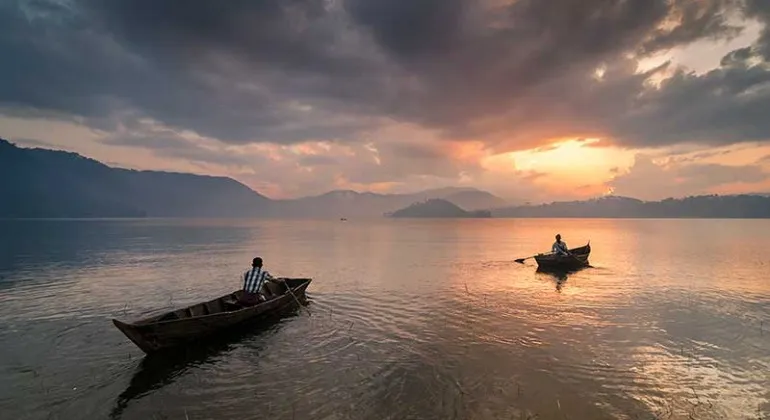
Rolling green hills, pine forests, rocky cliffs and distant mountain ranges form the backdrop to many memorable experiences in Shillong. When visibility is good, Shillong Peak offers sweeping views of the surrounding landscape, while the Laitlam Canyon offers a dramatic panorama of deep valleys and steep slopes. The route from Guwahati to the city also includes Umiam Lake, a reservoir surrounded by mountains and a popular stop for photography and waterside walks.

Khasi culture and local traditions

The Khasi people are at the heart of the cultural identity of Shillong and the wider region. Visitors can learn about local customs, traditional crafts, music, food and social life through museums, cultural events, markets and respectful interactions with local guides. Khasi society is known for its matriarchal traditions, although family customs and traditions vary between communities. Ask permission before taking photographs of people, religious ceremonies or private cultural activities.

Music, cafes and creative life

Shillong has a strong reputation for rock music and live performances, as well as a growing café culture. Its musical identity is reflected in local venues, festivals, independent artists and social events. Visitors interested in contemporary culture can explore the city's cafés and performance spaces and check local listings for current events and entry requirements.

Markets and daily city life

Police Bazaar is one of the busiest commercial areas in Shillong, with clothing stores, restaurants, bakeries, street food and daily necessities. Bara Bazaar, also known as Yeudu, offers a more traditional market experience, selling local agricultural produce, spices, household items and products from the surrounding area. Carry small amounts of Indian currency and allow extra time for the crowds.


Best things to do in Shillong

1. Relax at Wards Lake

Wards Lake is a well-maintained urban attraction, featuring a curved pedestrian bridge, walking trails, ornamental gardens, and a tranquil central pond. It is a convenient stop for couples, families, photographers, and travelers looking for a light outdoor activity between sightseeing tours. Admission fees may apply and admission times are subject to current operating hours. Please check the latest information before visiting.

2. Enjoy the view from Shillong Peak

Shillong Peak is one of the most popular tourist destinations in the region, offering a panoramic view of the city and surrounding hills. Visibility varies depending on weather conditions, so be flexible with your itinerary. The place is located off the city's busiest roads, so taxis or organized sightseeing vehicles are a convenient option. Carry your identity card and follow any safety instructions applicable at the sightseeing spot.

3. Visit Elephant Falls

Elephant Falls is a famous multi-tiered waterfall located outside central Shillong. Multiple viewpoints and stairs allow visitors to view the falls from different levels. The trail has stairs and can be slippery, so it is important to wear suitable footwear. An entry fee may apply. If the road conditions and your schedule are favorable, you can combine this place with Shillong Peak.

4. Visit the Shillong Golf Course

Shillong Golf Course is a large, green recreational space, known for its tree-lined surroundings and open views. It is a great place to enjoy the city's unique landscape and the tranquil hill town atmosphere. Access to the playing area and other facilities may be restricted to members, players or authorized visitors only, so do not assume that every part of the course is freely accessible, but check the access arrangements.

5. Visit the Don Bosco Museum

The Don Bosco Museum of Tribal Culture showcases the traditional costumes, crafts, architecture, music, and daily life of the tribal people of northeastern India through exhibits. Its vast collection makes it a valuable cultural destination for visitors who want to learn more about the context than just the scenic views. Before you visit, check the museum's current opening hours, ticket prices, photography policy, and last entry times.

6. Enjoy the beauty of Mary Help of Christians Cathedral

This vast Catholic cathedral is known for its architecture, stained glass work, and serene interior decor. Visitors are asked to dress modestly, follow the posted rules, and refrain from disrupting worship or religious ceremonies. Entry times may vary depending on events and church activities.

7. Browse Police Bazaar and Big Bazaar

Explore the commercial hub of Shillong, Police Bazaar, where restaurants, shops, bakeries and travel services are clustered around busy streets. For a more traditional market experience, visit the larger bazaars and see the variety of locally produced goods and merchandise. Markets are also great places to sample regional cuisine and discover locally made products.

8. Samples of Khasi and Northeastern cuisine

Shillong's food scene includes Khasi specialties, Northeastern Indian cuisine, Indian vegetarian cuisine, Tibetan-inspired dishes, bakeries, and modern cafes. Traditional dishes may include Jadoh, a rice dish usually served with meat, and Tungrimbai, a fermented soybean dish. Ingredients and cooking methods vary from family to family and restaurant. If you have any special dietary requirements, ask about meat, fish, allergens, and cooking methods.

9. Experience the music scene of Shillong

Keep an eye out for live music performances, seasonal festivals and local events during your stay. Shillong's musical culture includes a mix of rock, traditional influences, contemporary bands and independent artists. Event dates, venues, age limits and ticket prices vary, so check the current list rather than relying on a fixed annual schedule.

10. Go on a day trip to the Khasi Hills

Use Shillong as a base to explore nearby villages, forests, scenic viewpoints, and waterfalls. Popular destinations include the Mawphlang Sacred Forest, Laitlam Canyon, and the Greater Sohra region. Some destinations require a lot of driving and walking, so make transportation arrangements in advance and discuss road conditions and return times with your driver.

History, traditions and local culture

Shillong developed into an important administrative centre during the British rule in the 19th century. Its elevated position on a plateau, relatively mild temperatures compared to the plains, and strategic location helped it establish itself as a major hill town and administrative headquarters. The city became the capital of the state of Meghalaya when it was formed on 21 January 1972.

The plans and institutions of the British era have left a clear imprint on various parts of the city, such as old administrative buildings, churches, educational institutions and entertainment centres. Yet, Shillong's identity cannot be understood solely in terms of its colonial past. Khasi culture, tribal institutions, indigenous knowledge and regional artistic heritage are at the heart of its character.

The Khasi community of Meghalaya has its own language, customs, and ties to the land and social life. English is widely used in education, administration, and tourism, while Khasi is an important local language. Visitors will also encounter Hindi and other Indian languages ​​in commercial settings.

To learn more, consider visiting the Don Bosco Museum, exploring established heritage sites with an experienced guide, or arranging a cultural tour of a Khasi village. Follow local guidelines in sacred groves and other culturally significant sites, refrain from removing natural elements, and respect any restrictions on photography or entry.


Architecture and natural environment

Shillong's architectural environment is a mix of colonial-era architecture, institutional buildings, churches, traditional regional influences, modern homes, and busy commercial streets. The city's undulating terrain creates a variety of perspectives, with neighborhoods scattered over slopes and ridges rather than following a uniform flat street grid.

Green spaces and recreational facilities provide a refreshing break from the hustle and bustle of the city centre shopping. Ward's Lake has well-maintained pathways and ornamental plantings, while the Shillong Golf Course offers a vast expanse of green space. Outside the populated areas, the Shillong Plateau features forested slopes, deep valleys and scenic escarpments.

The natural landscape is an important part of the travel experience, but it also requires realistic planning. Roads can be narrow or winding, visibility can change quickly, and some scenic spots require walking over uneven terrain. Allow plenty of time for travel, use designated trails, and avoid going too close to the edges of steep cliffs to take photos.


Ticket prices and entry rules

There is no general fee to enter Shillong city. Travelers can walk along the general streets and explore many areas without purchasing a ticket. Separate fees may apply for individual attractions, museums, gardens, organized activities, and special events.

Guide Inspector Budget

Experience Estimated cost Important information
Exploring public streets and neighborhoods Free Food, transportation and shopping are extra.
Selected gardens and local attractions 20-100 taka per person This is just an example; please check the current tariffs for each site.
Museums and paid cultural attractions 100-400 taka or more per person Prices and rates for foreign visitors may vary.
Local sightseeing by taxi Cited separately Confirm the vehicle, route, waiting time, and total price before starting the journey.
Guided tours and adventure activities Variable Equipment, guides, permits, and transportation may be charged separately.

These amounts are tentative estimates, not verified current rates for each attraction. There is no single city-wide ticket, and exact fees should be confirmed with the relevant operator before travel.

Entry and Visitor Guide

  • Carry a valid government-issued ID and keep travel documents handy.
  • International visitors should check Indian visa requirements and permitted entry points before crossing international land borders.
  • Please adhere to designated opening hours, photography regulations, religious site etiquette, and local guidelines.
  • Use designated paths to waterfalls, scenic spots, and interesting places in the forest.
  • Check to see if any protected or community-managed sites require separate permits, guides, or reservations.
  • Keep trash to yourself until you find a suitable disposal location and avoid disturbing wildlife or sacred natural areas.

Best time to visit Shillong

October to April is a good time to visit Shillong, especially for those who plan to visit the city, visit scenic spots, markets, and trek to the Khasi Hills. October and November can be attractive for outdoor activities, while December to February sees winter-like weather, requiring warm clothes, especially in the mornings and evenings.

For those looking to combine a trip to the countryside with city activities, March and April are ideal. The greater Meghalaya region typically has a pronounced rainy season from late spring to early autumn, and this rainfall can affect walking trails, waterfalls, road travel, and visibility. Conditions vary from year to year, so check the weather forecast and local road information before setting off.

Shillong is a year-round destination. The best time to visit depends on your interests: cultural events and live music can influence city-center travel, while outdoor activities are best explored by checking road conditions and the latest local guidelines. Make sure to book accommodation and transportation well in advance of major festivals and holiday seasons.

Recommended duration

  • One day: A brief introduction to the city, with selected central sights and markets.
  • Two to three days: Time for Shillong's main attractions, food, museums, and any viewpoints or waterfalls to visit.
  • Four to six days: A more relaxed itinerary combines Shillong with Sohra, Mawphlang, or other destinations in Meghalaya.

How to reach

Shillong is located in the northeastern Indian state of Meghalaya. The most convenient domestic gateway for most visitors is Guwahati in neighboring Assam, which is connected to Shillong by road. Travelers arriving from Dhaka can plan international travel through an approved land border or travel by air through any suitable gateway in India, depending on current flight schedules, visa requirements, and border management.

From Dhaka, Bangladesh

  1. Choose your route: Check out the current international transport options from Dhaka. Depending on the services available, travelers can reach the Sylhet region by road and head towards the Tamabil-Dawki international border, or fly to a suitable Indian airport and travel by road.
  2. Check immigration requirements: Make sure your Indian visa allows entry through the specific land border or airport you plan to use. Check the border's operation and opening times before you set off.
  3. Cross the border via Tamabil-Dauki if eligible: After completing Bangladesh exit formalities and Indian immigration, arrange for onward transportation to the Indian side. Depending on the route, the distance from Dauki to Shillong by road is about 80-100 km and it usually takes three hours or more.
  4. Arrange for onward transportation: Pre-booked private cars are convenient for travelers with luggage. Shared vehicles may be available locally, but service, fares, and departure times may vary.

International transportation and border services are subject to change. Do not assume that any through-tickets, cross-border buses, or same-day connecting services are in operation without checking directly with the relevant transportation agency and border authorities.

By air

  1. Fly into the popular Gopinath Bordaloi International Airport (GAU) in Guwahati, Assam , which is the main airstrip to Shillong.
  2. From the airport, take a pre-booked taxi, shared car if available, or a car to Guwahati for your onward road journey.
  3. Proceed towards Shillong via the highway through the Nongpoh and Umiam Lake areas. The journey usually takes three to four hours, with additional time for traffic jams and breaks.

Shillong Airport in Umroi is located closer to the city, about 30-35 km away. However, scheduled services here are limited and should not be assumed to be available on all travel dates. Check the airline's official schedule before choosing this option.

By train

  1. Travel by Indian Railways to Guwahati Railway Station , which is the main rail gateway to Shillong.
  2. From the station, look for Meghalaya Transport Corporation or private bus services, or use an authorized shared taxi or private cab.
  3. Proceed towards Shillong by road, which will take approximately three to four hours depending on traffic, stops along the way, and services selected.

There is no direct rail connection from Meghalaya to Shillong. Passengers arriving from Bangladesh should confirm their international itinerary and entry arrangements into India before purchasing train tickets for their onward destination.

By bus and road from Guwahati

Government and private buses, shared taxis and reserved vehicles connect Guwahati to Shillong. Bus and shared taxi departure points may vary, so check the current terminal and departure times. Depending on the starting point and route, this road trip usually covers about 100-120 kilometers and takes about three to four hours.

The estimated cost of a one-way journey for some bus services is around 150–400 taka, for shared taxis 400–800 taka per person, and for reserved vehicles 2,500–5,500 taka or more, depending on the pickup point, vehicle type, season, and operator. These are not guaranteed fares, but rather approximate budgets; confirm the fare before boarding or booking.

Local transport in Shillong

  • Shared taxi: A popular way to travel between downtown areas and specific taxi routes. Ask about the destination and fare before getting in a taxi.
  • Private taxi: Convenient for families, luggage, and traveling outside the city center. Arrange the full itinerary, waiting time, and return fare in advance.
  • Local buses: Affordable for selected routes, although the range of services, frequency of trips, and travel times may not be as convenient for those who follow a strict itinerary.
  • Walking: Suitable for exploring parts of the Police Bazaar and other central areas, but caution is required due to steep streets, narrow sidewalks, and traffic.
  • Vehicle Rental: Car rentals with drivers are convenient for day trips. Self-drive and two-wheeler rentals depend on the service provider's availability, licensing requirements, and insurance terms.

The approximate fare for a shared taxi for a short distance ride in the city center can be around INR 20-100 per person, while a private taxi for a full day of sightseeing can cost around INR 2,000-4,500 or more. The actual fare varies depending on the route, distance, waiting time, and bargaining.

Nearest transportation hub

Police Market is a convenient central hub for shopping, hotels, restaurants and transport services. The Meghalaya Transport Corporation bus station and nearby taxi stands are important areas for local travel; private drivers can use various places including the Polo Grounds area. Umiam Lake is a notable landmark along the Guwahati-Shillong highway, while the Guwahati Airport and Guwahati Railway Station are the main external gateways.

Shillong, India

GPS: 25.5787726, 91.8932535
Get Directions

Where to eat

Shillong has a diverse food scene, with everything from Khasi home cooking to bakeries, cafes, Indian restaurants, Tibetan-style food and modern international menus. Police Bazaar and Laitumkhra are convenient areas to find multiple dining options within a short distance from hotels and shopping streets.

Khasi specialties

Try Jadoh, a rice dish often made with meat, or Tungrimbai, a traditional fermented soybean dish. Other local dishes may include pork, chicken, fish, seasonal vegetables, and regional herbs. Cooking methods vary by restaurant and household, so ask about ingredients if you have any dietary restrictions.

Cafe and bakery

Shillong's café culture is perfect for leisurely breakfasts, coffee breaks and relaxed evenings. Explore the Laitumkhra and central business districts for cafes, bakeries, casual eateries and independent restaurants. Opening hours and menus change, so check the current list before visiting a particular establishment.

Street food and market snacks

Markets and busy shopping areas offer fast food, snacks, tea, and inexpensive local dishes. Choose vendors who sell their food well and who serve it in a healthy manner, and use bottled or other safe drinking water if necessary.

A reasonable approximate budget is 100–250 rupees per person for a simple meal, 250–600 rupees for a mid-range restaurant meal, and even more for a premium restaurant or specialty dining. These are not verified prices for any specific location, but rather estimates.


Where to stay?

Shillong offers a variety of accommodations, from budget guesthouses and homestays to mid-range hotels and more upscale accommodations. Choosing the right area can cut down on travel time and make it easier to enjoy the city without having to rely on long taxi rides for every meal or activity.

Police Market: Central Facility

Police Bazaar is a convenient location for first-time visitors who want access to shopping, restaurants, taxis, and transportation. The area is busy and some streets can be noisy, so request a room away from traffic if a quiet environment is your priority.

Laitumkrah: Cafe and residential properties

Laitumkhra is popular with students and locals and has cafes, casual restaurants, and shops selling everyday necessities. It is perfect for tourists who prefer a neighborhood atmosphere while still being connected to the main attractions by taxi.

Upper Shillong and outskirts

Staying outside the busiest central areas may offer a relatively quiet environment or easier access to certain attractions. Check the exact location, road conditions, and transportation options, especially if you plan to return after dark or leave early in the morning.

Estimated accommodation budget

  • Low-budget guesthouses and homestays: Approximately INR 800–2,000 per room per night.
  • Mid-range hotels: Approximately INR 2,000–5,000 per room per night.
  • High-end hotels and boutique stays: Approximately 5,000–10,000 rupees or more per room per night.

Prices vary depending on dates, number of guests, room type, breakfast inclusions, and booking conditions. Prices may increase during festivals, weekends, and holidays. Check recent reviews, cancellation policies, heating, parking, and the exact location of the property before confirming your reservation.


Travel tips and practical information

  • Currency: Indian Rupee (INR) is used in Shillong. Carry some cash for small shops, local transport and market purchases.
  • Language: English is widely used in tourism and administration. Khasi is an important local language and Hindi is also spoken in many commercial settings.
  • Clothing: Bring layers of clothing and a light jacket, even when traveling outside of winter. The weather can be different during the day and evening.
  • Shoes: Comfortable walking shoes are suitable for steep roads, scenic spots, waterfalls, and outdoor trips.
  • Connectivity: Check mobile coverage and roaming before traveling to rural areas. Download maps and necessary booking information for offline use.
  • Road Safety: Allow extra time for winding roads, traffic jams, and stops at scenic spots. Use established transportation services and negotiate fares before embarking on a private journey.
  • International Travel: Carry a valid passport, visa and necessary travel documents. If traveling from Bangladesh, ensure that you have approved entry routes into India and current border procedures.
  • Responsible tourism: Respect religious sites, village customs, private property, and community norms. Remove trash from natural attractions and avoid dangerous cliff edges.
  • Advance Booking: Reserve accommodation and intercity transportation in advance during busy weekends and major holidays.

Suggested itinerary for a two-day trip to Shillong

Day 1: City sightseeing and culture

  1. Morning: Start with Wards Lake, subject to opening times, then explore selected streets and heritage buildings in the city centre.
  2. As the day progresses: Visit the Don Bosco Museum or another cultural attraction and check the latest information on tickets and openings.
  3. Lunch: Savor Khasi cuisine or choose a cafe in the central area or Laitumkhra.
  4. Afternoon: Visit the Police Market and Big Bazaar, take time for shopping and eating local food.
  5. Evening: Enjoy dinner and check out any live-music events or cafe performances.

Day 2: Sightseeing and Waterfalls

  1. Morning: Drive to Shillong Peak to enjoy the scenic views of the surroundings, but subject to access restrictions and visibility.
  2. As the day progresses: Head towards Elephant Falls and follow the designated path between the various viewpoints.
  3. Afternoon: On the way back through the surrounding mountains, stop at an easily accessible place or at Umiam Lake if your route and time allow.
  4. Evening: Return to Shillong for dinner and prepare for your next journey or long trip to Meghalaya.

This itinerary is a flexible outline, not a fixed schedule. Before you set off, check with your driver about the schedule of sightseeing spots, road connections, transportation costs, and the possibility of stopping at multiple locations at once.


Nearby attractions

Shillong is an excellent base for exploring the greater East Khasi Hills region and other parts of Meghalaya. The following destinations can be visited as a day trip or included in a longer regional itinerary. Travel times are approximate and depend on road conditions, traffic congestion and exact starting point.

Elephant Falls

Located a short distance from the city center of Shillong, Elephant Falls is a popular multi-tiered waterfall, accessible via multiple staircases and observation platforms. Allow plenty of time to walk between the different tiers and take photos. The trail is not entirely free of steps and caution is required on the walking surface.

Shillong Peak

From this elevated position, if visibility is good, one can enjoy a panoramic view of Shillong and the surrounding hills. It is often included in half-day sightseeing tours along with Elephant Falls. Make sure to check the entry requirements before starting the journey.

Ward's Lake

Located in the heart of the city, Ward's Lake is a well-maintained tourist attraction with walking trails, ornamental gardens, and a central pond. Depending on the opening hours and access arrangements, it can easily be included in the central Shillong itinerary.

Don Bosco Museum

This museum introduces the culture and heritage of Northeastern India through exhibits on tribal communities, handicrafts, clothing, and daily life. It is especially worthwhile for visitors who want to gain a deeper understanding of the culture of the region.

Lightlum Canyon

Lightlum Canyon is known for its dramatic steep slopes, deep valleys, and sweeping views of the surrounding landscape. It is a great travel destination for photographers and nature lovers. Allow extra time for driving and walking, and stay well away from the exposed edges.

Mawflang Sacred Forest

The Mawphlang Sacred Forest is an important community-managed forest associated with Khasi cultural and spiritual heritage. Visitors are required to follow local regulations and seek the assistance of an authorized guide if necessary. Do not remove any trees, stones, wood or other materials from the forest.

Cherrapunji (Sohra)

Sohra, also known as Cherrapunji, is famous for its waterfalls, limestone landscapes, deep valleys and access to living root bridges. The journey from Shillong usually takes about two hours or more one way, depending on traffic and breaks along the way. It is possible to visit in a full day, although an overnight stay gives more time to explore.

Mawlynnong

Mawlynnong is known for its rural tourism, beautiful natural surroundings and easy access to the attractions of the South Khasi Hills. It takes a relatively long time to get here from Shillong and is often combined with other destinations in the region. Respect the privacy of the village and follow the instructions of local tourists.

Dauki and Umongat Rivers

Dawki is a border destination, known for the Umangot River, the Naubihar, and the convenience of the Tamabil-Dawki border crossing between India and Bangladesh. The river conditions and water clarity vary with the season and weather. International travelers should distinguish between recreational travel and formal border crossing procedures and carry the necessary documents.

For a balanced Meghalaya trip, plan a trip or two to the surrounding hilly areas along with the museums, markets and urban attractions of Shillong. For trips to Sohra, Mawlynnong or Dawki, consider staying there for a night or setting aside a specific day for sightseeing, rather than trying to visit all the destinations in one rushed trip.

Frequently Asked Questions (FAQ)

October to April is a good time to visit Shillong, especially if you plan to explore the city's cultural attractions, markets, sightseeing spots, and the surrounding hills. December to February can be chilly, especially in the mornings and evenings, so pack warm clothes. Roads, walkways, and visibility can be affected during the monsoon season in Meghalaya. Check local conditions before venturing out, as weather patterns and travel conditions change every year.

logo ColoZai

ColoZai is a trusted travel guide and destination explorer platform in Bangladesh. We are making travel simple, authentic, and accessible for everyone.

Need Help ?

We are Always here for you! Knock us on Whatsapp (10AM - 10PM) or Email us.