Manali, India – The Complete Travel Guide to the Himalayan Paradise in Himachal Pradesh

Manali, India – The Complete Travel Guide to the Himalayan Paradise in Himachal Pradesh

Manali
·

28 September 2026

Travel Overview & Quick Facts

Directions
Location
Manali
Admission / Entry Fee
Entry to all public roads, markets and accessible areas of Manali town is free for all visitors. Individual attractions may have separate entry fees. Additional fees may apply for activities such as paragliding, skiing, rafting, ropeway rides and guided tours. Certain temples, museums, entertainment centres and protected destinations may have their own entry fees. A green-tax charge may apply to private vehicles entering Manali, while tourist vehicles travelling over the Rohtang Pass require a permit and associated fees. Please confirm the current charges with the relevant attraction or government authority before travelling.
Opening Hours
Open 24 hours
Category / Type
Himalayan mountain regions, nature and scenic destinations, adventure tourism, cultural and traditional destinations

Introduction to Manali, India – The Complete Travel Guide to the Himalayan Paradise in Himachal Pradesh

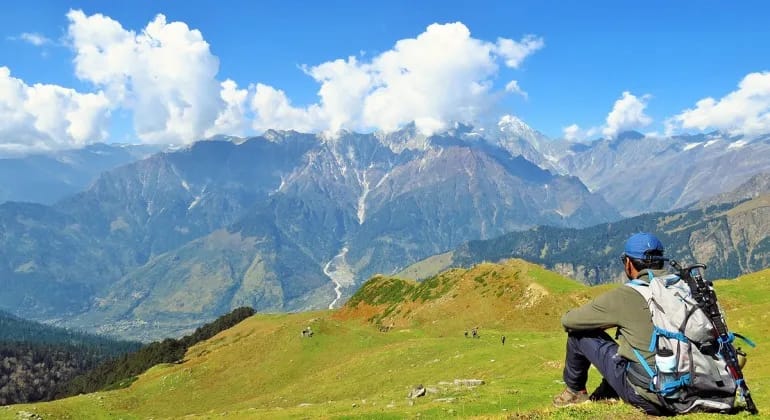
Manali, India is one of the most famous Himalayan hill towns located in the picturesque Kullu Valley of Himachal Pradesh. Surrounded by snow-capped peaks, towering deodar forests, traditional villages and the rushing Beas River, Manali attracts travelers in search of natural beauty, adventure, cultural exploration and a peaceful hill holiday. Situated at an altitude of about 2,050 meters above sea level, this picturesque destination combines dramatic landscapes with a vibrant tourist culture.

Manali, located in the Kullu district of northern India, serves as an important gateway to the high Himalayan region of Lahaul, Spiti and Ladakh. Its strategic location has made it a popular starting point for mountain expeditions, scenic road trips, trekking expeditions and cultural tours. Visitors can explore ancient wooden temples, traditional Himalayan settlements, lively markets, riverside cafes and enchanting valleys within a relatively small geographical area.

What makes Manali tourism particularly attractive is its extraordinary diversity. Thrill seekers can enjoy paragliding, skiing, trekking, river rafting and mountain biking, while families and couples can spend their days visiting temples, photographing hilly scenes, shopping for traditional handicrafts and relaxing by the river. Popular destinations like Solang Valley , Hidimba Devi Temple and Rohtang Pass add memorable experiences to a Manali itinerary.

Manali is about 40 km from the district headquarters Kullu town, about 300-320 km from Chandigarh and about 530-570 km from Delhi by road. The destination attracts domestic tourists from India, international tourists and visitors from neighboring countries including Bangladesh. The combination of easy accessibility, scenic views of the hilly region and a variety of accommodation options makes Manali suitable for short breaks and longer Himalayan treks.

Note for travel planners: Manali is not a single ticketed attraction, but rather an entire city and tourist destination. Its public areas are generally open 24/7, although individual temples, activity centers, transportation services, and hiking trails operate on their own schedules. The Google Maps URL above refers to Manali, Himachal Pradesh. Its latitude and longitude fields reflect the exact map-viewport coordinates of the URL; the coordinates of a separately embedded placemarker in the same URL are 32.2431872, 77.1891761. Since Google Maps does not have a verified number of city-level ratings and reviews, the fields are intentionally left blank, rather than estimated.


History, cultural heritage and significance

Manali's cultural identity is inextricably linked to the mythology of the Himalayas, traditional village life and the history of the Kullu Valley. The name Manali is associated with Manu , a revered figure in Hindu tradition , who is believed to have settled in the region after a great flood. This connection further enhances Manali's importance as a cultural and spiritual destination.

The ancient settlement of Old Manali preserves traditional Himalayan architecture and aspects of village culture. The wooden and stone houses, narrow lanes, traditional temples and small agricultural farms reflect the region's long association with the mountainous environment. The history of the region is also closely intertwined with the larger cultural heritage of Kullu, where local deities, seasonal festivals and village customs remain an important part of social life.

Connection between Hidimba Devi and the Mahabharata

One of the most important tourist attractions in Manali is the Hidimba Devi Temple , also known as Hadimba Temple or Dhungri Temple. Dedicated to Hidimba, a character from the Mahabharata, this temple was built in 1553 during the reign of King Bahadur Singh. Its distinctive multi-tiered wooden roof and intricately carved entrance gate bear the hallmarks of traditional Himalayan temple architecture.

Traditional Kullu culture

The neighboring Kullu region is known for its traditional woolen shawls, hand-woven fabrics, local music, village festivals, and distinctive cuisine. In the markets of Manali, visitors can find Himachali hats, handmade wooden items, and woolen clothing. Cultural traditions vary among different communities and should be respected, especially during religious ceremonies.

Transformation into a tourist destination

Improved road connectivity and a growing interest in Himalayan travel have transformed Manali from a relatively small hill town into a major tourist destination. Today, the hospitality industry here ranges from budget hostels and family guesthouses to luxury resorts, while Old Manali is particularly well-known for its backpacker lodgings, cafes, and relaxed social spaces.


Best experiences and things to do in Manali

Manali offers much more than just picturesque mountain views. Its attractions include spiritual heritage, outdoor adventures, village exploration, shopping, and nature-based recreation. Visitors can tailor their travel plans around a variety of unique experiences.

1. Explore Old Manali

Old Manali is known for its narrow lanes, traditional village atmosphere, small cafes, various accommodation options and picturesque views of the mountains. This area offers a different experience from the commercial hub of Mall Road. Explore the village on foot, visit local shops and enjoy a leisurely meal while taking in the views of the surrounding mountains. Some of the lanes are quite steep, so comfortable shoes are recommended.

2. Visit Hidimba Devi Temple

Nestled in a deodar forest near the city center, the Hidimba Devi Temple is one of the most well-known historical attractions in Manali. Its wooden architecture, sacred atmosphere, and forested location make it a special attraction for culture-loving tourists and photographers. The temple premises can get quite crowded during holidays and religious festivals.

3. Experience Solang Valley

Solang Valley, located about 13 km from Manali, is a major hub for adventure tourism. Depending on seasonal conditions and operator availability, visitors can experience paragliding, skiing, snow activities, ropeway rides and other recreational adventures. The prices of the activities are determined separately and availability depends on operating permits and security conditions.

4. Discover the Vashistha village and hot springs

Located about 2-3 km from central Manali, vashisht village is known for its traditional temples and natural hot springs. Visitors can explore this historical town and admire the religious architecture. There may be separate bathing facilities for men and women and visitors must follow the prescribed rules.

5. Walk through Mall Road Market

Mall Road is the main commercial and entertainment hub of Manali. The shops here sell winter wear, woolen shawls, souvenirs, handicrafts, light meals and travel essentials. The road is particularly lively in the afternoon and evening. It is also a convenient place to find restaurants, local transport and travel agencies.

6. Explore the landscape of the Beas River

The Beas River is one of the main natural features of Manali. Its watercourses, flowing from the mountains, flow through the valley, past roads, forests and settlements, creating numerous scenic photo opportunities. Enjoy the river from designated viewpoints, bridges and safe public spaces. Avoid entering fast-flowing water or approaching unstable riverbanks, as the currents can be unexpectedly strong.

7. Visit Yogini Falls

Yogini Falls, accessible on foot from the forested area (jogini waterfall) , offers a worthwhile excursion for those interested in waterfalls and mountain views. The trail passes through a mix of village roads and natural surroundings. Visitors should check the condition of the trail before setting out and avoid slippery or exposed sections.

8. Travel on the Himalayan roads

Manali is a convenient starting point for treks to the Atal Tunnel, Sisu and Rohtang Pass. These routes showcase dramatic changes in the mountain landscape. Access to some destinations is seasonal or restricted, and roads may be closed at short notice. Visiting the Rohtang Pass requires following the district administration's permit requirements.


Adventure activities and outdoor recreation

Manali is one of India's most recognized destinations for Himalayan adventure tourism. Its surrounding valleys, rivers, mountain slopes, and trekking routes offer a variety of activities for both novice and experienced adventurers.

Activity Popular place Indicative price Important information
Paragliding Solang Valley and nearby locations Approximately ₹1,500–₹4,000 per person The price depends on the flight duration, operator and circumstances.
River rafting Approved sections of the Beas River in the Kullu Valley Approximately 500–1500 taka per person The functional category and its availability are governed by local security regulations.
Skiing lessons Solang Valley Approximately 500–2,000 taka per person Usually available when there are suitable snow conditions.
ATV or quad-bike ride Solang Valley and designated activity areas Approximately 500–1500 taka per ride Costs vary depending on the course, duration, and type of vehicle.
Guided trekking Lamadu, Hampta area and other approved trails Approximately ₹1,000–₹8,000 or more The cost mainly depends on the length of the route, guide services, and camping requirements.
Ropeway ride Solang Valley Operator-dependent Confirm the status of the activities and current ticket prices directly.

Price Note: These prices are an estimate of the itinerary in Indian Rupees, not a verified actual price. They may not include equipment rental, photography, transportation, insurance, taxes, and guide fees. Please confirm the total price before booking.

Security considerations

  • Choose established operators with proper licenses, safety procedures, and equipment.
  • Make sure helmets, harnesses, life jackets, and other protective equipment are included.
  • Follow the instructor's instructions and inform them of any relevant physical limitations before participating.
  • Refrain from any activity during government closures or when authorities prohibit participation.
  • Check if your travel insurance covers adventure sports and high-altitude activities.
  • Never assume that locally advertised activities are automatically allowed or appropriate for every traveler.

Travelers planning a difficult mountain expedition should assess the altitude, the difficulty of the route, emergency access, and the need to adapt to the environment. It is best to arrange a multi-day expedition with an experienced guide who is familiar with the local conditions.


Ticket prices, entry rules and visitor information

Manali city tour is free. No general admission ticket is required to enter the destination or walk along the public roads and market areas. However, separate fees may apply for individual attractions and recreational activities.

Visitor expenses Entry or pricing information
Manali city Free public access
Mall Road Walking around is free; shopping and dining will cost extra.
Old Manali Village Public roads are free to explore.
Hidimba Devi Temple There is usually no entrance fee for visits; check to see if there are any restrictions on specific services or photography.
Solang Valley General admission to the valley is usually free; adventure activities cost extra.
Rohtang Pass Tourist vehicles require a government-regulated vehicle permit and applicable fees to enter.
Private vehicle entry Applicable Manali green-tax charges may apply.
Adventure sports Charges vary depending on the activity and operator.

Rohtang Pass Permit Rules

Tourist vehicles travelling through Rohtang Pass are subject to government permit restrictions, daily quotas and applicable fees. The district administration publishes the permit structure through its official portal ' Rohtang Permit Management System' . As per a current government list, the tourist permit fee for cars and jeeps is Rs 500 and additional charges may also apply depending on the vehicle and journey. These are vehicle-related charges, not the same as the regular Manali entry ticket.

Visitors should understand the difference between a sightseeing permit at Rohtang Pass, a permit for a specific route, and a green tax for vehicle entry into Manali. These requirements are not necessarily interchangeable. Please check the relevant government guidelines before arranging transportation.

General guidelines for visitors

  • Carry a valid government-issued photo ID.
  • International visitors should keep valid passports, visas, and necessary travel documents on hand.
  • When visiting religious sites, dress modestly and follow local shoe and photography regulations.
  • Dispose of waste responsibly and avoid damaging plants or disturbing wildlife.
  • Use authorized parking spaces and obey vehicle restrictions.
  • Check mountain road conditions and government advisories before setting out on a trip.
  • Keep enough cash for small purchases in places where digital payment is not available.

Best time to visit Manali

Manali is a year-round destination, but the ideal time to visit depends on whether your main purpose is sightseeing, hilly scenery, cultural exploration, adventure activities, or a winter vacation.

March to June: Sightseeing and outdoor vacations

March to June is a popular time for sightseeing, temple visits, village walks and exploring the surrounding valleys. The longer daylight hours make it convenient to plan your trip during the day. Adventure operators often organize a variety of activities in suitable conditions, although each experience is subject to availability.

July to September: Green valley landscape

The surrounding hills become especially green and lush during this time. However, during the monsoon season, landslides, road disruptions, and restrictions on river-based activities can occur. Travelers should maintain a flexible itinerary, check government road guidelines, and avoid open mountain paths if conditions are unfavorable.

October to November: Pleasant exploration

October and November can be attractive for photography, cultural tours, local sightseeing, and quiet rural experiences outside of the main holiday season. However, visitors should be prepared for significant temperature changes, especially in the evenings and at higher altitudes.

December to February: Winter holidays

December to February is popular with travelers hoping to experience the winter scenery of the Himalayas and snow-related activities. Snowfall is not guaranteed on specific dates within Manali city, and heavy snowfall can disrupt road transport. If conditions are favorable, there may be opportunities for skiing and other seasonal experiences at some nearby activity spots.

Recommended duration of trip: Three to five days is suitable for first-time travelers to visit Manali town, Old Manali, Hidimba Devi Temple, Vashishtha and Solang Valley. A longer itinerary provides additional flexibility for trips to Nagar, Kullu and higher mountains.


How to reach

Manali is located in Kullu district of the Indian state of Himachal Pradesh. Although the city does not have a major railway station or airport, it is accessible by a combination of air, train, intercity bus, and private vehicle. Travelers from Bangladesh usually arrive in India via an international flight and then travel to Himachal Pradesh.

From Dhaka, Bangladesh – by air and road

  1. Step 1: Travel from Hazrat Shahjalal International Airport, Dhaka to Indira Gandhi International Airport, New Delhi using an available flight route. Direct flight availability and schedule must be verified for the actual date of travel.
  2. Step 2: Choose an overnight bus, private road trip, or the next domestic flight to Kullu-Manali Airport in Bhuntar from Delhi to Manali.
  3. Step 3: If traveling via Bhuntar, take a taxi or local bus for about 50 kilometers towards Manali.
  4. Step 4: Upon reaching Manali bus stand or your place of residence, take a local taxi or walk to the Central Mall Road area.

Passengers who decide to travel by road from Delhi to Manali should allow an estimated 12-16 hours or more depending on services, road conditions, traffic congestion and layovers. Passengers who plan to fly to Bhuntar should make sure to arrange their onward road transport well in advance, as flight schedules and availability in the hilly region may be limited.

Estimated transport costs: A regular or semi-deluxe bus from Delhi to Manali can cost around Rs 600–1,200 per person, while premium Volvo or sleeper-style services can cost around Rs 1,000–2,500 or more. Depending on the type of vehicle, provider and amenities included, a one-way private car from Delhi to Manali can cost around Rs 9,000–18,000 or more. International airfares vary widely and should be checked for the intended travel dates.

From Dhaka – by train and road

Travelers who prefer to travel by rail can reach Delhi or Chandigarh through a suitable combination of international travel and Indian Railway services. There is no direct train from Dhaka to Manali and there is no conventional main railway station within Manali city. The journey will have to be continued by bus or taxi from any suitable Indian Railway station. The availability of cross-border trains and immigration arrangements must be confirmed independently before opting for this itinerary.

From Delhi – By bus

Delhi is one of the main entry points to Manali. Passengers can book ordinary, deluxe and Volvo-style coaches operated by state or private transport companies. Many services depart in the evening and run overnight. The journey by road is approximately 530-570 km, depending on the route and destination.

Book through an established operator and check the correct boarding point, destination, baggage policy and cancellation terms. Official information on transport in Himachal is available on the website of the Himachal Pradesh Tourism Development Corporation . (access)

From Chandigarh – By Road

The distance from Manali to Chandigarh is about 300-320 km. Visitors can travel by state transport buses, premium coaches or private taxis. The journey usually takes about 8-11 hours, depending on the road conditions and traffic jams.

The approximate fare for a bus can range from around 400 to 1500 taka per person, depending on the type of service. A private taxi can cost up to several thousand taka for this journey, the exact amount depending on the type of vehicle, trip structure, and service provider.

From Kullu District Headquarters – By Bus or Taxi

The district headquarters, Kullu town, is located about 40 km south of Manali. Travelers arriving in Kullu can take a local bus or hire a taxi to travel the last mountain pass. The buses usually travel through the Kullu Valley towards Manali, passing through various settlements and scenic river views along the way.

It may take approximately 1-2 hours to reach from Kullu town, depending on road traffic. The fare per person in a local bus may be around 60-150 rupees, while a reserved taxi may cost around 1,200-2,500 rupees or more. These are just estimates, not verified current fares.

By air – nearest airport

The nearest airport is Kullu-Manali Airport in Bhuntar , which is about 50 km from Manali by road. Domestic flight connections are available from Delhi or other cities in India, depending on the operating schedule. The onward journey by road usually takes about one and a half to two hours, but may take longer in case of traffic jams or road disruptions.

A one-way trip by airport taxi can cost approximately ₹1,500–₹3,000 or more. Shared transport or buses can be relatively cheaper options, but they vary in the number of departures and luggage allowance.

By train – nearest rail connection

There is no railway station in Manali. Joginder Nagar is a relatively nearby narrow-gauge rail terminus, but it is not the most convenient option for many long-distance travellers. Chandigarh, Una and other major rail-connected centres are often more practical for combining rail travel with subsequent journeys by road.

Visitors arriving at Chandigarh Railway Station can use local transport to reach the appropriate intercity bus terminal or hire a car to go directly to Manali. Reserve train tickets through the official IRCTC booking platform . (train search)

Local transportation, vehicle rentals and nearby attractions

Once in Manali, taxis, private tourist vehicles, and selected local buses are the main means of transportation. The Mall Road area is walkable, but road transport may be required to reach Solang Valley, Vashisht, Nagar, and other nearby destinations.

  • Short distance local taxi ride: Approximately ₹200–₹600, depending on distance and vehicle availability.
  • Half-day sightseeing taxi: Approximately ₹1,500–₹3,000 or more.
  • Vehicles for day-long sightseeing trips: Approximately ₹2,500–₹5,000 or more depending on the destination and type of vehicle.
  • Motorcycle or scooter rental: Approximately 500–1500 taka per day, excluding fuel costs and possible deposit.
  • Local buses: This is often the cheapest option, although this service may not go directly to all attractions.

These local prices are estimates only and are not guaranteed fares. Please make sure to include parking fees, fuel, driver allowance, return journey and waiting charges before paying.

Important landmarks include Manali Mall Road, the main bus stand, Hidimba Devi Temple, Old Manali, Vasishtha Village, and the Beas River. Some parts of central Manali are best explored on foot, but steep sections and rough paths can make some routes difficult.

Notice to International Travelers: Bangladeshi passport holders should verify their current visa eligibility, permitted purpose of travel, and applicable entry regulations with the designated authorities of the Government of India before booking non-refundable transportation. Travel regulations are subject to change and should not be inferred from previous travel experience.

Manali, India

GPS: 32.2394704, 77.1665202
Get Directions

Where to eat

Manali has a diverse culinary scene, influenced by Himalayan, North Indian, Tibetan and international cuisines. The restaurants here range from inexpensive local eateries and street food stalls to cafes, hotel dining rooms and restaurants serving an extensive vegetarian and non-vegetarian menu.

Traditional Himachali food

Visitors interested in regional cuisine should seek out establishments serving traditional Himachal cuisine. Local specialties may include Siddu , a type of steamed bread usually served with ghee or chutney; Madra , a yogurt-based dish associated with Himachal cuisine; and other seasonal dishes. Traditional Dham food is particularly associated with formal and festive feasts throughout Himachal Pradesh, although restaurant availability varies.

Tibetan and mountain cuisine

Cafes and restaurants in Manali typically serve momos, thukpa, various noodle dishes, and other Tibetan-influenced dishes. A bowl of thukpa, or freshly made momos, is a popular choice after a day of local sightseeing.

Old Manali Cafe

Old Manali is particularly attractive to travelers who want to dine in a comfortable setting. Cafes may serve coffee, bakery products, pasta, sandwiches, pizza, breakfast, and international cuisine. Some establishments have balconies or windows from which you can view the surrounding mountains.

Mall Road Restaurants

Central Manali has many family restaurants, snack shops and general food outlets within easy reach. Typical dishes include North Indian thali, vegetarian curries, rotis, rice dishes, tea and sweets. Travelers staying near Mall Road can usually find multiple dining options without having to take a taxi.

Eating habits Estimated cost per person
Street food or simple breakfast ₹80–₹200
Affordable local food ₹150–₹350
Food in a typical cafe ₹250–₹600
Average restaurant food ₹400–₹900
Premium restaurant or hotel dining ₹800–₹1,500 or more

Prices are approximate and vary by restaurant, season, and order. Travelers with dietary restrictions should check with the kitchen directly for ingredients. Halal food availability and preparation methods should also be verified independently, rather than assuming.


Where to stay?

There is a wide range of accommodation options in Manali, from budget backpacker hostels to boutique mountain retreats, family hotels, private cottages and luxury resorts. Choosing the right area can significantly enhance the tourist experience, as distances, roads and surroundings vary throughout the city.

Mall Road and Central Manali

Central Manali is a convenient hub for first-time visitors, families, and travelers who prefer nearby restaurants, shopping, transportation, and well-organized sightseeing services. Hotels around Mall Road offer easy access to the city's amenities, although some roads can be congested during peak hours.

Old Manali

Old Manali is a popular destination for backpackers, solo travelers, remote workers, and tourists interested in cafes, village views, and a relaxed atmosphere. There is a variety of accommodation options here, from hostels to guesthouses and boutique stays. Some accommodations require walking uphill or through narrow alleys to reach, so travelers with heavy luggage should check transportation arrangements before booking.

Forest area

Accommodations around the village of Vashistha may be attractive to travelers seeking views of the surrounding valley, traditional settlements, and a location away from the busiest central roads. It is important to plan your transportation, as some properties are located on steep or narrow roads.

Prini and Aleo

There are a few hotels, guesthouses and larger accommodations in the Prini and Aleo areas. These places can be attractive to couples, families and those travelers who prefer a quieter environment while maintaining road connectivity to central Manali.

Solang Valley area

Travelers who prefer adventurous activities or scenic mountain views may want to consider staying closer to Solang Valley. However, it may be a long drive to central Manali, shops, and restaurants.

Housing Department Estimated price per night Suitable for
Hostel Dormitory ₹400–₹1,000 Solo travelers and backpackers
Budget guesthouse ₹800–₹2,000 Budget-conscious couples and families
Mid-range hotel ₹2,000–₹5,000 Families and leisure-oriented travelers
Boutique hill hotel ₹3,500–₹8,000 A lovely vacation spot for couples
Premium Resort ₹7,000–₹20,000 or more Luxury vacations and special events

Booking tip: Accommodation prices can increase significantly during public holidays, school holidays and popular winter travel periods. Before booking, check recent guest reviews, road conditions, room heating, hot water availability, cancellation policies and whether the price includes tax. International visitors should ensure that their chosen accommodation can complete the necessary registration procedures for foreign guests.


Suggested Itinerary for Manali Trip

A well-planned itinerary helps tourists enjoy Manali without spending most of their time stuck in traffic or rushing from one tourist attraction to another. The following three-day itinerary combines cultural attractions, natural beauty, and exciting experiences.

Day 1: Explore Central Manali and cultural sites

  • Morning: Arrive, check in to your accommodation and explore Mall Road.
  • As the day progresses: Visit the Hidimba Devi Temple and walk through the surrounding deodar forest.
  • Afternoon: Explore Old Manali and if possible visit the Manu Temple.
  • Evening: Enjoy a relaxing meal at the cafe and explore the local handicraft shops.

Day Two: Solang Valley Expedition

  • Morning: Departure for Solang Valley after checking the road and activity conditions.
  • Afternoon: Choose a suitable activity such as a ropeway ride, beginner paragliding, or seasonal snow recreation.
  • Afternoon: Enjoy the scenic views of the valley and return towards Manali.
  • Evening: After a day of traveling, go to a restaurant near your accommodation and relax.

Day 3: Vasishtha Village and Nature

  • Morning: Visit to Vasishtha village and its historic temple complex.
  • As the day progresses: If conditions and physical ability are favorable, you can consider the Yogini Falls trail.
  • Afternoon: Return to Manali for shopping or to enjoy the beautiful river banks from a safe place.
  • Evening: Enjoy a final feast of regional cuisine or embark on your next journey.

Travelers staying for four or five days can add a trip to Nagar, Kullu Valley or the Atal Tunnel and Sisu via approved mountain roads. Rohtang Pass should be included only if the route is open and the necessary permits have been arranged. Avoid building a specific itinerary around a mountain route without checking its accessibility.


Practical travel tips and safety

Preparation is especially important due to Manali's mountainous geography. Road access, activity opportunities, and seasonal conditions can change unexpectedly, even when transportation is available in the city.

Clothing and packing

  • Bring clothing that can be layered according to the season and planned altitude.
  • Bring comfortable walking shoes with reliable grip.
  • Bring sunglasses, sunscreen, and a reusable water bottle.
  • Take necessary personal medications and a first aid kit with you.
  • Carry a waterproof case for important documents and electronics.
  • Bring heat-resistant shoes, gloves, and appropriate winter clothing for winter travel.

Height and physical comfort

Manali is located at an altitude of over 2,000 meters, and nearby travel may require climbing much higher. Some tourists experience discomfort at altitude, especially when traveling quickly through high mountain areas. Allow enough time to acclimatize, drink plenty of water, and avoid overexertion if you feel unwell. Seek medical attention if symptoms persist or worsen.

Mountain road safety

Roads around Manali have steep slopes, narrow bends and sections damaged by rocks or landslides. Use experienced drivers, avoid unnecessary travel during government warnings and check road conditions before setting off. Winter journeys may take extra time and may be disrupted by snow or ice.

River and waterfall safety

The Beas River and its surrounding streams can be very strong. Stay behind safety barriers where they are in place, avoid loose rocks and never enter the restricted areas of the river for photography. The surface of the waterfall path can also be slippery and the edges may be exposed.

Connection and payment

Indian mobile networks are generally available in central Manali, although network conditions may be poor in valleys, mountain roads and remote trekking areas. Carry offline maps and essential contact information. Digital payments are widely used in many tourist businesses, but it is advisable to carry some Indian currency.

Responsible tourism

Respect local religious traditions, avoid excessive noise in residential villages, use designated trekking routes, and support responsible local businesses. Take your trash with you after your mountain hike, and avoid buying products made from protected wildlife or illegally harvested natural materials.

Useful emergency information

India's national emergency response number is 112. Travelers should also save the contact details of their hotel and the numbers of the relevant transport service providers. Those traveling to remote hilly areas should share their itinerary with a trusted person and ensure emergency contact arrangements in advance.


Nearby attractions

Manali's location within Kullu district makes it an excellent starting point for exploring the surrounding villages, cultural monuments, and Himalayan scenery. Depending on the time available, road conditions, and seasonal restrictions, the following attractions can also be included with a trip to Manali.

  • Hidimba Devi Temple : Located about 2-3 km from the center of Manali, this historic wooden temple is surrounded by a serene deodar forest and is one of the most important cultural monuments in the region.
  • Old Manali : A traditional rural area near the city center, popular for its cafes, guesthouses, scenic mountain views, and easy access to the Manu Temple.
  • Solang Valley : Located about 13 km from Manali, this hilly valley is famous for adventure sports, seasonal snow activities, and dramatic Himalayan landscapes.
  • Vasishtha Hot Springs : Located about 2-3 km from the center of Manali, this historic village is known for its temples, natural hot springs, and picturesque views of the valley.
  • Yogini Falls : Accessible by foot from the Vashi side of Manali, this is an ideal place for tourists interested in a short nature trip.
  • Manu Temple : Located in the Old Manali area, this religious site is associated with sage Manu and the traditional origins of this settlement.
  • Nehru Kund : This waterfall-side rest stop is located about 5 km from Manali, on the way to Solang Valley, and offers a scenic view of the surrounding hilly region.
  • Nagar Fort : Located about 20-25 km from Manali, this historical site offers an insight into the architecture and royal heritage of the Kullu Valley.
  • Atal Tunnel : Located off the Solang Valley route, this major Himalayan road tunnel provides an important connection to Lahaul and is a remarkable engineering feat.
  • Rohtang Pass : Located about 51 km from Manali, this high mountain pass is famous for its scenic Himalayan views. Seasonal entry restrictions and tourist permits are applicable.
  • Kullu Valley : This valley, extending south from Manali, is known for its riverine landscapes, orchards, traditional villages, and cultural experiences.

Travel Tip: If you are short on time, Hidimba Devi Temple, Old Manali, Vashisht and Solang Valley should be your priority. If you have extra days, you can explore Nagar, Kullu Valley and the higher hilly areas. Check the current road conditions and permit requirements before traveling outside the main valley.

Frequently Asked Questions (FAQ)

Manali is a Himalayan hill town in Kullu district of the northern Indian state of Himachal Pradesh . It is located in the Upper Kullu Valley on the banks of the Beas River. It is about 40 km from Kullu town and about 530–570 km by road from Delhi, depending on the route. Due to its location, it is a popular gateway to the higher Himalayan regions of Lahaul, Spiti and Ladakh.

logo ColoZai

ColoZai is a trusted travel guide and destination explorer platform in Bangladesh. We are making travel simple, authentic, and accessible for everyone.

Need Help ?

We are Always here for you! Knock us on Whatsapp (10AM - 10PM) or Email us.