
Kolkata, India – The Complete Travel Guide to the City of Joy

Kolkata, India – The Complete Travel Guide to the City of Joy

Kolkata
·

4 October 2026

Travel Overview & Quick Facts

Directions
Location
Kolkata
Admission / Entry Fee
Kolkata is a cosmopolitan city, so there is no general entry fee. Streets, squares, traditional markets and many religious sites are free to visit. However, entry fees may apply to certain attractions. For example, according to visitor information published by the Indian Museum, tickets cost Rs 75 for Indian adults, Rs 20 for those under 18, and Rs 500 for foreign nationals. Separate charges may apply for the Victoria Memorial, special exhibitions, photography, guided tours and recreational activities. All prices are quoted in Indian Rupees (INR) and should be confirmed before visiting.
Opening Hours
Open 24 hours
Category / Type
Cultural Heritage Destinations, Historic Cities, Architecture & Museum Tourism, Food & City Exploration

Introduction to Kolkata, India – The Complete Travel Guide to the City of Joy

Kolkata, India, affectionately known as the 'City of Joy' , is the capital of West Bengal and one of the most historically significant cultural centres in South Asia. Situated on the eastern bank of the Hooghly River, Kolkata is a blend of grand colonial architecture, centuries-old religious heritage, vibrant Bengali culture, literary heritage, artistic expression and an extraordinary food culture. Formerly known internationally as Calcutta, the city offers an unforgettable experience of the history and daily life of eastern India.

Far from being a destination defined by a single monument, Kolkata is an entire urban landscape filled with unique experiences. Visitors can admire the marble architecture of the Victoria Memorial , explore ancient artifacts inside the Indian Museum, witness the remarkable engineering of the Howrah Bridge, wander the historic streets of North Kolkata, discover colorful flower markets, and enjoy quiet moments along the banks of the Hooghly River. From the bookstores of bustling College Street to the modern restaurants of Park Street, each neighborhood offers a different side of the city.

Kolkata was an important administrative centre of British India and served as the capital of British India until 1911. Its historical importance is reflected in architectural monuments such as the Writers' Building, Raj Bhavan, St. Paul's Cathedral and the Victoria Memorial. However, the city's identity extends far beyond its colonial past. Kolkata has played an influential role in the Bengali Renaissance, the Indian independence movement, modern Bengali literature, theatre, film and education.

The city is closely associated with notable figures like Rabindranath Tagore, Swami Vivekananda, Satyajit Ray, Subhas Chandra Bose and Mother Teresa. Their legacy is still visible today through museums, educational institutions, historic residences, religious centres and cultural events.

Kolkata is particularly attractive to Bangladeshi tourists due to its geographical proximity, common Bengali language, familiar cuisine, and cultural connections. Tourists from Dhaka, Jessore, Khulna, and other districts of Bangladesh often consider Kolkata for sightseeing, shopping, education, medical services, and family visits, subject to conventional visa and border-entry procedures.

Location: Kolkata, West Bengal, India. Recommended travel time: Three to five days to see the main attractions, or five to seven days to explore more leisurely. Languages: Bengali, Hindi, and English. Currency: Indian Rupee (INR). Time zone: Indian Standard Time (UTC+05:30), which is 30 minutes behind Bangladesh Standard Time.

Kolkata is best explored through a combination of heritage site visits, neighborhood walks, local food experiences, museum tours, and riverside walks. Travelers working on a larger regional itinerary can also explore other travel destinations and cultural experiences across eastern india.


History, tradition and cultural significance

The identity of Kolkata was shaped by the interplay of old Bengali settlements, regional trade systems, European colonial expansion, and the development of modern educational and cultural institutions. By the late 17th century, the historic settlements of Sutanuti, Govindapur, and Calicut had become associated with the East India Company's thriving trading centre. Although Job Charnock is traditionally associated with the founding of colonial Kolkata in 1690, the history of the region predates his arrival, and the idea of ​​a single founder is historically disputed.

From trading center to colonial capital

After the Battle of Plassey in 1757 and the subsequent expansion of East India Company rule in Bengal, Calcutta emerged as a major centre of colonial administration, trade and finance. In the 19th century, large government buildings, educational institutions, churches, courts and commercial establishments transformed large parts of the city.

Kolkata served as the capital of British India until the imperial capital was shifted to Delhi in 1911. Even today, notable buildings from the colonial period are concentrated around BBD Bagh, Esplanade, Dalhousie Square and Maidan, making these areas essential destinations for architecture lovers.

Bengali Renaissance

During the 19th and early 20th centuries, Kolkata became a major intellectual centre associated with the Bengali Renaissance. Reformers, educators, writers, scientists and artists challenged prevailing social norms and introduced new ideas in education, literature, philosophy and public life.

Personalities like Raja Rammohan Roy, Ishwar Chandra Vidyasagar, Bankim Chandra Chatterjee and Rabindranath Tagore have contributed to the city's intellectual heritage. Museums, libraries, historic colleges and educational institutions continue to preserve this remarkable heritage.

Literature, Film and Performing Arts

Kolkata has developed a distinct artistic identity through Bengali literature, theatre, classical music, contemporary theatre and internationally acclaimed filmmaking. The city is closely associated with filmmaker Satyajit Ray and the evolution of Indian art cinema.

Visitors interested in literature can explore College Street, home to heritage publishing houses, independent bookstores, and historic Indian coffee houses. Theater lovers can catch contemporary performances, while cultural centers regularly host music, dance, photography, and exhibitions.

Religious and social traditions

Kolkata's religious scene includes important Hindu temples, mosques, churches, Jain temples, and institutions associated with the Ramakrishna movement. Major religious sites include the Kalighat Kali Temple, the Dakshineswar Kali Temple, St. Paul's Cathedral, and the Belur Math, located across the river in Howrah district.

The city's diverse communities have also contributed significantly to its food, architecture, festivals, and commercial heritage, creating a distinct Bengali urban identity despite being largely multicultural.


Best things to see and do in Kolkata

Kolkata has an incredible variety of attractions, from monumental architecture and historical museums to colorful markets, picturesque waterways, and rich cultural areas. The following experiences are especially worthwhile for first-time travelers.

1. Visit the Victoria Memorial

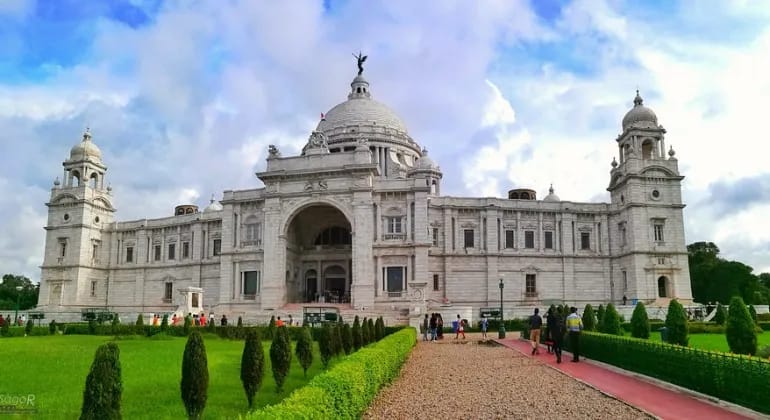
Victoria Memorial is one of the most well-known architectural landmarks in Kolkata. Built between 1906 and 1921, this massive white marble building is located near the Maidan and houses museums related to the colonial era, Indian history, visual arts, and the cultural development of Kolkata.

Visitors can admire its Indo-Saracenic architectural influences, ornate courtyards, large sculptures, and lavish interior galleries. The surrounding gardens provide excellent opportunities for photography and leisurely strolling. Separate tickets and schedules may be required to enter the museum and gardens.

2. Discover the Indian Museum

The Indian Museum, established in 1814, is one of the oldest and most important museums in India. Located on Jawaharlal Nehru Road near Park Street, the museum houses significant archaeological, geological, zoological and artistic collections.

Its notable attractions include ancient Buddhist sculptures, Egyptian antiquities, fossils, coins, paintings, and historical objects. Its archaeological galleries are particularly valuable for travelers interested in the long history of the Indian subcontinent. Some galleries may be temporarily closed for conservation or renovation.

3. Experience the Howrah Bridge and Hooghly River

The famous Howrah Bridge , officially known as Rabindra Setu, connects Kolkata and Howrah over the Hooghly River. This monumental cantilever bridge, inaugurated in 1943, is one of the city's most notable engineering feats.

Visitors can enjoy the beauty of the bridge from a suitable spot along the river near the historic ghats. The nearby Mallik Ghat flower market offers a wonderful assortment of marigolds, roses, and flower garlands, and the hustle and bustle of locals shopping, especially in the morning.

Restraint should be exercised when taking photographs and visitors should adhere to safety restrictions around bridges, railways and other sensitive infrastructure.

4. Visit Dakshineswar Kali Temple

The Dakshineswar Kali Temple, located on the banks of the Hooghly River in the northern metropolis, is one of the most important Hindu pilgrimage sites in the region. Built by Queen Rashmoni in the 19th century, the temple is closely associated with the spiritual guru Sri Ramakrishna.

The complex is admired for its traditional Bengali temple architecture, riverside location, and devotional atmosphere. Visitors should dress modestly, follow temple rules, and be prepared for security checks and possible long queues during major religious events.

5. Visit College Street and Indian Coffee House

College Street is one of the most interesting cultural areas in Kolkata. Known for its dense concentration of bookstores and second-hand book stalls, the area is a favorite destination for students, collectors, researchers, and literature lovers.

The historic Indian Coffee House near College Street has long been associated with intellectual discussions, student gatherings, writers, and cultural figures. Visiting here, you will find a blend of literary tradition and the everyday atmosphere of Bengali academic life.

6. Stroll down Park Street

Park Street, officially known as Mother Teresa Sarani, showcases another unique side of Kolkata. The area is known for its established restaurants, cafes, historic commercial buildings, music venues, and modern eateries.

Nearby attractions include St. Xavier's College, the Asiatic Society area, and convenient access to the Indian Museum, Maidan, and Victoria Memorial. Park Street becomes especially attractive in the evenings and during festivals.

7. Visit Kalighat Kali Temple

The Kalighat Kali Temple is one of the most important religious sites in Kolkata and is associated with the worship of Goddess Kali. The surrounding area offers a rich and memorable glimpse into the local devotional tradition.

Travelers should be prepared for crowds, take general precautions with personal belongings, and avoid unauthorized brokers promising special entry to temples.

8. Discover the traditional artisans of Kumartuli

Kumartuli is a historic potter and idol-making area in North Kolkata. The workshops here are particularly well-known for making clay idols used for Durga Puja and other Bengali religious festivals.

Guided or independent walks provide insight into the traditional techniques, sculptural art, and artistic preparation behind one of Bengal's most important annual festivals. Always ask permission before entering workshops or photographing artisans at work.

9. Visit Kolkata Maidan and St. Paul's Cathedral

The Maidan is a sprawling green urban landscape, a stark contrast to the crowded streets of Kolkata. The nearby St. Paul's Cathedral, built in the 19th century, is famous for its Gothic architecture and serene interior decoration.

The surrounding area is perfect for combining architectural sightseeing with a trip to the Victoria Memorial and other sights in the city center.

10. Enjoy the riverside of Kolkata

Princep Ghat is one of the city's most well-known riverside entertainment hubs. Its classical pavilions, walkways, and views of the Vidyasagar Bridge make it a popular spot for photography and evening strolls.

Visitors can also avail of authorized boat services in selected parts of Hooghly. Availability, fares, departure points and safety measures should be confirmed locally before boarding the boat.


Entrance fees, opening hours and visitor regulations

Kolkata is free to enter and open 24/7. There are no entrance fees, city-wide ticket counters or general travel permits required to visit public places. However, museums, monuments, entertainment centres and certain parks have their own timetables and ticketing policies.

The following information provides useful planning guidelines rather than a single opening schedule for the entire city.

Place or activity Indicative admission Visitor information
Kolkata city and public roads Free Accessible 24 hours a day, subject to local restrictions.
Indian Museum 75 rupees for Indian adults; 20 rupees for visitors under 18; 500 rupees for foreign nationals Tuesday - Sunday, 10:00 AM - 6:00 PM; Closed Monday. Selected holidays and gallery closures apply.
Victoria Memorial Separate tickets for the museum and gardens; applicable fees are determined according to the category of visitor. The gallery and garden schedules vary. Please check the latest government notice before visiting.
Howrah Bridge view Free from the view of authorized public Follow traffic, photography, and safety restrictions.
College Street Book Market Free to browse Each store operates according to their own schedule.
Park Street Public Area Free The costs of restaurants, entertainment, and shopping are different.
Major religious sites General worship is usually free for visitors. Specific schedules, dress codes, and photography regulations apply.

Understanding Foreign Admission Categories

Travelers should not assume that the same ticket is applicable to every museum. Some attractions have different entry fees for Indian citizens, visitors from SAARC countries, and other international tourists. Bangladeshi passport holders should check the applicable published category before purchasing tickets.

Visitor etiquette and safety

  • Temples and religious sites: Wear modest clothing, follow the rules of removing shoes, and follow the ban on photography.
  • Museums: Follow gallery security guidelines and find out if a separate ticket is required to use a camera.
  • Markets: Ask permission before taking photos of vendors or entering private workspaces.
  • Transportation Centers: Keep passports, tickets, mobile phones, and valuables safe in crowded areas.
  • When taking photos on the street: Follow the restrictions posted near bridges, security installations, and government property.
  • Transactions: Carry small Indian rupees for markets, snacks, local buses, and small establishments.
  • Accessibility: Modern museums and transportation systems may have accessible infrastructure, but older buildings and crowded heritage routes can pose difficulties for wheelchair users.

For reliable information about the museum, please refer to the official visitor information of the Indian Museum (visitors information) . Attraction fees, photography rules and closure days are subject to change without prior notice.


How to reach

Kolkata is a major transportation hub in eastern India, connected by international air traffic, intercity rail services, highways, the metropolitan rail network, and local buses. The most practical approach for travelers from Bangladesh depends on passport and visa eligibility, current international transportation arrangements, border entry permits, and total travel budget.

1. Dhaka to Kolkata by air

Step 1: Go to Hazrat Shahjalal International Airport (DAC) in Dhaka using a taxi, app-based car, or any other suitable local transportation.

Step 2: Find a scheduled flight to Netaji Subhas Chandra Bose International Airport (CCU) in Kolkata . While direct flights are available, they usually take about an hour, excluding airport formalities. The number of flights and airline availability depend on the travel date.

Step 3: Clear Indian Immigration and Baggage Collection at Kolkata Airport. International passengers must have appropriate travel documents and meet applicable entry requirements.

Step 4: Proceed towards central Kolkata using the Airport Metro connection (where operational and convenient), authorized prepaid taxis, airport buses or app-based cabs. Park Street and Esplanade are helpful signposted destinations for first-time tourists.

Estimated cost of travel from the airport: Depending on the class of vehicle, traffic and booking method, many taxi rides to central Kolkata cost around Rs 400–800. Budget transport is usually cheaper. Allow around 40–90 minutes for the road trip in normal conditions, and it may take extra time during heavy traffic.

Prepaid taxis are available at the airport through an authorized system. The Airports Authority of India has designated prepaid taxi counters between gates 3 and 4 on the arrivals level. See official Taxi information for Kolkata Airport .

2. Dhaka to Kolkata by international bus

Travel by road via the Benapole-Petrapole border is a widely accepted route between Bangladesh and West Bengal. However, international coach availability and permitted border movements are subject to change, so passengers should check current arrangements before embarking on their journey.

  1. Start your journey from Dhaka: Secure a booking for an international bus to Kolkata or arrange for a suitable domestic coach to Benapole. Depending on the operator, departure points may include Gabtoli, Kalyanpur, Shyamoli or other designated counters.
  2. Travel to Benapole: It usually takes about 6-9 hours or more to travel by road from Dhaka to Benapole, depending on traffic congestion and road conditions.
  3. Complete border formalities: Follow Bangladesh exit immigration, customs procedures, and entry checks into India at authorized crossings.
  4. Continue your journey from Petrapole: Where applicable, use the next international coach arrangement, or take an approved local connection to Bangaon and Kolkata.
  5. Arrive in Kolkata: Get to your hotel using the metro, local rail, taxi or any other suitable service.

Estimated road costs: Dhaka-Benapole domestic bus fares are shown at around 750-1,300 taka, depending on the class. Direct international bus fares can be up to several thousand taka; a promotional list for the Dhaka-Kolkata route published in October 2026 showed an estimated 3,200 taka, but this is not the current confirmed fare. Budget separately for additional connections and any government-imposed charges.

Passport holders must ensure the validity of their Indian visa for their specific journey, approved ports of entry, and required immigration documents. Travelers should never assume that having a visa automatically guarantees access to every border crossing.

3. Dhaka to Kolkata by train

Historically, the Maitree Express connected Dhaka Cantonment with Kolkata, which was a convenient international rail option for many passengers. However, in July 2024, the Bangladesh-India cross-border passenger rail service was suspended.

As per the latest information received on 9 October 2026, there is no firm decision to resume the Maitree Express. Officials were discussing its possible re-introduction and possible rerouting through the Padma Bridge corridor. Therefore, passengers should not plan to travel on the currently bookable Dhaka-Kolkata direct passenger train until fresh confirmation is received from the concerned railway authorities.

After completing the approved immigration process, an alternative land route can be created by combining Indian Railways services with domestic transport towards the Bangladesh border. For example, eligible passengers crossing the border via Petrapole can continue their journey towards Kolkata via Bangaon using the existing local rail connection.

Within India, Kolkata is well connected to major destinations through Howrah Junction, Sealdah and Kolkata railway stations. Passengers coming from Delhi, Varanasi, Patna, Bhubaneswar and other cities in India can compare services through IRCTC . (www.irctc.co.in)

4. From the district headquarters and major regional transportation hubs

From Jessore, Bangladesh: Travel to Benapole using available road routes, complete the necessary international border procedures and proceed to Kolkata via Petrapole and Bangaon. Ensure eligibility to enter India before arranging the journey.

From Khulna, Bangladesh: Travel by road towards Benapole border corridor, subject to route availability and immigration requirements. The previously operating Khulna-Kolkata Bandhan Express has been affected due to suspension of cross-border passenger rail services.

From Howrah District Headquarters: Cross the Hooghly River using approved road or rail connections to reach Kolkata. There is extensive local and long-distance rail connectivity from Howrah Junction.

From Barasat and North 24 Parganas: Use the available suburban rail, road or metro connections to reach Kolkata metropolis. The journey time depends on your specific departure point.

Esplanade, Park Street, Sealdah and Howrah are convenient junctions for visiting various areas and tourist attractions from central Kolkata .

5. Traveling to Kolkata by Metro, Bus and Taxi

Transportation Estimated rent Best
Kolkata Metro Many common one-way journeys cost approximately 5–30 Indian rupees, depending on the line and distance. Efficient movement between interconnected areas and major interchange stations.
Local bus For short journeys within the city, fares are typically around 10–40 Indian rupees; route and bus class affect fares. Low-cost travel and reaching remote areas beyond convenient metro stations.
Auto-rickshaw Shared rides are usually cheaper; however, prices can vary depending on the route. Short-distance neighborhood connections.
Taxi or app-based car Many short to medium-distance journeys within the city typically cost 150-500 rupees; longer-distance routes can cost even more. Destinations that require family, luggage, and transportation by road.
Private vehicle with driver City tour packages usually cost approximately Rs 2,000–4,500 or more, depending on time, distance, and vehicle. Private groups and multi-attraction itineraries.

All fares are approximate, not fixed government rates. Please check route-specific prices at authorized counters, transport apps or operators before travelling.

6. Directional signs required for determining direction

  • Esplanade: A central transportation hub suitable for access to the historic commercial area.
  • Park Street: Convenient to restaurants, museums, and downtown accommodations.
  • Howrah Junction: One of the main railway gateways of the region.
  • Sealdah Station: Important for suburban and long-distance rail services.
  • Victoria Memorial: A tourist attraction near the Maidan and several major heritage attractions.
  • College Street: An important educational and literary area.
  • Princep Ghat: A well-known landmark for tourism on the banks of the Hooghly River.

Trip planning tip: Instead of going all over the city, divide your sightseeing by area. For example, one itinerary could include Victoria Memorial, St. Paul's Cathedral, and Maidan, while another might include College Street and the heritage areas of North Kolkata.

Kolkata, India

GPS: 22.5726, 88.3639
Get Directions

Where to eat

Kolkata is one of India's most renowned culinary hubs. The city's food culture reflects traditional Bengali cuisine, influences from Muslim cuisine, a historic Chinese community, British-era dining traditions, and a vibrant contemporary street food scene.

Travelers should make time for both traditional Bengali food and the home-cooked snacks that make the streets of Kolkata memorable.

Traditional Bengali food

A traditional Bengali meal may include rice, lentils, vegetables, various fish dishes, chutneys, and sweets. Popular specialties include mustard hilsa , fish broth , stewed meat, dried meat , and various seasonal dishes.

Bengali restaurants are found throughout central and south Kolkata. The areas around Park Street, Ballygunge, Gariahat and Southern Avenue offer a wide range of traditional and modern cuisine.

Kolkata's Biryani and Mughlai food

Kolkata's biryani is famous for its rich aroma, tender meat, potatoes, and distinct regional cooking style. Its style is different from other well-known biryani traditions in South Asia.

Established names associated with Kolkata's biryani culture include Arsalan, Aminia and Royal Indian Hotel. It is worth checking the location, menu and opening hours of the branches before going.

Typically, travelers can budget around 250–700 rupees per person for a meal at a restaurant, although casual eateries can be cheaper and upscale restaurants can be considerably more expensive.

Street food and local snacks

  • Kati Roll: A roll made of paratha, filled with egg, chicken, mutton or vegetable filling.
  • Fuchka: A crunchy hollow shell filled with potatoes, spices, and sweet and sour water.
  • Jhalmuri: A muri mixed with spices, vegetables, and mustard oil.
  • Televaja: A type of fried snack that is popular with afternoon tea.
  • Mughlai Paratha: A type of heavy bread that is filled and fried.
  • Fried fish: A popular Bengali snack that is often served with salad and mustard sauce.

Street food prices usually range from around Rs 20 to Rs 150 per serving, depending on the food and the vendor. Choose crowded stalls where food preparation methods are visibly hygienic and use safe drinking water.

Chinese and Indo-Chinese food

Kolkata has a historically significant Sino-Indian culinary tradition, particularly associated with areas like Tiretta Bazaar and Tangra. Restaurants serve a variety of dishes, including noodles, fried rice, chili chicken, soups, and other regional specialties.

Travelers interested in food history may enjoy exploring these areas, although the operating hours of the individual establishments, breakfast markets, and specialty restaurants vary.

Sweets and desserts

No culinary tour of Kolkata is complete without trying Bengali sweets. Popular favorites include rasgolla , sandesh , sweet doi , chamcham, and seasonal specialties.

Traditional sweet shops like Balaram Mallick and Radharman Mallick and other established local sweet shops introduce the tradition of Bengali sweet making.

Recommended dining areas

Area Food experience General budget
Park Street Established restaurants, bakeries, and a variety of food establishments. Rs. 300–1200+ per person.
New Market and Esplanade Street food, simple dishes and local specialties. 80-400 taka per person.
College Street Tea, coffee, light snacks and affordable meals for students. 80-350 taka per person.
Gariahat and Baliganj Bengali food, sweets and neighborhood restaurants. 200-900 taka per person.
Tangra Chinese-Indian and specialty restaurant food. 300-900 taka per person.

These quantities are just a rough idea for meal planning, they are not verified and direct menu prices. Travelers with food allergies or special dietary needs should contact the restaurant directly to confirm ingredients.


Where to stay?

Kolkata offers a variety of accommodation options, including basic guesthouses, budget hotels, business hotels, boutique hotels, and internationally recognized luxury hotels. The most suitable area will depend on whether the main purpose of the trip is sightseeing, shopping, business, healthcare, or transportation.

Park Street and Central Kolkata

Best for: First-time travelers, couples, foodies, and heritage sightseers.

Park Street and its surrounding areas offer easy access to restaurants, cultural attractions, shopping streets and transport links. The Victoria Memorial, the Indian Museum, St. Paul's Cathedral and the Maidan are relatively easily accessible from this part of the city.

There is a wide range of accommodation options, from small budget rooms to established premium hotels. This location can be particularly convenient for travelers who want to explore the restaurants and sights of the city center in the evening.

Esplanade and New Market

Best for: Budget travelers, shoppers, and visitors using public transportation.

The Esplanade and New Market areas are home to numerous commercial establishments, budget eateries, shopping opportunities, and transportation links. The streets can be crowded and noisy, so travelers who prefer quieter accommodations should carefully read recent accommodation reviews.

Salt Lake and Sector V

Best for: Business travelers, long-term stays, and visitors looking for a modern commercial environment.

Salt Lake has business hotels, restaurants, well-developed residential areas and easy access to major office areas. It can be a convenient hub for tourists visiting East Kolkata for work.

New Town and Rajarhat

Best for: Travelers looking for airport convenience, business travel, and modern hotels.

New Town features modern residential and commercial developments, shopping facilities, and several contemporary hotels. It can be a suitable option for travelers with early morning flights or meetings away from the historic city center.

Ballygunge and South Kolkata

Best for: Families, long-term guests, and tourists interested in residential areas and local cuisine.

Ballygunge and the surrounding areas of South Kolkata have an interesting mix of residential streets, restaurants, cafes, markets and accommodation. The right location is important, as traffic congestion can significantly affect travel to North Kolkata and Howrah.

Estimated accommodation budget

Housing Department Estimated price per night General features
Budget guesthouse 800–1,800 Indian rupees Common rooms and necessary amenities.
Standard Hotel 1,800–4,500 Indian Rupees Private bathroom, air conditioning, and general hotel amenities.
Upper-mid-range hotels 4,500–8,500 Indian Rupees Additional services and more extensive amenities.
Luxury hotel 8,500–20,000+ Indian Rupees Full service, premium dining and superior guest amenities.

Prices are an approximate estimate only and may increase significantly during Durga Puja, major festivals, and busy travel periods. Taxes, breakfast, cancellation policies, and extra guest charges should be reviewed before confirming a booking.

Advice for Bangladeshi travelers: Make sure the selected accommodation accepts international guests and provides legally required guest-registration documents. Have your passport, valid visa, booking confirmation, and contact information on hand when checking in.


Best time to travel and recommended itinerary

Kolkata can be visited all year round, but October to March is generally the best time for long walks, visiting heritage sites, riverside trips, and outdoor cultural activities .

October to November: Festivals and cultural experiences

This is a particularly attractive time to enjoy Bengali festivals, especially when Durga Puja falls within your travel dates. Ornately decorated pandals, artistic installations, social festivals, and illuminated neighborhoods transform the city's cultural landscape.

The festival schedule follows the respective religious calendar, so its dates change every year. Visitors should expect high demand for hotels, transportation, and popular restaurants during major festivals.

December to February: Exploring Traditions

These months are popular for exploring museums, historic sites, city parks, architecture, and the banks of the Hooghly River. Tourists who plan to walk for multiple days often prefer this time.

March to September: Year-round cultural tourism

Museums, restaurants, temples, markets, and many other attractions are open most of the year. Visitors should plan their activities based on their own opening hours, regional holidays, and their comfort level with working outdoors.

Suggested three-day Kolkata itinerary

Day Morning Afternoon Evening
Day 1: Central Kolkata Victoria Memorial and Maidan. St. Paul's Cathedral and the Indian Museum. Eating and drinking on Park Street and exploring the area.
Day Two: Historic Areas Mallick Ghat Flower Market and Howrah Bridge Viewpoint. College Street, bookstore and Indian coffee house. Another traditional experience in Kumartuli or North Kolkata.
Day 3: Temples and Riverbanks Dakshineswar Kali Temple. Visit the additional northern cities or the Belur Math across the river. A relaxing walk along the banks of Princep Ghat and the Hooghly River.

This itinerary is a suggested sightseeing itinerary, not a guaranteed transportation schedule. Please check temple schedules, museum closures, and current public transportation connections before traveling. Allow extra time for traffic, queues, and security checks.

Estimated daily travel budget

A budget-conscious independent traveler can expect to spend approximately INR 1,500–3,000 per day for basic accommodation, local food, public transport and selected sightseeing. Mid-budget travelers can plan to spend around INR 3,500–7,000 per day, but higher-quality accommodation, private cars and good-quality food can cost significantly more.

These calculations do not include international airfare, visas, major shopping expenses, medical services, and unusually expensive accommodation during the event.


Nearby attractions

Kolkata has numerous attractions within the city itself and several other important destinations throughout the surrounding metropolitan area. The following places can be combined to make a local tour or a long day trip. District boundaries are an important consideration: Some of the destinations that are commonly promoted as part of the Kolkata tourist circuit are administratively located in the neighboring Howrah or North 24 Parganas districts.

Main tourist attractions in Kolkata

  • Victoria Memorial : An iconic heritage monument made of white stone, housing a museum gallery, artwork, historical exhibits, and landscaped gardens.
  • Indian Museum : A major cultural institution that houses archaeological discoveries, historical collections, fossils, and ancient artefacts.
  • Howrah Bridge : A landmark of a historic river crossing connecting Kolkata and Howrah, best enjoyed from the designated viewpoints along the river.
  • Princep Ghat : A popular riverside destination, known for its classical pavilions, pedestrian walkways, and scenic views of the Vidyasagar Bridge.
  • Kalighat Kali Temple : An important Hindu pilgrimage site dedicated to the worship of Goddess Kali.
  • St Paul's Cathedral : A major Gothic Revival style church near the Victoria Memorial and the Maidan.
  • College Street : A historic literary and educational area, famous for its bookstores and Indian coffee houses.
  • Kumartuli : A traditional artisan area associated with clay sculptures and the making of Durga Puja idols.
  • Marble Palace : A 19th-century building in North Kolkata, famous for its architecture and art collection. It is worth checking the entry arrangements in advance.
  • Mother House : The headquarters of the Missionaries of Charity, which is associated with the life and work of Mother Teresa.

Places to visit in the greater Kolkata region

  • Dakshineswar Kali Temple : A major 19th-century religious complex located on the banks of the Hooghly River in North 24 Parganas district, accessible from Kolkata.
  • Belur Math : Located across the river in Howrah district, the Ramakrishna Math and headquarters of the Ramakrishna Mission are well known for their peaceful spiritual environment.
  • Eco Park New Town : A large urban amusement park located in the New Town metropolitan area, which is popular for its well-equipped spaces and leisure activities.
  • Science City Kolkata : A family-oriented science and educational attraction, featuring interactive displays and scientific exhibitions.
  • Alipore Zoo : A long-standing zoo that is suitable for families and visitors interested in wildlife education.

Recommended combination of nearby sightseeing tours

Heritage Tour Center: Victoria Memorial, St. Paul's Cathedral, Indian Museum and Park Street.

Riverfront Circuit: Howrah Bridge Viewpoint, Mallick Ghat Flower Market and Princep Ghat, leaving enough time for travel.

Cultural environment of North Kolkata: College Street, Indian Coffee House, Kumartuli and selected historic buildings.

Spiritual Journey: Dakshineswar Kali Temple and Belur Math, and travel has been planned according to the currently available road, rail or river connections.

Each itinerary offers a different perspective on Kolkata's historical, religious, and cultural identity. If you're short on time, you should prioritize attractions based on location rather than trying to explore the entire metropolis in one day.

Frequently Asked Questions (FAQ)

Kolkata is famous for its Bengali culture, colonial architecture, intellectual heritage, literary tradition, traditional sweets, and historic religious sites. Its most well-known attractions include the Victoria Memorial, Howrah Bridge, Indian Museum, Kalighat Kali Temple, College Street, and the Hooghly River embankment.

The city is also famous for Durga Puja, Bengali cuisine, Kolkata Biryani, Kathi Roll and cultural connections with personalities like Rabindranath Tagore, Satyajit Ray, Swami Vivekananda and Mother Teresa. Its blend of historical monuments and living cultural heritage has earned it the title of ' City of Joy' .

logo ColoZai

ColoZai is a trusted travel guide and destination explorer platform in Bangladesh. We are making travel simple, authentic, and accessible for everyone.

Need Help ?

We are Always here for you! Knock us on Whatsapp (10AM - 10PM) or Email us.