Kalimpong, India – The Complete Travel Guide to the Himalayan Rock City

Kalimpong, India – The Complete Travel Guide to the Himalayan Rock City

Kalimpong
·

27 September 2026

Travel Overview & Quick Facts

Location
Kalimpong
Admission / Entry Fee
Entry to Kalimpong town, its general streets, markets and attractions is free. Different entry fees may apply for each attraction. As per an estimate for 2026, Deolo Park may charge around 20-60 Tk per person and some selected flower nurseries may charge 0-50 Tk. Donations to monasteries, adventure activities, vehicle parking and transportation costs for sightseeing are additional. Please confirm all applicable costs locally before travelling.
Opening Hours
Open 24 hours (Kalimpong city; opening hours vary for each attraction)
Category / Type
Himalayan hill stations, nature and scenic spots, cultural and heritage destinations, adventure and eco-friendly tourism

Introduction to Kalimpong, India – The Complete Travel Guide to the Himalayan Rock City

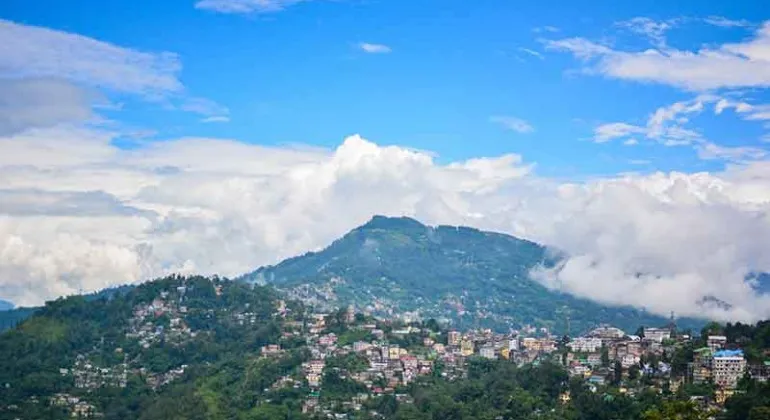
Kalimpong, in the Indian state of West Bengal, is a picturesque Himalayan hill town, famous for its sprawling mountain ranges, peaceful Buddhist monasteries, colonial-era architecture, colorful flower nurseries, and distinct cultural heritage. Perched on a ridge overlooking the beautiful Teesta River valley, Kalimpong offers a refreshing alternative to the busy hill destinations of the eastern Himalayas. Its winding mountain roads, traditional markets, stepped landscapes, and distant views of the Kanchenjunga mountain range create an unforgettable setting for travelers seeking natural beauty, cultural discovery, and relaxation.

The city is located in Kalimpong district in the Indian state of West Bengal and serves as the administrative headquarters of the district, which was separated from Darjeeling district on 14 February 2017. The main settlement is located at an altitude of about 1,250 metres above sea level, although the surrounding hills rise much higher. Kalimpong is strategically located between the foothills of the Himalayas, the Teesta Valley, and the route connecting West Bengal and Sikkim. Its location has shaped the history, economy, architecture, and multicultural identity of the region.

Historically, Kalimpong was an important commercial center on the trade routes connecting Tibet with the Indian subcontinent. Merchants traded furs, textiles, agricultural products, and other goods, which helped create a culturally diverse settlement. Today, Tibetan Buddhist traditions coexist with those of Lepcha, Bhutia, Nepali, Bengali, and other communities. This diversity is evident in religious institutions, everyday language, traditional cuisine, festivals, and local crafts.

Unlike a single monument or ticket-based tourist destination, Kalimpong is a complete destination, offering a myriad of unique experiences. Visitors can enjoy panoramic views of the Himalayas from the deolo Hills, discover Buddhist heritage aroundDurpin Dara , explore orchid and cactus nurseries, photograph colonial buildings, and sample authentic Himalayan cuisine in the bustling city center.

The recommended duration is two to three days to explore the main attractions, cultural experiences and leisurely strolls . Those interested in exploring the surrounding hill villages, hiking or longer nature treks should take three to five days. Kalimpong is especially suitable for couples, families, photographers, nature lovers, heritage enthusiasts and tourists planning an extensive tour across North Bengal and the Eastern Himalayas.


Why is Kalimpong famous?

Kalimpong is famous for its combination of dramatic Himalayan landscapes, religious heritage, historic educational institutions and horticultural heritage. While neighbouring Darjeeling is internationally known for its tea gardens and the Himalayan Railway, Kalimpong has developed a distinct identity of its own through its peaceful hilltop viewpoints, specialist plant nurseries and a long history of trade and cultural exchange.

Himalayan mountain view

One of the main attractions of Kalimpong is its elevated position, from which the valley and the distant Himalayan peaks can be seen. From the higher elevations, visitors can see the winding Teesta River, forest-covered slopes, scattered hill settlements and, if visibility is good, the snow-capped Kanchenjunga Mountains. The scenery changes at different times of the day as the sunlight moves across the mountain peaks and horizon.

Buddhist monasteries and spiritual traditions

Kalimpong has a significant Buddhist heritage, associated with the people of the Himalayan region and its historical connections with Tibet. Monasteries such as Jang Dhok Palri Phodang and Thongsa Gompa reflect the spiritual identity of the region through their traditional architecture, prayer halls, sacred images and religious ceremonies. These institutions remain active places of worship, rather than being just tourist destinations.

Orchid and cactus nursery

Kalimpong has a long-standing reputation for commercial floriculture and ornamental plants. Orchids, cacti, succulents and seasonal flowers are grown in specialist nurseries here. Plant lovers can explore the impressive collections, learn about horticultural techniques and, subject to permission, purchase their own plants or locally produced gardening supplies.

Multicultural food and local traditions

The city's food culture reflects influences from Nepali, Tibetan, Indian and other Himalayan regions. Steamed momos, thukpas, various noodle dishes, local breads and traditional snacks are all strongly associated with the region. The markets here provide an additional opportunity to experience the rhythm of daily life in Kalimpong beyond the designated tourist destinations.

Adventure and nature experiences

Apart from sightseeing, Kalimpong offers opportunities for hiking trails, village tours, paragliding experiences and various recreational activities on the banks of the Teesta River. Their availability depends on the weather, operating conditions, permits and qualified local operators. Travelers should prioritize reliable service providers and ensure safety measures before booking adventure activities.


History and cultural heritage of Kalimpong

The history of Kalimpong is deeply intertwined with the political and commercial geography of the eastern Himalayas. The indigenous Lepcha community had long-standing ties with the surrounding region and later came under the influence of neighboring Himalayan states. In the 19th century, shifting regional boundaries and British colonial expansion transformed Kalimpong into an important administrative, commercial, and missionary center.

From a trading town on the Himalayan trade route

Kalimpong developed as an important trading center between the Indian plains and Tibet. Its location along the route through the eastern Himalayas encouraged the movement of merchants, cattle, textiles, furs, and other goods. Tibetan merchants and other Himalayan communities contributed to its commercial prosperity and cultural development.

The historic trading economy gradually declined as political events in the 20th century led to changes in cross-border movement. Despite this, Kalimpong retains architectural, religious, and cultural influences from its commercial past.

Colonial architecture and educational institutions

British-era churches, residences and educational institutions still form an important part of Kalimpong's architectural heritage. One of the most well-known institutions is Dr. Graham's Homes, established in 1900, whose campus is intertwined with the educational and social history of the region. The Macfarlane Memorial Church is another prominent historical landmark, which highlights the influence of Christian missionary activity.

The city's heritage tourism includes the colonial-era Morgan House, which is particularly well-known for its period architecture and well-maintained surroundings. Visitors interested in seeing historic buildings should note that some heritage buildings are used as residences, schools, or other active institutions and may not be open to the public.

Religious diversity

Kalimpong's religious scene includes Buddhist monasteries, Hindu temples, and Christian churches. The coexistence of these traditions contributes to the city's unique atmosphere. Tibetan Buddhist prayer flags, monastery courtyards, church spires, and neighborhood shrines are all part of the cultural atmosphere here.

Formation of Kalimpong District

On 14 February 2017, Kalimpong emerged as a separate district of West Bengal, having previously been part of Darjeeling district. The town now serves as the district headquarters. This administrative distinction is important for tourists planning to visit Lava, Lolegaon and other places that are part of the present Kalimpong district.


Best things to do in Kalimpong

Kalimpong rewards tourists who combine small cultural experiences with famous sights. The following activities provide a balanced introduction to the city and its surroundings.

1. Enjoy panoramic views from Deolo Hill

Deolo Hill , also spelled Deolo Hill, is one of the major attractions of Kalimpong. At an elevation of about 1,704 metres above sea level, it is the highest prominent hill in Kalimpong city. The summit of the hill offers sweeping views of the surrounding landscape, including the Teesta Valley and, if conditions are favourable, the distant Himalayan ranges.

This well-maintained recreation area is popular for photography, short walks, and family outings. Travelers should allow about one to two hours for a leisurely tour. Depending on the starting point and route chosen, Deolo Hill is about 10 kilometers by road from central Kalimpong.

2. Visit Durpin Dara and its monastery

Durpin Dara is another famous hilltop viewpoint, located about 5 km from the center of Kalimpong. Its elevated position offers a panoramic view of the city, the surrounding ridges and the Teesta Valley. The hill also houses the Jang Dhok Palri Phodang Monastery, an important Buddhist institution associated with the sacred Tibetan scriptures.

Visitors can enjoy the architecture and peaceful grounds of the monastery while respecting religious customs. Entry, photography and time for visitors may be limited during the event.

3. Visit the flower nurseries in Kalimpong

Visit specialized nurseries for cacti, succulents, orchids, and ornamental flowers. Pine View Nursery is particularly known for its cactus collection, while other local growers specialize in a variety of plant species. These nurseries provide an opportunity to understand the importance of horticulture to the local economy of Kalimpong.

4. Visit the local market

Explore the main market areas of Kalimpong, including the areas around Main Road and Dambar Chowk. The shops and stalls here sell clothing, daily necessities, agricultural products, handicrafts, and regional cuisine. This market tour is especially enjoyable for travelers interested in local culture, local street photography, and traditional cuisine.

5. Visit historic churches and educational sites

Explore the exterior architecture of the Macfarlane Memorial Church and learn about Kalimpong's missionary and educational heritage. Dr. Graham's Homes is another historically significant institution, although entry to this educational site is subject to current visitor regulations.

6. Pictures of colonial architecture

Heritage lovers can marvel at the old residences and buildings that recall Kalimpong's colonial past. Morgan House is one of the most well-known examples in the city. Visitors should check access before entering any private or operating heritage property.

7. Try Himalayan food

Savor freshly made momos, thukpa, chow mein and other local dishes at small restaurants and cafes. One of the easiest ways to experience Kalimpong's multicultural identity is through food.

8. Enjoy outdoor activities

Depending on seasonal conditions and operating schedules, visitors can arrange for guided village walks, nature hiking, paragliding near Deolo or river-based adventure activities in suitable parts of the Teesta Valley. Take the services of established operators, check for necessary permits and avoid activities if the safety situation is unfavorable.


Best time to visit Kalimpong

The best time to visit Kalimpong is usually from March to May and from October to December. These are popular times for sightseeing, visiting monasteries, visiting flower nurseries and enjoying the beautiful views of the mountains. The months of October and November are particularly attractive for tourists who want to enjoy the vast natural scenery of the Himalayas, although clear mountain views are not guaranteed.

March to May: Flowers and Outdoor Exploration

Spring is a popular season to enjoy Kalimpong's flowering trees, manicured gardens, and scenic mountain views. This time is attractive for couples, families, plant lovers, and photographers. Popular tourist attractions and accommodations can be crowded during holidays.

June to September: Green landscapes and travel warnings

During the rainy season, the mountains are covered in abundant vegetation. However, mountain roads in the larger region may be affected by landslides, traffic restrictions, and road disruptions. Travelers should monitor road warning notices, be flexible with their schedules, and avoid unnecessary travel during severe weather warnings.

October to December: Himalayan sightseeing and heritage tours

Autumn and early winter are the best times to photograph mountains, visit monasteries, and hike long distances. Travelers planning to hike Deolo Hill or Durpin Dara should set off early in the day for the best chance of enjoying unobstructed views.

January to February: Experience a quiet hill town

Winter travel can be rewarding for those who prefer a relatively relaxed environment. It is advisable to bring warm clothes, especially for the mornings and evenings. Availability and operating hours may vary during holidays.

Recommended daily sightseeing times: Approximate hours for most outdoor attractions are 8:00 a.m. to 5:00 p.m. These times are suggested for travel planning, not a universal schedule for any specific attraction.


Entrance fees, opening hours and visitor regulations

There is no general admission fee for tourists in Kalimpong city. Visitors can explore the general streets, markets, and accessible areas without purchasing an entrance ticket for the entire city. However, individual parks, nurseries, museums, privately owned properties, and recreational activities may have their own admission fees and operating hours.

Visitor spending indication

Attraction or activity Estimated cost Important information
Kalimpong City Free There is no general ticket to enter the city.
Deolo Park About 20–60 taka per person Estimated price; check current admission price.
Selected Flower Nursery Free to around 50 taka The charge depends on the nursery.
Buddhist monastery Often free or donation-based Entry policies vary from monastery to monastery.
Half-day local sightseeing tour car Approximately ₹1,500–₹2,500 per car Depends on the route, vehicles, and negotiation.
All-day sightseeing car Approximately ₹2,500–₹3,500 per car Confirm stops, waiting times, and parking charges
Paragliding experience Approximately ₹2,500–₹4,000 per person Operator's estimated price; subject to conditions and availability.

Important: These are approximate planning figures, not verified official ticket prices. All amounts are given in Indian Rupees (INR), and the authorities may revise prices without prior notice. There is no specific opening schedule for each attraction in Kalimpong. For example, the Indian government's tourism portal lists the opening hours for visitors to Deolo Hill as 6:00 AM to 6:00 PM, but this should not be taken as the current opening hours on Google Maps for each location on the hill.

Visitor etiquette and rules

  • Religious sites: Dress modestly, remain quiet, and follow guidelines regarding footwear and photography.
  • Photography: Ask permission before taking photos of worshippers, ceremonies, private property, or protected institutional areas.
  • Environmental responsibility: Avoid littering, damaging plants, or disturbing wildlife.
  • Thrilling activity: Book a qualified operator, inspect the equipment, and follow safety instructions.
  • Transportation: Agree on the fare and the sights included in the itinerary before you start your journey.
  • Identity Card: International visitors must carry proper identity cards and comply with Indian immigration regulations.

How to reach

Kalimpong is mainly connected to the surrounding areas by hilly roads. The most convenient transport hubs are Siliguri, New Jalpaiguri Junction Railway Station (NJP) and Bagdogra Airport (IXB) . Kalimpong city does not have its own major passenger railway station or commercial airport. Passengers arriving from Bangladesh, including Dhaka, must first enter India through an approved international route and then continue their journey towards North Bengal.

By air from Dhaka, Bangladesh

  1. Step 1: Arrange a valid Indian visa and ensure approved entry and current travel requirements.
  2. Step 2: Search for an available flight route from Hazrat Shahjalal International Airport in Dhaka to Bagdogra Airport, usually via Kolkata or a similar Indian connecting city, where suitable flights operate.
  3. Step 3: After reaching Bagdogra, arrange a reserved taxi to Kalimpong or head towards Siliguri for shared road transport.
  4. Step 4: Drive towards Kalimpong through the Teesta Valley, depending on the current road conditions.

Bagdogra Airport is about 75-85 km from Kalimpong by road. It usually takes three to four hours to reach there under favorable conditions, but the journey time can increase due to landslides, road repairs, traffic jams and alternative routes. The fare for a reserved car from Bagdogra or NJP is usually around Rs. 3,500-5,000 depending on the car, route and driver. Confirm the fare before starting the journey.

Flight planning note: Do not assume that direct flights from Dhaka to Bagdogra will be available. You must verify actual flight connections, transit requirements, and international ticket prices for your intended travel dates.

From Dhaka by road and through the international land border

A possible way to travel by land is to travel from Dhaka to Panchagarh and Banglabandha land ports, if passengers are allowed to cross, head towards Phulbari on the India-Bangladesh border, and then proceed towards Siliguri and Kalimpong.

  1. Step 1: Travel from Dhaka to Panchagarh or Tentulia using available intercity buses or any other suitable internal transport service.
  2. Step 2: Go to Banglabandha Land Port by local transport.
  3. Step 3: Complete the formalities to leave Bangladesh and enter India only if border crossing is permitted for your nationality, visa category, and travel date.
  4. Step 4: Arrange for legal onward transportation from the Fulbari area to Siliguri.
  5. Step 5: Take a bus or shared jeep from Siliguri to Kalimpong, or hire a reserved taxi.

Border Alert: The availability of immigration services for tourists at Banglabandha-Phulbari and other land ports is subject to change. There is no guarantee that a specific border crossing will be available or permitted with a valid Indian visa. Please check the conditions of the final entry point with the Indian immigration authorities, the relevant visa service and the border authorities before making non-refundable travel arrangements.

By train from Dhaka

There is no direct rail connection from Bangladesh to Kalimpong. Where approved international rail services are operational, travellers can plan to travel to India and travel via the Indian Railways network to New Jalpaiguri. Availability of international passenger trains and border management needs to be confirmed separately.

For travelers already in India, there are train connections from Kolkata and many other major cities in India to New Jalpaiguri Junction. After reaching NJP, proceed to Kalimpong by reserved taxi or head towards Siliguri to find shared jeeps and buses.

By bus or shared jeep from Siliguri

Siliguri is the main road gateway to Kalimpong. Passengers can look for shared jeeps around the recognized transport stands including SNT Bus Terminus and Panitanki area, or inquire about the available state and regional bus services.

  • Approximate distance: 65–70 kilometers, depending on the route and starting point.
  • Typical travel time: Approximately 2.5–3.5 hours in favorable road conditions.
  • Shared jeep fare: Around 200-300 taka per person.
  • Reserved taxi fare: Approximately ₹3,500–₹4,500 per vehicle.
  • Bus option: Usually affordable, but schedules, journey times and availability should be checked at the departure stand.

Shared jeeps usually depart on demand and may depart when enough seats are filled. Reserved vehicles may be preferred if you have a large amount of luggage, an elderly companion, or small children.

From New Jalpaiguri Railway Station

New Jalpaiguri Junction, commonly known as NJP, is the nearest major railway station and is located about 70-80 km from Kalimpong by road. Hire a taxi directly from the station or arrange for onward travel via Siliguri. The journey by reserved vehicle usually takes about three to four hours, depending on traffic and road conditions.

From Darjeeling and Gangtok

Travelers can also travel to darjeeling or Gangtok along with Kalimpong as part of a larger Himalayan itinerary . The journey by road usually takes around three to four hours, although the actual time can vary considerably depending on road conditions. Shared transport can cost around Rs 200-350 per person, while reserved vehicles cost significantly more.

Local transportation within Kalimpong

As Kalimpong is the district headquarters, tourists who are already staying in the city can start their journey directly from the central market or their accommodation. It is convenient to walk through some parts of the market and the surrounding streets, but the steep climbs make long walks tiring.

For Deolo Hills, Durpin Dara, Math Darshan and the scattered nurseries, hiring a local car is usually the most convenient option. Half-day tour packages can cost approximately ₹1,500–₹2,500 per car, while full-day arrangements usually cost around ₹2,500–₹3,500. Local taxi fares for short distances can be a few hundred taka, depending on the distance and waiting time. It should not be assumed that app-based rides, metered taxis, cycle-rickshaws and Bangladeshi CNG autorickshaws will be generally available for hill touring.

Places to visit after arrival: Kalimpong Main Road, Dambar Chowk, Central Market Area and Shared-Jeep Stands are convenient landmarks for finding accommodation and onward transportation. Directions and tourist information can also be found on the Kalimpong District Government website . (kalimpong.gov.in)

Where to eat

Kalimpong offers a delicious blend of Himalayan and Indian cuisine. The food culture here is influenced by Nepali, Tibetan, Bengali and other regional culinary traditions. Restaurants here range from simple family-run eateries and market stalls to hotel dining rooms and cafes with scenic mountain views.

Traditional Himalayan food worth tasting

  • Momo: Steamed or fried dumplings, usually filled with vegetables or meat, served with a spicy sauce.
  • Thukpa: A type of comforting Himalayan noodle soup made with vegetables, meat, or both.
  • Chow Mein: A type of fried noodles popular in informal restaurants in the city.
  • Sel roti: A traditional, round rice dish associated with Nepali food culture.
  • Traditional Nepali food: rice, lentils, vegetables, pickles, and regional accompaniments depending on the restaurant.
  • Tea and snacks: A convenient option while wandering the market or in between sightseeing.

Best areas for exploring food

Kalimpong Main Road and Dambar Chowk: This central commercial area is an easy place to find local food stalls, bakeries, tea shops and restaurants. It is very convenient especially for travelers staying in Central Kalimpong.

Cafes in the city centre: Visitors can explore established cafes and small restaurants serving Himalayan snacks, bakery items and simple meals. Gompu's is a familiar name in the Kalimpong food scene, but it is worth checking its current opening hours, menu and prices before heading there.

Hotels and mountainside restaurants: Accommodations near Deolo and other high-altitude areas may have dining options with scenic views of the mountains or valleys. Some restaurants cater to locals and out-of-towners, while others cater more to hotel guests.

Estimated food budget

Food or eating Estimated price
Tea or common local drink ₹20–₹60
A plate of momos ₹80–₹180
Thukpa or Noodles ₹100–₹220
Typical local food ₹150–₹300
Restaurant food with multiple courses 300-600 taka or more per person

Prices are not direct restaurant prices, but are given to give an idea. Vegetarian options are usually available, but travelers with allergies or strict dietary restrictions should ask about ingredients, similar cooking equipment, and preparation methods. Choose clean establishments, drink safe, purified water, and carry cash for small vendors.


Where to stay?

Accommodation in Kalimpong ranges from affordable guesthouses and family homestays to traditional establishments and comfortable mountainside resorts. Choosing the right area depends on whether visitors value market facilities, a peaceful environment, mountain views or convenient transportation.

Kalimpong Town Center: Best for convenience

The main road and central market area are convenient for first-time visitors. Restaurants, markets, shops, and transportation are generally easily accessible from this part of the city. Budget travelers and those who rely on ridesharing may prefer accommodations located in the city center.

Estimated budget: Depending on the season and amenities, average guesthouses and budget hotels cost around ₹1,000–₹2,500 per room per night.

Deolo area: Best for scenic views and comfort

Accommodations around Deolo Hill are attractive to travelers who prefer high altitude and easy access to scenic spots. Some accommodations have well-maintained courtyards, spacious grounds, and rooms facing the hills. However, transportation may be required to reach the central markets.

Estimated budget: Around ₹2,000–₹6,000 or more per night, depending on the hotel category, room type, and travel dates.

Traditional accommodation

Tourists interested in the city's colonial past may want to consider traditional-style accommodations, including properties associated with Morgan House. Availability, reservation procedures, and visitor access policies should be verified with the relevant managing authority or through a legitimate booking channel.

Homestays in residential and rural areas

Family homestays offer the opportunity to experience local hospitality, traditional cuisine, and a peaceful lifestyle. Homestays in residential areas and surrounding villages can be particularly attractive for nature-loving travelers and those interested in cultural exchange.

Estimated budget: Around ₹1,200–₹3,500 per room per night, with some hotels offering meals for an additional charge or as part of a package.

Accommodation Booking Checklist

  • Before paying, confirm the exact location of the property and road access.
  • Ask if the room you book has a mountain view, or if it's only from the common areas.
  • Check hot water system, heating facilities, and power backup in critical areas.
  • Ask if meals, parking, and local transportation are included.
  • Check the cancellation policy and find out if the accommodation accepts international guests.
  • If arriving late, arrange for pickup in advance and confirm check-in procedures.

Accommodation prices fluctuate during major holidays and popular travel seasons. It is advisable to book well in advance during October, November, spring break, and other busy periods.


Recommended Itinerary for Kalimpong Trip

A well-planned Kalimpong itinerary balances the scenic mountain views, religious heritage, food experiences, and time needed to explore the city at a slower pace. Two days is enough to cover many of the main attractions, but three days offers more flexibility.

Day 1: City Heritage, Markets, and Durpin Dara

  • Morning: Arrive in Kalimpong, check in to your accommodation and visit the central market.
  • Late afternoon: Visit selected heritage sites and take photos of the city's historic streets.
  • Afternoon: Journey to Durpin Dara and Jang Dhok Palri Phodang Monastery.
  • Evening: Return to the city to enjoy Himalayan cuisine and leisurely explore the markets.

Day Two: Deolo Hills and Flower Nursery

  • Morning: Visit Deolo Hill to enjoy the expansive natural scenery .
  • As the day progresses: Explore the mountaintop recreation area and take photos.
  • Afternoon: Visit one or two flower nurseries, depending on their schedule.
  • Evening: Spend time at a cafe or at your residence with a view of the mountains.

Day 3: Optional village or nature tour

Use an extra day to visit nearby villages, arrange a guided nature walk, or explore a destination like lava . Longer trips to Lolegaon, Rishop, or the forest should be planned depending on road conditions, access regulations, and availability of daylight.

Planning tip: If mountain views are particularly important to you, visit the main attractions early in your itinerary. This allows you to return on another day if visibility is limited. Avoid planning long, distant trips just before a scheduled flight or train departure.


Travel tips, safety and essential information

Kalimpong is a great destination for independent travelers, but due to its mountainous terrain, it's especially important to prepare in advance. Road conditions, transportation availability, and local activity schedules can affect even simple sightseeing plans.

Essential travel information

Category Details
Destination Kalimpong, West Bengal, India
District Headquarters Kalimpong City
Estimated elevation of the city 1,250 meters above sea level
Nearest major airport Bagdogra Airport (IXB)
Nearest main railway station New Jalpaiguri Junction (NJP)
Currency Indian Rupee (INR)
Time zone Indian Standard Time (UTC+05:30)
Commonly used language Nepali, Bengali, Hindi and English, as well as other community languages
Recommended for stay 2-3 days
Emergency numbers in India 112

Road safety

The hilly roads around Kalimpong have steep sections, bends and areas prone to weather disruption. The extensive NH10 corridor, which passes through the Teesta Valley, has experienced landslides and temporary road closures. Before embarking on a long journey, check the current government road guidelines and consult trusted local drivers about the safest route.

Money and Payment

The Indian rupee is essential for everyday transactions. Large hotels and select restaurants may accept payment cards or Indian digital payment services, but smaller vendors and shared transport operators may prefer cash. International visitors should not assume that foreign mobile payment apps will work locally.

Clothing and packing

Bring comfortable walking shoes, clothing in layers, a light jacket, essential medicines, a power bank, and identification. Those planning to hike or travel should bring drinking water and appropriate outdoor equipment. Extra warm clothing is recommended in winter.

Connection

Mobile networks are generally more reliable in central populated areas than in remote valleys or isolated mountain roads. Travelers using foreign SIM cards should check roaming charges and compatibility before traveling. It can be helpful to download offline maps, especially when traveling beyond the Kalimpong city center.

Travel documents for Bangladeshi visitors

Bangladeshi citizens should check their Indian visa eligibility, permitted entry points, passport validity and other immigration requirements before travelling. There have been changes in tourist visa services and international border regulations in recent years, so current government guidance is essential. Please consult the Indian Visa Online Portal and the relevant Indian diplomatic or immigration authorities for the latest requirements. (indianvisaonline.gov.in)

Respect the local community.

Kalimpong's charm is inextricably linked to its living cultural heritage. Respect religious ceremonies, ask permission before taking photos of anyone, and refrain from entering private buildings or institutional premises without permission. Supporting locally owned restaurants, guides, nurseries, and homestays can be even more beneficial to the tourism community.


Nearby attractions

Kalimpong district is home to numerous scenic spots, monasteries, hill villages and natural attractions. With extra time at hand, visitors can explore the wider Himalayan landscape beyond the city centre. The following destinations are located within Kalimpong district or its adjacent administrative tourist areas; travel times vary depending on route and road conditions.

1. Deolo Hill

Deolo Hill is located about 10 km by road from the center of Kalimpong and offers a magnificent view of the surrounding mountain ranges, Teesta Valley and the Himalayan landscape. Its well-equipped recreational area has made it one of the most popular family-friendly tourist destinations in the district.

2. Durpin Dara

Durpin Dara is located about 5 kilometers from Kalimpong town. Apart from the scenic views, this view point also offers access to the famous Jang Dhok Palri Phodang Monastery, making it a special attraction for photographers and heritage lovers.

3. Jang Dhok Palri Phodang Monastery

The Jang Dhok Palri Phodang Monastery, located on the Durpin Hills, is (zang dhok palri phodang monastery) one of the most important Buddhist pilgrimage sites in Kalimpong. Founded by the Dalai Lama in 1976, the monastery is associated with the sacred Tibetan Buddhist scriptures and is a meaningful destination for visitors interested in the religious heritage of the Himalayas.

4. Thongsa Gompa

Thongsa Gompa , also known as the Bhutanese Monastery, is an important part of Kalimpong's Buddhist heritage. Its religious history and traditional setting offer a different perspective of the city from its hilltop location.

5. Pine View Nursery

Known for its diverse collection of cacti and succulents, pine view nursery is an attractive destination for plant lovers, families, and travelers interested in Kalimpong's horticultural heritage.

6. Morgan House

Morgan House is a well-known colonial heritage site associated with the historic architecture of Kalimpong. Access is subject to the current management of the property, but it remains an important landmark for visitors exploring the city's heritage.

7. Dr. Graham's house

Dr. Graham's Homes, established in 1900, (dr grahams homes) is a historic educational institution with a distinctive campus setting. It is of particular interest to visitors researching the colonial and educational history of Kalimpong. Permission is required to enter the campus.

8. Lava

Lava is a hill town located about 30-35 km from Kalimpong city, depending on the road . It is known for its forested surroundings, monastery views and proximity to the Neora Valley. lava is an attractive travel destination for travelers interested in hill villages and nature.

9. Lolegaon

Lolegaon , also spelled as Loleigaon, is a quiet and forested village in Kalimpong district. Its rural hilly environment, forested trails and surrounding natural scenery attract tourists. Before setting off, travelers should check the current status of any forest attractions or canopy-walk facilities.

10. Reshop

Rishop , also spelled as Rishyap, is a beautiful hill town known for its scenic views of the Himalayas and peaceful rural atmosphere. It is popular with travelers who enjoy simple homestays, nature walks, and photography. Road and vehicle suitability should be confirmed locally.

11. Neora Valley National Park

Neora Valley National Park protects an important forest ecosystem in Kalimpong district. The park is associated with rich biodiversity, hill forests and sensitive wildlife habitats. Entry into the protected area may require a permit, an authorized guide and compliance with the rules and regulations of the forest department.

Suggested combination: Travelers with a two-day stay should prioritize Deolo Hills, Durpin Dara, major monasteries, and local nurseries. Those with three to five days can consider visiting Lava, Lolegaon, or Rishop. Trips to the reserved forest areas should be planned separately and allow sufficient time, keeping in mind permits, transportation, and the changing conditions of mountain roads.

Frequently Asked Questions (FAQ)

Kalimpong is a Himalayan hill town in the Indian state of West Bengal. It is the headquarters of Kalimpong district and is located on a ridge overlooking the Teesta River valley, east of Darjeeling. The main town is located at an altitude of about 1,250 metres above sea level. The nearest major transport hubs are Siliguri, New Jalpaiguri Junction railway station and Bagdogra Airport. Kalimpong is particularly known for its mountain views, Buddhist monasteries, flower nurseries and multicultural heritage.

logo ColoZai

ColoZai is a trusted travel guide and destination explorer platform in Bangladesh. We are making travel simple, authentic, and accessible for everyone.

Need Help ?

We are Always here for you! Knock us on Whatsapp (10AM - 10PM) or Email us.