Dooars, India – Complete Travel Guide to Wildlife, Tea Gardens and the Himalayan Foothills

Dooars, India – Complete Travel Guide to Wildlife, Tea Gardens and the Himalayan Foothills

Dooars
·

15 October 2026

Travel Overview & Quick Facts

Location
Dooars
Admission / Entry Fee
There is no general entry fee for visiting the Dooars region of the Indian state of West Bengal. Towns, accessible roads, villages and uninhabited sites can generally be visited without an entry ticket. However, national parks, wildlife safaris, forest observation towers and certain eco-tourism facilities require separately paid permits. As of September 2026, the forest entry fee was around Rs 200 per person, plus additional vehicle, road-tax, guide and safari charges depending on the park and activity. The cost of a complete safari can be considerably more than the single entry fee. Different tariffs may apply for foreign visitors. For official prices, current booking arrangements and forest entry regulations, see the West Bengal State Forest Development Agency website https://wbsfda.wb.gov.in/. The Dooars is a vast geographical area, not a single ticketed attraction.
Opening Hours
Areas are open 24 hours a day for public access. National parks, forest safaris, and individual attractions have separate opening hours and seasonal closures.
Category / Type
Nature and Wildlife Tourism, National Parks and Forest Safaris, Tea Gardens and Scenic Landscapes, Eco-Friendly Tourism and Adventure

Introduction to Dooars, India – Complete Travel Guide to Wildlife, Tea Gardens and the Himalayan Foothills

Dooars, India is one of the most enchanting natural destinations in eastern India, with sprawling tea gardens, ancient forests, winding rivers and wildlife-rich grasslands spread across the foothills of the Eastern Himalayas. Mainly connected to northern West Bengal and extending eastwards to Assam, the Dooars region offers a unique blend of biodiversity, rural culture, scenic treks and outdoor adventures. Unlike a typical tourist destination with a single gateway, Dooars is a vast geographical landscape, home to several national parks, wildlife sanctuaries, villages, river valleys and unique retreats.

The name Dooars , also spelled Dooars , is derived from a word meaning 'door' or 'entrance', reflecting the region's historical role as an important route between the Indian plains and Bhutan. For generations, the region has served as a meeting point for trade, agriculture, forest-dwelling peoples, and Himalayan cultures. Its landscape is shaped by rivers descending from the mountains, fertile plains, vast areas of scrubland, and commercially important tea plantations.

The West Bengal part of the Dooars is the main destination for most tourists. Popular bases include Lataguri, Chalsa, Malbazar, Murti, Madarihat and Alipurduar. These places offer access to the famous Gorumara National Park , Jaldapara National Park , Buxa Tiger Reserve and the picturesque forest and riverside scenery around Jayanti . (Dooars)

What makes the Dooars particularly memorable is its extraordinary diversity. Visitors can spend the early morning hours on a licensed safari vehicle looking for Indian one-horned rhinoceros, enjoy breakfast with a view of the tea plantations, photograph the river flowing over the wide rocky gorges, and end the day at a peaceful homestay on the edge of the forest. The region is also home to elephants, gaur, deer, countless birds, and a variety of small mammals and reptiles.

Location: The foothills of the eastern Himalayas and adjacent plains of northern West Bengal and Assam, India. The most well-known tourist circuit covers parts of Jalpaiguri, Alipurduar and surrounding districts of West Bengal. Suggested travel duration: Three to five days for a focused holiday, or six to eight days for a more extensive wildlife and cultural tour. Tour features: Nature exploration, responsible wildlife tourism, scenic road trips, photography, tea tourism and rural retreats.

Important geographical clarification: Dooars does not have a single universally recognized entrance, opening hours, Google Maps business listing, or single GPS pinpoint. Its destinations span multiple districts. Therefore, travelers should find their way to their specific accommodation, national park entrance, railway station, or selected village, rather than treating the entire region as a dot on a map.


Natural beauty, geography and historical significance

Gateway between the plains and Bhutan

The Dooars region lies at the foot of the eastern Himalayan mountain range, creating a natural transition zone between the mountainous environment and the vast plains of the south. Historically, routes through the region connected the plains people with the settlements of Bhutan and the surrounding Himalayan region. This geographical location has helped create the region's unique blend of languages, traditions, agricultural practices, and settlement patterns.

Rivers originating from the mountains play a significant role in shaping the Dooars. Important waterways include the Teesta, Torsa, Jaldhaka, Raidak, Sankosh, Murti and their tributaries. Their changing course, gravel banks, forested surroundings and wide river valleys provide excellent backdrops for photography and scenic exploration. River conditions can change rapidly, and visitors should never assume that seemingly shallow water is safe to cross.

Forests, grasslands and extraordinary biodiversity

The Dooars are a mixture of sal-dominated forests, riparian vegetation, open grasslands, wetlands and cultivated land. These habitats are home to some of the best-known wildlife in eastern India. The Indian one-horned rhinoceros is particularly associated with Gorumara and Jaldapara, while Asian elephants roam through several protected areas and forest corridors. Other animals include gaur, sambar, chitra deer, wild boar and numerous species of birds.

Although Buxa is declared a tiger reserve, visitors should not expect to see tigers for sure. Wildlife sightings are always uncertain, and sightings depend on habitat, animal movement, permitted trails, and luck. The most rewarding approach is to appreciate the entire ecosystem rather than judging the experience by the presence of a single animal.

Tea gardens and regional traditions

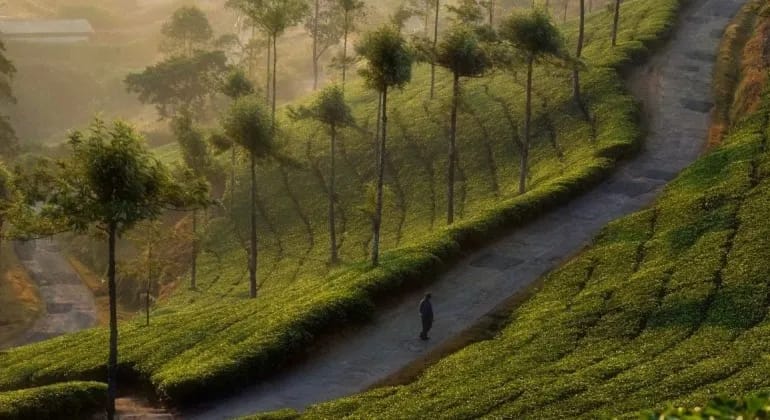
Tea cultivation has had a profound impact on the visual identity and economic development of the Dooars. Vast tea gardens cover parts of the plains and foothills, with rows of tea trees spread across forests, villages and roads. The industry expanded significantly during the colonial period and continues to support the livelihoods of many local people today.

Visitors can come into contact with tea-growing communities that are steeped in the traditions of the Rajbangshi, Mech, Ravha, Toto, Nepali, Adivasi and other regional peoples. Cultural customs vary considerably from settlement to settlement. Travelers should visit communities with respect, ask permission before photographing residents, and refrain from treating busy villages or tea gardens as unsolicited tourist attractions.


Best experiences and things to do in Dooars

1. Visit Gorumara National Park

Gorumara National Park, located near Lataguri in Jalpaiguri district (Dooars) , is one of the most famous wildlife sanctuaries in the Dooars. Its riverine forests and grasslands are home to a variety of birds, including the Indian one-horned rhinoceros, elephants, gaur and several species of birds. Authorized tours and designated observation posts allow visitors to enjoy the environment without disturbing the locals.

Visitors should check availability of safaris and watchtowers before arriving. Different tours may have different meeting points, capacities, travel times and permit requirements. There is no guarantee that animals will be seen.

2. Visit Jaldapara National Park

Jaldapara National Park in Alipurduar district (Dooars) is particularly famous as the habitat of the one-horned rhinoceros. Its vast grasslands, forests, and river system create a uniquely attractive landscape for wildlife lovers.

Subject to the current decision of the Forest Department, jeep safaris and government-regulated elephant-based tours have historically been arranged in Jaldapara. Travelers who wish to reduce animal welfare concerns may prefer authorized jeep tours and wildlife observation from designated locations. Availability, pricing, and eligibility should be confirmed with government sources.

3. Enjoy the scenery of Murthy River

The Murti River area is popular for its wide rocky river banks, scenic views of the surrounding forest, and peaceful rural setting. Accommodation near Murti is particularly attractive to tourists who enjoy quiet mornings, riverside photography, and easy access to the greater Gorumara tourist circuit.

Enjoy the river views only from safe and accessible locations. Swimming, crossing rapids, and entering protected forest trails can be dangerous. Visitors should follow posted directions and local advice.

4. Visit Samsingh and Suntalekhola

Samsing and Suntalekhola are two picturesque foothill destinations known for their tea gardens, forest-covered valleys and mountain waterfalls. These places offer a different experience from the main safari centres, with opportunities to stay in a quiet environment, take photos and explore the countryside.

Some forest trails, bridges, and nature walks may require permits or be inaccessible due to maintenance and forest department restrictions. Confirm local access permits before attempting any hike.

5. Explore Jhalong, Bindu and Jaldhaka Valleys

Jhalang and Bindu attract tourists interested in natural scenery, with river valleys, wooded mountain slopes, and the proximity to the Bhutanese border . The Jaldhaka River is at the heart of this landscape, and the route offers many opportunities to enjoy the beauty of the transition from the plains to the foothills. (Dooars)

Since these areas are located near an international border, visitors must adhere to border-security guidelines and respect restrictions on photography and entry into sensitive areas.

6. Visit Buxa Tiger Reserve and Jayanti

Buxa Tiger Reserve is one of the major protected areas in the Eastern Dooars. This vast area includes important forest areas, historically important trails andpicturesque settlements like Jayanti . (Dooars)

Although this area is associated with nature trails and historical sites such as Buxa Fort, access may vary due to conservation regulations and temporary restrictions. Travelers should not assume that any specific trekking routes, fort trails, or forest attractions are open without current permits.

7. Enjoy bird watching and taking nature photos

The Dooars are a great destination for birdwatchers, especially in the forest edges, riverbanks, grasslands and suitable wetlands. Depending on the location and season, visitors can spot a variety of birds, including stilts, kingfishers, woodpeckers, birds of prey, waterfowl and many more.

Mornings often provide attractive natural light for photography, while late afternoons can be equally productive for tea gardens and river valleys. A telephoto lens is useful for wildlife observation. Never approach wildlife for close-up photography, use flash near sensitive wildlife, or stray from designated paths.

8. Experience tea plantation life

Tea plantations are an integral part of a Dooars trip. Some accommodations offer views of the plantations, arrange for plantation tours, or provide an opportunity to learn about tea production. Such experiences are subject to the permissions and policies of the respective property or plantation.

Visitors should refrain from entering operating tea gardens without permission. Organized itineraries, where available, provide a more respectful and informative insight into the tea growing traditions of the region.


Entrance fees, safari tickets and visitor regulations

There is no charge to visit the Dooars region , but many of its popular wildlife viewing experiences require tickets or permits. There are separate charges for national park entry, safari vehicles, guides, forest access, and certain activities. There is no single Dooars entry ticket that covers all destinations.

Estimated visitor spending

Experience Estimated cost Important information
General access to the city of Dooars and public spaces Free Private property and protected areas are not covered.
River viewing center open to the public Usually free Charges may apply for parking or local services.
National Park Visitor Entry Approximate ₹200 per person as per September 2026 reference Rates may vary by park, nationality, and category of permit.
Go on safari Historically, the cost per vehicle was often estimated at ₹1,750 or more. You must verify the current rental and booking system of the vehicle.
Forestry or road-related charges Additional charges may apply; the road tax for vehicles was reportedly charged at Tk 480 in September 2026. The applicable charges vary depending on the trip.
Guide service Additional fees as needed Take the help of an authorized guide and confirm the total cost.
Tea garden visit It can be free or paid, depending on the operator. Advance permission is often required.

Price Tip: These prices are for planning purposes only and are not a verified price list for every attraction in Dooars. Safari tariffs, visitor categories, guide charges and taxes are subject to change. Please confirm the full amount payable before booking. The West Bengal State Forest Development Agency (wbsfda.wb.gov.in) is a major source for safari-related information, while the West Bengal Forest Development Corporation (wbfdc.net) provides information on accommodation and tourist facilities.

Forest closing and opening times

The Dooars region is not closed at night as a whole, but national parks and reserves observe a restricted access schedule. In 2026, the main seasonal forest-safari closure period was from 16 June to 15 September and reopened on 16 September, subject to government guidelines. Such annual closures are common, although the dates and facilities affected need to be checked for each travel year.

Safaris are usually run at specific times of the day, rather than all day. Exact schedules vary by park, route, and activity. Some establishments also observe weekly closures or restrictions for maintenance.

Important Visitor Rules

  • Carry identification: Travelers must carry a valid government-issued ID. International visitors should carry their passport and necessary travel documents.
  • Use authorized vehicles: Private vehicles are generally not allowed to enter reserved safari routes without specific permission.
  • Book through legitimate means: Make sure reservations are made online, at official counters, or through authorized operators.
  • Avoid disturbing wildlife: It is prohibited or unsafe to feed, chase, approach, or intentionally attract animals.
  • Respect the forest boundaries: do not leave designated paths or enter prohibited areas.
  • Reduce your impact on the environment: Avoid littering, playing loud music, and unnecessary plastic waste.
  • Follow the guide's instructions: Safe movement within the protected area is determined by rangers and authorized guides.

Travelers should check current forest access information before their trip, especially when planning around seasonal forest reopening dates or major holidays.


Best time to visit Dooars

The best time to visit the Dooars is usually from October to March , especially for those interested in visiting national parks, photographing wildlife and enjoying the great outdoors. November to March is particularly popular for safari-focused holidays. Travelling during this time usually allows you to participate in a variety of regulated forest activities, subject to the applicable permits and each park's own timetable.

October to November

This is an attractive time for scenic views of tea gardens, village visits and the start of the main tourist season. Many of the forest attractions reopen after the annual conservation closure, although it is always advisable to check with the authorities regarding reopening arrangements.

December to February

These months are particularly popular for wildlife-focused tours, scenic drives, bird watching, and staying near forests or rivers. It is advisable to book accommodation well in advance during holidays and other busy travel periods.

March to May

Spring and early summer can also be ideal for nature-focused trips. Visitors should plan their forest trips according to official departure schedules and ensure they have drinking water, sun protection, and comfortable transportation.

June to September

The larger region still contains populated towns, tea plantations and some management lodges. However, safaris in the main reserves are usually unavailable for a significant part of this period. Conditions on rural roads and in areas near rivers can also affect travel plans.

Recommended duration: Three days is enough for a major wildlife destination, but four to five days are enough for a more balanced introduction to the forests, rivers, and tea gardens. A longer trip can be worthwhile if you visit Gorumara, Jaldapara, and Buxa together, as these attractions are spread across different parts of the region.


How to reach

Dooars is accessible from several major transport hubs in North West Bengal. The most convenient arrival points depend on which part of Dooars you wish to visit. New Jalpaiguri Junction (NJP) , Siliguri and Bagdogra Airport (IXB) are convenient gateways to the west. Malbazar and New Mal Junction are used for parts of Central Dooars, while Madarihat, Hasimara and Alipurduar are useful for destinations to the east.

1. Travel from Dhaka, Bangladesh

Step 1 — Check Passport, Visa and Border Requirements: Bangladeshi travelers need appropriate permits to enter India and must use the immigration route permitted by their visa and current border regulations. Confirm eligibility and border crossing procedures directly with the relevant authorities before paying for transportation or accommodation.

Step 2 — Choose a practical route: A geographically convenient land route is to travel through northwest Bangladesh to Siliguri via the Banglabandha-Phulbari border crossing, if the border crossing is open and authorized for your nationality, visa, and travel. Travelers should not assume that there is a border crossing for every passport or visa category.

Step 3 — Travel to Siliguri: After completing the necessary immigration formalities at an authorized border post, use an authorized taxi or available public transport to Siliguri. From there, proceed to Lataguri, Chalsa, Murti, Madarihat or Alipurduar as per your itinerary.

Alternative International Approach: Depending on available flights, permitted entry points, and visa requirements, travelers may be able to arrive at any Indian air hub and then transfer to Bagdogra Airport. Airway and border clearances should be checked before booking.

International Railway Notice: Although the Dhaka-Naya Jalpaiguri Mitali Express started operating in 2022, Bangladesh-India passenger train services have subsequently been suspended from July 2024. Some travel websites still show the old timetable. Do not consider the Mitali Express as an operational service without confirmation from Bangladesh Railways and Indian Railways.

Budget planning: International transport and border-related costs vary so much that it is not possible to provide a reliable flat rate. Check the latest fares from licensed operators and carry enough Indian rupees for your onward journey after entering India.

2. By train from within India

Step 1: Go to New Jalpaiguri Junction, one of the main rail gateways in North Bengal.

Step 2: Choose your next destination. For Gorumara and its surrounding areas, road travel towards Lataguri or Chalsa is convenient. For Jaldapara, train services to Madarihat or Hasimara can come in handy. For Buxa and Jayanti, Alipurduar Junction and Alipurduar city are convenient regional gateways.

Step 3: Complete the journey via local taxi, shared car, bus or pre-arranged hotel transfer. The service and stoppage pattern of some branch lines varies, so confirm the latest schedule through IRCTC or authorized railway information channels. (www.irctc.co.in)

New Mal Junction is another convenient station for destinations around Malbazar and parts of West Dooars. Its availability depends on which train is running on your scheduled date.

3. By air

Bagdogra Airport, near Siliguri, is the main established commercial airport, used by many tourists in Dooars. Travelers can arrange for taxis or private cars from the airport to travel to their chosen destination.

According to the approximate route plan, the distance from Bagdogra to Lataguri is about 65–85 km, and the distance from Bagdogra to Madarihat-Jaldapara area is about 125–155 km, depending on the route chosen and the exact location of the hotel. The journey by road may take several hours, especially when traffic jams, forest road restrictions, or local conditions hinder movement.

Estimated cost of private car: Budget around ₹2,500–₹4,500 for some short-distance regional journeys and ₹4,000–₹7,000 or more for longer journeys towards East Dooars. These are a general idea of ​​the plan, not a verified estimate of direct taxi fares. The total cost may increase due to airport pickup fees, car class, waiting charges and overnight arrangements.

4. By bus and road

Siliguri is an important bus and road transport hub in North Bengal. Depending on the operator and route, passengers can find services to Malbazar, Chalsa, Lataguri, Dhupguri, Birpara, Madarihat and Alipurduar.

General itinerary: Reach Siliguri, find the bus plying towards the nearest city to your residence, go to that city and complete the last leg via local taxi, auto-rickshaw or hotel-arranged vehicle.

Estimated budget for local buses: Depending on the distance and type of service, around 50–250 taka for many short or medium-distance regional journeys. Costs may be higher for longer journeys or premium services. These ranges should not be taken as guaranteed fares for any particular route.

Public transport is usually more affordable than private taxis, but services can be limited in remote areas. Travelers who book safaris in advance often benefit from being close to the entrance to the relevant national park.

5. Local transportation, vehicle rentals and short-distance rentals

Private transportation is particularly convenient in Dooars, as the major tourist attractions are spread across several districts. Local taxi drivers, hotel shuttle service providers, and licensed travel agencies can arrange transportation and sightseeing tours.

Transportation options Indicative budget Best use
Shared local transportation Approximate cost per person for short distance travel is 20-150 taka. Travel between cities and accessible villages.
Auto-rickshaw or local short distance transfers Approximately 100-400 taka depending on distance and negotiation. Arrangements for pick-up from the station and transportation to nearby accommodations.
Private car for visiting local attractions Approximately ₹2,500–₹4,500 per day Small groups and flexible nature itineraries.
Large SUV or long-distance travel Approximately ₹3,500–₹6,000 or more per day Family and multiple destination travel.

All local fares mentioned above are given for guidance only. Ask if parking, driver's allowance, road tolls, forest department vehicle hire and additional distance are included. Tourist taxis should not be confused with separately regulated vehicles used for government wildlife safaris.

6. Reaching the main Dooars tourist areas

  • Lataguri: A convenient hub for visiting Gorumara National Park, nearby forest tours and various tourist attractions in the heart of the Dooars.
  • Murti & Chalsa: Suitable for its scenic river views, forest edge accommodation and easy access to the Western tourist circuit.
  • Madarihat: One of the main bases of Jaldapara National Park.
  • Alipurduar: A convenient transportation and accommodation hub for the East Dooars and Buxa regions.
  • Jayanti: It can generally be reached by road through the Alipurduar-Rajbhatkhawa region, but it is subject to the prevailing forest and local access rules.

Directions Tip: Since Dooars has no single central gateway or district headquarters, enter the exact name of your accommodation, railway station, or national park attraction in your navigation app. Jalpaiguri is the headquarters of Jalpaiguri district, and Alipurduar is the headquarters of Alipurduar district. There will be significant differences in travel time and fare between these destinations.

Where to eat

One of the most enjoyable parts of a trip to the Dooars is the food, which reflects the region's blend of Bengali, Nepali, Rajbangshi and other local cuisines. Travelers will find roadside food stalls, tea shops, small restaurants, hotel dining rooms and homestay kitchens. This diversity of cuisine varies considerably between the big cities and the remote jungle-fringed settlements.

Popular dishes to try

  • Rice and Fish Curry: A familiar Bengali dish that is available in many local shops.
  • Dal, rice and vegetable dishes: Some popular choices for a filling and affordable lunch.
  • Momo: A type of steamed flatbread that is widely enjoyed in the foothills of the Himalayas.
  • Thukpa: A type of noodle soup associated with the culinary traditions of the Himalayas, available in certain restaurants.
  • Chicken or mutton curry: Often served with rice or bread in local restaurants.
  • Seasonal vegetables and locally prepared food: Homestays can serve regional cuisine using ingredients available in nearby markets.
  • Dooars Tea: Tasting the tea of ​​this region is a perfect addition to a tea garden vacation.

The best place to find restaurants

Lataguri: Gorumara National Park is home to tourist-oriented hotels, small restaurants, and roadside eateries. Many lodges offer breakfast and dinner for safari guests.

Malbazar and Chalsa: These town and roadside commercial areas are convenient places for food breaks for travelers traveling between Siliguri and the Central Dooars.

Madarihat: Jaldapara has hotels and local eateries for tourists arriving. Food options may be limited here compared to major transport hubs, especially after dark.

Alipurduar: Being a larger urban center, Alipurduar generally has a greater number of restaurants, bakeries, tea shops, and daily food services available.

Estimated food costs

A typical local vegetarian meal per person can cost around 100-200 taka, while a heavier meal with fish or meat can cost around 180-400 taka or more. Tea and light snacks are often available for much less than this. Restaurants in hotels and resorts can charge even more, especially where the meal is part of a specific package.

Practical advice: When staying in a remote village or a house located on the edge of a forest, ensure that food is available from your accommodation. Keep drinking water with you, inform the organizers in advance about dietary restrictions, and avoid leaving food leftovers near wildlife habitat.


Where to stay?

Dooars offers a variety of accommodation options, from simple family homestays to comfortable hotels, tea gardens, nature retreats and government forest tourism lodges. The most important decision is not just choosing the type of accommodation, but also which part of Dooars you want to explore . Choosing a suitable place to stay can save you hours of road travel and make early morning wildlife viewing much easier.

Lataguri — Best for first-time safari travelers

Lataguri is one of the most convenient places for travelers whose main goal is Gorumara National Park. The area has a rich tourism infrastructure including hotels, resorts, guesthouses, transport services and restaurants. Being nearby, it is also easy to arrange early morning trips to the officially sanctioned sites.

Estimated accommodation budget: Around ₹1,200–₹4,500 per room per night, but costs can be higher for premium hotels and peak dates.

Statues and Chalsa — Best for a peaceful nature stay

Tourists seeking a peaceful environment, riverside scenery, and forest beauty may prefer the Murti-Chalsa area. Depending on the specific village and road connectivity, there are a variety of accommodation options, from homestays to more upscale resorts.

Estimated accommodation budget: Around ₹1,500–₹5,000 or more per room per night.

Madarihat — Best for Jaldapara National Park

For tourists who want to focus on the wildlife viewing experience in Jaldapara, Madarihat is a convenient option. Being close to the designated departure point for tourists avoids the inconvenience of a long early morning journey.

Estimated accommodation budget: Around ₹1,000–₹4,000 per room per night, depending on the quality of the hotel and the season.

Alipurduar - Best for Eastern Doors Exploration

Alipurduar is a good choice for travelers planning to visit Buxa, Rajbhatkhawa, and other places in East Dooars. It is also suitable for those who value rail connectivity, restaurants, shops, and urban amenities over secluded accommodations.

Estimated accommodation budget: Around ₹1,000–₹3,500 per room per night for many basic accommodation options.

Samsing, Suntalekhola and Rural Homestay

Small villages in the foothills offer a slower pace of travel. Homestays can be particularly rewarding for travelers who are interested in local food, a pleasant environment, and engaging with hosts about the area's traditions and environment.

Estimated accommodation budget: Around ₹1,200–₹3,500 per room per night, although some hotels also offer per person packages including meals.

Government-linked forest housing

The West Bengal Forest Development Corporation operates or manages tourist accommodations associated with various natural destinations. Availability, seasonal access, prices, booking rules and permitted activities vary from accommodation to accommodation. Reserve only through legitimate means and ensure that park entry or excursions are included.

Accommodation booking tips

  • Choose a base near the national park or natural scenery you want to see the most.
  • Ask if the quoted room rate includes breakfast, dinner, tax, and parking.
  • Check whether the company arranges legitimate safari bookings, or just provides transportation to the official counter.
  • Ensure the availability of hot water, reliable electricity, mobile connectivity, and vehicle access where these are important.
  • Book in advance for popular weekends and holidays between October and March.
  • Have an emergency contact person and communicate your planned itinerary when staying in remote areas.

All accommodation prices are an estimated budget range, not verified current room rates. Actual charges may vary significantly depending on season, amenities, and number of guests.


Recommended Itineraries and Travel Tips for Traveling to Dooars

Three-day Dooars Nature Tour

Day 1: Arrive at New Jalpaiguri, Bagdogra or any other regional transport hub. From there, proceed to Lataguri or Murti, check-in at your accommodation and enjoy a relaxing afternoon exploring the easily accessible tea gardens or any of the approved viewpoints along the river.

Day 2: Join any of the authorized tours of Gorumara National Park, subject to permits and operating schedules. Spend the rest of the day exploring the nearby countryside or staying in a quiet setting on the edge of the forest.

Day 3: Visit some selected attractions in Murti, Chalsa or other nearby areas before returning to your departure station or airport.

Five-day wildlife and scenery circuit

Day 1: Departure to Lataguri and check in to your accommodation.

Day 2: Explore Gorumara through an approved excursion and visit nearby approved natural attractions.

Day 3: Drive through the tea plantation region towards Madarihat. Stop at suitable sightseeing spots along the way.

Day 4: Explore Jaldapara National Park through an approved activity, then enjoy the surrounding countryside.

Day 5: Return via suitable road or rail connections. If travelers have extra time, they can extend their journey to Alipurduar and Buxa tourist circuits, if possible, to visit selected places of interest.

Essential travel tips

  • Plan geographically: Dooars is a large city, and reaching places of interest that seem close on a regional map may require long road trips.
  • Confirm safari activities: Seasonal closures, route restrictions, permit availability and booking arrangements may vary.
  • Carry cash: Electronic payment facilities may be limited at small businesses, remote homestays, and certain counters.
  • Respect wildlife: Do not stop unnecessarily on forest roads, do not feed animals, or approach elephants if you see them near the road.
  • Be prepared for limited connectivity: Mobile networks can be erratic in remote forest and foothill areas.
  • Wear appropriate footwear: Comfortable, closed-toe shoes are ideal for walking on rough trails and in approved rural areas.
  • Keep documents handy: Accommodation check-in, forest department permits, and identity cards are essential for international travel.
  • Travel responsibly: support local guides, shop from legitimate local businesses, and reduce waste.

Safety Precautions: Wildlife habitats are not amusement parks. Always follow the instructions of the forest department, avoid traveling at night in sensitive forest areas without permission, and maintain a safe distance from animals.


Nearby attractions

Dooars is spread across multiple districts rather than being a single tourist area. The following attractions are part of the larger North Bengal Dooars tourist circuit. Some of these can be visited in a short trip, while others require separate overnight stays. Distances and travel times depend on your actual starting point.

Gorumara National Park — Jalpaiguri District

Gorumara National Park is a major wildlife attraction for the Indian one-horned rhinoceros, elephants, gaur and various species of birds. It is particularly convenient for travelers staying in Lataguri or nearby tourist villages. Authorized forest tours are the main tourist activity here.

Chapramari Wildlife Sanctuary — Jalpaiguri District

Chapramari Wildlife Sanctuary is another important protected landscape in the Western Dooars. Its scenic forest views, wildlife habitats and specific observation opportunities make it a worthwhile addition to a nature-focused itinerary, when access is permitted.

Murti River — Jalpaiguri District

Murti River is known for its picturesque riverbed, forested surroundings, and relaxing holiday atmosphere. It is particularly suitable for taking scenic photos from authorized and safe locations and spending peaceful time by the river.

Samsingh — Jalpaiguri District

Samsingh offers views of tea gardens, foothill landscapes, and a tranquil rural atmosphere, making it attractive to tourists seeking an alternative to busy safari tourist destinations.

Suntalekhola — Jalpaiguri District

Suntalekhola is known for its wooded foothills, waterfalls, and rural accommodations. Check the walking trails and conditions of each attraction before you travel.

Jhalong and Bindu — Kalimpong District

Jhalang and Bindu are two scenic destinations in the Jaldhaka Valley. These two places can be included in the West Dooars travel plan for tourists interested in seeing the rivers, forests and foothill landscapes near the Bhutan border.

Jaldapara National Park — Alipurduar District

Jaldapara National Park is one of the most famous wildlife sanctuaries in North West Bengal, especially for its Indian one-horned rhinoceros. Madarihat is a convenient base for visiting the park.

Chilapata Forest — Alipurduar District

Chilpata Forest is located within an ecologically important forest area within the greater Jaldapara-Baxa region. It is known for its dense vegetation, wildlife corridors, and forest heritage. Visitors must adhere to current permits and entry regulations.

Buxa Tiger Reserve — Alipurduar District

Buxa Tiger Reserve has vast forests, significant biodiversity and historical importance. Nature walks with guides and permits can be rewarding, but permission to enter the forest and trek must be sought in advance.

Jayanti — Alipurduar District

Jayanti is a picturesque town located near the foothills of Bhutan, connected to a wide river valley and the surrounding buxus landscape. Its charm lies in its natural setting, although access to certain areas may be restricted by conservation regulations.

Rajabhatkhawa — Alipurduar District

Rajbhatkhawa is an important gateway to various parts of the Buxar landscape. It is a convenient stopover for travelers interested in the Eastern Dooars and the ecological heritage of the region.

Planning Tip: Focus on the attractions of Gorumara, Murthy and West Dooars for short trips. Add selected destinations of Jaldapara and East Dooars for longer wildlife trips. This approach reduces unnecessary road trips and allows for more meaningful time spent at each location.

Frequently Asked Questions (FAQ)

The Dooars are located in the foothills of the Eastern Himalayas in northeastern India , spanning across northern West Bengal and parts of Assam. The West Bengal tourist circuit is largely centred around the districts of Jalpaiguri and Alipurduar, but nearby foothill destinations are also often included in itineraries. Important tourist destinations include Lataguri, Chalsa, Murti, Madarihat and Alipurduar. The Dooars are a geographical region, not a single city, park or administrative district.

logo ColoZai

ColoZai is a trusted travel guide and destination explorer platform in Bangladesh. We are making travel simple, authentic, and accessible for everyone.

Need Help ?

We are Always here for you! Knock us on Whatsapp (10AM - 10PM) or Email us.