Delhi, India – Complete Travel Guide to India’s Historic Capital

Delhi, India – Complete Travel Guide to India’s Historic Capital

Delhi
·

30 September 2026

Travel Overview & Quick Facts

Directions
Location
Delhi
Admission / Entry Fee
There is no general entry fee to enter or explore Delhi, India. Public attractions such as India Gate, Lotus Temple and the main Akshardham temple complex are free to enter, although separate rules apply. Major ticketed monuments including the Red Fort, Qutub Minar and Humayun's Tomb charge separate entry fees. The approximate cost of entry to monuments for adults for Indian visitors is around 35-50 rupees and for foreign visitors it is 550-600 rupees or more, depending on the monument and payment method. Different charges may apply for children, students, special exhibitions, guided tours and sound-and-light shows. Bangladeshi visitors should check the applicable nationality-based ticket categories. Check the current prices with the Archaeological Survey of India or the official website of the attraction before travelling.
Opening Hours
Open 24 hours
Category / Type
Historical and Cultural Destinations, Heritage and Architecture, City Sightseeing, Food and Shopping Tourism

Introduction to Delhi, India – Complete Travel Guide to India’s Historic Capital

Delhi, India is one of the most attractive travel destinations in South Asia, where ancient empires, magnificent Mughal architecture, bustling traditional markets, spiritual places and modern city life merge. Located on the banks of the Yamuna River in northern India, Delhi is the National Capital Region, within which the country's national capital, New Delhi, is located. For travelers interested in history, architecture, food, photography, shopping and cultural experiences, Delhi offers a wealth of diverse attractions all within one metropolis.

Delhi's identity has developed over centuries. The historic lanes of Old Delhi retain the atmosphere of the Mughal era, while New Delhi features monumental boulevards, government buildings, landscaped gardens, diplomatic quarters and modern shopping malls. Visitors can explore the magnificent Red Fort , admire the towering Qutub Minar , visit the famous india Gate and discover the spectacular architecture of Humayun's Tomb . (humayuns tomb delhi)

Apart from its monuments, Delhi is also famous for its traditional markets, colourful street markets, renowned religious institutions and an extraordinary culinary culture. From the vibrant lanes of Chandni Chowk to the elegant restaurants of Connaught Place, each area offers a different side of the city. Visitors will also find museums, public parks, art galleries, cultural events and some of India's most important historical collections.

Location: Delhi, National Capital Territory of Delhi, North India. Recommended travel duration: Three to five days to see the main attractions, and five to seven days to explore more comfortably. Language: Hindi and English are widely understood in tourist areas, as well as Punjabi and Urdu. Currency: Indian Rupee (INR). Time zone: Indian Standard Time (UTC+05:30).

Map Accuracy Note: Delhi is a large metropolitan area, not a single entrance-controlled attraction. The Google Maps URL provided in this record is a publicly documented New Delhi Place URL located within Delhi. Its latitude and longitude fields reflect the exact map viewport coordinates shown after the /@ in that URL; these coordinates are not the same as the place-center coordinates encoded separately in the URL. Therefore, a unique entrance GPS point, attraction-wide Google ratings, and attraction-wide review counts do not apply. The city is accessible at all times, although each place follows its own schedule.


History and cultural significance

The historical significance of Delhi spans thousands of years through archaeology, historical tradition, and literary references. The city is traditionally associated with the Indraprastha of the Mahabharata, although the relationship of specific modern archaeological sites to that settlement in the epic is still a matter of historical research. Delhi's documented medieval and early modern development is reflected in the surviving forts, mosques, tombs, gateways, and settlements associated with various ruling dynasties.

Delhi Sultanate

Traditionally, Delhi emerged as a major political centre under the Delhi Sultanate, which lasted from 1206 to 1526. Various dynasties, including the Mamluks, Khaljis, Tughlaqs, Syeds and Lodis, contributed to the development of the region. Their architectural heritage includes the Qutub Complex, Tughlaqabad Fort, Hauz Khas and numerous surviving tombs and mosques. The Qutub Minar complex, with its massive spire, ornate inscriptions and historical structures, highlights the development of early Indo-Islamic architecture.

Mughal capital

Delhi regained its glory under the Mughal Empire. In the 17th century, Emperor Shah Jahan founded Shahjahanabad and built the historic city center now known as Old Delhi. The Red Fort became an important royal residence and ceremonial complex, while Jama Masjid and Chandni Chowk became the city's main attractions. Mughal architecture combined landscaped gardens, grand arcades, ornate stonework, and well-planned ceremonial spaces.

British rule and modern New Delhi

In 1911, the British administration announced the transfer of the capital of British India from Calcutta to Delhi. Later, a new administrative capital was planned with the significant contributions of architects Edwin Lutyens and Herbert Baker. New Delhi was officially inaugurated in 1931. Its wide boulevards, government buildings, and ceremonial spaces remain an important part of the urban landscape to this day.

After India's independence in 1947, New Delhi remained the national capital. Today, Delhi is a major center of government, education, commerce, international diplomacy, the arts, and tourism. Its multi-layered history makes it particularly attractive to tourists who want to understand the cultural and political development of the Indian subcontinent.


Best attractions and experiences in Delhi

Delhi has a wonderful mix of UNESCO World Heritage Sites, religious monuments, museums, markets and well-maintained open spaces. Rather than trying to visit every attraction in a day, travelers should plan their trip geographically and divide Old Delhi, Central New Delhi and South Delhi into a few easy-to-navigate routes.

Red Fort – Mughal Imperial Heritage

The Red Fort , also known as Lal Qila, is one of the most well-known monuments in Delhi. Built during the reign of Emperor Shah Jahan, the structure is famous for its impressive red sandstone walls, historic gateways, palace structures, and ceremonial courtyards. It is a UNESCO World Heritage Site and an important symbol of Indian history. Visitors should allow about two to three hours to explore its main entrance areas and museums.

Qutub Minar – A magnificent example of medieval architecture

Qutub Minar is a UNESCO-listed historic structure located in Mehrauli, South Delhi. The minaret is about 72.5 meters high and is surrounded by important structures such as the Quwat-ul-Islam Mosque, the Iron Pillar, and the ruins of the historic arcade. The place is of particular interest to architecture lovers and travelers exploring the history of the Sultanate of Delhi.

India Gate – Delhi's famous war memorial

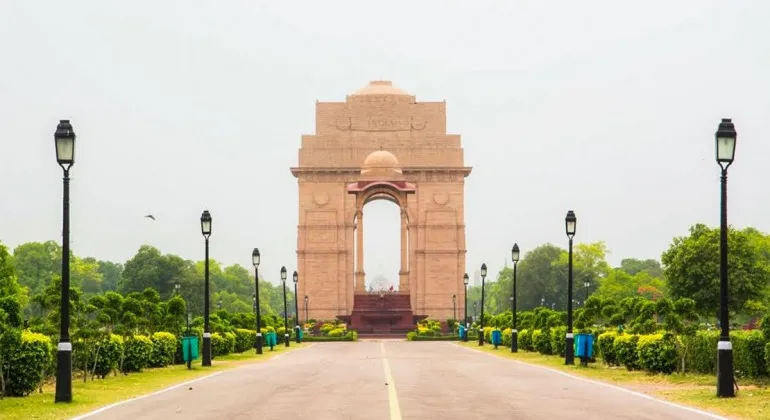
India Gate is a monumental war memorial located near Dutt Path in central New Delhi. Designed by Edwin Lutyens, the nearly 42-metre-high structure commemorates Indian soldiers who died in the line of duty during World War I and related military operations. The open spaces around it are popular for walking, photographing and evening strolling. The nearby National War Memorial further enriches its historical context.

Humayun's Tomb – Mughal Garden Architecture

The magnificent Humayun's Tomb is another UNESCO World Heritage Site. Built in the 16th century, the tomb is famous for its Persian-influenced Mughal architecture, massive domes, symmetrical layout, and Charbagh garden design. The complex is particularly rewarding for visitors interested in photography, landscape architecture, and the development of architecture that preceded the Taj Mahal.

Lotus Temple – Architecture and Reflections

The Lotus Temple is a Baha'i house of worship located in South Delhi, internationally recognized for its distinctive lotus-inspired design. The temple welcomes people of all faiths and backgrounds for quiet contemplation and prayer. Entry to the main house of worship is free, but be sure to check opening hours, visitor regulations, and photography restrictions before you visit.

Akshardham – Spiritual Arts and Crafts

Swaminarayan Akshardham is a major cultural and spiritual centre, famous for its extensive stone architecture, sculptures, landscaped areas and exhibitions. The main temple complex is free of charge, but separate tickets are required for exhibitions and selected experiences. Under the security measures of the complex, mobile phones, cameras and certain personal items are prohibited.

Jama Masjid and Chandni Chowk

Jama Masjid is one of the most famous Mughal-era mosques in Old Delhi. The surrounding Chandni Chowk area is home to narrow shopping alleys, traditional food stalls, historic religious sites, and vibrant local commerce. Visitors should dress modestly at religious sites and be cautious on crowded market streets.

Other valuable experiences

  • Connaught Place: Explore this colonial-era commercial area in central Delhi, filled with bookstores, cafes, and shopping arcades.
  • Lodhi Garden: A well-maintained public park, which houses important medieval tombs.
  • National Museum and other museums: Explore historical objects and cultural collections, depending on the opening hours of each museum.
  • Delhi Haat: Explore regional Indian handicrafts, textiles and food stalls in a specially decorated market.
  • Hauz Khas: Explore an area known for its historical ruins and restaurants, galleries, and urban culture.
  • Raj Ghat: Visit the memorial of Mahatma Gandhi.

Ticket prices, entrance fees and visiting rules

There is no entry fee to enter and explore the city of Delhi. There are no tickets, gates, or separate entry counters to navigate the city. However, certain monuments, museums, exhibitions, and cultural experiences may charge an entry fee. Entry fees often vary for Indian citizens, visitors from some neighboring countries, and other international visitors.

Estimated entry price

Attraction Indicative admission Visitor information
India Gate Free Memorial area open to the public; access may be restricted for security or ceremonial reasons.
Red Fort About 35-50 rupees for Indian adults; about 550-600 rupees or more for other foreign adults. There may be separate charges for museums, exhibitions, and special events.
Qutub Minar About 35-50 rupees for Indian adults; about 550-600 rupees or more for other foreign adults. Access is allowed to the outer part of the monument grounds; climbing the tower is not permitted.
Humayun's Tomb About 35-50 rupees for Indian adults; about 550-600 rupees or more for other foreign adults. Access to the traditional complex and gardens.
Lotus Temple Free Rules apply for worship and visitors.
Akshardham Free entry to the main complex Separate tickets are required for the exhibition and water show.
Jama Masjid General admission to worship is usually free. Special access, photography, and visitor regulations must be confirmed locally.
Lodhi Garden Free Public parks with specific visiting hours.

Price Warning: The above prices are approximate, not verified and effective price lists as of October 2026. They should not be considered as confirmed counter prices. Official ticket schedules, discounts on online bookings, nationality categories and entry restrictions are subject to change. Before purchasing tickets, travellers should check the Archaeological Survey of India monument ticket portal or the official website of the respective attraction. (asi.payumoney.com)

Important inspection rules

  • Carry a valid passport or recognized identification card, especially when requesting a specific class of ticket.
  • Allow extra time for security checks at major monuments and religious sites.
  • Follow the dress code in temples, mosques, and other places of worship.
  • Check photography regulations before using a tripod, drone, professional camera, or filming equipment.
  • Do not touch protected carvings, climb prohibited historical structures, or enter closed areas.
  • Keep your ticket and receipt with you until you leave the attraction.
  • Book popular guided experiences through reputable providers and make sure you know what's included.

Best time to visit Delhi

The best time to visit Delhi is usually from October to March . These months are popular for exploring historical monuments, government parks, markets, cultural attractions and open heritage sites. February and March are particularly attractive for travelers who want to enjoy walking and taking pictures as well as sightseeing.

October and November are the months when tourists flock to festivals, heritage sites, and shopping. Early morning visibility can be poor in December and January, which can sometimes affect road travel, air travel, and outdoor photography. Travelers should also check local air quality information, especially when planning long outdoor activities during late fall and winter.

April to June is usually the time to plan your trip more carefully due to the intense heat of the day. July to September can also be a good time for museums, shopping, and visiting small monuments, although some adjustments to outdoor plans may be necessary. Delhi is a year-round destination.

Best time of day

  • Morning: Ideal time to take pictures of Red Fort, Humayun's Tomb, Qutub Minar and other historical sites.
  • Late afternoon: Perfect for strolling around the well-maintained gardens, central Delhi, and cultural areas.
  • Evening: India Gate, Connaught Place, restaurants and selected illuminated attractions are popular.
  • Weekdays: This is usually the most convenient day for visitors who want to experience less crowds at frequently visited monuments.

How to reach

Delhi is connected to major cities in India by international and domestic air services, long-distance railways, national highways, interstate buses and an extensive urban metro network. For international travelers arriving from Dhaka, Bangladesh, air travel is usually the most convenient option. Travelers arriving in Delhi from other cities in India can choose between air, train and interstate road transport.

Dhaka to Delhi by air

  1. Arrive at Hazrat Shahjalal International Airport (DAC) in Dhaka. Leave enough time for international departure formalities.
  2. Search for flights to Indira Gandhi International Airport (DEL) in New Delhi. Depending on the airline's schedule, the appropriate flight may be direct or may require a connection via another Indian or international airport.
  3. If available, Dhaka-Delhi nonstop flights usually take about three hours. Connecting flights take even longer.
  4. After completing immigration, baggage collection and customs, follow the airport signs for the Delhi Metro Airport Express, prepaid taxi or authorized ride-hailing pickup area.
  5. Before starting your sightseeing tour, head to New Delhi Railway Station, Connaught Place, or your preferred accommodation.

Estimated airfare: International economy ticket prices can vary significantly depending on travel dates, routes, demand, and baggage allowance. A broad range of ₹11,000–₹30,000 for a one-way trip can be helpful for creating an initial budget, but this is not a live fare. Always compare actual flight schedules and the total ticket price before booking.

From Dhaka by train and road

Travelers considering a land route can explore the Indian rail or bus services that follow the Bangladesh-India border. A typical western route involves first crossing an authorized border into West Bengal, then traveling to Kolkata and then boarding an Indian Railways train to Delhi. This journey requires separate transportation, border formalities, and considerably longer travel time than air travel.

Cross-border passenger rail services, international bus services and certain land border procedures are subject to change. Do not assume that previously advertised Dhaka-Kolkata train or bus services are currently operational. Before planning to travel by land, check with Bangladesh Railways, Indian Railways and the relevant immigration authorities for the latest arrangements.

The road journey from Dhaka to Delhi is approximately 1,650–1,750 km, depending on the permitted border crossings and highway route chosen. The actual duration may increase significantly due to immigration, road conditions, rest stops, and vehicle changes. Proper immigration, customs, vehicle, and insurance documentation is also required for travel by private vehicle.

By train from other cities in India

Delhi is one of the most important railway hubs in India. Its major stations include New Delhi Railway Station (NDLS) , Old Delhi Railway Station (DLI) , Hazrat Nizamuddin (NZM) and Anand Vihar Terminal (ANVT) . Passengers arriving from cities like Agra, Jaipur, Chandigarh, Lucknow, Kolkata or Mumbai should know which station their train will use, as the stations are located in different parts of this metropolitan area.

Book long distance train tickets through the official IRCTC booking platform (www.irctc.co.in) or authorized providers. Reach the station early and confirm the platform information before the train departs.

By bus and intercity road transport

Major interstate bus terminals include Kashmir Gate ISBT, Anand Vihar ISBT and Sarai Kale Khan ISBT. Their availability depends on the city of departure and the transport company. Interstate buses connect Delhi to numerous destinations in North India. General, air-conditioned and sleeper services may be available on selected routes.

Estimated fares for short to medium-distance interstate buses can range from around Rs 200 to Rs 1,500 or more, depending on the distance, vehicle type, and booking date. These are not verified prices for any specific route, but are just an approximate idea of ​​your budget.

Getting around Delhi by metro

The Delhi Metro is generally the most convenient mode of transport for many visitors, as it connects major railway stations, commercial areas, residential areas and numerous tourist destinations. Buy a valid ticket or supported travel card and check the latest operating schedule for the respective line.

Destination Useful metro stations Travel notes
Red Fort Red line, violet line Convenient for commuting to the fort and nearby Old Delhi attractions.
Chandni Chowk Chandni Chowk, Yellow Line Perfect for markets, food tours, and nearby historical sites.
Connaught Place Rajiv Chowk, Blue and Yellow Line Central shopping, restaurants and commercial areas.
India Gate Central Secretariat or nearby Central Delhi stations Continue your journey on foot or by local transport for short distances, depending on the access route.
Qutub Minar Qutub Minar, yellow line Take local transport to the monument entrance.
Lotus Temple Kalkaji Temple, Violet and Magenta Lines Continue your journey on foot or by local transport for short distances.
Akshardham Akshardham, Blue Line There is convenient metro transportation in the temple area.
New Delhi Railway Station New Delhi, Yellow Line and Airport Express Main railway and airport junction.

Estimated budget for local transport: Metro rides often cost a few tens of rupees, depending on the distance and applicable fare. Short-distance auto-rickshaw rides can cost around 70-200 rupees or more, while app-based taxi rides in central districts can cost around 150-500 rupees or more, depending on distance, traffic, and demand. Airport transfers are more expensive. Make sure to check the fare or app estimate before you start your journey.

Private cars, rental cars, and sightseeing buses

For families or travelers who visit multiple monuments in a day, a private car with a driver can be convenient. Estimated local sightseeing packages for a basic car and driver can start from around ₹2,000–₹4,500, and costs can be higher for larger vehicles, longer distances, parking, and additional time. Ask for a detailed cost list and make sure it includes taxes, tolls, and monument tickets.

The government-run Delhi Transport Corporation also advertises a Delhi Darshan sightseeing bus service. According to their information, the fare for this air-conditioned sightseeing bus is Rs 200 per person for adults and Rs 100 for children aged five to twelve. This scheduled trip runs from approximately 9:15 am to 5:45 pm. Before relying on this service, confirm the current departure point, seat availability and fare with the operator.

Nearest transportation hub

Convenient landmarks include Connaught Place, New Delhi Railway Station, India Gate, Kashmir Gate ISBT and Indira Gandhi International Airport. Since Delhi is spread over a large area, choosing accommodation near a suitable metro interchange can save a lot of travel time.

Immigration requirements for Bangladeshi visitors

Unless a special exemption applies, Bangladeshi passport holders generally require a valid Indian visa. Visa availability, permitted entry, application procedures and travel conditions should be checked with the Indian High Commission or Indian Visa Authority. Please ensure these requirements are met before purchasing non-refundable tickets. Delhi follows Indian Standard Time, which is thirty minutes behind Bangladesh Standard Time.

Delhi, India

GPS: 28.527582, 77.0688983
Get Directions

Suggested itinerary for a trip to Delhi

A well-planned itinerary makes traveling to Delhi easier and reduces unnecessary travel in its busy metropolis. The following three-day itinerary combines major sightseeing spots, cultural areas, and diverse dining experiences.

Day 1 – Old Delhi and Mughal Heritage

  1. Start with the Red Fort and explore its historical architecture.
  2. Head towards Jama Masjid and the surrounding streets of Old Delhi.
  3. Enjoy a traditional lunch by choosing a reputable restaurant or food stall around Chandni Chowk.
  4. Explore selected market alleys, religious sites, and heritage buildings.
  5. End the tour with a visit to Raj Ghat or dinner in central Delhi.

Day 2 – Central New Delhi

  1. Visit India Gate and National War Memorial.
  2. Explore public areas adjacent to the duty route, subject to safety restrictions.
  3. Head towards Humayun's Tomb to take pictures of the architecture and gardens.
  4. If you have time, you can visit Lodhi Garden.
  5. Spend the evening around Connaught Place, Janpath, or Khan Market.

Day 3 – South Delhi and Spiritual Places

  1. Start at Qutub Minar and explore the historic square around it.
  2. Head to Mehrauli or Hauz Khas for lunch and sightseeing.
  3. Visit the Lotus Temple according to the published opening schedule.
  4. If Akshardham's schedule allows, set aside extra time for this on another afternoon or evening.
  5. Finish with regional Indian food or handicraft shopping.

Planning Tip: Akshardham and Lotus Temple usually have separate weekly closures, and museums may also be closed on certain days. Check the schedule of attractions before finalizing your itinerary. If you have four or five days, take your time to visit each destination and leave more time for museums, Delhi Haats, local markets, and lesser-known monuments.


Where to eat

Delhi is one of India's most famous food destinations, with culinary traditions influenced by Mughal cuisine, Punjabi cuisine, regional Indian communities, and contemporary international cuisine. Visitors can enjoy everything from cheap street food to sumptuous restaurant fare. The city's food culture is a major attraction in itself.

Old Delhi and Chandni Chowk

Old Delhi is particularly famous for its traditional kebabs, biryani, parathas, chaats, sweets and rich Mughlai cuisine. The streets near Jama Masjid and Chandni Chowk are lined with old food stalls, although each business varies in quality, cleanliness and operating hours. Travelers interested in experiencing traditional food should check out recent restaurant reviews and choose an establishment that has good sales and follows proper food service practices.

Connaught Place

Connaught Place has a wide range of established restaurants, cafes, vegetarian food shops, fast food outlets and international cuisine. Due to its central location, it is a convenient place for lunch or dinner after visiting India Gate or other tourist attractions in New Delhi.

Pandara Road and Khan Market

Pandara Road is known for its North Indian and Punjabi-style cuisine, including tandoori dishes, curries and rotis. Khan Market has cafes, bakeries and modern restaurants. Both areas are convenient for travelers staying in central or south New Delhi.

Popular dishes to try

  • Chole Bhature: Spicy chickpea curry served with deep-fried bread.
  • Butter Chicken: A thick tomato-based chicken curry that is popular in Delhi restaurants.
  • Paratha: Traditional stuffed flatbread served with various accompaniments.
  • Chaat: A delicious snack made with a combination of spices, chutneys, and crunchy ingredients.
  • Kebab: A type of grilled or roasted meat dish associated with North Indian and Mughlai cuisine.
  • Biryani: A fragrant rice dish prepared in various regional styles.
  • Jilapi: A sweet, juicy, fried treat commonly found in traditional sweet shops.
  • Lassi: A yogurt-based drink that comes in sweet and salty flavors.

Estimated food budget

Food type Estimated cost per person
Serving simple snacks or street food ₹50–₹200
Budget restaurant food ₹150–₹400
Average restaurant food ₹400–₹1,000
Meals at high-end restaurants ₹1,200–₹3,000 or more

These approximate prices are for general travel planning purposes, and are not restaurant specific prices. Travelers with dietary restrictions should check with the establishment directly to confirm ingredients. Visitors who require halal food can look for suitable restaurants in Old Delhi and other districts; do not make assumptions without confirming any specific halal certification or food preparation method. Drink safely filtered or commercially sealed water and take extra precautions when choosing raw street food.


Where to stay?

Delhi has accommodations for budget travelers, families, business travelers, and luxury travelers. Since attractions are spread across the city, location is often an important factor, as is the price of the room. Having a hotel near a convenient metro station makes sightseeing much easier.

Connaught Place – Best for visiting central sights

Connaught Place is a convenient hub for first-time visitors looking for easy access to restaurants, shopping and the Delhi Metro. Rajiv Chowk station connects the Blue and Yellow Lines, making travel to several popular destinations relatively easy. There is a wide range of accommodation options, from small hotels to established and upscale residences.

Aerocity – Best for Airport Convenience

Located near Indira Gandhi International Airport, Aerocity has numerous business and luxury hotels. It is especially suitable for short-term stays, late international arrivals, early morning departures, and travelers looking for modern accommodations. Visitors should also consider the distance to the historical attractions of Old Delhi and South Delhi.

Karol Bagh – Popular budget and mid-range area

Karol Bagh has a number of hotels, restaurants and shopping streets. It can be convenient for budget-conscious travelers who prefer a busy commercial area with metro connections. Check recent accommodation reviews carefully, as room quality, transport facilities and the condition of the surrounding roads can vary considerably.

Paharganj – Low budget accommodation near New Delhi Station

Paharganj is known for its guesthouses and budget hotels near the New Delhi railway station. Its location may be convenient for rail travelers, but traffic, crowds, cleanliness, and quality of accommodation vary from one hotel to another. Families and visitors who want a quieter environment may prefer other areas.

South Delhi – Residential Comforts and Dining

Areas like Greater Kailash, Saket, Defence Colony and Hauz Khas offer easy access to shopping, restaurants and the traditional attractions of the south. These areas can be quite convenient for longer stays, especially when visitors want to explore the Qutub Minar, Lotus Temple and surrounding areas.

Estimated hotel price per night

Housing Department Estimated nightly rent
Budget guesthouse or average hotel ₹800–₹2,000
Mid-range hotel ₹2,500–₹5,500
Upper-mid-range or business hotel ₹5,000–₹10,000
Luxury hotel ₹10,000–₹25,000 or more

Hotel prices vary depending on the season, event, room type, taxes, and booking conditions. Before booking, check the hotel's verified address, recent guest reviews, cancellation policy, accepted ID, and distance from the nearest metro station. International visitors should ensure that the hotel accepts foreign guests and is able to complete the necessary registration formalities.


Travel tips, safety and visitor information

Delhi is a major international tourist destination, but its vastness, traffic jams, and crowded commercial areas can seem unfamiliar to first-time visitors. Some practical preparation will help make the experience more comfortable.

Money and Payment

The Indian rupee is used for all everyday purchases. Digital payments are widespread, but international visitors should not assume that every local payment app will work with foreign bank accounts. Carry a small amount of cash for small purchases, travel, and incidental expenses. Exchange foreign currency through authorized service providers and save receipts if necessary.

Local transportation

Whenever possible, use metro services, official airport prepaid taxis, or reliable ride-hailing services. Confirm vehicle details before getting into a booked vehicle. Avoid accepting unsolicited transportation from someone claiming that a hotel, station, or attraction is closed, until you have independently verified the information.

Personal safety

Keep passports, money and electronic devices safe in crowded markets, stations and tourist areas. Avoid displaying large amounts of cash. If arriving late at night, use good quality accommodation and organized transportation. Emergency assistance in India can be requested through the national emergency number 112 .

Health and comfort

Wear comfortable walking shoes and carry drinking water when walking for long periods. Check local air quality reports when planning outdoor activities, especially if pollution levels are high. Travelers who are sensitive to poor air quality should consider limiting prolonged outdoor exposure during adverse conditions.

Clothing and cultural etiquette

Light, comfortable clothing is effective most of the year, but extra clothing is useful in winter. Religious sites may require modest clothing, head coverings, shoes off, or restrictions on carrying certain items. Follow the guidelines and instructions of local officials.

Accessibility

Many major metro stations have lifts and accessibility facilities, but the situation is different in older areas and historical monuments. Some heritage sites have cobblestone paths, stairs and reserved areas. Wheelchair users should check with each monument and hotel for facilities before visiting.

Connection and navigation

Mobile internet is essential for metro routes, translations, digital tickets and ride bookings. International travelers should be aware of the requirements for ID cards required to obtain a local SIM card. Before leaving the airport, save offline maps, hotel contact information and important travel documents.


Nearby attractions

There are numerous famous tourist attractions in the historic district of Delhi and its surrounding areas. The following attractions are located within the National Capital Region of Delhi and can be combined to create a short itinerary. Travel times vary depending on traffic, public transport system and starting point.

  • Red Fort: A UNESCO World Heritage Site associated with the Mughal Empire, located in Old Delhi and known for its massive walls, gateways, and palace architecture.
  • Jama Masjid: An important mosque from the Mughal period located near Chandni Chowk, it is a perfect place to explore religious architecture and historic Old Delhi.
  • India Gate: A major national war memorial located in the heart of New Delhi, popular for public photo-taking and evening visits.
  • National War Memorial: A memorial located near India Gate, built to honour members of the Indian Armed Forces who died in the line of duty.
  • Humayun's Tomb: An internationally recognized Mughal garden-tomb complex and UNESCO World Heritage Site.
  • Qutub Minar: A historic medieval tower and archaeological site located in Mehrauli, South Delhi.
  • Lotus Temple: A distinctive lotus-shaped Baha'i house of worship located in South Delhi.
  • Akshardham Temple: A spiritual and cultural center, known for its elaborate architecture, exhibitions, and traditional crafts.
  • Lodhi Garden: A well-maintained green space with historic tombs, popular for walking and photography.
  • Purana Qila: A historic fort-palace associated with the 16th-century political history of Delhi.
  • Yantra Mantar: An 18th-century astronomical observatory located near Connaught Place, which houses a large collection of instruments.
  • Raj Ghat: A memorial dedicated to Mahatma Gandhi, surrounded by well-maintained gardens.

Those with extra time can explore more of Delhi's museums, parks, art galleries, archaeological sites, and heritage sites. For a balanced trip, visit nearby attractions within the same geographical area instead of visiting the entire city several times a day.

Internal Link Note: The attraction links above are recommended ColoZai URL paths and should be compared to the actual published slug of the website before use.

Frequently Asked Questions (FAQ)

Delhi is famous for its historical monuments, Mughal architecture, medieval heritage, vibrant markets, street food, and importance as the National Capital Territory of India. Its major attractions include the Red Fort , Qutub Minar , India Gate , Humayun's Tomb, Jama Masjid, Lotus Temple, and Akshardham. Delhi is also known for its Chandni Chowk, Connaught Place, cultural festivals, and its diverse culinary heritage. Three of its most important historical structures—the Red Fort, Qutub Minar, and Humayun's Tomb—are recognized as UNESCO World Heritage Sites.

logo ColoZai

ColoZai is a trusted travel guide and destination explorer platform in Bangladesh. We are making travel simple, authentic, and accessible for everyone.

Need Help ?

We are Always here for you! Knock us on Whatsapp (10AM - 10PM) or Email us.