Darjeeling, India

Darjeeling, India

Darjeeling
·

25 September 2026

Travel Overview & Quick Facts

Location
Darjeeling
Admission / Entry Fee
Darjeeling is a hill town, not a place to visit with a ticket. Therefore, entry to the town, its general streets and most of the market areas is free. Each attraction has its own entry fee. Some viewpoints, gardens, museums and heritage sites may cost around Rs 50-200, while other attractions charge different rates. The Darjeeling Himalayan Railway's toy train requires a separate ticket, which can cost from a few hundred to over Rs 1,000 per person, depending on the train and class. Additional charges may apply for private sightseeing vehicles, guided tea experiences, parking and photography permits. These prices are approximate, not verified current tariffs; check the latest government charges for each attraction before travelling.
Opening Hours
Open 24 hours (public access to the city; individual attractions, shops and transport services follow their own operating schedules)
Category / Type
Himalayan Mountains, Nature and Scenic Tourism, Cultural and Traditional Destinations, Tea Tourism

Introduction to Darjeeling, India

Darjeeling, India, affectionately known as the ' Queen of the Hills' , is one of the most famous Himalayan tourist destinations in West Bengal. Situated at an altitude of about 2,042 metres (6,700 ft) above sea level, this historic hill town is famous for its tea gardens, picturesque mountain views, colonial-era architecture, bustling markets and the UNESCO-listed Darjeeling Himalayan Railway. On a clear morning, visitors can marvel at the spectacular view of Kanchenjunga, the world's third highest mountain, rising above the surrounding hills .

Darjeeling, located in the northern part of West Bengal, is both the headquarters of Darjeeling district and the gateway to the Eastern Himalayas. Its winding streets, hillside villages, Buddhist monasteries, traditional bakeries and tea gardens reflect a fascinating blend of Nepali, Tibetan, Lepcha, Bhutia, Bengali and wider Indian cultural influences. This diversity is particularly evident in the region's cuisine, language, festivals and religious traditions.

Unlike conventional tourist destinations, Darjeeling is not a single tourist attraction, but rather a complete destination. Visitors can explore the public areas throughout the year without an entry ticket. However, individual attractions, guided experiences, train journeys and organised tours have their own entry rules and charges.

Whether you're planning a romantic Himalayan trip, a family vacation, a photography expedition, or a memorable getaway from Bangladesh, Darjeeling offers a variety of experiences, from watching the beautiful sunrise and riding a traditional train to visiting tranquil monasteries and tasting authentic tea. To balance your first-time travel experience, allow at least three to four days to explore the city and its surrounding attractions without rushing.


History, culture and tradition

Darjeeling's identity has been shaped by centuries of Himalayan cultural exchange and the political history of the surrounding region. The region has historical links to the states of Sikkim and Nepal, while its modern development as a prominent hill town accelerated during British colonial rule in the 19th century.

In 1835, the East India Company acquired the Darjeeling territory from the ruler of Sikkim under a treaty that later became historically controversial. The British administrators developed the settlement as a hill resort and health resort. Roads, educational institutions, churches, administrative buildings, and a garden-based infrastructure gradually transformed the hill settlement into an important regional center.

The rise of Darjeeling tea

Commercial tea cultivation developed in the 19th century and became the focus of Darjeeling's international reputation. The region's plantation heritage, mountainous environment, distinctive tea varieties and specialized processing methods have contributed to Darjeeling tea's global recognition. In India, authentic Darjeeling tea is protected as a geographical indication, making its regional origin an important part of the product's identity.

Visitors can learn about tea cultivation, observe selected processing operations with permission, and taste different types of tea at the estate's visitor centers. This experience depends on whether the gardens, season, and production areas are open to tourists.

Historic Hill Railway

The Darjeeling Himalayan Railway , also known as the 'Toy Train', was opened in the 19th century and is a remarkable feat of mountain railway engineering. Its narrow-gauge track climbs steep terrain through settlements and mountain slopes, using innovative loops and reverses. The railway was inscribed on the UNESCO World Heritage List in 1999 and is now part of the 'Mountain Railways of India' World Heritage Site.

Today, this historic railway is one of the most well-known attractions in Darjeeling. Visitors can enjoy selected tourist services, including the popular Darjeeling-Ghum-Darjeeling Ananda Yatra, at scheduled times.

Local communities and traditions

Darjeeling is a culturally diverse Himalayan town, home to a strong Nepali-speaking population, along with Lepcha, Bhutanese, Tibetan, Bengali and other communities. Buddhism, Hinduism, Christianity and other religious traditions contribute to the social fabric of the region. Monasteries, temples, churches, festivals, traditional handicrafts and regional cuisine provide a meaningful opportunity to appreciate the living heritage of the region.

Visitors should visit religious sites with respect, ask permission before photographing events or residents, and remember that cultural institutions are not just exhibition spaces for tourists, but active social spaces.


Best experiences and things to do

1. Enjoy the sunrise at Tiger Hill

Located about 13 km from central Darjeeling, Tiger Hill is one of the most famous sunrise viewing spots in the region. Visitors usually leave early in the morning to reach the observation area before sunrise. If visibility is good, the surrounding Himalayan horizon and the distant Kanchenjunga mountain range create a spectacular view.

Private sunrise tours are usually arranged through hotels, taxi stands and local tour operators. The journey may start between approximately 3:30 AM and 4:30 AM, depending on sunrise time, traffic conditions and season. Entry and parking regulations may vary. Mountain views are not guaranteed.

2. Travel on the Darjeeling Himalayan Railway

A journey on the historic toy train is one of the most unique experiences in Darjeeling. This popular tourist train usually runs between Darjeeling and Ghoom and passes through the famous Batasia Loop area. Depending on the service booked, visitors can travel on either a diesel-powered or steam-powered train.

Advance booking is advisable during popular holidays. Please check train number, departure station, locomotive type, fare and availability through Indian Railway Catering and Tourism Corporation or appropriate official booking channel of Indian Railways. Scheduled services may be subject to change or cancellation. (www.irctc.co.in)

3. Wander around intersections and mall roads

Located in the heart of Darjeeling's pedestrian-friendly mall area, the lively crossroads are one of the best places to enjoy the city's atmosphere. Visitors can sit on benches, browse the surrounding shops, admire the beauty of historic buildings, sample local cuisine, and watch daily life go by against the backdrop of the surrounding hills .

The square is particularly enjoyable in the morning and early evening. Although public entry is usually free, nearby shops, cafes, pony rides and other commercial activities require separate payments.

4. Explore the Batasya Loop

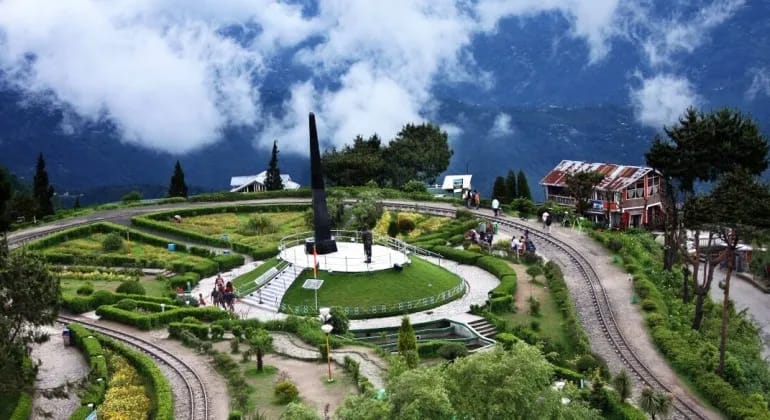
The Batasiya Loop, near Ghum, is a famous engineering feature of the Darjeeling Himalayan Railway. The railway line curves along a well-groomed mountain slope, offering breathtaking views of the surrounding terrain. A war memorial, located within this landscaped area, honours the Gorkha soldiers who lost their lives in the line of duty.

This place is popular with photographers and train enthusiasts. If you want to take pictures of a moving train, check the current train schedule rather than assuming regular train movements throughout the day.

5. Discover the wildlife and mountaineering heritage of the Himalayas

The Padmaja Naidu Himalayan Zoo is known for its work in conserving Himalayan wildlife, including red pandas and snow leopards. The nearby Himalayan Mountaineering Institute preserves important mountaineering history and commemorates the region's long-standing connection with Himalayan expeditions.

Visitors should check current opening times, admissions, and combined ticket options. Don't just treat this visit as a quick photo stop, but allow plenty of time to wander around and explore the institution's educational exhibits.

6. Visit a peaceful monastery

The Buddhist heritage of Darjeeling can be explored at places like Ghum Math and Bhutia Basti Math . These places offer an opportunity to appreciate Himalayan Buddhist art, religious heritage and architecture. Access to some places is restricted during ceremonies or specific prayer times.

7. Visit a tea garden and taste tea

Tea lovers can explore estates around Darjeeling with guided tours and plantation experiences. Depending on the estate, these tours may include a tour of selected tea-growing areas, an introduction to tea processing, and a guided tea tasting. A well-known name associated with tea tourism near the city is Happy Valley Tea Estate.

Tea estates are active agricultural properties. Do not enter the protected garden areas or factory buildings without permission. Please check with the estate authorities directly for availability of guided tours, costs and photography regulations.

8. Enjoy scenic walks and local markets

Apart from its main attractions, Darjeeling is perfect for a leisurely stroll. Walk along the narrow mountain paths, explore the market areas, discover traditional shops, taste freshly prepared food and stop at various places to take in the beautiful views. Photographers will especially enjoy the contrast between the old railway infrastructure, the colorful neighborhoods, the hilly landscape and the busy local streets.

Best time to visit Darjeeling

Darjeeling welcomes tourists all year round, but the two most popular times to visit are March to May and October to November . These times are especially attractive for travelers interested in hilly landscapes, trekking, photography, and visiting major attractions.

Duration Visitor experience Planning advice
March to May Popular for its beautiful spring scenery, mountain tourism, gardening, and family vacations. Book hotels and transportation in advance.
June to September Some properties have green mountain slopes and relatively quiet times, but are more likely to experience disruptions to transportation systems. Monitor road conditions and be flexible in your travel plans.
October to November Popular for scenic views of the Himalayas, photography, walking, and sightseeing. Book your accommodation well in advance during major holidays.
December to February The quiet atmosphere of winter, seasonal mountain views, and the opportunity to explore the city in peace. Pack appropriate winter clothing and check your travel arrangements for the early morning.

October and November are often the preferred months for tourists, especially those interested in visiting Kanchenjunga. However, visibility depends on actual conditions, so it is wise to have multiple mornings available to photograph the mountain.

Darjeeling can get particularly busy during Indian holidays and popular vacation weeks. Arranging accommodation, toy train seats and transport before you arrive can make the trip much more comfortable.


Ticket prices, entry rules and visitor expenses

There is no general entry fee to Darjeeling town. General streets, general market areas and accessible public places can be visited without purchasing a ticket for the entire town. However, separate tourist attractions, museums, heritage sites, rail journeys and guided tours may require payment.

Guide Inspector Budget

Experience Estimated cost Important notes
Darjeeling town and public market area Free Shopping, food, and services incur additional costs.
Selected gardens, sights and museums About 50-200 taka per person Each attraction has its own entry policy.
Sightseeing tour by toy train A few hundred to more than 1,000 taka per person This varies depending on the service, class, and type of locomotive.
Guided tea garden visit Varies by region and experience Some properties require advance arrangements.
Private local sightseeing vehicle Approximately ₹1,800–₹4,500 per car This is just to give an idea; route, duration, vehicle size and season affect the fare.

Pricing Disclaimer: The above amounts are approximate prices in Indian Rupees (INR), and are not final prices or verified admission prices as of October 2026. Some attractions may charge more or less than this range and certain facilities may have separate fees for children, Indian citizens, foreign nationals, cameras or parking. Please confirm current prices with the relevant authorities before purchasing tickets.

Important entry and visitor regulations

  • Carry a valid photo ID when booking rail travel tickets or entering places that require identity verification.
  • Foreign visitors must carry a valid passport and appropriate permits to travel to India.
  • Respect religious customs and wear appropriate clothing when visiting monasteries and temples.
  • Follow the rules and regulations of the wildlife center and do not feed or disturb the animals.
  • Ask permission before entering a working tea plantation or taking photos in prohibited production areas.
  • Avoid littering in public places, along walking paths, or near scenic mountain views.
  • Know the opening times of each attraction, as while the city has 24-hour access, tourist attractions are not open all night.

How to reach

Darjeeling is located in Darjeeling district in the Indian state of West Bengal. It is the district headquarters itself, so travelers arriving in Darjeeling city already arrive at the main administrative center of the district. The main transport hubs are Siliguri, New Jalpaiguri Railway Station (NJP) and Bagdogra Airport (IXB) . According to the Darjeeling District Administration, Bagdogra Airport is about 90 km away by the aforementioned road, New Jalpaiguri is about 88 km away by the historic railway and Siliguri is about 77 km away by the aforementioned road. The actual distance depends on the route chosen.

1. By bus and road from Dhaka, Bangladesh

Travelers from Dhaka can plan to cross the Bangladesh-India border via northern Bangladesh, then travel through northern Bengal to Siliguri and Darjeeling. Historically important routes include Banglabandha-Phulbari and Burimari-Changrabandha . However, the feasibility and effectiveness of border access must be carefully assessed: a report published on 3 July 2026 indicated that even at that time, Bangladeshi visa holders were unable to use the Banglabandha-Phulbari route for tourist entry.

  1. Step 1: Before booking transport, ensure that your Indian visa allows you to pass through the intended immigration checkpoint and that the border crossing currently processes your nationality and visa category.
  2. Step 2: Travel from Dhaka to the selected Bangladesh border area by suitable intercity buses or rail and road. Panchagarh and Lalmonirhat are convenient regional transport options depending on the border crossing point.
  3. Step 3: Complete immigration to exit Bangladesh and enter India at an authorized and operational border checkpoint.
  4. Step 4: Arrange onward transportation towards Siliguri, allowing extra time for border procedures and regional transfers.
  5. Step 5: From Siliguri, take a shared jeep, public bus or reserved taxi uphill to Darjeeling. Under normal circumstances, this hilly road journey will take about three to four hours.

Do not assume that any historically active border is currently open to tourists. Before embarking on your journey, seek confirmation from the relevant Indian diplomatic mission, Bangladesh Immigration Authorities and relevant checkpoints. A valid visa alone does not guarantee permission to cross a particular border.

2. By air from Dhaka

A realistic flight itinerary would be to fly from Hazrat Shahjalal International Airport in Dhaka to a connecting airport in India such as Kolkata, and then to Bagdogra Airport, subject to available schedules and travel permits . It should not be assumed that direct flights will be available between Dhaka and Bagdogra.

  1. Book a suitable international flight from Dhaka to any destination in India, from where there is a connection to Bagdogra.
  2. Complete entry procedures into India and necessary baggage transfers at the appropriate airport.
  3. Upon arrival in Bagdogra, use the government prepaid taxi service or a reliable pre-booked transfer.
  4. It takes approximately three to four hours to reach Darjeeling by road, but allow more time if there is heavy traffic on the road.

To budget, the fare for a reserved vehicle from Bagdogra or NJP to Darjeeling can be estimated at ₹3,000–₹4,500 or more depending on the vehicle, demand, route and operator . Confirm the actual fare before starting the journey.

3. By train from Kolkata and other cities in India

New Jalpaiguri Railway Station (NJP) is the main broad gauge rail gateway to Darjeeling. Trains from Kolkata and other major cities in India stop at NJP, from where passengers can continue their journey by taxi, shared jeep or connecting local transport.

  1. Book Indian Railways services to New Jalpaiguri.
  2. Exit the station and find an authorized prepaid taxi counter or suitable shared-jeep pickup point.
  3. Travel uphill towards Darjeeling along the available roadways, which often pass through or near Kurseong.
  4. Ask your driver to drop you off near your accommodation or at a suitable central taxi stand, as traffic restrictions and steep roads may affect reaching your final destination.

The historic Darjeeling Himalayan Railway offers a scenic alternative when services are available, but it is much slower than road transport. The entire mountain railway journey can take around seven to eight hours and direct services should not be assumed to operate every day. Check availability on IRCTC . (www.irctc.co.in)

4. By bus from Siliguri

Siliguri is the main road transport hub of Darjeeling. Buses and shared passenger vehicles operate from the area around Tenzing Norgay Central Bus Terminus and from transport stands near Hill Cart Road.

Depending on the service, public bus fares can range from around 100-250 rupees per person, while a shared jeepney seat can cost around 250-350 rupees or more . These are approximate costs, not verified fixed fares. State bus services may have limited departures, so check the schedule locally.

5. By shared jeep or private taxi

Shared jeeps are a popular and affordable option for travel between Siliguri or NJP and Darjeeling. They usually depart from specific stands and may wait until enough seats are filled. Private taxis offer more luggage space, more flexibility, and can drop you directly at your hotel if the roads are congested.

Reserved vehicles are often more convenient for families, travelers with extra luggage, or visitors arriving after the last convenient shared transportation departure time. Make sure the quote includes parking, tolls, waiting charges, and hotel check-in.

6. Local transportation system within Darjeeling

Central Darjeeling is best explored partly on foot. The crossroads, Mall Road, Nehru Road, Chowk Bazar and Gandhi Road are useful landmarks for navigating the town . The central Mall area is largely pedestrian-friendly, and many of the surrounding lanes are steep.

Local taxis operate from designated stands, while private cars can be hired to travel to Tiger Hill, Batasya Loop, Ghum, Math and other places of interest. Budget a few hundred taka for a short-distance licensed taxi ride, as the cost varies widely based on distance, traffic restrictions and waiting time. Agree on the total fare in advance.

Essential Official Travel Guide: Darjeeling District Administration – how to reach .


Where to eat

Darjeeling is a great destination for travelers interested in the regional cuisine of the Himalayan region. The food culture here reflects influences from Nepali, Tibetan, Bengali and greater Indian cuisines, with traditional snacks, noodle soups, teas, bakeries and modern cafes all in abundance.

Foods you should try

  • Momo: Small steamed or fried dumplings, usually filled with vegetable or meat filling, and served with a savory sauce.
  • Thukpa: A nutritious noodle soup popular with Tibetan influences, which is appreciated throughout the Himalayan region.
  • Thenthuk: A type of comforting hand-pulled noodle soup, available in some Tibetan and Himalayan restaurants.
  • Wai Wai preparation: A local-style dish made with instant noodles, sometimes served as a snack or light meal.
  • Sel roti: A traditional round dish made from rice flour associated with Nepali food traditions.
  • Traditional Nepali food: rice, lentils, various vegetable dishes, pickles, and seasonal accompaniments.
  • Darjeeling Tea: Taste different varieties of local tea and explore the differences in its aroma and flavor due to the different harvesting and processing methods.

Popular food places

The intersection and Nehru Road are convenient for cafes, bakeries, tea rooms and casual dining. Chowk Bazaar and its surrounding market areas offer opportunities to explore everyday local dishes, small restaurants and inexpensive snacks. Gandhi Road and its surrounding areas also offer convenient dining options for guests staying near central hotels.

Well-known institution

Among the well-known names among Darjeeling foodies are Glenary's , known for its bakery and restaurant heritage; Keventers , which serves breakfast and casual dining; and Kunga Restaurant , which is often mentioned for its Tibetan-style cuisine. Opening hours, menus, ownership arrangements, and management status are subject to change, so check details before you go.

Estimated food budget

Food experience Indicative price
Tea or a simple local snack ₹30–₹120
Momo or a simple noodle dish ₹100–₹250
Typical restaurant food ₹200–₹500 per person
Cafe or specialty restaurant food ₹400–₹900 or more per person

These figures are approximate and depend on the type of restaurant, the amount of food served, and the menu selection. Travelers with dietary restrictions should speak directly with restaurant staff about ingredients, cooking methods, and exposure risks.


Where to stay?

Darjeeling offers a variety of accommodation options, from budget guesthouses and family homestays to established traditional hotels and luxury lodges with panoramic mountain views. The best area depends on whether you value walking, peace and quiet, easy access, or views of the Himalayas.

Intersection and Mall Road area

The Central Mall and Crossroads area is one of the most convenient places for first-time travelers. Restaurants, tea shops, souvenir shops, and public places are all within walking distance. Some accommodations offer scenic views of the mountains, although carrying luggage can be a bit tricky due to steep entrances and restrictions on pedestrians.

Gandhi Road and Central Darjeeling

For travelers looking for a place to stay in the city center and with relatively easy access to transport stands and commercial areas, Gandhi Road and its surrounding areas are convenient. However, depending on the type of accommodation, the uphill walk to the intersection can be a bit of a hassle.

Observatory Hill and quiet hilly areas

Accommodations near the relatively quiet areas of the mountain slopes can be suitable for couples, photographers, and tourists looking for a more relaxed atmosphere. Properties with uninterrupted mountain views often command higher prices, and even if a house is advertised as having a mountain view, there is no guarantee that you will see the peak every day.

Tea gardens and rural homestays

For travelers interested in experiencing local culture and garden-like landscapes, homestays and estate-style accommodations located off the city's busiest roads can offer a different experience. Some accommodations offer home-cooked meals and guided tours of the local area. Transportation arrangements should be made, as private vehicles may be required for isolated accommodations.

Estimated accommodation costs

Type of accommodation Estimated cost per night
Simple guesthouse or simple homestay ₹800–₹1,800
Comfortable budget or mid-range hotel ₹1,800–₹4,500
High-end hotel or traditional-style property ₹4,500–₹10,000
Premium accommodation ₹10,000 or more

Prices are approximate room rates per night and may increase significantly during peak tourist season. Check taxes, breakfast inclusions, heating, cancellation policies, and accessibility before booking.

Accommodation Tip: Darjeeling has steep roads, narrow lanes and accommodation at varying heights. If you are travelling with elderly guests, small children or heavy luggage, ask about the hotel's accessibility, stairs, lifts and actual walking distance from central attractions, rather than relying solely on map distances.


Suggested plan for a three-day Darjeeling trip

Day 1: Arrival and city tour

Arrive from NJP, Bagdogra or Siliguri and check in to your accommodation. Spend the afternoon exploring the crossroads, mall road and nearby shopping streets. Enjoy Darjeeling tea at a local cafe, try momos or thukpa and get acquainted with the steep walkways of the city. After the uphill journey, spend the first evening at your leisure.

Day 2: Sunrise, Railway Heritage and Monasteries

Arrange to leave for Tiger Hill early in the morning, subject to local access rules. After sunrise, explore the Ghum area and Batasia Loop. If you have booked the appropriate toy train service, take the rest of the day to complete the train journey. Visit a monastery if it is open to visitors, then return to town for dinner.

Day Three: Wildlife, Mountaineering and Tea Traditions

Before visiting the Padmaja Naidu Himalayan Zoological Park and the Himalayan Mountaineering Institute, check out their current opening hours. Afterwards, explore an accredited tea garden visitor experience or spend some extra time buying authentic Darjeeling tea. End the trip with a relaxing evening at the central mall area.

Optional Extra Day: If there is extra time at hand, travelers can plan a longer trip to Mirik, Kurseong, or other established destinations in Darjeeling district, depending on road conditions and transport availability.


Travel tips, safety and responsible tourism

Documents and international travel

Tourists from Bangladesh and other foreign countries should ensure their Indian visa eligibility, permitted entry points, passport validity and applicable immigration conditions well in advance of their travel. Cross-border services and checkpoint permissions are subject to change independently of the published tourist itineraries.

Walking and mountain roads

The terrain of Darjeeling has steep paths, stairs, sharp bends in the road and uneven areas for pedestrians. Wearing comfortable shoes is essential. Traveling on hilly roads can take longer than the distance of kilometers, so avoid scheduling frequent connections to the airport or railway.

Height and personal comfort

At approximately 2,042 meters above sea level, Darjeeling is considerably elevated from the surrounding plains. Some visitors may experience a difference in exertion or comfort while climbing the steep slopes. Pace your walk sensibly, drink plenty of water, and seek medical advice if you experience severe altitude-related symptoms.

Meaning and connection

Carry convenient Indian rupees for shared rides, market shopping, and small food stalls. Digital payment services are widely available in India, but international visitors should not assume that every QR payment system in India supports foreign bank accounts or cards. Mobile connectivity and internet speeds may vary by region and network.

Responsible travel

  • Support licensed local guides, independent restaurants, tea growers, and community-run homestays.
  • Buy authentic Darjeeling tea from reputable sellers and verify the product details before paying a high price.
  • Carry a reusable water bottle and avoid throwing plastic waste at tourist attractions.
  • Observe wildlife from a distance and never feed animals.
  • Respect the monastery's customs, cultural events, and the privacy of the residents.
  • Use approved transportation services and agree on the fare before starting the journey.
  • If any road, rail service, or attraction is temporarily unavailable, keep your itinerary flexible.

For official information regarding the destination, contact the Darjeeling District Administration and the West Bengal Tourism Department . (www.wbtourism.gov.in)


Nearby attractions

Darjeeling district has many notable places of interest, from historic railway landmarks and scenic views of the Himalayas to monasteries, tea gardens and charming hill towns. Depending on the time you have and your transportation arrangements, the following places can also be included in a trip to Darjeeling.

  • Tiger Hill: Located about 13 km from central Darjeeling, this famous sunrise viewing spot is well known for its picturesque views of Kanchenjunga and the eastern Himalayan skyline. Visit Tiger Hill .
  • Batasiya Loop: A historic hill railway loop near Ghoom, with well-maintained grounds and a war memorial. It is particularly attractive to train enthusiasts and photographers. Visit the Batasiya Loop .
  • Ghum Monastery: An important Buddhist pilgrimage site in the Ghum region, known for its spiritual atmosphere and Himalayan cultural heritage. Read about Ghum Monastery .
  • Darjeeling Himalayan Railway: A UNESCO-listed historic railway, it offers a memorable mountain train journey experience and includes a delightful journey to visit some select sightseeing spots. Explore the Darjeeling Himalayan Railway (search) .
  • Padmaja Naidu Himalayan Zoo: A prominent wildlife conservation institution in the Himalayas, known especially for its red pandas and snow leopards. See the Himalayan Zoo Guide (search) .
  • Himalayan Mountaineering Institute: An important destination to learn about mountaineering, Himalayan expeditions and the achievements of legendary mountaineers. Visit the Himalayan Mountaineering Institute (search) .
  • Happy Valley Tea Estate: A well-known tea garden near Darjeeling town, which is associated with the famous tea growing tradition of the region. Visit Happy Valley Tea Estate (search) .
  • Japanese Peace Pagoda: A prominent Buddhist peace monument that offers a peaceful atmosphere and attractive surroundings. Visit the Japanese Peace Pagoda (search) .
  • Rock Garden: A well-maintained attraction located on a hillside, featuring stepped paths, rocky scenery, and a waterfall. Visit the Darjeeling Rock Garden (search) .
  • Kurseong: A historic hill town in Darjeeling district, known for its tea gardens, railway heritage and hilly scenery. Explore Kurseong .
  • Mirik: A picturesque hill station in Darjeeling district, known for its Sumendu Lake, pine-clad landscape and a relaxed holiday atmosphere. Visit Mirik .

For short trips, prioritize Tiger Hill, Batasia Loop, Ghum and Middle Darjeeling. If you have an extra day or two, you can consider a longer trip to Kurseong or Mirik. Before finalizing the itinerary, you should check the distance, road conditions, opening times of the attractions and availability of transport.

Frequently Asked Questions (FAQ)

Darjeeling is famous for its world-famous tea, scenic views of Mount Kanchenjunga, historic Himalayan hill stations and the UNESCO-listed Darjeeling Himalayan Railway. Other major attractions include Tiger Hill, Batasia Loop, Ghum Monastery, Himalayan Mountaineering Institute and Padmaja Naidu Himalayan Zoo. The unique blend of Himalayan landscape, railway heritage, tea culture and multicultural heritage has made it one of the most well-known hill stations in India.

logo ColoZai

ColoZai is a trusted travel guide and destination explorer platform in Bangladesh. We are making travel simple, authentic, and accessible for everyone.

Need Help ?

We are Always here for you! Knock us on Whatsapp (10AM - 10PM) or Email us.