Paris, France

Paris, France

Paris
·

27 September 2026

Travel Overview & Quick Facts

Directions
Location
Paris
Admission / Entry Fee
Entry to Paris and its general streets, squares and open spaces is free. Tickets may be required for major attractions, museums, observatories, guided tours, river cruises and special exhibitions. Entrance fees vary depending on location, age, accommodation and ticket type. Check the official websites of attractions for current prices and advance booking requirements.
Opening Hours
Open 24 hours
Category / Type
Historic city destinations, Cultural and heritage tourism, Art and architecture, Food and lifestyle tourism

Introduction to Paris, France

Paris, France is one of Europe's most famous travel destinations, known for its picturesque boulevards, historic monuments, world-class museums, romantic riverside walks, fashionable shopping streets and distinctive café culture. Known as the 'City of Light', the French capital combines centuries of architecture, art, cuisine, literature and contemporary urban life. From the towering silhouette of the Eiffel Tower to the historic streets surrounding Notre-Dame Cathedral, Paris offers memorable experiences for first-time travelers, couples, families, history buffs and independent travelers.

The city is located on the banks of the Seine River in the Île-de-France region and is divided into 20 administrative districts, known as arrondissements. Each area has its own distinct character. The Marais district is home to historic townhouses, galleries, boutiques, and lively restaurants, while Saint-Germain-des-Prés is known for its literary cafés and artistic heritage. Montmartre attracts tourists with its hillside streets and white-domed Sacré-Coeur basilica, while Champs-Élysées and its surrounding avenues feature some of Paris' most iconic architecture.

A trip to Paris can be planned or spontaneous, depending on your preferences. Visit a major museum in the morning, enjoy lunch at a traditional French bistro, stroll along the Seine in the afternoon, and enjoy the beauty of the illuminated monuments after sunset. The city is also a great base for trips to Versailles and other destinations in the surrounding region.

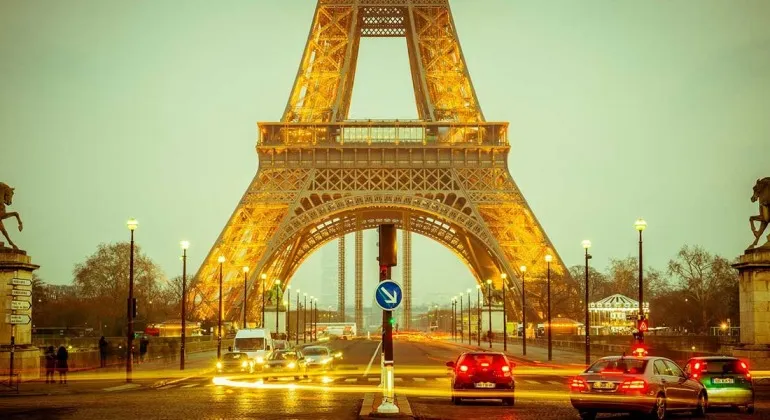
For a classic introduction to the French capital, include the Eiffel Tower in France on your itinerary . Its location near the Seine River makes it easy to combine a visit to the tower with a stroll along the river, taking photos, and visiting nearby cultural attractions. Since Paris is not a single ticketed attraction, but rather a city, visitors should plan for admission prices and opening times for each attraction separately.


Top attractions and things to do in Paris

Paris rewards tourists who take the time to explore its famous landmarks as well as its small streets, neighborhood markets, gardens, and local cuisine. The following special attractions will serve as a practical starting point for planning a first-time trip.

Visit the Eiffel Tower

The Eiffel Tower is one of the world's most famous landmarks. Built for the 1889 Exposition Universelle, the tower has become an enduring symbol of France. Visitors can admire its iron latticework from the nearby Champ de Mars, take photos of it from the Trocadero, or purchase tickets for the elevator and observation decks. Sunset and evening visits are particularly popular, although reservations are recommended during peak times. See the dedicated guide to the Eiffel Tower in France to plan your visit to the specific attraction.

Discover the Louvre Museum

The Louvre houses an extraordinary collection spanning ancient civilizations, European painting, sculpture, decorative arts, and many other artistic traditions. Its glass pyramid-shaped entrance is an architectural landmark in itself. The museum is vast, so visitors should prioritize a few collections rather than trying to see everything at once. Reserve timed tickets if necessary and check the museum's current opening hours before you travel.

Visit Notre-Dame Cathedral

Notre-Dame Cathedral is located on the Ile de la Cité, an island in the Seine River, in the historic center of Paris. Its Gothic architecture, carved facades, towers, and stained glass reflect the city's medieval heritage. After reopening in December 2024 after renovations, the cathedral is once again a major destination for visitors. See official visitor information for current admission procedures, worship times, and any restrictions on photography or group visits.

Walk along the banks of the Seine River

The riverside areas offer a great opportunity to enjoy Paris at a slower pace. Walk across historic bridges, browse riverside bookstores, admire the architecture, or take a boat trip. A river cruise allows you to see the major monuments without having to navigate busy streets, making it especially attractive for short-term travelers.

Experience Montmartre and Sacré-Cœur

Parts of the hilly area of ​​Mamaret retain a rustic feel. Explore the narrow streets, quaint cafes, artists' hangouts, and the steps leading up to the Sacré-Coeur Basilica. From the higher elevations, you can enjoy sweeping panoramas of the city. For a more leisurely stroll, come early in the day and keep personal belongings safe around crowded squares and prime photo spots.

Enjoy the gardens and historic trails

The Tuileries Garden provides a pleasant route between the Louvre area and the Place de la Concorde. The Luxembourg Garden is popular for its manicured paths, fountains, and quiet seating areas, while the Champs-Elysees leads to the Arc de Triomphe. These open spaces offer a chance to enjoy Paris in between museum visits and can be particularly rewarding for families and photographers.

Explore the food and cafe culture of Paris

Food is an essential part of a trip to Paris. Try fresh baguettes, croissants, French cheeses, pastries, crepes, and regional dishes at traditional restaurants. Neighborhood bakeries and market streets often offer more affordable options than restaurants right next to famous monuments. For a fuller experience, take time to eat leisurely rather than treat each break as a mini-break.


History and architecture of Paris

The city of Paris grew out of the ancient settlement of Lutetia, associated with the Celtic people of Paris. Roman settlements expanded on the left bank, and the city gradually became a major medieval religious, commercial, and political center. Its location on the Seine facilitated trade and communication, while royal patronage encouraged the construction of palaces, churches, and civic buildings.

In the Middle Ages, landmarks such as Notre-Dame Cathedral and the historic university district helped establish Paris as an important center of religious life and scholarship. The following centuries saw the development of royal expansion, classical architecture, cultural institutions, and increasingly ambitious public spaces. The Louvre transformed from a medieval fortress to a royal palace and finally a public museum.

The 19th century radically transformed the city. Under Napoleon III and Prefect Georges-Eugène Haussmann, wide avenues, elaborate facades, parks, and advanced infrastructure transformed many areas. The Eiffel Tower, built in 1889, was a testament to the engineering ambitions of the era. From medieval churches and classical architecture to Art Nouveau gateways and contemporary cultural buildings, these layers of history are still visible on the streets of Paris today.

Paris also has a central place in the history of painting, literature, philosophy, fashion, and the performing arts. Its museums preserve works of art from many civilizations, while its theaters, galleries, bookstores, and concert venues sustain a vibrant cultural scene. Visitors interested in architecture can observe the contrast between Gothic religious buildings, 19th-century formal avenues, and modern architecture throughout the city.


Ticket prices and entry rules

There is no general admission ticket for the main city of Paris. Visitors can enter the city, walk its public streets, and explore many open public spaces without paying an entrance fee. There are costs to enter individual attractions, museums, exhibitions, private venues, or participate in paid experiences.

General visitor expenses

Experience Cost Guide
Walking through public streets and neighborhoods Free
Exploring the riverside area open to the public Usually free
Museums and major monuments Varies depending on location and visitor qualifications.
Eiffel Tower observation deck You have to pay for the ticket; prices vary depending on the level, stairs or elevator, and age.
Seine River Sightseeing Cruise Paid; prices vary by operator and cruise type.
Guided walking tour Varies depending on guide, duration, and group size.

These are the different sections of the plan, not the guaranteed current ticket prices. Check each attraction's official website for current tariffs, booking conditions, seasonal schedules, and any special discounts for visitors.

Entry rules and practical advice

  • If possible, book timed entry tickets for popular museums and monuments in advance.
  • Please bring valid identification if proof of eligibility is required for any ticket category or discount.
  • Leave extra time for security checks at major tourist attractions.
  • Follow restrictions on large bags, tripods, flash photography, and food inside museums or religious buildings.
  • When visiting a place of worship, dress modestly and refrain from disrupting worship.
  • Before planning an itinerary around a specific location, check for closed days and special event restrictions.
  • Keep digital tickets handy and keep any transportation tickets with you until the end of the journey.

Paris can be visited all year round. The best season to visit doesn't depend on the opening hours of any particular attraction, but rather on your interests, budget, and preferred pace.


Best time to visit Paris

April to June and September to October are great times to visit Paris. These months are perfect for walking around the city, hanging out in open-air cafes, visiting gardens, taking river cruises, and exploring the neighborhoods. In spring, the parks and terraces come alive, while early fall offers a fascinating mix of cultural events and sightseeing.

July and August are popular with international tourists, and some local businesses may be operating on a limited basis during the summer holidays. Major tourist attractions and central areas can be quite crowded. Winter brings a different atmosphere, with museums, galleries, theatres, seasonal decorations, and more time spent in cafes and indoor cultural centres.

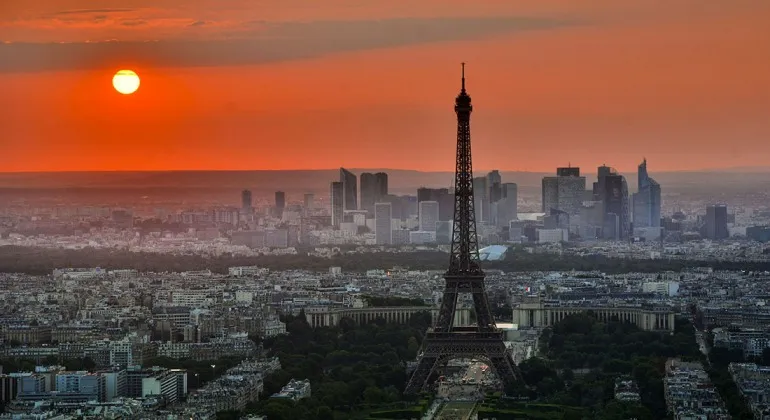
To take photos of the Eiffel Tower, consider going to the Trocadero viewpoint early in the morning or arriving before sunset. For museums, book popular times in advance and plan outdoor activities around their opening times. Paris is a great destination to visit all year round, but it's always a good idea to check the specific opening hours and temporary closures of various attractions before you travel.


Suggested Paris travel plans

One day in Paris

  • Morning: Visit the Louvre area and walk through the Tuileries Gardens.
  • Noon: Enjoy lunch at a French bakery or a neighborhood bistro.
  • Afternoon: Explore the area around the Seine, Ile de la Cite, and Notre-Dame Cathedral.
  • Evening: Head to the Eiffel Tower for scenic views and photos, or book a river cruise.

Two days in Paris

Follow the one-day itinerary at a leisurely pace, then dedicate the second day to the Montmartre and Sacré-Coeur, Champs-Elysees, and Arc de Triomphe. Add a museum or a long meal, depending on your interests. Avoid planning to visit too many ticketed attractions in one day, as security checks, lines, and moving between areas can take longer than expected.

Three days or more

In three days you can visit the Marais, Saint-Germain-des-Prés, other museums, local markets and parks. Travelers with more days may want to consider a day trip to the Palace of Versailles, subject to transportation schedules and separate admission fees. Leave plenty of time to explore the surrounding area, apart from meals and planning, which is often one of the most enjoyable parts of a trip to Paris.


How to reach

Paris has an international airport, an extensive urban rail network, regional trains, long-distance rail connections, and intercity bus services. Most international tourists arrive via Paris-Charles de Gaulle Airport or Paris-Orly Airport. Since Paris is a city rather than a single attraction, the best route depends on your hotel, arrival airport, and first planned sightseeing.

Step 1: Travel from Dhaka to Paris by air

Travelers wishing to depart from Dhaka should begin their journey at Hazrat Shahjalal International Airport (DAC). Search for flights to Paris-Charles de Gaulle Airport (CDG) by comparing connecting routes, total travel time, baggage allowance and transit requirements. Depending on the airline and schedule, the itinerary may connect via the Middle East, Europe or other international hubs. The availability of direct service may vary, so be sure to check the itinerary with the airline before booking.

Upon arrival at CDG, follow the airport signs for the RER B train, airport bus or official taxi stand. The RER B train connects the airport to central Paris stations such as Gare du Nord and Châtelet-le-Hall. Airport transfer prices and schedules are subject to change; check with the official Paris transport network before traveling.

Step 2: Depart from Orly Airport

Paris-Orly Airport (ORY) is located in the south of the city. Metro line 14 connects Orly to central Paris, and other public transport connections may also be convenient depending on the terminal and destination. A specific airport rail or metro ticket may be required. Check current fares and routes on the official Île-de-France Mobilités website before you travel.

Step 3: Use trains to travel between France and Europe

Paris has several main train stations, including Gare du Nord, Gare du Lyon, Gare Montparnasse, Gare du Nord and Saint-Lazare. Long-distance and regional services connect the capital with other cities in France and neighboring countries. If you are traveling from another destination in France, book tickets with the relevant rail operator, check the departure station and arrive well in advance to find your platform.

There is no single district headquarters from which all visitors arrive in Paris. Travelers arriving from other cities should first identify the nearest rail station, coach terminal, or airport and then choose a connecting bus to Paris. International travelers arriving from Bangladesh should plan their flights based on the airport of arrival rather than the local district bus terminal.

Step 4: Use buses and intercity coaches.

Intercity coach operators often connect Paris with many destinations in France and Europe at competitive prices. Depending on the operator and route, services may arrive at a coach terminal such as Bercy Seine or at another designated stop. Be sure to check your exact destination before booking and allow extra time for traffic when getting to your hotel or other transportation service.

Within Paris, the city bus is a great way to get to destinations that are difficult to reach by metro, and it also offers scenic views of the streets along the way. According to the published 2026 fare structure, a normal full-fare bus-tram ticket costs around €2.05. There are separate ticket categories for metro and train fares, with a normal full-fare ticket costing around €2.55. Check current regulations, train changes, and ticket validity before you travel.

Step 5: Use the metro, RER and local transport

The Paris Metro is generally the most convenient way to travel between different areas of the city center. The RER serves larger urban and suburban areas, and buses and trams operate on additional routes. Purchase an appropriate ticket or travel pass at authorized ticket machines, staffed sales points, or through the compatible official mobile application. Validate your ticket as needed and keep it handy for inspection.

Convenient public transportation options for getting to the Eiffel Tower include Bir-Hakim station on Metro Line 6, Trocadero station on Line 9, and Champ de Mars–Tour Eiffel on RER C. The most convenient stop depends on which direction you are coming from and which way you prefer to walk.

Step 6: Choose a taxi, rental car, or bicycle

Public taxis are convenient for travelers with luggage, families, or late-arriving guests. At the airport, use designated taxi stands inside the terminal rather than accepting unsolicited offers. Ride-hailing and private transfer services may also be available; compare their fares, pickup points, and luggage capacity before confirming.

Car rentals are available at both major airports and within the city, but driving in central Paris can be difficult due to traffic congestion, limited access, parking costs, and local environmental regulations. Public transportation is the preferred option for most visitors. When weather, traffic, and travel conditions are favorable, bicycle-sharing services and walking are convenient for short-distance travel.

Estimated local transportation budget

Transportation options Estimated cost Useful for this
Single bus-tram journey About 2.05 euros Short local trips
Single metro-train-RER journey About 2.55 euros Travel within the rail network
Airport rail or metro tickets About 14 euros Eligible journeys between the region and CDG or Orly
Official taxi from CDG to central Paris The published fare varies depending on the bank of the Seine; approximately €56–€65 Door-to-door airport transfer
Taxi or private transportation from Orly Varies depending on route, service and specific fares applicable. Door-to-door transfer
Car rental Varies depending on vehicle, date, insurance and parking. Regional travel and flexible travel

These amounts are planned estimates based on published transportation information for 2026, not guaranteed prices for each route or service. Please check with government transportation authorities and taxi fare guidelines before traveling.

Nearby attractions and directions

Once you reach central Paris, the Seine River and its bridges serve as essential geographical landmarks. The central areas are convenient for exploring, with the Louvre, Notre-Dame Cathedral, and the historic Ile de la Cité all within easy reach, while the Eiffel Tower is further west. Use an offline map or a modern navigation app to plan your visit and reduce unnecessary travel around the city.

Paris, France

GPS: 48.85885895, 2.3470599
Get Directions

Where to eat

Paris has it all, from traditional French restaurants and neighborhood bakeries to international cuisine, food markets, and modern dining rooms. To discover local flavors, venture off the busiest tourist streets and explore the residential neighborhoods around the Marais, the Latin Quarter, Canal Saint-Martin, and Saint-Germain-des-Prés.

A French classic worth tasting

  • Breakfast: A croissant or pain au chocolat with coffee from the neighborhood bakery.
  • Lunch: Baguette sandwich, quiche, crepe, or daily menu from a local cafe.
  • Dinner: Traditional bistro dishes, seasonal vegetables, cheeses and regional specialties.
  • Desserts: Macarons, eclairs, fruit tarts and other French patisseries.

Restaurants near major monuments may charge higher prices than establishments a few streets away. Look for clearly displayed menus, ask if service charges are included, and check opening hours before making any special trips. A simple meal at a bakery can be an effective way to control costs without missing out on French food culture.

Market and dietary requirements

Street markets and specialty food stalls offer a variety of fruits, breads, cheeses, and prepared foods. Vegetarian, vegan, halal, and gluten-free options are available throughout the city, although availability varies by area and restaurant. If you have any dietary restrictions, contact the restaurant in advance and make them clear when ordering.

For an evening experience, you can have dinner at a nearby restaurant before strolling along the Seine River or seeing the illuminated eiffel Tower . Make reservations in advance at popular restaurants, especially on weekends and major holidays.


Where to stay?

Choosing the right area can make a significant difference to your Paris itinerary. The best location depends on your budget, preferred environment, arrival station, and the attractions you want to see. Compare the total cost of your stay with the time and cost required to get around the city.

Central Paris and the Louvre area

Accommodation around the Louvre and the central areas is convenient for museums, historic streets, gardens, and riverside walks. This area is especially suitable for first-time travelers and people with short travel schedules. Hotels and apartments can be expensive, especially during major events and high demand.

Saint-Germain-des-Pres and the Latin Quarter

These areas are attractive to those who like bookstores, historic cafes, museums, and walkable streets. The Latin Quarter is also within walking distance of educational institutions and the Luxembourg Gardens. When comparing homes, consider the street noise and the size of the rooms, as historic buildings can vary considerably.

Le Marais

The Marais is a great choice for travelers interested in galleries, boutiques, historic architecture, and restaurants. It offers a lively atmosphere and convenient access to central attractions, although some streets can be busy in the evenings.

Montmartre

Mamart is suitable for travelers who like artistic features, hillside roads, and a neighborhood atmosphere. It can be an alternative to some of the hotel areas in the city center, but those with mobility restrictions or traveling with heavy luggage should consider the steep paths and distance to certain attractions.

Accommodation budget and booking

Prices vary widely depending on the season, room type, hotel class, and advance booking conditions. Compare the final price, including applicable taxes and fees, and check cancellation policies before paying. Check the nearest metro station and your arrival airport. For longer stays, a hotel with convenient public transportation and a nearby bakery or supermarket may be more affordable than a more expensive address next to a major monument.


Travel tips and visitor safety

Paris is a major international city, and prudent travel habits can help tourists enjoy it with confidence. Keep phones, wallets, passports, and other valuables safe, especially in crowded transportation stations, popular attractions, and busy lines. Be wary of distractions, unwanted assistance at ticket machines, and unauthorized ticket sellers.

  • Use the official website to book sightseeing tickets and airport transfers.
  • Keep a digital and separate backup copy of important travel documents.
  • Check for Metro service announcements and planned maintenance before traveling late at night.
  • Use marked pedestrian crossings and be careful when cycling or crossing busy roads.
  • Before paying, make sure to check the restaurant bill, transportation fare, and tour inclusions.
  • Bring a payment method accepted in France and check if there are any international transaction fees.
  • Learn some basic French expressions, including bonjour, merci, s'il vous plaît, and excusez-moi.
  • Please allow extra time for museum security, major events, and station changes.

Travelers from Bangladesh should check France's current entry regulations, Schengen visa regulations where applicable, passport validity, travel insurance requirements and transit visa requirements well in advance of their departure. Entry regulations depend on nationality, residency status and purpose of travel. Consult the French consular authorities' guidelines for the requirements applicable to your situation.

For emergency assistance in France, dial the European emergency number 112. The police emergency number is 17, and the fire brigade can be reached on 18. Before leaving home, save the address of your accommodation and the contact details of your airline or travel agency.


Frequently Asked Questions

These practical answers address common questions about Paris travel, transportation, sightseeing, budgeting, and travel planning.


Nearby attractions

Paris has an incredible collection of sights, museums, gardens, historic sites, and cultural institutions. Depending on the time at hand and your preferences, the following places can be added to a city-center itinerary.

The Eiffel Tower is one of the most iconic landmarks in Paris and a must-see for many first-time visitors. Explore the surrounding Champs-de-Mars, enjoy the view from the Trocadero, or book a ticket to access one of the observation decks. Allow extra time for ticket checks and security, especially during peak travel seasons.

Louvre Museum

One of the world's most famous museums, the Louvre houses a vast collection of art and antiquities. Its sheer size makes it worth planning ahead. Combine a visit to the museum with a visit to the Tuileries Gardens and nearby historic streets for an effective walking itinerary in central Paris.

Notre-Dame Cathedral

Notre-Dame, located on the Île de la Cité, is an outstanding example of Gothic architecture and an important part of Paris' religious and cultural heritage. Visitors should check current official access regulations, opening hours, and worship schedules before visiting.

Arc de Triomphe and Champs-Elysees

The Arc de Triomphe is a monument to French military history and is located in a prominent location on Place Charles de Gaulle. The adjacent Champs-Elysees Avenue is known for its shopping, restaurants, and ceremonial events. Use the designated pedestrian underpass to reach the monument safely.

Montmartre and Sacré-Cœur Basilica

The city is a popular destination for tourists interested in art, historic streets, and scenic views. Sacré-Coeur stands tall above its surroundings and is a well-known feature of the Parisian skyline. Explore the area on foot, allowing plenty of time for its slopes and stairs.

In my opinion

Housed in a former railway station, the Musee d'Art is particularly known for its Impressionist and Post-Impressionist collections. It's a great choice for travelers interested in 19th and early 20th century art. Be sure to check exhibition schedules and ticket availability before planning your trip.

Luxembourg Garden

The Luxembourg Gardens have manicured paths, fountains, tree-lined areas, and places to take breaks between sightseeing. The surrounding Left Bank area is ideal for a leisurely stroll through cafes, bookstores, and historic streets.

Saint-Chapel

Sainte-Chapelle is famous for its Gothic architecture and extraordinary stained glass windows. Its location on the Île de la Cité makes it easily accessible from nearby historical sites. It is worth checking in advance for access and security requirements.

Palace of Versailles

Located just outside the center of Paris, the Palace of Versailles features royal chambers, manicured gardens, and an important insight into the history of French royalty. Plan a separate trip for it, as the transportation, entrance fees, and time it takes to explore the grounds can make it a full-day activity.

For the most convenient route, visit nearby central attractions together and use the metro or RER for longer journeys. Combine the Eiffel Tower with the surrounding riverside area and sights in western Paris, or visit the Louvre, Notre-Dame, and Sainte-Chapelle as part of a central historical itinerary. Check the timetable for each site before you set off.

Frequently Asked Questions (FAQ)

April to June and September to October are great times to visit Paris for walking, sightseeing, gardening and outdoor dining. July and August are popular but can be quite busy, while winter is a great time to visit museums, galleries and enjoy the city's seasonal experiences. The ideal time depends on your budget, preferred activities and ability to cope with crowds. Check the opening times of each attraction before booking.

Explore The Area

Top Attractions & Places to Visit in Paris

Discover more heritage, nature, and must-visit spots across Paris.

View all in Paris
logo ColoZai

ColoZai is a trusted travel guide and destination explorer platform in Bangladesh. We are making travel simple, authentic, and accessible for everyone.

Need Help ?

We are Always here for you! Knock us on Whatsapp (10AM - 10PM) or Email us.