Great Wall of China

Great Wall of China

Beijing
·

26 September 2026

Travel Overview & Quick Facts

Directions
Location
Beijing
Admission / Entry Fee
The entrance fee depends on which part of the Great Wall of China is being visited. At Mutianyu, the official general admission price for adults is 45 yuan per person, and there is a concessionary admission price of about 25 yuan for qualified visitors. Children under 6 years old and certain qualified visitors can enter for free, subject to applicable admission policies. The round-trip shuttle service to the scenic area usually costs about 15 yuan. Optional cable car, chairlift and toboggan rides are charged separately, usually around 100-200 yuan, depending on the combination chosen. At Badaling, the general admission price for adults is 40 yuan from April to October and 35 yuan from November to March; discounted tickets cost 20 yuan and 17.50 yuan, respectively. Cable cars, guided tours and other transportation costs are additional. Check the official ticketing websites before visiting, as prices and concessions are subject to change.
Best Time to Visit
April to May and September to October; weekday mornings are especially recommended.
Opening Hours
Mutianyu: Monday - Friday 7:30am - 6:00pm; Saturday - Sunday 7:30am - 6:30pm (March 16 - November 15). Daily 8:00am - 5:30pm (November 16 - March 15). Opening hours may be extended due to special evening events. Badaling: Daily 6:30am - 4:30pm (April - October); Daily 7:30am - 4:00pm (November - March).
Google Rating
★ 4.4 (19163 reviews)
Category / Type
UNESCO World Heritage Sites, Historical Monuments, Ancient Architecture, Scenic Hiking Destinations

Introduction to Great Wall of China

The Great Wall of China is one of the world's most remarkable historical monuments; it is a vast defensive network of fortifications that spirals across the mountains, valleys, and plains of northern China. For tourists visiting Beijing, a walk along the Great Wall offers an unforgettable experience of ancient Chinese engineering, imperial military history, and spectacular natural scenery. The sight of stone watchtowers disappearing into distant mountains has made this UNESCO World Heritage Site one of the world's most famous tourist destinations.

The Great Wall of China is not a single continuous wall, but a vast defensive system that has been built, rebuilt, and expanded by various Chinese states and dynasties over more than two thousand years. According to the Government Archaeological Survey of China, the entire Great Wall network, including walls, moats, and associated defensive ruins from various periods, extends for about 21,196 kilometers . The most famous surviving structures near Beijing belong primarily to the Ming Dynasty, which ruled from 1368 to 1644.

The Great Wall of China was inscribed on the UNESCO World Heritage List in 1987. Today, visitors can explore several easily accessible sections around Beijing, including Mutianyu, Badaling, Zhuongguan, and Huanghuacheng. Each section offers a different experience; everything from renovated walkways and cable cars to challenging hiking routes and stunning views from ancient watchtowers.

Location clarification: The Google Maps location associated with this listing identifies the Great Wall of China in the Huairou District of Beijing, which is part of the Mutianyu area. Therefore, this guide focuses primarily on visiting Mutianyu and compares it to other important parts of the Great Wall near Beijing. Opening times, ticket prices, and transportation options vary between different parts.

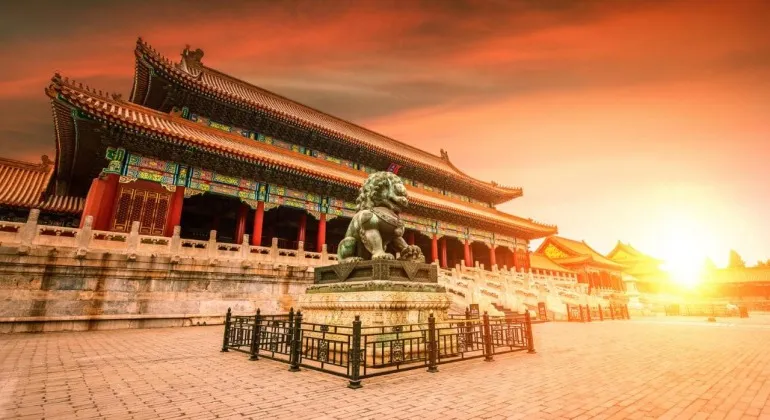
Tourists exploring Beijing's imperial heritage can visit the Forbidden City separately from their trip to the Great Wall of China . Together, these two attractions reveal two fascinating aspects of Chinese history: the fortress walls that protected the imperial domain, and the ceremonial palace complex from which emperors ruled their empires.


History and cultural significance of the Great Wall

Origin of the Great Wall

The earliest defensive walls associated with the Great Wall were built in the first millennium BC, when rival Chinese states built fortifications to protect settlements, agricultural areas, and strategic routes. After the political unification of China in 221 BC, the existing walls were extended and additional fortifications were built during the Qin dynasty under Emperor Qin Shi Huang.

Subsequent dynasties continued to expand and refine the defense system. The Han dynasty strengthened border defenses and secured important trade routes, while the Ming dynasty carried out extensive construction and reconstruction using stone, brick, rammed earth, and sophisticated military architecture.

Why was the Great Wall of China built?

The Great Wall of China served many purposes beyond blocking enemy forces. It controlled movement across border areas, monitored trade and communication routes, aided in military administration, and provided early warning of potential attacks. Strategically located watchtowers and signal towers enabled soldiers to send signals between distant outposts.

Although the fortifications could delay attacks and strengthen border defenses, the Great Wall was never an impenetrable barrier. Its effectiveness depended on military strength, political stability, geographical location, and the maintenance of troops.

The Ming Dynasty and the Great Wall of Beijing

Many well-known sites near Beijing feature Ming-era brickwork, ramparts, and watchtowers. Given Beijing's importance as the imperial capital, the mountain passes surrounding it were particularly valuable for defense. Badaling guarded a key route to the capital, while Mutianyu guarded another strategically important mountain corridor.

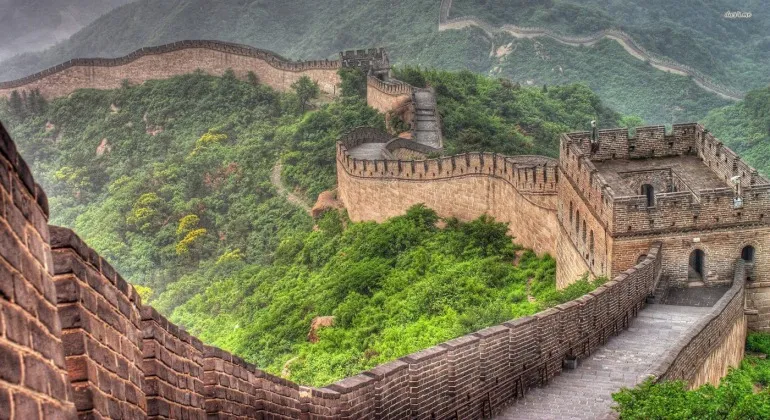
The historical origins of Mutianyu's fortress wall are more ancient, but much of its surviving defensive architecture reflects the reconstruction and strengthening of the Ming Dynasty. Its tall watchtowers, steep slopes, and unusual arrangement of towers demonstrate how builders adapted the defensive structure to the rugged mountainous terrain.

UNESCO recognition and preservation

UNESCO recognized the Great Wall of China as a World Heritage Site in 1987 due to its extraordinary cultural, historical, and architectural significance. However, its surviving sections face various challenges, including erosion, overgrowth, unplanned development, and damage caused by unauthorized climbing or construction.

Visitors can help preserve this remarkable monument by staying within designated tourist areas, avoiding fragile or unprotected structures, adhering to access restrictions, and never removing bricks or other historic materials.


The main attractions of the Great Wall of China and the best parts to visit

Mutianyu Great Wall: Scenic Walk and Best for First-Time Visitors

Mutianyu, located in Beijing's Huairu District , is one of the most attractive parts for first-time visitors. Its restored wall follows the steep mountain ridge, connecting impressive defensive towers and offering sweeping views of the surrounding mountains. Compared to Badaling, Mutianyu is often preferred by travelers seeking a less crowded experience, although it can be crowded on weekends and national holidays.

The main tourist area has about twenty numbered observation towers. Visitors can choose from a variety of walking routes depending on their time and physical ability. Cable cars and chairlifts reduce the climb required to reach the high wall, while a popular toboggan attraction provides an alternative route down the fixed route when in operation.

  • Watchtower 14 area: A popular arrival point for the enclosed cable car, which allows easy access to scenic sections of the wall.
  • Watchtower 15–20: A rewarding trail, with progressively steeper climbs and expansive mountain views.
  • Watchtower 20: Located near the northern end of the restored Western Tourist Trail and is a popular destination for avid hikers.
  • East Mutianyu: There is a separate observation tower and facilities for using chairlifts and toboggans.
  • Zhenguan Terrace: An exceptional defensive structure consisting of three interconnected towers, which highlights the architectural style of Mutianyu.

Badaling Great Wall: Best for visiting classic sights

Badaling is one of the most famous and most visited sections of the Great Wall of China. Located in the Yanqing District of Beijing, it is about 60–75 kilometers northwest of the center, depending on the starting point. It features restored walkways, towering watchtowers, and well-organized facilities for visitors.

Badaling's main advantages include convenient rail connections, well-developed tourism infrastructure, and its reputation as a traditional destination for the Great Wall of China. However, large numbers of tourists can cause traffic jams during public holidays and popular travel seasons.

Zhuongguan Pass: Best for Military Architecture

Zhuongguan is an important fortified pass, with defensive walls, towers, and historic gates. Its unique valley location helps visitors understand how the Great Wall controlled strategic routes to Beijing.

Huanghuacheng Great Wall: Best for Landscape Photography

Another Great Wall destination in the Huairu area, Huanghuacheng, is known for its relationship with nearby water bodies and mountainous landscapes. It offers a different atmosphere from the highly developed tourist areas and is popular with photographers and travelers interested in the extraordinary views of the Great Wall.

Jiankou Great Wall: For experienced explorers only

Jiankou is famous for its dramatic mountain ranges, intact fortresses, and attractive photogenic views. However, its steep and dilapidated sections can be extremely dangerous. Access restrictions and conservation rules must be observed, and independent travelers should not attempt to venture onto unsafe or forbidden paths. For most visitors, the government-maintained sections, such as Mutianyu, are more suitable.


Things to do at the Great Wall of China

Walk along the ancient defensive wall

Walking the Great Wall of China is an essential experience. As the path climbs and descends along the mountainside, visitors are greeted by the wall's crenellated ramparts, defensive towers, steep stone steps, and panoramic views. Each step reflects the immense physical effort required to build a fortress in such difficult terrain.

In Mutianyu, allow about two to four hours to walk and explore the wall. It is possible to see the area in less time using the cable car, but it can take significantly longer to walk the long distance.

Explore historic watchtowers

The watchtowers on the Great Wall of China served as observation posts, defensive positions, and shelters for soldiers. Some of these included enclosed rooms, open observation areas, and rooftops. By touring the interior of the authorized towers, visitors can appreciate the realistic design of Ming Dynasty military architecture.

Experience the Mutianyu Cable Car

Mutianyu's enclosed cable car takes passengers from the scenic area below to the high wall, significantly reducing the need to climb from the valley. It is especially suitable for families, visitors with limited time, and those travelers who prefer to focus their energy on walking along the actual fortress wall.

Try the chairlift and toboggan

Mutianyu also features a chairlift and a controlled toboggan descent on specific routes. These attractions operate separately from the main cable car system and ticket combinations may not be interchangeable. Age, height, safety and operating restrictions apply.

Take panoramic photos.

Some of the most memorable photos show the wall winding its way across distant ridges, surrounded by watchtowers and forested hillsides. Going early gives you more opportunities to photograph popular sights without the large crowds of tourists.

Learn about military history

Consider joining a licensed guide or using reliable historical interpretive materials. Understanding the function of arrow slits, ramparts, signal towers, and military passes adds depth to what might otherwise seem like just an impressive mountain hike.

Enjoy seasonal natural scenery

In spring, new vegetation sprouts on the surrounding slopes, in summer, the mountains are covered in lush green, in autumn, the foliage turns a dazzling gold and red, and in winter, the stone walls contrast dramatically with the surrounding landscape. Each season presents a different visual experience.


Great Wall of China ticket prices and entry rules

There is no single entrance ticket for visiting the entire Great Wall of China. Each operated tourist section has its own entrance system, operating hours, and optional transportation services. The following prices for the two most popular sections in Beijing will serve as a helpful guide for planning.

Ticket or service Estimated price Important information
Mutianyu Standard Adult Admission CNY 45 Officially published admission price; optional transportation not included
Discounted entry to Mutianyu CNY 25 Subject to qualifications and valid ID
Mutianyu Scenic Shuttle, Round Trip CNY 15 Connects designated visitor facilities to the entry area.
Mutianyu Cable Car or Chairlift Options Approximately 100-200 yuan Varies depending on operator, instruction, and package selected.
Badaling adult entry, April–October CNY 40 Normal high season admission price
Badaling adult access, November–March CNY 35 Off-season general admission price
Discounted entry to Badaling CNY 17.50–20 Depends on season and discount eligibility
Private transfers and guided tours Variable Transportation and guide services are usually priced separately.

Opening hours and seasonal changes

According to the peak season schedule published from March 16 to November 15, Mutianyu is generally open from 7:30 a.m. to 6:00 p.m. Monday through Friday , and from 7:30 a.m. to 6:30 p.m. on Saturdays and Sundays . From November 16 to March 15, its general schedule is approximately 8:00 a.m. to 5:30 p.m. daily. Ticket sales generally end one hour before closing, and general entry checkpoints close about 30 minutes before closing.

Badaling's published daytime hours from April to October are 6:30 AM to 4:30 PM and from November to March are 7:30 AM to 4:00 PM. Special evening activities may be conducted separately in selected sections. Temporary changes, closures, and extended events may override the normal schedule.

Important Admission Requirements

  • Passport: International visitors should carry their original passport, as identity verification may be required for ticket purchase and entry.
  • Advance booking: Online reservations are highly recommended during busy travel times, even where there is an opportunity to purchase tickets in person.
  • Children and Discounts: Subject to specific category rules, there is reduced or free admission for certain age groups and other eligible visitors.
  • Climbing Safety: Stay within officially accessible areas and follow all instructions regarding prohibited towers and walkways.
  • Drone Photography: Never assume that flying a drone for entertainment is allowed. Flying a drone may be prohibited due to aviation restrictions and local regulations.
  • Cable cars and toboggans: These services may have separate ticket counters, operating schedules, and safety restrictions.
  • Smoking and littering: Follow environmental protection rules and dispose of waste in designated areas.

Official Information: Please check the official website of the Mutianyu Great Wall (en.mutianyugreatwall.com) and the Beijing Government's Badaling Visitor Information before purchasing tickets. Published prices and schedules are subject to change without prior notice. (t20240717 3751609.html)


Best time to visit the Great Wall of China

The Great Wall of China can be visited year-round, but the months of April to May and September to October are particularly attractive for walking, photographing, and sightseeing in the beautiful surroundings. The visitor experience varies greatly depending on the season, and the best season to visit depends on your preferred scenery and ability to tolerate crowds.

Spring: March to May

In spring, the surrounding landscape is filled with lush greenery, flowering trees, and picturesque mountain views. April and May are popular months for walking and photographing the wall. Visitor numbers can increase significantly during public holidays, so it is advisable to book in advance and leave early in the morning.

Summer: June to August

In summer, the mountain slopes are green and the daylight hours are longer. This is a popular time for family trips, especially during school holidays. An early morning start gives you more time to complete a leisurely hike before returning to Beijing.

Autumn: September to November

Autumn is especially memorable in Mutianyu and other mountainous areas, where the surrounding forests are awash in red, yellow and gold. October is a favorite month for landscape photography, although it can be extremely busy during the Chinese National Day holiday.

Winter: December to February

The winter months are calm and offer beautiful views of the exposed defensive structures. On some days, the peaks may be covered in snow. However, icy stairs, temporary closures, and reduced services can disrupt hiking plans, so careful preparation is essential.

Best time of day

For most visitors, arriving close to the official opening time in the morning is a good strategy. Those who arrive early usually have a better chance of choosing a walking route and can avoid the lines. Allow at least half a day for the Great Wall of China, and a full day is best if you are visiting from central Beijing.


How to reach

The Great Wall of China spans several regions, so transportation options depend on which part is being visited. The Google Maps point for this guide is the Mutianyu Great Wall in Beijing's Huairu District . By road, Mutianyu is located about 70-80 kilometers northeast of the center of Beijing, while Badaling is generally located about 60-75 kilometers northwest. Beijing is the most convenient international gateway for travelers from Bangladesh.

Step 1: Travel from Dhaka to Beijing by air

Start your journey from Hazrat Shahjalal International Airport (DAC) in Dhaka and search for flights to Beijing Capital International Airport (PEK) or Beijing Daxing International Airport (PKX). Direct service may be available depending on the airline's current schedule; connecting flights via major airports in Asia are also an option.

Flight fares vary significantly based on season, booking date, baggage allowance, and route. As a general rule, budget approximately 35,000–90,000 taka or more for a one-way economy flight , rather than relying on verified direct fares. Compare actual fares for your intended travel dates before making arrangements.

Bangladeshi passport holders should check the applicable Chinese visa requirements and obtain the appropriate visa or entry permit before leaving the country. It should never be assumed that transit or visa-free entry will automatically apply.

Step 2: Transfer from Beijing Airport to Central Beijing

The Airport Express Railway from Beijing Capital International Airport connects to the city's subway network and is generally a cost-effective option. The fare for the Airport Express is around 25 yuan per person. Depending on distance, traffic and applicable surcharges, an airport taxi to central Beijing usually costs around 100-180 yuan.

The Daxing Airport Express connects Beijing Daxing International Airport to Caoqiao Station, from where passengers can take the subway. The fare for a standard class ticket on the regular Airport Express is around 35 yuan. Due to the longer distance, taxi fares to central Beijing are generally more expensive than those from the Capital Airport.

Central areas convenient for overnight stays include Dongzhimen, Wangfujing, Dongcheng, and areas near well-connected subway stations.

Step 3: Travel from central Beijing to Mutianyu by tourist bus

Option A: Direct Tourist Coach. Go to the confirmed departure point of the authorized tourist coach for Mutianyu, which is usually around Dongzhimen or another designated pickup point in central Beijing. Board the pre-booked coach and travel to Mutianyu. Depending on traffic and route, each journey can take around 1.5–2.5 hours. As a rough guide, expect a coach fare of around 60–120 yuan for the journey; entrance fees to attractions are not included unless specifically included. Operators, pickup points and fares may vary, so be sure to check the exact service before you travel.

Step 4: Get to Mutianyu by local public transportation

Option B: Public Bus and Local Connections. From central Beijing, take the subway to Dongzhimen Transportation Hub. Take bus 916 bound for Huairu and get off at a suitable Huairu transfer point, which is usually Huairu Beidajie. Proceed to the Mutianyu Scenic Area using any of the local routes that are in operation, such as H7, H23, H24, H35 or H36, depending on the current service type. Some routes do not run frequently or may have long waits, so check the schedule and final stop before traveling.

Allow approximately 2.5–3.5 hours for the journey by public transport, including connections. A reasonable starting budget for a one-way trip per person is 15–35 yuan, but the actual fare depends on the bus chosen and the applicable distance-based pricing. Taking a local taxi for the final leg can increase the cost significantly.

Step 5: Hire a taxi or private vehicle

Option C: Taxi or private transportation. Book a licensed taxi, approved ride-hailing vehicle, or private driver to go directly to Mutianyu from central Beijing. Depending on the starting point and traffic conditions, the journey usually takes 1.5–2.5 hours. As a rough estimate, budget around 350–650 yuan for a round-trip private car, either by bargaining or pre-booking; premium cars, waiting times, tolls, and holiday demand can increase the total cost.

Make arrangements for a return trip before entering the tourist attractions, especially if traveling alone. When renting a car, foreign travelers should keep in mind that a simple international driving permit alone does not allow driving in mainland China. A proper Chinese driving license is required.

Alternative route: reach Badaling Great Wall by train

For those who prefer rail transport, it is often easier to get to Badaling. From central Beijing, take a high-speed train to Beijing North Railway Station or another designated departure station and head to Badaling Great Wall Railway Station. The fastest services take around 20-40 minutes, depending on the departure station and train.

Depending on the service, one-way fares for second-class high-speed rail are usually 20-40 yuan. Follow the clearly marked exits, pedestrian connections, and local transportation government instructions to reach the scenic entrance from Badaling Great Wall Railway Station. It is advisable to make train reservations in advance during peak travel times.

Another option is the suburban S2 rail service, which runs on different routes and schedules. Before planning your journey, check the current departure station, number of services and destination.

From the administrative center and district headquarters of Beijing

Beijing operates as a municipality rather than a traditional district headquarters. From the Dongcheng area of ​​central Beijing, travelers can take the subway to Dongzhimen and from there head to Huairou for Mutianyu. Travelers who are already in Huairou District can use local buses or taxis to head to Mutianyu Village; depending on the exact source and route chosen, this journey from central Huairou usually takes about 30–60 minutes.

Roughly speaking, a one-way local taxi fare from the center of Huairou to Mutianyu can cost 60–120 yuan, depending on distance, waiting time, and traffic. Be sure to check the current fare displayed on the meter or app before you start your journey.

Nearby attractions for directions

  • Mutianyu Village: The main village in the Mutianyu tourist area.
  • Mutianyu Visitor Center: A main center for tickets, transportation, and visitor services.
  • Mutianyu Scenic Shuttle Station: Used to connect the following specific facilities with the entrance to the attraction.
  • Huairou District: Administrative district included in Mutianyu.
  • Badaling Great Wall Railway Station: This is the main high-speed rail entrance to Badaling, not Mutianyu.

Important: When planning your trip, don't confuse Mutianyu, Badaling, and other parts of the Great Wall of China. These are separate destinations, and traveling between them can require significant additional travel. For first-time travelers, choose one section and plan your entire day around that destination.

Great Wall of China

GPS: 40.4319077, 116.5703749
Get Directions

Where to eat

Dining options around the Great Wall of China depend on which tourist section you are visiting. There are restaurants, cafes and general food stalls in Mutianyu, the visitor center area, the entrances and nearby villages. Dining options can be more limited on the main part of the wall, so it is usually best to eat in advance or plan a meal after you get off.

Local restaurants around Mutianyu Village

Restaurants and family-run eateries around Mutianyu Village offer a variety of northern Chinese cuisine. Depending on the establishment, typical dishes may include stir-fried vegetables, wheat noodles, dumplings, chicken dishes, seasonal vegetables, and traditional regional dishes.

Budget around 35-80 yuan per person for a basic meal , although larger restaurants or those catering to international tourists may cost more. Menus, availability, and prices vary by establishment.

Fast food restaurant near the visitor center

Shops and cafes in tourist service areas may sell bottled water, tea, coffee, packaged snacks, noodles, and general food. Expect prices to be higher in busy tourist areas than in typical neighborhood shops.

Traditional Beijing cuisine

Back in the city, you can consider enjoying Beijing roast duck, steamed dumplings, Zhejiangmian noodles or regional hotpot. Districts like Dongcheng and Wangfujing areas in central Beijing offer a wide variety of restaurants, from simple noodle shops to established eateries.

Vegetarian, Halal and Dietary Considerations

Vegetarian travelers should check broths, sauces, and cooking ingredients, as dishes that appear vegetable-based may contain meat stock. Muslim travelers looking for halal food should look for clearly marked halal-certified or Muslim-run establishments in Beijing; they should not assume that every restaurant near the Great Wall of China will meet halal requirements.

Practical advice: Take drinking water and some snacks with you for your walk, especially if you plan on walking long distances. Avoid carrying extra packages and dispose of all trash in designated areas.


Where to stay?

Visitors can stay in the heart of Beijing or in Huai'o, near the Great Wall of China. The best place to stay depends on whether the Great Wall is a day trip or the focal point of a longer countryside tour.

Central Beijing: Best for first-time international visitors

Being in the heart of Beijing offers easy access to subway services, restaurants, shopping areas, and major historical sites. For tourists planning to visit for several days, Dongcheng, Dongzhimen, and Wangfujing are convenient areas.

From a hotel located in the heart of Beijing, it is also easy to visit China's forbidden City , Tiananmen Square, and other imperial attractions on another day .

According to a general estimate of accommodation plans, the cost per night in budget hotels is around 200-400 yuan, in comfortable mid-range hotels around 400-900 yuan, and in premium hotels it can be much higher. This cost can increase further during holidays, exhibitions, and popular travel seasons.

Mutianyu Village: Best for quick access to the Great Wall

Mutianyu Village and its surrounding settlements offer guesthouses, boutique accommodations, and rural accommodations. These places are especially attractive for those who want to explore the village environment, enjoy the surrounding mountain scenery, or reach the tourist area early in the morning.

Small guesthouses can start at around 250–600 yuan per night, while boutique hotels and luxury resorts in rural areas can cost upwards of 800–1,500 yuan. These are approximate rental ranges, not verified and current room rates.

Huairu District: Best for a relaxing rural trip

For tourists interested in exploring additional attractions in northeast Beijing, Huairou has a wide range of hotels and rural accommodations. Its location can be particularly convenient for travelers who are traveling from Mutianyu to other destinations in Huairou for multiple days.

Accommodation booking tips

  • Make sure the property is permitted to accommodate international guests and can complete the necessary registration process.
  • Check the actual travel distance to the selected Great Wall entrance, rather than relying solely on the hotel's general location.
  • For stays in rural areas, ask if breakfast, transportation, or transportation to and from the station is included.
  • Review cancellation policies and recent guest reviews before paying.
  • During major holidays in China, reserve accommodation well in advance of your arrival.

Practical travel tips, accessibility and safety

How much time should be allocated?

Most travelers should set aside a full day from central Beijing to visit the Great Wall of China. This usually allows enough time for transportation, tickets, walking, taking photos, eating, and the return trip. Depending on the route and transportation chosen, visiting Mutianyu usually takes about three to five hours to explore this scenic area.

What to wear and bring with you

  • Wear comfortable shoes with reliable grip for walking on uneven stone steps.
  • Bring your passport and necessary documents to enter at the discounted price.
  • Bring drinking water, personal medication, and sun protection.
  • Carry a portable phone charger and save important reservation information offline.
  • Keep some Chinese yuan on hand for small purchases or unexpected transportation costs.
  • Before starting your journey, check your clothing needs according to the season, especially in winter.

Accessibility for families and elderly visitors

Access to parts of Mutianyu is relatively easy thanks to the cable car, but the historic wall has steep stairs, uneven walkways, and wide elevation changes. It is not accessible to wheelchair users in all areas. Travelers with mobility limitations should contact the tourist center director in advance to confirm current accessibility and suitable routes.

Families with young children should choose shorter routes for walking, keep a close eye on children near stairs and platforms, and be aware of minimum height or age regulations for cable cars, chairlifts, and toboggan rides.

Mobile connectivity and payments

Digital payments are widely used throughout China, but international travelers should make appropriate payment arrangements before they travel. Many services support Alipay or WeChat Pay, although acceptance and compatibility vary from place to place. It's also a good idea to carry some cash.

International mobile roaming or a suitable travel SIM can help with route finding and translation. Some popular international websites and apps may be unavailable or limited on mainland China's internet connections, so download necessary maps, contact details and travel confirmations in advance.

Conservation and personal protection

Stay within designated visitor areas, follow safety signs, and avoid climbing unsupported ruins. Historic stairs can be steep and watchtower walkways may have low elevations or uneven surfaces. Do not climb into closed areas to take photos.

Access may be suspended by authorities due to site maintenance, strong winds, lightning, snowfall or other safety reasons. Always follow announcements from the attraction manager and local authorities.

Suggested one-day itinerary

Early morning: Depart from central Beijing to Mutianyu by pre-booked coach or private car. Morning: Arrive at the designated visitor center, complete the check-in process, and use the preferred entrance. Late afternoon: Visit selected watchtowers, enjoy the scenic views, and take photos of the restored wall. Early afternoon: Descend and have lunch near Mutianyu Village. Afternoon: Return to central Beijing with extra time for traffic and transportation connections.

It is best to consider this itinerary as a flexible framework rather than a fixed schedule, especially during public holidays or when traveling on irregular local buses.


Nearby attractions

Beijing has a wonderful mix of historical sites and scenic destinations that complement a visit to the Great Wall of China. Some attractions are located near Mutianyu in Huairou, while others are in the heart of Beijing and are best visited on a different day.

Forbidden City of China

The Forbidden City, China is one of Beijing's most important cultural attractions and a magnificent example of Chinese imperial architecture. Located in the heart of Beijing, this former palace complex served as the residence and ceremonial center of emperors during the Ming and Qing dynasties. Its vast courtyards, monumental arcades, palace rooms, and remarkable collections provide insight into the imperial civilization that the Great Wall of China helped to protect. Since it is located further away from Mutianyu, it is usually best to set aside a separate day to visit.

Huanghuacheng Great Wall

Huanghuacheng, part of the greater Huairu region, is another attractive destination on the Great Wall of China, famous for its mountainous landscape and proximity to water bodies. Tourists who have already visited Mutianyu can enjoy comparing the landscape and architectural styles of this different section. The entrance and ticketing system is different here.

Hongluo Temple

Hongluo Temple is an important Buddhist religious and cultural site in Huairou District. Its historic architecture, ornate courtyard, and mountainous setting provide a different experience from the defensive architecture of the Great Wall of China. It is a suitable alternative for tourists who stay in Huairou for more than one day.

Yankee Lake

Yanqi Lake is a scenic resort in Huai'an, surrounded by mountains and well-developed recreational facilities. It is popular for sitting by the lake enjoying the scenery, taking photos, and relaxing outdoor activities. It may be attractive to travelers who want to combine a quiet natural environment experience with visiting historical sites.

Zhuongguan Great Wall

Zhuongguan is a historic pass located at the northwest entrance of Beijing. Its preserved defensive position provides valuable insight into the relationship between natural geography and ancient military fortresses in China. It is geographically separate from Mutianyu, so it requires separate transportation planning.

Summer Palace

The Summer Palace in Beijing is famous for its majestic gardens, ornate pavilions, bridges, and sweeping lake views. Located in the urban area of ​​Beijing rather than near Mutianyu, it can be a great addition to a multi-day itinerary focused on Chinese history, architecture, and landscape design.

Suggested combination: Spend one full day at the Mutianyu Great Wall, another day exploring the forbidden City and central Beijing, and an extra day exploring the natural and cultural attractions of Huai'o if your schedule allows.

Frequently Asked Questions (FAQ)

The Great Wall of China is not a single monument in one specific location. It is a vast network of historical fortifications spread across multiple regions in northern China. The most popular tourist destinations near Beijing include Badaling, Mutianyu, and Zhuongguan. Badaling is located about 60-75 kilometers northwest of the center of Beijing, while Mutianyu is about 70-80 kilometers northeast, depending on the route. According to the map location used in this guide, the Great Wall is located in Huairu District, near Mutianyu. Both Badaling and Mutianyu are excellent options for first-time visitors.

Explore The Area

Top Attractions & Places to Visit in Beijing

Discover more heritage, nature, and must-visit spots across Beijing.

View all in Beijing

Forbidden City of China

The Forbidden City in Beijing, China , officially known as the Palace Museum (Gugong Baoyuan), is one of the most extrao...

Shafayet Al-Anik

logo ColoZai

ColoZai is a trusted travel guide and destination explorer platform in Bangladesh. We are making travel simple, authentic, and accessible for everyone.

Need Help ?

We are Always here for you! Knock us on Whatsapp (10AM - 10PM) or Email us.