
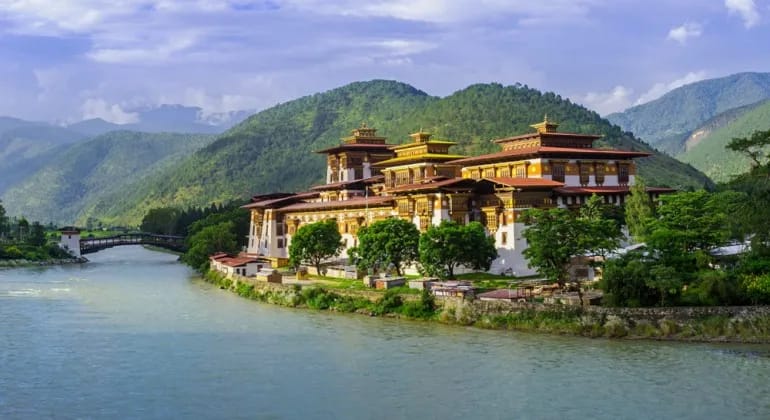
Punakha Bhutan

Punakha Bhutan

Punakha
·

21 September 2026

Travel Overview & Quick Facts

Location
Punakha
Admission / Entry Fee
Punakha city, general streets, local markets and riverside views are generally free to enjoy. Individual attractions may have separate entry fees, especially Punakha Dzong and selected cultural sites. Guided tours, rafting, transport and accommodation are included in the additional cost. Bhutan's visa processing fee and sustainable development fee are separate from the entry fee to attractions. Eligible Bangladeshi visitors may be eligible for a reduced sustainable development fee of approximately US$15 per person per night, subject to annual allocations and current government regulations. Confirm all costs before traveling.
Opening Hours
Public places in Punakha are open 24 hours; there are separate hours for visiting temples, monasteries, museums and other places of interest.
Category / Type
Cultural and historical destinations, Buddhist heritage, scenic valleys and nature, adventure and outdoor recreation

Introduction to Punakha Bhutan

Punakha, Bhutan is one of the most attractive tourist destinations in the Himalayan kingdom, home to grand Buddhist architecture, fertile river valleys, traditional villages and stunning mountain scenery. Located in western Bhutan, Punakha is renowned for its historical significance, peaceful environment and the spectacular confluence of the Pho Chu and Mo Chu rivers. For travellers seeking authentic Bhutanese culture outside the country's modern capital, Punakha offers an exceptional opportunity to get acquainted with the spiritual and architectural heritage of the kingdom.

Once the political capital of Bhutan, Punakha was the seat of national government until 1955, when the administrative capital was moved to Thimphu. The valley still holds immense religious significance, as the central monastic community here traditionally spends the winter in the picturesque Punakha Dzong . This 17th-century fortress-monastery is located at the confluence of two rivers and is widely regarded as one of Bhutan's finest architectural works.

Unlike destinations that focus on a single monument, Punakha is an entire valley and district with numerous cultural and natural attractions. Travelers can cross suspension bridges covered in prayer flags, visit sacred Buddhist temples, walk through terraced farmlands, visit traditional villages, and experience the thrill of rafting on the region's rivers. The journey itself is memorable, as the road from Thimphu descends into the Punakha Valley through scenic double-decker passes.

Punakha is a fascinating destination for history buffs, photographers, couples, families, pilgrims, and adventure seekers. Its combination of sacred architecture, traditional Bhutanese hospitality, and accessible countryside makes it particularly rewarding for tourists spending several days in western Bhutan.

Location: Punakha District, western Bhutan. Destination type: Historic valley, former capital, and cultural tourist destination. Recommended duration: Two days and one night for the main attractions, or three days for villages, hiking, and outdoor activities. Admission: Public sites are generally free; individual attractions and organized activities may be priced separately.

Map Verification Notice: No Google Maps Place URL with a verified coordinate-bearing /@latitude, longitude component could be established for the exact destination of Punakha from the available search results. Therefore, rather than providing an unverified pinpoint, the Google Maps URL and coordinate metadata have been intentionally left blank. Punakha is a geographic destination, not a single ticketed attraction, so it is not possible to reliably determine Google ratings, number of reviews, and attraction opening hours for this destination.


History and cultural significance

Punakha holds a unique place in Bhutan's history. Before Thimphu became the national administrative capital, the Punakha Valley served as an important center of religious authority, political power, and national identity. Its strategic location, river confluence, and agricultural productivity helped establish the region as a major settlement in western Bhutan.

Establishment of Punakha Dzong

The turning point in Punakha's history began in 1637, when Zhabdrung Nyaung Namgyal, an influential spiritual and political leader associated with the unification of Bhutan, founded Punakha Dzong. The fort was built at the confluence of the Pho Chu and Mo Chu rivers, making it a strategically important religious and administrative center.

Officially known as Pungthang Dewa Chenbi Phodrang, which roughly translates to 'Palace of Bliss or Bliss', the palace has become a powerful symbol of Bhutanese identity. Its massive whitewashed walls, elaborately decorated wooden structures, and richly decorated courtyards represent the kingdom's distinctive architectural heritage.

Punakha and the monarchy of Bhutan

Punakha played a significant role in the establishment of Bhutan's hereditary monarchy. On 17 December 1907, Ugyen Wangchuck was crowned as the first hereditary king of Bhutan at Punakha Dzong. The fort has since hosted nationally important royal and religious events, including the royal wedding of King Jigme Khesar Namgyel Wangchuck and Queen Jetsun Pema in 2011.

Although the political administration of Bhutan was transferred to Thimphu in 1955, Punakha retains its historical significance and spiritual importance. The district is associated with major Buddhist festivals, monastic traditions, and the preservation of Bhutanese cultural identity.

Living Buddhist tradition

Punakha is not just a historical destination reserved for tourists. Its monasteries, temples, and religious institutions are active centers of Buddhist practice. Visitors can watch monks perform daily rituals, make offerings to families, fly prayer flags over rivers, and gather for religious festivals.

One of the most important annual events is the Punakha Tshechu, a religious festival featuring traditional masked dances, elaborate ceremonial costumes, and Buddhist performances. Another unique festival is the Punakha Drubchen, which commemorates historical events related to Bhutan's defense and religious heritage. Festival dates are determined according to the Bhutanese lunar calendar and should be confirmed for the intended year of travel.


Best experiences and attractions

Punakha's biggest draw is the variety of experiences available within this relatively small valley. Visitors can combine historical architecture, Buddhist pilgrimage sites, short-distance countryside walks, river cruises, and village experiences without having to trek long distances in the mountains.

Explore the beautiful Punakha Jungle

The architectural centerpiece of the valley is Punakha Dzong , located at the confluence of the Pho Chu and Mo Chu rivers. Its impressive exterior features massive white walls, ornately carved wooden windows, a layered golden roof, and a traditional central minaret.

Visitors should allow approximately one to two hours to explore the designated areas, admire the intricate Buddhist artwork, and enjoy the fort's picturesque riverside setting. Access may vary during religious ceremonies, government functions, and monastery activities. Modest dress and respectful behavior are essential.

Cross the Punakha Suspension Bridge

The Punakha Suspension Bridge is one of the most memorable experiences in this valley. Spanning nearly 160 meters over the Pho Chu River, this pedestrian bridge is decorated with colorful Buddhist prayer flags and offers beautiful views of the river, surrounding mountains, and farmland.

This gently swaying bridge is a delight for photographers and thrill-seekers who walk across it. Although the bridge is a popular tourist attraction, visitors should follow the safety instructions posted there and avoid unnecessary crowds.

Khamsum Yuli Namgyal goes to Chorten

Khamsum Yulle Namgyal Chorten is an attractive Buddhist monument located above the Punakha Valley. To reach it, one usually has to cross a pedestrian bridge and follow a path up the mountainside through fields and rural scenery.

Depending on physical ability and starting point, the uphill walk usually takes 30 to 60 minutes. The architecture of the monastery and the view of the valley from the high point make the effort worthwhile. Travelers should wear comfortable walking shoes and allow extra time for the return journey.

Discover Chimi Lakhang

Chimi Lhakhang , located near Lobesa, is a Buddhist temple closely associated with the 15th-century teacher Drukpa Kunl, known as the 'Divine Madman'. The temple is particularly known for its fertility-related blessings and its unique place in Bhutanese religious folklore.

The route passes through traditional rural environments and farmland. Visitors can see symbolic paintings related to local religious traditions. These should be approached with cultural curiosity and respect, rather than simply as novelty attractions.

Enjoy river rafting.

Rafting on the Pho Chu or Mo Chu rivers offers a thrilling view of the Punakha landscape. Depending on the river conditions and the section chosen, the rafting experience can range from a gentle scenic journey to a more challenging white-water route.

Book with a qualified local operator who provides appropriate safety equipment, experienced guides, and a clear assessment of the situation. River activities may be suspended if water levels or other conditions make the activity unsafe.

Experience traditional village life

The villages surrounding Punakha offer another side of Bhutanese life. Visitors can observe traditional farmhouse architecture, terraced agricultural fields, fruit orchards, and the daily lives of rural communities. Areas such as Talu, Limbukha, and Ritsha offer opportunities to learn about local farming practices, religious traditions, and regional cuisine.

Village experiences are especially meaningful through local guides, community hosts, or responsible tourism operators, who ensure that local residents benefit from tourism.


Architecture and natural landscape

Punakha's architectural heritage reflects Bhutan's unique blend of spiritual symbolism, traditional craftsmanship, and realistic environmental adaptations. Religious buildings often feature thick stone walls, carved wooden windows, painted cornices, and decorative roof structures.

Traditional Rust Architecture

Punakha Dzong is one of the most impressive examples of the country's Dzong architectural heritage. Historically, these large fortified complexes combined monastic and administrative functions, allowing religious institutions and civil authorities to operate within a single architectural framework.

Inside the authorized parts of the temple, visitors can see decorated courtyards, Buddhist paintings, carved wooden elements, and ceremonial spaces. Some areas are still off-limits, as the complex continues to function as an important religious and administrative institution.

Pho Chu and Mo Chu River

Two major rivers define the geography of Punakha. The Pho Chu and Mo Chu rivers meet near Punakha Dzong to form the famous confluence of rivers, which is seen in many of Bhutan's most famous landscape photographs.

The rivers contribute to the agricultural productivity and natural beauty of the valley. The river banks offer picturesque views of mountains, traditional settlements, prayer flags, and historical sites. Visitors should exercise caution near the river, as the currents can be strong and water conditions can change rapidly.

Rice fields and rural scene

Punakha is well known for its agricultural environment, which includes cultivated terraced lands, rice fields, orchards, and hillside farms. Traditional houses are often located within fertile farmland, creating a distinct cultural landscape where architecture and agriculture are closely intertwined.

The changing seasons change the appearance of these agricultural areas, making rural photography enjoyable at different times of the year. Visitors must stay on designated paths and refrain from entering farmland without permission.


Best time to travel

March to May and September to November are generally excellent times to visit Punakha, especially for travelers interested in sightseeing, village exploration, photography, and cultural experiences. The destination is accessible year-round, although the activities available may vary depending on the season and religious calendar.

March to May

Spring is a popular time to explore Bhutan's valleys, gardens, farmlands, and religious sites. This is a great time to visit Punakha Dzong, hike to Namgyal Chorten in Khamsum Yule, and explore the surrounding villages.

September to November

Autumn is also a highly recommended time to travel, especially for scenic road trips, architectural photography, and combining destinations like Thimphu and Paro with Punakha. October and November are particularly popular months for planning a trip to western Bhutan.

December to February

Traveling in winter creates a different atmosphere, where the seasonal monastic tradition remains an important part of Punakha's cultural identity. Travelers planning to cross the Dochula Pass should be prepared for temporary road closures or changing mountain conditions.

June to August

The farmlands become especially green during the summer. However, travelers should be aware of possible disruptions to activities on mountain roads, rural paths, and river routes. Check local transportation systems and make flexible travel plans.

Recommended time to visit the attractions: For day trips, approximately 9:00 AM to 5:00 PM, depending on the opening hours of each attraction. Punakha is a populated place and does not have any universal closing times.


Ticket prices, entrance fees and rules for visitors

Punakha is not a single attraction, but rather a district and tourist center. Therefore, no general ticket is required to enter the city or to visit the public areas. The entrance fee depends on the individual monuments, activities and services selected.

General visitor expenses

Experience Entrance fee or cost Important information
Punakha city and public areas Free There are generally no entrance fees for public roads, markets, and easily accessible tourist attractions.
Punakha Jungle Separate entrances may be required for visitors. Confirm current charges, access restrictions, and guide requirements locally for foreign tourists.
Punakha Suspension Bridge Usually free Access may be temporarily restricted for maintenance or security reasons.
Chimi Lakhang Confirm locally Separate arrangements may be required for donations or visitors.
Khamsum Yuli Namgyal Chorten Confirm locally Guide arrangements and transportation costs may be additional.
River rafting Operator-dependent The price depends on the route, duration, number of group members, and security services.
Guided sightseeing Package-dependent Prices for private guides, vehicles, and organized tours are determined separately.

Bhutan Visa and Sustainable Development Fees

International visitors should consider Bhutan's immigration and tourism costs separately. As per government tourism guidelines, a fixed sustainable development fee of US$100 per adult per night is charged to most non-Indian visitors, with a reduced rate for eligible children. Indian visitors generally pay 1,200 N.U. per adult per night.

Under the funds allocated for the first 15,000 eligible Bangladeshi tourists, eligible Bangladeshi tourists can receive a discounted sustainable development fee of approximately US$15 per person per night. Availability and eligibility must be verified directly with the Bhutan Immigration or Tourism Authority before payment. A one-time visa processing fee of US$40 may also apply. These charges are not for tickets to Punakha attractions.

For current government regulations, see the official Frequently Asked Questions (faqs) of the Bhutan Tourism Department and the Bhutan Immigration Service portal . (www.immi.gov.bt)

Important rules for visitors

  • Dress modestly: Wear clothes that cover your shoulders and knees when entering temples, monasteries, and jangs.
  • Follow photography restrictions: Photography may be permitted outside, but photography inside sacred sites is often prohibited.
  • Respect religious ceremonies: Stay calm, refrain from interrupting rituals, and follow the instructions of monks or authorized guides.
  • Protect sacred objects: Do not touch murals, statues, offerings, or religious symbols without permission.
  • Respect local customs: Ask permission before taking pictures of people, especially monks and villagers.
  • Use approved operators: Choose reputable guides and activity providers for backcountry hiking and river rafting.
  • Protect the environment: Take your trash with you, stay on designated paths, and avoid disturbing wildlife.

Important: Admission prices and restrictions are subject to change. The exact current prices of attraction tickets have not been independently verified and should not be presented as fixed official prices.


How to reach

Punakha is mainly accessible by road. There is no commercial airport or passenger railway station. International travelers generally enter Bhutan through Paro International Airport or an authorized land border crossing and then continue by road through western Bhutan.

By air from Dhaka, Bangladesh

  1. Step 1: Start from Hazrat Shahjalal International Airport in Dhaka.
  2. Step 2: Book an available flight to Paro International Airport in Bhutan. Depending on the airline's schedule and travel date, direct Dhaka-Paro service may be available. Check with the airline for current operations.
  3. Step 3: Complete Bhutanese immigration formalities in Paro. Bangladeshi passport holders can apply for a visa in advance or upon arrival in Bhutan, as per applicable rules, although it is advisable to make arrangements in advance.
  4. Step 4: Arrange for a licensed local driver, tour vehicle, or approved transportation service to travel from Paro to Thimphu.
  5. Step 5: From Thimphu, continue down towards Lobesa and Punakha, crossing the Dochula Pass.
  6. Step 6: Ask the driver to take you directly to your accommodation, Punakha Dzong, Khuruthang, or any other desired local destination.

The road journey from Paro Airport to Punakha usually takes around four to five hours, depending on traffic, road conditions, stops along the way, and the location of accommodation. Travelers who prefer a more leisurely itinerary can spend a night in Thimphu before heading to Punakha.

By road from Dhaka

To travel from Bangladesh to Bhutan by land, one has to transit through India. One possible route is to travel from Dhaka to a suitable crossing on the Bangladesh-India border, proceed through the northern West Bengal region of India, and enter Bhutan via Phuentsholing.

  1. Please check the validity of your passport, conditions of entry into Bhutan, and the relevant Indian visa or transit permit for your nationality and proposed border crossing.
  2. Travel by bus, private vehicle, or a combination of local transportation for authorized Bangladesh-India border crossings from Dhaka.
  3. Proceed through India towards Jaigaon, adjacent to Phuentsholing, a border town in Bhutan.
  4. Complete the formalities of exiting India and entering Bhutan at authorized border crossing points.
  5. Arrange for onward transportation from Phuentsholing to Thimphu and Dochula Pass to Punakha.

Important: International bus services, border permits, and public transportation arrangements are subject to change. Do not assume that there are direct buses from Dhaka to Punakha. Travelers should confirm each international connection before traveling. Traveling by road usually takes much longer than flying and may require overnight stays.

By train

There is no effective passenger rail network directly connecting Bhutan to Punakha. Rail travel can only be part of an international journey via India. Travellers from Bangladesh will need appropriate entry permits and confirmed rail or road connections to India before entering Bhutan by road.

Indian Railway stations in North West Bengal may be convenient for reaching the Jaigaon-Phuensholing region, but the final journey to Punakha must be completed by road. Rail schedules and cross-border connections should be checked separately.

From Thimphu, Bhutan

Thimphu is the most convenient major city to reach Punakha. The journey by road is about 70-80 kilometers long and usually takes two to three hours, depending on the exact starting point of the journey, road conditions, and breaks.

  1. Start your journey from the center of Thimphu using a private car, tourist vehicle, or available local transportation services.
  2. Continue east along the highway and climb uphill towards Dochula Pass.
  3. If conditions are favorable, stop at Dochula Pass to admire the 108 monuments of Chorten and the surrounding mountain scenery.
  4. Continue descending the slope towards the Lobesa area.
  5. Follow local directions to Punakha Dzong, Khuruthang or your booked hotel.

For tourists with luggage or those planning to visit multiple attractions, private tourist vehicles are usually the most convenient option. Public or shared transport can reduce costs, but routes, departure points, and schedules should be confirmed locally.

From Punakha District Headquarters and Khuruthang

Khuruthang is an important commercial center in the Punakha region and a convenient base for accommodation, restaurants, and local services. Travelers staying in Khuruthang can arrange for short-distance local car or taxi rides to Punakha Dzong and nearby attractions.

The district's attractions are scattered across the valley, so it is not convenient to walk everywhere. It is recommended to use local taxis, hotel-provided drivers, or special sightseeing vehicles to visit Punakha Dzong, Hanging Bridge, Chimi Lakhang, and Khamsum Yulle Namgyal Chorten together.

Local transportation and estimated fare

Transportation options Estimated planning costs Notes
Short local taxi ride Budget is approximately 200–600 N. Informal planning allowance; arrange fare before travel.
Private sightseeing car for half a day Budget is approximately 1,500–3,500. This is an illustrative allowance, not a verified local tariff.
Private sightseeing car for the whole day Budget approximately 3,000–6,000 N. or more The vehicle class, distance, waiting time, and driver's fee affect the set price.
Private transfer from Thimphu to Punakha Request a current price quote Prices vary based on vehicle, driver, and included services.
Shared bus or public transportation Operator-dependent Availability, routes and published fares need to be verified locally.

The Nultraman, abbreviated Nu. or BTN, is the national currency of Bhutan and is pegged to the Indian Rupee. The estimated transportation allowances mentioned above are only examples for budgeting purposes, they are not verified official fares or guaranteed operator prices.

Nearby attractions for directions

  • Punakha Jungle: The main historical monument at the confluence of rivers.
  • Dochula Pass: A notable pass on the Thimphu-Punka route.
  • Lobesa: A settlement near Punakha, near Chimi Lakhang.
  • Khuruthang: A local commercial and residential center.
  • Punakha Suspension Bridge: A well-known pedestrian crossing point near Punakha Dzong.

Travelers should download offline maps, save the phone number of their accommodation, and confirm local road conditions with the driver before leaving Thimphu or Paro. Mountain roads can have sharp turns, elevation changes, and occasional temporary restrictions.


Where to eat

Punakha offers a delightful opportunity to get acquainted with Bhutanese cuisine, with traditional restaurants, hotel dining rooms, and small local eateries serving regional favorites. Khuruthang, Lobesa, and the main accommodation areas are convenient places to find food while sightseeing.

Traditional Bhutanese food worth tasting

  • Ema Datshi: A famous dish in Bhutan, made from chilies cooked with cheese and usually served with rice.
  • Kewa Datashi: Potatoes cooked in a cheese-based sauce, which is often perfect for guests looking for a less spicy dish.
  • Shamu Datshi: A dish made with mushrooms and cheese, popular in Bhutanese cuisine.
  • Jasha Maru: A delicious Bhutanese chicken dish, usually made with aromatic ingredients and chilies.
  • Momo: Steamed or fried dumplings filled with vegetables or meat, widely available in local food stalls.
  • Red rice: A distinctive staple food of Bhutan that is often served with vegetables, cheese, and meat dishes.

Restaurants and eateries

Khuruthang: This town has several eateries serving Bhutanese, Indian and other familiar cuisines. Restaurants listed in this area include Kuenga Hotel, Chicken Diner, Himalayan Restaurant and Garuda Bar & Cafe Punakha. It is advisable to double check their operational status, menu and opening hours before visiting.

Near Punakha Suspension Bridge: Small eateries and restaurants can conveniently provide refreshments after walking on the bridge and exploring the surrounding attractions. Here is a list of Bridge View Restaurants and other local eateries in the area.

Hotels and resorts: Many accommodation establishments serve Bhutanese and international cuisine. Hotel meals can be especially convenient if you are outside the main commercial areas or traveling with family.

Food budget

To create a basic budget, a working allocation of approximately 200-500 NGN per person for a typical restaurant meal can be a good idea, although the cost of meals at hotels and upscale resorts can be significantly higher. These numbers are estimates, not guaranteed menu prices. Group meals, special dietary needs, and advance orders can also affect costs.

Bhutanese food often contains chili, so those who cannot tolerate spicy food should ask for less spicy food if possible. Vegetarian dishes are widely available in Bhutanese cuisine, but travelers with strict dietary restrictions should carefully explain their needs.


Where to stay?

There are a variety of accommodation options in Punakha, from simple local hotels and cozy valley retreats to luxurious resorts with panoramic mountain views. Choosing the right place depends on your priorities, whether it's convenience, cultural sightseeing, rural beauty, or a peaceful luxury experience.

Budget and practical accommodation

Khuruthang: This commercial hub is a convenient choice for travelers who want easy access to local restaurants, shops, road transport, and essential services. Hotels listed in this area include White Dragon Hotel, Hotel River Valley, and other small hotels. Travelers should check current availability, amenities, and guest reviews before booking.

Mid-range hotels and resorts in the valley

Damchen Resort: Located in the Khuruthang area, this riverside resort is a well-established accommodation option for travelers visiting the Punakha Valley. Check directly for current amenities, room categories, and rates.

Jhinkham Resort: Known for its elevated location and scenic views of Punakha, Jhinkham is an excellent option for tourists who prefer to stay in a resort-style setting surrounded by picturesque views of the valley.

Luxury accommodation

COMO Uma Punakha: This upscale resort in the Punakha Valley is known for its scenic mountain setting, sophisticated accommodations, and thoughtful hospitality. It is especially appealing to couples and travelers looking for an intimate luxury retreat.

Dhensa Boutique Resort: Located in the Punakha Valley, Dhensa offers a retreat-style experience combining natural surroundings and high-quality hospitality. It is perfect for those who prioritize relaxation and scenic views.

Choosing the best area

  • Khuruthang: Best for easy access to shops, restaurants, and local transportation.
  • Near Punakha Dzong: Convenient for visiting historical sites and riverside trips.
  • Kabesa and the surrounding valley area: suitable for pleasant accommodation and a quiet rural environment.
  • Lobesa: This is useful for those who are traveling to Chimi Lakhang or traveling to Wangdu Phodrang via Punakha.

Accommodation tip: Book popular resorts well in advance during peak travel seasons and religious festivals. Make sure the quoted price includes breakfast, applicable taxes, transportation, and any special arrangements for international visitors. Bhutanese immigration and sustainable development fees should be budgeted separately, unless they are explicitly mentioned in the package.


Suggested itinerary for a two-day Punakha trip

A two-day itinerary provides a balanced introduction to Punakha's essential attractions while also allowing time to enjoy the countryside. With extra days at hand, travelers can explore more remote villages or add an outdoor excursion with a guide.

Day 1: Historical sites and riverside views

  • Morning: Drive from Thimphu via Dochula Pass to Punakha. En route, stop at 108 memorials and designated sightseeing spots.
  • As the afternoon progresses , proceed through Lobesa and visit Chimi Lakhang, along with time to explore the surrounding settlements.
  • Lunch: Enjoy Bhutanese food at Lobesa, Khuruthang or a roadside restaurant.
  • Afternoon: Explore the designated areas of Punakha Dzong and learn about its architecture and royal history.
  • Late afternoon: Visit the Punakha Suspension Bridge and take pictures of the river and its surrounding valley.
  • Evening: Check-in to a hotel or resort and enjoy a leisurely dinner.

Day 2: Hiking, monasteries and local culture

  • Morning: Head towards Khamsum Yulle Namgyal Chorten via rural roads, allowing enough time for the uphill walk and return.
  • As the day progresses: Explore the scenic views, riverside scenery, or nearby rural areas.
  • Lunch: You can eat at a local restaurant or have your meal arranged through your accommodation.
  • Afternoon: Choose from cultural village visits, additional monastery tours or river activities with a professional guide.
  • Evening: Return to Thimphu or spend a second night in the Punakha Valley.

Plan three days for a leisurely itinerary and include time for visits to Sangchen Dorji Luendrup Lakhang, Talu Village, local farming experiences, or long walks in the countryside.

Before finalizing your itinerary, check temple access, traffic conditions, festival schedules, and river activities. Tourist access to sacred sites may be restricted during special events.


Practical travel tips and safety

A successful trip to Punakha depends on thoughtful planning, respect for Bhutanese culture, and an awareness of the real differences between traveling in a Himalayan valley and visiting a big city.

Essential checklist for travel

  • Travel documents: Carry a valid passport and Bhutan visa or applicable entry permit.
  • Tourism Fees: Please confirm applicable sustainable development fees and visa charges before booking.
  • Local currency: Carry Bhutanese ngultrum for small purchases, local transportation, and establishments in rural areas.
  • Clothing: Bring modest clothing appropriate for religious sites, comfortable walking shoes, and clothing that can be worn in layers for altitude changes.
  • Connectivity: Check availability of international roaming or arrange a suitable Bhutanese mobile connection.
  • Directions: Download offline maps and save hotel and driver contact details.
  • Health: Carry necessary personal medication and consider appropriate travel insurance, especially for outdoor activities.
  • Photography: Ask permission before taking pictures of people or entering protected religious sites.

Safety around rivers and bridges

Although the rivers of Punakha are beautiful to look at, caution should be exercised. Strong currents, uneven shorelines, and sudden changes in water conditions can be dangerous. Swimming in unfamiliar river sections is not recommended without reliable local safety advice.

Wear approved protective equipment and follow the instructor's instructions when rafting. Avoid intentionally jumping, running, or creating a crowd on the suspension bridge that could endanger other visitors.

Respectful cultural behavior

Walk quietly through the temple grounds, remove your shoes where necessary, and follow the instructions of monks and attendants. Photography restrictions may vary by temple, prayer room, and religious ceremony.

The Bhutanese community places great importance on religious traditions and cultural etiquette. Tourists who respectfully participate in village visits, local cuisine, and guided cultural experiences are more likely to gain meaningful insights into the region.

Plans for families and older travelers

Punakha is suitable for families, but the access to the sights varies. Punakha Dzong has stairs and traditional architecture, while Khamsum Yule requires an uphill walk to Namgyal Chorten. Families with young children and travelers with mobility issues should ask their guide to modify the itinerary.

Private transportation is especially useful for older tourists, small children, or those traveling with a lot of luggage. Avoid planning to visit too many distant attractions in the same day and allow for adequate rest breaks.


Nearby attractions

Punakha district has a remarkable combination of Buddhist monuments, historical architecture, traditional villages and scenic trekking spots. A Punakha-based itinerary can include the following attractions, with travel times depending on the starting point and road conditions.

  • Punakha Dzong : Located at the confluence of the Pho Chu and Mo Chu rivers, this valley is the most important architectural and historical monument. It is a priority destination for first-time tourists interested in Bhutanese history, Buddhist art, and traditional fort architecture.
  • Punakha Suspension Bridge : A scenic pedestrian bridge spanning about 160 meters over the Pho Chu River. It is especially popular for taking photos and exploring the riverbanks.
  • Khamsum Yulle Namgyal Chorten : A highly decorated Buddhist monument located on a hillside, accessible by a scenic walk through farmland. It is particularly suitable for those who enjoy light hiking and views of the valley from a height.
  • Chimi Lhakhang : A culturally important Buddhist temple near Lobesa, associated with Drukpa Kunl and widely recognized for its fertility-related blessings and local religious traditions.
  • Sangchen Dorji Luendrup Lakhang : A beautiful Buddhist monastery and temple complex located above the valley, offering impressive religious architecture and sweeping views of the surroundings.
  • Talu Village : A traditional Bhutanese village, known for its cultural heritage, scenic beauty, and religious significance, it is perfect for those interested in learning about local life outside of the main tourist attractions.
  • Ritsha Village : A rural town known for its traditional agriculture, rice cultivation, and Bhutanese farmhouse architecture. It is a great place for agricultural and cultural photography.
  • Limbukha Village : A rural destination with distinct social traditions and agricultural landscapes, offering opportunities for responsible rural tourism.
  • Nalanda Buddhist College : A Buddhist educational institution located in the Punakha region that provides insight into the ongoing tradition of religious education and monastic life in Bhutan.

Tourists who want a more extensive itinerary in western Bhutan can also add Thimphu , Paro, and Wangdue Phodrang to Punakha . These are separate destinations or districts and should not be confused with the attractions within Punakha District.

Visit the official Bhutan Tourism website (bhutan.travel) for destination research and the latest requirements for tourists . Before publishing, ensure that all internal link paths suggested by ColoZai match the actual attraction slug on the live website.

Frequently Asked Questions (FAQ)

Punakha is located in the Punakha District of western Bhutan. It is accessible by road from Thimphu via the Dochula Pass and is located in a beautiful valley formed by the Pho Chu and Mo Chu rivers. As the former capital of Bhutan, Punakha is historically significant and is best known for punakha dzong, one of the country's most important religious and architectural monuments.

logo ColoZai

ColoZai is a trusted travel guide and destination explorer platform in Bangladesh. We are making travel simple, authentic, and accessible for everyone.

Need Help ?

We are Always here for you! Knock us on Whatsapp (10AM - 10PM) or Email us.