Paro Bhutan

Paro Bhutan

Paro
·

28 September 2026

Travel Overview & Quick Facts

Location
Paro
Admission / Entry Fee
There is no entry fee to enter Paro city and its general roads. However, tourists will need to budget separately for Bhutanese visas, Sustainable Development Fee (SDF), transport, accommodation and entry fees to attractions. The general SDF in Bhutan is US$100 per night per adult, but there is a special discount of US$15 per night for the first 15,000 eligible Bangladeshi tourists per year under the announced scheme. The general tourist visa processing fee is US$40. For example, the Bhutan National Museum charges 500 N. for entry to general tourists. There may be separate entry or service charges for individual temples, monasteries, cultural sites and guided experiences. Please check the applicable SDF category, eligibility and current fees before travelling.
Opening Hours
Open 24 hours (public areas of the city; visiting hours for each attraction vary).
Category / Type
Cultural and Heritage Destinations, Himalayan Valleys and Nature, Buddhist Pilgrimage Sites, Adventure and Trekking Destinations

Introduction to Paro Bhutan

Paro, Bhutan is one of the most beautiful and culturally significant destinations in the Eastern Himalayas. Located in western Bhutan, Paro is a historic valley town surrounded by forested hills, traditional farmhouses, terraced fields, ancient Buddhist monasteries and picturesque landscapes. Often referred to as the gateway to Bhutan, Paro welcomes international travelers via the Paro International Airport and offers access to some of the most famous cultural pilgrimage sites in the kingdom.

Paro, located at an altitude of about 2,200 meters above sea level, is a unique blend of Himalayan scenery, vibrant Buddhist heritage, Bhutanese architecture, and hospitable rural communities. The tranquil Paro Chu River flows through the valley, and traditional buildings decorated with intricate wooden windows and colorful paintings reflect Bhutan's unique architectural heritage.

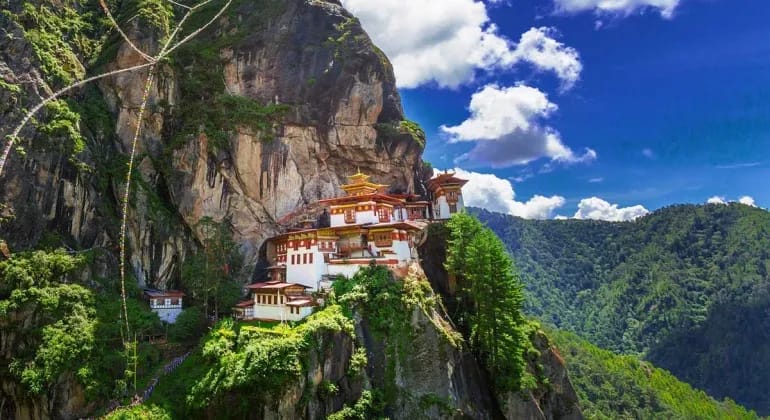
This destination is internationally famous for Paro Taktsang , also known as the Tiger's Nest Monastery . It is a magnificent Buddhist monastery built on a steep cliff high above the valley. Other important attractions include Rinpung Dzong, the National Museum of Bhutan, Kichu Lakhang, Drukgyel Dzong, and the mountainous landscape around the Chele La Pass.

Unlike a conventional amusement park or single-ticket tourist destination, Paro is an entire city and valley, with numerous distinct destinations. Visitors can explore its general streets without purchasing an entrance ticket, although certain monasteries, museums, heritage buildings, and guided activities have their own rules and fees.

Paro is particularly attractive for Bangladeshi tourists planning international travel, as there are direct flights between Dhaka and Bhutan. It also serves as an excellent starting point for exploring Thimphu and other notable sites in western Bhutan.


History and cultural significance of Paro

Paro has played an important role in the religious, political, and cultural history of Bhutan for centuries. Its strategic valley location, agricultural resources, and connection to historic Himalayan trade and pilgrimage routes helped establish it as one of the major settlements in western Bhutan.

The valley is closely associated with the development of Vajrayana Buddhism in Bhutan. According to Buddhist tradition, Guru Padmasambhava, also known as Guru Rinpoche, visited the region in the 8th century. His spiritual legacy is at the heart of the religious significance of Paro Taktsang and several other holy sites throughout the district.

Rinpung Dzong and Bhutanese tradition

One of the main historical monuments of Paro is Rinpung Dzong , commonly known as Paro Dzong. The general translation of its name is 'Fort on the Jewel'. This massively built 17th-century fort-monastery overlooks the Paro Valley and remains an important religious and administrative centre.

The architecture displays traditional Bhutanese architectural principles through massive whitewashed walls, carved wooden galleries, sloping roofs, courtyards, and religious artwork. Like many Bhutanese dzongs, it combines monastic traditions with administrative functions.

Paro Shechu Festival

The annual Paro Tshechu is one of Bhutan's most famous religious festivals. Celebrated according to the Bhutanese lunar calendar, the festival brings together monks, local communities, and visitors for elaborate masked dances, traditional music, colorful costumes, and religious ceremonies.

A particularly important ritual is the display of a large sacred embroidered thangka, traditionally known as thongdrel. Since the festival follows the lunar calendar, its Gregorian date changes each year. Travelers should check the official festival schedule before making flight and hotel arrangements.

So Paro is not just a picturesque Himalayan town, but much more. It offers an opportunity to experience Bhutan's living religious heritage, historical institutions, and distinct cultural identity.


Best experiences and things to do in Paro

Paro offers a variety of activities for cultural tourists, photographers, families, pilgrims, hikers, and visitors interested in traditional Himalayan lifestyle. The most productive itinerary is to combine its major attractions with a leisurely tour of the valley.

1. Trek to Tiger's Nest Monastery

Paro Taktsang is one of the main attractions of a trip to Paro. The monastery is located on a picturesque hill about 900 meters above the plains of the valley. Its white buildings, golden roofs and steep mountain range create one of the most recognizable scenes in Bhutan.

Visitors usually start their journey from the designated entrance located northwest of Paro town. The route to the monastery grounds involves a continuous climb through pine forests and passes prayer flags, scenic viewpoints, and a cafeteria area along the way. The entire walk takes about four to six hours, with additional time for rest and sightseeing.

The path has steep sections, uneven surfaces, and a large staircase near the monastery. Visitors should wear comfortable walking shoes, carry drinking water, and adhere to the religious norms of the place. Photography is generally prohibited inside the sacred temple.

2. Visit Rinpung Dzong

Rinpung Dzong is one of the best places to enjoy the beauty of traditional Bhutanese fortress architecture. Its impressive walls, decorated courtyards, wooden galleries, and its location on a mountainside make it particularly attractive for cultural tours and architectural photography.

A picturesque view of the fort and surrounding landscape can be enjoyed from the nearby traditional wooden bridge over the Paro Chu River. Public access may be limited during official ceremonies, religious festivals, and administrative functions.

3. Visit the National Museum of Bhutan

The Bhutan National Museum, located atop Rinpung Dzong, houses important collections that showcase Bhutan's history, religion, natural heritage, arts, and crafts. The historic Ta Dzong Watchtower forms a central part of the museum complex.

The museum exhibits religious paintings, ceremonial objects, traditional clothing, masks, historical artifacts, and other items related to Bhutanese cultural identity. This museum is particularly worthwhile for visitors who want to understand the historical context of the sites they visit.

4. Travel to Kichu Lakhang

Kichu Lhakhang is one of the oldest and holiest Buddhist temples in Bhutan. Traditionally, its foundation is attributed to the 7th-century Tibetan emperor Sangsena Gampo.

The temple grounds feature sacred statues, traditional architecture, prayer circles, and peaceful courtyards. It is an active religious site, where visitors should maintain a respectful atmosphere and adhere to local regulations regarding photography and dress.

5. Explore the traditional villages of Paro

In addition to its major monuments, Paro is known for its farmland and traditional Bhutanese farmhouses. Village experiences can include observing traditional architecture, learning about farming practices, tasting home-cooked Bhutanese food, and visiting family-run homestays.

Farmhouse visits should be respectfully arranged through the host or local guide. Some farms also offer traditional hot stone baths as a cultural and wellness experience for a fee.

6. Explore local markets and handicrafts

Paro's town center is home to shops selling textiles, prayer flags, handicrafts, souvenirs, and local products. Visitors can see traditional woven fabrics, incense, woodwork, decorative items, and Bhutanese clothing.

Shopping in the city center is a comfortable alternative to long trips around the area and also provides an opportunity to support local businesses.

7. Discover Chele La Pass

Chele La is a high pass accessible by road from Paro, usually included in day trips to western Bhutan. Situated at an altitude of about 3,988 meters, the pass offers mountain views, prayer flags, forest, and walking opportunities.

The altitude is considerably higher than Paro town, so visitors should avoid overexertion unless they are accustomed to the weather. Road accessibility and visibility depend on the season and local conditions.

Architecture, landscape and photography

Paro's scenic appeal stems from its combination of natural landscapes and traditional Bhutanese architecture. Vast agricultural fields cover parts of the valley's flatlands, while villages, monasteries, and historic forts dot the hillsides and riverbanks.

Traditional Bhutanese building

Many houses in Paro feature colorful wooden window frames, painted decorative designs, whitewashed walls, and wide roofs. Traditional architectural elements are important expressions of Bhutanese craftsmanship and religious symbolism.

Paro Chu River

Paro Chu is one of the main geographical features of this valley. The bridges, riverside roads, agricultural fields and surrounding mountains create a picturesque landscape, especially around Rinpung Dzong and the historic town.

Photography opportunities

  • Rinpung Dzong: Picture the traditional fort architecture against the backdrop of the valley.
  • Paro Taksang Viewpoint: Take photos of the Tiger's Nest Monastery from the designated outdoor viewpoint.
  • Traditional rural landscape: Explore the picturesque combination of farmhouses, fields, and mountain slopes.
  • Paro City: Take photos of ornate buildings, local streets, and traditional shop fronts.
  • Chele La Pass: Enjoy the scenic views of the mountains and colorful prayer flags from the appropriate vantage point.

Visitors should always seek permission before taking photographs of any person, private home, or religious activity. Photography may be prohibited inside monasteries and temples, even if photography outside is permitted. Drones require the appropriate permission and should not be operated without permission.


Entrance fees, tickets and visiting rules

General admission to Paro is free. Paro is not a controlled-access tourist destination, but rather a bustling city. Tourists can walk along the general streets, explore shopping areas, and enjoy accessible attractions without buying an entrance ticket.

However, international visitors need to differentiate between city entrance tickets, tickets for each attraction, and Bhutan's national tourism regulations.

Indicative cost

Item Entrance fee or cost Important information
Paro city Free There are no general admission tickets.
National Museum of Bhutan 500 for entry for general tourists. Museum admission prices are fixed; check for discounts.
Tiger's Nest Monastery Separate arrangements or packages may apply for entry to the monument. Confirm the latest applicable tourist tax.
Other ruins and temples Varies by location and type of inspector. Tourist access is limited in some areas.
Bhutan Tourist Visa $40 general application fee Separate from SDF
Standard Bhutan SDF Adult USD 100 per night Nationality-based and age-based discounts may apply.
Special Bangladeshi SDF USD 15 per night for eligible adults Subject to allocation of the first 15,000 tourists annually and applicable terms and conditions.

The general SDF in Bhutan for children between the ages of six and twelve is US$50 per night, but children under six are exempt. Travelers should check whether different rates apply under any nationality-based programs.

The special SDF scheme for Bangladeshi visitors is subject to eligibility and availability and should not be assumed to be automatically applicable to every traveler. The formal requirements can be verified through the Bhutan Tourism and Bhutan Immigration Services portals . (www.immi.gov.bt)

Opening hours

The public areas of Paro are open 24/7. However, visitor services and attractions operate on different schedules. The Bhutan National Museum is open daily from 9:00 AM to 5:00 PM, except on public and local holidays , and the ticket counter closes at 4:00 PM.

Temples, monasteries, museums and palaces may be closed for religious ceremonies, administrative activities, renovation work or special events. Visitors should confirm the opening hours of each site rather than relying on the city's general opening hours.

Important rules for visitors

  • Wear modest clothing when entering temples, monasteries, and jungles.
  • Take off your shoes as needed and follow the instructions of religious officials.
  • Do not take photos of protected indoor spaces, ceremonies, or sacred objects.
  • Avoid touching religious symbols or disturbing people during prayer.
  • Use designated walking paths and follow environmental protection rules.
  • Carry a valid ID and follow immigration and tourism regulations.
  • Arrange for professional guide services where necessary, in accordance with applicable tourism regulations.

Entrance fees and immigration policies are subject to change. All travelers should check current requirements when making reservations.


Best time to visit Paro, Bhutan

Paro is a year-round travel destination, but the months of March to May and September to November are particularly popular for visiting cultural sites, viewing Himalayan landscapes, outdoor activities, and photography.

March to May

Spring is particularly attractive for those interested in seasonal flowers, valley landscapes, and cultural festivals. The famous Paro Tshechu festival is usually held in spring, making this time especially meaningful for travelers wishing to experience Bhutan's religious heritage.

September to November

Autumn is also a popular time for tourism. Travelers often choose these months to visit forts, monasteries, villages, and picturesque hill stations.

December to February

For those looking for a more peaceful and cultural holiday, winter may be the perfect time. Some highland expeditions may require extra preparation and there is less daylight.

June to August

While summer is perfect for city trips and cultural experiences, outdoor itineraries should be kept flexible, as mountain roads and hiking trails can be affected by seasonal conditions.

For most first-time travelers, a three to four-day stay in Paro is sufficient to experience the Tiger's Nest Monastery, major cultural sites, the city center, and at least one additional valley excursion. Travelers planning a longer trek should allocate an extra day.


How to reach

Paro is located in western Bhutan and serves as the country's main international air gateway. For travelers arriving from Bangladesh, reaching Paro by air is usually the easiest option. Traveling by land through India is possible, but requires a lot of preparation and international border management.

By air from Dhaka, Bangladesh

  1. Step 1: Travel to Hazrat Shahjalal International Airport located in Dhaka, Bangladesh.
  2. Step 2: Book a flight from Dhaka to Paro with an airline currently operating this route. DrukAir operates scheduled flights between Dhaka and Paro, but the days and number of flights may vary.
  3. Step 3: Complete the applicable Bhutanese visa and SDF arrangements. Bangladeshi passport holders can apply for a visa in advance or upon arrival, although it is advisable to make arrangements in advance.
  4. Step 4: Arrive at Paro International Airport, complete immigration formalities, and collect your luggage.
  5. Step 5: Travel from the airport to Paro town using pre-arranged hotel transfers, licensed vehicles, or suitable local taxis.

Flight duration: Direct flights from Dhaka to Paro usually take around one hour to one hour and thirty minutes, depending on scheduled activities. Flights may only be available on certain days, so check the airline's current schedule before finalizing your itinerary.

Airport Transfer: Depending on the destination, Paro International Airport is located approximately 5 to 7 kilometers from the city center by road. The journey usually takes about 15 to 25 minutes. As a non-guaranteed budget, travelers can set aside approximately 500 to 1,000 NGN for a short-distance private taxi ride, but it is advisable to calculate the actual cost before traveling.

By road from Thimphu

The capital of Bhutan, Thimphu, is connected to Paro by a paved mountain highway. The distance of this road is about 50 to 55 kilometers and usually takes one to one and a half hours, depending on traffic, road conditions, and the exact starting point.

  1. Start your journey from central Thimphu or arrange to be picked up from your hotel.
  2. Travel west along the Thimphu-Paro highway through the river valleys.
  3. Proceed towards Paro Valley and follow the signs to Paro town or your chosen hotel.
  4. Use licensed taxis, tour vehicles, or available public transportation services according to your itinerary.

Transportation Budget: Depending on the vehicle, wait time, service provider, and season, a private car ride from Thimphu to Paro can cost approximately 2,000 to 4,000 NGN or more. This is an estimate, not a verified fare. Shared transportation may cost even less if available.

By bus

There is no direct scheduled bus service from Dhaka to Paro, which avoids the hassle of international borders and transit. Passengers who wish to travel by road must first enter India legally and then proceed to an authorized crossing point on the India-Bhutan border, which is usually the Jaigaon-Phuensholing area.

Bus services within Bhutan connect Phuentsholing, Thimphu and other cities. Connecting buses to Paro or taxis to the next destination may be required. Bus schedules, seat availability and eligibility for tourists should be checked before travelling, especially as tour-guiding and transport arrangements may be required for visitors.

For domestic bus travel in Bhutan, budget approximately 100 to 500 NGN for short or medium distance services, this is a general planning range, not a published route-specific fare.

By train

There is no railway station in Paro and Bhutan currently has no operational passenger rail network. Therefore, to travel by train from Bangladesh, one must first reach a suitable railway station in India and then cross an approved international border and travel by road.

Depending on the route chosen and available international connections, possible rail entry points into India include New Jalpaiguri and Hasimara. From there, travelers will need to travel by road to Jaigaon and Phuentsholing before entering Bhutan.

Before opting for this route, Bangladeshi travelers must check Indian visa or transit requirements, eligibility for entry through the land border, availability of rail services, and entry requirements into Bhutan. There is no direct train service connecting Dhaka to Paro.

By private car or tourist vehicle

As Paro's main attractions are spread across the valley, private vehicles and tour cars are best suited for sightseeing. Hotels and Bhutanese tour operators can arrange airport transfers, half-day sightseeing tours, full-day excursions, and multi-day trips.

As an approximate budget range, a private sightseeing vehicle with a driver can cost approximately 2500 to 5000 NGN or more per day, depending on the route, distance, vehicle type, and amenities included. Make sure the quoted price includes fuel, parking, waiting time, driver costs, and guide services.

Local transport within Paro

  • On foot: Paro's main shopping streets and nearby town amenities can be explored on foot.
  • Local taxis: Suitable for short distances between hotels, restaurants and nearby attractions. Agree on the fare before you start your journey.
  • Private sightseeing car: This is recommended for visiting Tiger's Nest Trailhead, Kichu Lakhang, Drukgyel Dzong, and other interesting places in the valley together.
  • Hotel transportation: Many hotels can arrange transportation and tours in advance.

Typical local taxi fares can be a few hundred baht, depending on distance and bargaining, but fares should not be assumed to be fixed. The autorickshaw and CNG fare structures familiar to tourists from Bangladesh are not an ideal way to budget for transportation in Paro.

Nearby attractions for directions

Important attractions include Paro International Airport, the Paro Chu River, Paro's central shopping area, Rinpung Dzong, and the National Museum. Travelers should check the exact location of their hotel or attractions, as the greater Paro Valley extends far beyond the city center.


Where to eat

Paro offers a variety of dining experiences, from traditional Bhutanese kitchens and family cafes to hotel restaurants serving international cuisine. Dining in Paro is a great opportunity to discover the importance of chilies, cheese, rice, seasonal vegetables, and locally produced foods in Bhutanese cuisine.

Traditional Bhutanese food worth tasting

  • Ema Datshi: A famous chili and cheese dish from Bhutan, often served with rice. It can be quite spicy.
  • Kewa Datshi: A satisfying dish made with potatoes and cheese.
  • Shamu Datshi: A dish made with mushrooms and cheese that is usually eaten with rice.
  • Jasha Maru: A Bhutanese chicken dish made with aromatic ingredients and chilies.
  • Faksha Pa: A traditional pork dish made with chili and vegetables.
  • Red rice: A distinctive staple food of Bhutan, served with vegetable and meat dishes.
  • Momo: Small steamed momos filled with vegetable or meat filling, which are widely enjoyed throughout the Himalayan region.

Where to find restaurants

Central Paro: The main area of ​​the city is convenient for general restaurants, cafes, bakeries, and small food shops. It is especially suitable for tourists staying in hotels located in the city center.

Hotel restaurants: Mid-range and luxury hotels usually serve Indian, Continental and other international cuisines as well as Bhutanese cuisine. These can be convenient for families and tourists who prefer to make reservations in advance.

Traditional Farmhouse Dining: Some homestays and farmhouses offer pre-booked dining options, featuring regional cuisine and locally sourced ingredients. These experiences can provide a deeper insight into traditional Bhutanese hospitality.

Estimated food budget

Food type Estimated budget per person
Typical local food Numbers 200–400
Typical restaurant food No. 400–800
High-end hotel dining 1,000–2,500 or more

These are not verified restaurant menu prices, but rather an approximate idea of ​​budget. Actual costs vary depending on the restaurant, menu, taxes, service charges, and season.

Food Tip: Many Bhutanese dishes contain a lot of chili. Those who prefer milder spices can request less spice before ordering. Travelers who require halal, vegetarian, or allergy-friendly meals should check with the restaurant directly to confirm ingredients and preparation methods.


Where to stay?

Paro offers a variety of accommodation options, from traditional guesthouses and budget hotels to boutique resorts and luxurious Himalayan retreats. Travelers can choose from hotels in the city center, quiet countryside accommodations, and hotels close to the scenic valleys.

Budget guesthouses and homestays

Small guesthouses and registered homestays are ideal for travelers who want a more personal experience of Bhutanese hospitality. Depending on the location, visitors can enjoy home-cooked meals and learn about daily village life.

For a basic budget, allow approximately 2,000 to 4,000 NGN per room per night for basic accommodation, although this cost can vary significantly. Make sure the establishment meets applicable tourism and accommodation regulations.

Mid-range hotel

Mid-range hotels offer convenient amenities such as private bathrooms, dining options, heating, and transportation assistance. The city center is convenient for shopping and dining, while hotels outside the city offer sweeping views of the valley.

Depending on the accommodation, travel dates, and included services, the approximate price per room per night can range from around 4,000 to 10,000 NGN.

Luxury resorts and boutique retreats

Paro is also known for its high-quality hospitality. The high-end hotels established in this valley include Como Uma Paro, Amancora Paro, Le Méridien Paro, Riverfront and other luxury accommodation options.

Luxury accommodation prices vary widely and can exceed 20,000 NGN per room per night, with some exclusive retreats costing much more. Availability, operating conditions and current tariffs should be checked directly before booking.

Choosing the best area

  • Paro city center: convenient for shopping, cafes, local restaurants, and short-distance transportation.
  • Valley area adjacent to the airport: Convenient for those who have to leave early in the morning or have a short stay.
  • Upper Paro Valley: Attractive for its rural scenery, farmhouse experience, and easy access to some cultural sites.
  • Accommodation near the entrance to Tiger's Nest: Depending on the exact location of the hotel, this is suitable for visitors who want to hike to the monastery early in the morning.

Rooms can be booked well in advance during popular festivals. International visitors should also ensure that accommodation reservations and arrangements for registered guides meet Bhutan's current tourism regulations.


Suggested Itinerary for Paro Trip

A well-planned Paro itinerary allows tourists to enjoy its heritage sites without spending time commuting every day. The following three-day itinerary is suitable for many first-time travelers.

Day One: Arrival and Cultural Introduction

  • Arrive at Paro International Airport and transfer to your hotel.
  • Visit Rinpung Dzong subject to permission and opening hours.
  • Visit the National Museum of Bhutan.
  • Walk through the central shopping area of ​​Paro.
  • Enjoy a traditional Bhutanese dinner.

Day 2: Tiger's Nest Monastery Tour

  • Start the morning with an early transfer to the Tiger's Nest trailhead.
  • Hike to Paro Taksang, which will take about four to six hours round trip.
  • Rest at appropriate sightseeing spots and follow the religious rules of the monastery.
  • Return to the hotel for a relaxing evening.
  • You might consider booking a traditional Bhutanese hot-stone bath in advance.

Day 3: Exploring temples, villages and valleys

  • Travel to Kichu Lakhang.
  • Explore the historic Drukgyel Jung area, subject to entry requirements.
  • Visit a traditional farmhouse or village as previously arranged.
  • Enjoy taking pictures of the valley and local shopping.
  • Proceed to Thimphu or Paro International Airport as per the next itinerary.

Visitors who have a fourth day to spare may want to consider a trip to Chele La Paz or an additional cultural and rural experience. Rather than cramming multiple strenuous activities into a single day, it is usually better to set aside a separate day for a trip to higher elevations.


Travel tips, safety and responsible tourism

Responsible travel to Paro helps protect the monasteries, cultural heritage, community, and natural environment. Visitors should be prepared for the mountainous terrain of this district and the special requirements of tourism in Bhutan.

Health and height awareness

The city of Paro is located at about 2,200 meters above sea level. Many tourists adapt comfortably, but visitors may feel the effects of altitude during physical activity. The Tiger's Nest Monastery and Chele La Pass are located considerably higher than the city.

Drink plenty of water, avoid unnecessary overexertion, and allow time to acclimatize before strenuous climbs. Travelers with any health conditions should seek personal advice from a qualified healthcare professional before embarking on a high-altitude expedition.

Money and Payment

The official currency of Bhutan is the nultrum (BTN), commonly abbreviated as 'nu'. The Indian rupee is also widely accepted in many places, although visitors should ensure they have payment arrangements for personal transactions.

Carry enough local currency for small purchases, taxis, and local businesses. Larger hotels may accept payment cards, but electronic payment systems should not be assumed to work everywhere. Bangladeshi taka is not generally used for everyday purchases in Bhutan.

Clothing and packing

  • Comfortable walking shoes with reliable grip.
  • Layered clothing suitable for mountain trips.
  • You must wear modest clothing in religious places.
  • Reusable water bottles and personal essentials.
  • Sun protection and a suitable day bag.
  • Passport, insurance documents and relevant travel confirmation letters.
  • A portable charger and appropriate electrical adapter.

Environmental and cultural responsibility

Bhutan places great importance on environmental conservation and cultural protection. Visitors should refrain from littering, disturbing wildlife, removing natural features, or entering protected religious areas.

Use designated hiking trails, respect local traditions, and follow the instructions of guides and monastery staff. Ask permission before photographing residents, and be especially careful during religious ceremonies.

Emergency and practical preparations

Keep copies of your travel documents, arrange return transportation, and gather contact details for your hotel and local tour operator. It is strongly recommended to have travel insurance that covers mountaineering activities and emergency medical evacuation, even if it is not a general requirement for immigration.

For official information on visas, eco-friendly tourism fees and travel regulations, consult the Bhutan Tourism Office. (bhutan.travel) Flight schedules should be confirmed with the operating airlines, including DrukAir . (drukair.com.bt)


Nearby attractions

Paro district is home to a significant number of historical monasteries, traditional temples, scenic spots and cultural monuments. The following places of interest can be visited from Paro town, which are worth adding to a local itinerary.

  • Tiger's Nest Monastery (Paro Taksang) (tigers nest monastery bhutan) : The most famous holy site in Paro, dramatically situated on a steep hilltop above the valley. The entire walk, including transportation, takes about four to six hours to reach and return.
  • Rinpung Dzong (Paro Dzong) : A historic fortress-monastery located on the banks of the Paro Chu River, famous for its architecture, religious significance, and association with the Paro Tshechu festival.
  • Bhutan National Museum : A major cultural museum located atop Rinpung Dzong, displaying important collections related to Bhutan's art, religion, history, and natural heritage.
  • Kichu Lakhang : An ancient Buddhist temple located in the Paro Valley, traditionally dated to the 7th century. It is still an important pilgrimage site.
  • Drukgyel Dzong : A historic fortress located in the Upper Paro Valley, associated with the history of Bhutan and the defense of the kingdom in the 17th century.
  • Chele La Pass : A high mountain pass connecting the Paro and Ha regions, popular for taking photos of natural beauty, prayer flags, and mountains.
  • Dungtse Lakhang : A distinctive chorten-shaped Buddhist temple near the town of Paro, known for its religious artwork and extraordinary architecture.
  • Tachog Lakhang : A traditional temple located on the Paro-Thimphu route, which is associated with the tradition of building the iron bridge by Tibetan monk Thangtong Gyalpo.

For an effective itinerary, visitors can visit Rinpung Dzong and the National Museum on one trip, and explore Kichhu Lakhang and Drukgyel Dzong on another. Tiger's Nest Monastery is best considered a separate main excursion, while Chele La Pass usually requires a few more hours or a full day.

Visiting these nearby attractions will give you a deeper understanding of Paro's historical importance, Buddhist culture, traditional architecture, and extraordinary Himalayan environment.

Frequently Asked Questions (FAQ)

Paro is a city in western Bhutan and the administrative center of Paro District. It is located in the Paro Valley, about 50 to 55 kilometers by road from the Bhutanese capital, Thimphu. The city is surrounded by the Himalayan mountains, traditional villages, agricultural fields, and historical Buddhist sites. Paro International Airport serves the valley and serves as Bhutan's main international air gateway.

logo ColoZai

ColoZai is a trusted travel guide and destination explorer platform in Bangladesh. We are making travel simple, authentic, and accessible for everyone.

Need Help ?

We are Always here for you! Knock us on Whatsapp (10AM - 10PM) or Email us.