Ulpur Zamindar Bari Gopalganj – A complete travel guide to this historic Zamindar estate

Ulpur Zamindar Bari Gopalganj – A complete travel guide to this historic Zamindar estate

Gopalganj
·

20 October 2026

Travel Overview & Quick Facts

Directions
Location
Gopalganj
Admission / Entry Fee
There is no specific entrance ticket or official entry fee for visiting the outdoor areas of Ulpur Zamindar Bari that are open to the public. There is generally no fee to visit the outside, but some buildings may be occupied, restricted, or under private control. Obtain permission before entering any building or courtyard. Costs for local guides, transportation, or other services vary and must be arranged in advance.
Best Time to Visit
Open all year round, but November to February is best.
Opening Hours
There are no officially verified opening hours. Visiting during the day is recommended, preferably between 9:00 AM and 5:00 PM, but is subject to local access.
Category / Type
Historical sites, landlord estates, architectural heritage, cultural tourism

Introduction to Ulpur Zamindar Bari Gopalganj – A complete travel guide to this historic Zamindar estate

Hidden amidst the rural landscape of Gopalganj , Ulpur Zamindar Bari is one of the most fascinating relics of the erstwhile zamindari system of Bengal. Located in Ulpur village, about 8 kilometers north of Gopalganj district headquarters, this historic estate preserves the architectural remains of an influential zamindar family, whose residences and administrative buildings once formed a vast compound. Today, its dilapidated mansions, imposing arcades, decaying pillars, and traditional courtyards offer visitors an atmospheric journey into the social and architectural history of rural Bengal.

Unlike a fully restored palace or a conventional museum, the Ulpur Zamindar Bari in Gopalganj, Bangladesh, is a collection of surviving traditional architecture scattered throughout the village. Some buildings are abandoned or in a dilapidated state, while others have been adapted for use in public administration and social services. This exceptional blend of architectural heritage and everyday village life makes Ulpur particularly attractive to history buffs, photographers, architectural researchers, and travelers looking for new destinations off the beaten path in Bangladesh.

The estate is closely associated with the Basu Roy Chowdhury family and the historic Shahpur Zamindari. The estate's description reveals that over the generations, large residential buildings, administrative quarters, ponds and religious structures were built here. Although much of the original complex has disappeared due to neglect, environmental damage and land use changes, several notable buildings still bear witness to the family's former prestige.

A visit to Ulpur is better viewed as a leisurely heritage walk than a visit to a protected monument. Travelers can admire the surviving architecture from the public open spaces, explore the surrounding villages, and learn about the transformation of the region since the end of the zamindari era. Visitors can also visit the Arpara Munshi Bari and the ujani Palace to get a broader idea of ​​the aristocratic architecture of Gopalganj.

Important information for visitors: Ulpur Zamindar Bari is not a single, institutionally managed tourist complex. The ownership, occupancy and physical condition of its buildings vary. The location shown on the map is an independently published indicator of the estate area, and not a verified entry point to each historic structure. Google Maps review statistics, visitor schedules and any specific listings on Google Places have not been independently verified. Visitors should seek local guidance and permission where necessary.
History of Ulpur Zamindar House

The history of the Ulpur Zamindar House is closely linked to the rise of influential zamindari families in Bengal. In the zamindari system, hereditary zamindars collected land revenue and exerted considerable economic and social influence over the surrounding agricultural communities. In Gopalganj, the Ulpur estate became associated with the Basu Roy Chowdhury family, whose ancestral lands were part of the historic Shahpur zamindari.

Roy Chowdhury family and Shahpur Estate

Historical accounts indicate that Ulpur was an important centre of the Bose Roy Chowdhury family's landed estates. The family's estates extended over several villages and its numerous branches were traditionally associated with a large sharecropping group. Local accounts mention about a hundred participating family households, reflecting the complexity of inherited property ownership and the family's widespread presence in the region.

In the late 19th and early 20th centuries, members of the family built significant residential and administrative properties in Ulpur. Published historical and journalistic accounts specifically link the construction of a large estate complex with the zamindar Pritish Chandra Roy Chowdhury in the early 20th century . Some reports describe an estate covering approximately 200 acres, although its historical boundaries and list of principal buildings cannot be independently established from surviving estate documents.

A village with the residence of the landlords

Rather than just a palace, the Ulpur estate included a number of buildings used by different branches of the family and the larger administration of the zamindari. These structures supported residential life, local governance, land management and social activities. Older accounts also mention ponds, religious sites and other amenities scattered around the settlement.

According to information released by the Gopalganj Sadar Upazila administration, the village still has several century-old buildings, including about seven to eight two-story buildings. Some of the surviving buildings are the Ulpur Land Office, an old Union Board Office, a health center, a sub-post office, and a former government orphanage. The functionality and accessibility of each building may change over time.

Partition, decline and end of the zamindari system

The partition of British India in 1947 brought about profound social and political changes in the region. Historical accounts indicate that many members of the Ulpur Roy Chowdhury family migrated to Kolkata and other parts of India during this period. Later land reforms and the abolition of the zamindari system brought about fundamental changes in the ownership and administration of the estates of the former zamindars of East Bengal.

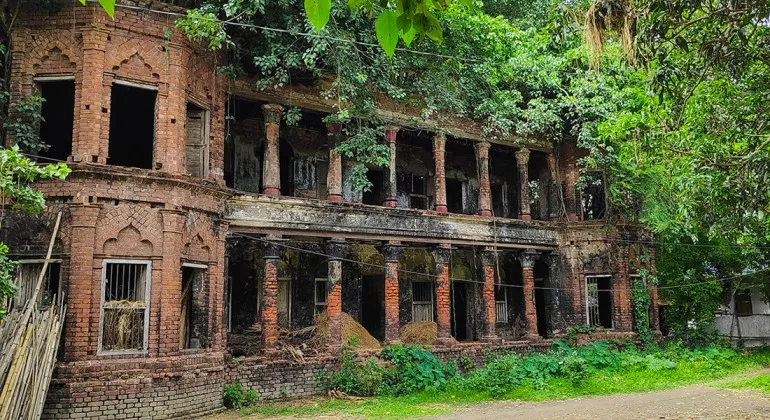
Over time, some of Ulpur's historic properties have come under government administration or have been used for other purposes. Other buildings have fallen into disrepair or been abandoned. A newspaper investigative report published in 2020 raised serious concerns about structural damage, land grabbing, and the disappearance of architectural features.

Why estates are important today

The Ulpur Zamindar Bari is valuable not only for the antiquity of its buildings, but also for its ability to demonstrate how rural power, landownership, family ties, and architecture were intertwined in historical Bengal. The estate also demonstrates the challenges of conserving privately owned or institutionally repurposed heritage properties.

For additional historical context, readers can refer to The Business Standard's report on (transylvania gopalganj one mans effort rediscover his roots 745354)the heritage of the Gopalganj Sadar Upazila administration (উলপুর জমিদার বাড়ী d30069 699563f835ce18e1c0758b56) and the history of the Roy Chowdhury family.


Architecture and main attractions

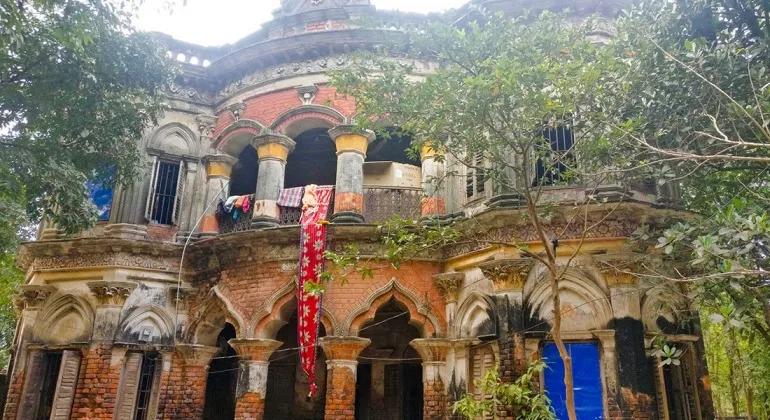
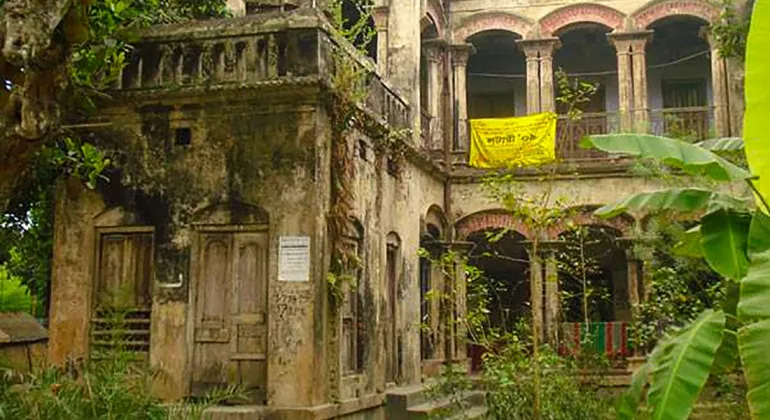
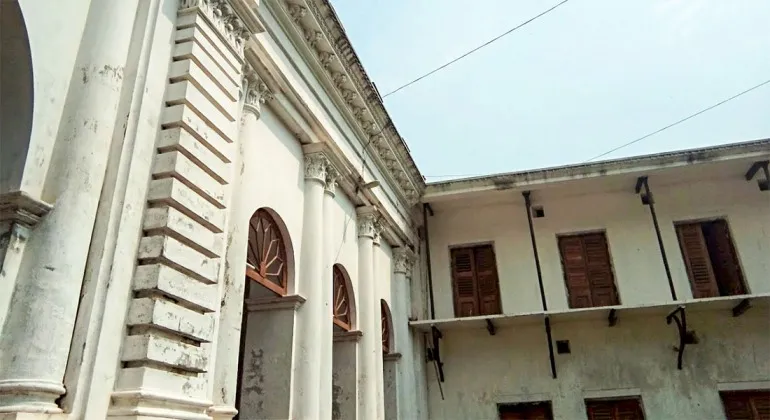
The biggest attraction of Ulpur Zamindar Bari is its surviving architecture. Although the Zamindar Bari has suffered considerable damage, the remaining buildings still retain the characteristic features of historic Zamindar Bari in Bengal. Visitors can see the two-story structure, brick pillars, arched verandahs, ornate facades, traditional courtyards, and the dilapidated masonry architecture surrounded by village trees.

1. Historic two-story building

The estate's surviving two-story buildings are among its most recognizable features. Their massive proportions indicate the wealth and social status of the original owners. The decorative pillars, symmetrical architectural elements, and wide verandas reflect the architectural preferences of wealthy Bengali families during the colonial period.

Some buildings feature repetitive arches and inward-facing entrances, which once served as access to shaded corridors and residential rooms. Their weathered surfaces and partially covered facades make for excellent photographic scenes, especially when viewed from safe public spaces.

2. Arched porch and decorative pillars

One of the most visually distinctive elements of this architectural complex is the arrangement of arches resting on solid stone pillars. These features not only provide structural support to the buildings but also contribute to their beauty. Visitors interested in architectural photography can observe the relationship between the decorative designs of the pillars, doors, windows, and walls.

Since some structural parts have been damaged, photos should be taken from a safe location. Avoid leaning on old railings, standing under visibly shaky porches, or entering the house without support.

3. Former administrative building

Several historic properties have been used as government or social institutions. Published accounts identify their past or present uses in relation to land administration, trade union activities, postal services and public welfare. These adaptations show how buildings originally associated with the authority of landlords have become incorporated into modern village administration.

Visitors should remember that operating offices, residential areas, and social facilities are not automatically open to tourists. Ask permission before entering interior rooms, taking photographs of staff or documents, or entering restricted areas.

4. Ponds, village paths and estate landscapes

Historical accounts describe ponds and extensive courtyards associated with these estates. A significant feature of many traditional Bengali zamindar residences was a water body, used for practical, recreational and ceremonial purposes. The surviving village landscape at Ulpur provides clues to the relationship between historic buildings and their rural environment.

The current layout should not be assumed to be identical to the original design of the estate. Roads, buildings, water bodies and property boundaries may have changed considerably over time. Travellers can enjoy the surrounding greenery and rural environment from accessible public paths.

5. Religious and social traditions

Older travelogues also describe smaller religious structures associated with the larger Ulpur settlement. These elements help to establish the estate as part of the daily cultural and spiritual life of the community, rather than simply a collection of aristocratic residences.

When visiting a religious site, dress modestly, follow local customs, and ask permission before entering or taking photos of worshippers.

6. Traditional village environment

Ulpur's rural setting adds depth to the experience. The farmland, local markets, narrow streets, and age-old social institutions contrast with the old grandeur of the manor houses. Visitors interested in documentary photography or cultural geography may find this interplay of historic architecture and modern rural life particularly rewarding.


Things to do at Ulpur Zamindar House

Although Ulpur Zamindar House does not have any organized entertainment or conventional museum facilities, it still offers a number of meaningful activities for travelers interested in history, architecture, and local culture.

  • Take a heritage walk: Instead of expecting a single entrance and a set tourist route, explore the accessible parts of Ulpur village and observe several surviving estate buildings.
  • Take photos of historic architecture: Capture ornate arches, dilapidated facades, columns, and surviving architectural details from a safe location.
  • Learn about landownership practices: Discuss local history with knowledgeable locals or a locally recommended guide, and remember that oral traditions may differ from written historical accounts.
  • Observe adaptive reuse: Notice how historic structures are incorporated into current administration and social life.
  • Explore the village landscape: Enjoy the surrounding paths, vegetation, and atmosphere of traditional settlements without entering private property.
  • Combine multiple heritage sites: Include other historic houses in Gopalganj to compare architectural styles and preservation status.

Recommended visit duration

Allow approximately 60-120 minutes for a leisurely visit , depending on the number of accessible buildings and the availability of a local guide. Visitors who are mainly interested in taking pictures of the exterior may need less time, while heritage researchers may prefer a longer visit based on the pre-determined time.

Photography Tips

Morning and late afternoon light can bring out the interesting textures of old buildings and architecture. A wide-angle camera lens is ideal for frontages, while a medium zoom lens allows you to get up close to decorative features without getting too close to unsafe areas. Always ask permission before taking photos of residents, staff, or people of worship.


Ticket prices, entry rules and opening hours

Ulpur Zamindar Bari is different from a conventional ticket-based tourist destination. Available travelogues do not mention any official entry counter, specific entry tickets, or centrally managed tour schedules for the entire estate.

Visitor information Details
General outdoor attractions Generally free from public access areas
Government entrance fee No published standard ticket prices have been verified.
Opening hours There is no officially verified schedule for the entire estate.
Recommended duration of visit 9:00 AM to 5:00 PM is a planning guideline, not a formal schedule.
Guided tours No standard government guide services or fees have been confirmed.
Photography Generally suitable for outdoor use, subject to privacy, property, and institutional restrictions.
Parking Formal parking arrangements for visitors have not been verified.

Important entry guidelines

  • Unless permission is granted for additional areas, only explore publicly accessible roads, paths, and open spaces.
  • Do not assume that tourists have free access to buildings used as government offices, schools, residences, or religious institutions.
  • Avoid climbing on damaged stairs, balconies, roofs, or exposed structures.
  • Do not remove bricks, decorative parts, or any other objects from historic buildings.
  • Please respect local residents and refrain from taking photos of any individuals or private interiors without permission.
  • Please check if there are any local social events, repairs, or administrative activities that will prevent access on your chosen day.

Accessibility Notice: No verified information was found regarding wheelchair-friendly paths, accessible restrooms, grab bars, and stair-free entrances. Given the age and dilapidated condition of some structures, visitors with mobility needs will need to make arrangements for transportation or limited walking and ensure appropriate access in advance.


Best time to visit Ulpur Zamindar Bari

Ulpur Zamindar Bari can be visited throughout the year, subject to local access conditions. For travelers planning to visit the heritage site, the months of November to February are particularly suitable for exploring the village and photographing the surviving buildings .

Recommended time of day

Mornings, from approximately 9:00 AM to 11:30 AM, are a good time to photograph architecture and explore the village. Late afternoon, around 3:00 PM to 5:00 PM, can also provide attractive natural light. These are suggested times for sightseeing, not verified official opening times.

How to plan your trip

  • November–February: This time is recommended for leisurely traditional walks and for including various interesting places in the district in an itinerary.
  • March–May: Suitable for short morning visits with drinking water and rest breaks.
  • June–October: Travel only when nearby walkways and access roads are in good condition and keep a safe distance from slippery pavement and bodies of water.

Regardless of the month, complete your exploration during daylight hours and avoid entering abandoned buildings after dark. Since Ulpur is a populated village rather than a fully-operated museum, be considerate of the residents and institutional activities.


How to reach

Ulpur Zamindar Bari is located in Ulpur village of Gopalganj Sadar upazila, about 8 km north of Gopalganj district headquarters. This destination can be reached by road from Gopalganj city. According to government tourism information, local buses, auto-rickshaws and similar vehicles are suitable means of transport. Passengers should ask about Ulpur village or Ulpur Zamindar Bari and confirm the drop-off location with the driver.

1. By bus from Dhaka

Traveling by intercity bus from Dhaka is usually the easiest public transportation option.

  1. Go to any of the Dhaka intercity bus departure points plying on the Gopalganj route, such as the relevant terminal or counter in the Sayedabad or Jatrabari areas.
  2. Book a bus to Gopalganj and confirm the boarding point, route, and fare directly from the operator.
  3. Many road services use the Padma Bridge corridor. Allow approximately 3.5–5.5 hours for this intercity journey, depending on departure point, traffic congestion, and road conditions.
  4. Once you reach Gopalganj, look for a connecting bus to Ulpur village. The published travel guide mentions the places needed for local transportation like Gopalganj Police Line Bus Stand and Kuadanga Bus Stand.
  5. Take a local bus, shared auto-rickshaw, battery-powered three-wheeler or reserved vehicle to Ulpur. Ask the driver to stop near the historic landlord buildings or any of the locally known attractions in Ulpur.

Estimated budget for Dhaka-Gopalganj bus: Plan to budget around Tk 400-900 per person for a normal intercity service. Air-conditioned or premium services may cost more. These figures are not the operator's current fares; check the current fares before purchasing a ticket.

2. From Gopalganj District Headquarters

The journey from Madhya Gopalganj to Ulpur is relatively short. The distance from the district headquarters by local road is about 8 kilometers, although the exact distance depends on where you start your journey and which specific historical building you want to see.

  • Local bus or shared three-wheeler: Look for vehicles heading towards Ulpur. Where shared services are available, budget approximately 20–60 taka per person.
  • Reserved Auto Rickshaw: This is a convenient option for visitors who want to get off directly and have the freedom to see multiple buildings. Estimated budget for a one-way journey is 200–500 taka, depending on the negotiation, type of vehicle, and route.
  • Reserved local vehicles with waiting times: For return journeys and stops at multiple heritage sites, discuss the total fare with the driver before starting the journey. An approximate plan allowance is ৳500–৳1,200, but the actual fare may vary.
  • Private Car or Motorcycle: Take the local road towards Ulpur village and confirm the final destination with the village residents. Parking arrangements should be made in such a way that the village road or entrance to the institution is not blocked.

Local fares are not independently verified current tariffs, but rather approximate budget allocations. Agree on price, destination, wait time, and return arrangements before you begin your journey.

3. By train from Dhaka

Rail travel may be an option if the Gopalganj rail network is operational. However, the availability, connections, departure times and journey times of direct trains from Dhaka to Gopalganj must be checked from the current Bangladesh Railway timetable.

  1. Check the official ticketing service of Bangladesh Railway for trains to Gopalganj or any convenient connecting station.
  2. Make sure the selected service reaches Gopalganj Railway Station directly or requires a transfer.
  3. Arrange a local autorickshaw or reserved vehicle to go from the station towards Ulpur village.
  4. Confirm your return rail connection before starting your journey.

As train schedules and routes are subject to change, do not rely on any direct service without checking. Check Bangladesh Railway e-ticketing for current availability and fares. (eticket.railway.gov.bd)

4. By air

There is no regular commercial passenger airport in Ulpur or Gopalganj city. Domestic or international passengers arriving through Hazrat Shahjalal International Airport in Dhaka can travel to Gopalganj by intercity buses or reserved road vehicles.

  1. Arrive at Hazrat Shahjalal International Airport in Dhaka.
  2. Either deliver them to the appropriate bus counter for Gopalganj or arrange for a private vehicle.
  3. Travel to Gopalganj via suitable roads.
  4. Continue your journey to Ulpur village by local transport.

For most tourists, it is easier to travel directly from Dhaka by road than to add additional road travel to a domestic flight.

5. By private car or rented vehicle

Visitors traveling with family members, elderly relatives, or photography equipment may prefer a private vehicle. The typical road route from Dhaka to Gopalganj first uses the Padma Bridge corridor and then local roads towards Ulpur. Navigation applications should be used in addition to local directions, as this historic area is spread across several buildings rather than being concentrated behind a single entrance.

When renting a car, make sure the quoted price includes fuel, bridge tolls, driver's allowance, parking, waiting time, and return journey costs. Depending on the class of car and driver, renting a private car from Dhaka for the day can cost up to several thousand taka; ask for a written price list for your specific itinerary.

6. Local sightseeing and final instructions

Necessary landmarks include Ulpur village, Ulpur market, Ulpur bridge, former Ulpur land office and Gopalganj Police Line bus stand . Older travelogues mention the density of estate buildings around Ulpur market and bridge areas. The exact location and current use of each historic house should be confirmed locally.

Map Accuracy Notice: The provided Google Maps embed uses the estate-area coordinates 23.08595, 89.84268 published in independent OpenStreetMap-based travel mapping. This indicates a feature of the Ulpur zamindar house marked on the map, but it has not been verified by Google Maps Place as the exact entrance or location of each surviving building. Independent travel websites publish different map pointers for Ulpur; therefore, visitors should not assume a single coordinate is representative of the entire estate, but should confirm the final destination with local residents.

Ulpur Zamindar Bari Gopalganj

GPS: 23.08595, 89.84268
Get Directions

Where to eat

Ulpur Zamindar Bari is a heritage site located within a populated rural area; it is not a developed tourist complex with specialized restaurants and cafes. Visitors should plan their meals around the local markets and Gopalganj town, rather than expecting formal dining facilities within this historic estate.

Food options around Ulpur village

Ulpur Bazaar and its surrounding areas may have small tea shops and local food stalls. Depending on the time of day and the type of business, visitors may find tea, biscuits, traditional snacks and simple prepared foods. Their availability and hygiene standards may vary, and one should not assume that a particular shop is open without checking.

Restaurants in Gopalganj city

Head back to Gopalganj town for a more varied menu. Typical Bangladeshi restaurants may have dishes such as fish or chicken curry with rice, vegetables, dal, paratha, khichuri, kebabs and other familiar regional dishes.

Food options Indicative budget
Tea and light snacks ৳30–৳100 per person
Typical local food ৳100–৳250 per person
Lunch or dinner at a restaurant ৳200–৳450 per person
Drinks and additional snacks ৳30–৳150 per person

These are not verified menus or fixed prices, but rather a rough idea of ​​a plan. Bring bottled water and light snacks, especially if traveling with children or elderly travelers.

Dining etiquette

Dispose of packaging responsibly, refrain from littering around historic buildings, and do not use religious premises, private courtyards, or administrative offices as picnic areas without permission. Visitors following a traditional day trip itinerary may find it more convenient to eat in Gopalganj town before heading to other attractions.


Where to stay?

Most tourists visiting Ulpur Zamindar Bari will find it more convenient to stay in Gopalganj town, where accommodation, restaurants and inter-city transport are generally readily available. Ulpur is largely a rural area, and no specific heritage hotels or formal tourist accommodation have been verified within the estate.

Low budget accommodation in Gopalganj

Travelers looking for affordable accommodation can compare local residential hotels and guesthouses located near city centers and transportation areas. Basic rooms may have a bed, fan, and either an attached or shared bathroom, while amenities such as air conditioning and reliable backup power vary from hotel to hotel.

Estimated budget: Approximately ৳800–৳1,800 per room per night, depending on availability and amenities.

Mid-range hotel

Visitors who prefer extra comfort can look for accommodations with air conditioning, private bathrooms, concierge services, and easy access to the city's restaurants. It's important to check cleanliness, security, parking, check-in policies, and reviews from past guests before booking.

Estimated budget: Around ৳1,800–৳3,500 or more per room per night, depending on the hotel and dates.

Staying in Gopalganj for a district tour.

A one-night stay is especially convenient for those planning to visit multiple destinations. Gopalganj town serves as a convenient hub for visiting Ulpur, historic family residences, picturesque waterways, and the Bangabandhu mausoleum at Tungipara .

Accommodation prices are an approximate budget range, not a guaranteed price. Please confirm room rates, ID requirements, cancellation policies, check-in times, and transportation arrangements directly before traveling.


Travel tips and safety guidelines

Ulpur Zamindar Bari is an important historical site, but lacks the infrastructure of a fully restored tourist destination. Visitors' personal safety, preservation of heritage, and respect for the local community should be prioritized.

Essential travel tips

  • Travel during the day: Leave enough time to finish sightseeing before dusk.
  • Wear appropriate footwear: Closed-toe shoes are best for rough trails, old brick roads, and village streets.
  • Do not enter unstable structures: Old floors, balconies, roofs, and stairs may appear to be accessible but may be unsafe.
  • Get permission: Some former estate buildings are used by residents, government institutions, or community organizations.
  • Arrange return transportation: Make sure you know how to return to Gopalganj, especially if using reserved autorickshaws.
  • Bring essentials: drinking water, charged phone, personal medication, and some cash for local expenses.
  • Protect heritage: Do not write on walls, remove historical materials, or damage architectural ruins.
  • Respect social activities: Keep noise levels low around places of worship, offices, schools, and residences.

Advice for families

Families with children can enjoy the educational value of the old buildings, but close adult supervision should be maintained near damaged structures, open staircases, and water bodies. This area should not be used as an adventure playground. Visitors with mobility impairments may choose to view the exterior of selected buildings with the aid of vehicles.

Responsible heritage tourism

The surviving buildings represent a fragile part of Gopalganj's cultural history. Responsible visits can help raise awareness among locals about their significance. Consider hiring an experienced local guide if possible, purchase food and drink from village shops, and disseminate accurate information about the importance of conservation.

The national emergency helpline number for emergencies in Bangladesh is 999. For non-emergency visitor-related queries, please contact the local authorities or the relevant Gopalganj administrative office.


Nearby attractions

Ulpur Zamindar Bari can be combined with a variety of historical, cultural and scenic places across Gopalganj district. Some places are suitable for short local trips, while others require separate car trips or full-day itineraries. Check the location and transportation arrangements of each destination before starting your journey.

1. Bill Root Canal

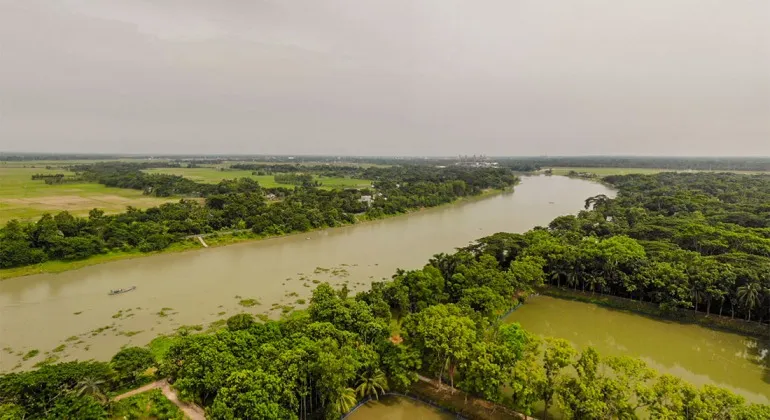
The Bilrut Canal in Gopalganj (Beel Root Canal Gopalganj) is a historic waterway in the district and is linked to the larger Madhumati River system. Historical accounts indicate that the Bilrut Canal flowed past the Ulpur Estate. As such, the waterway is a particularly relevant addition for tourists interested in how rivers and canals influenced rural settlement, transport and land ownership.

2. Arpara Munshi House

Arpara Munshi Bari is another historic residential area associated with the architectural heritage of Gopalganj. Combining these two places creates an opportunity to compare the styles of surviving buildings, the history of local families, and the preservation of old buildings.

3. Ujani Palace

ujani Palace in Gopalganj is an additional heritage destination for travelers interested in the architectural heritage of influential historical families . It is a worthwhile consideration for a district-wide heritage itinerary, although travel distances and access arrangements should be known in advance.

4. Girish Chandra Sen's house

girish Chandra Sen's house is another historical destination for visitors exploring the remarkable residences and cultural heritage of Gopalganj . Check the current condition of the property and whether it is possible to enter inside.

5. House of poet Sukanta Bhattacharya

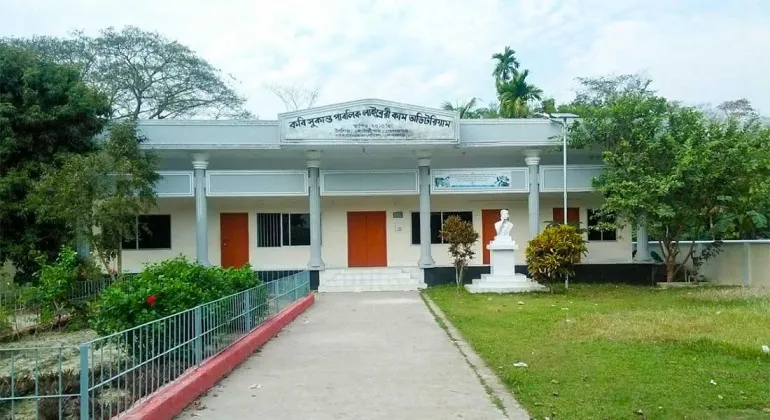
The house of poet Sukanta Bhattacharya (Poet Sukanta Bhattacharya's Home) attracts travelers interested in Bengali literature and the cultural history of the region. It offers a different perspective from the zamindari architecture of Ulpur and can enrich a literary and heritage-focused tour.

6. Bangabandhu's tomb in Tungipara

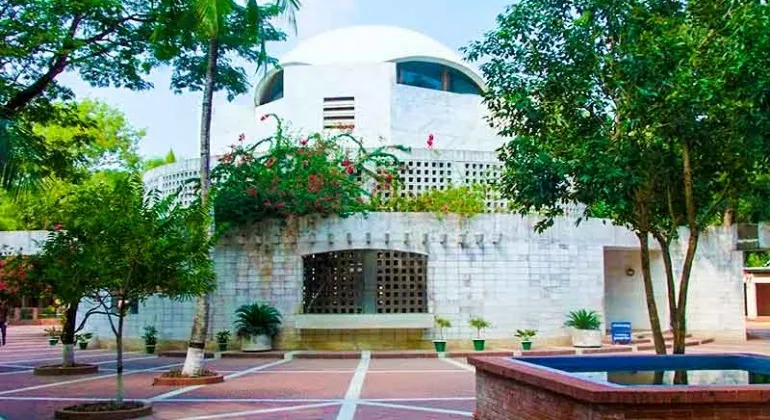
Bangabandhu's Tomb in Tungipara is an important memorial associated with Bangladesh's founding President Sheikh Mujibur Rahman. This visit provides a glimpse into the country's modern political history and can be included as part of a larger itinerary for a visit to Gopalganj, subject to current access arrangements.

7. Red Lotus Pond

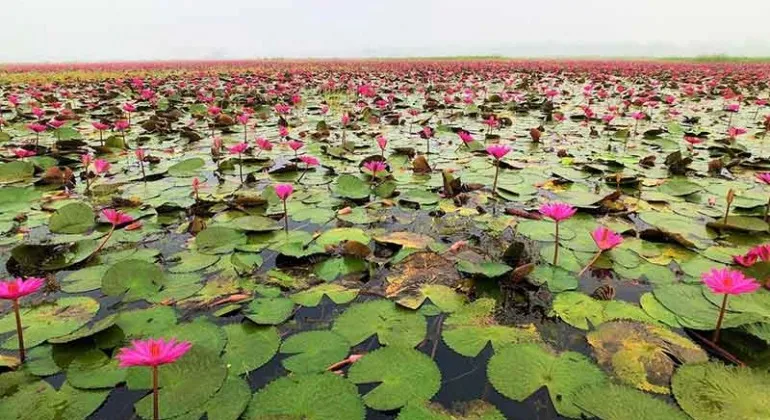
The Lal Shapla Beel in Gopalganj creates a different atmosphere from the historical buildings with its wetland environment and seasonal Shapla view. Visitors should check the flowering season, local conditions and boat availability before traveling.

8. Madhumati Baoor

Madhumoti Baor Gopalganj is a destination for tourists interested in the district's inland water bodies and natural landscapes . It can be included in a longer itinerary for photography and leisurely sightseeing. (Madhumoti Baor Gopalganj)

9. Sheikh Russell Children's Park

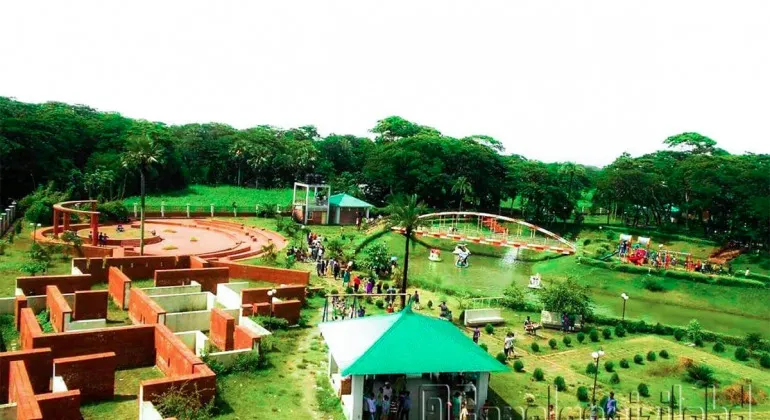
Families traveling with young children may also want to consider sheikh Russell Children's Park in Gopalganj . It offers a different kind of family outing from the historic buildings of Ulpur. Check the current operating status and available facilities before visiting.

Recommended traditional itinerary for Gopalganj

  • Morning: From Gopalganj town, go to Ulpur Zamindar Bari and spend about one to two hours exploring the accessible historical buildings.
  • As the day progresses: explore the surrounding villages and, where possible, any suitable and publicly accessible part of the historic canal-side landscape.
  • Lunch: Return to Gopalganj town for lunch.
  • Afternoon: Select another historical destination, such as Arpara Munshi Bari or any other heritage site, based on road distance and verified access.
  • Extended Trip: Instead of trying to visit all the sights in one day, leave extra time for Tungipara, Ujani Palace, or the district's wetlands.

Ulpur Zamindar Bari is particularly rewarding for visitors who appreciate the stories preserved in old architecture. Its scattered buildings, historic family connections, and ongoing role in village life make it an important destination for discovering the little-known heritage of Gopalganj, Bangladesh.

Frequently Asked Questions (FAQ)

Ulpur Zamindar Bari is located in Ulpur village, Gopalganj Sadar Upazila, Gopalganj District, Bangladesh, about 8 km north of the district headquarters. This historic complex is not a single enclosed tourist attraction, but rather consists of several surviving buildings scattered throughout the village. Visitors can reach it by local buses, autorickshaws or reserved vehicles from Gopalganj town. Ulpur Bazar and the former land office are useful places for local identification. The location marked on maps published online may vary, so confirm with residents or local authorities the specific building you wish to see.

Explore The Area

Top Attractions & Places to Visit in Gopalganj

Discover more heritage, nature, and must-visit spots across Gopalganj.

View all in Gopalganj

Bangabandhu's Tomb, Gopalganj - Complete Travel Guide to Tungipara

The Bangabandhu Sheikh Mujibur Rahman Mausoleum, located in Tungipara, Gopalganj District, Bangladesh, is a nationally s...

Shafayet Al-Anik

Lal Shapla Beel, Gopalganj – Complete Travel Guide to Lal Shapla Wetlands

Lal Shapla Beel, or Red Shapla Wetland, is one of the most attractive seasonal natural sites in Gopalganj District, Bang...

Shafayet Al-Anik

Girish Chandra Sense House, Gopalganj, Bangladesh

Discover a quiet chapter in the history of rural Bengal at the Girish Chandra Sen House , also known as Zamindar Girish ...

Shafayet Al-Anik

Beel Root Canal Gopalganj – A Complete Travel Guide to Bangladesh's Historic Waterways

The Beel Root Canal, also known locally as the Beel Root Canal or Madaripur Beel Route, is a historic waterway that weav...

Shafayet Al-Anik

Ujani Palace Gopalganj

Visit Ujani Rajbari, a historic landlord estate located in Ujani village of Muksudpur upazila of Gopalganj district, Ban...

Shafayet Al-Anik

Madhumoti Baor Gopalganj – Complete Travel Guide to the Beautiful Oxbow Lake of Kashiani

Madhumoti Baor , also known as Madhumoti Baor or Madhumoti Horseshoe Lake, is a notable natural wetland in Kashiani Upaz...

Shafayet Al-Anik

Arpara Munshi Bari Gopalganj

Arpara Munshi Bari, located in Arpara village of Gopalganj district, Bangladesh, is an exceptional heritage site. Situat...

Shafayet Al-Anik

logo ColoZai

ColoZai is a trusted travel guide and destination explorer platform in Bangladesh. We are making travel simple, authentic, and accessible for everyone.

Need Help ?

We are Always here for you! Knock us on Whatsapp (10AM - 10PM) or Email us.