Hazrat Shah Paran's Tomb, Sylhet – Complete Travel Guide, History, Location and Visiting Information

Hazrat Shah Paran's Tomb, Sylhet – Complete Travel Guide, History, Location and Visiting Information

Sylhet
·

18 October 2026

Travel Overview & Quick Facts

Directions
Location
Sylhet
Admission / Entry Fee
Entry is free for all visitors. No entry ticket is required to visit the shrine premises or pay homage at the tomb of Hazrat Shah Paran (RA). Donations are optional, and visitors are not required to purchase flowers, formal attire, or other offerings. Personal expenses may include transportation, refreshments, and optional donations. Please check with your local authority before paying to see if there are any additional service charges.
Best Time to Visit
Open all year round; October to March is especially good. Go early in the morning for a more peaceful and quiet environment.
Opening Hours
Open 24 hours
Google Rating
★ 4.4 (1980 reviews)
Category / Type
Sufi shrines and religious pilgrimages, historical monuments, Islamic heritage sites, cultural and spiritual tourism

Introduction to Hazrat Shah Paran's Tomb, Sylhet – Complete Travel Guide, History, Location and Visiting Information

The Shrine of Hazrat Shah Paran (RA) , also known as Hazrat Shah Paran Mazar Sharif or Shah Paran Dargah, is one of the most revered Islamic heritage sites in Sylhet District, Bangladesh. Situated on a high hill in the Khadimnagar area, about 8 kilometers east of central Sylhet, this historic shrine is built in memory of Hazrat Shah Paran, a prominent 14th-century Sufi missionary, who is traditionally identified as the nephew and close companion of Hazrat Shah Jalal (RA).

For centuries, the shrine has welcomed pilgrims, historians, religious visitors, and travelers interested in the spiritual heritage of northeastern Bangladesh. Unlike conventional tourist destinations, Shah Paran Shrine remains an active place of worship and remembrance. Its setting combines religious devotion, historical significance, and the distinctive features of Sylhet hill shrine architecture.

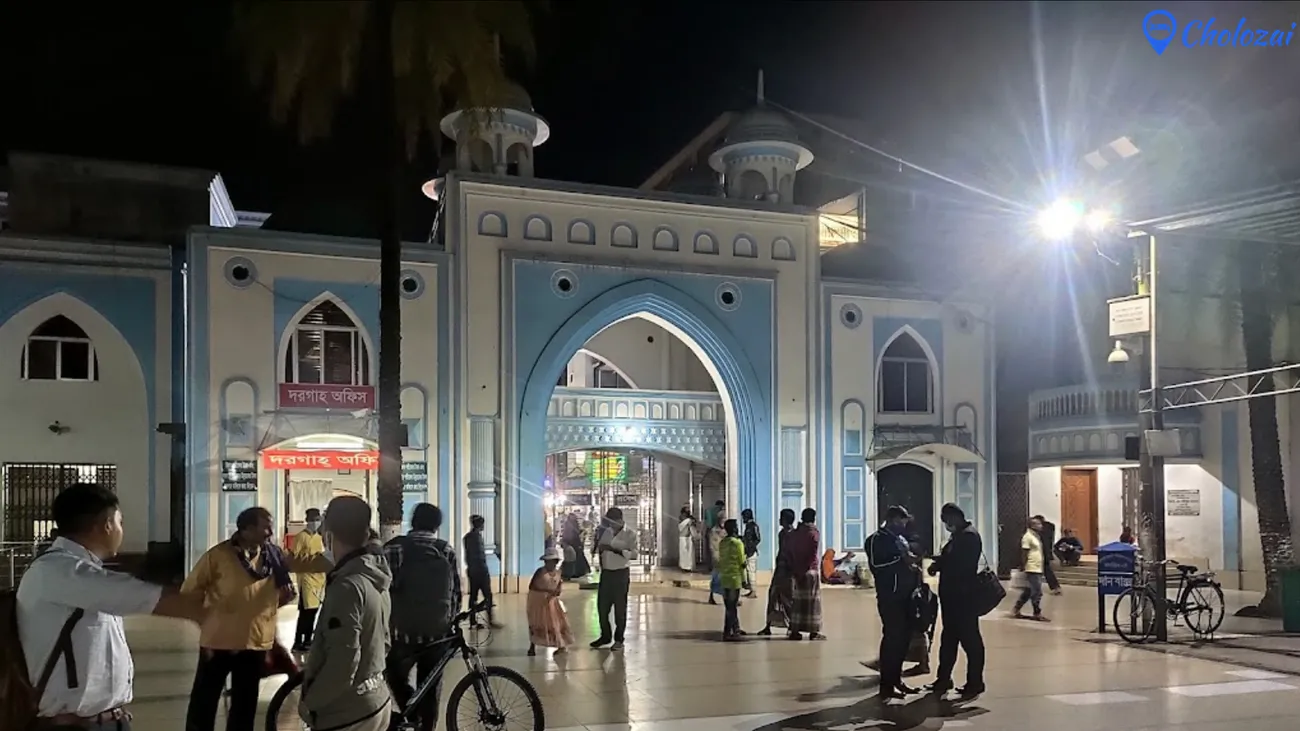
The tomb is situated on a quiet and elevated site overlooking parts of the surrounding Khadimnagar area. Visitors enter through an elevated shrine courtyard, which includes an entrance staircase, a mosque, courtyards, and facilities for religious gatherings. The site reflects the enduring influence of Sufi scholarship and religious tradition on the cultural identity of Sylhet.

The heritage of Hazrat Shah Paran is closely linked to that of his uncle Hazrat Shah Jalal. Tourists exploring the Islamic history of the region often visit both holy sites on the same itinerary. The hazrat Shah Jalal Shrine, located in central Sylhet , serves as a valuable historical complement to the Shah Paran Shrine, helping visitors better understand the religious transformation of the region during the Middle Ages.

Whether you are visiting, learning about Bangladesh's Islamic heritage, or exploring a culturally significant site, the Shrine of Hazrat Shah Paran will give you the opportunity to experience a living legacy of faith and remembrance. Admission is free and the shrine is generally open year-round, making it one of Sylhet's most accessible religious heritage sites.

Essential information for visitors

Attraction Tomb of Hazrat Shah Paran (RA)
Alternative names Hazrat Shah Paran Mazar, Shah Paran Mazar Sharif, Shah Paran Dargah
Location Khadimnagar, Shah Paran Road, Sylhet, Bangladesh
Distance from central Sylhet Depending on the starting location, it is about 8 kilometers east of the city center.
Type of attraction Historic Sufi shrines, religious pilgrimage sites, and Islamic heritage sites
Entrance fee Free
Reported opening hours Open 24 hours; however, entry rules may vary for each building and facility.
Recommended visit duration About 30-90 minutes
Best time to visit October to March, although the pilgrimage site is open to visitors all year round.
Nearest major city Sylhet
Nearest airport Osmani International Airport, Sylhet
Google Maps Rating Approximately 4.4 stars out of 5; the total number of ratings and reviews changes over time.

Location Verification: The Google Maps embed URL provided uses the coordinates 24.9067226, 91.9346329, which are derived from a map link published for the attraction. These coordinates identify the location of the mentioned pilgrimage site. The embed link does not independently establish an official Google Maps Place ID or verified access PIN; visitors should verify their final destination using the pilgrimage site name and local signage.

The history of Hazrat Shah Paran and his religious legacy

The history of the tomb of Hazrat Shah Paran is closely linked to the spread of Islam in medieval Sylhet. Hazrat Shah Paran, also written as Shah Paran or Shah Paranuddin in some accounts, is remembered as an influential Sufi figure who participated in the religious activities of Hazrat Shah Jalal and his companions.

Connection with Hazrat Shah Jalal

According to a widely held regional tradition, Hazrat Shah Paran was the nephew of Hazrat Shah Jalal and travelled with him in the early 14th century. Historically, Shah Jalal is associated with the events of the conquest of Sylhet in 1303 AD, which is traditionally associated with a military campaign against the local ruler Gaur Gobind.

Shah Paran's account reveals that he was one of the religious companions of this period. After the establishment of Muslim influence in Sylhet, he is believed to have settled in the Khadimnagar area, where he was engaged in religious education, spiritual pursuits, and the propagation of the Islamic faith.

Like many medieval Sufi biographies in South Asia, elements of Shah Paran's life are preserved through oral tradition, religious narratives, and later historical writings. Not all details regarding his birthplace, exact family relationships, personal biography, and date of death are recorded separately. These details are best understood in the context of the larger historical and devotional tradition of Sylhet.

Establishment of Khadimnagar Spiritual Center

Local historical accounts indicate that Shah Paran established a khanqah, or Sufi spiritual center, in the Khadimnagar region. Traditionally, such institutions served as places for religious education, personal spiritual development, social gatherings, and the propagation of Islamic teachings.

The establishment of religious centers outside the main settlements helped to spread the influence of Sufi teachers to the surrounding villages. Therefore, the connection of Shah Paran with Khadimnagar is an important part of the religious history of the region.

Over time, Shah Paran's tomb became a revered pilgrimage site. Devotees have visited the site for generations, and the surrounding area has retained his name as a permanent geographical and cultural identity.

Historical importance in Sylhet

  • Medieval religious history: This shrine is associated with the expansion of Islamic religious institutions in Sylhet in the early 14th century.
  • Sufi Spiritual Tradition: Shah Paran is remembered for his connection with religious teachings, devotion, and spiritual discipline.
  • Regional Heritage: This tomb bears the memory of a figure important to the historical identity of Sylhet.
  • Ongoing pilgrimage: The site remains an active destination for pilgrimages and religious gatherings.
  • Historical Connection: This shrine is part of a larger tradition associated with hazrat Shah Jalal and his companions .

A pilgrimage site should not be viewed simply as an archaeological site. Its historical significance is inextricably linked to the ongoing religious rituals, local traditions, and social relationships that have sustained it from generation to generation.


Architecture, hilltop location, and temple complex

The tomb of Hazrat Shah Paran is located on a high point traditionally associated with Major Tila in eastern Sylhet. This hilltop location is one of the unique features of the shrine, giving it a distinct feel from the surrounding roads and commercial areas.

Mountaintop tomb

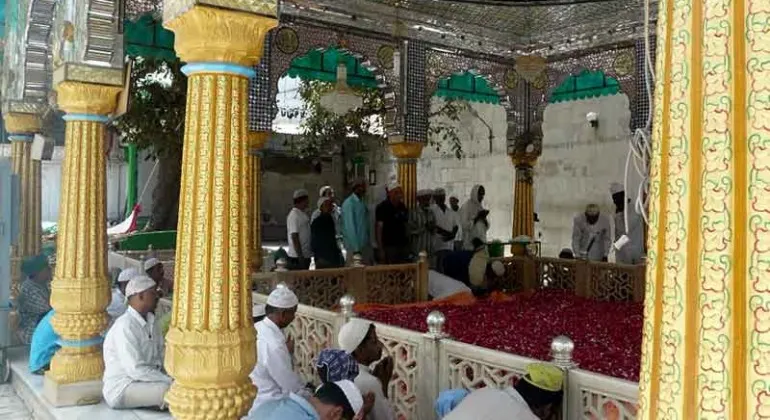
Its main attraction is the tomb of Hazrat Shah Paran. Pilgrims approach the tomb with reverence and often pause for reflection and religious rituals. Its interior is not a traditional museum exhibit, but a sacred space, and visitors should follow any instructions displayed by the shrine authorities.

The tomb's religious significance lies in its historical connection to the Sufi saint and its ongoing importance to visitors. Visitors should not expect extensive museum-like interpretive panels or professionally curated historical exhibits.

Historic entrance steps

The elevated sanctuary is accessed via a series of steps. According to local folklore, these steps were built during the Mughal period, although the exact date of construction and the extent of subsequent reconstruction need to be verified through further documentary evidence.

These steps add to the unique character of the site and can make the journey here particularly memorable. Visitors with mobility impairments should check before travelling whether there are convenient alternative entrances, as the location at the top of the hill can be difficult for wheelchair users and those who cannot comfortably climb stairs.

Associate Mosque

The tomb is flanked by a mosque, which is traditionally described as having Mughal-influenced architectural features. This relationship between mosque and shrine illustrates how religious learning, communal prayer, and commemorative traditions developed together around important Sufi sites.

The mosque will remain an active religious institution. Worshippers should be given priority during congregational prayers and sightseeing should not disrupt religious ceremonies.

Premises and supporting facilities

The surrounding area contains a variety of facilities and services used by pilgrims and other visitors. Historical visitor accounts also mention a pond and facilities for rest and religious preparation. The availability and condition of these facilities are subject to change, so visitors should not assume that each facility will be available for uninterrupted use, but rather rely on current instructions at the scene.

Although the place is not a major entertainment center, its combination of elevated terrain, sacred architecture, and daily devotional activities has made it an important cultural destination for travelers exploring Sylhet's heritage.


Things to see and do at Shah Paran Shrine

A visit to Shah Paran Shrine is essentially an experience of religious tradition, introspection, and cultural observation. Travelers can appreciate the significance of this pilgrimage site without having to participate in any religious rituals that go against their personal beliefs.

1. Visit historical tombs

For many visitors, the main purpose of this shrine is to perform ziarat, that is, to visit the tomb of Hazrat Shah Paran with reverence. Muslim visitors can offer prayers and supplications appropriate to their own religious understanding. Others can simply observe the surroundings and learn about the history of the place.

2. Admire the architecture of the mosque

Observe the external layout of the mosque, its relationship to the tomb, and the architectural elements associated with the historical development of the pilgrimage site. Avoid entering the prayer area during worship solely to take photographs.

3. Enjoy the surroundings of the mountain peak

Its elevated position creates a different atmosphere from the busy commercial areas of central Sylhet. Open to the general public, take some time to enjoy the entrance steps, courtyard, and views.

4. Learn about the Sufi tradition of Sylhet

For heritage lovers, the Shah Paran Shrine provides an opportunity to consider the role of Sufi religious institutions in the cultural history of North-East Bengal. A visit to the Hazrat Shahjalal Shrine on the same day provides additional context for understanding the relationship between these two religious figures.

5. Respect local religious traditions.

Depending on the time of your visit, you may see people engaged in private prayers, Quran recitations, or other religious activities. Religious practices vary by visitor and community. Give people enough space and refrain from taking photos of private moments of worship without permission.

6. Take photos of appropriate outdoor areas

The exterior architecture, entrances, and permitted views around the site may be of interest to photographers. Always check the photography restrictions before taking photos inside a shrine or mosque. Never take photos of worshippers, especially women and children, without permission.

Suggested duration of visit: Allow approximately 30-60 minutes for a typical visit. History buffs, pilgrims, or those who combine exploration with prayer may want to allow 60-90 minutes. Additional time may be required during large religious gatherings.


Entrance fees, opening hours and visitor regulations

A real advantage of visiting the Hazrat Shah Paran Shrine is that there is no general admission fee . The shrine is not operated as a conventional ticket-based tourist attraction and visitors do not have to purchase any entrance tickets to enter the areas open to the public.

Admission and potential costs

Item Expected cost Important information
General temple access Free No general admission ticket is required.
Visiting the tomb Free Follow applicable religious and access regulations.
Personal donations Optional Visitors can make voluntary donations; there is no obligation to make a specific donation.
Flowers or other offerings Variable Optional purchase according to personal religious practices.
Shared local transportation About 30–80 taka per person The fare is an example; it depends on the route and availability.
Reserved CNG auto-rickshaw Approximate ৳200–৳400 per car from central Sylhet Estimates of the plan; to be discussed before the journey.
Snack About 50-200 taka per person Depends on personal purchase.

Important: Donations are not an entrance fee. Visitors should not feel obligated to pay any unauthorized intermediary to enter the temple or any area open to the public. If anyone claims that a specific payment is mandatory, ask authorized temple staff to clarify the matter.

Opening hours

Publicly available map-based listings usually list the shrine as open 24 hours a day . However, this should not be taken as a guarantee that the burial chamber, mosque interior, ablution facilities, parking areas, or other private spaces will be free at all times. Prayer times, security measures, maintenance, and special religious events may affect access.

For most travelers, it is more convenient to travel during the day, as transportation is easier to arrange and the route to your destination is relatively straightforward. Visitors planning to travel late at night should check local entry regulations.

Dress code and etiquette

  • Dress modestly: Wear clothing that covers shoulders and knees. Visitors should show respect for the religious dignity of the site.
  • Headscarves: Women may wear scarves to enter religious sites, subject to local guidelines.
  • Shoes: Where necessary, take off your shoes, especially before entering a scheduled prayer or burial site.
  • Prayer etiquette: Avoid loud talking, chaotic behavior, and unnecessary movement around worshippers.
  • Gender-based arrangements: Some areas may have separate access rules for men and women. Follow current instructions provided by authorized supervisors.
  • Photography: Obtain permission where necessary and adhere to restrictions on photographing sacred interior spaces.
  • Donations: Treat donations as voluntary and, where possible, use recognized donation systems.
  • Cleanliness: Dispose of trash responsibly and help protect the shrine's environment.

Families with children can go to public places, but adults should keep an eye on young children on stairs, crowded paths, and around bodies of water.


Best time to travel

Hazrat Shah Paran's tomb is visited by visitors all year round. Since it serves as an active religious pilgrimage site rather than a seasonal tourist destination, there is no specific month for visiting.

October to March is a convenient time to combine shrine visits with a wider sightseeing tour of Sylhet . Those primarily interested in pilgrimage or religious history can visit any month, subject to local access conditions.

Best time of day

  • Early morning: This is a good option for those who want a relatively quiet environment and time for introspection.
  • Late afternoon: Convenient for travelers coming from central Sylhet and planning to visit additional sights.
  • Afternoon: Perfect for combining city sightseeing with a visit to a pilgrimage site, although visitor numbers can fluctuate.
  • Evening: Suitable for some religious visitors, but make sure to check transportation arrangements and any restrictions that apply to the tomb area.

Fridays and religious ceremonies

Fridays can be crowded with devotees due to weekly prayers. Religious ceremonies and memorial gatherings can also increase the number of visitors. These times offer the opportunity to observe the active devotional role of the shrine, but may not be suitable for those seeking a quieter experience.

For visitors who are primarily interested in historical exploration, any normal weekday morning is usually a convenient choice. For pilgrims, the preferred time of visit may depend on personal religious customs and obligations.


How to reach

Hazrat Shah Paran's shrine is located in the eastern Khadimnagar area of ​​Sylhet, about 8 kilometers from the city center. The shrine can be reached by following the Sylhet-Tamabil road corridor and local connecting roads leading to Shah Paran Road from the eastern side of Sylhet.

Travelers from other districts will first need to reach Sylhet city by bus, train or plane and then use local transport. The shrine is well-known locally, so drivers usually recognize the names Shah Paran Mazar , Shah Paran Mazar and Hazrat Shah Paran Dargah .

By bus from Dhaka to Sylhet

  1. Go to a suitable Dhaka intercity bus departure point, such as Sayedabad, Fakirapul, Mohakhali, or any other terminal used by your chosen operator.
  2. Book a coach to Sylhet through any operator that services this route. Services may have both non-AC and AC options.
  3. Travel to Sylhet using the Dhaka-Sylhet highway corridor. The journey usually takes 5-8 hours, depending on traffic jams, breaks, and road conditions.
  4. After reaching the Kadamtali bus terminal area in Sylhet or any other operator's drop-off point, arrange for a CNG auto-rickshaw, taxi or reserved vehicle to go to Shah Paran Mazar.
  5. Ask the driver to head towards Khadimnagar and reach the entrance of the shrine via the local connecting road.

Dhaka-Sylhet bus fares: Approximately ৳650–৳900 for non-AC coaches and ৳1,200–৳1,800 or more for AC services. These are approximate travel budget ranges, not verified direct ticket prices. Contact your chosen operator for current fares, boarding points and departure times.

From Dhaka to Sylhet by train

  1. Start your journey from Kamalapur Railway Station or any other station in the Dhaka area that has trains to Sylhet.
  2. Find services like Parabat Express, Jayantika Express, Upaban Express or Kalni Express according to the current schedule of Bangladesh Railway.
  3. Book your preferred class through Bangladesh Railway's official ticket channel.
  4. Upon arrival at Sylhet Railway Station, exit towards the main transportation area.
  5. Hire a CNG auto-rickshaw or taxi for the final journey to the shrine in Khadimnagar.

The train journey usually takes around 6-8 hours, although the actual schedule and duration of the journey may vary. Depending on the class and current rail fare, the estimated train budget per person can be around 375-1,500 taka or more. Be sure to check the timetable, weekly service closure days and ticket prices before you start your journey.

From Dhaka to Sylhet by air

  1. Book a domestic flight from Hazrat Shahjalal International Airport in Dhaka to Osmani International Airport in Sylhet.
  2. Direct flights usually take about 45-60 minutes in the air.
  3. After landing, arrange for an airport taxi, hotel transfer, or suitable reserved vehicle.
  4. Travel through Sylhet towards Khadimnagar and Shah Paran Road.
  5. Ask them to drop you off at the appropriate general entrance to the Shah Paran Shrine.

Domestic flights may be operated by airlines such as Biman Bangladesh Airlines and US-Bangla Airlines, subject to current schedules. The estimated one-way fare may range from around 3,000 to 8,000 taka or more, depending on demand and booking conditions. It may take around 30-60 minutes to reach the next airport, depending on traffic and the route chosen.

From Sylhet City Center

Visitors staying near Zindabazar, Bandar Bazar, Amberkhana or the Dargah Gate can reach the shrine by CNG auto-rickshaw, taxi or privately arranged car.

  • Distance: Approximately 8 kilometers from central Sylhet, which may vary depending on the exact starting point.
  • Typical road trip: Takes approximately 20-40 minutes under normal conditions, additional time may be required during traffic jams.
  • Shared local transport: Where available, budget approximately 30-80 taka per person, may require changing vehicles if necessary.
  • Reserved CNG Auto Rickshaw: The fare per vehicle to travel from the city to the pilgrimage site can range from around 200–400 taka, depending on the pickup location and the fixed fare.
  • Private car or taxi: Fare depends on the type of car, booking period, and driver; find out the price before you start your journey.

These local rental ranges are tentative estimates. They should not be considered official rents or guaranteed current prices.

From Sylhet Railway Station or Kadamtali Bus Terminal

After reaching the station or bus terminal, walk to a suitable transport pickup point and tell the driver that you want to visit Hazrat Shah Paran Shrine in Khadimnagar. Make sure that the fare mentioned is for the entire journey to the shrine, not just the main road junction.

Older government district tourism publications mention lower CNG fares for this journey, but current bargain prices can vary considerably. To budget realistically, visitors should set aside approximately ৳200–৳450 for a reserved CNG from the rail or bus terminal area, depending on prevailing conditions.

From Hazrat Shahjalal Shrine

Travelers visiting both the historical Sufi shrines can arrange a reserved CNG or car to get off at Hazrat Shahjalal Shrine near the Dargah Gate and head towards Shah Paran Shrine. The road distance is about 8 kilometers depending on the route.

This is one of the most effective combinations for a half-day religious heritage itinerary. If you don't want to find another vehicle after the visit, make sure to secure a return fare or arrange for a waiting vehicle.

By personal car or rented vehicle

A reserved car may be more convenient for elderly family members, children, or visitors traveling in groups. Hotel reception and local transportation agencies can help arrange transportation for single trips or longer Sylhet itineraries.

When renting a car locally with a driver, compare the written price list, including the duration of the journey, waiting time, fuel, parking, and any other additional costs. Multiple stops can be cost-effective for tourists visiting other tourist attractions in eastern Sylhet as well as pilgrimage sites.

Nearby attractions and directions suggestions

  • Khadimnagar: The main area associated with the pilgrimage site.
  • Shah Paran Road: A useful guide for local directions.
  • Sylhet-Tamabil Road: The main regional road corridor used to access eastern Sylhet.
  • Major mound: An area and elevated landscape marker associated with the pilgrimage site.
  • Shah Paran Shrine Mosque: An important structure associated with the shrine premises.

Travel tip: Instead of relying solely on coordinates, use map pins with the name of the point of interest. Ask your driver to confirm the correct entrance to the hilltop temple, as there are several roads and religious buildings in the surrounding area. Parking arrangements and exact drop-off locations may vary due to crowds during religious events.

Hazrat Shah Paran's Tomb, Sylhet

GPS: 24.9067226, 91.9346329
Get Directions

Where to eat

Food is available in the greater Shah Paran and Khadimnagar areas, although the area around the shrine is more suitable for light snacks and simple local dishes than seeking out extensive restaurants.

Local food near the shrine

The entrance and surrounding commercial streets may have small food stalls, tea stalls, and local food vendors. Their availability may vary depending on the day and time. Visitors can usually find familiar Bangladeshi dishes such as fish or chicken curry with rice, dal, various vegetable dishes, parathas, tea, and seasonal snacks.

For a light meal or snack, budget approximately 80-250 taka per person, depending on the type of food and establishment. Check the price and cleanliness before purchasing.

Restaurants in Central Sylhet

For more dining options, head to Zindabazar, Bandar Bazar, or Dargah Gate. These areas feature traditional Bangladeshi cuisine, regional Sylheti specialties, and a variety of family-style restaurants.

Panshi and Panch Bhai are among the well-known food names in Sylhet, but before going there, you should know their current address, menu, and management methods.

Regional dishes worth tasting

  • Satkora Beef: A unique Sylhet meat dish made using the aromatic citrus fruit Satkora.
  • Akhani: Fragrant and spicy rice, often made with meat and spices.
  • Rice and fish curry: A familiar regional dish found in many traditional restaurants.
  • Bharta and Dal: A stewed or spiced vegetable dish served with rice.
  • Sylhet Tea: A popular drink, reflecting the region's long association with tea cultivation.

A simple meal at a restaurant can cost around 150–350 kyats per person, while more upscale meals can cost 400–800 kyats or more. These prices are approximate and depend on the menu and the restaurant.

Tip for tourists: If you plan to continue your journey towards Jaflong or Lalakhal , take drinking water with you and consider having a drink in Sylhet city before starting this long journey.


Where to stay?

Although accommodation is available on Shah Paran Road and its surrounding areas, most travelers find it more convenient to stay in central Sylhet. Being in the city provides easy access to restaurants, transport terminals, shopping areas, and other historical attractions.

Budget accommodation

There are budget guesthouses and small residential hotels in Kadamtali, Bandar Bazar, Dargah Gate and some parts of central Sylhet. Travelers on a budget can find basic rooms with basic amenities.

Estimated budget per night: Around ৳800–৳1,800 for a basic room, depending on the hotel, room capacity, and booking conditions.

Mid-range hotel

There are various mid-range accommodation options in Zindabazar, Dargah Gate, Amberkhana and the surrounding central districts. These places are convenient for tourists planning to visit the major shrines and other tourist attractions of Sylhet.

Estimated budget per night: Around ৳2,000–৳4,500 for a standard room. Air-conditioning, breakfast, parking, and other amenities depend on the hotel or property.

Comfortable hotels and resorts

Visitors looking for more spacious accommodations can consider the established hotels and resorts located in greater Sylhet. Some establishments offer well-appointed surroundings, dining options, and additional entertainment facilities, although their availability and guest access policies vary.

If you want to combine a resort-like environment with a cultural tour, check out Nazimgarh Garden Resort and its available accommodation options. Travelers looking for a relaxing resort experience away from the city can also check out Jayant Hills Resort . (Jayanta Hills Resort Sylhet)

Estimated budget per night: Around ৳5,000–৳12,000 or more for higher-quality accommodation, depending on the hotel, room class, and season.

Choosing the best area

Area Best Main advantages
Dargah Gate Pilgrims and heritage travelers Convenient transportation to Hazrat Shahjalal Shrine and central Sylhet
Zindabazar Families and general tourists Restaurants, shopping and transport connections
Bandar Bazar Budget-conscious visitors Central location and a variety of accommodation options
Khadimnagar and Shah Paran areas Visitors are prioritizing Shah Paran Shrine Proximity to the shrine and the East Sylhet route
Greater Sylhet Resort Area Leisure travelers More space and resort-style amenities

Booking Tips: Check the exact location of the accommodation, recent guest reviews, check-in rules, ID requirements, parking availability, and cancellation policy. Accommodation prices may vary during public holidays, festivals, and peak domestic tourism periods.


Practical travel tips and accessibility

Since Shah Paran Shrine is a living religious site rather than a purpose-built tourist attraction, visitors should approach this experience with respect and some practical preparation.

What to bring

  • Appropriate, modest, and comfortable clothing for a religious environment.
  • Shoes that can be easily taken off if needed.
  • A small amount of cash for transportation, snacks, and optional donations.
  • Drinking water, especially when traveling with children or elderly companions.
  • A scarf or head covering, if appropriate for the areas you intend to enter.
  • A charged mobile phone, so that your itinerary and accommodation details will be available offline.

Accessibility considerations

The shrine's elevated location and stairs may pose difficulties for people with mobility impairments. Although some online advertisements mention accessibility, the fact that the path to the tomb is completely step-free has not been independently verified.

Visitors who use wheelchairs or walking aids, or who require assistance, should contact an experienced local guide or the shrine authority before traveling. A reserved vehicle can help reduce the amount of walking required to reach the surrounding area, but it does not guarantee stair-free access to the tomb.

Traveling with children and elderly travelers

If you are traveling with your family, allow extra time. Keep children close to you on stairs and in crowded areas, and avoid pushing through crowds. Older visitors may benefit from walking slowly and taking short breaks during the climb.

Personal safety

Keep valuables safe in crowded areas, pre-arrange local transportation fares, and avoid accepting unsolicited services without knowing the expected payment. During large gatherings, follow the instructions of authorized personnel and local authorities at the relevant venue.

In Bangladesh, national emergency services can be accessed by calling 999 in case of emergency .

Respect the site

Remember that visitors may have different religious views on the customs of the shrine. Respect the beliefs of others by not disrupting their activities. Avoid using the shrine as a commercial attraction, or playing loud music, taking staged photos, or taking intrusive footage in a religious place.


Suggested half-day and full-day itineraries

Shah Paran Shrine is so close to central Sylhet that it can easily be included in a half-day cultural tour. It can also serve as a starting point for a longer journey to the scenic destinations east of the city.

Half-day Islamic heritage tour

  1. Morning: Start your journey from Hazrat Shahjalal Shrine located in central Sylhet . Explore the designated areas and learn about the medieval Sufi heritage of the region.
  2. As the day progresses, hire a CNG autorickshaw or car to head towards Shah Paran Shrine in Khadimnagar.
  3. Before noon: Visit the shrine of Hazrat Shah Paran, observe the nearby mosque, and take time for deep reverence and contemplation.
  4. Lunch: Head back to Zindabazar or another central area for traditional Sylheti food.
  5. Afternoon: If you have extra time, visit the Kin Bridge and Surma River area.

Full-day heritage and tea garden experience

Start with Hazrat Shahjalal Shrine, then proceed to Shah Paran Shrine and spend the afternoon visiting the Malnichera Tea Gardens , subject to the estate's visitor access arrangements . This itinerary combines Sylhet's religious heritage with its famous tea-growing landscape.

East Sylhet sightseeing day

For those with a car, consider a brief visit to Shah Paran Shrine in the morning before heading east towards Lalakhal or Jaflong . These destinations take considerably longer than the main shrine, so start early, choose a major scenic destination, and check the road conditions in advance.

For tourists who prefer a leisurely experience, it is usually best to allocate one day for Sylhet's historical and religious sites and a separate day for a longer hike in nature.


Nearby attractions

Hazrat Shah Paran Shrine is within reach of several important destinations in Sylhet district. Its location to the east of the city makes it particularly convenient for tourists wishing to combine a trip along the Sylhet-Tamabil corridor with a visit to cultural sites.

Hazrat Shahjalal Shrine

Located in central Sylhet and about 8 kilometers away by conventional route, Hazrat Shahjalal Shrine is the most directly connected heritage destination. These two shrines commemorate religious figures associated with family traditions and the medieval Islamic history of Sylhet. Visiting both shrines provides valuable cultural and historical context.

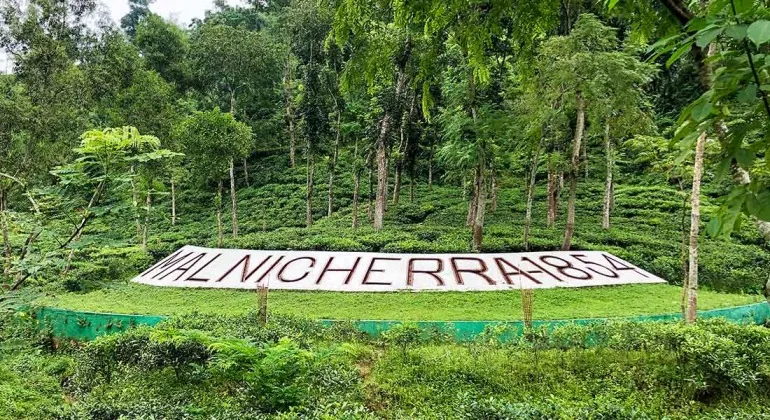
Malnichera Tea Garden

The historic Malnichera Tea Garden offers an opportunity to explore Sylhet's long-standing tea-growing tradition. Its cultivated landscape offers a different experience from the religious architecture of the city. Obtain permission where necessary before entering the active tea garden area.

Nazimgarh Garden Resort

Nazimgarh Garden Resort is a lodging and vacation destination located in the greater East Sylhet area. It may be of interest to travelers who want to add a comfortable overnight stay or a separately organized resort experience to their traditional itinerary. Please check availability and guest-entry policy before visiting.

Dreamland Park

Families looking for recreational activities can consider Dreamland Park Sylhet , a family-oriented amusement and water-park located in the greater East Sylhet corridor . It offers a different experience from the quiet religious atmosphere of the shrine. Check for current opening times, tickets and ride availability.

Lalakhal

The scenic waterway of lalakhal is quite popular among tourists visiting the Jaintiapur part of Sylhet . This place is known for its river views, surrounding greenery and boat rides. It is more suitable for long trips than for short stops near the pilgrimage site.

Jaflong

Jaflong is one of the most well-known natural destinations in Sylhet, famous for its rivers, rocky landscapes and picturesque views of the Meghalaya hills. Tourists travelling east from the city can include Shah Paran Shrine at the beginning of their tour, although sufficient time should be left for the long road trip.

Sangrampunji Falls

Visitors planning a trip to Jaflong can also visit Sangrampunji Falls, (Sangrampunji Waterfall Sylhet) subject to current access conditions and local guidelines . This destination is more suited to a longer nature-focused itinerary than a short urban heritage tour.

Ratargul Swamp Forest

Ratargul Wetland is a unique freshwater wetland known for its natural beauty and boating experiences. Although it is not located right next to the shrine, tourists spending a few days in Sylhet can include it in a separate trip.

Bisnakandi

Bisnakandi is another popular destination for its scenic hilly scenery, riverbeds, and rocky waterways . Getting there requires a long road trip and may also require local boat transport, depending on the route and visiting conditions.

Dibir Haor

Nature lovers visiting the Jaintiapur region may be interested in DB Haor , which is known for its wetland scenery and seasonal display of lotus flowers. Its main attractions are different from the attractions of the pilgrimage site, making it a complementary destination for tourists exploring the cultural and natural diversity of Sylhet.

Bholaganj

Bholaganj is famous for its white rock landscape and the waterways surrounding it. It is best visited as a separate scenic excursion, especially for travelers with limited time in Sylhet.

Lustful

For a more extensive countryside itinerary , travelers can consider Lovacharya , known for its Lova River, tea plantation landscapes, and historical local landmarks. Its location makes it more suitable for visitors who have extra time to explore the larger district.

Kin Bridge and Surma River

The historic Kin Bridge , also known as Kin Setu, is a well-known structure located on the Surma River in Sylhet city. It can be conveniently combined with a visit to the Shahjalal Shrine and offers a glimpse of the city's historic transportation infrastructure and riverside environment.

Suggested Combination: For first-time visitors to Sylhet, prioritize Shah Paran Shrine, Hazrat Shahjalal Shrine, and a sightseeing spot in the city center on a half-day itinerary. If travelers have an extra day, they can visit Jaflong, Lalakhal, or Ratargul, depending on their interests and transportation arrangements.

Frequently Asked Questions (FAQ)

Hazrat Shah Paran's shrine is located in the Khadimnagar area of ​​eastern Sylhet, Bangladesh , about 8 kilometers from central Sylhet. The shrine is located on a high ground connected to Major Tila near Shah Paran Road and the Sylhet-Tamabil Road corridor. According to a published map, its location is approximately latitude 24.9067226 and longitude 91.9346329. Visitors can ask local drivers about Shah Paran Mazar or Hazrat Shah Paran Mazar Sharif. Since there are various roads to travel in the surrounding area, make sure to check the entrance to the shrine before completing your journey.

Explore The Area

Top Attractions & Places to Visit in Sylhet

Discover more heritage, nature, and must-visit spots across Sylhet.

View all in Sylhet

Sangrampunji Waterfall Sylhet

Sangrampunji Falls, also known as Sangrampunji Jharna or Mayabi Jharna, is a beautiful natural attraction near Jaflong i...

Shafayet Al-Anik

Kin Bridge, Sylhet – Complete Travel Guide to the Historic Surma River Bridge

The Keen Bridge in Sylhet , locally known as Keen Bridge or Kain Bridge, is one of the most well-known historical landma...

Shafayet Al-Anik

Bisnakandi, Sylhet – A Complete Guide to Pathar River, Meghalaya Hills and Scenic Boat Trips

Bisnakandi , also spelled as Bichnakandi, Bichnakandi or Bisnakandi, is one of the most spectacular natural tourist dest...

Shafayet Al-Anik

Sylhet Shahi Eidgah

Sylhet Shahi Eidgah is one of the most important historical and religious sites in Sylhet city, Bangladesh. Located in t...

Shafayet Al-Anik

Ratargul Forest, Sylhet – Complete Travel Guide, Boat Rentals, Entry Fees and Travel Tips

Ratargul Wetland is one of the unique natural attractions in Bangladesh, offering a unique opportunity to travel in a wo...

Shafayet Al-Anik

Hazrat Shahjalal Shrine, Sylhet – A Complete Travel Guide to Bangladesh's Historic Sufi Shrine

Hazrat Shahjalal Mazar , also known as the Shrine of Hazrat Shah Jalal (RA), Shahjalal Dargah or Hazrat Shahjalal Mazar ...

Shafayet Al-Anik

Malnichera Tea Garden, Sylhet – A Complete Travel Guide to the Historic Tea Gardens of Bangladesh

Malnichera Tea Estate, also known as Malnichera Tea Estate or Malnichera Tea Bagan , is one of the most historically sig...

Shafayet Al-Anik

Jaflong

Jaflong in Sylhet district of Bangladesh is one of the country's most famous natural tourist destinations, where clear r...

Shafayet Al-Anik

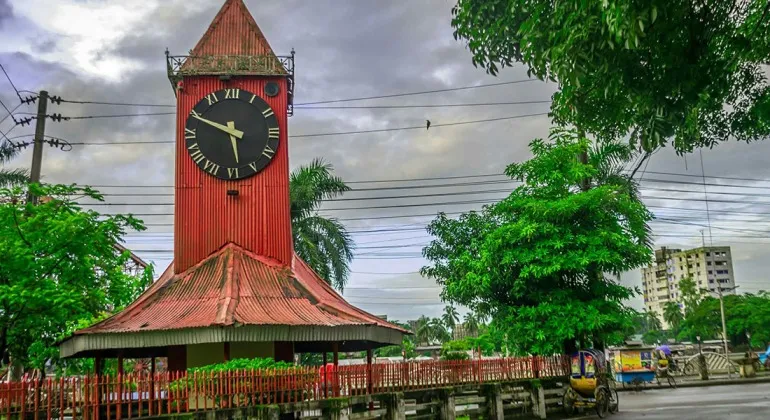
Ali Amjad's Clock Sylhet

Located on the banks of the Surma River near the historic Kin Bridge, Ali Amjad's Clock is one of the most well-known la...

Shafayet Al-Anik

logo ColoZai

ColoZai is a trusted travel guide and destination explorer platform in Bangladesh. We are making travel simple, authentic, and accessible for everyone.

Need Help ?

We are Always here for you! Knock us on Whatsapp (10AM - 10PM) or Email us.