Tengra Giri Eco Park Barguna

Tengra Giri Eco Park Barguna

Barguna
·

20 October 2026

Travel Overview & Quick Facts

Directions
Location
Barguna
Admission / Entry Fee
While some travel guides state that general entry is free, the current entry fees, permits, and any separate fees for boat trips or other activities have not been independently verified by the Forest Department. Please confirm applicable charges with the local Forest Department before traveling.
Best Time to Visit
November to March, especially early morning and late afternoon.
Opening Hours
Daily opening hours have not been reliably verified. An older directory listed it as open daily from 8:00 AM to 5:00 PM, but it is currently marked as closed. Check with the Forest Department for current access arrangements before travelling.
Category / Type
Mangrove forests, wildlife sanctuaries, eco-friendly tourist destinations, coastal nature and recreation

Introduction to Tengra Giri Eco Park Barguna

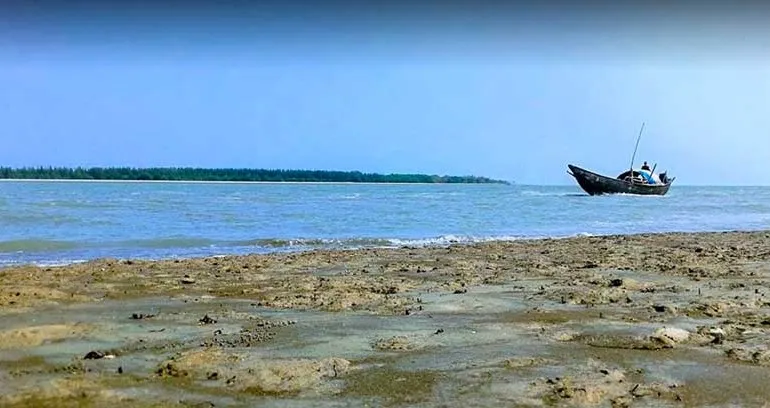
Tengragiri Eco Park, also known as Tengragiri Eco Park or Sonakata Eco Park, is a coastal nature destination located in Sonakata Union of Taltoli Upazila of Barguna District, Bangladesh. Nestled within the sprawling Tengragiri Mangrove Forest, the destination features lush coastal vegetation, tidal waterways, wildlife habitats, sandy beaches, and scenic views of the Bay of Bengal. It is an attractive alternative to the busy beaches of Bangladesh for travelers seeking a peaceful and tranquil connection with nature.

The adjacent Tengragiri Wildlife Sanctuary is an ecologically important coastal forest, which was officially recognized as a wildlife sanctuary in 2010. Its mangroves and associated flora provide habitat for birds, reptiles, mammals, fish, and other wildlife. The forest also helps sustain coastal ecosystems and protect vulnerable coastlines.

This area is particularly attractive to photographers, birdwatchers, nature-loving families, and tourists visiting southern Bangladesh. Visitors can combine a forest tour with a trip to nearby Sonkata Beach, where the vast expanse of sand, coastal views, and changing sky colors create opportunities for photography and peaceful relaxation.

Before planning your trip, remember that Tengra Giri is a protected natural landscape, not a fully developed commercial amusement park. Facilities, roads, bridges, and transportation may vary. Check local conditions and forest department guidelines before setting off.


Location and brief description

Tengra Giri Eco Park is located in Sonakata Union of Taltoli Upazila of Barguna District under Barisal Division of Bangladesh. The district administration has identified Sonakata Eco Park as a local tourist attraction which is connected to Amtoli and Taltoli, after which local transport runs to the destination.

  • Destination: Tengra Giri Eco Park, also known as Sonakata Eco Park.
  • Administrative area: Taltoli Upazila, Barguna District, Bangladesh.
  • Landscape: Coastal mangrove forests, tidal creeks, beach views, and estuarine environments.
  • Nearby natural attractions: Sonakata Beach.
  • Recommended duration of visit: approximately three to five hours, depending on accessibility, trail conditions, and whether you are going to the beach.
  • Trip Type: Nature travel, wildlife observation, photography, and coastal exploration.

The coordinates given for this listing are approximately 21.9850, 90.0865. Consider them as directional indicators rather than a surveyed entry point; verify the correct entry and exit points locally before beginning your journey.


History and environmental importance

The Tengragiri forest has a long history of conservation. The forest was declared a reserved forest in 1960 and the name Tengragiri was associated with the area in the following decade. Later, the government declared it a wildlife sanctuary in 2010 to protect its coastal habitat and biodiversity.

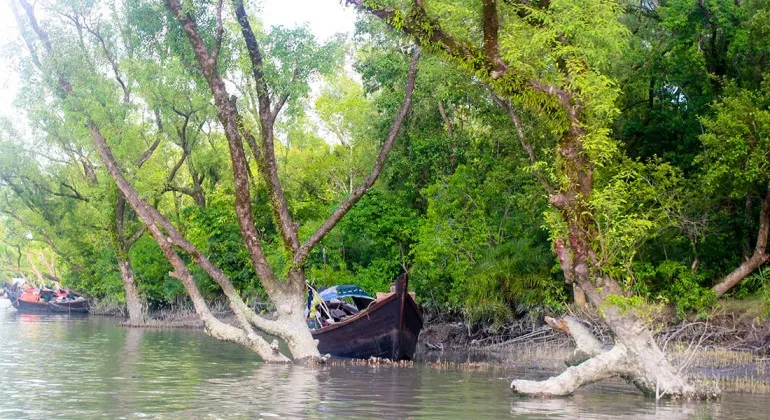
According to official data from the forest department, this landscape is home to mangrove species such as Sundari, Keora, Gewa, Baan and other trees and shrubs adapted to saline coastal conditions. Tidal creeks flow through the forest, connecting its habitat with the waters of nearby rivers and estuaries.

Mangroves are important because their complex root systems provide shelter for aquatic animals, help stabilize sediments, and support the food chain necessary for fish and other wildlife to survive. These ecosystems also contribute to the natural resilience of the coast.

Conservation is particularly important in this area, as coastal erosion, extreme weather, damaged infrastructure and pressure on natural resources can affect both visitors and wildlife. A report published in January 2025 highlighted the deteriorating condition of roads, bridges and other structures in the eco-park. Visitors should therefore check the current condition and avoid unsafe structures.


Best attractions and things to do

Explore the mangrove forest

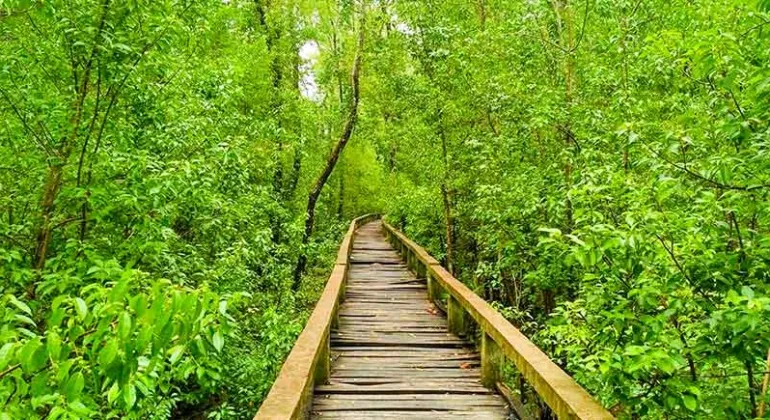
This forest is the main attraction here. Walk only on accessible and designated paths and observe the unique flora of the tidal mangrove ecosystem. Notice the exposed roots under the canopy of trees, salt-tolerant plants, narrow waterways and changing patterns of light. A local guide can help you explain the ecological importance of the forest and identify safe paths.

See birds and other wildlife

The diverse habitats of Tengragiri provide shelter to numerous species of birds and other wildlife. Depending on the season and conditions, visitors can spot the kingfisher, gannet, crane, pheasant, bulbul and other birds. Mammals and reptiles also live in the vast forests. There is no guarantee of seeing them, so bring binoculars and take time for quiet observation.

Keep a respectful distance from animals, do not feed wildlife, and do not approach snakes or other potentially dangerous species. Wildlife should not be disturbed while nesting, feeding, or resting while observing.

Visit Sonakata Beach

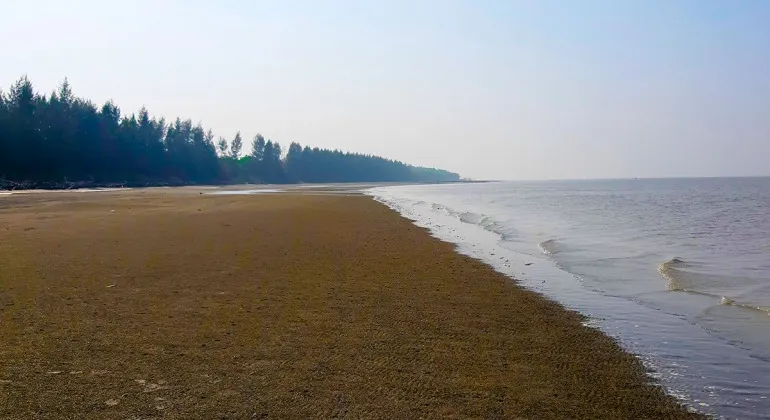
Sonkata Beach is located next to the forest and is one of the most attractive natural features in the area. The combination of vegetation, open sand, coastal waters and wide horizons creates a unique atmosphere for photography and peaceful walks. Access to the beach may depend on the conditions of the path, tides and local safety advisories.

Enjoy taking pictures of sunrises and sunsets.

The coastal environment offers opportunities to capture changing skies, forest edges, tidal waterways and beach scenes. Early mornings are ideal for bird watching and soft natural light, while late afternoons offer a fascinating array of colours across the horizon. Actual sunrise and sunset views depend on viewing direction and weather conditions.

Learn about coastal conservation

This visit will help you understand how mangrove ecosystems support fish populations, create habitat for wildlife, and contribute to coastal stability. Families and educational groups should encourage responsible tourism practices, including taking all trash with them and staying on designated trails.

Experience the tidal landscape

One of the features of the Tengragiri Forest is its small canals and tidal waterways. Their appearance changes with the tides, making this landscape particularly attractive for nature photography. Do not cross the canals or use boats without locally approved arrangements, appropriate safety equipment, and reliable information about water conditions.


Ticket prices and entry rules

The current entry fee for Tengra Giri Eco Park could not be independently verified. While some travel guides state that entry is free, it is not clear whether the Forest Department currently charges an entry fee, requires a permit, or imposes separate charges for specific facilities and activities.

Before your trip, contact the local forest department or the designated forest beat office to confirm whether entry permits are required, whether a guide is required, and whether any fees apply. Don't assume that just because the surrounding forest is open to the public, all activities or facilities are free.

Responsible Visitor Guidelines

  • Follow the instructions given by forest department officials and authorized local guides.
  • Stay on designated routes and avoid damaged bridges, unsafe embankments, or unstable structures.
  • Do not litter, cut down plants, collect wildlife, or disturb animals.
  • Do not enter protected forest areas without permission.
  • Check the tide conditions before going to the beach or on the water.
  • Carry drinking water, first aid kits, sun protection, and necessary personal medications.
  • Before entering remote areas, arrange transportation to Taltali or your place of residence.
  • Check restrictions on photography and drone use before using special equipment.

How to reach

Usually, one has to travel by road to Sonakata Union via Amtoli and Taltoli in Barguna district. Another option for some routes is a boat trip from Kuakata area, which depends on the availability of local drivers, river conditions, and the arrangement of approved ghats.

By bus from Dhaka

  1. Travel from Dhaka to Barguna or Amtali on an intercity bus that plies the southern Bangladesh route. Depending on the operator, buses may depart from the main bus terminals in Dhaka.
  2. From Barguna, take a local bus, minibus or any other road to Amtali and Taltali. If your bus reaches Amtali directly, then make sure to arrange for onward transportation to Taltali.
  3. To get from Taltali to Sonakata Eco Park, hire a locally available motorcycle, auto-rickshaw, or any other suitable vehicle. Ask the driver exactly where to get off and make sure the road is passable.

As a general plan rather than a fixed fare, budget approximately 700–1500 taka for a one-way intercity bus journey from Dhaka, including local transport costs. Actual fares vary depending on the operator, class of service, season, and destination. Allow approximately seven to ten hours or more for the journey by road, including traffic and connections.

By launch and road from Dhaka

Passengers can consider the launch services available from Sadarghat towards Patuakhali or Barguna areas, depending on the current route and schedule. Proceed by road from the designated landing point towards Amtali and Taltali, then arrange local transport to Sonakata. The launch service, stops and journey times should be confirmed before booking. This option may require more coordination than the direct bus journey.

Budget approximately ৳800–৳2,000 or more for a one-way trip, including travel by water and local roads. This is an estimated planning range, not a verified current fare.

By train from Dhaka

There are no direct trains to Tengra Giri Eco Park or Taltali. Travelers who prefer to travel by train can look for train travel at a suitable railway station in the south, such as in the Barisal region, which has adequate services and onward connections. From there, continue your journey by road or water to Barguna, Amtali, and Taltali. Since rail, road, and water connections are not easy and direct, check the complete route and schedule before starting your journey. Direct bus travel is more convenient for most tourists.

By air from Dhaka

There are no regular direct commercial flights to Tengra Giri Eco Park. Travelers can check if there is a suitable domestic flight to Barisal on their desired dates, then arrange for road or water transport to Barguna and Taltali. Flight availability, onward connections, and total travel time should be checked before choosing this option.

From Barguna District Headquarters

  1. Arrange road transport to Amtali and Taltali, starting from Barguna town.
  2. Upon reaching Taltoli Upazila town, confirm road conditions and availability of local transportation for Sonakata Union.
  3. Rent a motorbike or other suitable local vehicle for the final leg of the journey to the eco park.
  4. Before entering the jungle, agree on a pickup time and fare for the return trip.

The district administration has identified a practical option of travelling by motorcycle via Amtoli and Taltoli. As local road conditions and distances may vary, confirm the final distance and travel time with your driver. An approximate budget per person for the next destination from Barguna town is 300–1000 taka, depending on whether you are using shared transport or hiring a private car.

From Taltoli Upazila Headquarters

Sonakata is located near Taltali and can be reached by local road transport. Hire a motorbike or a locally available vehicle and check with locals or forest department officials about the route. One-way fares can vary considerably depending on the vehicle, road conditions, waiting time and whether the journey is shared or private. Plan on an approximate fare of 200-600 taka for a motorbike ride and agree on the actual cost in advance.

By boat from Kuakata

Some tourists arrange for local trawlers or other suitable boats to take them from the Kuakata area to the easily accessible landing sites in the Tengragiri forest. Under favourable conditions, this journey can take about one and a half to two hours, depending on the departure point, the vessel, the tides and the landing site. This is not a guaranteed scheduled passenger service. Confirm the route with a reliable local operator, follow government safety advice and wear suitable life jackets.

Car and motorcycle rental

Hiring a private car or microbus from Barguna, Amtali or Kuakata can make group travel easier, especially when public transport connections are limited. Motorcycles are usually recommended for the final road trip from Taltali. Depending on the starting point of the journey, waiting time and fuel arrangements, a private car for a long distance round trip can cost up to several thousand taka. Find out the rental price before you start your journey, rather than relying on a fixed rate.

Nearby attractions and directions

Use Taltoli Upazila town and Sonakata Union as the main local landmarks. The adjacent Sonakata Beach is another convenient destination. GPS pins may indicate general forest areas rather than actual entrances, so ask the driver to confirm an accessible drop-off location and follow the instructions of the forest department. Do not rely solely on map pins if local roads or bridges are damaged.

Tengra Giri Eco Park Barguna

GPS: 21.985, 90.0865
Get Directions

Where to eat

Food facilities are limited within or immediately adjacent to the eco-park and should not be assumed to be open. Visitors should eat at Taltali, Amtali or any other established settlements along their route before entering the forest.

Rice, pulses, various vegetables, eggs, chicken and fish can be found at local food stalls nearby. You can also try coastal seafood and locally prepared Bengali dishes if available. Ask about the freshness of the food, preparation method and price before ordering.

Carry plenty of drinking water and some packaged food, especially if you plan to walk on the beach or explore remote parts of the forest. Bring all packets and leftover food with you on the way back. Avoid relying on roadside food stalls for late night meals, as their opening hours and availability can be uncertain.

To make the trip comfortable, arrange for lunch at Taltali or Amtali, and consider any food service near the jungle as an optional amenity rather than a guaranteed benefit.


Where to stay?

Accommodation around Sonakata Eco Park is limited, and visitors should not expect any developed resort areas deep in the jungle. For most travelers, a more practical option is to travel to the Eco Park during the day from Taltoli, Amtoli, Barguna town, or Kuakata.

Stay in Barguna city

Barguna town has local residential hotels and basic guest houses. It can be a suitable base for those who want to visit the various tourist attractions of the district over multiple days. Before traveling, confirm room availability, transportation arrangements, and check-in time.

Stay in the clapping or clapping.

These cities can shorten the distance to Sonakata and make it easier to start the journey early in the morning. However, the quality and availability of accommodation here may be limited compared to larger tourist destinations. Contact the accommodation authorities directly to verify amenities, meals, transportation, and payment arrangements.

Stay in Kuakata

Kuakata is an alternative destination for those who want to spend a coastal holiday with the Tengragiri forest. The accommodation market here is larger for tourists than in the nearby Sonakata area. Boat trips to the forest should only be arranged with an operator who can confirm the landing point, duration of the trip, return plan and safety measures.

Forest Restroom

Forest Department rest house facilities are mentioned in the greater Tengragiri area, but it should not be assumed that there will be overnight accommodation facilities for general tourists. Prior permission may be required for this. Contact the responsible authority before planning and arrange alternative accommodation if permission is not obtained.


Travel tips and safety

  • Check access before setting off: Check with local authorities or the forest department about current access permits, road conditions, and damaged bridges.
  • Travel with a companion: It is better to have a small group and an authorized local guide than to explore remote forest areas alone.
  • Plan according to the tides: Know the local tide conditions before going to the beach, crossing waterways, or arranging a boat.
  • Start early: Leaving early in the morning will give you more time to observe wildlife and will allow you to return safely before dark.
  • Bring essentials: drinking water, light snacks, insect repellent, sun protection, charged phone, and first aid kit.
  • Respect wildlife: Do not feed, chase, catch, or approach animals. Keep children close to adults in forest areas.
  • Protect the environment: Remove trash from forests and avoid damaging plants or disturbing wildlife habitats.
  • Be prepared for limited connectivity: Download useful maps in advance and share your itinerary with anyone who is not traveling with you.
  • Confirm return transportation: Arrange a pickup time with your driver and have enough money for alternative transportation if necessary.
  • Follow local instructions: If an area is closed or declared unsafe, do not enter it to take photos or visit sights.

In Bangladesh, the national emergency number for emergencies is 999. Before entering remote areas, check the current contact information of the local emergency and forest departments.


Nearby attractions

Tengra Giri Eco Park can be included in a larger Barguni itinerary that includes coastal landscapes, mangrove forests, religious heritage, and local museums. Travel times depend on road conditions, ferry or boat connections, and starting points, so plan each trip separately, rather than assuming that every attraction is close to Sonakata.

Haringhata Tourist Center, Barguna

Barguna haringhata Tourist Centre – A complete travel guide to mangrove forests, wildlife and coastal beauty, is another option for travelers interested in forest and coastal biodiversity. It offers a complementary nature-centric experience within Barguna district. Before traveling to the two destinations together, check the transportation arrangements from your overnight accommodation.

Laldia Forest Beach

For those who enjoy coastal views and forest-fringed beaches, Laldia Forest Sea Beach in Barguna is a place worth considering. Include it in your comprehensive itinerary by checking the actual route, local transportation arrangements, and travel times. (Laldia forest sea beach Barguna)

Good evening beach

shuvo Sandhya Sea Beach in Barguna, Bangladesh is another coastal tourist destination in this district. Its open beach offers a different atmosphere from the tidal mangroves of Tengragiri. Check the road connectivity and local conditions before planning a combined trip.

Bibichini Shahi Mosque

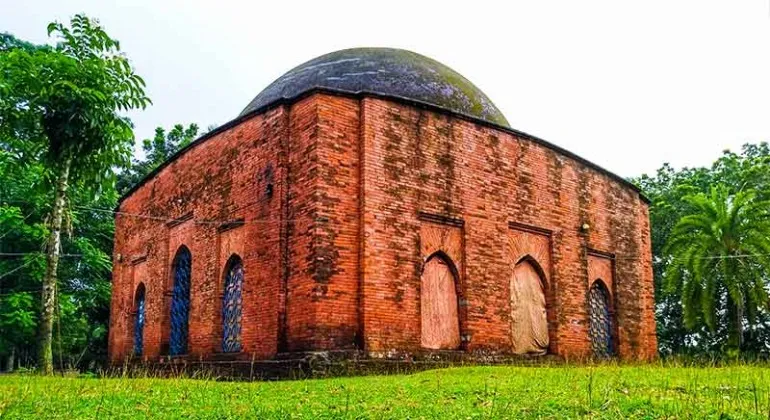
Bibichini Shahi Mosque, Barguna – History, Architecture, Travel Guide & Travel Information, an option for tourists interested in the historical and religious heritage of the district. Since the mosque is located in a different part of Barguna district, it is best to plan it as a separate trip or as part of a multi-day tour.

Bangabandhu Boat Museum

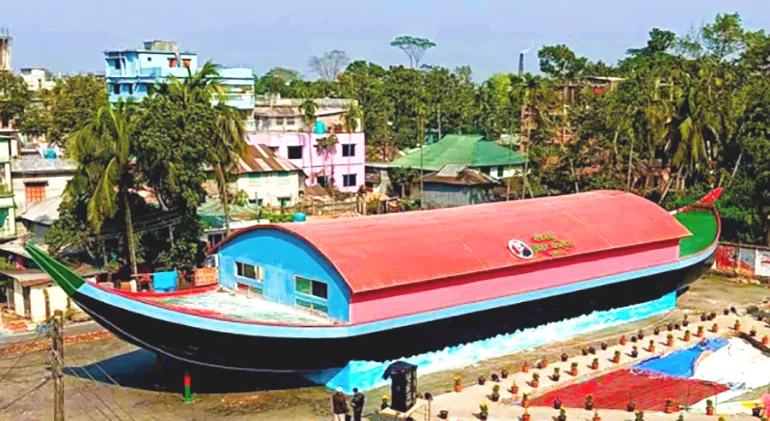
The bangabandhu Boat Museum in Barguna offers a cultural alternative to the outdoors. It may be a good fit for travelers who want to learn about the region's connection to boats and waterways. Be sure to check the current opening hours before visiting.

For a nature-centric itinerary, combine Tengra Giri Eco Park with Sonakata Beach and any other easily accessible forested area. For a longer district tour, add the mosque and boat museum on separate days to reduce unnecessary repetition.

Frequently Asked Questions (FAQ)

Tengra Giri Eco Park is located in Sonakata Union of Taltali Upazila of Barguna District, Bangladesh. It is located within the sprawling Tengra Giri Mangrove Forest near the Bay of Bengal. Taltali town is a useful local transport hub for reaching destinations.

Explore The Area

Top Attractions & Places to Visit in Barguna

Discover more heritage, nature, and must-visit spots across Barguna.

View all in Barguna

Shuvo Sondha Sea Beach, Barguna, Bangladesh

Shuvo Sandhya Sea Beach, also known as Shuvo Sandhya Beach, is a picturesque coastal destination located in Nalbunia, Ni...

Shafayet Al-Anik

Bibichini Shahi Mosque, Barguna – History, Architecture, Travel Guide & Travel Information

Bibichini Shahi Mosque , also known as Bibichini Historical Shahi Mosque, is one of the most significant surviving examp...

Shafayet Al-Anik

Bangabandhu Boat Museum Barguna

The Bangabandhu Boat Museum in Barguna, southern Bangladesh, was a unique cultural attraction, built to celebrate the co...

Shafayet Al-Anik

Laldia forest sea beach Barguna

Laldia Forest Sea Beach , also known as Laldia Beach or Laldia Char, is a quiet coastal destination located in Haringhat...

Shafayet Al-Anik

logo ColoZai

ColoZai is a trusted travel guide and destination explorer platform in Bangladesh. We are making travel simple, authentic, and accessible for everyone.

Need Help ?

We are Always here for you! Knock us on Whatsapp (10AM - 10PM) or Email us.