Taka Museum Dhaka: History, Location, Entry Fees, Opening Hours and Complete Travel Guide

Taka Museum Dhaka: History, Location, Entry Fees, Opening Hours and Complete Travel Guide

Dhaka
·

17 October 2026

Travel Overview & Quick Facts

Directions
Location
Dhaka
Admission / Entry Fee
Although entry is generally free, some recent visitor guides have suggested a nominal entry fee of around 100 ৳ per person. Please confirm the current entry policy with the museum before visiting. Separate charges may apply for commemorative notes, commemorative coins and personal note services (where available).
Best Time to Visit
November to February; visit between 11:00 AM and 1:00 PM on normal opening days for convenient daytime visits.
Opening Hours
Saturday - Wednesday 11:00 AM - 5:00 PM; Closed Thursday; Friday 4:00 PM - 7:00 PM. Please confirm holiday hours before visiting.
Google Rating
★ 4.5 (1263 reviews)
Category / Type
Coin and numismatic museums, historical and cultural attractions, educational family attractions, indoor museums

Introduction to Taka Museum Dhaka: History, Location, Entry Fees, Opening Hours and Complete Travel Guide

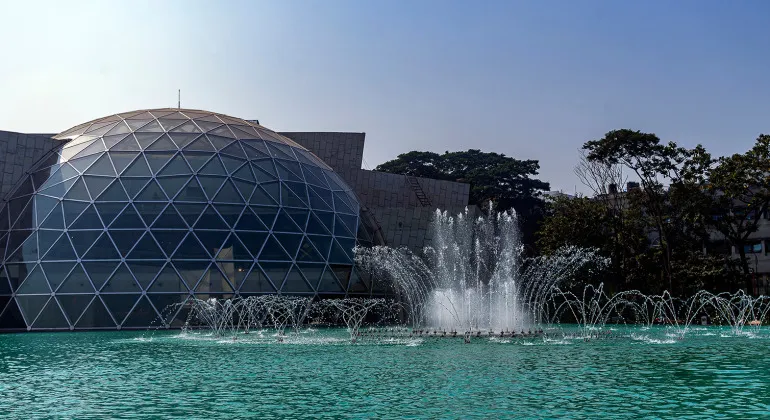
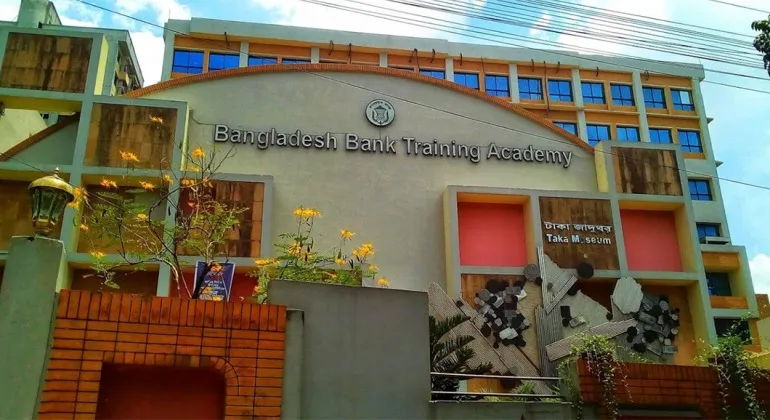
The Money Museum Dhaka , officially affiliated with the Bangladesh Bank and its collection of currency museums, is a distinct cultural attraction located in Mirpur-2, Dhaka District, Bangladesh. Located inside the Bangladesh Bank Training Academy, this specialized museum showcases the history of money through historical coins, banknotes, currency-related artifacts, and examples of the monetary heritage of Bangladesh and other regions of the world. It allows visitors to understand how trade, political authority, craftsmanship, and economic development have influenced the evolution of currency over the centuries.

Unlike a conventional history museum, the Taka Jadhu Museum tells its story through the coins themselves. Its collection spans ancient and medieval Bengal, through the Sultanate, Mughal, British colonial, Pakistani and independent Bangladesh eras. The international coin exhibitions provide a broader perspective on how different societies have represented values, identities and national heritage.

The museum is located at Bangladesh Bank Training Academy, Mirpur-2, Dhaka 1216. It is a worthwhile destination for history buffs, students, families, researchers, and travelers looking for an educational experience outside the well-known sites of the capital. Depending on your interest in the exhibits, allow about one to two hours to explore at your leisure.

For tourists planning an extensive cultural itinerary, the Bangladesh National Museum has extensive collections on the country's history, archaeology, art, and cultural heritage, while Ahsan Manzil offers a glimpse into Dhaka's architectural and social history.


History of the Money Museum

The Money Museum began in 2009, when Bangladesh Bank established a currency museum inside its headquarters in Motijheel. Initially, the collection was not open to the general public. Realizing the educational and cultural importance of preserving the country's monetary heritage, Bangladesh Bank later developed a more comprehensive museum plan with modern display systems and interpretive materials.

The expanded museum project began with the laying of the foundation stone on 27 April 2013. It was officially inaugurated and opened to visitors on 5 October 2013. The institution has become an important centre for presenting the development of Bengali and Bangladeshi currencies, along with those of other countries.

Bangladesh Bank manages the museum's collection and preservation activities. Its work includes the collection, documentation, display, preservation, and research of coins and coin-related objects. The museum also supports educational activities and publications, which help explain the monetary history represented through its exhibits.

For historical context beyond the currency, tourists can visit Lalbagh Fort , whose Mughal-era architecture reflects another important chapter in Dhaka's past, or visit shaheed Minar to learn about the cultural significance of the Bengali Language Movement.


What to see inside the Money Museum

The museum's main attraction is its collection of coins, banknotes, and related objects, which are arranged to explain the development of currency in Bangladesh and internationally. Its gallery exhibits combine historical eras and geographical regions, allowing visitors to compare coin designs, denominations, inscriptions, and production techniques.

Historical coins and banknotes of Bengal

Learn about the coinage of ancient Bengal and the wider Indian subcontinent. Coins from different historical periods illustrate changes in political authority, commercial activity, artistic style, and the way rulers displayed power through inscriptions and imagery. Each coin, accompanied by explanatory labels, provides the historical context necessary to understand its significance.

Meaning of Sultanate and Mughal period

The coins of the Sultanate and Mughal periods provide a glimpse into the economic and political relations between Bengal and other parts of the subcontinent. The variations in script, design, metal, and construction style show how coins changed under different administrations and historical circumstances.

Colonial and modern Bangladeshi banknotes

The exhibits on later historical periods help visitors trace the transition from earlier regional currencies to the colonial-era monetary system, the currency used in East Pakistan, and the taka of independent Bangladesh. These objects highlight the changes in national identity, popular image, coinage design, and the institutions responsible for issuing money.

International coin collection

Collections of foreign coins, banknotes, commemoratives, medals, and other monetary-related objects provide insight into the monetary traditions of different countries. Comparing these exhibits can reveal differences in language, national symbols, portraiture, cultural imagery, and artistic techniques.

Digital displays and educational facilities

The museum is equipped with modern interpretive and audiovisual facilities, which aim to make financial history accessible to visitors. The availability and functionality of specific interactive installations may vary, so visitors should contact staff if they are interested in a particular feature.

Photography and souvenirs

Please ask museum staff about current photography regulations before taking photos. Select commemorative coins or memorabilia may be available, subject to availability, eligibility requirements, and applicable charges. Do not assume that every historical item on display is available for purchase or handling.


Why visit Dhaka Money Museum?

The Taka Museum is particularly valuable for travelers who want to understand Bangladesh through its economic and cultural history. The currency is a tangible document of changing governments, commercial relations, artistic practices, and national identity. The museum makes these themes understandable through objects from different periods and countries that can be directly compared.

  • For history buffs: Learn how coins and banknotes reflect the sequential historical periods of Bengal and Bangladesh.
  • For students: Explore real connections between economics, archaeology, art, trade, and national history.
  • For families: Introduce children to money, its production, its design, and its role in everyday life.
  • For coin collectors: Review historical and international patterns of numismatic materials and learn about coin conservation.
  • For international visitors: Learn about Bangladesh's monetary tradition and compare it with the monetary traditions of other countries.

Visitors interested in exploring more of the collection can include the Bangladesh Air Force Museum in their extensive Dhaka itinerary. Those interested in architectural heritage may prefer to combine their museum visit with curzon Hall .


Ticket prices and entry rules

Admission Information: According to visitor reports, general admission may be free, although some third-party guides mention a nominal admission fee of around 100 Guyanese. The current official admission policy has not been independently confirmed from available government information. If exact pricing is important to your plans, contact the museum before traveling.

Item Visitor information
General Admission Reported to be free; confirm current policy before visiting.
Special coin or commemorative In cases where products or services are available, separate charges may apply.
Identification or registration Carry identification with you and be prepared to register at the entrance if requested.
Food and drink According to the museum's official information, food is prohibited inside the museum.
Gold jewelry The museum's official information includes gold jewelry on the list of prohibited items.
Weapons and explosives Strictly prohibited.

As the museum is operated within a training center of Bangladesh Bank, visitors are requested to follow security instructions, comply with any searches at the entrance, and respect restrictions imposed by staff. Keep personal belongings tidy and seek permission before taking photographs of exhibits or other visitors.

For school groups, educational tours, or large groups, please contact the museum in advance to confirm applicable rules and regulations for visitors and necessary arrangements.


Opening hours and best time to visit

The following regular opening hours are listed in the published visitor information. As the schedule may change during public holidays, institutional events or maintenance, please confirm the times before you travel.

Day Opening hours
Saturday 11:00 AM - 5:00 PM
Sunday 11:00 AM - 5:00 PM
Monday 11:00 AM - 5:00 PM
Tuesday 11:00 AM - 5:00 PM
Wednesday 11:00 AM - 5:00 PM
Thursday Closed
Friday 4:00 PM - 7:00 PM

Best time of day: Saturday through Wednesday, arriving between 11:00 a.m. and 1:00 p.m. is a convenient time of day to visit the museum. Friday visitors should plan for the late opening hours.

Best Month: November to February is a convenient time to include the museum in your overall Dhaka travel plans. Since it is an indoor attraction, it can be visited all year round if it is open.

Recommended duration: Generally allow one to two hours for a visit. Visitors with a particular interest in the history of coins, coin collecting, or research may want to spend more time.


How to reach

The Money Museum is located inside the Bangladesh Bank Training Academy in Mirpur-2, Dhaka, with the general address being 5 Mirpur Road, Dhaka 1216. For directions, the Bangladesh Bank Training Academy and the nearby Sher-e-Bangla National Cricket Stadium area serve as helpful pointers. Enter the name of the museum in your preferred navigation app and make sure that the destination is Mirpur-2 instead of Bangladesh Bank Headquarters in Motijheel.

1. By bus from central Dhaka

Get off at any bus heading towards Mirpur-2 or any convenient stop in the Mirpur-2 area. Depending on your starting point, you may need to change buses at Farmgate, Technical or any other major transport interchange. Take a rickshaw or CNG autorickshaw from the nearest convenient stop to reach Bangladesh Bank Training Academy.

As an approximate budget, allow around 30-100 taka for bus travel within Dhaka and around 30-100 taka for short distance rickshaw rides, depending on distance and local conditions. These fares are estimates, not verified current fares.

2. By rickshaw or CNG autorickshaw

For those already in Mirpur, a local rickshaw or CNG autorickshaw is often the easiest way to get to the last leg of the journey. Tell the driver that you are going to the Taka Museum located at the Bangladesh Bank Training Academy in Mirpur-2. A short rickshaw ride can cost approximately 30-100 taka, but a CNG ride can cost even more, depending on where you are starting from, traffic congestion, and bargaining.

3. Ride-hailing service or private car

Ride-hailing services and private cars are a convenient option for families, visitors with luggage, or travelers unfamiliar with Dhaka's bus network. Enter Taka Museum or Bangladesh Bank Training Academy, Mirpur-2 as your destination and verify the PIN before confirming the ride. Depending on the distance and traffic, an estimated budget for ride-hailing from central Dhaka can be around 200-600 taka or more. The actual fare depends on the starting point of the journey, demand, and type of vehicle.

If traveling by private vehicle, check with authorities about parking availability and access arrangements. Do not assume that visitor parking will be guaranteed for the general public.

4. From Hazrat Shahjalal International Airport

Take a taxi or ride-hailing vehicle from Hazrat Shahjalal International Airport to Mirpur-2, or use public transport with suitable connections to Mirpur. For visitors with luggage, traveling directly by road is often the easiest option. Depending on traffic, it can take an estimated 45-90 minutes or more, and use the estimated time of the live navigation for that day. An estimated budget for a taxi or ride-hailing is ৳500-৳1,200 or more, depending on demand and type of service.

5. By train

Dhaka's intercity rail stations are not located right next to the Taka Museum. If you arrive by train at Kamalapur Railway Station or any other station in the Dhaka area, proceed to Mirpur-2 by taxi, ride-hailing service, or a combination of public transport and local rickshaws. Budget separately for your onward road journey; there is no direct train service to the museum.

6. From the district headquarters or from outside Dhaka

Passengers arriving from other districts can take an intercity bus or train to a suitable destination in Dhaka, then use the options above to travel to Mirpur-2. Bus and train ticket prices depend on the source, operator, class, and date of travel, so please contact the relevant operator for current fares rather than relying on a specific estimated fare.

Directions: The museum is not affiliated with the central bank's main headquarters in Motijheel, but with the Bangladesh Bank Training Academy in Mirpur-2. Confirm your destination before you start your journey. Official information about the museum can be found on the Bangladesh Bank's Money museum website .

Taka Museum Dhaka: History, Location, Entry Fees, Opening Hours and Complete Travel Guide

GPS: 23.8021616, 90.3596398
Get Directions

Where to eat

Plan your meals from the restaurants, cafes and everyday Bangladeshi food stalls in the neighborhood of Mirpur-2. Visitors can find rice and curry, biryani, paratha, light meals, tea and fast food as per their preference and budget. Food availability and prices vary from establishment to establishment.

For a budget meal, a simple meal can be found at local restaurants for around 100-250 taka per person. A meal at a mid-range restaurant can cost around 250-600 or more taka. These figures are just estimates, they are not verified menu prices.

Check the opening hours of a particular restaurant before you go, especially if you plan to visit on a Friday, as the museum opens late in the afternoon. Since museum rules prohibit bringing food inside, finish your meal before entering or plan to eat after your visit.

Instead of traveling from one end of Dhaka to the other just for one meal, use an updated map list to find restaurants near Bangladesh Bank Training Academy.


Where to stay?

Mirpur is a convenient accommodation hub for travelers whose itineraries include the Taka Museum, the Sher-e-Bangla National Cricket Stadium area, and other attractions in northern Dhaka. Guesthouses and hotels in Mirpur and the surrounding area can reduce the need for long journeys within the city, although their availability and quality vary.

Travelers who want more hotel options can also consider central Dhaka, Gulshan, Banani, or other established housing areas. Choose based on your budget, transportation arrangements, and location of other places you want to visit.

To give you a general idea, budget guesthouses can cost around ৳1,500-৳3,000 per night, while mid-range hotels can cost ৳3,000-৳8,000 or more. These are only approximate ranges; check current room rates, taxes, amenities, cancellation policies, and guest reviews before booking.

If you are planning a trip centered around historic Dhaka, you may want to consider staying somewhere with convenient road connections to Old Dhaka and the city's central districts. This will allow you to easily combine museum visits with architectural and cultural attractions without having to travel unnecessarily long distances.


Tips and practical information for visitors

  • Check the schedule: Before heading out, especially on Thursdays, Fridays, and public holidays, check the museum's official website.
  • Bring ID: Carry a valid ID and allow enough time for visitor registration or security checks.
  • Have enough time on hand: Plan for one to two hours, and allow extra time if you are interested in the details of the coin collection or exhibition.
  • Follow safety rules: Follow staff instructions and do not bring any prohibited items into the museum.
  • Check the photography rules: Ask permission before taking photos of the exhibit or using photography equipment.
  • Keep children interested: Encourage them to compare the shapes, symbols, languages, and values ​​displayed on different coins and notes.
  • Keep some spare change with you: Small notes can come in handy for buses, rickshaws, and local shopping.
  • Confirm special services: Before traveling specifically for a special service, ask the staff about any ongoing educational programs, commemorative coins, or group travel arrangements.

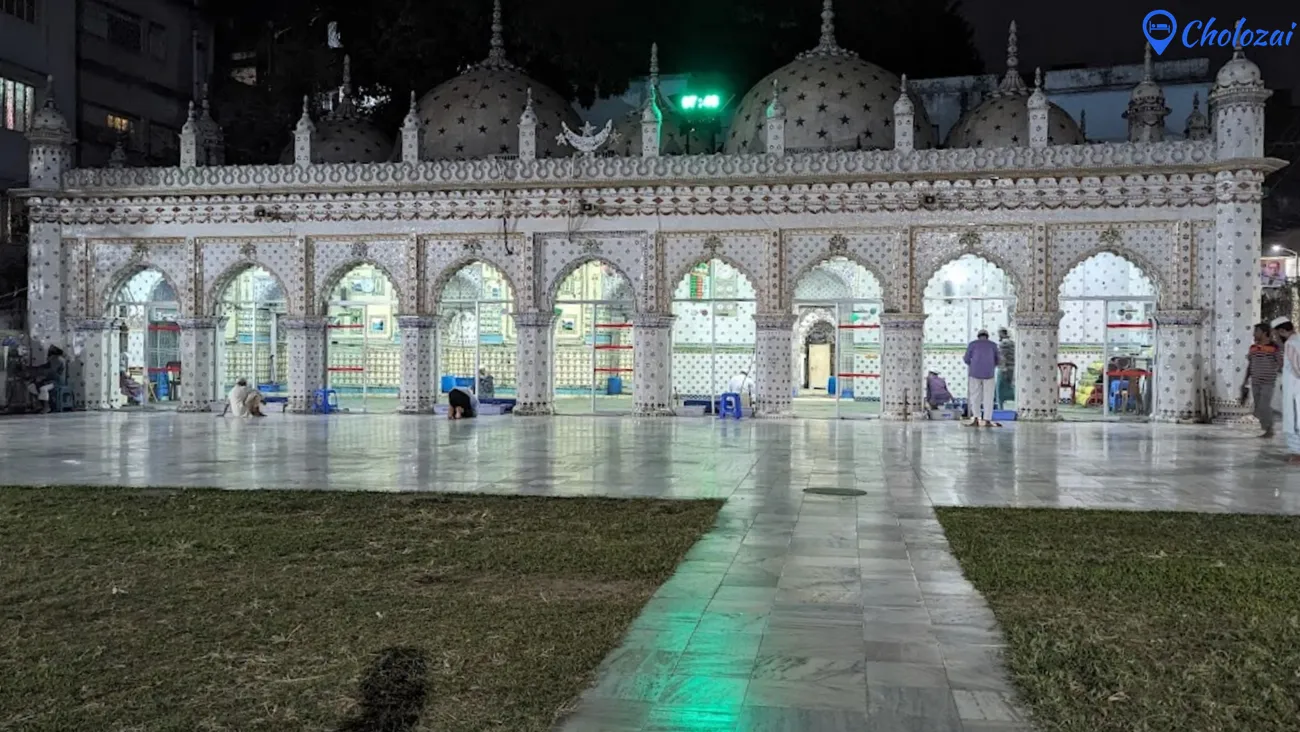
Visitors interested in the capital's extensive history and culture can also explore the Dhanmondi Lake area or the historic architectureof the Star Mosque , depending on their itinerary and available time .


Nearby attractions

Taka Museum can be included in a larger itinerary to explore the capital's cultural institutions, historical buildings, and entertainment venues. The following attractions are located in Dhaka District, although not all are close to Mirpur-2. Check the distance and traffic conditions of each place before planning to visit them on the same day.

  • Bangladesh Air Force Museum : An aviation museum showcasing various aircraft and aspects of the history of the Bangladesh Air Force. This might be an option for you if you enjoy educational exhibits and military aviation.
  • Bangladesh National Museum : A major cultural institution in the Shahbagh area, housing collections on history, archaeology, art, and national heritage.
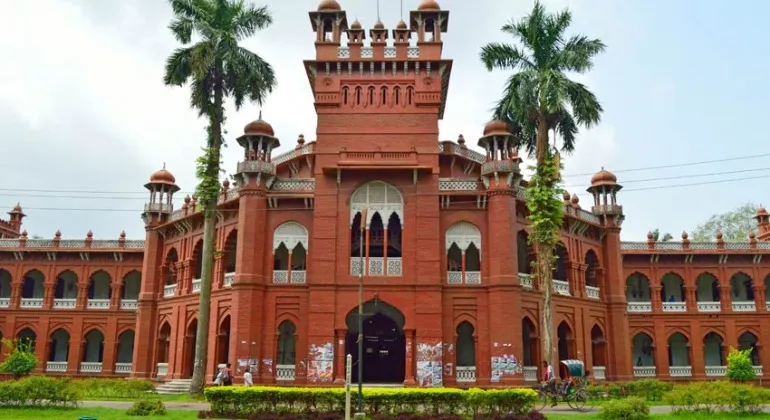
  • Curzon Hall : A landmark of Dhaka's architectural and educational heritage, known for its distinctive historical design.
  • Lalbagh Fort : A prominent Mughal-era historical structure in Old Dhaka, suitable for visitors interested in architecture and the city's early modern history.
  • Ahsan Manzil : A historic pink palace associated with Dhaka's Nawabi heritage and the city's social history.
  • Dhaka Rose Garden : A historical palace and architectural attraction associated with the city's heritage.
  • Shaheed Minar : An important national monument built in memory of those killed in the Bengali Language Movement.
  • National Parliament Building : A famous architectural landmark designed by Louis I. Kahn and one of the most well-known structures in the capital.
  • Hatirjheel : An urban waterfront and entertainment area, which can relieve boredom after visiting museums and historical sites.
  • Dhaka Botanical Garden : A large botanical collection located in the Mirpur area, which offers a nature-focused tour to complement a museum visit.
  • Moinot Ghat : A riverside destination located a short distance from central Dhaka, more suitable for a separate excursion than a short museum visit.
  • Rose Village Sadullahpur : A floral and rural travel option for tourists planning a long trip outside the central city.

For the most convenient itinerary, combine the Taka Museum with one or two attractions that fit into your itinerary, rather than trying to visit all the destinations in one day. Traffic jams in Dhaka can significantly affect travel times, especially between Mirpur, Central Dhaka, and Old Dhaka.

Frequently Asked Questions (FAQ)

The Money Museum is located at the Bangladesh Bank Training Academy, located in Mirpur-2, Dhaka, 1216, Bangladesh. The address usually listed is 5 Mirpur Road. When using a navigation app, search for Money Museum or Bangladesh Bank Training Academy, Mirpur-2 and make sure the pin does not point to the Bangladesh Bank headquarters in Motijheel.

Explore The Area

Top Attractions & Places to Visit in Dhaka

Discover more heritage, nature, and must-visit spots across Dhaka.

View all in Dhaka

Star Mosque Dhaka

Tara Mosque in Dhaka, locally known as Tara Masjid , is one of the most beautiful and architecturally distinctive histor...

Shafayet Al-Anik

Seven Dome Mosque Dhaka

The Seven-Domed Mosque , also spelled as the Seven-Domed Mosque or the Seven-Domed Mosque, is one of the most distinctiv...

Shafayet Al-Anik

Musa Khan Mosque Dhaka

Musa Khan Mosque (Musa Khan Mosque) is a historic three-domed mosque located within the Dhaka University campus, near Cu...

Shafayet Al-Anik

Jahangirnagar University Dhaka

Jahangirnagar University, located in Savar, a suburb of Dhaka, Bangladesh, is a prestigious government university, known...

Shafayet Al-Anik

Liberation War Museum Dhaka

The Liberation War Museum in Dhaka , locally known as the Liberation War Museum , is one of the most important historica...

Shafayet Al-Anik

Shaheed Minar Dhaka – History, Location, Visiting Hours and Complete Travel Guide

The Central Shaheed Minar in Dhaka is one of the most important national monuments in Bangladesh, symbolizing the sacrif...

Shafayet Al-Anik

Curzon Hall Dhaka – History, Architecture, Location, Visiting Times and Complete Travel Guide

Curzon Hall in Dhaka is one of the most significant historical buildings in Bangladesh and an enduring symbol of the cou...

Shafayet Al-Anik

Dhakeshwari Temple Dhaka

Dhakeshwari National Temple is one of the most important religious and historical sites in Dhaka, the capital of Banglad...

Shafayet Al-Anik

Mausoleum of the Three Leaders

The Mausoleum of the Three Leaders , also known as the Shrine of the Three National Leaders, is one of the most importan...

Shafayet Al-Anik

logo ColoZai

ColoZai is a trusted travel guide and destination explorer platform in Bangladesh. We are making travel simple, authentic, and accessible for everyone.

Need Help ?

We are Always here for you! Knock us on Whatsapp (10AM - 10PM) or Email us.