Tajhat Palace Rangpur

Tajhat Palace Rangpur

Rangpur
·

18 October 2026

Travel Overview & Quick Facts

Directions
Location
Rangpur
Admission / Entry Fee
Published rates by the Department of Archaeology: 20 dirhams for Bangladeshi adults, 5 dirhams for secondary school students and free for children under 5 years. 100 dirhams for visitors from SAARC countries and 200 dirhams for other international visitors. These are published estimated prices, not independently verified prices from the counter as of October 2026. Please check with the museum ticket counter for the current entry fee, eligibility for students and any revised fees for foreign visitors before entering.
Best Time to Visit
October to March; especially between 10:00 AM and 12:30 PM or during afternoon visits.
Opening Hours
October - March: Tuesday - Saturday 9:00 am - 5:00 pm, Monday 1:30 pm - 5:00 pm, closed Sunday. April - September: Tuesday - Saturday 10:00 am - 6:00 pm, Monday 2:00 pm - 6:00 pm, closed Sunday. Regular lunch break 1:00 pm - 1:30 pm; Friday prayer break approximately 12:30 pm - 3:00 pm. These are museum timetables published by the government, not the direct timetable from Google Maps which have been independently verified. Ramadan, public holidays and administrative changes may affect entry.
Google Rating
★ 4.4 (6056 reviews)
Category / Type
Historical palaces, archaeological museums, architectural heritage, cultural and educational tourism

Introduction to Tajhat Palace Rangpur

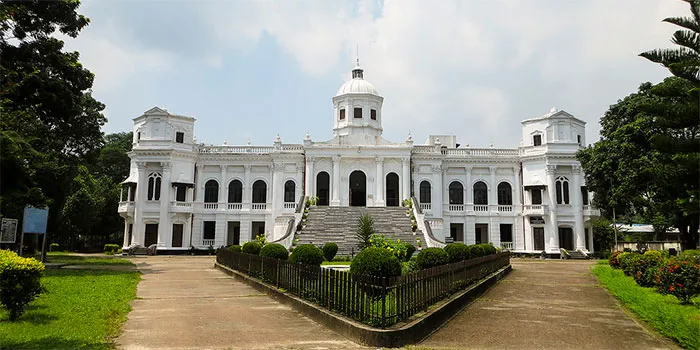
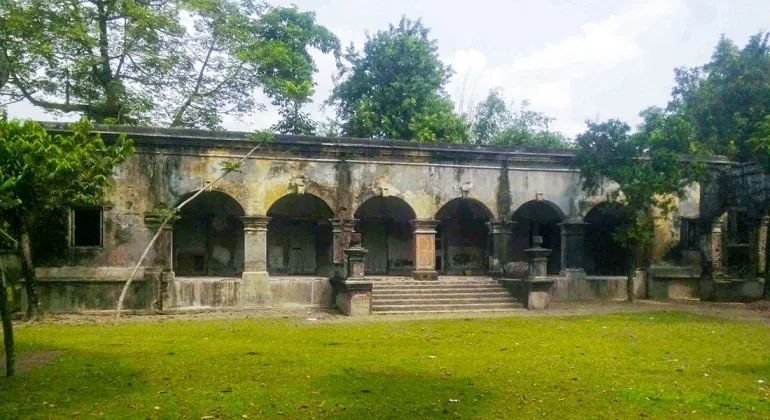
Tajhat Palace, Rangpur, also known as Tajhat Rajbari or Tajhat Zamindar Bari , is one of the most beautiful historical monuments in northern Bangladesh. Located in the Tajhat area of ​​Rangpur city, this early 20th-century palace combines aristocratic history, classical architectural beauty, ornate courtyards, and an important archaeological museum. Its impressive white facade, grand marble staircase, symmetrical sides, and distinctive central dome make it one of the most recognizable heritage buildings in Rangpur division.

Built during the era of the influential Bengali zamindar or landowning elite, Tajhat Palace reflects a fascinating chapter in regional history. The residence is associated with Maharaja Kumar Gopal Lal Roy , whose family's wealth and social status were expressed through an extraordinarily elaborate architectural style. Today, this former aristocratic residence houses the Rangpur Museum, which combines the building's grandeur with centuries of archaeological discoveries, religious manuscripts, stone sculptures and regional artistic heritage.

Located about 3 kilometers southeast of Rangpur city center, the palace is easily accessible by rickshaw, autorickshaw, private car, and other local transportation, depending on the starting point. Visitors can marvel at its impressive exterior, explore the accessible museum exhibits, take photos of its famous staircase from the designated area, and learn about the cultural heritage of northern Bangladesh.

Tajhat Palace is a must-see destination on the Rangpur itinerary for travelers interested in history, architecture, archaeology, and photography. It is also a convenient starting point for exploring the district's larger heritage, which includes Devi Chowdhuryin Palace Rangpur and Pairaband Rangpur , associated with pioneering Bengali writer and social reformer Begum Rokeya .

Brief information for visitors: Location: Tajhat Road, Rangpur 5400, Bangladesh. Attraction type: Historical palace and archaeological museum. Suggested duration of visit: Approximately 1.5–2.5 hours. Entrance fee: Ticket required. Best time to visit: October to March. Important: Please reconfirm museum hours, entrance fees, gallery access, and photography restrictions before visiting.


History of Tajhat Palace in Rangpur

The history of Tajhat Palace is closely linked to the rise of wealthy merchant and landowning families in North Bengal in the late 19th and early 20th centuries. The Tajhat Estate developed through the commercial success and social influence of a family traditionally associated with the jewellery trade. Over time, this family became an important part of the landowning aristocracy of Rangpur.

The Origin of Tajhat Estate

According to local historical accounts, the origin of the area is linked to a wealthy jeweller named Manna Lal Roy, whose family later gained wealth and prestige in the region. The name ' Tajhat' is generally associated with the word 'Taj' meaning crown and the jewellery trade traditionally practiced by the family's ancestors. This interpretation is part of the popular historical tradition of the area and should not be confused with the independently established archaeological evidence in favour of the place name.

The palace is generally believed to have been built by Maharaja Kumar Gopal Lal Roy and dates to the early 20th century. Its monumental design reflects the prosperity of its patrons and the architectural ambitions of wealthy Bengali landlords during British colonial rule.

Life during the Zamindari era

During the Zamindari period, grand residences like Tajhat Palace were not just private residences. They were symbols of political status, economic influence, ceremonial prestige, and local administrative authority. Spacious halls, ornate reception rooms, impressive entrances, and well-planned courtyards helped to convey the social status of the estate owners.

The palace's architectural style reflects a time when wealthy families in South Asia often built residences influenced by European classical design, while also maintaining regional traditions in spatial planning and decoration.

From elite residences to government institutions

After the collapse of the zamindari system, Tajhat Palace gradually lost its original residential function. Between 1984 and 1991, the building was used by the Rangpur branch of the High Court Division of the Supreme Court of Bangladesh, which marked an important chapter in its institutional history.

In 1995 , the Department of Archaeology declared the palace a protected monument, recognizing its architectural and historical significance. The government subsequently undertook conservation and adaptive-reuse initiatives, allowing the property to be used for educational purposes while maintaining its identity as a major heritage site.

Establishment of Rangpur Museum

In 2005 , the Rangpur Museum was relocated to the upper floor of Tajhat Palace. This transformation gave the historic building a new public space and created an opportunity to display archaeological artifacts in one of the region's finest architectural settings.

Today, the palace is important not only for its aristocratic origins, but also for its role in preserving and interpreting the larger cultural history of Rangpur and northern Bangladesh. Visitors interested in comparing the former aristocratic residences of the district can also visit the devi Chowdhuryin Palace in Rangpur .


Special attractions of architecture and design

Tajhat Palace is an exceptional example of early 20th-century aristocratic architecture in Bangladesh. Its design incorporates European classical elements as well as South Asian architectural influences, creating a monumental residence distinguished by symmetry, ornamentation, and a dramatic entrance layout.

Nice white facade

One of the most striking features of the palace is its nearly 76-meter-wide eastern façade . The main building is two stories high and is roughly based on the English letter 'U' design. Its symmetrical flanks, recurring arches, ornate cornices, and main central entrance create an impressive yet harmonious form.

The pale exterior visually unifies the architectural elements and highlights the building's decorative details. Visitors should note the proportions of the arched doorways across the facade, the decorative roof ridges, and the rhythm of the columns and pillars.

Grand marble staircase

The palace's most photographed architectural feature is its wide central staircase. This impressive staircase, made of white marble, rises to the upper floor entrance and forms a formal entrance to the building.

The staircase also establishes a visual relationship between the palace's elevated terrace and its ornate front courtyard. From the open space in front of the building, visitors can enjoy the symmetry of the staircase, the entrance arch, and the central dome. Access to the staircase or certain terraces may be restricted for conservation or visitor management purposes.

Central dome and octagonal tower

Above the main entrance is a distinctive dome resting on an octagonal minaret. This towering architectural feature forms the visual focal point of Tajhat Palace and distinguishes its form from other historic residences in Bangladesh.

Its proportional structure, decoration, and positioning show the influence of classical and colonial design choices. The dome, together with the staircase below, creates the palace's characteristic vertical form.

Pillars, corridors and interior layout

Columns influenced by classical architecture, with Corinthian-style decoration, contribute to the formal appearance of the building. Historical architectural descriptions indicate that its two-story structure contained about 22 rooms or apartments, along with corridors, halls, and ancillary spaces.

Visitors entering the museum's designated areas may encounter interior spaces that preserve elements of the palace's original character. However, not all rooms will be accessible, and the current route depends on the museum's operations and conservation needs.

Gardens and palace grounds

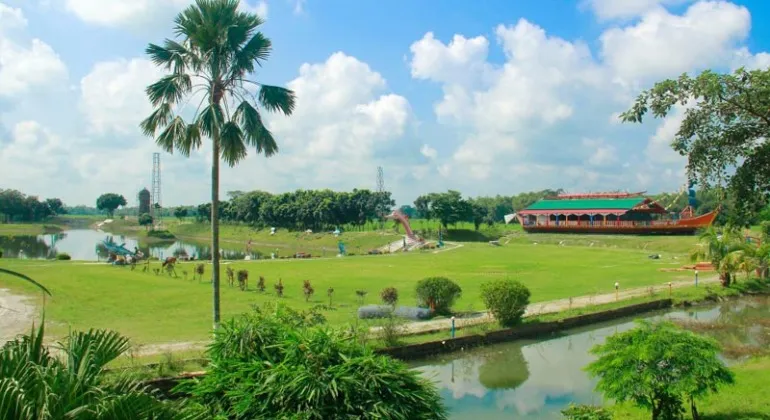
An important part of the palace visit experience is the landscape surrounding it. Its front courtyard, green spaces, mature trees, garden layouts, and associated water bodies provide an enveloping framework for the historic building and create an attractive backdrop for outdoor photography.

The strongest architectural style is usually visible from the central entrance, from which the staircase, dome, symmetrical sides, and ornate facade are seen together.


Rangpur Museum and Historical Collection

One of the main reasons to visit Tajhat Palace is the opportunity to visit the Rangpur Museum located inside this historic building . Operated as part of the archaeological heritage infrastructure of Bangladesh, the museum houses artifacts that help visitors understand the artistic, religious, and cultural heritage of North Bengal.

Terracotta artifacts

The historical description of the collection identifies the terracotta objects as dating to approximately the 10th and 11th centuries. These terracotta artifacts provide evidence of the region's earlier artistic practices, decorative traditions, and cultural expressions.

Visitors interested in archaeology should examine surviving motifs, shapes, craftsmanship, and accompanying museum labels. Individual exhibits may change due to museum conservation, documentation, or exhibition updates.

Ancient manuscript

The museum is well known for its collection of manuscripts written in Sanskrit and Arabic, which includes material related to important literary and religious traditions such as the Mahabharata, the Ramayana, and the Quran.

Historical accounts also mention a Quranic manuscript that is said to date back to the time of the Mughal emperor Aurangzeb. Until independently established through expert manuscript research, such attributions should be considered as alleged collection traditions.

Black stone sculpture

Black stone sculptures related to Hindu religious traditions are another important aspect of the museum's aforementioned collection. The description specifically mentions the portrait of Vishnu, which highlights the importance of sculptural art and religious imagery in the historical culture of Bengal.

Coins and regional heritage objects

Regional archaeological collections may also contain coins and other historical objects, which help explain trade, political authority, artistic creation, and patterns of daily life. Visitors should consult the current labels in the galleries for accurate dating, provenance, and identification of objects.

Important rules for visiting museums

  • Photography: Historically, photography is prohibited inside museums. Ask museum staff about current policies before using a camera or cell phone.
  • Artifact Protection: Do not touch the surfaces of sculptures, manuscripts, display cases, or historic architecture.
  • Gallery access: Some rooms may be temporarily unavailable for conservation or administrative reasons.
  • Children: Supervise young visitors near exhibits, stairs, and reserved rooms.
  • Learning Experience: Read the exhibit labels carefully and ask staff about available interpretive materials.

The museum's unique location makes the visit particularly memorable: visitors explore archaeological artifacts inside a building that is itself a protected historical monument.


Things to see and do at Tajhat Palace

Although Tajhat Palace is primarily a heritage and museum center, not an entertainment center, it still offers several rewarding experiences for travelers who love historical architecture, cultural enlightenment, and outdoor photography.

1. Enjoy the beauty of the exterior of the monumental palace

Start by strolling slowly through the designated front courtyard. From the main entrance, admire the building's symmetrical design, ornate columns, wide white staircase, and central dome. This is the best place to appreciate the grandeur and architectural ambition of the main residence.

2. Visit the Archaeological Museum

After purchasing your ticket, explore the museum's galleries, which are open to visitors. Take a close look at the terracotta artifacts, manuscripts, and stone sculptures, which provide a historical context beyond the palace's early 20th-century history.

3. Take pictures of architecture

Photographing the exterior is a major attraction. Popular compositions include views from the front of the stairs, the central dome surrounded by the side panels, corner views of the pillars, and the ornate entrance. Always follow the guidelines and instructions of staff regarding protected areas and photography restrictions.

4. Discover the Zamindari heritage of Rangpur

Through this visit, understand how influential landlord families displayed their wealth and influence through their vast residences. This palace provides a valuable architectural comparison with devi Chowdhuryin Palace, another destination in the historic landscape of Rangpur.

5. Enjoy the palace grounds

Take a leisurely stroll through the gardens and outdoor open spaces where public access is available. The mature trees and landscaped surroundings create a pleasant contrast to the expansive architecture.

6. Go on an educational family trip

Tajhat Palace can be particularly rewarding for students and families. Children can learn about archaeology, traditional crafts, religious art, and the history of the zamindari period. Parents can make the experience more participatory by encouraging children to identify architectural details and compare different historical objects.

7. Combine heritage with other experiences in Rangpur

Tourists planning to spend the entire day can visit the palace before heading to another cultural or recreational destination. For example, the laldighi Nine Dome Mosque in Rangpur offers a different perspective on regional architecture, while the Prayas Shena Amusement Park offers a different recreational experience.

Suggested visit duration: approximately 30-45 minutes for the exterior and gardens, 45-75 minutes for the museum galleries, and allow additional time for photography or detailed historical observations. A total of 1.5-2.5 hours is appropriate for most visitors.


Ticket prices, opening hours and entry rules

Tajhat Palace is a ticket-based historical attraction. Published government information includes separate entry fees for Bangladeshi visitors, school students, children, citizens of SAARC countries, and other international visitors. As museum admission prices and operations are subject to change, the prices below should be considered as an estimate and not a guarantee of the exact price on the day of visit.

Tajhat Palace entrance fee has been published

Inspectorate Department Published admission price Important notes
Bangladeshi adult ৳20 Published general domestic admission rate
High school student ৳5 The student may be required to prove eligibility.
Children under 5 years old Free Age-based exemptions under published policies
Inspector of SAARC countries ৳100 Published regional foreign-visitor rates
Other international visitors ৳200 Published standard foreign-visitor rate

The ticket counter is located near the museum entrance. Please bring small amounts of cash and check that the current price is not different from the published list. Additional conditions may apply for group visits, educational tours and special arrangements.

Published seasonal opening schedule

Season Tuesday - Saturday Monday Sunday
October - March 9:00 AM - 5:00 PM 01:30 PM - 05:00 PM Closed
April - September 10:00 AM - 6:00 PM 2:00 PM - 6:00 PM Closed

Important Schedule Clarification: This seasonal schedule is based on the Archaeological Museum's published schedule. Google-linked commercial listings sometimes show different daily times, so it has not been possible to conclusively verify the live Google Maps schedule with the official schedule. The museum traditionally observes a lunch break between 1:00 PM and 1:30 PM and a long break for Friday prayers from approximately 12:30 PM to 3:00 PM. Ramadan schedules, public holidays, and special administrative announcements may override the general schedule. As of October 2026, visitors should check the current schedule before making long journeys.

Rules and practical information for visitors

  • Entry: Purchase the appropriate ticket and keep it with you during your visit.
  • Photography: Check the rules for taking photos outside and inside separately; taking photos may be prohibited in museums and galleries.
  • Restricted areas: Do not enter locked rooms, reserved areas, or areas designated for personnel only.
  • Preservation: Avoid touching historic surfaces, inscriptions, sculptures, and decorative features.
  • Food: Do not eat or drink anything inside the gallery unless specifically permitted.
  • Accessibility: The large staircase may pose difficulties for visitors with limited mobility. Ask staff about available accessibility; stair-free access to each exhibit area has not been independently confirmed.
  • Government Holidays: Check opening arrangements on Eid, national holidays, and special government days.

For the easiest visit, choose Tuesday, Wednesday, or Thursday and arrive during the morning visitation, so you have enough time to finish your museum tour before the scheduled break.


Best time to visit Tajhat Palace

October to March is a convenient and popular time to visit Tajhat Palace, especially for tourists who visit the palace along with other destinations in Rangpur district. This fascinating place can be visited all year round when the museum is open.

Recommended time of day

For longer museum visits, it is generally convenient to arrive between 10am and 12pm , provided the published schedule is in effect . This gives visitors the opportunity to explore the exhibits before the traditional noon closing.

Visitors who are particularly interested in photographing the palace's exterior can also enjoy the late afternoon, when the surroundings provide attractive opportunities to photograph the building's grand staircase, symmetrical facade, and well-decorated courtyard. Note that the specified entry and gallery closing times still apply.

Best days to visit

For those looking for an easy and flexible schedule to visit the museum for the entire day, Tuesday through Thursday is convenient. Saturdays are more likely to be crowded with local families and student groups, and Sundays are the museum's announced weekly closing day. Mondays typically have shorter visiting hours.

How much time should you allocate?

  • Short visit: It takes about 45–60 minutes to visit the main exterior sights and briefly view the available exhibits.
  • Typical visit: Approximately one and a half to two hours to explore the museum's exhibits, architecture, and photography.
  • Detailed Heritage Visit: For visitors who want to carefully study the exhibits and architectural details, it will take approximately 2–2.5 hours.

Tourists planning a more extensive historical itinerary can travel from Tajhat Palace to Pairaband, Rangpur or other destinations in the district. Before visiting multiple places on the same day, check the opening hours and travel distance of each place.


How to reach

According to the local tourism authority, Tajhat Palace is located on Tajhat Road, postcode 5400, Rangpur city, about 3 kilometers southeast of the Rangpur city center. It is accessible from Rangpur's main bus stand, railway station, city center, and connecting highways. Tourists coming from Dhaka can reach Rangpur by intercity bus, train, private vehicle, or by air at Saidpur.

1. Tajhat Palace by bus from Dhaka

  1. Travel to any of the intercity bus departure points on the northern route in Dhaka, which is usually Gabtoli, Kalyanpur, or another terminal designated by your chosen operator.
  2. Book a bus ticket to Rangpur. Routes in northern Bangladesh are usually served by Hanif, Shyamoli, Nabil, SR and other operators; confirm the current operator and departure point when booking.
  3. Travel along the main Dhaka-Rangpur road corridor through northern Bangladesh. The journey usually takes around 6-9 hours or more, depending on traffic, highway conditions, and breaks.
  4. Arrive at the operator's designated Rangpur drop-off point or bus terminal.
  5. You can rent a rickshaw, battery-powered auto-rickshaw, or CNG auto-rickshaw to visit 'Tajhat Rajbari' or 'Tajhater Rangpur Museum'.
  6. Go to the palace entrance located on Tajhat Road and purchase your museum ticket from the designated counter.

Estimated bus costs: Depending on the operator, departure time, and demand, budget around ৳700–৳1,500 per person for many non-AC services and ৳1,200–৳2,500 or more for higher-class AC services. These are general estimates of travel budgets, not verified actual fares.

2. Dhaka to Rangpur by train

  1. Check the current schedule and ticket availability for Bangladesh Railway services from Dhaka to Rangpur.
  2. If available, book Rangpur Express or another service that has a suitable stop in Rangpur.
  3. Board the train from the station mentioned on your ticket, such as Kamalapur or any other designated departure point in Dhaka.
  4. Allow approximately 8-11 hours for the train journey, depending on the service selected and operational conditions.
  5. Upon reaching Rangpur Railway Station, arrange for a rickshaw, auto-rickshaw, or reserved vehicle to go to Tajhat Palace.
  6. Ask the driver to use the Tajhat Road entrance to enter the museum premises.

Estimated train cost: Budget around 500–1,600 taka per person, depending on the seat class and services available. Check the official ticketing system of Bangladesh Railways for exact departures, fares, and current schedules.

3. By air: Dhaka to Saidpur, then Rangpur

  1. Book an available domestic flight from Hazrat Shahjalal International Airport in Dhaka to Saidpur Airport.
  2. After landing in Saidpur, arrange for an airport taxi, pre-booked car, or suitable road transport to Rangpur.
  3. Follow the road from Saidpur to Rangpur, it usually takes 45-90 minutes depending on the road and traffic.
  4. Ask the driver to take Tajhat Road to Tajhat Palace without stopping in Rangpur in the middle.

Estimated cost: Domestic flight prices vary significantly depending on the airline, booking date, and demand. Depending on the type of vehicle and negotiation, a private rental car from Saidpur Airport to Rangpur can cost around ৳1,500–৳3,000 or more. Confirm the full cost of the trip before you start your journey.

4. From Rangpur city center or district headquarters

Tajhat Palace is a short drive from the city center of Rangpur. It is generally accessible from the city's main commercial areas, bus stands, and railway stations. Ask for 'Tajhat Zamindar Bari', 'Tajhat Rajbari', or 'Tajhat Museum'; these names are usually associated with the same place.

Local transportation Estimated travel time Indicative rent
Cycle rickshaw 15-30 minutes Approximately ৳40–৳100 for each reserved ride
Battery-powered auto-rickshaw 10-25 minutes About 20–60 taka per passenger on shared routes, or more for reserved vehicles.
Reserved CNG auto-rickshaw 10-20 minutes Approximately ৳100–৳250 per trip
Private car or hired taxi 10-20 minutes Negotiable fare; approximately ৳300–৳800 for some short-distance local fares

Fare Notice: Local transport fares are an estimated budget range only, not regulated or independently verified fares as of October 2026. Actual fares depend on destination, distance, number of passengers, traffic congestion, vehicle availability, and bargaining.

5. By private car or rented vehicle

Commuters driving from Dhaka can take the main northern highway towards Rangpur and upon reaching the city, take Tajhat Road. Depending on the exact route and starting point, the total road distance can be around 300 kilometers or more. Travel times vary significantly depending on traffic congestion and road conditions.

For a full day trip to Rangpur district, it may be more convenient to arrange a car with a driver in advance than to arrange local transportation separately. Make sure that the quoted fare includes fuel, waiting time, parking charges, driver fees, and return journey costs.

Nearby attractions and directions suggestions

  • Tajhat Road: The main road leading to the palace.
  • Rangpur Museum: The museum is located in the Tajhat Palace itself; it is not a separate attraction that requires a separate trip.
  • Rangpur Railway Station: A convenient arrival point for passengers arriving by train.
  • Central Rangpur: Main commercial and transportation area from where local vehicles can be rented.
  • Tajhat area: If the English name is unfamiliar, ask residents or drivers about Tajhat Palace.

Google Maps Navigation: View Tajhat Palace Rangpur on Google Maps (data=!3m1!4b1!4m6!3m5!1s0x39e32db15873de0b:0x95440457e2745c92!8m2!3d25.7252732!4d89.2799033!16zL20vMGd0aDA3) . The linked Google Maps location locates the palace at 25.7252732 latitude and 89.2799033 longitude. Make sure the navigation takes you to the museum entrance, not just any nearby entrance.

Tajhat Palace Rangpur

GPS: 25.7252732, 89.2799033
Get Directions

Where to eat

Visitors to Tajhat Palace can find daily Bangladeshi food options in the surrounding Tajhat area and throughout central Rangpur. The palace is primarily a museum and heritage site, so it is wise to plan meals outside the exhibition area rather than assuming there is a full-fledged restaurant inside.

Local restaurants around Tajhat

Rice dishes, vegetables, pulses, fish, chicken and familiar Bangladeshi dishes can be found in small restaurants, tea shops and snack shops in nearby urban areas. Their availability and opening hours may vary, so look for an established business that clearly displays prices and adheres to appropriate hygiene practices.

Dining in Central Rangpur

For more restaurants and family dining, head to the main commercial areas of Rangpur city. Areas around the main shopping streets and busy intersections of the city generally have more options, including traditional Bangladeshi cuisine, casual restaurants, bakeries, and fast-food outlets.

Some local food recommendations to try

  • Rice and fish curry: A familiar regional dish, often served with lentils and vegetables.
  • Roast beef or chicken: A spicy dish commonly found in restaurants in Bangladesh.
  • Khichuri: A dish made from rice and lentils that can be served with meat, egg, or vegetable dishes.
  • Singara and Samosa: Convenient salty snacks available at many local stores.
  • Tea and traditional sweets: A popular choice for a short break after sightseeing.

Budget approximately 100–250 taka per person for a typical local meal , or around 300–700–or more at a larger, more casual restaurant, depending on the menu . These are not verified restaurant prices, but just a general idea of ​​the budget.

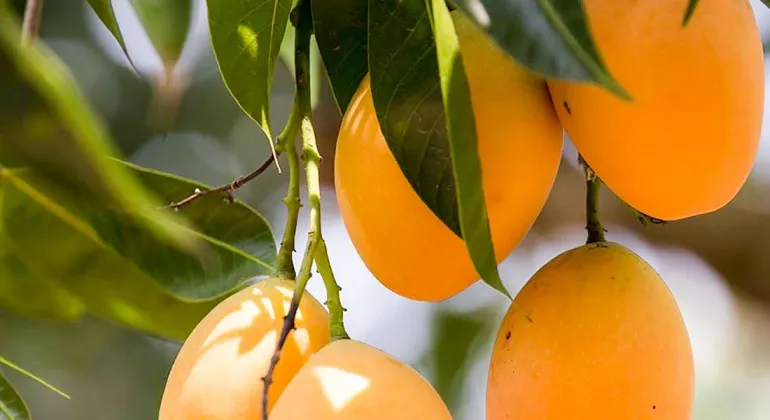
Tourists exploring Rangpur's agricultural heritage may also be interested in 'Haribhang Mango Rangpur' , famous for the district's unique Haribhang mango tradition . The availability of fresh mangoes depends on the harvest season, which is usually mid-year.

Practical advice: Carry drinking water, eat outside the museum's designated areas, and dispose of food packaging responsibly.


Where to stay?

Most visitors to Tajhat Palace choose to stay in the city center of Rangpur, where hotels are easily accessible to transportation, restaurants, shopping, and other urban amenities. Since the palace is located a short drive from the city center, it is usually not necessary to stay right next to the museum.

Central Rangpur Hotel

The central business district is ideal for travelers who want easy access to restaurants, intercity transportation, local markets, and sightseeing. Hotels like Grand Palace Rangpur are among the city's most popular accommodations. Check current rates, recent guest reviews, and management status before booking.

Stations and transport-connected areas

Travelers arriving by train or night bus may prefer hotels that are easily accessible to their arrival and departure points. For short stays, areas near Rangpur's main roads, rail links, and commercial hubs may be convenient.

Budget accommodation

Rangpur has a variety of locally run hotels and guesthouses for business travelers, students, and domestic tourists. Basic hotels may have simple rooms with fans or air conditioning, while more established hotels may also have restaurants, parking, Wi-Fi, and reception services.

Estimated accommodation budget

Type of accommodation Estimated budget per night Suitable for
Typical local hotel ৳800–৳1,800 Budget travelers and short-term trips
Average mid-range hotel ৳1,800–৳4,000 Couples, families, and business travelers
High-class hotel ৳4,000–৳8,000 or more Travelers are looking for extra services and comfort

The accommodation figures are not final prices, but are only an approximate estimate. The actual price depends on the property, room type, availability, season, and applicable taxes.

What to check before booking

  • Time to reach Tajhat Palace and other attractions on your itinerary
  • If you are traveling by private vehicle, there is a secure parking facility.
  • Air conditioning, hot water, Wi-Fi, and backup electricity as needed.
  • Current guest reviews, cleanliness standards, and family room availability.
  • Check-in policies, cancellation policies, and accepted payment methods.
  • Whether the quoted price includes breakfast, taxes, and service charges.

For tourists planning to visit Binayoghot Amusement Park , pairaband Rangpur , and other tourist attractions in the district, a hotel located in the city center can be a convenient base for a one or two-day Rangpur itinerary.


Essential travel tips for visitors

A little planning makes a visit to Tajhat Palace more rewarding, especially since it is both a preserved historical monument and an active archaeological museum.

Before your visit

  • Confirm opening hours: Government-published museum schedules include seasonal hours, Sunday closures, shortened Monday hours, and prayer breaks. Double-check current arrangements before traveling.
  • Carry cash: Keep small notes for entrance tickets, rickshaws, and local purchases.
  • Allow enough time: A one and a half to two and a half hour tour is sufficient for most travelers interested in both museums and architecture.
  • Choose comfortable shoes: This property has walking areas and a large staircase.
  • Check accessibility: Visitors who cannot comfortably use stairs should ask museum staff about available alternative arrangements before purchasing tickets.
  • Have your identification handy: International visitors or students may require documentation for the appropriate admissions department.

Photography and conservation etiquette

Tajhat Palace is an important conservation site, not just a backdrop for taking photos. Take photos of the exterior from authorized locations, follow staff instructions, and avoid climbing the decorative railings or entering restricted areas. Do not assume that permission to take photos outside also applies to museum galleries.

Traveling with children and elderly visitors

Families should supervise children near stairs, landscaped gardens, display shelves, and museum entrances. Visitors with mobility limitations may want to focus on accessible outdoor attractions if there is no suitable route inside.

Safety and comfort

Keep personal valuables safe, arrange local transportation through a reliable driver or at a pre-arranged fare, and carry sufficient drinking water. Maintain respectful behavior in the museum grounds and refrain from littering in the palace grounds.

A realistic half-day trip plan

  1. 10:00 AM: Arrive at Tajhat Palace, secure entry, and take photos of its exterior from authorized locations.
  2. 10:30 AM: Explore the available galleries of Rangpur Museum.
  3. 11:30 AM: Observe the architecture of the palace and enjoy the accessible courtyard.
  4. 12:00 PM: After completing the visit, return to central Rangpur for lunch.

This sample itinerary is assumed to be based on the published regular opening hours. It is subject to change in the event of Monday opening hours, Friday prayer arrangements, the month of Ramadan, holidays or any temporary closures.


Nearby attractions

Tajhat Palace is an excellent starting point for exploring the historical, cultural, and recreational attractions of Rangpur District. The following destinations offer a variety of experiences, from historic mansions and religious architecture to educational heritage sites and family entertainment parks. Distances and travel times vary by route, so check individual directions before planning a trip to multiple locations.

Tourists interested in the historical zamindar families and palace architecture of Rangpur can visit Devi Chowdhuryin Palace as a complementary heritage site. Comparing its location and surviving architectural features with Tajhat Palace gives a greater idea of ​​the district's aristocratic history. Before traveling, ensure that you have permission to enter the site and the condition of the surviving structures.

2. laldighi Nine Dome Mosque, Rangpur

This historic mosque is an attractive destination for travelers interested in traditional Islamic architecture and the religious heritage of North Bengal. Its nine-domed architecture presents an instructive contrast to the European-influenced architecture of the Tajhat Palace. Visitors should dress modestly and adhere to access restrictions related to prayer.

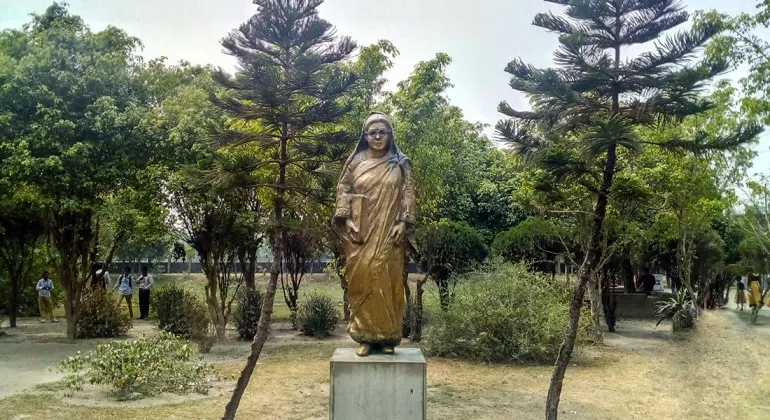
Pairaband is closely associated with the renowned Bengali writer, educationist and women's rights activist Begum Rokeya Sakhawat Hossain . For travelers interested in gaining a deeper understanding of Rangpur's intellectual and social history, Pairaband is a worthwhile addition to a traditional itinerary. It further enhances the significance of Tajhat Palace by highlighting the educational and social reform movement rather than just the aristocratic architecture.

For those looking for a different kind of entertainment after visiting the museum, consider the Proyas Shena Amusement Park. It is a great option for families and groups who want to enjoy leisure activities along with visiting historical sites. Be sure to check the park's current admission policy, operating hours, and ticketing system separately.

Binjagat, also spelled Binja Jagat or Binja Jagat, is one of the most notable family entertainment centers in Rangpur. It offers a different experience from Tajhat Palace, so it is suitable for those who want to combine entertainment and leisure activities with an educational museum visit. The park is located a bit away from the main area of ​​the palace, so allow extra time for travel by road and confirm ride availability and entry fees.

Rangpur is well known for its distinctive Haribhanga mango, a celebrated part of the district's agricultural identity. Visitors interested in local food culture can explore the tradition of mango cultivation and seek out authentic regional mangoes in season. Mango-related experiences are most meaningful during the harvest season, so it's worth checking availability before planning a special trip.

Suggested adjustments for traveling to Rangpur

  • History and Architecture: Start with Tajhat Palace, then visit devi Chowdhuryin Palace in Rangpur and if you have time, visit the laldighi Nai Gombuj Mosque in Rangpur .
  • Educational Heritage: Combine Pairaband Rangpur with the Rangpur Museum at Tajhat Palace to gain a complete understanding of the district's cultural and intellectual history .
  • Family Fun: You can visit Tajhat Palace in the morning, then consider a trip to Prayas Shena Amusement Park or Binayogoth Amusement Park, depending on travel time and park schedules.
  • Regional Food Culture: Add a seasonal experience with Haribhanga Mango Rangpur to complement the district's architectural and cultural attractions .

Trip planning tip: If you only have half a day in Rangpur, prioritize Tajhat Palace and another conveniently located tourist attraction. Allocate at least a full day to tour the entire district, including outlying mosques, heritage sites, and amusement parks, or consider staying overnight in Rangpur city.

Frequently Asked Questions (FAQ)

Tajhat Palace is located in Tajhat area, southeast of central Rangpur, on Tajhat Road, Rangpur 5400 District, Bangladesh . The local tourism authority describes it as about 3 kilometers from the city center, although the distance by car depends on where you start your journey. Its verified location link on Google Maps is 'Tajhat Palace on Google Maps' (data=!3m1!4b1!4m6!3m5!1s0x39e32db15873de0b:0x95440457e2745c92!8m2!3d25.7252732!4d89.2799033!16zL20vMGd0aDA3) , and its coordinates are 25.7252732, 89.2799033. Local drivers commonly refer to it as Tajhat Rajbari, Tajhat Zamindar Bari, and Rangpur Museum.

Explore The Area

Top Attractions & Places to Visit in Rangpur

Discover more heritage, nature, and must-visit spots across Rangpur.

View all in Rangpur

Laldighi Nine Dome Mosque Rangpur – History, Architecture, Location and Complete Travel Guide

The Laldighi Nine-Domed Mosque , locally known as the Laldighi Mosque or the Laldighi Nine-Domed Mosque , is an importan...

Shafayet Al-Anik

Binayoghot Amusement Park, Rangpur – Complete Travel Guide, Ticket Prices, Rides & Visiting Tips

Binjagat Amusement Park , also known as Binja Jagat, Binja Jagat or Binja Jagat, is one of the most well-known family en...

Shafayet Al-Anik

Devi Chaudhuryan Palace Rangpur – History, Location, Architecture and Complete Travel Guide

Devi Chowdhuryin Palace of Rangpur, also known as Devi Chowdhurani Rajbari, Pirgachha Rajbari or Manthana Zamindar Bari ...

Shafayet Al-Anik

Payraband Rangpur

Pairaband, also spelled as Pairaband, is a historically significant village in Mithapukur Upazila of Rangpur District, B...

Shafayet Al-Anik

logo ColoZai

ColoZai is a trusted travel guide and destination explorer platform in Bangladesh. We are making travel simple, authentic, and accessible for everyone.

Need Help ?

We are Always here for you! Knock us on Whatsapp (10AM - 10PM) or Email us.