S. M. Sultan Memorial Gallery Narail

S. M. Sultan Memorial Gallery Narail

Narail
·

20 October 2026

Travel Overview & Quick Facts

Directions
Location
Narail
Admission / Entry Fee
A small entrance fee may apply. Published local travel guides list general admission prices of around ৳10–৳20 per person and around ৳5–৳10 for students, but these are historical prices, not verified current prices. Please check with the gallery before visiting to confirm the latest prices. For current information, contact the curator at +880 1718-384744.
Best Time to Visit
October to March; August is particularly attractive for visitors interested in celebrating the artist's birthday and the Sultan Festival, as various events are organized during this time.
Opening Hours
According to available information, opening hours are approximately 9:30 AM to 4:30 PM. Some local guidelines state that they are closed on Sundays and public holidays. Other sources may provide different schedules. Please check current opening hours and holiday arrangements before traveling.
Category / Type
Art Gallery, Cultural Heritage Site, Artist Memorial Museum, Riverside Attraction

Introduction to S. M. Sultan Memorial Gallery Narail

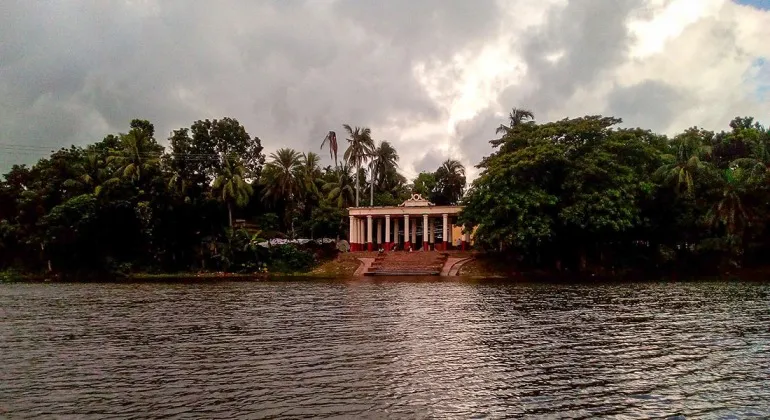
The S. M. Sultan Memorial Gallery , also known as the Sultan Complex or the S. M. Sultan Memorial Museum, is an important cultural attraction located in Machimdia, Narail town, Bangladesh. Located on the banks of the Chitra River, this memorial preserves the artistic heritage and personal history of the renowned Bangladeshi painter Sheikh Mohammad Sultan, better known as S. M. Sultan. The gallery allows visitors to discover the artist's unique paintings, personal belongings, and his connection with the rural landscape and working people of Bengal.

This fascinating place combines art, local history and a tranquil riverside setting. Within this vast memorial complex, visitors can explore galleries, visit the ruins of the Sultan's original residence, pay their respects at his tomb and learn about his educational initiatives for children. Its location in the town of Narail makes it a worthwhile destination for art lovers, students, families and travelers exploring the cultural heritage of southwestern Bangladesh.

This memorial is particularly meaningful because Sultan's artwork highlights the strength, dignity, and contributions of ordinary rural people. His paintings often depict farmers and agricultural workers in their robust physical forms, transforming familiar scenes of farming, harvesting, and rural life into grand artistic subjects. A visit to the gallery provides valuable context for understanding his unique perspective on Bengal and its inhabitants.


History and cultural significance

Sheikh Mohammad Sultan was born on 10 August 1923 in the village of Machimdia in present-day Narail district. He developed an interest in drawing at an early age and later studied at the Government Art School in Calcutta (now Kolkata). During his lifetime, he travelled, exhibited his art, and developed a distinctive artistic language that differed from the traditional depictions of rural poverty and labor.

Sultan is known for his depiction of Bengali farmers as strong and muscular figures engaged in the maintenance of rural society. Rather than portraying agricultural workers as insignificant or helpless, his paintings emphasize their physical strength, endurance, and their central role in civilization. His subjects include farming, planting, harvesting, fishing, and the relationship between man and the land.

His contributions were recognized through various national honors, including the Ekushey Padak in 1982 and the Independence Day Award in 1993. He died on October 10, 1994. His influential artwork remains an important part of the history of modern art in Bangladesh.

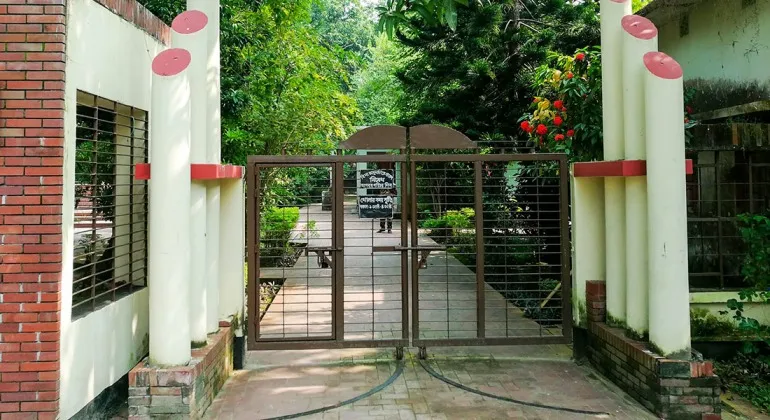
The memorial complex was established to preserve his artistic legacy and personal memories for future generations. Official tourism information describes the site as a large square located on the banks of the river, with lush greenery, a gallery building, the ruins of the artist's former home, and his tomb. The site also commemorates his efforts to encourage children's creativity through art education.


What to see at the SM Sultan Memorial Gallery

Original paintings and art collections

The main attraction here is the collection of paintings by S. M. Sultan. His artwork depicts rural life, agriculture, human strength and the natural environment of Bengal. Visitors should pay close attention to the exaggerated anatomy, expressive poses and carefully constructed compositions of his paintings, which set his characters apart from the traditional depictions of agricultural labourers.

The gallery is described as spread over two floors, housing artworks and objects related to the artist's life. The artworks on display are subject to change, so visitors should not assume that every famous painting is permanently on display.

The artist's former residence

Parts of the Sultan's original home still remain within the memorial complex. Seeing this residence adds a personal dimension to the visit, helping visitors connect the artist's chosen residence and workplace with his international artistic experience.

Sultan's resting place

The memorial also features the artist's tomb in a lush green setting by the river. Visitors can pause here to remember his contribution to Bangladeshi art and his enduring connection to Narail. Please behave respectfully around the tomb.

Children's Paradise and the Artist's Boat

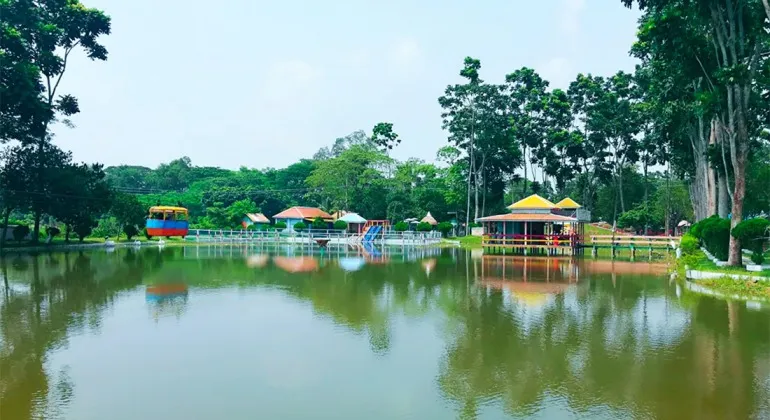
Sultan was deeply interested in encouraging children's creativity. His legacy includes the Children's Paradise, a symbol of his dream of creating an environment for children, and a large boat associated with his artistic activities on the Chitra River. The boat is particularly reminiscent of his interest in taking children out on the river to observe and draw the surrounding landscape. Check locally to see if the boat is currently accessible and has any educational activities.

Chitra River and Green Fields

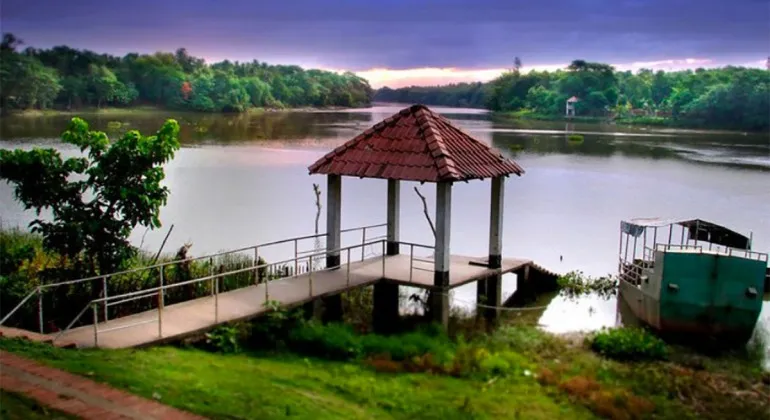
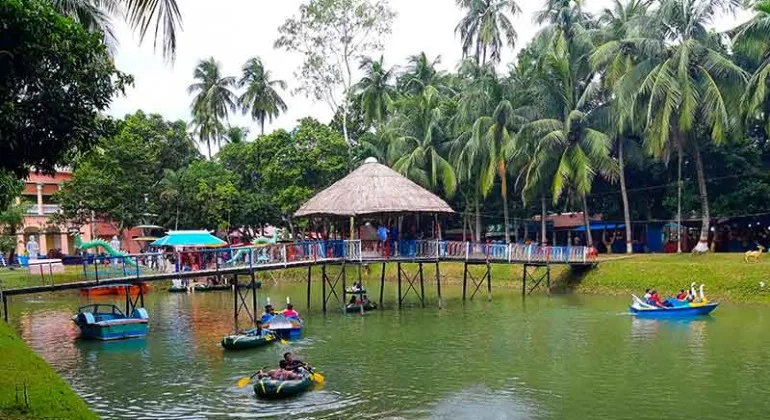
This riverside setting provides a calming and complementary dimension to the indoor art collection. Visitors can enjoy the surrounding vegetation, observe the river, and take photographs (permits apply). Rather than viewing the gallery as just a brief indoor break, take time to explore the memorial grounds.


Artistic attractions and things to do

A visit to the SM Sultan Memorial Gallery is most rewarding when it is seen as an introduction to both an artist and the society that shaped his imagination. Consider including these activities in your itinerary:

  • Study the paintings: notice the robust bodies, expressive gestures, and agricultural themes, which are indicative of the Sultan's visual language.
  • Learn about rural Bengal: Consider how farming, labor, land, and community are portrayed in his artwork.
  • Tour the memorial: visit the gallery, the accessible ruins of the former residence, and the artist's burial site.
  • Discover the riverside environment: Spend some time along the Chitra River and learn about the Sultan's relationship with this landscape.
  • Come visit as a student or art lover: use this collection as a starting point for discussions about composition, morphology, color, and depictions of working people.
  • Find out about cultural events: Activities organized to mark the annual Sultan Festival and artist's birthdays may include exhibitions, discussions, children's drawing competitions, and cultural programs.

Allow about one to two hours to explore at your leisure, and allow extra time if you want to explore other parts of Narail. Schedules for events and access to various parts of the complex should be confirmed locally.


Architecture and memorial complex

The memorial is not just an indoor exhibition space. It is a larger heritage complex located along the Chitra River, which brings together galleries, ruins of historic residences, the artist's tomb, and well-decorated enclosures. The gallery building provides a context for preserving and presenting the collection, while the surrounding courtyard maintains a connection with the Sultan's living environment.

Part of the attraction is the contrast between the gallery's enclosed exhibition space and the open landscape of the riverside. The space offers an opportunity to consider how the artist's surroundings influenced his subject matter and how his work is remembered in his hometown.

As this is an active heritage and museum, visitors are requested to follow staff instructions, refrain from touching exhibits, and avoid entering restricted areas. If step-free entrances, visitor amenities, and photography permission are important to your visit, you should check these before you arrive.


Ticket prices and entry rules

It is known that the gallery charges a small admission fee, although published prices vary by source and year. Historical local guides list general admission prices as around 10-20 kunas per person and around 5-10 kunas for students. These amounts should be considered indicative historical data, not guaranteed prices for 2026.

Ask the ticket counter or curator about current admission prices, student discounts, group visits, and any additional charges related to special exhibitions or events. Children, educational groups, and visitors participating in festival activities should confirm applicable arrangements in advance.

  • Before you start your journey, check the opening hours and whether it is closed on weekends or public holidays.
  • If a ticket is issued, keep your ticket with you until you leave the premises.
  • Do not touch pictures, frames, or any other objects in the collection.
  • Ask permission before taking photos of interior exhibits or staff.
  • Please show respect for the artist's grave and any areas marked as protected.
  • Keep an eye on children while traveling, especially on riverbanks and near boats.

For the latest information, visitors can contact the gallery curator at +880 1718-384744. Contact numbers and access arrangements should be reconfirmed prior to travel.


How to reach

The SM Sultan Memorial Gallery is located in the Machimdia area of ​​Narail town, on the banks of the Chitra River. The memorial can usually be reached from the center of Narail by local autorickshaws, easy bikes, CNG-powered autorickshaws, or cycle rickshaws. Once you find the Sultan Complex or SM Sultan Memorial Museum, the last part of the journey is quite easy.

By bus from Dhaka

  1. Travel to any bus terminal in Dhaka serving southwest Bangladesh, such as Gabtoli, or any other terminal used by your chosen operator.
  2. Choose an intercity service to Narail. Depending on the operator and route, this route may use the Padma Bridge and Kalna Bridge corridors.
  3. Ask the operator if the bus ends in Narail town or at a stop outside the city center. Journey times vary depending on traffic, departure location, and route.
  4. Rent a simple bike, auto-rickshaw or CNG to go from Narail town to the Sultan Complex in Machimdia on the banks of the Chitra River.

To budget, allow approximately ৳450–৳1,200 per way for intercity bus tickets, depending on the operator, class of service, and current fare. This is a tentative estimate, not a final price. Confirm the bus departure terminal, arrival stop, schedule, and ticket price directly with the bus operator.

By train from Dhaka

Travel by rail can be done using the appropriate services towards the southwest region, and then by road to Narail. The gallery does not have its own railway station and the best connection depends on the current timetable and your chosen travel date. Check the current route and departure information of Bangladesh Railways before purchasing tickets. Arrange for an intercity bus, private car or local transport to reach Narail town from the respective arrival station.

By air from Dhaka

Flying is not usually the easiest option for this short-haul domestic destination. Even if a suitable scheduled flight is available at an airport in the southwest region, you will still need to take road transport to reach Narail. Compare the full itinerary and current flight schedules before choosing this option. There is no airport at the memorial.

From Narail District Headquarters

  1. Arrive at the central transportation area of ​​Narail city or any other convenient location in the city center.
  2. Tell the driver you want to go to the Sultan Complex, SM Sultan Memorial Museum, or the Machimdia Gallery.
  3. Travel easily to the riverside memorial by bike, CNG, auto-rickshaw, or cycle rickshaw.
  4. If you are traveling near the closure, confirm return fares in advance and make arrangements for your return journey.

For short-distance local journeys, budget approximately 50-200 taka for shared or small local vehicles and around 150-400 taka for privately hired vehicles, depending on distance, waiting time, bargaining and current local fares. These are estimates, not verified fares. It is said to generally take around 10 minutes to get from the centre of Narail, but traffic congestion and the exact starting point of the journey may affect the journey time.

Vehicle rentals and nearby attractions

Visitors travelling in groups can arrange for private cars, microbuses or locally hired autorickshaws through Narail city transport providers or their accommodation. Make sure to arrange the full fare, waiting time and return arrangements in advance. Use Chitra River, Machimdia and Sultan Complex as local landmarks when asking for directions. Narail Badha Ghat is another useful landmark along the river in the city.

Google Maps Location: SM Sultan Memorial Gallery, Narail (@23.1582361,89.5036139,17z) . Check the pin and current road directions before starting your journey, especially if traveling in a rented car.

S. M. Sultan Memorial Gallery Narail

GPS: 23.1582361, 89.5036139
Get Directions

Where to eat

The memorial is primarily a cultural attraction, and visitors should not assume that there is a full-fledged restaurant inside. For food, head back to the center of Narail, where everyday Bangladeshi food is available at local restaurants and general food stalls.

Look for rice dishes made with fish, chicken, vegetables, lentils, and regional ingredients. Short breaks may also include local sweets and snacks. Since each restaurant's menu and prices vary, check their current opening hours and reviews before choosing a specific establishment.

For daytime visits, eat before entering the gallery or plan to have lunch after your visit. Bring drinking water and do not leave food leftovers in the gallery, courtyard, or on the riverbank.


Where to stay?

Narail town is the most convenient hub for visitors planning to visit the SM Sultan Memorial Gallery and other attractions in the district. Accommodation options may include basic hotels, guesthouses, and locally available private rooms. Amenities and standards vary, so be sure to check with the authorities directly for room type, bathroom facilities, air conditioning, payment terms, and check-in time.

Overnight stays are optional for an easy day trip from Dhaka. However, staying in Narail will give you more time to explore the Chitra River area, visit other heritage sites, and travel without the rush of catching a return bus.

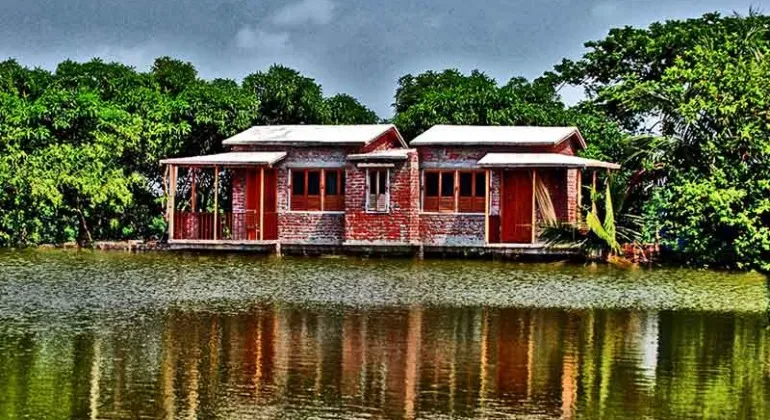
Visitors looking for resort-style accommodation can check out Chitra Resort Narail and Arunima Resort Golf Club . Before booking, be sure to check availability, distance from the gallery, transportation arrangements, and current prices.


Advice and travel planning for visitors

  • Allow enough time: It is advisable to allow approximately one to two hours for the gallery and memorial grounds.
  • Check the schedule: Different published sources give different information about opening times and closing days.
  • Carry cash: Cash may be required for local transportation fares and entrance fees.
  • Respect the collection: Follow all rules for taking and preserving photographs.
  • Traveling with children: Supervise children on riverbanks and near any preserved boats or historic sites.
  • Ask before traveling for the festival: Don't assume this annual celebration will follow an unchanged schedule, but confirm the event dates and program details.
  • Combine nearby places: Plan additional attractions based on distance, transportation, and opening hours.

Art lovers may benefit from reading about Sultan before visiting, especially his emphasis on the power and dignity of rural workers. A little context makes the gallery more meaningful than just a quick photo stop, and helps to understand why this monument is an important part of Narail's cultural identity.


Nearby attractions

After visiting the SM Sultan Memorial Gallery, continue exploring Narail's cultural landmarks, scenic riverside views, and entertainment venues. The following places offer a different perspective on the district and can be combined to create a longer itinerary, depending on local travel times and opening times.

Art, history and heritage

Riverside views and local experiences

  • Narail Badha Ghat : Visit this local tourist spot on the riverbank and enjoy the surroundings of the water.
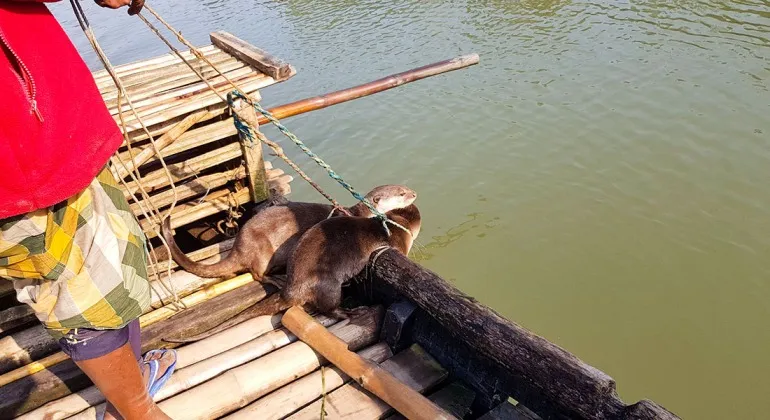
  • otter hunting in Narail, Bangladesh : Learn about the region's unique traditional fisheries and its relationship with local riverine communities.

Resorts and picnic destinations

For a short cultural itinerary, combine the Sultan Memorial Gallery with Narail Badha Ghat and any other heritage site. If you have a full day, you can add a resort or picnic spot by checking the actual road distance and transport availability before starting the journey. Especially for visitors interested in art, the memorial deserves a leisurely visit.

Frequently Asked Questions (FAQ)

SM Sultan Memorial Gallery is located on the banks of the Chitra River in the Machimdia area of ​​Narail town in Narail district, Bangladesh. It is also commonly called the Sultan Complex or SM Sultan Memorial Museum. Visitors can usually reach it easily from the city center by bike, CNG, autorickshaw or cycle rickshaw.

Explore The Area

Top Attractions & Places to Visit in Narail

Discover more heritage, nature, and must-visit spots across Narail.

View all in Narail

Narail Barrier Ghat

Narail Bandha Ghat, also known as Bandha Ghat or Rajbari Ghat , is a historic riverside site located on the banks of the...

Shafayet Al-Anik

Shopnobithi Picnic Spot in Narail

Swapna Bithi Picnic Spot, also known as Swapna Bithi or Swapna Bithi, is a family-oriented recreation center in the Loha...

Shafayet Al-Anik

Chitra Resort Narail

Chitra Resort Narail is a picturesque riverside resort and entertainment complex located on the banks of the Chitra Rive...

Shafayet Al-Anik

Quiet picnic spot

Located in Rampur, Lohagara Upazila of Narail District, Bangladesh, the serene picnic spot is a popular family recreatio...

Shafayet Al-Anik

Arunima Resort Golf Club, Narail, Bangladesh

Arunima Resort Golf Club, also known as Arunima Eco Park or Arunima Countryside and Golf Resort, is a rural resort locat...

Shafayet Al-Anik

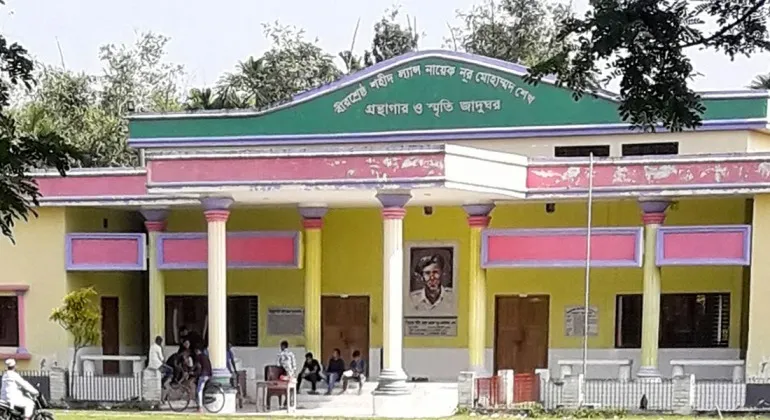
Bir Shrestha Shaheed Noor Mohammad Sheikh Library Memorial Museum

The Bir Shrestha Shaheed Noor Mohammad Sheikh Library Memorial Museum, located in Noor Mohammad Nagar, Narail District, ...

Shafayet Al-Anik

Otter fishing in Narail, Bangladesh

Fishing with the help of udbiral in Narail, Bangladesh, offers a rare opportunity to discover one of the country's most ...

Shafayet Al-Anik

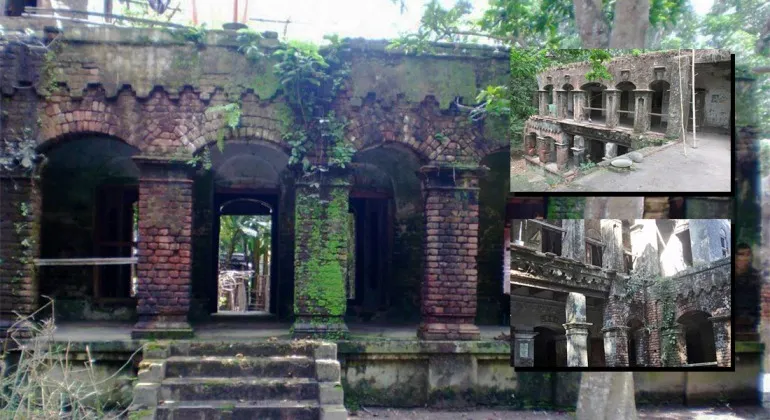
Nihar Ranjan Gupta's house is in Narail.

Nihar Ranjan Gupta House is a historic ancestral home located in Itna village, Lohagara upazila, Narail district, Bangla...

Shafayet Al-Anik

logo ColoZai

ColoZai is a trusted travel guide and destination explorer platform in Bangladesh. We are making travel simple, authentic, and accessible for everyone.

Need Help ?

We are Always here for you! Knock us on Whatsapp (10AM - 10PM) or Email us.