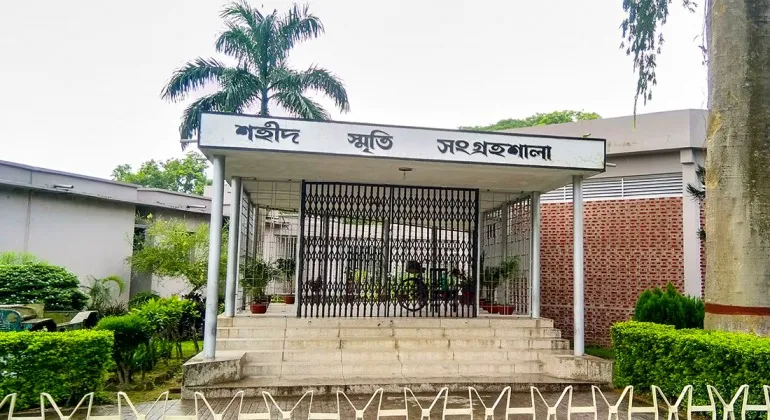
RU Martyrs' Memorial Museum

RU Martyrs' Memorial Museum

Rajshahi
·

15 October 2026

Travel Overview & Quick Facts

Directions
Location
Rajshahi
Admission / Entry Fee
The entry fee has not been reliably verified from any official source. The museum is generally described as a government university museum, but visitors should check with Rajshahi University for current entry conditions or charges before visiting.
Best Time to Visit
October to March; go in the morning and confirm opening times before you go.
Opening Hours
Sunday - Thursday 8:00 AM - 2:00 PM (Closed on Friday and Saturday; please confirm with Rajshahi University before visiting).
Category / Type
Historical Museum, Liberation War Memorial, Cultural Heritage Site, Educational Attraction

Introduction to RU Martyrs' Memorial Museum

Rajshahi University Martyrs' Memorial Museum , also known as Rajshahi University Martyrs' Memorial Museum , is one of the most important historical and educational attractions in Rajshahi. Located on the green campus of Rajshahi University in Motihar, the museum preserves important memories, documents, photographs and artifacts related to Bangladesh's independence struggle and the 1971 Liberation War. Established in 1976, the museum is widely described as the country's first Liberation War-focused museum.

For travelers who are interested in exploring Bangladesh beyond its landscapes, rivers, and historic architecture, this museum offers an opportunity to explore the human stories behind the country's independence. Its collections connect visitors to the political developments, mass resistance, sacrifices, and historical events that shaped modern Bangladesh. The museum is particularly relevant for students, researchers, history buffs, and families who want to introduce their younger generations to the country's heritage.

The museum is located next to the Central Shaheed Minar Complex on the Rajshahi University campus, making it a worthwhile destination while visiting the university campus. Travelers can also explore the archaeological and cultural collections of the Barendra Research Museum to gain a more comprehensive understanding of the region's past. (Varendra Research Museum)
History and significance of the museum

The Martyrs' Memorial Museum began its journey in 1976 as an institution dedicated to preserving memories and material artifacts related to the Liberation War. Its establishment reflects the importance of documenting historical experiences and ensuring that the sacrifices made in Bangladesh's freedom struggle remain accessible to future generations.

The history presented in the museum extends beyond the nine months of the 1971 Liberation War. Its collection also highlights events prior to independence, including the 1952 Language Movement, political movements, the 1969 mass uprising, and the events that ultimately contributed to Bangladesh's emergence as an independent country.

Rajshahi University has an important connection with the political and cultural history of Bangladesh. During periods of political change, faculty, students, and members of the university community have contributed to the intellectual and social life of the region. Monuments and commemorative events on campus continue to honor those who lost their lives in the freedom struggle.

The museum is also an educational resource. Its historical materials can help visitors understand how photographs, personal effects, written documents, and preserved objects contribute to the study of national history. Researchers should contact the university in advance if they require access to archival materials or the research library.


Museum galleries and collections

The museum is spread over an area of ​​approximately 6,600 square feet and consists of three main galleries. These galleries depict various aspects of Bangladesh's independence struggle, from the early political movements to the final victory in December 1971. Individual exhibitions and access arrangements are subject to change, so the following descriptions should be considered a guide to the documented collections; not a guarantee that every item will be on display during a particular visit.

Gallery One: On the Road to Freedom

The first gallery focuses on historical events between 1952 and 1971. The exhibits include photographs of the Language Movement and the 1969 Uprising, early photographs of the Shaheed Minar, portraits, paintings, and various items related to the political and cultural movements prior to independence. These collections help visitors understand the long struggle for linguistic rights, democratic representation, and national self-determination.

Gallery Two: People and Sacrifice in 1971

The second gallery is related to the personal histories of martyrs and freedom fighters. The exhibition is said to feature items used by martyred intellectuals, photographs of the seven heroes, symbolic sculptures, and scripts of wartime atrocities. These objects place personal lives and experiences at the center of the historical narrative.

Gallery Three: Massacre and Victory

The third gallery, it is reported, contains artifacts related to the 1971 genocide, historical photographs of Sheikh Mujibur Rahman, and images of the surrender of Pakistani forces and the victory of Bangladesh. These exhibits provide a visual account of the devastating humanitarian consequences of the conflict and the chain of events that led to the end of the war.

Research library and historical documents

It is learnt that a part of the museum is used as a research library, which houses books, anthologies, manifestos, bound newspapers and newspaper cuttings from the period 1947 to 1971. This collection is of potential value to students, historians and researchers researching the political, social and cultural context of independence. The availability of reading facilities and access to the archives should be confirmed by contacting the museum authorities directly.


What to see and do during your trip

A visit to the Russian Arab Martyrs Memorial Museum is best viewed as a contemplative historical experience rather than a traditional sightseeing tour. Depending on how much time you spend reading the exhibits and examining the historical materials, allow about 45 to 90 minutes for a general visit. Researchers or visitors with a special interest in the Liberation War may need more time.

  • Explore the historical timeline: Follow the evolution of Bangladesh's independence movement through photographs, historical documents, and related exhibits.
  • Study personal stories: Pay attention to exhibits related to freedom fighters, martyred intellectuals, and ordinary citizens affected by the conflict.
  • Learn through visual evidence: Examine historical photographs and preserved objects to understand how museums document important events.
  • Visit the nearby memorial complex: Spend extra time at the nearby Central Shaheed Minar and other memorials on the university campus.
  • Combining Archaeology with History: Include the Barendra Research Museum in your itinerary to get a complementary perspective on the archaeology, art, and cultural history of northern Bangladesh .

The museum can become especially meaningful around Martyred Intellectuals Day, December 14, and Victory Day, December 16, as commemorative events are held at various institutions across Bangladesh during these times. Special events may result in changes to access and visitor management, so check university announcements before planning a visit around these dates.


Ticket prices and entry rules

Admission: No current and reliable admission fees have been verified for visitors. The museum is generally presented as a public university cultural institution, but visitors should not assume that admission, guided tours, or research opportunities are always free. Please check with Rajshahi University for current arrangements before traveling.

Opening hours: According to published local travel guides, it is open from approximately 8:00 AM to 2:00 PM Sunday through Thursday and closed on Friday and Saturday. Other business directories list different hours, so you should confirm the hours directly before your visit.

Visitor Etiquette: Be respectful in the gallery and memorial areas. Follow the instructions of museum staff, refrain from touching objects on display, and ask permission before taking photos of sensitive exhibits or using flash. Additional access rules may apply to research materials.

Educational Groups: School groups, university students, and organized tour groups should contact the museum in advance to inquire about group visits, available guidance, and access to specific collections. Do not assume that a guide or formal educational activities are automatically included.

Accessibility: If any members of your group have mobility needs, check with the university authorities about access, ramps, seating, and other facilities. Up-to-date information regarding these facilities is not consistently documented in publicly available lists.


How to reach

The museum is located on the Rajshahi University campus in Motihar, Rajshahi. It is located next to the central Shaheed Minar complex and near the university's administrative buildings. The campus is about 5 kilometers from the center of Rajshahi, although the actual travel distance and time depends on your starting point and route.

By bus from Dhaka

  1. When booking, confirm the departure terminal and operator and go to the Rajshahi bound Dhaka Bus Terminal.
  2. Take an intercity coach to Rajshahi. The journey time can usually be five to seven hours or more, depending on traffic, route, and type of service.
  3. Rent a CNG autorickshaw, local autorickshaw, or arrange for ride-hailing or a private car to get from Rajshahi Bus Terminal to the main gate of Rajshahi University.
  4. Enter through the authorized campus entrance and look for the Martyrs' Memorial Museum located next to the Central Shaheed Minar and Administrative Building area.

Estimated Cost: Depending on the operator and class of coach, intercity bus fares can range from around 700–1,800 taka per person or more. The cost of travel from the bus terminal to the campus in a local CNG or autorickshaw can range from around 150–350 taka per vehicle, depending on the distance, bargaining power and current fuel prices. These are planning estimates, not verified current prices.

By train from Dhaka

  1. Check the current Bangladesh Railway schedule and book a train at your convenience to travel from Dhaka to Rajshahi Railway Station.
  2. Travel to Rajshahi by train. The journey usually takes about five to seven hours, depending on the service and schedule.
  3. Arrange a CNG auto-rickshaw, local auto-rickshaw, or private car to go from Rajshahi Railway Station to the main gate of the university.
  4. Follow the campus directions from the main gate to the administrative building and central Shaheed Minar complex.

Estimated cost: Train fares can range from around ৳400 to ৳1,500 or more, depending on the seat category and service. Local travel from the railway station to the university by CNG or auto-rickshaw can cost around ৳120–৳300. Check the official railway booking information for current fares and availability.

By air from Dhaka

  1. Check if there are any suitable scheduled flights operating from Dhaka to Shah Makhdum Airport in Rajshahi on your travel dates.
  2. After arriving at the airport, arrange a taxi or private car to go to Rajshahi University.
  3. Ask to be dropped off near the campus administrative building and the central Shaheed Minar complex, then follow the directions to the museum.

Flight availability, schedules, and fares are subject to change. Traveling by air can shorten travel times between cities, but requires a road transfer for the final journey. Be sure to check flight and airport transfer costs before choosing this option.

From Rajshahi City Center

  1. Start your journey from your hotel, Rajshahi Railway Station, or any other central location.
  2. Arrange a CNG autorickshaw, local autorickshaw, or private car to go to the main gate of Rajshahi University in Motihar.
  3. Tell the driver that you are going to the Shaheed Smriti Sanghashala, located near the university's central Shaheed Minar and administrative building.
  4. Follow campus directions to reach the museum on foot.

Estimated local fare: A one-way journey from Madhya Rajshahi by CNG or autorickshaw can cost around 100-300 taka, but private cars or rented vehicles can cost more. Confirm the fare before you start your journey, especially when arranging the return journey.

By rented car or personal vehicle

Visitors who prefer comfort can hire a car with a driver from Rajshahi or arrange for private transportation from Dhaka. Ask the driver to use the main gate of Rajshahi University and the museum site next to the Central Shaheed Minar as the destination. The fare depends on the type of car, duration, fuel, tolls, and whether the booking includes an intercity return journey.

Directions: Search for RU Shaheed Smriti Sanghashala in any navigation app. The museum is located on the Rajshahi University campus, not on a separate memorial plaque in front of the Rajshahi Collectorate building. Make sure to pin the destination before starting your journey.

RU Martyrs' Memorial Museum

GPS: 24.3681, 88.6402
Get Directions

Where to eat

The Rajshahi University campus and its surrounding Motihar area have the necessary facilities for light snacks and daily meals. Depending on the opening hours, visitors can find campus canteens, small restaurants, tea shops, and snack shops, which serve rice-based dishes, pulses, vegetables, fish, chicken, parathas, and other familiar Bangladeshi dishes.

For more choices, head to the center of Rajshahi, where restaurants offer Bengali cuisine, biryani, Chinese-style dishes, fast food, and light fare from cafes. Leave extra time if you plan to visit the museum and a few other sights on the same day.

An approximate budget for tea, snacks or a simple light meal can range from around 50-150 taka per person, to around 150-400 taka for a slightly heavier meal at a restaurant. This estimate may vary depending on the establishment and menu. Check the current prices and opening hours locally and carry drinking water with you while walking around the campus.

If there are dietary restrictions, you should inquire about the ingredients and preparation methods before ordering. Some campus food outlets may be open on limited hours during university holidays or weekends.


Where to stay?

Most visitors will find more options for accommodation in the heart of Rajshahi than right next to the museum. Being in the city center provides easy access to restaurants, shopping areas, transportation hubs, and other historical attractions, while the university area may be more suitable for those coming to campus for academic or research purposes.

  • Budget Accommodation: Find basic guesthouses and budget hotels in Madhya Rajshahi. Before booking, make sure to check room rates, air conditioning, hot water, and check-in conditions.
  • Mid-range hotels: Established hotels in the city may have facilities such as private bathrooms, air-conditioned rooms, self-catering facilities, and assistance in arranging local transportation.
  • University Area Accommodation: If you are visiting for research, please inquire with Rajshahi University if there is any guesthouse or institutional accommodation available for qualified visitors. Availability should not be assumed.

Hotel prices vary based on room type, season, availability, and booking conditions. Check current rates directly before booking and check the distance from the university. Travelers arriving from Dhaka by train or bus may find a hotel in the city center convenient for onward travel and early morning museum visits.

If you plan to visit the museum as well as the puthia Palace in Rajshahi or the bagha Mosque in Rajshahi , you may want to consider staying at least one night in Rajshahi and arrange transportation to visit the sightseeing spots outside the city.


Practical advice for visitors

  • Check the schedule: Published schedules may vary, so contact the museum or university before you travel.
  • Come early: If you go in the morning, you have more time to explore the galleries before they close after noon.
  • Allow time for the campus: The university campus is huge, and the museum may not always be located right next to the main gate.
  • Dress modestly: Choose clothing that is appropriate and comfortable for the university and memorial environment.
  • Know the photography rules: Ask the staff if photography is allowed in each gallery and if there are any restrictions on specific objects.
  • Bring identification if needed: Campus entry procedures may vary. Check with university authorities to see if there are any requirements for external visitors.
  • Plan around commemorative events: Special events on national days may affect access and crowd sizes.
  • Ensure access for research: Those who need archival materials or library facilities should make the necessary arrangements before traveling.

This museum is a perfect destination for travelers who want to gain a deeper understanding of the history of Bangladesh's independence. Take your time and pay attention to its exhibits, and consider combining this trip with other historical and cultural sites around Rajshahi.


Nearby attractions

Since the museum is located on the university campus, it is a convenient starting point for exploring the cultural, historical, and recreational attractions of Rajshahi. Some destinations are located within the city, while others require separate road travel. Check distances and transportation availability before planning a full-day itinerary.

Varendra Research Museum

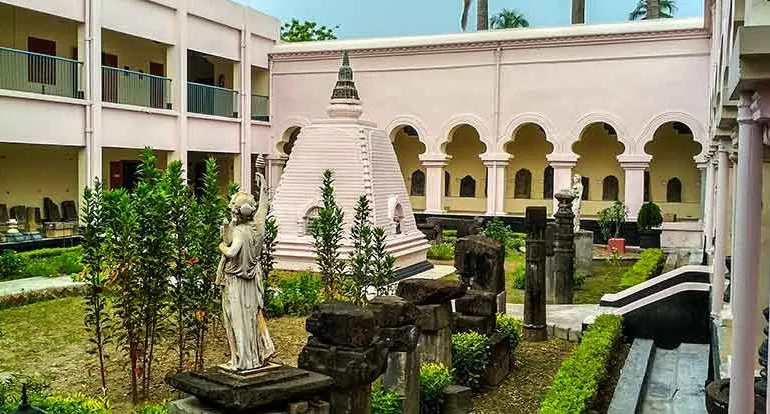
The Barendra Research Museum is an important archaeological and cultural institution in Rajshahi. Its collections provide a complementary perspective on the art, archaeology and historical heritage of Bengal. It is a natural addition for those who wish to explore both the Liberation War and the longer cultural history of the region.

Children's Park Rajshahi

Rajshahi Shishu Udyan offers a family-oriented entertainment option. It may be suitable for visitors who want to balance a history-focused museum visit with children with some outdoor leisure activities. Be sure to check current opening times and amenities before visiting.

Rajshahi Central Zoo

Rajshahi Central Zoo is another option for visitors interested in family and recreational attractions . Check out the current arrangements and opening hours for visitors and allow enough time to travel from the university to the zoo.

Puthia Palace Rajshahi

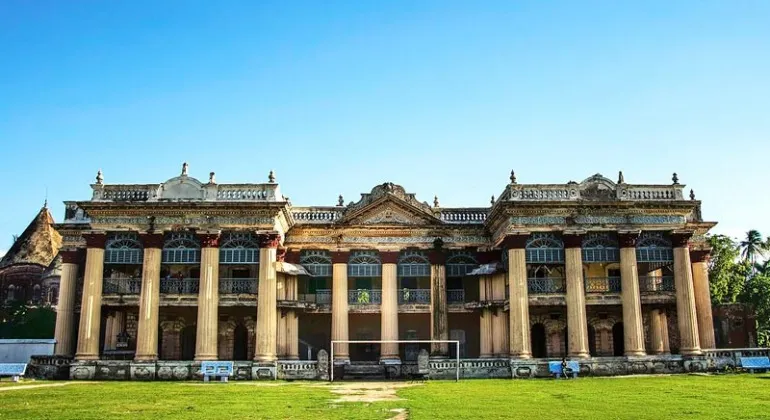
The Puthia Palace in Rajshahi is part of the historic Puthia Estate and is associated with the region's distinctive architectural heritage. Rather than being a short walk from the museum, it is generally more suitable for a separate excursion or planned day trip.

Bagha Mosque Rajshahi

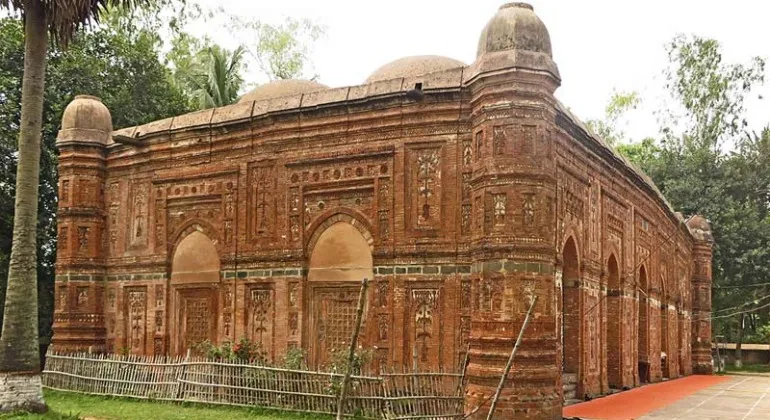
Bagha Mosque in Rajshahi is a notable historical mosque known for its terracotta decoration and architectural significance. As it is located some distance from the center of Rajshahi, it requires separate planning for travel and can be included in a larger regional heritage itinerary.

Utsob Park Rajshahi

Utsav Park is another potential entertainment center for travelers visiting Rajshahi district (Utsob Park Rajshahi) . Before including it in your itinerary, check its exact location, current amenities, and operating schedule.

Safina Park Rajshahi

Safina Park Rajshahi can be considered as an additional leisure destination when planning a long trip to Rajshahi . Check travel times and access arrangements in advance, especially if it is combined with attractions outside the city.

Suggested itinerary: Spend the morning at the RU Shaheed Smriti Museum and the nearby Central Shaheed Minar Complex, then visit the city's Barendra Research Museum if it's open. For longer trips, set aside another day for Puthia Palace or Bagha Mosque rather than trying to fit all the attractions into one schedule.

Frequently Asked Questions (FAQ)

The Rajshahi University Martyrs' Memorial Museum, also known as the Shaheed Smriti Sangharshala, is located in Motihar, Rajshahi District, Bangladesh. It is located near the university's administrative building, next to the Central Shaheed Minar Complex. Ask campus staff for directions to the museum from the main gate.

Explore The Area

Top Attractions & Places to Visit in Rajshahi

Discover more heritage, nature, and must-visit spots across Rajshahi.

View all in Rajshahi

Bagha Mosque Rajshahi

The Bagha Mosque in Rajshahi, locally known as the Bagha Shahi Mosque or Bagha Mosque , is one of the most significant s...

Shafayet Al-Anik

Varendra Research Museum

The Barendra Research Museum, also known as the Barendra Museum or Barendra Museum , is one of the most important archae...

Shafayet Al-Anik

Puthia Palace Rajshahi

Puthia Rajbari , also known as Puthia Palace or Puthia Rajbari, is one of the most notable historical attractions in Raj...

Shafayet Al-Anik

Children's Park Rajshahi

Shishu Park Rajshahi, officially known as Shaheed Zia Shishu Park or Shaheed Zia Children's Park, is one of the most wel...

Shafayet Al-Anik

Rajshahi Central Zoo, Rajshahi, Bangladesh

Rajshahi Central Zoo, commonly known as Rajshahi Central Park and Zoo and connected to Shaheed AHM Kamaruzzaman Central ...

Shafayet Al-Anik

Safina Park Rajshahi

Safina Park and Resort is a family entertainment center located in Digram Khejurtala, Mohanpur Union, Godagari Upazila, ...

Shafayet Al-Anik

Utsob Park Rajshahi

Utsob Park, also spelled as Utsob Park, is a privately-owned recreation center located in Bagha Upazila of Rajshahi Dist...

Shafayet Al-Anik

logo ColoZai

ColoZai is a trusted travel guide and destination explorer platform in Bangladesh. We are making travel simple, authentic, and accessible for everyone.

Need Help ?

We are Always here for you! Knock us on Whatsapp (10AM - 10PM) or Email us.