Rabindranath Tagore's Kacharibari, Sirajganj – Complete Travel Guide to the Historic Rabindra Museum in Shahjadpur

Rabindranath Tagore's Kacharibari, Sirajganj – Complete Travel Guide to the Historic Rabindra Museum in Shahjadpur

Sirajganj
·

20 October 2026

Travel Overview & Quick Facts

Directions
Location
Sirajganj
Admission / Entry Fee
As per the announced entry fee when the museum reopens in June 2025, it is approximately 30 dirhams for Bangladeshi visitors. The previously published price list mentioned 100 dirhams for visitors from SAARC countries and 200 dirhams for other international visitors, but this rate for foreign visitors has not been reconfirmed for 2026. Discounts for students and parking charges may apply. Please confirm the latest price with the official ticket counter.
Best Time to Visit
Open all year round, but October to March is particularly suitable for visiting.
Opening Hours
Monday 9:00 AM - 5:00 PM; Tuesday - Saturday 10:00 AM - 5:00 PM; Closed on Sunday. Opening hours may vary depending on the season, Monday opening hours, Friday prayer breaks, and public holidays. Please check with the museum authorities before visiting.
Google Rating
★ 4.3 (2422 reviews)
Category / Type
Historical monuments, literary heritage museums, cultural heritage sites, colonial architecture

Introduction to Rabindranath Tagore's Kacharibari, Sirajganj – Complete Travel Guide to the Historic Rabindra Museum in Shahjadpur

Rabindranath Tagore's Kacharibari, located in Shahjadpur, Sirajganj, is one of the most important literary heritage sites in Bangladesh. This historic two-storey estate building commemorates the renowned Bengali poet, writer, composer, philosopher and winner of the Nobel Prize in Literature in 1913, Rabindranath Tagore. Located near Shahjadpur Bazar in Sirajganj district, this place connects visitors to the days when Tagore used to travel to rural Bengal to look after his family estates and at the same time develop some of his memorable literary ideas.

Locally known as Rabindra Kachari Bari, Shahjadpur Kuthibari or Rabindra Smriti Jadughar, this place is more than just an old residence. It was associated with the administrative activities of the Tagore family's zamindari and became an important place in the poet's personal and creative life. Its historic rooms, spacious verandas, period furniture, paintings and lush green courtyards offer an intimate glimpse into the cultural world of 19th-century Bengal.

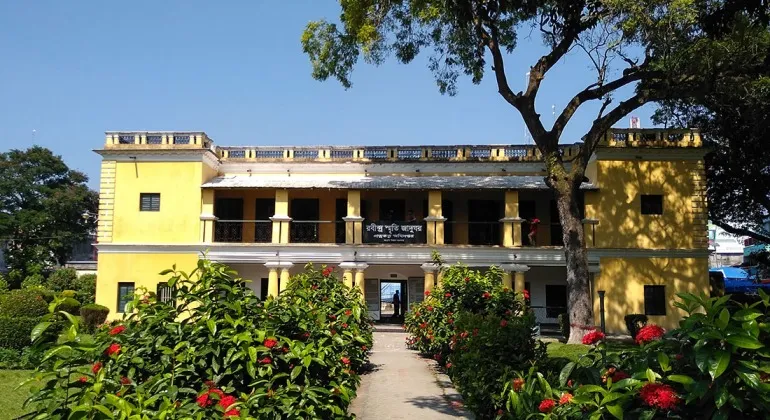
The distinctive yellow building, with its graceful pillars, shaded corridors, verandas and meticulously maintained gardens, offers a peaceful heritage experience. Visitors can admire its architecture, explore the accessible museum exhibits, learn about Rabindranath's connection with Shahjadpur and take photographs of the historic surroundings. This place is particularly attractive to literature lovers, students, history buffs, photographers and families interested in the cultural identity of Bangladesh.

Located about 40-45 kilometers by road from Sirajganj city, Rabindra Kachari Bari is an excellent place for a one-day cultural trip. Tourists visiting the larger district can also enjoy the ancient architecture of the Navratta Temple or the natural beauty of the Yamuna River (Noborotto Temple)at the china Dam in Sirajganj . Together, these destinations highlight the literary history of the district, its archaeological heritage, and the natural beauty of the riverbanks.

Visitor Information: The museum is located in Shahjadpur Upazila, not in the city center of Sirajganj. There is an admission fee and most visitors should allow about 1-2 hours. Museum hours and access to each gallery are subject to change. The Google Maps location coordinates used for this guide are taken from a Google Maps directions link to the point of interest; the URL of the location displayed uses those coordinates to identify the site.


History and connection of Rabindranath Tagore with Shahjadpur

The history of Rabindra Kachari Bari is inextricably linked to the Tagore family's landed estates in Bengal. During the colonial period, Kachari Bari served as an administrative headquarters, where the estate officials collected revenue, handled documents, correspondence and other zamindari duties. This building in Shahjadpur was used for these administrative purposes before becoming a literary monument of national significance.

Origin of the historic estate

According to the Department of Archaeology of Bangladesh, the property was originally built during the British colonial period and was acquired by Rabindranath Tagore's grandfather, Rajkumar Dwarkanath Tagore, in 1842. Some secondary historical accounts state the year of acquisition as slightly different. The property later became part of the larger landholding interests of the Tagore family in East Bengal.

The building reflects an architectural period when traditional Bengali zamindarbaris were increasingly incorporating European-influenced designs. Its architectural style, courtyard layout, and verandas highlight the practical and social functions of a 19th-century zamindar's administrative residence.

Rabindranath Tagore's travels in the 1890s

Rabindranath Tagore began visiting Shahjadpur around 1890 to oversee the family estate. Official heritage records mention his repeated visits and stays until around 1895, although some literary accounts discuss his association with the region for a somewhat longer period in the 1890s.

His duties exposed him to rural society, agricultural life, rural waterways, and the economic realities of Bengal. These experiences contributed to the development of his literary sense of the relationship between ordinary people and society, nature, and personal feelings.

Shahjadpur became an important area of ​​Rabindranath's letters and creative thinking. His letters written while in East Bengal, which were later collected in books like 'Chinnapatra' and 'Chinnapatrabali' , reveal his observations of the landscape and daily life. The experiences he gained across Rabindranath's vast estates, including Shahjadpur, Shilaidah and Patisar, influenced his writing during this formative period.

Literary works and creative inspiration

Traditionally, Rabindranath's association with Shahjadpur is associated with literary works such as 'Sonar Tori' , 'Chitra' and various poems, letters, stories and plays of the 1890s. Local folklore also links the works of Bisarjan and Chaitali to this estate period . No single work should automatically be considered as a complete work of Kacharibari, as Rabindranath traveled to various parts of the estate while composing and revising his works.

Shahjadpur was important in Rabindranath's overall creative development. The proximity to the people and countryside of Bengal helped shape his literary representations of human relationships, social inequality, loneliness, and the natural world.

Preservation as a cultural monument

After Rabindranath's lifetime, Kacharibari gradually gained recognition as an important historical property. It came under the protection and preservation of government heritage and the building was converted into a memorial museum affiliated with the Department of Archaeology. Even today, it is an important destination for educational tours, literary memorials and cultural tourism.

The Rabindra Kachari House is particularly significant because it preserves a real connection to Tagore's career, rather than merely commemorating his fame. Visitors are presented with a place where zamindari administration, rural experience, and literary creativity converged during a formative period in modern Bengali literature.


Architectural and museum highlights

One of the main attractions of Rabindranath Tagore's Kacharibari is its historical architecture. The building is a well-built two-storey structure of the colonial period, with an attractive yellow exterior, a symmetrical facade, wide verandas, traditional casement windows and ornate architectural style. Its restrained yet elegant appearance reflects a blend of Bengali zamindarbari traditions and European architectural influences.

Historic two-story building

The main feature of the original structure is the long covered verandas supported by columns. These corridors allowed for safe passage between rooms and helped connect the interior spaces to the surrounding courtyard. The upper floors, balcony railings, extended roof lines, and carefully proportioned windows create the building's distinctive form.

The garden path leading to the entrance provides one of the most striking views of the property. Visitors approaching the building can admire its architectural symmetry and observe how its origins as a functional estate office coexist with the sophisticated appearance of a historic rural residence.

Rabindra Memorial Museum

Part of the Kacharibari is being used as a memorial museum displaying objects related to Rabindranath Tagore, his family and that historical period. The published descriptions identify the different categories of exhibits:

  • Historic furniture: Wooden chairs, tables, beds, sofas and other furniture from the period associated with the estate.
  • Personal mementos: items traditionally associated with Tagore's daily life, including shoes and household items.
  • Musical Instruments: The exhibit is described as having historically included a piano and harmonium, reflecting the poet's musical heritage.
  • Travel-related items: A palanquin and other items depicting colonial-era transportation and zamindari lifestyle.
  • Photographic and informational exhibition: Portraits, historical photographs, and explanatory materials related to Rabindranath's life and literary works.
  • Historic household items: Utensils and other artifacts that illustrate the domestic and administrative environment of the estate.

Important: The museum's collection and visitor access are subject to change. Recent visitor accounts indicate that some galleries or upstairs areas were closed or had reduced exhibits. There is no guarantee that every historically documented object will be available for viewing on the day of your visit.

Garden and yard

The surrounding grounds feature well-maintained gardens, trees, open lawns and walkways. These spaces create an attractive setting for enjoying the building from different angles. The garden also creates a pleasant environment for families, photography enthusiasts and visitors to quietly contemplate Rabindranath's literary legacy.

Cultural events and auditorium

The heritage complex is associated with cultural gatherings, literary discussions and commemorative activities. An auditorium or function venue has been used for events celebrating Rabindranath Tagore and Bengali literature. The use of such facilities is subject to the event, maintenance arrangements and permission from the concerned authorities.


Things to do at home by Rabindra Kachari

Although Rabindra Kachari Bari is primarily a heritage museum and not an entertainment center, it still offers a number of meaningful activities for visitors interested in literature, architecture, photography, and local culture.

Explore Rabindranath's literary legacy

Start by learning about the poet's role in managing the Shahjadpur Estate and the literary significance of his visit. The experience can be made more interesting by reading some of his letters from the East Bengal period before arriving there. Students and literature lovers will especially appreciate this opportunity to connect familiar literary works with a real historical context.

Check out the historic architecture

Note the building's pillars, balconies, roof form, windows, and architectural symmetry. These features illustrate how a colonial-era zamindari building combined practical administrative functions with residential comfort. Visitors interested in architectural heritage can compare these details with surviving zamindari houses and historical monuments elsewhere in Bangladesh.

Visit the museum exhibits.

Explore the galleries that are open to visitors. Find paintings, furniture, musical instruments, and interpretive exhibits that illuminate Rabindranath's life and work. A more meaningful experience is gained by carefully reading the exhibition labels rather than simply walking through the rooms.

Enjoy heritage photography

The yellow facade, garden paths, shaded terraces and mature trees create several attractive photographic scenes. The garden path provides a balanced view of the main building, while the columns of the terrace highlight interesting architectural details. Taking photos outside is generally popular, but visitors should check current regulations before taking photos inside the museum's galleries or using professional equipment.

Experience local cultural history

After visiting the museum, spend some time at Shahjadpur Bazaar. The nearby town offers a glimpse into the daily life of an important region of Sirajganj district. Visitors can also find locally organized literary events or cultural activities, especially on the occasion of Rabindranath Tagore's birth anniversary.

Plan an educational trip

Schools, colleges and cultural organizations can use this place as an educational destination. Topics for educational visits include Bengali literature, colonial architecture, zamindari administration, heritage preservation and development of cultural identity in Bengal. Groups should contact the museum administration for special arrangements if necessary.


Ticket prices, opening hours and entry rules

Rabindra Kachari Bari is a ticketed heritage tourist attraction. The entry fee is affordable compared to many commercial tourist attractions, but it is worth checking the applicable rates and museum hours before visiting.

Entrance fee

Inspectorate Department Admission information
Bangladeshi visitors According to the June 2025 reopening report, it is about 30 taka per person.
Visitors from SAARC countries Historically published rates were ৳100 per person; current rates need to be verified.
Other international visitors Historically published rates were ৳200 per person; current rates need to be verified.
Students and children Discounts may be available according to the museum's applicable policies; check at the counter.
Car parking Different charges may apply depending on the amenities available and vehicle type.

Previous travel publications had listed the general admission price as 20 dirhams and a separate charge for foreign visitors. However, according to local reports in June 2025, the entrance fee was set at 30 dirhams after the site reopened after a temporary closure. For planning purposes, 30 dirhams is the most recently published admission price for Bangladeshis, but it should not be considered a guaranteed price for October 2026.

Opening hours

According to Google Maps business information, it is open from 9 am to 5 pm on Mondays and from 10 am to 5 pm on Tuesdays to Saturdays. Sundays are not listed as working days. However, the Bangladesh Department of Archaeology publication mentions a seasonal museum schedule, weekly closure on Sundays, late opening on Mondays, and breaks during the day. As a result, there is an inconsistency in the published schedule.

Visitors should also keep in mind that visiting hours may be shortened on Fridays due to congregational prayers, seasonal schedule changes, government holidays, and occasional administrative reasons. It is highly recommended to call the local museum administration before making a long journey.

Rules and practical guidelines for visitors

  • Please purchase the required entrance tickets before entering the museum premises.
  • Follow the instructions of museum staff and respect protected areas.
  • Do not touch, move, or lean on historical artifacts, furniture, or fragile architectural elements.
  • Check if permission is required for flash photography, tripods, or professional filming.
  • Don't write on the walls, damage the trees, or throw trash in the garden.
  • Keep noise levels tolerable inside the exhibition room and around educational groups.
  • Supervise children near stairs, balconies, exhibits, and fragile structures.
  • If you are traveling with a wheelchair or someone who has difficulty using stairs, ask the staff about accessibility.

Special Access Notice: The museum was temporarily closed to visitors following an incident in June 2025 and has since reopened. Although the site is open to visitors, further access restrictions may be imposed in the future, so please check the operating status before traveling.


Best time to travel

Rabindranath Tagore's Kacharibari can be visited any time of the year, as long as the museum is open. October to March is a particularly good time to explore the building, gardens, and surrounding town . This heritage site is not dependent on any specific natural season, so travelers can choose dates according to their personal schedule and cultural interests.

Best time of day

Arriving during the morning visit usually allows plenty of time to explore the open galleries, take in the exhibits, and enjoy the architecture without rushing. Early afternoon visits can also be beneficial, but visitors should check the museum's lunch break and closing times in advance.

Rabindra Jayanti Celebration

A particularly meaningful occasion is Rabindra Jayanti , the annual celebration of Rabindranath Tagore's birth anniversary, which is traditionally celebrated on the 25th of Baishakh in the Bengali calendar and usually falls on 8 or 9 May in Bangladesh, depending on the calendar calendar.

Events featuring Rabindra Sangeet, recitations, discussions, cultural programmes and commemorative activities have been organised in Shahjadpur. Such events attract writers, artists, students and Rabindranath's fans. A three-day festival was organised in Shahjadpur Kacharibari in May 2025. The dates and programmes of future festivals will be confirmed through official announcements.

Visitors who want a quiet museum experience may prefer the regular weekdays, while those interested in Bengali literary heritage and live performances may enjoy visiting during a scheduled cultural event.


How to reach

Rabindranath Tagore's Kacharibari is located near Shahjadpur Bazar in Shahjadpur Upazila of Sirajganj District, Bangladesh. The museum is located on or near the Shahjadpur-Khukni Road, which is locally connected to the Z5409 Road. Its usual address on the map is 5HGV+4JX, Shahjadpur, Bangladesh.

The distance from Sirajganj district headquarters to Shahjadpur by road is about 40-45 kilometers. For visitors coming from Dhaka, it may be more convenient to use a bus directly to Shahjadpur or arrange a road trip instead of first coming to the center of Sirajganj.

By bus from Dhaka

  1. Start from a suitable Dhaka bus terminal, such as Mohakhali, Gabtoli or other counters serving the Sirajganj and Shahjadpur routes.
  2. Specifically look for a bus that stops at Shahjadpur. If there is no suitable direct service, head towards Sirajganj or a suitable highway transfer point.
  3. Take a local autorickshaw, battery-powered three-wheeler or rickshaw from Shahjadpur bus stand towards Rabindra Kachari House near Shahjadpur Bazaar.
  4. To identify the destination, tell the driver 'Rabindra Kachari Bari' or 'Rabindra Museum, Shahjadpur'.

Estimated cost: A conventional intercity bus from Dhaka can cost around 350–700 taka per person, depending on the route, operator and type of service. A reserved rickshaw or autorickshaw for the final short local journey can cost around 30–100 taka. These are estimated travel budgets, not actual fares verified by the operator.

Approximate travel time: Depending on the starting point, route chosen, and road conditions, it can take approximately 3.5–5.5 hours to travel from Dhaka to Shahjadpur by road. Allow extra time in case you need to change vehicles.

By train from Dhaka

  1. Check the current Bangladesh Railway timetable for trains running from Dhaka to Sirajganj, Ullapara or any other suitable station on the Western Railway network.
  2. Choose a convenient station with road connectivity to Shahjadpur. Ullapara could be a possible intermediate point, depending on train services and available local transport.
  3. Upon arrival, use local buses, CNG autorickshaws, or rented cars to get to Shahjadpur town.
  4. Take a rickshaw or auto-rickshaw to the museum located near Shahjadpur Bazar.

For visitors who prefer rail transport, train travel can be convenient, but it is not usually a direct way to reach the museum. Check station stops and connections before purchasing tickets, as there is no guarantee that the selected Dhaka train will stop at the most convenient interchange.

Estimated budget for onward travel: Around 100-300 taka per person for local road travel. The cost may be higher if you arrange for a personal CNG or car, depending on the chosen railway station and distance. Train ticket prices vary according to route and class.

By road from Sirajganj District Headquarters

  1. Start from the main bus or transportation area in Sirajganj city.
  2. Take a bus to Shahjadpur or arrange for a CNG auto-rickshaw or private car.
  3. Travel about 40-45 kilometers to Shahjadpur using suitable regional road connections.
  4. Upon reaching Shahjadpur bus stand or market area, hire a rickshaw or local auto-rickshaw to reach the museum entrance.

Estimated fare: Local buses can cost around 80–150 taka per person. Depending on the waiting time and bargaining, a privately hired CNG autorickshaw for travel within the city can cost around 700–1,500 taka. These figures are tentative estimates, not guaranteed fixed fares.

Estimated travel time: Approximately 1–1.5 hours from Sirajganj city, depending on transportation availability and road traffic.

By private car or rented microbus

Visitors traveling with families or in groups can hire private cars or microbuses from Dhaka, Sirajganj, or nearby cities. Private transport offers the greatest convenience in combining a visit to Rabindra Kachari Bari with other archaeological and riverside attractions in Sirajganj district.

For a Dhaka-based day trip, ask for a written price list that includes the vehicle, driver, fuel, tolls, parking, and waiting time. Full-day rental costs vary widely based on the class of vehicle and the number of hours or kilometers included. Before traveling in a large vehicle, make sure to secure parking near the historic square.

By air

There is no regular commercial passenger airport serving the museum in Shahjadpur. Passengers arriving in Bangladesh by air can land at Hazrat Shahjalal International Airport in Dhaka and continue their journey by road or a suitable combination of rail and road. There are no effective scheduled domestic flights directly to Rabindra Kachari Bari.

Local transportation and nearby attractions

The most important points of local communication are Shahjadpur Bazar, Shahjadpur Bus Stand and Shahjadpur-Khukni Road . The museum is located within the city, so the final journey is usually short once travelers reach the center of Shahjadpur.

Battery-powered autorickshaws, regular rickshaws, and CNG autorickshaws are the common means of local transport. Before boarding, negotiate the fare and make sure that the fare is for the entire vehicle or just one passenger. Visitors living within walking distance of Shahjadpur Bazaar may be able to reach their destination on foot.

Directions: Search Google Maps for 'Rabindra Kachari Bari' or 'Rabindranath Tagore's Kachari Bari, Shahjadpur'. The Google Maps directions link for this interesting place states that the destination is located at approximately 24.1753512 latitude and 89.5940955 longitude. Make sure that the selected pin is located in Shahjadpur, Sirajganj, and not any other Tagore memorial in Bangladesh.

Rabindranath Tagore's Kacharibari, Sirajganj

GPS: 24.1753512, 89.5940955
Get Directions

Where to eat

Visitors to Rabindra Kachari Bari will find the most convenient dining options in Shahjadpur Bazaar and the surrounding city center . Rather than expecting a large restaurant within this traditional complex, plan to eat at a local restaurant before or after your visit to the museum.

Traditional Bengali food

Small hotels and family restaurants in Shahjadpur typically serve familiar Bangladeshi dishes such as rice, dal, vegetables, chicken curry, beef curry, and locally sourced fish. While menus and prices vary, these establishments offer a realistic introduction to the everyday food of the Sirajganj region.

Estimated cost of food: A typical local lunch can cost around 120–300 taka per person, with meat or fish combinations costing more. Check the menu and prices before ordering.

Breakfast and local snacks

Travelers arriving in the morning can find parathas, rotis, vegetable curries, eggs and tea at local breakfast stalls. While strolling through the market, visitors can also find samosas, singaras, biscuits, seasonal sweets and other snacks.

Estimated budget: Approximately 50–150 taka per person for a simple breakfast or light meal, depending on the meal chosen.

Restaurants in Sirajganj city

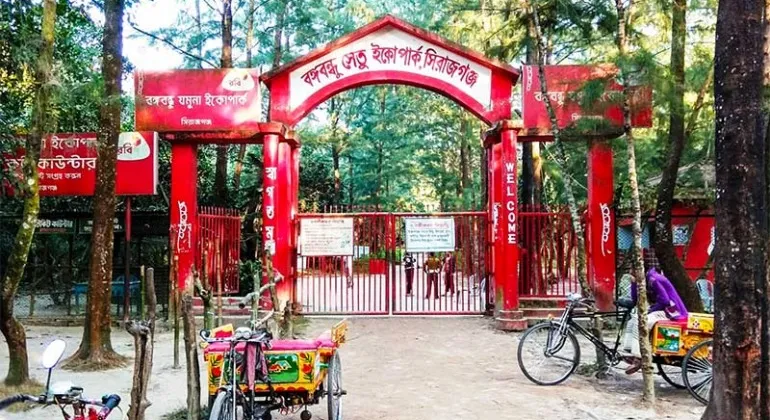
Visitors heading towards the district headquarters can find many more casual restaurants and food stalls in Sirajganj town. This option is especially convenient if a longer itinerary includes (Jamuna Eco Park)China Dam Sirajganj or Jamuna Eco Park.

Eating tips

  • Choose a restaurant where the food preparation area is clean and the customer flow is good.
  • Carry bottled or other safe drinking water.
  • Ask if the price displayed includes all applicable charges.
  • Bring some cash, as smaller restaurants may not accept cards.
  • For large groups, arrange food in advance if possible.
  • Confirm restaurant opening times during public holidays and religious festivals.

Since small local eateries can change ownership or opening hours, it is often more reliable to choose a well-run establishment near the market on the day of your visit, rather than relying on an unverified restaurant listing.


Where to stay?

Rabindra Kachari Bari is suitable for a day trip from nearby cities, so most visitors do not need to stay overnight. Travelers who want to explore the various attractions of Sirajganj district can stay in Shahjadpur, Sirajganj city, or any other convenient transportation hub.

Accommodation in Shahjadpur

Accommodation options in Shahjadpur are limited, as is the case for a small town. Local residential hotels and guesthouses may be suitable for short stays, although facilities, availability of online bookings and quality of service may vary. Visitors wishing to stay close to the museum should check locally for currently operating licensed accommodation.

Before reserving a room, make sure it has a private bathroom, clean bedding, reliable electricity, family-friendly accommodations, and a safe place to store valuables.

Hotels in Sirajganj city

Sirajganj city generally has more accommodation options than the areas surrounding the museums. Its central areas, especially on the roads near major markets and transport hubs, have a range of budget hotels and other local accommodation.

Previously published local travel guides mentioned hotels such as Hotel Al Hamra near Independence Square and Hotel Anik located around Sheikh Mujib Road. However, their current operations, room rates, amenities and booking availability for 2026 have not been independently verified. Travelers should check detailed information directly rather than relying on previously published rates.

Estimated accommodation budget

Housing Department Estimated budget per night
General local residential hotel ৳600–৳1,200
Simple budget hotel or guesthouse ৳1,200–৳2,500
More comfortable accommodations if available ৳2,500–৳4,500 or more

These are an estimated price range for travel planning, not verified room prices. Prices depend on hotel quality, location, room layout, and seasonal demand.

Choosing the best foundation

If your main priority is to visit the Rabindra Kachari Bari or attend a local cultural event, stay in Shahjadpur . And if you want to include multiple destinations in your itinerary, including riverside attractions and historical sites in different parts of the district, stay in Sirajganj city.

Tourists coming from Dhaka to visit a single museum can usually return without staying overnight, if they leave early, check transport connections, and allow enough time for the round trip.


Practical travel advice for visitors

A little preparation helps visitors enjoy Rabindra Kachari House more comfortably, especially since it is a protected heritage site and its museum infrastructure is relatively limited.

  • Allow enough time: Plan on approximately 1-2 hours to explore the museum, gardens, and take photos. Literature lovers may prefer to spend more time.
  • Make sure to get in: Check current opening hours, gallery availability, and any temporary closures before making a long journey.
  • Carry cash: Keep small denomination Bangladeshi taka notes for tickets, local transportation, snacks, and small expenses.
  • Follow preservation regulations: Avoid touching historical objects or entering areas closed for preservation.
  • Travel with identification: International visitors are required to carry appropriate identification if required by museum entry policy.
  • Be prepared for basic amenities: Don't assume that you'll find extensive visitor services, easy access to upper floors, or modern exhibition facilities.
  • Check the photography regulations: Taking photos outdoors is generally permitted, but indoor photography and professional photo shoots may be restricted.
  • Plan your return transportation: If traveling by local shared vehicle, arrange your return connection before leaving Shahjadpur.
  • Read about Rabindranath Tagore in advance: The trip is more fruitful if you are familiar with his life, letters, and literary works.
  • Follow the instructions of officials: Access to museum rooms, staircases, balconies, and venues may depend on current conservation or safety requirements.

Rather than being seen as a large interactive museum, Rabindra Kachari Bari is best appreciated as a genuine literary and architectural heritage site. Visitors with an interest in the life of Rabindranath Tagore and the history of Bengal may find its significance particularly rewarding.


Nearby attractions

Visitors to Rabindranath Tagore's Kacharibari can extend their trip to explore other notable tourist attractions in Sirajganj district. These destinations offer an opportunity to discover ancient architecture, cultural history, the Yamuna River, and picturesque natural scenery. Since the district is spread over a vast area, not all places are located right next to Shahjadpur; this requires additional road travel.

Noborotto Temple – Historic Nine-Stone Temple

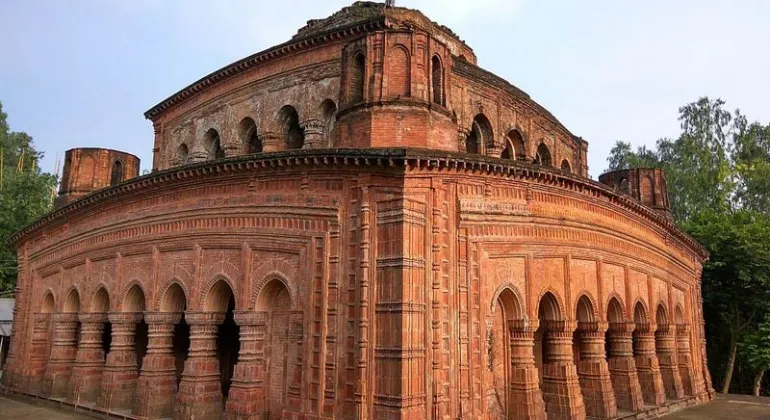
Navaratna Temple , also known as Navaratna or Navaratna Mandir, is one of the most interesting architectural heritage sites in Sirajganj district. Located in the Hatikumrul area, this historic temple complex is known for its distinctive multi-tiered architecture associated with the temple building tradition of Bengal.

Its unique historical design makes it a great addition to a cultural itinerary centered around Rabindra Kachari Bari. Tourists interested in architecture can compare the colonial estate architecture of Shahjadpur with the Hindu temple heritage of historic Bengal.

China Dam Sirajganj – View of Jamuna River

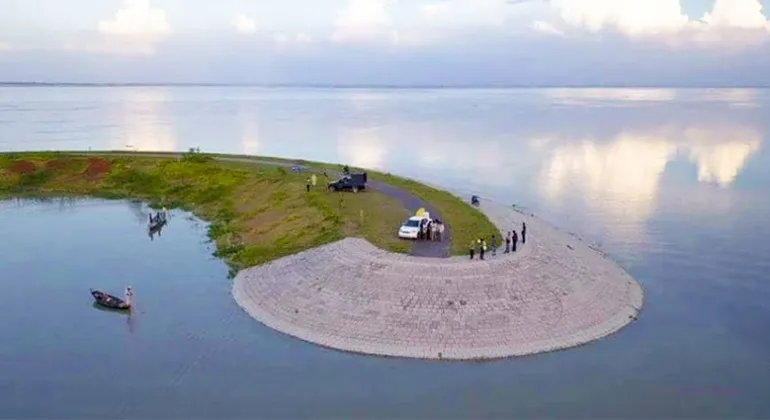
China Dam in Sirajganj is a popular riverside tourist destination, from where visitors can enjoy the vastness of the Yamuna River and its surrounding natural scenery. This area is especially attractive for sightseeing, photography, and spending time by the river.

Combining Rabindra Kachari Bari and China Dam creates an itinerary that connects the heritage of Bengali literature with the natural environment of the Yamuna River region. Private transportation may be convenient, as the two destinations are located in different parts of the district.

Jamuna Eco Park – Riverside Entertainment

For those interested in pleasant outdoor recreation, Jamuna Eco Park is another worthwhile destination. Located in the Jamuna Bridge area, this park offers a different experience from the historical surroundings of Shahjadpur.

Depending on road travel times and the current opening times of the park, families and groups may consider a morning trip to Kachibari with a stop at the Jamuna Bridge area in the afternoon.

Suggested Sirajganj Heritage and Nature Itinerary

One-day option: Start the journey from Rabindra Kachari Bari in Shahjadpur at its confirmed opening time. If you have the means and time, visit the Navratna Temple, then (Noborotto Temple) end the journey by stopping by the river at the china Dam in Sirajganj .

Two-day option: Day one explores Rabindra Kachari Bari, Shahjadpur Bazar, and the literary history of the area. Day two explores the sights along the banks of the Yamuna River, including the Navratna Temple and the Yamuna Eco Park . (Jamuna Eco Park)

These itineraries present a balanced introduction to the culture, architecture, and riverside geography of Sirajganj. Before finalizing your itinerary, check the timings, travel distances, and transportation options for each attraction.

Frequently Asked Questions (FAQ)

Rabindranath Tagore's Kachari Bari is located in Shahjadpur Upazila of Sirajganj District, Bangladesh, near Shahjadpur Bazar and the Shahjadpur-Khukni Road. It is about 40–45 km by road from Sirajganj city. Google Maps usually lists its address as 5HGV+4JX, Shahjadpur, Bangladesh. According to a Google Maps directions link, the latitude of this destination is 24.1753512 and longitude is 89.5940955. Visitors should search for 'Rabindra Kachari Bari' or 'Rabindra Museum, Shahjadpur' instead of any other Tagore-related heritage site in Bangladesh.

Explore The Area

Top Attractions & Places to Visit in Sirajganj

Discover more heritage, nature, and must-visit spots across Sirajganj.

View all in Sirajganj

Jamuna Eco Park, Sirajganj – A complete travel guide to this riverside nature park

Jamuna Eco Park, also widely known as Bangabandhu Jamuna Eco Park or Bangabandhu Jamuna Bridge Eco Park, is one of the m...

Shafayet Al-Anik

China Dam Sirajganj – Complete Guide to Traveling on the Beautiful Jamuna River Dam

China Dam in Sirajganj, also known as China Dam or China Barrage , is one of the most attractive riverside attractions i...

Shafayet Al-Anik

Noborotto Temple, Sirajganj – Complete Travel Guide to the Historic Nine-Spirited Temple

Navaratna Temple, also known as Hathikumrul Navaratna Temple, Navaratna Mandir or Nai Chudar Temple , is one of the most...

Shafayet Al-Anik

logo ColoZai

ColoZai is a trusted travel guide and destination explorer platform in Bangladesh. We are making travel simple, authentic, and accessible for everyone.

Need Help ?

We are Always here for you! Knock us on Whatsapp (10AM - 10PM) or Email us.