Polghata Bridge Munshiganj

Polghata Bridge Munshiganj

Munshiganj
·

17 October 2026

Travel Overview & Quick Facts

Directions
Location
Munshiganj
Admission / Entry Fee
Free; no separate tourist entry ticket is usually required to visit the bridge, which is open to the public. Local transportation, parking where applicable, meals, and other personal expenses are additional. Check with local authorities before traveling to confirm any temporary access restrictions.
Best Time to Visit
October to March; visit during the day to enjoy the best views of the historic arcades and canals.
Opening Hours
There are no officially verified opening hours; visit during the day and check local access conditions before traveling.
Google Rating
★ 4.5 (229 reviews)
Category / Type
Historical sites, Mughal architecture, archaeological heritage sites, photography and cultural tourism

Introduction to Polghata Bridge Munshiganj

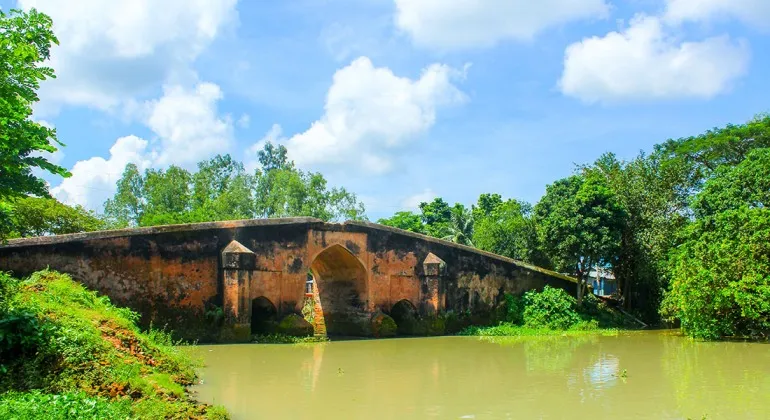
Visit Polghata Bridge, one of the most historic architectural landmarks in the culturally rich Munshiganj district of Bangladesh . Also known locally as Mirkadim Bridge, this old arched bridge is located over the Mir Kadim Canal in Panam Polghata village of Rampal Union in Munshiganj Sadar Upazila. Built with traditional brickwork and lime-surkir masonry, the bridge is an interesting reminder of the region's historic settlements, waterways, and engineering heritage.

Unlike modern concrete bridges built primarily for high-speed traffic, the Polghata Bridge attracts tourists interested in historical infrastructure, traditional construction styles, and the heritage of ancient Bikrampur. Its three arched entrances, gentle curves, and its relationship with the canal create a unique setting for photography and cultural exploration. According to local government tourism information, the bridge is approximately 52.42 meters long, although its exact construction date and who the original builder was are not known for certain.

Polghata Bridge is a useful addition to a day trip from Dhaka or to a larger heritage tour of Munshiganj. Visitors can combine it with the historic Idrakpur Fort in Munshiganj, (idr%20akpur fort munshiganj) the religious and archaeological heritage of the baba Adam Mosque in Munshiganj , and the distinctive twin minaretsof Sonarang Jora Moth in Munshiganj (Sonarong Jora Moth Munshiganj) . Together, these sites provide a comprehensive introduction to the historical character of the district.

Important travel information: Polghata Bridge is a heritage site, not a ticketed amusement park. Plan to spend a short time outdoors, wear comfortable shoes, carry drinking water, and allow extra time to explore the surrounding villages and canals. Published opening times, current visitor facilities, and formal entry arrangements should be confirmed locally rather than assuming otherwise.


History and heritage of Polghata Bridge

Munshiganj is part of the historic Bikrampur region, an area associated with important political, religious, educational and cultural developments in Bengal. Its territory includes mosques, temples, historic residences, archaeological ruins and waterways that once aided local trade and communication. The Polghata Bridge is part of this larger heritage site.

The bridge is generally considered to be of Mughal origin, but the exact date of its construction and the identity of its builder are uncertain. Its traditional brick-lime construction style reflects the construction techniques of historic Bengal, where brickwork and lime-mortar were important materials for bridges, religious buildings, and other durable structures.

Local accounts suggest that the bridge crossed the Mir Kadim Canal, which connected to the historic Vikrampur boundary. This connection gives the structure a special significance beyond its physical function: it also highlights the relationship between the region's waterways, settlements, and human movement.

The bridge has been repaired over time and some of its features may differ from its original form due to maintenance. The local government's tourism portal has identified it as an archaeological site under the supervision of the Department of Archaeology of Bangladesh. Therefore, visitors interested in heritage conservation should consider the bridge as both a historical monument and a site in need of careful protection.

While exploring the past of this region, one may consider visiting the birthplace of renowned Buddhist scholar atish Dipankar andthe Rai Bahadur Srinath Palace (Roy Bahadur Srinath Palace) , which showcases a different aspect of the district's architectural heritage.


Architecture and distinctive features

Polghata Bridge is notable for its traditional masonry construction and three arched gateways. The bridge, about 52.42 meters long, forms an elongated outline over the canal, with a main gateway in the center and two smaller ones on either side. These curved arches give the bridge its characteristic historical appearance.

Three arched entrances

The bridge's three openings were designed to allow water to flow underneath. Their arrangement reflects the practical need to maintain a crossing while simultaneously keeping the canal functioning as a waterway. It is known that the middle opening is larger than the two side openings.

Traditional brickwork

The brick and lime-sand construction gives the bridge its distinctive historical character. Its construction materials are different from contemporary reinforced-concrete bridges and it allows for a close-up look at traditional construction techniques. Visitors should refrain from touching, climbing on, or putting pressure on the fragile structure.

Setting of Mir Kadim Canal

The canal is an essential part of the bridge's identity. Its presence helps explain why the structure was built in this location and how the waterway influenced historical settlement patterns. Water levels, vegetation, nearby buildings, and local activity can change the appearance of the surroundings throughout the year.

Photography and observation

Photographers can frame the arches from public spaces and capture the intricate details of their brickwork. Depending on the position of the sun, morning and late afternoon light can provide attractive natural lighting. Do not stand in the way of moving vehicles, obstruct the movement of residents, trespass on private property, or climb onto the historic masonry of the bridge to take photos.


Things to do at Polghata Bridge

A visit to Polghata Bridge is best viewed as a leisurely heritage visit rather than a day-long entertainment destination. Depending on your interest in photography and local history, most visitors can explore the visible structure and its surroundings in about 30-60 minutes.

  • Explore the historic architecture: observe the three arches, traditional brickwork, overall proportions, and the relationship between the bridge and the canal.
  • Take photos: Take photos of the bridge from a location that is safe for the public, paying attention to its curved shape and historical context.
  • Learn about Bikrampur: Use this trip as an opportunity to get acquainted with the historic settlements and waterways of Munshiganj.
  • Observe village life with respect: notice how the bridge blends into the surrounding community, as well as keep walkways clear and ask permission before photographing identifiable individuals.
  • Plan a heritage tour: Connect this bridge with other accessible historical and cultural landmarks in the district.
  • Enjoy a short outdoor excursion: Spend time observing the canal and surrounding landscape without disturbing the local residents or causing any damage to the historic structure.

Visitors should not assume that the bridge has boat rides, guided tours, public restrooms, food outlets, or designated parking. These facilities have not been independently verified. If you require any special facilities, please make arrangements with Munshiganj town before you travel or inquire locally.


Ticket prices and entry rules

Entrance Fee: Polghata Bridge is generally visited as a public open heritage site and does not usually require a separate tourist entry ticket. However, no official, current entry fee list or specific statement from the venue authorities has been found to verify. Please contact the relevant local authority if you require official confirmation.

Estimated travel costs

Expenses Expected cost
Bridge filling Usually free; check locally.
Local rickshaw or auto-rickshaw Depends on distance, vehicle type, and negotiation.
Private car or vehicle rental Depends on rental period and pickup location.
Food and drink Depends on the seller and the order.
Personal expenses Variable

The figures above are not an official price list, but rather a guide for planning. Transportation fares are subject to change and there is no verified visitor tariff for this attraction. Confirm local transportation fares before you begin your journey, especially when renting a car for a return trip or multiple destinations.

Responsible Inspector Guidelines

  • Do not climb on arches, walls, or other fragile historic surfaces.
  • Avoid scratching, painting, or otherwise staining brickwork.
  • Do not throw garbage in canals and nearby public places.
  • Use safe areas for pedestrians and stay away from moving vehicles.
  • Follow any conservation notices, restrictions, or instructions issued by the venue authorities.
  • Get permission before taking photos of residents, homes, or private property.

How to reach

Polghata Bridge is located on the Mir Kadim Canal in Panam Polghata village of Rampal union of Munshiganj Sadar upazila. Its distance from Munshiganj city is usually stated to be about 6-8 kilometers, although the actual road distance depends on your starting point and the route chosen. Before starting your journey, search for Polghata Bridge or Mir Kadim Bridge in any navigation application and confirm your destination.

1. By bus from Dhaka

  1. Travel to the Gulistan area of ​​Dhaka, from where buses and local services operate to the Munshiganj and Muktarpur areas.
  2. Board a bus on the Munshiganj route and confirm with the conductor whether the bus stops at Muktarpur or at another convenient transfer point.
  3. From the drop-off point, hire a local autorickshaw, CNG or any other suitable vehicle to reach Polghata Bridge following the route shown by the driver.
  4. Ask the driver to confirm the location of the bridge before starting the journey, as this attraction may also be known as Mirkadim Bridge.

According to old local travel reports, fares for some local bus services from Dhaka are around 80 taka and 120 taka for BRTC services, and additional fares for local vehicles from Muktarpur area are around 60-70 taka. These figures are historical and approximate, not verified fares as of October 2026. Please confirm current fares, pick-up points and destinations with the operator.

2. Alternative bus route via Betka

Some passengers use buses to travel from Dhaka to Betka or Tongibari areas. Local autorickshaws or CNG are available to travel from Betka to Abdullahpur and Polghata. The availability of this route depends on the current bus service and local road conditions. Confirm the route with the driver and agree on the fare before setting off. According to old reports, the one-way fare in a local autorickshaw is around 40-50 taka, but the current fares may vary considerably.

3. From Munshiganj District Headquarters

  1. Start your journey from Munshiganj city or from any convenient location near major local transport stands.
  2. Hire a CNG, autorickshaw or local vehicle and make a point of visiting Polghata Bridge, also known as Mirkadim Bridge.
  3. Make sure the driver takes you directly to a safe entrance near the bridge, or drops you off at a nearby road junction.

As the district headquarters is relatively close, this is the easiest option for visitors already staying in Munshiganj. It is usually more convenient to use local transport than to try to find a separate intercity service directly to the bridge. As there is no reliable updated list of fares, it is best to get an estimate of the fare locally.

4. By train

There is no confirmed direct passenger train service to Polghata Bridge, nor is there a verified railway station right next to this attraction. If you are travelling from another part of Bangladesh, check the current rail service to a suitable interchange or your nearest convenient rail-connected destination, then proceed by road towards Munshiganj. For visitors starting their journey from central Dhaka, it is usually easier to travel directly by road than to plan a rail connection specifically for this location.

5. By air

For domestic or international air travelers, use Hazrat Shahjalal International Airport in Dhaka as the main arrival point. From the airport, travel to Munshiganj by road, either by pre-booked car or a combination of city public transport and intercity buses. Travel time depends on traffic congestion, route chosen, and final pickup point. There is no designated commercial airport near Polghata Bridge.

6. By private car or rented vehicle

For families and tourists planning to visit multiple places, it is convenient to arrange transportation by private car, rented microbus or local driver. Enter the verified coordinates of the bridge, 23.5481, 90.4774, into your navigation system, but make sure that the pin is pointing at Polghata Bridge before starting the journey. A local driver familiar with Mirkadim, Rampal and the surrounding villages can help you at the last stage. The fare depends on the pickup point, vehicle class, waiting time and number of stops.

7. Local transportation

Depending on the route and time of day, auto-rickshaws, CNG-powered vehicles, cycle rickshaws or other local transport may be available for the final leg. Their availability and fares are not guaranteed. Before starting the journey, discuss the total fare, waiting arrangements and where you will be picked up on your return journey, especially if you plan to visit multiple attractions in one trip.

Nearby attractions and directions suggestions

When asking locals for directions, use the alternative name for the historic bridge, Mirkadim Bridge. Munshiganj town is a convenient hub for arranging onward transportation. Other heritage sites in the district include Baba Adam Mosque Munshiganj and the birthplace of atish Dipankar . Don't assume that all of these places can be reached on foot from the bridge; be sure of the road distances and opening times before planning your itinerary.

Polghata Bridge Munshiganj

GPS: 23.5481, 90.4774
Get Directions

Where to eat

Polghata Bridge is essentially a heritage site, and it has not been verified whether there are any specific restaurants or reliable food options. Travelers should plan to eat at established local markets, roadside food stalls, or restaurants in Munshiganj town, rather than expecting to find food right next to the bridge.

For a typical local meal, look for establishments that serve rice, lentils, vegetable dishes, fish, chicken, and other familiar Bangladeshi dishes. Menus, hygiene practices, prices, and opening hours vary by business. Ask a local resident or your driver for any restaurants that are currently open, and where prices are not displayed, confirm before ordering.

Visitors heading towards the banks of the Padma River may want to consider eating in the Mawa area, where riverside food, fish and traditional Bangladeshi food are quite popular. The availability and quality of each food stall should be checked locally. If you are visiting the Bhagyakul Bazar in Munshiganj (Bhagyakul Bazar Munshiganj's sweets) as part of a longer district tour , check the opening hours of the respective sweet shops before you go there.

Carry drinking water and light snacks for the journey. Do not throw food packets and leftovers in canals and public places, and do not assume that there is a drinking water facility or public toilets on the bridge.


Where to stay?

Most tourists visit Polghata Bridge as a day trip from Dhaka or as part of a larger plan to visit Munshiganj. Since this attraction is relatively close to the district headquarters, it is not essential to stay overnight near the bridge if you are visiting for a short time.

Stay in Munshiganj city

Munshiganj city is a convenient hub for those looking for easy access to local transportation, restaurants, markets, and other heritage sites. Before making a reservation, check out recent guest reviews, room amenities, safety measures, check-in times, and cancellation policies. Accommodation availability and prices are subject to change, so check with the hotel directly for current prices.

Consider staying at a resort.

Travelers who want a more comfortable trip can look at resort options elsewhere in the district. Possible itineraries include Padma Resort , Mawa Resort Munshiganj , and Meghna Village Holiday Resort . These are alternative accommodations or entertainment venues, not verified hotels adjacent to Polghata Bridge.

Before booking, check the exact location of each accommodation, current room rates, transportation arrangements, amenities, and availability. If your itinerary includes multiple heritage sites, choose your accommodation based on your next destination rather than assuming that every attraction is close to the bridge.

Should you stay the night?

If you want to explore different parts of Munshiganj, visit additional heritage sites, or enjoy a relaxing itinerary, staying one night may be worthwhile. However, in the case of visiting Polghata Bridge and nearby attractions, returning to Dhaka on the same day may be sufficient, depending on traffic and your transportation arrangements.


Advice and travel safety for visitors

  • Travel during daylight: It is easier to observe the arches, take photos of the architecture, and navigate the surrounding streets during daylight.
  • Check entry conditions: This is a historic site, and entry may be affected at certain times due to conservation work or local restrictions.
  • Wear practical shoes: The surrounding area may be uneven, have muddy sections, or have limited facilities for pedestrians.
  • Protect the structure: Do not climb on the bridge, remove bricks, scratch the walls, or interfere with any conservation work.
  • Use safe spaces: Stay away from traffic and avoid obstructing the movement of bridge or nearby road users.
  • Arrange transportation in advance: If traveling by renting a local car, confirm return transportation and the driver's pickup point.
  • Bring essentials: drinking water, sun protection, a charged phone, and some cash for local expenses.
  • Respect local residents: Ask permission before taking photos of villagers, private homes, or activities.
  • Don't litter: Keep canals and heritage areas clean.

Mobile network coverage and nearby visitor facilities have not been independently verified for each part of the site. Save your route before setting off and confirm local directions in case navigation becomes unreliable.


Suggested half-day itinerary

Polghata Bridge is a great destination as part of a short historical tour from Dhaka or Munshiganj city. The following itinerary is flexible, not a guaranteed time-bound itinerary; travel times depend on traffic, road conditions, and the places you choose.

  1. Morning journey: Journey from your residence in Dhaka or Munshiganj to Polghata area.
  2. Tour the Polghata Bridge: Allow about 30-60 minutes to observe its three arches, learn about the bridge's history, and take photos from a safe location.
  3. Head to another heritage site: If travel and transportation are convenient, visit the baba Adam Mosque in Munshiganj or make a separate stop at the Sonarang Jora Monastery in Munshiganj . (Sonarong Jora Moth Munshiganj)
  4. Lunch break: Return to a suitable local market or Munshiganj town for lunch.
  5. Optional Historical Tour: If travel arrangements and your transportation schedule are favorable, you can add a tour to Idrakpur Fort and Munshiganj . (idr%20akpur fort munshiganj)
  6. Return journey: Leave enough time to arrange transportation back to Dhaka or your accommodation.

Please verify the exact location and current accessibility of each stop before starting your journey. The suggested sequence is not a verified shortest route, and it may take additional time to get from one point of interest to another.


Nearby attractions

Munshiganj is home to a variety of historical buildings, religious sites, riverside destinations, and rural recreation centers. If you are traveling to Polghata Bridge, the following places can make your trip even longer. Distances and travel times vary depending on the road, so make sure to check directions and transportation arrangements before you start your journey.

Historical and archaeological sites

  • Idrakpur Fort, Munshiganj : A historic defensive fort in Munshiganj city that is associated with the military history of the region during the Mughal period.
  • Baba Adam Mosque, Munshiganj : An important historical mosque known for its traditional architecture and religious heritage.
  • Sonarong Jora Moth Munshiganj : A unique pair of historic temple spires, reflecting the architectural diversity of the district.
  • Birthplace of Atish Dipankar : A cultural heritage site associated with the renowned Buddhist scholar and teacher.
  • Roy Bahadur Srinath Palace : A historic residence associated with the heritage and traditional architecture of the district's prominent families.
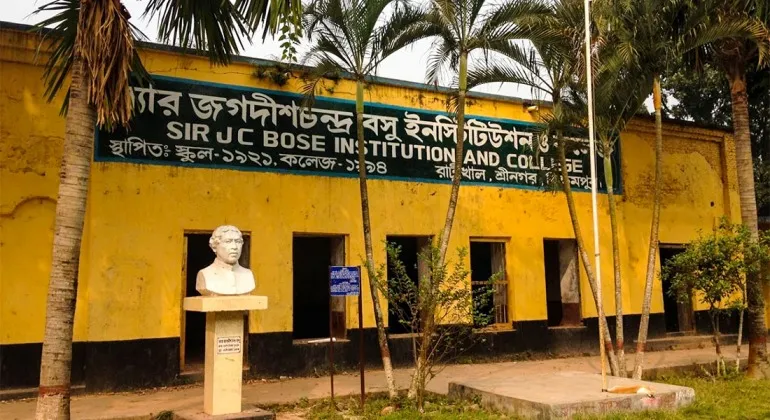
  • Sir Jagadish Chandra Bose Institution, Munshiganj (Sir Jagadish Chandra Bose Institution Munshiganj) : An educational heritage site associated with the history of knowledge pursuit in this region.
  • Bhagokul Zamindar House, Munshiganj : This is a historical residence worth considering for tourists interested in traditional zamindari and local history.

Riverside destinations and entertainment

Local food and cultural exploration

Not every destination listed here is right next to the Polghata Bridge, and some may require a separate road to reach. Choose your stopovers based on the time you have, check bridge opening and access before you set off, and arrange for transportation. A well-thought-out plan can integrate the historic architecture of the Polghata Bridge with the vast archaeological, religious, culinary, and riverside heritage of Munshiganj.

Frequently Asked Questions (FAQ)

Polghata Bridge is located in Panam Polghata village, Rampal Union, Munshiganj Sadar Upazila, Munshiganj District, Bangladesh. It is located over the Mir Kadim Canal and is also known locally as Mir Kadim Bridge. The bridge is generally stated to be located about 6–8 kilometers from Munshiganj town, depending on the starting point and route.

Explore The Area

Top Attractions & Places to Visit in Munshiganj

Discover more heritage, nature, and must-visit spots across Munshiganj.

View all in Munshiganj

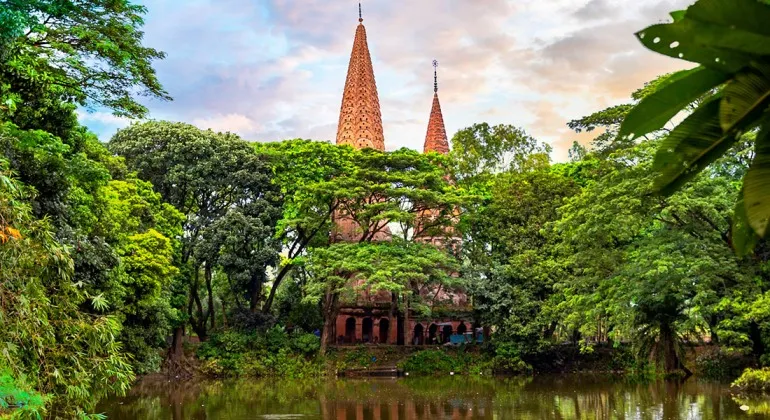
Sonarong Jora Moth Munshiganj

Discover Sonarang Jora Moth, one of the most unique historical monuments in Munshiganj, Bangladesh . Located in Sonarang...

Shafayet Al-Anik

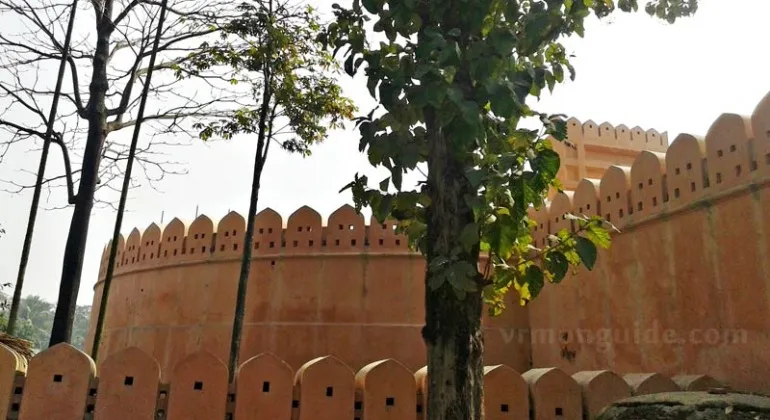
Idrakpur Fort Munshiganj

Idrakpur Fort Munshiganj , locally known as Idrakpur Kella or ইদ্রাকপুর দুর্গ , is one of Bangladesh's remarkable surviv...

Shafayet Al-Anik

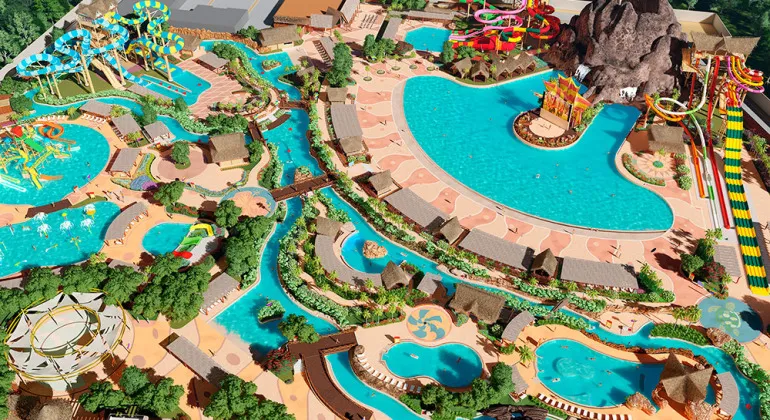
Mona Bay Water Park Munshiganj

Mana Bay Water Park Munshiganj is a premium water-entertainment center located in Bausia, Gazaria Upazila, Munshiganj Di...

Shafayet Al-Anik

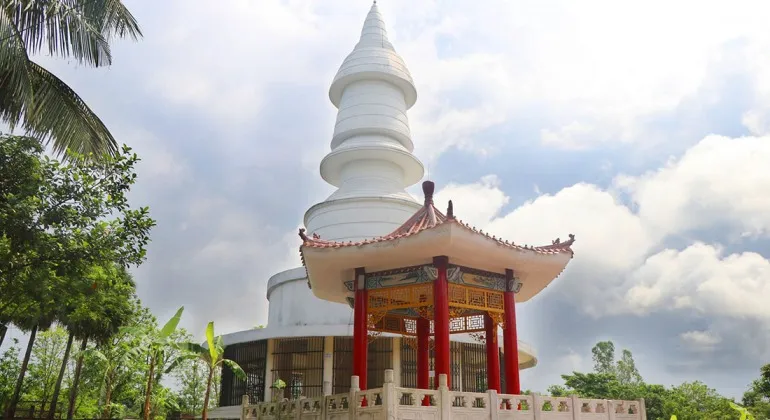
Atish Dipankar's birthplace, Munshiganj, Bangladesh

Discover the birthplace of Atish Dipankar Srigyan, one of the most influential Buddhist scholars and teachers in the Bik...

Shafayet Al-Anik

Mawa Ferry Ghat Munshiganj

Mawa Ferry Ghat in Munshiganj, locally known as Mawa Ghat or Mawa Ferry Ghat , is one of the most well-known riverside d...

Shafayet Al-Anik

Sir Jagadish Chandra Bose Institution Munshiganj

Discover an important chapter in Bengal's scientific and educational heritage at the Sir Jagadish Chandra Bose Instituti...

Shafayet Al-Anik

Meghna Village Holiday Resort

Meghna Village Holiday Resort is a rurally inspired family resort and entertainment center located in Baluakandi, Gazari...

Shafayet Al-Anik

Mawa Resort Munshiganj

Mawa Resort Munshiganj is a popular riverside resort in Louhajang Upazila of Munshiganj District, Bangladesh . Located o...

Shafayet Al-Anik

Padma Resort, Munshiganj, Bangladesh

Padma Resort, located in Louhajang, Munshiganj, is a riverside resort connected to the scenic beauty of the Padma River....

Shafayet Al-Anik

Paddohem Dham Munshiganj

Paddohem Dham, also known as Padmahem Dham or Padmahema Dham, is a unique spiritual and cultural pilgrimage site located...

Shafayet Al-Anik

Roy Bahadur Srinath Palace

Learn about the history of Roy Bahadur Srinath Palace, one of the most notable relics of Munshiganj's aristocratic past....

Shafayet Al-Anik

Aerial Bill Munshiganj

Aerial Beel, also known as Aerial Beel, is a vast seasonal wetland located in the Srinagar and Sirajdikhan areas of Muns...

Shafayet Al-Anik

logo ColoZai

ColoZai is a trusted travel guide and destination explorer platform in Bangladesh. We are making travel simple, authentic, and accessible for everyone.

Need Help ?

We are Always here for you! Knock us on Whatsapp (10AM - 10PM) or Email us.