Ongika Memorial Chandpur

Ongika Memorial Chandpur

Chandpur
·

16 October 2026

Travel Overview & Quick Facts

Directions
Location
Chandpur
Admission / Entry Fee
Entry is free. There is reportedly no specific entry ticket for the Ongika Memorial. Visitors can explore the memorial area, which is open to the public, without any entry fee. Local transportation, parking, where applicable, and food costs are separate.
Best Time to Visit
October to March; ideal for sightseeing and photography from afternoon to early evening.
Opening Hours
Open 24 hours
Google Rating
★ 4.6 (153 reviews)
Category / Type
Historical monuments, Liberation War memorials, Cultural heritage sites, Photography spots

Introduction to Ongika Memorial Chandpur

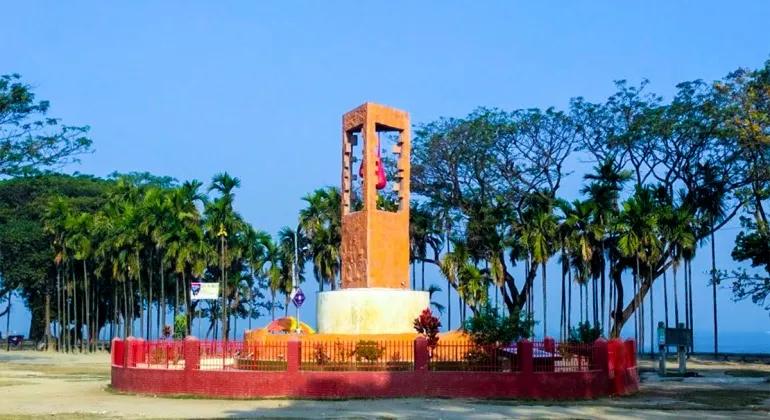
The Angikar Monument, also known as Angikar or Aungikar, is one of the most important historical sites in Chandpur, Bangladesh. Located in front of Hasan Ali Government High School, along Shaheed Muktijoddha Road, this monument is built in memory of the martyrs who sacrificed their lives in the Bangladesh Liberation War of 1971. Its name, which means pledge or promise, reflects the determination of the people who fought for the country's independence.

Situated on a lake in the heart of Chandpur city, this monument combines historical significance with an accessible urban environment. Its distinctive sculpture, location on the banks of a water body, and its role in the National Remembrance Day make it an important destination for history buffs, families, students, and visitors to the district. The monument becomes especially meaningful on Independence Day and Victory Day, when people gather to pay homage to the martyrs.

Ongika is a convenient starting point for exploring the larger heritage of Chandpur. Visitors can combine this tour with the riverside setting of the book 'Twelve Stations Chandpur – A Complete Travel Guide to the Confluence of Three Rivers' to gain a more complete understanding of the district's history, river culture and local identity. (Baro Station Chandpur)


History and historical significance

The Angikar Memorial was built in 1989 to honour those who sacrificed their lives in the Bangladesh Liberation War of 1971. This initiative is associated with the then Deputy Commissioner of Chandpur District, S. M. Shamsul Alam. The memorial was inaugurated by former President Hussain Muhammad Ershad and later became the district's central Liberation War Memorial.

The monument was designed by renowned sculptor Professor Syed Abdullah Khalid, known for his work on Dhaka University's 'Invincible Bangla'. His artwork in Angikar has given the monument a strong visual identity, connecting artistic expression with the history of Bangladesh's independence struggle.

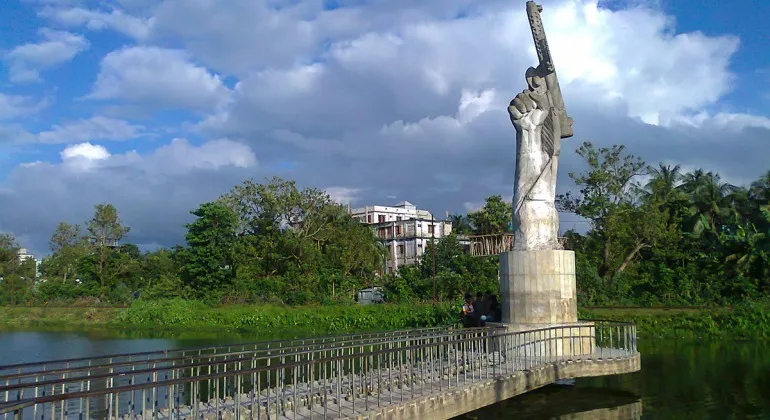
The sculpture, which is about 15 feet tall, is made of cement, stone, and iron. Its design depicts a freedom fighter with a weapon in his hand, whose raised fist symbolizes determination and solidarity. The weapon symbolizes the struggle for freedom and the determination to defend it. Together, these elements express the commitment implied in the monument's name.

Ongika remains an important place of remembrance and civic celebration. Wreaths are laid at the monument on national festivals, especially Independence Day on 26 March and Victory Day on 16 December. These events help preserve the memory of the Liberation War for the younger generation and cement the monument's place in the cultural identity of Chandpur.


Architecture and design

The architectural charm of Ongikar lies more in its expressive symbolism than in its elaborate ornamentation. Its nearly 15-foot-tall sculptural structure uses a restrained combination of cement, stone, and iron, creating a stark contrast to the surrounding cityscape.

Raised fist

The clenched fist expresses the collective determination, unity, and unwavering commitment of the people who supported the freedom struggle. It is the main visual element that conveys the monument's message even to visitors who are not familiar with its full history.

Armed freedom fighter

The armed statue is a symbol of the courage and sacrifice of those who participated in the Liberation War. Its symbolic significance extends beyond the battlefield and signifies the eternal responsibility to remember the struggle and defend the freedom won through sacrifice.

Lakeside environment

The memorial is located on Shaheed Muktijoddha Road, opposite the Hasan Ali Government High School grounds, next to a lake. The water body and surrounding urban landscape create a unique setting for photography and quiet contemplation. Visitors are required to stay within the public open area and adhere to any restrictions imposed around the memorial premises.


Things to do at Ongikar Monument

A visit to Ongika is usually short, but due to its historical importance, it is a worthwhile destination during a trip to Chandpur city. Allow about 20-45 minutes to see the monument, read the available commemorative information, and wander around at a leisurely pace.

  • Learn about the Liberation War: Understand the memorial's connection to the sacrifices of 1971 and its place in the historical narrative of Chandpur.
  • Understand the sculpture: Observe the raised fist and armed figure and consider how its design expresses determination, sacrifice, and national independence.
  • Take photos: Take photos of the monument from public spaces, and include the adjacent lake in the photo.
  • Take a stroll in the peaceful surroundings: Take a moment to reflect on the memorable historical events at this location.
  • Celebrate national commemorations: If you visit on Independence Day or Victory Day, you may encounter wreath-laying ceremonies or other commemorative activities. Events and entry arrangements for the public may vary.
  • Explore the heart of Chandpur: Plan a trip to nearby city sights, local eateries, and riverside walks, along with monuments.

This place is primarily a memorial, not an entertainment center. Visitors should approach it with respect, especially during official ceremonies, school functions, and gatherings held to honor the martyrs.


Ticket prices and entry rules

The Ongika Memorial is a public monument with free entry. It is said that there is no specific entrance ticket to visit the monument, making it an accessible destination for solo travelers, families, students, and educational groups.

Expenses Expected cost
Entrance to the monument Free
Local rickshaw or auto-rickshaw Approximately 30-150 taka depending on distance and negotiation.
Food and drink May vary depending on the restaurant and order.
Photography with personal devices Usually free in public places

These transportation figures are estimates only, not verified current prices. Please confirm fares before you travel. There is no set government fee schedule for special photography, commercial filming, or organized events, so please check with the relevant local authorities before undertaking any activities other than general sightseeing.

Visitors should refrain from climbing on the sculpture, littering, disrupting ceremonial activities, or disturbing those paying their respects. It is generally stated to be open 24 hours a day, but access to certain areas and surrounding grounds may be affected due to maintenance, security, or public events. Daylight and early evening are the best times to visit for the first time.


Best time to visit Ongika Monument

October to March is a good time to visit the sights outside Chandpur. For the Angikar Monument in particular, late afternoon to early evening is particularly attractive, as visitors can view the sculpture in the changing natural light and take photos of its lakeside setting.

A morning visit is suitable for those who prefer a relatively quiet environment or want to include multiple sites in an itinerary. Independence Day on March 26 and Victory Day on December 16 are particularly significant occasions for the memorial, although the area may be busier than usual due to these events.

The monument is a year-round attraction in the city, so it is possible to visit outside of the designated months. Check local conditions before traveling for special events and allow extra time when visiting on national holidays or during busy periods.


How to reach

The Angika memorial is located on Shaheed Muktijoddha Road in central Chandpur, opposite Hasan Ali Government High School. According to the official tourist list of Chandpur district, it is located about 0.5 km from the oath taking area and 1.5 km from the main bus stand. The railway station and the city's central transport hubs are also convenient landmarks.

1. By bus from Dhaka

Travel to Chandpur using intercity bus services from any suitable terminal in Dhaka, such as Syedabad, where services are available. Operators, departure points, journey times and fares may vary, so be sure to check the current service before travelling. Travel by road usually takes a few hours, depending on traffic and route. After reaching the main bus stand in Chandpur, hire a cycle rickshaw, battery-operated autorickshaw or CNG autorickshaw to reach the monument.

For local transportation, budget approximately 50–150 taka for a short distance ride in a rickshaw or autorickshaw from the bus stand, depending on the vehicle, traffic, and the set fare. This is an estimate, not a fixed fare list.

2. By launch from Dhaka

Passenger launches operate from Sadarghat on the Dhaka-Chandpur river route, subject to published timetables and service availability. The journey time is generally 3-4 hours, although the route may be affected by vessel type, river conditions and breaks. Fares vary considerably by seat or cabin class, so check with the operator for current ticket prices.

Upon reaching Chandpur Launch Terminal, take a local rickshaw, auto-rickshaw or CNG to Ongika Monument. This short distance journey within the city can cost approximately 50–150 taka, depending on the specific terminal, vehicle and fare.

3. By train from Dhaka

There is no need to assume that a direct train will be available from Dhaka to Chandpur. Depending on the current schedule of Bangladesh Railways, rail travel may require a connection via Laksam. Before choosing this route, check the latest train schedule, connection times and ticket availability. Use local rickshaws or autorickshaws to reach the memorial from Chandpur Railway Station.

4. By air from Dhaka

There are no convenient scheduled commercial flights to Chandpur directly for this city. Traveling by road or passenger launch is usually more convenient. For such a short journey, it is unlikely that you will save time by flying to a distant airport and then traveling by road from there.

5. From Chandpur bus stand or railway station

The monument is about 1.5 km from the main bus stand. It is about 0.5 km from the oath-taking square. Cycle rickshaws, auto-rickshaws or CNG are convenient and walking from nearby central locations may also be convenient, depending on traffic congestion, weather and personal mobility.

6. Vehicle rental and personal transportation

Visitors traveling in groups can arrange for private cars, microbuses, or locally rented vehicles through a transportation agency or accommodation provider. Prices depend on the type of vehicle, duration of travel, itinerary, and whether the booking includes waiting time. Find out the total price in advance and make sure fuel and parking are included.

Nearby attractions for directions

For local directions, use Hasan Ali Government High School, Shaheed Muktijoddha Road and the adjacent lake. The monument is also located near the central area around the Shapath Chattar. Since place names and map pins may use different English transliterations, make sure your driver understands the destination as Angikar or Angikar Monument in Chandpur city.

Ongika Memorial Chandpur

GPS: 23.22638, 90.65846
Get Directions

Where to eat

Chandpur is well known throughout Bangladesh for its Hilsa fish and the town has a variety of local restaurants, small food stalls and traditional food markets. After visiting the Angikar Monument, tourists can head to the central market, launch terminal or riverside eateries for food.

Hilsa dishes: If available, try hilsa curry, hilsa fry, or traditional rice and fish dishes. Before ordering, find out about the fish caught that day, the cooking method, and the price, as prices vary depending on the season, size of the fish, and restaurant.

Local snacks and tea: Tea shops, bakeries and small restaurants around the city center are convenient for refreshing between sightseeing breaks. Local sweets and snacks are also a good option to buy and take away.

Riverside Dining: There are a few eateries around Borough Station and the launch terminal where visitors can enjoy a meal while enjoying the scenic riverside views. Restaurant quality and opening hours vary, so check with locals for current recommendations before making a special trip.

For a more complete food and sightseeing itinerary, see 'The Complete Travel Guide to Twelve Stations Chandpur – The Confluence of Three Rivers' (Baro Station Chandpur) , where river views and local food traditions are an important part of the tourist experience.


Where to stay?

Chandpur city has residential hotels, low-budget accommodations, and mid-range accommodations, which are suitable for tourists visiting the district. Being close to the city center, court station, or major transport terminals can make it easier to reach the Angikar Monument, restaurants, and other attractions in the city.

Budget accommodation

For travelers who prioritize short-term stays and convenience, a basic residential hotel can be an option. Before booking, make sure to check room availability, cleanliness, bathroom facilities, security, and whether air conditioning or hot water is available.

Mid-range accommodation

Travelers who want more amenities can compare established hotels in Chandpur city, including those advertised in the central business district and riverside areas. Hotel Grand Hilsa is mentioned in local travel guides; check its current operating status, rates, and amenities independently before relying on it.

Booking advice

If you're traveling around Independence Day, Victory Day, or a major local event, make reservations well in advance. Don't just choose accommodations based on advertised prices, compare the full room price, cancellation policy, check-in conditions, and transportation options. There's no need to stay right next to the monument, as the center of Chandpur is small enough for local transportation to be available in a short amount of time.


Photography and visitor etiquette

The Ongika Monument offers architectural, historical, and lakeside photography opportunities. Visitors can capture the outline of the sculpture and its surroundings from the surrounding walkway, without having to approach or climb the monument.

Late afternoon and early evening are ideal times for taking photos, while daylight helps to highlight the intricate sculptural work of the monument. During the wreath-laying ceremony, maintain a respectful distance from participants and avoid disrupting the formal proceedings.

  • Do not climb on the monument, sit on it, or cause any damage to it.
  • Dispose of trash responsibly and keep the lakeshore area clean.
  • Ask permission before taking close-up photos of identifiable people.
  • Follow any temporary barriers, safety instructions, or event-related restrictions.
  • Check locally before using tripods, commercial photography equipment, or drones.

As a memorial to the martyrs of the freedom struggle, Ongika demands a thoughtful visit. A respectful visit helps preserve the dignity and significance of this place for future generations.


Suggested Half-Day Itinerary for Chandpur

Without having to travel much from one place to another, Ongika's Monument can be included in a half-day Chandpur city tour plan. The following itinerary is subject to change and should be adjusted according to local transport schedules and conditions.

  1. Start at the Ongika Memorial: Take 20-45 minutes to learn about the Liberation War Memorial and see the sculptures by the lake.
  2. Explore the heart of Chandpur: Walk through the nearby streets and markets or take a short local ride, and make time for tea or snacks.
  3. Twelve Station Tour: Travel to Twelve Stations in Chandpur to get acquainted with the picturesque riverside environment and the riverside tradition of the district .
  4. Taste local food: Find a reliable restaurant that serves hilsa or other Bangladeshi dishes and check availability and prices before ordering.
  5. Extend your heritage tour: If you have your own transport and extra time, you can consider taking a separate trip to one of Chandpur's historic mosques, religious sites, or heritage buildings.

Visitors who are primarily interested in history can spend more time learning about the Liberation War and the symbolic significance of the monument. Those with less time can spend a short time exploring Ongika and the nearby town center before heading to the riverbank.


Nearby attractions

Chandpur district has a history of the Liberation War, religious heritage, traditional architecture and a unique riverine landscape of southern Bangladesh. After visiting the Angikar Monument, you can visit the following places of interest. Distances and travel times may vary depending on the route and traffic, so check local directions before starting your journey.

Twelve Stations Chandpur – A Complete Travel Guide to the Confluence of Three Rivers (Baro Station Chandpur)

Baro Station is a popular riverside destination associated with Chandpur's river-centric identity and local fishing trade. Visitors can enjoy the riverside, observe local activities, and find hilsa fish restaurants. It is a natural addition to a trip to Ongika, as it is possible to visit both places within a city-centric itinerary.

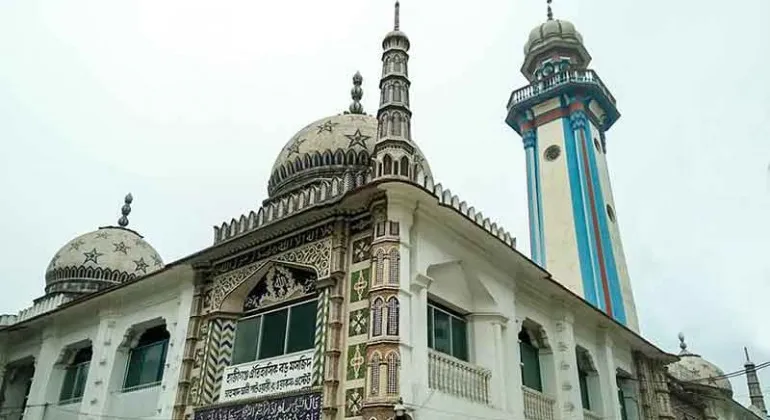
Hajiganj Bara Masjid, also known as Hajiganj Bara Masjid, is an important religious site in Chandpur district. Due to its importance in local Muslim heritage, it is an attractive destination for travelers interested in religious architecture and community history. Arrange separate transportation from Chandpur city and observe proper dress and prayer etiquette.

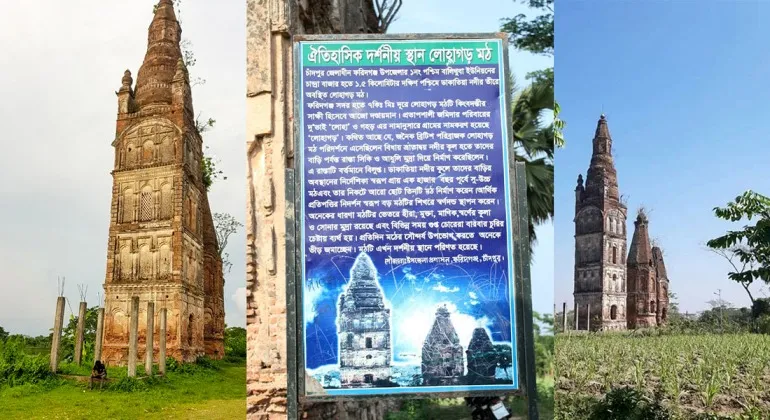
Lohagarh is a historical architectural site associated with the ancient architectural heritage of Moth district. It is different from the modern monumental sculptures of Ongikar and may be of interest to visitors interested in traditional architecture, local history and photography.

For those who want to explore the architectural heritage of Chandpur's Zamindari period, Rupsha Zamindar House is an excellent option. Its historical features complement the district itinerary, which focuses on the changing social history and heritage buildings of the region. Make sure to arrange local transportation and transportation before traveling.

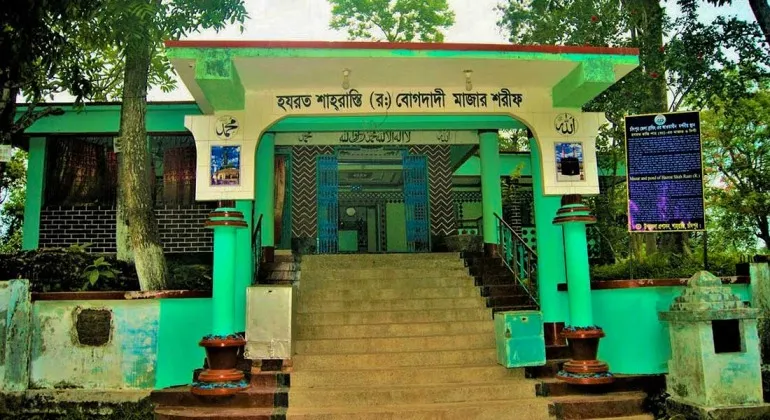
Hazrat Shahrasti Shrine is a religious heritage site associated with the spiritual heritage of Chandpur district. Visitors should enter the site with respect, follow local customs, and inquire about entry arrangements if planning to visit during religious gatherings.

For the most effective itinerary, visit Ongikar and Baro stations together while staying in the center of Chandpur. Other interesting places may require a longer journey away from the city center, in which case a rented car or a planned day trip may be convenient. Combining these places gives a comprehensive idea of ​​​​Chandpur's historical, cultural, religious and riverside identity.

Frequently Asked Questions (FAQ)

The Angikar Memorial is located on Shaheed Muktijoddha Road, in the heart of Chandpur city, Bangladesh, next to a lake. It is located opposite the Hassan Ali Government High School grounds and can be reached by local rickshaws, autorickshaws or private vehicles. According to the Chandpur District Tourism List, it is located about 1.5 kilometers from the main bus stand and 0.5 kilometers from the oath-taking square.

Explore The Area

Top Attractions & Places to Visit in Chandpur

Discover more heritage, nature, and must-visit spots across Chandpur.

View all in Chandpur

Baro Station Chandpur – Complete Travel Guide to the Confluence of Three Rivers

Bara Station Chandpur, also known as Bara Station Molehead or Chandpur Three Rivers Estuary , is one of the most famous ...

Shafayet Al-Anik

Hajiganj Big Mosque

The Hajiganj Bara Mosque, also known as the Hajiganj Historical Bara Jame Mosque or Hajiganj Bara Mosque, is one of the ...

Shafayet Al-Anik

Hazrat Shahrasti Shrine Chandpur

Discover Hazrat Shahrasti Mazar Chandpur, also known as Hazrat Shah Rasti (R.A.) Mazar Sharif, an important religious an...

Shafayet Al-Anik

Lohagarh Moth Chandpur

Lohagarh Math or also known as Lohagor Math, is a historic brick monument located in Lohagarh village, Faridganj Upazila...

Shafayet Al-Anik

Rupsha Zamindar House

Rupsha Zamindar Bari , also known as Rupsha Zamindar Bari or Rupsha Zamindar House, is a historic zamindar estate locate...

Shafayet Al-Anik

logo ColoZai

ColoZai is a trusted travel guide and destination explorer platform in Bangladesh. We are making travel simple, authentic, and accessible for everyone.

Need Help ?

We are Always here for you! Knock us on Whatsapp (10AM - 10PM) or Email us.