Pearl Palace

Pearl Palace

Mymensingh
·

15 October 2026

Travel Overview & Quick Facts

Location
Mymensingh
Admission / Entry Fee
Entry to the accessible areas of the palace is generally free. However, some travel sources mention an entrance ticket or a possible small fee from the archaeology department, so free entry cannot be guaranteed. No official ticket prices have been verified at this time. Ask the site manager before entering. Guided visits, if available, may require an additional voluntary payment. Areas that are undergoing renovations or that are considered structurally unsafe may be closed.
Best Time to Visit
Open all year round, but October to March is generally recommended.
Opening Hours
Official opening hours on Google Maps have not been independently verified. Visits are generally recommended between 9:00 AM and 5:00 PM, but these are not guaranteed hours. Check access and any weekly closures before visiting.
Category / Type
Historical monuments, Zamindar palaces, architectural heritage, cultural heritage sites

Introduction to Pearl Palace

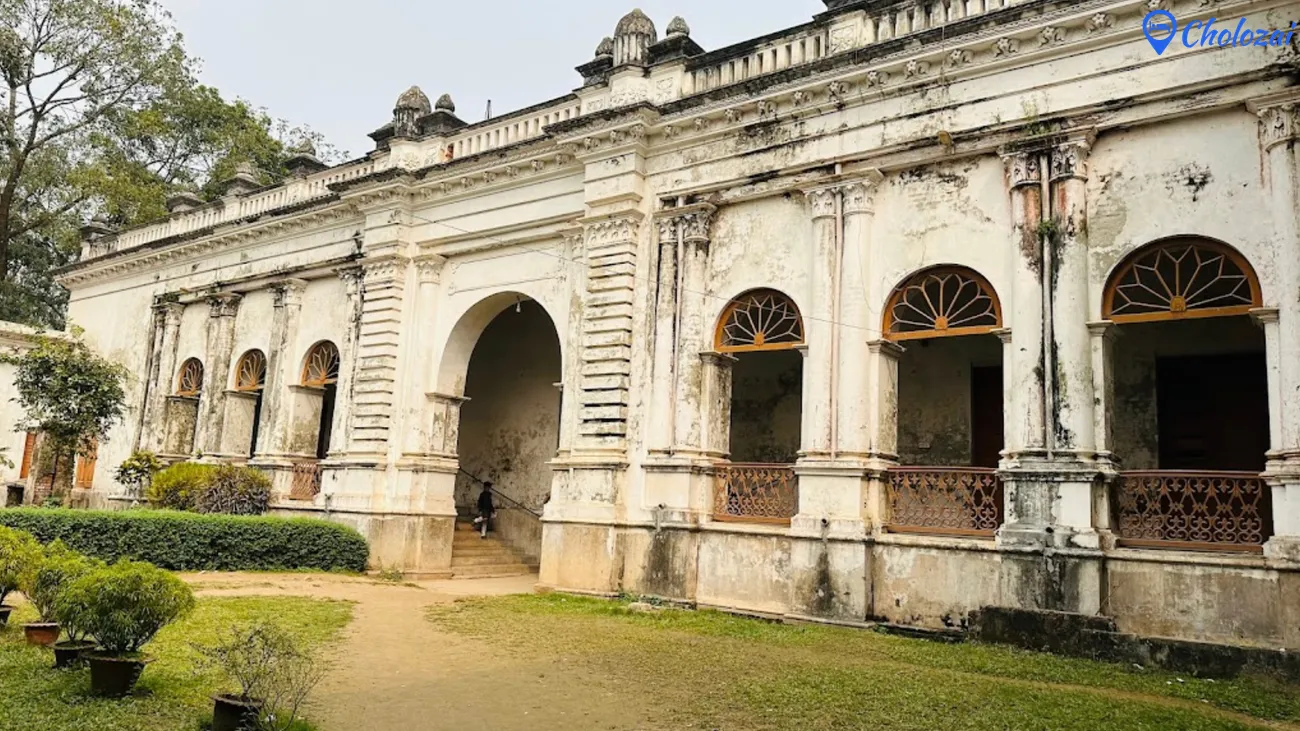
Muktagachha Palace, also known as Muktagachha Zamindar Bari, Muktagachha Rajbari or At Ani Zamindar Bari , is one of the most historically significant heritage sites in Mymensingh district of Bangladesh. Located in the heart of Muktagachha town, about 16-20 kilometers west of Mymensingh city, this century-old aristocratic estate preserves the architectural and social heritage of the influential Acharya Chowdhury Zamindar family. Its surviving gateways, courtyards, historic residences, temple structures and dilapidated ceremonial buildings provide a fascinating glimpse into the history of Bengali landed property.

Unlike a fully restored royal palace, Muktagachha Palace is a living monument to a lost architectural world. The weathered walls, intricate carvings, decayed pillars, and the surviving parts of the once-magnificent structure reveal both the influence of the landlords and the obstacles to preserving historic buildings. The palace is of particular interest to travelers interested in Bangladesh's colonial history, traditional architecture, photography, archaeology, and regional culture.

This attraction also provides an opportunity to explore the daily life of Muktagachha. The town is nationally famous for Muktagachha Monda , a traditional milk dessert that is deeply embedded in the local culinary identity. In addition to visiting the palace, visitors can also stroll through the local market and visit a traditional sweet shop.

For a comprehensive experience of Mymensingh's heritage, Muktagachha Palace is a perfect match for two of the city's most important architectural landmarks, Shashi Lodge and Alexander Castle . Together, these destinations showcase different aspects of the region's aristocratic and colonial heritage.

Recommended duration of visit: Approximately 1-2 hours for the accessible palace grounds, plus additional time for taking photos, local shopping, and tasting traditional sweets. The buildings are historic and partly dilapidated, so visitors should expect a pleasant heritage site rather than a modern, fully restored museum complex.
History and legacy of the Muktagachha landlords

The history of Muktagachha Palace is closely linked to the rise of the Acharya Chowdhury Zamindar family in the 18th century. According to historical accounts, Muktagachha Zamindari was established in 1727 when Shri Krishna Acharya Chowdhury joined the estate. The family's influence subsequently expanded and Muktagachha transformed into an important regional centre of land ownership, administration and cultural activities.

How did pearl weed get its name?

According to a popular local legend, this settlement was formerly known as Binodbari. When Sri Krishna Acharya Chowdhury arrived there, a local resident named Muktaram Karmakar welcomed him with a ceremonial brass lamp. The lamp was locally called 'Gachha' and traditionally the name of the settlement is interpreted as a combination of Muktaram's name and the word 'Gachha'. This is a popular historical legend, not a definitively established linguistic source.

Growth of landlord estates

Gradually, the Acharya Chowdhury family developed an extensive estate administration based on agricultural revenue. During the British colonial period, members of the family acquired aristocratic titles and their residences became symbols of the status of kings and maharajas. As a result, Muktagachha developed a complex of residential buildings, administrative spaces, religious establishments, and facilities for entertainment and ceremonial gatherings.

The larger Muktagachha estate consisted of multiple branches and properties, so not all of the surviving architecture dates from the same period. The most visited palace complex today is associated with the eight branches of the zamindar family.

Music, events and cultural sponsorship

The landlords patronized musical performances, religious ceremonies, and cultural gatherings. Historical accounts describe a 'Rang Mahal' or entertainment hall, which had a fancy revolving stage. Renowned musicians, including the sarod player Ustad Alauddin Khan, are known to have visited the estate. These traditions prove that the palace once served not only as a private residence, but also as a center of regional cultural life.

Decline and preservation

After the collapse of the zamindari system in the 20th century, the palace gradually lost its original residential and administrative functions. Several structures were damaged due to neglect, vandalism, removal of architectural elements, and long-term damage.

The Department of Archaeology of Bangladesh took over the protected palace in 1993. Although renovations were carried out in the following years, a report in The Daily Star in November 2023 noted its serious structural deterioration and incomplete conservation work. The current condition of the buildings may change if conservation or access restrictions are imposed.

The significance of this site is not limited to royal opulence. The zamindari system also saw unequal relations between landlords and peasants, and historical accounts describe the oppressive practices of some zamindari authorities. Understanding this social context, connecting the surviving architecture with the experiences of the people who lived and worked under the zamindari system, makes this visit even more meaningful.

Visitors interested in comparing other examples of zamindari architecture can visit the Atharabari Zamindar Bari and the Ramgopalpur Zamindar Bari within Mymensingh district.


Special attractions of architecture and palaces

The main attraction of Muktagachha Palace is its surviving architectural structure. Although much of it is incomplete, the remaining structure bears evidence of a large landlord's residence with ceremonial, domestic, administrative and religious functions. It is not a single and uniform building, but rather reflects additions and adaptations made over time.

1. Historic entrance

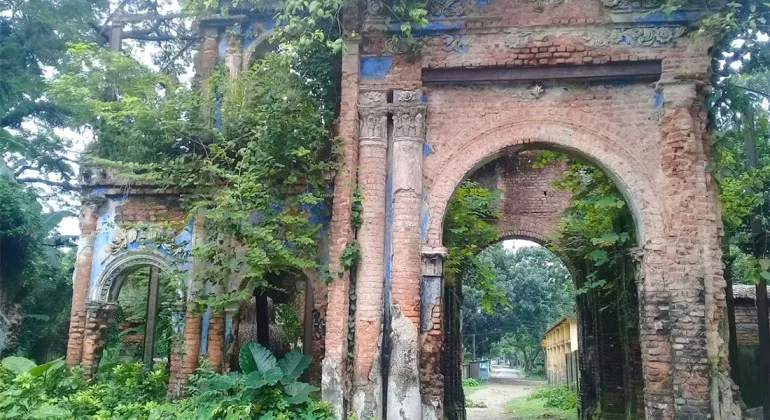
The entrance is one of the most easily recognizable features of the complex. Its solid masonry construction and decorative elements convey the sense of formality associated with aristocratic residences. From here, visitors begin to understand how access to the estate was once organized and controlled.

2. Palace residences and grounds

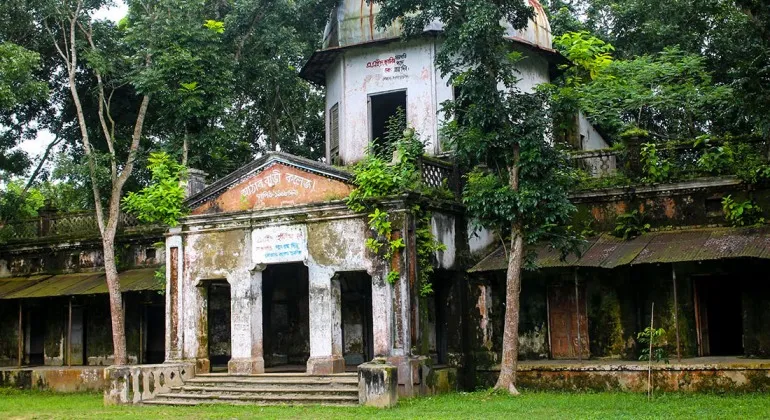
Behind the entrance are surviving residential structures, interconnected spaces, and open courtyards. Their vastness suggests the estate's former complexity, where family members, servants, administrators, and visitors lived in different parts of the property. The decaying plaster, brickwork, surviving doors, and fragmented interior spaces reveal how the architecture has changed over time.

Some walls and floors are structurally weak. Visitors should stay in clearly accessible areas and avoid entering unsupported rooms, climbing stairs that appear to be damaged, or approaching unstable structures.

3. Rangmahal and performance traditions

Historically, the area is associated with a theatre used for music and theatre performances. The report suggests that there was a revolving stage, an exceptional feature and one that reflects the wealth once devoted to entertainment and formal hospitality. Visitors should not expect a fully functioning theatre or an intact mechanical stage; only traces of the surviving architecture may be visible.

4. Rajarajeshwari Temple and Religious Establishments

The palace complex and its adjacent heritage landscape contain historic Hindu religious structures, notably the Rajarajeshwari Temple and a theatre, traditionally associated with religious gatherings and celebrations. These structures preserve an important aspect of the religious and cultural activities of the zamindar family.

Where worship continues, visitors should consider the site as an active sacred site, not just a photo-taking attraction. Dress modestly, follow the directions of caretakers, and ask permission before photographing worshippers or religious events.

5. Decorative details and historic building materials

Notice the carved decorations, stone arches, elaborate plasterwork, old pillars, ironwork, and unique door and window arrangements. Many details have eroded or been lost, but the remaining craftsmanship is worth a closer look. In various parts of the building, one can see the influence of colonial design as well as regional Bengali architectural traditions.

6. Heritage Photography

Old facades, recurring arches, brick surfaces, and open courtyards provide excellent subjects for architectural photography. Morning and late afternoon light can bring out texture and depth. A wide-angle lens is useful for entrances and courtyards, while a normal lens works well for decorative details.

Photography Tips: Only take photos from approved and stable locations. Do not remove loose architectural elements, enter barricaded areas, or use historic walls and monuments as climbing platforms. Specific permits may be required for commercial filming and drone operations.


Things to do at Muktagachha Palace

Although Muktagachha Palace does not have any amusement rides or organized entertainment, it still offers an interesting experience for travelers who enjoy historical sites, traditional food, and local culture.

  • Tour the palace grounds: Walk through the accessible parts of the estate and observe how its entrances, courtyards, and surviving buildings were laid out.
  • Learn about the history of zamindari: Learn about the Acharya Chowdhury family, the administration of land, and the social history of rural Bengal.
  • Study historic architecture: Examine surviving arches, columns, decorative plaster work, and old construction techniques without touching fragile surfaces.
  • Take photos of architectural details: capture the unique atmosphere of the entrance, faded decorations, historic masonry, and the ruined architecture.
  • Respect religious traditions: In addition to respecting the worshippers, appreciate the architecture and traditions of the temple associated with the landlord family.
  • Taste Muktagachha Monda: Visit a traditional sweet shop near the palace and taste this most famous specialty of the city.
  • Explore the local market: Experience the streets, shops, tea shops, and daily commercial activities that surround the historic estate.

Recommended two-hour visit

Time Recommended activities
First 20 minutes Visit the historic entrance and learn about the landlord family.
Next 45 minutes Explore the accessible courtyards and surviving palace structures.
Next 25 minutes Where entry is permitted, observe architectural details and associated religious buildings.
Last 30 minutes Visit the local market and enjoy the pearl millet.

This schedule is subject to change, as access to each building may vary. A visitor who primarily wants to take photos may want to spend less time, while someone who is studying architecture or local history may want to allocate more time.


Ticket prices, opening hours and entry rules

Before visiting Muktagachha Palace, it is important to understand that published visitor information is not entirely consistent. Some recent travel guides state that general admission is free, while other sources mention a small ticket or possible archaeological entrance fee. No reliable current government price list or independently verified Google Maps opening hours were available for verification.

Visitor information

Information Details
Entrance fee Admission is usually free; however, a small fee may apply if an official ticket counter is open.
Official opening hours Not independently verified.
Recommended duration of visit Approximately 9:00 AM to 5:00 PM, depending on actual site access.
Weekly off Not definitively established for this specific location.
Recommended duration 1-2 hours.
Guide service Ask if an authorized local guide or site attendant is available.
Photography General photography may be permitted in accessible areas; check local restrictions.
Accessibility Limited, with uneven surfaces and dilapidated construction.

Important entry rules

  • Follow instructions from Archaeology Department staff, supervisors, and posted notices.
  • Do not enter locked, fenced, or visibly unstable parts of the palace.
  • Do not climb on old walls, broken stairs, roofs, or decorative structures.
  • Avoid touching fragile decorations or removing historical materials.
  • Keep the property clean and refrain from writing on any surfaces.
  • Respect religious ceremonies and ask permission before taking pictures of people.
  • Obtain permission for commercial filming, organized productions, or drone photography.
  • Keep children close when walking near broken structures, open spaces, and uneven ground.

Practical advice: Come during the day, bring some cash, and make sure to ask the staff at the entrance for permission to enter. It should not be assumed that the general museum opening hours of the Department of Archaeology will automatically apply to this particular palace.


Best time to travel

The best time to visit Muktagachha Palace is usually from October to March , especially for those visitors who are planning a long trek or want to combine several attractions in Mymensingh district. This historic site can be visited throughout the year, whenever entry to its premises is permitted.

Best time of day

Morning visits, between approximately 9:00 a.m. and 11:00 a.m., are particularly suitable for exploring the grounds, observing architectural features, and taking photographs. Late afternoons can also be attractive for taking outdoor photographs, but visitors should ensure they have enough time before the site closes or access is restricted.

Weekdays and weekends

A relatively quiet atmosphere can be found on weekday mornings. On Fridays and public holidays, the number of local visitors can increase, especially students, families and groups from Mymensingh. If you plan to visit the busy areas of the temple during festivals, allow extra time and follow local regulations.

How much time should be allocated?

Most visitors can explore the accessible grounds of the palace in about one to two hours. If you want to include local food, a nearby market, and additional photo opportunities, allow two to three hours. Travelers staying in Mymensingh can easily organize this palace tour as a half-day trip.


How to reach

Muktagachha Palace is located in Muktagachha town of Mymensingh district . It is located about 16-20 kilometers west of Mymensingh town, along the Tangail-bound road. It can be reached by intercity buses, trains, local transport, private cars, motorcycles, or CNG-powered auto-rickshaws. Visitors from Dhaka usually arrive via Mymensingh, although direct road services are also available to Muktagachha.

1. By bus from Dhaka

  1. Go to the Mohakhali Intercity Bus Terminal in Dhaka, where buses run to Mymensingh.
  2. Take a bus to Mymensingh operated by an established regional service. Service providers and travel arrangements may vary, so check with the terminal for current services.
  3. Travel to Mymensingh city. It may take about 3–4.5 hours depending on the road and traffic.
  4. To go from Mymensingh to Muktagachha, take a local bus, shared CNG auto-rickshaw, or reserved vehicle.
  5. I want to get down at Muktagachha bus stand or the main market area and find out about Muktagachha Rajbari or Ani Zamindar's house.
  6. Complete the final short journey on foot or by rickshaw.

Estimated fare: A non-AC bus from Dhaka to Mymensingh usually costs around Tk 300-500 per person. A local bus from Mymensingh to Muktagachha can cost around Tk 30-60. The fare depends on the operator, route and date of travel.

2. By train from Dhaka

  1. Start your journey from Kamalapur Railway Station in Dhaka or any other station within the reach of the appropriate train heading to Mymensingh.
  2. Choose a scheduled service that stops at Mymensingh Railway Station, such as a train on the Dhaka-Mymensingh route.
  3. Allow approximately 2.5–4 hours for the train journey, depending on the specific train and operating conditions.
  4. After reaching Mymensingh Railway Station, take a rickshaw or autorickshaw to a suitable transport stand bound for Muktagachha.
  5. To go to Muktagachha town, take a local bus or CNG autorickshaw.
  6. Proceed towards the palace by rickshaw or on foot.

Estimated train fare: Approximately 150–500 taka per person depending on the class of travel and service. For actual fares, departure times, train availability, and operating days, check the Bangladesh Railway booking system. There is no direct service to Muktagachha Palace on the Dhaka-Mymensingh main passenger railway route, so you usually have to travel by road.

3. From Mymensingh city

The district headquarters is the easiest transport hub for visiting Muktagachha Palace. Look for buses and shared CNG autorickshaws plying towards Muktagachha from the Town Hall area or any other designated transport stand or along Tangail Road. The journey usually takes about 30-50 minutes, depending on traffic congestion and the exact pick-up point.

  • Local bus: Approximately 30–60 taka per person for a one-way journey.
  • Shared CNG autorickshaw: Approximately 50-80 taka per person depending on the pick-up location and local management.
  • Reserved CNG: The cost of a round trip, including waiting time, can be approximately ৳400–৳800, which can be higher during busy times.
  • Rickshaw in Muktagachha: Approximately 20–50 taka for a short distance journey from the bus stand or market area to the palace.

These figures are tentative estimates, not officially set fares. Agree on the total amount before boarding the reserved vehicle and clarify whether it includes waiting time and return journey costs.

4. By personal car, motorcycle or rented vehicle

Commuters driving from Dhaka can continue along the highway towards Mymensingh and head west towards Muktagachha. The total journey is approximately 130-150 kilometers, depending on the starting point and the route chosen. It will take approximately 3.5-5 hours, and additional time may be required if there is heavy traffic.

From Mymensingh city, take the road towards Muktagachha and Tangail. It usually takes about 30-50 minutes by private car. Ask locally for safe parking near the city market; there is no reliably documented designated parking facility for visitors to the historic palace.

Private cars and microbuses can be rented in Dhaka or Mymensingh. Fares depend largely on the size of the car, fuel system, duration of the journey, and driver's allowance. Rather than assuming a fixed daily rental rate, find out the details of each item.

5. By air

There is no regular commercial airport serving Muktagachha directly. International passengers arriving at Hazrat Shahjalal International Airport in Dhaka can either take a private road or go to the respective bus or rail terminal and take a connecting bus or rail to Mymensingh. Allow extra time for airport traffic and to get to your next destination.

6. Finding nearby attractions and entrances

Useful local reference points include Muktagachha town centre, Muktagachha Bazar, local bus stand and traditional Manda sweet shop. Ask residents about Muktagachha Rajbari , At Ani Zamindar Bari or Historiske Zamindar Bari; these names are commonly recognised.

Directions: Do not confuse the palace with the center of Muktagachha town. When using Google Maps, verify that the selected destination is the historic At Ani Zamindar Bari itself, and not a general Muktagachha area guide. A fully verified Google Maps location URL with accurate pin coordinates was not found for this guide.

Example of a one-day trip from Dhaka

Depart Dhaka early in the morning and reach Mymensingh in the morning, from there visit Muktagachha to have lunch or taste local sweets and visit the royal palace. Return to Mymensingh in the afternoon and go for a riverside walk at Zainul Abedin Park or visitZainul Abedin Museum as per your own schedule . If transportation is available, return to Dhaka in the evening.


Where to eat

Muktagachha offers a simple but memorable dining experience. Rather than expecting a fancy restaurant within the palace grounds, visitors should explore the city center and its surrounding markets, where traditional sweet shops, tea stalls, and simple Bengali restaurants serve locals and tourists.

Muktagachha Monda: The signature local dessert

The city is particularly famous for Muktagachha Monda , a traditional Bengali sweet made primarily from milk ingredients and sugar. It has a rich and distinctive flavor and holds an important place in the city's culinary heritage. Visitors from other districts often buy this sweet as a gift.

Gopal Pal's traditional Monda shop , which is steeped in a long tradition of making local sweets, is a well-known destination near the palace. Visitors can ask locals for directions, compare available sizes, and check the current price per piece or kilogram before making a purchase.

Budget around 100-300 taka for a small sample and more if you buy a box of sweets. The actual price depends on the quantity, packaging and the current price in the store.

Traditional Bengali food

The restaurants and small food stalls around Muktagachha Bazar usually serve familiar Bengali dishes such as rice, dal, vegetables, fish, chicken, and seasonal dishes. The menu varies depending on the stall and the time of day.

  • Low budget lunch: Around 100-250 taka per person at a local mid-range restaurant.
  • Tea and snacks: Available at local tea shops and roadside food stalls.
  • Traditional Sweets: Buy Monda from an established shop and check its freshness and price.
  • Drinking water: Keep a sealed bottle with you, especially when exploring the palace grounds.

Food in Mymensingh city

Travelers who want more restaurant options can head back to Mymensingh city, where there are more opportunities for Bengali cuisine, Chinese dishes, light snacks, and family dining. This dining experience can be conveniently combined with a visit to Mymensingh's Brahmaputra River or nearby riverside park areas.

Food safety tips: Choose busy establishments that prepare fresh food, check the seal on the drinking water, and verify the price before ordering. Don't assume that there will be restaurants or public drinking water inside the palace.


Where to stay?

Muktagachha Palace is usually visited as a half-day trip, so it is not necessary to stay overnight in Muktagachha. Travelers can choose from basic accommodation in Muktagachha town or from various hotels in Mymensingh city.

1. Accommodation in Muktagachha town

Small residential hotels and modest guesthouses can be found around the city center and commercial areas. These are best suited for tourists who value proximity and affordable accommodation over the extensive amenities of a hotel.

Before reserving, verify that the property has access to outside visitors, has private bathroom facilities, a secure entrance, and reliable electricity and drinking water. Availability for online listings and bookings may be limited.

2. Hotels in Mymensingh city

Mymensingh city is the most convenient place to stay for most tourists . It offers a variety of accommodation, restaurants, rail connections, transport services, pharmacies and urban amenities. Depending on the area chosen, it usually takes 30-50 minutes to reach Muktagachha by road.

As a general rule, low-budget accommodation can start at around 800–1,500 taka per night, while rooms with more advanced amenities can cost around 1,500–3,500 taka or more. These are approximate budgets for local accommodation, not verified current prices for any specific hotel.

3. Resort-style accommodation

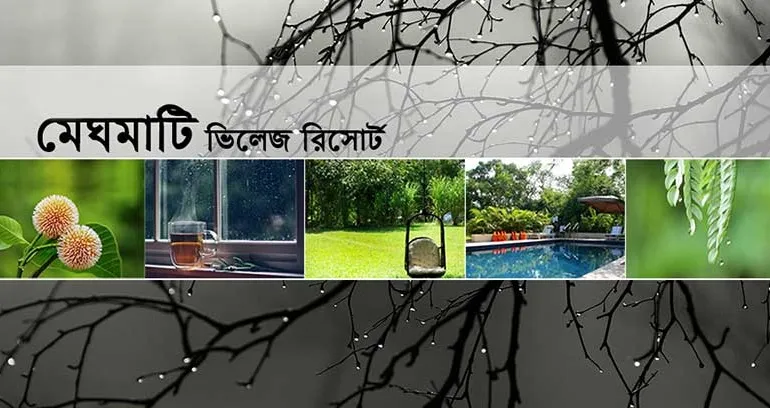
Visitors who are interested in a more peaceful rural setting can inquire about the current accommodation services, location and reservation system at Meghmati Village Resort Mymensingh . Be sure to check the travel distance before combining a stay at the resort with a visit to the palace.

Booking advice

  • Confirm the correct property address and check-in arrangements.
  • Ask if the room includes air conditioning, breakfast, Wi-Fi, and parking if needed.
  • Check the current room rate, taxes, and cancellation policy.
  • Have your ID handy for check-in.
  • Before booking a house in Muktagachha for a one-day traditional trip, compare places to stay in Mymensingh.

Travel tips, accessibility and responsible tourism

Muktagachha Palace is a fragile historical site, and proper preparation will make your visit safer and more productive. There is the potential for uneven terrain, limited infrastructure for visitors, and limited access to damaged structures.

What to bring

  • Comfortable walking shoes with good grip.
  • Drinking water and basic personal needs.
  • A charged mobile phone and power bank.
  • Small amounts of cash for local transportation and shopping.
  • A camera or smartphone for taking exterior and architectural photos.
  • Any personal medication you may need while traveling.

Accessibility considerations

There is no reliable information on whether the palace is accessible to wheelchair users. Uneven grounds, broken stairs, narrow paths, and damaged parts of the building may pose considerable difficulties for wheelchair users and visitors with limited mobility. Travelers with special accessibility needs should check with local authorities for up-to-date information before visiting.

Safety around historical ruins

Historic brickwork can collapse without obvious warning. Stay on well-traveled paths, avoid unguarded balconies and stairs, and keep children away from open spaces, loose rocks, and construction areas. Never cross barriers or enter a building just because a door is open.

Responsible heritage tourism

Do not remove bricks, tiles, decorative pieces, plants or any other materials. Avoid touching fine artwork or carvings. Be respectful of local residents and religious communities, and ask permission before taking photos of people. Supporting nearby small businesses by purchasing locally made sweets or food can also benefit the host community.

Emergency information

The national emergency number in Bangladesh is 999. For non-emergency assistance, contact local authorities or your accommodation provider for appropriate current contact information. Mobile connectivity is generally available in Muktagachha town, but signal quality may vary.


Nearby attractions

A visit to Muktagachha Palace can be part of a larger journey to explore the historical architecture, artistic heritage, natural beauty of the river banks, and rural attractions of Mymensingh district. Several well-known destinations are located in Mymensingh city, while others require separate road trips to different parts of the district.

Historical palaces and architectural monuments

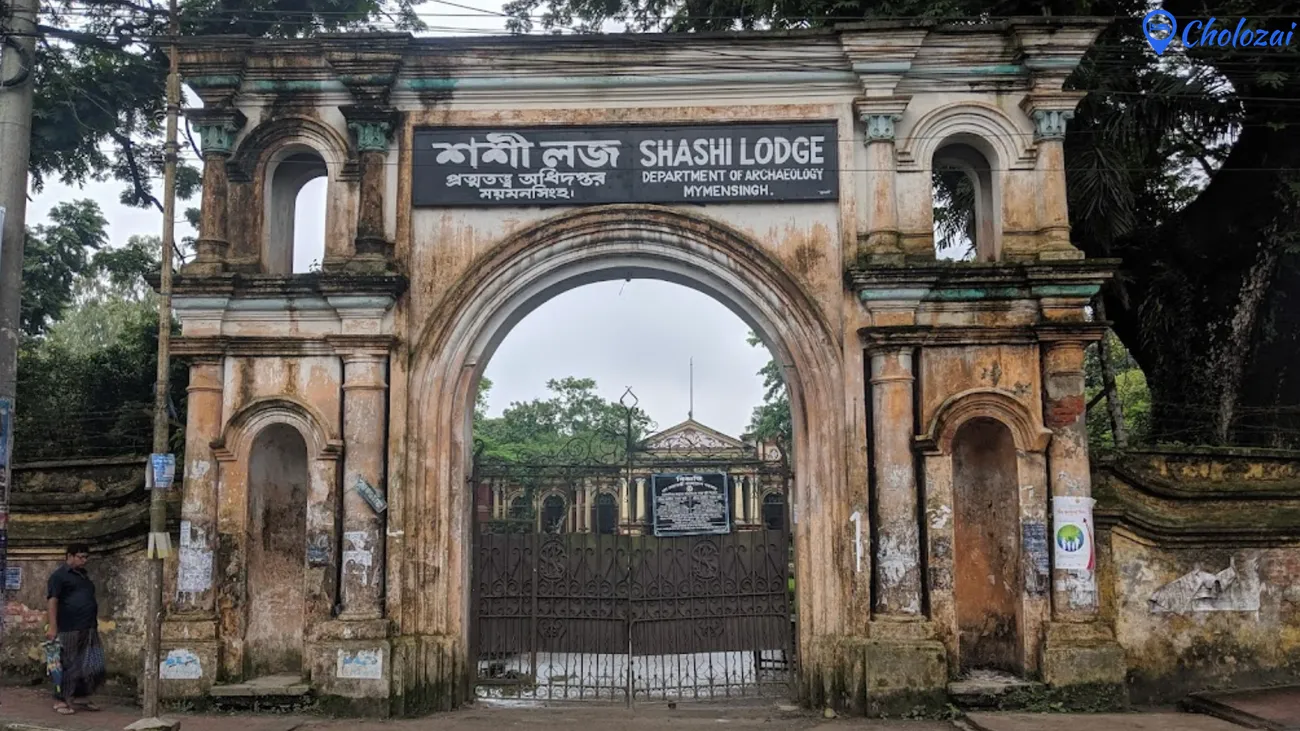
  • Shashi Lodge : A prominent historical building in Mymensingh city, associated with the Muktagachha zamindar family. Its impressive facade and architectural style make it a particularly relevant complement to the Muktagachha Palace.
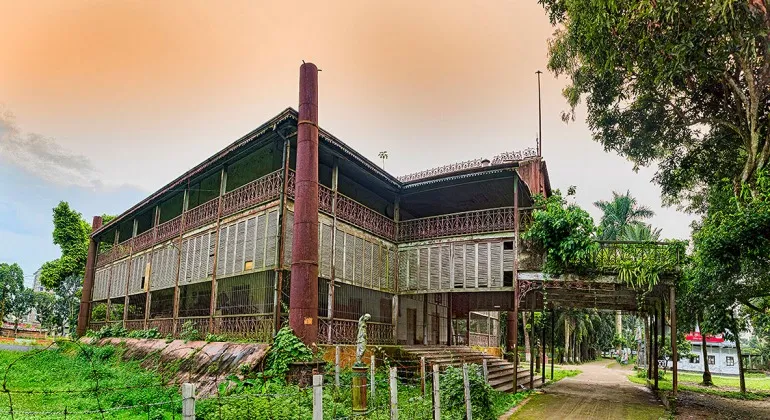
  • Alexander Castle in Mymensingh : An architecturally unique colonial-era structure, historically known for its exceptional construction style and association with the city's aristocratic past.
  • Atharabari Zamindar Bari, Mymensingh : Another historic zamindar property, this is a must-see for travelers exploring the landed estates of the regional elite. It requires a separate trip outside central Mymensingh to get there.
  • Ramgopalpur Zamindar Bari : A heritage site that offers a different perspective on the historic landlord family and the surviving Zamindar architecture.

Arts, museums and cultural experiences

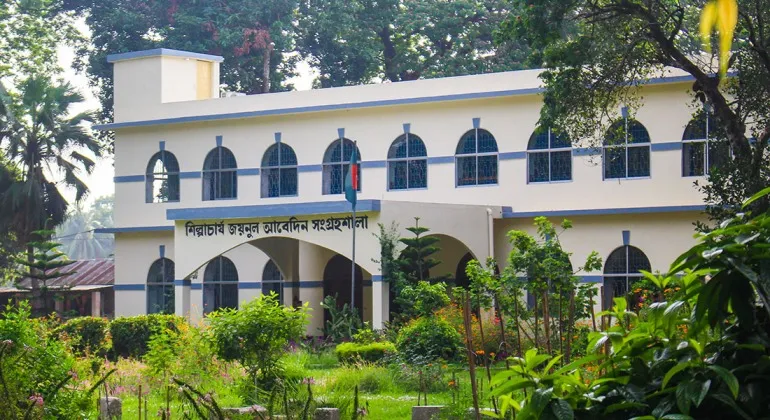
  • Zainul Abedin Museum, Mymensingh : A cultural destination dedicated to renowned Bangladeshi artist Zainul Abedin, which is especially attractive to visitors exploring the artistic heritage of the region.
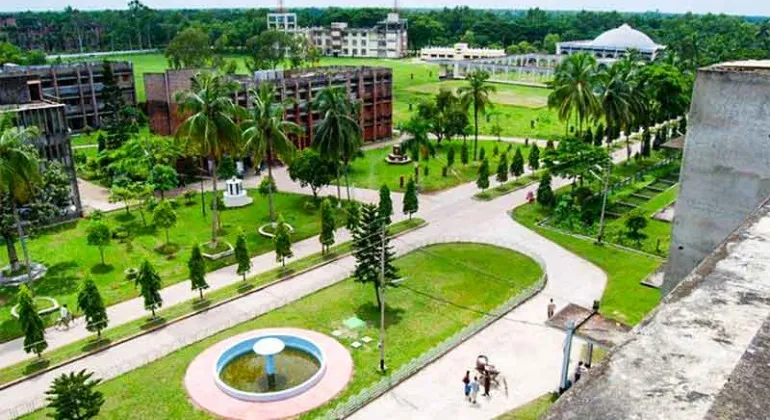
  • Bangladesh Agricultural University : A major educational institution with a vast campus. Visitors are required to abide by the university's entry rules and respect academic activities.

Riverside parks and nature experiences

  • Zainul Abedin Park : A popular recreation center located along the old Brahmaputra River, ideal for an afternoon stroll after visiting the heritage sites.
  • Brahmaputra River, Mymensingh : Explore the environment and local lifestyle along this major waterway in the region.
  • Bipin Park, Mymensingh : A well-known urban entertainment center, which can be easily included in your relaxing city tour schedule.
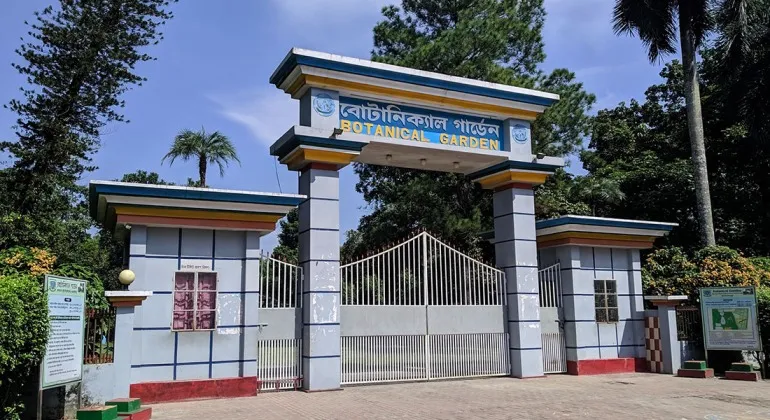
  • Mymensingh Botanical Garden : A green destination for visitors interested in plants, educational landscapes, and peaceful walks, subject to current access rules.
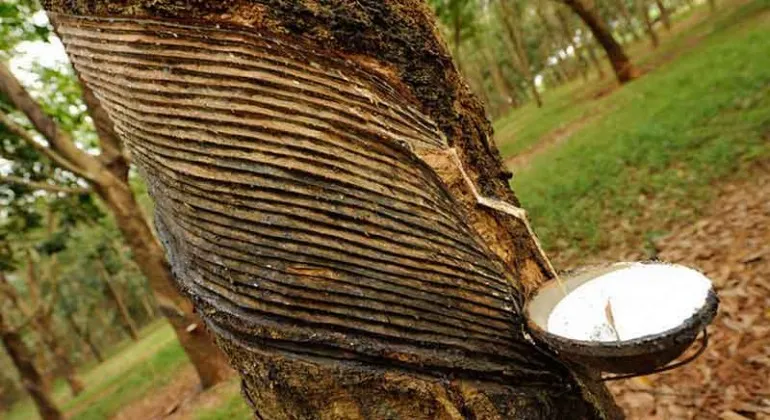
  • Santoshpur Rubber Garden : A rural attraction known for its rubber plantations and scenic rubber plantation scenery. Plan your travel separately, as it is not located right next to Muktagachha.
  • Mynadwip Mymensingh : This is another regional destination for tourists interested in exploring the local landscape. Ensure accessibility and transportation arrangements before starting the journey.
  • Meghmati Village Resort Mymensingh : An option for a relaxing rural experience or a longer stay, depending on current admission prices and booking system.

Recommended heritage and culture trails

For an easy day trip from Mymensingh, visit Muktagachha Palace in the morning, sample the city's famous Monda sweets, and return to the city for (Mymensingh Alexander Fort)Shashi Lodge or Alexander Castle. End the afternoon by exploring Zainul Abedin Park and the riverside area. Check the opening hours of each site in advance, especially where the buildings are used for institutional purposes or access is restricted for conservation work.

For a two-day long itinerary, reserve the second day for Zainul Abedin Museum , Bangladesh Agricultural University , and selected parks or rural attractions. Destinations outside the main city area may require additional travel time and advance transportation arrangements.

Frequently Asked Questions (FAQ)

Muktagachha Palace, also known as Muktagachha Zamindar Bari or At Ani Zamindar Bari, is located in Muktagachha town in Mymensingh district, Bangladesh. It is approximately 16–20 km west of Mymensingh city, near Muktagachha Bazar. Visitors can reach Mymensingh by local bus, CNG autorickshaw or private car. Ask locally about Muktagachha Rajbari or At Ani Zamindar Bari to identify the historical complex.

Explore The Area

Top Attractions & Places to Visit in Mymensingh

Discover more heritage, nature, and must-visit spots across Mymensingh.

View all in Mymensingh

Mymensingh Alexander Fort – History, Architecture, Entry Fees, Location and Complete Travel Guide

Alexander Castle, also known as Alexandra Castle, Lohar Kuthi or Iron House , is one of the most distinctive historical ...

Shafayet Al-Anik

Bipin Park Mymensingh

Bipin Park, Mymensingh , also known as Bepin Park, is a historic public recreation center located along the old Brahmapu...

Shafayet Al-Anik

Mainadwip – Complete Travel Guide, Location, Boat Rentals and Things to Do

Moyna Island , also known as Moyna Dwip or Moyna Char, is a picturesque river island formed on a tributary of the Brahma...

Shafayet Al-Anik

Ramgopalpur Zamindar House, Mymensingh, Bangladesh

Ramgopalpur Zamindar Bari is a historic Zamindar Bari located in Ramgopalpur, Gauripur Upazila, Mymensingh District, Ban...

Shafayet Al-Anik

Atharbari Zamindar House, Mymensingh

Atharabari Zamindar Bari, also known as Atharabari Zamindar Bari or Atharabari Rajbari, is a historic aristocratic estat...

Shafayet Al-Anik

Mymensingh Botanical Garden – Location, Entry Fee, Opening Hours and Complete Travel Guide

Mymensingh Botanical Garden, located within the Bangladesh Agricultural University (BAU) , is a serene and green attract...

Shafayet Al-Anik

Shashi Lodge, Mymensingh – History, Architecture, Entry Fees and Complete Travel Guide

Shashi Lodge, also known as Shashi Lodge, Shashi Lodge Palace or Mymensingh Rajbari , is one of the most notable histori...

Shafayet Al-Anik

logo ColoZai

ColoZai is a trusted travel guide and destination explorer platform in Bangladesh. We are making travel simple, authentic, and accessible for everyone.

Need Help ?

We are Always here for you! Knock us on Whatsapp (10AM - 10PM) or Email us.