Mohera Zamindar's house

Mohera Zamindar's house

Tangail
·

18 October 2026

Travel Overview & Quick Facts

Directions
Location
Tangail
Admission / Entry Fee
According to visitor reports from September and October 2025, it is around 100 dirhams per person aged 5 and above. Some older sources mention 80 dirhams. Children's parks may charge around 20 dirhams, while single amusement rides and boating incur additional costs. Older published rates mention around 50 dirhams for car parking and 300 dirhams for use of the swimming pool (where available). These additional charges for 2026 have not been independently confirmed. Please check with the entrance for all current prices, age-based discounts and activity availability.
Best Time to Visit
Open all year round, but October to March is especially recommended.
Opening Hours
Sunday - Thursday 9:30am - 3:30pm; Friday - Saturday 10:00am - 6:00pm. This schedule is from Google Maps; check before traveling as police training activities and special events may affect access.
Google Rating
★ 4.4 (6421 reviews)
Category / Type
Historical places, Zamindar palaces and heritage, Colonial architecture, Family entertainment

Introduction to Mohera Zamindar's house

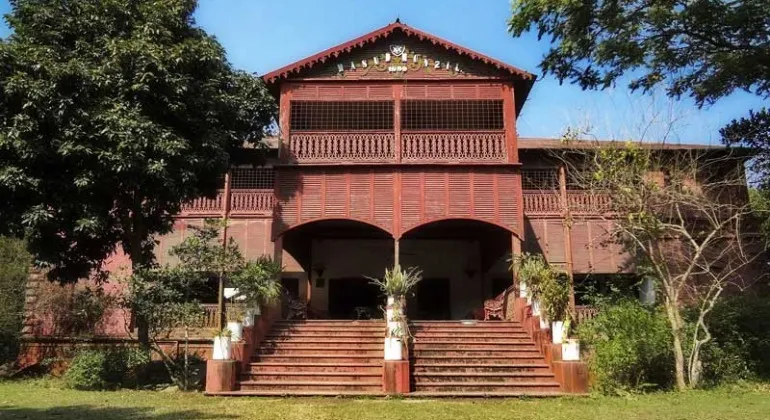
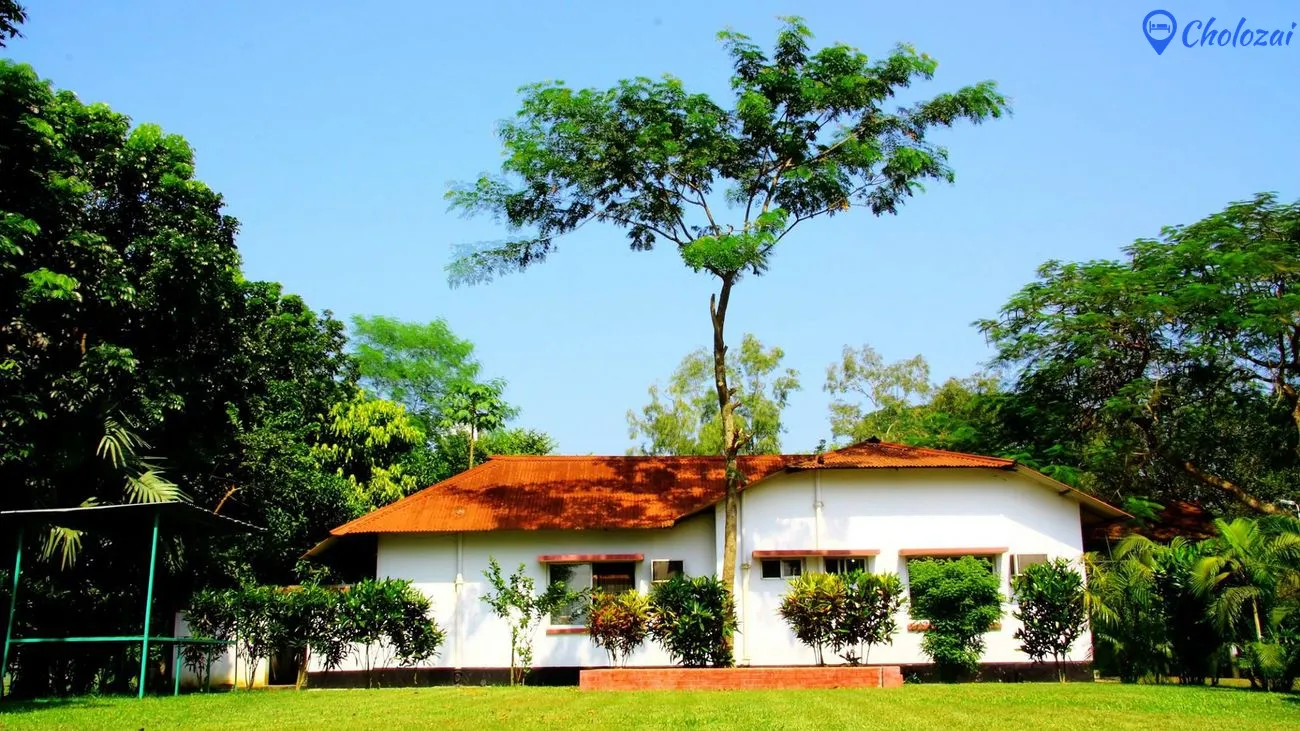
Mohera Zamindar Bari, also known as Mohera Zamindar Bari, Mohera Zamindar Bari or Mahera Zamindar House , is one of the most notable surviving examples of the historic zamindar estates of Bengal. Located in Mohera village, Mirzapur upazila, Tangail district, Bangladesh, this 19th-century architectural complex features magnificent aristocratic residences, ornate gardens, spacious courtyards, traditional ponds and an atmosphere reminiscent of the social history of colonial Bengal.

Unlike many abandoned zamindars scattered across Bangladesh, the Mahera Zamindar Bari is relatively well-preserved, as this historic estate is part of a Bangladesh Police Training Center . Its distinctive architectural style, ornate pillars, impressive staircases, and well-groomed courtyards make it an important destination for heritage lovers, architectural photographers, families, students, and tourists exploring the cultural attractions of Tangail.

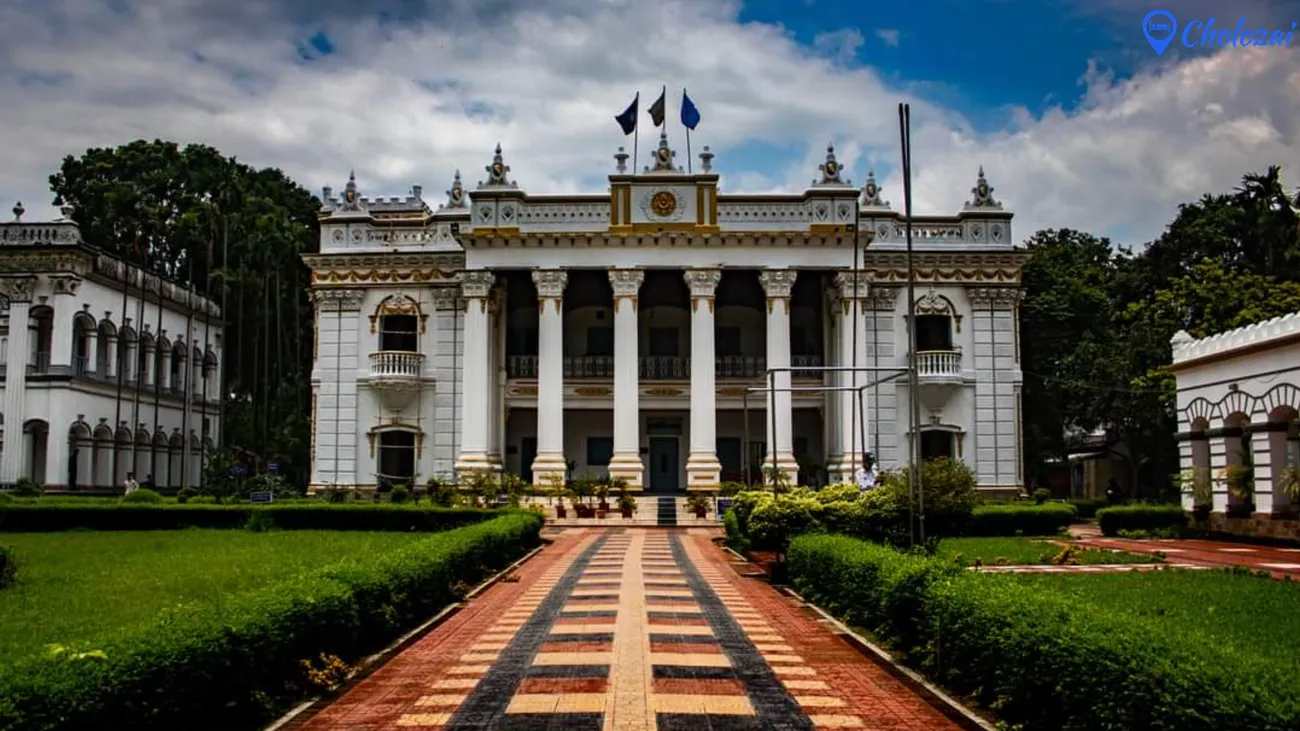
The estate is associated with the influential Saha Zamindar family, whose commercial prosperity and local landholdings helped to develop an extensive residential complex in the late 19th century. The estate comprises four main historic buildings, traditionally known as Chaudhary Lodge, Maharaj Lodge, Ananda Lodge and Kalicharan Lodge . Collectively, they present an interesting blend of European-inspired architectural features and regional building traditions.

Visitors are particularly drawn to its impressive white and light-colored facade, flower-filled gardens, ancient trees, the picturesque Visakha Sagar Pond, and the opportunity to enjoy the carefully preserved historical setting. Some recreational facilities, such as children's activities and boat trips, are also reported, although their availability may vary. Since the complex is an active police installation, tourists generally explore the outdoor areas designated for visitors rather than entering the administrative buildings or the preserved interior.

Located about 90-100 kilometers by road from central Dhaka, depending on the departure point and route, Mohera Zamindar Bari is a convenient destination for a day trip. It is also an excellent way to get acquainted with Tangail's extensive architectural heritage, which includes the Pakutia Zamindar Bari , the Karatia Zamindar Bari , and the historic Atia Mosque .
History and cultural significance

Origin of Mohera Estate

The history of Mohera Zamindar Bari is closely linked to the rise of wealthy merchant and landowning families in Bengal in the 19th century. According to local historical accounts, the property was associated with Kalicharan Saha and other members of the Saha family , whose business interests included jute, salt and other commercial activities. The family's growing wealth and influence enabled the construction of a vast residence and associated estate buildings.

According to published accounts, the establishment and major development of the estate was generally completed in the late 19th century, particularly in the 1890s. However, the exact construction dates of each building are not consistently recorded in available historical sources. Visitors should therefore treat these dates as approximate and not assume any specific year as the definitive construction date of the entire complex.

Life during the Zamindari period

During the zamindari era, large landed estates played an important role in rural administration, agricultural revenue collection, local trade, and social life. Wealthy zamindari families often built magnificent residences to display their status and influence. These buildings also housed joint families, domestic servants, administrative functions, and ceremonial gatherings.

The residential lodges, estate offices, ponds, courtyards and well-decorated enclosures of Mohera provide tangible evidence of this historical setting. Their contrasting architectural styles reveal how the aristocratic families of colonial Bengal adopted elements of contemporary European decoration while maintaining familiar regional layouts.

From Zamindari residence to police training center

The estate's original residential role underwent a major transformation following the decline and abolition of the zamindari system in East Bengal in the mid-20th century. Like many historic estates, Mohera also underwent an institutional transformation. The history of the property is also intertwined with the upheavals surrounding the Bangladesh Liberation War of 1971.

The complex later came under police administration and was associated with the Mohera Police Training Centre. Its continued institutional use has contributed significantly to the maintenance of the building and its surrounding grounds. While tourists are welcome in certain areas of the site, its primary institutional purpose must be respected.

Why Mohera is important for the heritage of Bangladesh

The Mohera Zamindar Bari provides an opportunity to understand the relationship between architecture, trade, land ownership, and social transformation in Bengal. Its preservation is particularly valuable, as many comparable estates have suffered extensive deterioration, unauthorized alteration, or destruction.

Tourists interested in comparing different examples of regional aristocratic architecture can also visit the Karatia Zamindar Bari and Dhanbari Nawab Manzil , both of which highlight different aspects of Tangail's historical landed heritage.


Architecture and main attractions

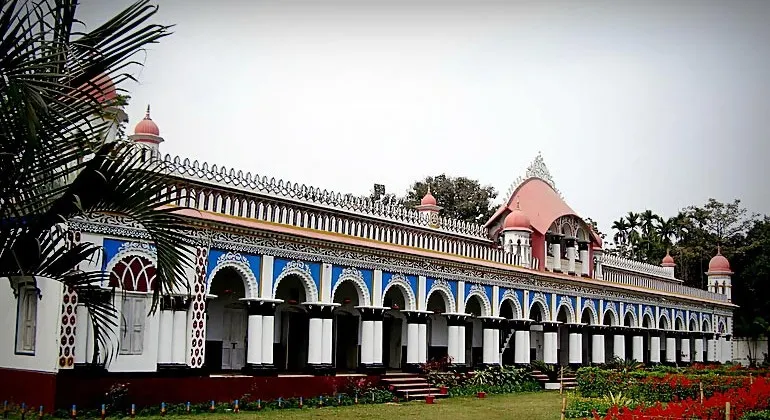
The main reason to visit Mohera Zamindar Bari is its architecture. The estate is not a single building, but rather a number of impressive historic buildings set within a larger, landscaped courtyard. Its architectural features include symmetry, classical pillars, ornate plasterwork, a main entrance, elaborate roof eaves, and spacious verandas.

Chowdhury Lodge

Chowdhury Lodge is one of the most photographed buildings in the historic complex . Its majestic facade shows influences from European neo-classical architecture, including ornate columns, a repeating pattern of windows, and an impressive entrance. The building's well-thought-out, balanced structure makes it particularly attractive for architectural photography.

Visitors can carefully observe the exterior artwork from the designated viewing area. Note the relationship between the columns, arches, wall decorations, and the overall symmetry of the building. Entry inside should not be guaranteed, as parts of the estate are used for institutional purposes.

Maharaj Lodge

Maharaj Lodge is another notable structure, admired for its grandeur and elaborate decoration. The lodge contributes to the palatial atmosphere of the estate and reflects the ambition and social status of its original owners.

Its distinctive architectural style is awe-inspiring to observe closely. Rather than viewing the buildings as identical structures, visitors should compare their entrances, roof shapes, columns, and exterior decorations to understand the differences between each residence.

Ananda Lodge

Ananda Lodge is often noted for its impressive architecture and European-influenced design. Its layout and exterior features offer a different perspective on the stylistic preferences of the landlord family. The building adds visual variety to the complex and provides an attractive composition for photographs taken from the permitted public spaces.

Kalicharan Lodge

Kalicharan Lodge , named after Kalicharan Saha, is a major architectural feature of the estate. Its design reflects the combination of ornate architecture and practical residential planning typical of wealthy Bengali families of the 19th century.

Other historic estate buildings

In addition to the four main lodges, the description of the complex includes supporting structures related to the administration and domestic life of the historic estate, including the Kachari Bhavan, the Naib Bhavan, and the Rani Mahal. Traditionally, the Kachari referred to the office of the estate, while the Naib was an officer or manager of the estate.

These supporting structures help explain how the property was once used as more than just a private residence. Some of them are located within controlled areas, so travelers should not expect free access to each building but should follow the instructions of the relevant authorities.

Visakha Sagar and Estate Pond

The large water body known as Vishakha Sagar is an important natural feature of the Mohera Zamindar Bari. The pond, the surrounding vegetation and the adjacent walkways create an attractive setting for relaxation and photography. Historical accounts also mention other ponds on the estate, including Poshra Sagar, reflecting the importance of water bodies in the traditional landscape of this property.

The ponds enhance the spaciousness of the estate and offer scenic views of the surrounding buildings and vegetation. Visitors are required to stay on designated paths and refrain from entering the water unless participating in a government-run activity.

Gardens, courtyards and open spaces

The well-groomed grounds are another special attraction. Seasonal flowers, carefully manicured lawns, mature trees, and open courtyards create attractive spaces for strolling and family photos. The combination of historic architecture and greenery gives this estate a distinct visual character.

Tourists who cannot enter the historic rooms can still appreciate the beauty of the building through its gardens, exterior architecture, and larger historical context. For this reason, Mohera is particularly rewarding for those interested in architectural heritage, rather than the traditional interior museum exhibits.


Things to do at Mahera Zamindar's house

Mohera Zamindar Bari offers a combination of cultural exploration, photography, and limited family entertainment. Most visitors can comfortably spend about two to three hours exploring the easily accessible grounds, although families may prefer to spend more time participating in the recreational activities available.

  • Explore the architectural exteriors: Walk through the designated area and compare the facades of Chowdhury Lodge, Maharaj Lodge, Ananda Lodge, and Kalicharan Lodge.
  • Enjoy traditional photography: Take pictures of ornate pillars, symmetrical entrances, manicured gardens, intricate details, and historic buildings reflected in the surrounding water.
  • Relax by the Vishakha Sagar: Spend time enjoying the tranquil atmosphere of the pond and the fascinating combination of water, architecture, and greenery.
  • Family Travel: The grounds here are perfect for family outings, and previous visitors have reported a children's play area and small amusement facilities.
  • Consider boating: Historically, the estate has boating facilities. Ask the staff if this activity is available on the day of your visit and confirm the separate pricing and safety measures.
  • Learn about the history of the estate: observe the layout of the buildings and consider how the estate was arranged for family residences, administration, and recreational spaces.
  • Enjoy the well-maintained walkways: Take a leisurely stroll through the approved visitor area and appreciate the contrast between the traditional architecture and the well-maintained greenery.

Photography Tips

When photographing architecture, use the main facades as strong central elements and include columns or archways to create depth. Wide shots of the buildings, gardens or ponds help to convey the grandeur of the estate. Visiting early in the morning often allows plenty of time to photograph the grounds without the rush of closing preparations.

Important: Mohera is an active police training center. Photographing training exercises, security installations, administrative offices, personnel, and protected areas may be prohibited. Obtain permission before using professional equipment, drones, tripods, or taking commercial photographs. Drones should never be operated without the necessary authorization.

A two to three hour visit is recommended.

  • First 30 minutes: Enter through the authorized visitor gate, purchase tickets, review venue rules, and familiarize yourself with the main premises.
  • Next 45-60 minutes: Visit major historic lodges from approved areas and take photos of their architecture.
  • Next 30-45 minutes: Explore the gardens and Visakha Sagar Pond, stopping at the available seating areas.
  • Last 30-45 minutes: Enjoy a snack, visit any open entertainment centers, and return to the entrance before the scheduled closing time.

Ticket prices, opening hours and entry rules

Mohera Zamindar Bari is a ticketed heritage site. Admission prices and visiting hours have changed in various published travel guides, so it is especially important to distinguish recent tourist reports from older information.

Entrance fees and additional charges

Category Reported price Important information
General Admission About 100 taka per person Reported by Google reviewers in September and October 2025; one report states that it applies to viewers aged 5 and above.
General admission rate for adults 80 taka per person It is mentioned in several older travel guides; therefore, it should not be assumed that it is still up to date.
Children's park entrance About ৳20 Previously published rates; check availability and current prices.
Private recreational rides Separate charges The price depends on the specific activity and operator.
Boat trip Separate fees Find out about current fares, operating schedules, and safety measures before boarding.
Car parking Historically around ৳50 Previously published rates; current charges may vary depending on vehicle type.
Swimming pool, if available to visitors Historically around 300 taka Published in older guides; not sure if currently available to the public.
Organized banquet or commercial event According to the arrangement Separate permits and charges may apply for space use.

These figures are estimates, not confirmed official tariffs for October 2026. Please bring sufficient cash and check the exact charges at the authorized ticket counter. Do not assume that the entrance ticket includes activities, food, parking or access to every part of the complex.

Published inspection time

Google Maps-based listings displayed by travel platforms indicate the following schedule for visitors:

  • Sunday: 9:30 AM – 3:30 PM
  • Monday: 9:30 AM – 3:30 PM
  • Tuesday: 9:30 AM – 3:30 PM
  • Wednesday: 9:30 AM – 3:30 PM
  • Thursday: 9:30 AM – 3:30 PM
  • Friday: 10:00 AM – 6:00 PM
  • Saturday: 10:00 AM – 6:00 PM

Some individual listings state that the opening hours on Fridays and Saturdays are slightly different, at 9:30 am, although older guides state that it is open until 6:00 pm daily. According to visitor reports from 2025, it closes at 3:30 pm on other days of the week. As the site is used for police training, opening times are subject to change without notice. Visitors should check local opening times and avoid arriving just before closing.

Rules and restrictions for visitors

  • Purchase entry tickets from authorized counters and keep them with you during the visit.
  • Stay within designated tourist areas and follow the instructions of police and estate staff.
  • Do not enter administrative offices, residential buildings, training centers, or any historical sites without explicit permission.
  • Do not climb on pillars, boundary walls, old stairs, architectural decorations, or prohibited structures.
  • Get permission before taking photos of personnel, sensitive infrastructure, or restricted areas.
  • Dispose of trash responsibly and avoid damaging plants, historic structures, or the surroundings of ponds.
  • Obtain prior permission for large group visits, banquets, commercial filming, and special events.

Accessibility: While some outdoor areas are relatively open, historic stairs, thresholds, and uneven surfaces may pose difficulties for wheelchair users or visitors with limited mobility. The availability of accessible restrooms, ramps, and stair-free pathways has not been independently verified.


Best time to travel

Mohera Zamindar Bari can be visited all year round, but October to March is particularly popular for exploring its historic buildings, landscaped gardens and open courtyards . During these months, the estate often provides an attractive setting for sightseeing, family outings and architectural photography.

Best months to visit heritage sites

November, December, January, and February are particularly suitable for visitors who plan to spend several hours exploring the grounds. Garden displays and seasonal plantings can also add to its visual appeal, although the exact timing of blooms depends on maintenance and planting arrangements.

The best days of the week

For those looking for a more relaxed atmosphere, Sunday through Thursday may be more convenient, especially when there are no organized school trips or group activities. Friday and Saturday are popular days for families and may see more visitors. However, other days of the week have shorter posted times for visits, so arrive early rather than planning to arrive in the late afternoon.

Best time of day

For a comfortable itinerary, aim to arrive between 9:30 and 11:00 AM Sunday through Thursday , or after approximately 10:00 AM on Friday and Saturday , depending on the latest permitted opening time. This will allow plenty of time to explore the lodge, ponds, and gardens without rushing.

Photography enthusiasts can appreciate the changing natural light on the facades of the buildings, but keep in mind that entry can be limited by 3:30 PM on weekdays. Therefore, a morning tour is the most reliable option when traveling from Dhaka or Tangail cities.


How to reach

Mohera Zamindar Bari is located in Mohera village, Mirzapur upazila, Tangail district, Bangladesh. The estate can be reached from the Dhaka-Tangail highway via Natiapara and Pakulla areas. Its entrance is connected to the Mohera Police Training Center and the nearby Nasir Float Glass Industrial Area is an important landmark on the road.

The road journey from central Dhaka is usually 90-100 kilometers, depending on the starting point and route chosen. The road journey usually takes about two to four hours, but the journey time can be longer due to traffic jams, highway junctions, and holiday traffic around Dhaka.

Option 1: By bus from Dhaka

  1. Start from Mohakhali Bus Terminal: Find an authorized bus to Tangail via the Dhaka-Tangail highway. Historically, services associated with this corridor include Nirala, Dhaleshwari, Jhutika and other operators to Tangail. Check with the operator for current routes and boarding arrangements.
  2. Ask about Natiapara: Before buying a ticket, make sure that the bus stops at Natiapara Bazar in Pakulla-Mirzapur area or at a suitable highway stop nearby. Not all express services pick up passengers midway or stop at unscheduled times.
  3. Travel along the Dhaka-Tangail highway: Depending on traffic congestion and the service chosen, the bus usually takes about two to three hours to reach the appropriate stop.
  4. Arrange local transportation: Hire a CNG autorickshaw, battery-powered autorickshaw, or rickshaw to go from Natiapara to Mohera Police Training Center.
  5. Arrive at the visitor entrance: Confirm the correct entrance from local residents or staff, purchase an entry ticket, and follow the posted visitor instructions.

Estimated bus fare: Depending on the operator, boarding point and destination, budget around ৳200–৳400 per person for a suitable non-luxury highway service. This is a planned allowance, not a verified live tariff. A reserved short-distance journey from the highway to local transport can cost around ৳100–৳250, depending on the type of vehicle, bargaining and exact pickup point. Shared transport, when available, is usually less expensive than this.

Option 2: By private car or rented car from Dhaka

  1. Leave Dhaka via a suitable junction on the Dhaka-Tangail highway, usually Abdullahpur-Ashulia or any other northern highway convenient to your starting point.
  2. Proceed towards Mirzapur and Pakulla-Natiapara areas.
  3. Keep an eye out for the local link road leading to Mohera and the Police Training Center. The Nasir Float Glass is a useful landmark to identify the surrounding area.
  4. Follow current directions and local signs to proceed to authorized entrances. Do not use institutional gates reserved for staff only or restricted.
  5. Park your car in the designated parking area for visitors only and make sure to pay the applicable parking fee.

Car Rental Estimates: A reserved sedan car for a Dhaka-Mohera round trip can cost around Tk 5,000–9,000, but a larger microbus can cost more depending on the size of the vehicle, distance, fuel arrangements, tolls, driver allowance and waiting time. Obtain a written price list stating the full return journey cost before booking. These estimates are approximate budgets, they are not independently verified current fare offers.

Option 3: By train from Dhaka

Passengers who prefer rail transport can check Bangladesh Railway services along the Dhaka-Tangail corridor for current timetables and station stoppages. Depending on the train selected and its actual stoppage pattern, Mirzapur or Tangail may be suitable stations. Not all intercity trains stop at smaller stations.

  1. Check Bangladesh Railway's current schedule and ticket availability for your travel dates.
  2. To go to Mirzapur or Tangail, choose a train that will definitely stop at a convenient station.
  3. Upon arrival, arrange for a CNG autorickshaw, local bus, or reserved vehicle to go to the Mohera Police Training Center.
  4. Before leaving the station, confirm the distance, fare, and return arrangements for the next transportation.

Most visitors find it easier to travel by bus or private car, as the area is located away from major rail routes. Rail fares and travel times depend on the specific service and seat class.

Option 4: From Tangail District Headquarters

  1. Start from Tangail city or its main bus terminal area.
  2. Take the Dhaka-bound highway bus or the appropriate local service for the Natiapara-Pakulla section of the highway.
  3. Get off at a suitable and safe stopping point to reach Mohera.
  4. Proceed towards the Police Training Center and the tourist entrance by CNG autorickshaw or any other local vehicle.

Approximate travel time: It can take around 45–90 minutes to reach from Tangail city, depending on your exact starting point, road traffic and other connections. Local bus fares can be around 30–80 taka, while reserved CNG vehicle fares can be around 300–600 taka or more, depending on the route and bargaining. You should check these estimated costs with local operators before starting your journey.

Option 5: Arrival by air

There is no commercial passenger airport in Mohera or Tangail town from which there is an effective scheduled flight connection to the estate. International visitors generally arrive via Hazrat Shahjalal International Airport in Dhaka .

  1. Arrive at Dhaka Airport and complete the necessary arrival formalities.
  2. Arrange for private transportation to go directly to Mirzapur and Mahera, or catch a bus from any convenient bus stop in Dhaka.
  3. Proceed along the Dhaka-Tangail highway and use the local Mohera connection road to reach the estate.

For travelers with luggage, driving directly from the airport to the estate is often the most convenient option. Travel times by road vary considerably due to highway congestion.

Local directions and landmarks

  • Natiapara Market: A popular place to get off the highway and as a junction for local transportation.
  • Pakulla: A well-known area located along the entrance road to the estate.
  • Nasir Float Glass: An artefact that is often mentioned in visitor guides.
  • Mohera Police Training Center: An institutional complex housed in a historic estate.
  • Mohera Village: A neighboring area under Mirzapur Upazila.

Before you set off, check the destination on Google Maps by its full name, 'Mohera Jamidar Bari', and make sure that the selected destination corresponds to the historic estate itself, rather than a nearby intersection or unrelated business. The published Google Maps Place link for this point of interest is https://www.google.com/maps/place/@24.164738,90.039654,17z/data=!4m10!3m9!1s0x3756008c0f0a122b:0x8f58b887f00e03b2!5m2!4m1!1i2!8m2!3d24.164738!4d90.039654!9m1!1b1. The coordinates of the map viewport may not correspond exactly to the exact location of a historic building or entrance.

Useful travel tips: Arrange your return transport before entering the estate, especially if traveling on a weekday, as visitors may be restricted to 3:30 PM on that day. Bring small notes for local fares, tickets, and light meals.

Mohera Zamindar's house

GPS: 24.164738, 90.039654
Get Directions

Where to eat

Dining options in Mohera Zamindar Bari are generally more modest than in major tourist destinations or city centers. Visitors should plan on light snacks, drinks, and simple meals within this historic complex rather than expecting a large variety of full-service restaurants.

Food and drinks inside the complex

Visitors' accounts indicate a canteen and small food stalls attached to the estate and the police training centre. Depending on the activities at the time, these may have sold tea, coffee, drinking water, packaged snacks, light meals and other general beverages.

Since the canteen operates in an institutional setting, its opening hours, menu, and visitor access may vary. Check availability upon arrival, and don't assume that every eatery mentioned in an old travel report will be open.

Restaurants around Natiyapara, Pakulla and Mirzapur

For better food, travelers can explore local restaurants and roadside food stalls around Pakulla, Natiapara, and Mirzapur towns. Typical Bangladeshi meals may include rice with fish or chicken curry, lentils, vegetables, parathas, eggs, seasonal snacks, and tea.

The quality of food, cleanliness and service varies from restaurant to restaurant. Choose a busy and well-run eatery and check the menu prices before ordering. Mirzapur town usually has more options than the area around the historic estate.

Food in Tangail city

Moving towards Tangail city, visitors will find more restaurants, sweet shops and local food outlets. One specialty of the region that is definitely worth trying is the famous Tangail sweet known as Porabari Chamchom . Travelers interested in its culinary history can visit Porabari Chamchom Tangail as a food-focused extension of their heritage tour .

Food budgeting and practical advice

  • Tea and simple breakfast: Approximately 20-100 taka per person depending on choice.
  • Simple local food: Budget approximately 150-350 taka per person at a mid-range restaurant.
  • For a large meal at a restaurant: You can budget approximately ৳350–৳700 or more per person, depending on the establishment and type of food.
  • Drinking water: Carry a reusable bottle or buy properly sealed bottled water from a reliable vendor.
  • Family groups: Before hosting a picnic inside the premises, find out if outside food is allowed.

These food prices are an estimate for general budgeting purposes, not a verified menu for any specific establishment. Those with dietary restrictions should bring appropriate snacks, as there may be limited food options for vegetarians, vegans, or those with allergies near the venue.


Where to stay?

Mohera Zamindar Bari is primarily a day trip attraction, and most visitors from Dhaka do not need to stay overnight. This historic estate is an active police training center, not a conventional heritage hotel, and tourists should not assume that rooms are available for booking by the general public.

Staying in Mirzapur

If you want to stay relatively close to the estate, Mirzapur town can be a convenient area. Accommodation options here may be limited compared to Tangail town or Dhaka, and online booking information may be incomplete. Before paying for a room, check the exact location of the accommodation, check-in procedure, cleanliness, parking facilities, and recent reviews.

Living in Tangail city

Tangail city is a convenient hub for travelers planning to explore the district's various destinations. Local hotels and guesthouses can offer a variety of room types, from basic accommodations to more comfortable family rooms.

To plan roughly, budget an estimated ৳1,000–৳3,500 or more per night for affordable to mid-range accommodations, depending on the type of accommodation, room quality, occupancy, and season. These figures are not verified information on current room offers, so compare with recent listings and contact the hotel directly to confirm.

From Tangail city, visitors can take traditional tours to Atia Mosque , Kortia Zamindar Bari , and other historical sites. (Kortia Zamindar House)

Resort options in Tangail District

Travelers looking for more recreational accommodations can check out Elenga Resort or Jamuna Resort Tangail . These are separate destinations and should not be confused with the accommodations inside the Mohera Zamindar House.

Please check each accommodation's current operating status, room availability, rent, and reservation system before planning your overnight stay. Some accommodation in larger areas may have limited services or may have changes in management and access.

Living in Dhaka

If your main destination is Mohra, staying in Dhaka is often the easiest option. Leaving early in the morning gives you enough time to explore the palace grounds, have a snack, and return on the same day. This option also avoids the hassle of checking in and storing luggage at a hotel near the palace.

Housing Planning Tips

  • Make sure that your selected hotel is actually located in Mirzapur or Tangail, or in another area with the same name.
  • Ask if the property has secure vehicle parking and reliable transport connections.
  • See the latest guest reviews and recent photos of the property.
  • Carry the required identification from the accommodation provider.
  • Confirm arrival time, payment method, cancellation policy, and any additional taxes or service charges.
  • For large families or organized groups, reserve accommodation in advance rather than going straight in and hoping to get a place.

Travel tips, safety and responsible tourism

To make a successful visit to Mohera Zamindar Bari, it is important to understand that this place is both a heritage site and an active government training center. Visitors should prioritize respectful behavior, realistic sightseeing expectations, and careful transportation planning.

Essential advice before traveling

  • Check opening hours: According to the published schedule, there are fewer hours for visitors from Sunday to Thursday compared to Friday and Saturday. Confirm any changes before leaving Dhaka.
  • Carry cash: Entry counters, local transportation providers, and small food outlets may not accept electronic payments.
  • Expect limited access to the interior: Major historic buildings are not always open for viewing. Most visits focus on the exterior architecture and well-maintained grounds.
  • Comply with institutional security: Follow the instructions of police personnel and do not enter areas marked as private or restricted.
  • Wear comfortable shoes: Walking through the buildings, courtyards, gardens, and pondside areas is an important part of this experience.
  • Protect historic structures: Avoid touching fragile decorations, climbing on walls, carving names, or disturbing architectural surfaces.
  • Supervise children: Keep children close to adults around pools, stairs, roads, and recreation centers.
  • Plan your return journey: Don't assume transportation will be available immediately, adjust for actual closing times for the last part of your trip.

Family trips and school trips

Mohera is often chosen for educational and family trips, as it combines open spaces with historic architecture. School groups can visit here to introduce students to the zamindari tradition, the influence of colonial architecture, historic preservation, and the transformation of old estates into modern institutional facilities.

Schools, colleges, and tour operators must obtain prior permission for large gatherings, educational events, or picnics. Fees and entry fees for organized activities may differ from general private admission prices.

Photography and commercial shoots

General photography of permitted public areas may be possible, but visitors should seek guidance before taking photos of people, operating buildings or sensitive installations. Professional photography, filmmaking, drone flying and commercial shooting should only be undertaken after obtaining the necessary approval from the responsible authorities.

Historic estate preservation

The unique value of Mohera lies in the survival of its architectural environment. Responsible tourism helps preserve this heritage for future generations. Stay on the designated paths, do not litter, be respectful of the ornamental gardens, and follow all signs and staff instructions. Visitors should appreciate the area as a historical setting, not just a backdrop for photos.


Nearby attractions

Mohera Zamindar Bari can be a starting point for exploring Tangail district more broadly. The region is home to historic Zamindar residences, religious monuments, riverside landscapes, natural attractions, and entertainment centers. Since these places are spread across different upazilas, travelers should choose new places based on the time available and road conditions, rather than assuming they can visit them all in one day.

Historic palaces and heritage buildings

  • Karatia Zamindar Bari : Another important example of Tangail's zamindari heritage. Its historic architecture provides an interesting contrast to the relatively well-preserved Mohera complex. Make sure to check if it is open to the public before visiting.
  • Pakutia Zamindar Bari : A historic mansion complex in Nagarpur Upazila, known for its distinctive aristocratic architecture and the heritage of the local zamindar families. Allow extra time to reach here, as it is not located right next to the mohera.
  • Dhanbari Nawab Manzil, Tangail : An important heritage site associated with the Nawab family of Dhanbari. It is more suitable for an extended district itinerary or a separate visit.
  • Parir Dalan Hemnagar Rajbari Tangail (Fairy's House Hemnagar Rajbari Tangail) : A unique historical palace complex associated with the aristocratic heritage of Hemnagar, which is particularly attractive to travelers who are fond of ancient architecture and regional history.

Historic mosques and religious sites

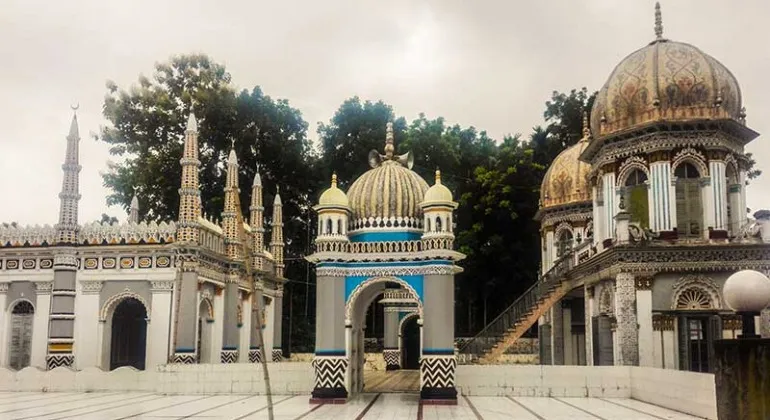
  • Atia Mosque, Tangail : One of the most important historical mosques in Tangail, famous for its early 17th-century architectural heritage and distinctive ornate brickwork.
  • 201 Dome Mosque Tangail : A modern religious monument notable for its extraordinary number of domes and ambitious architectural style.
  • Dhanbari Mosque Tangail : A religious and historical attraction that can be combined with Dhanbari Nawab Manzil on a long journey to East Tangail.
  • Adam Kashmir Shrine Tangail : A local religious and cultural destination suitable for travelers exploring the spiritual heritage of the district.

Nature, recreation and family destinations

  • Elenga Resort : A recreational destination that can be a great addition to a family's traditional trip. Be sure to check out its current facilities and operating conditions before visiting.
  • Jamuna Resort Tangail : A resort adjacent to the Greater Jamuna River, which, subject to current management, is suitable for travelers looking for additional leisure or overnight options.
  • Madhupur National Park : A protected forest area, known for its scrubland landscape, natural habitats and ecological significance. It is a separate trek from the Mohera area.
  • Gupta Vrindavan, Tangail : A culturally significant destination associated with the region's religious heritage and natural environment.
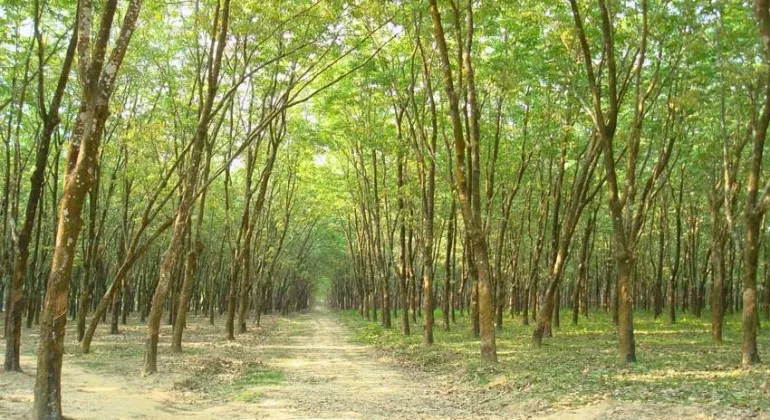
  • Pirgachha Rubber Garden, Tangail : An attractive natural destination for tourists curious about the garden environment and rural scenery.

Riverside landmarks and local food

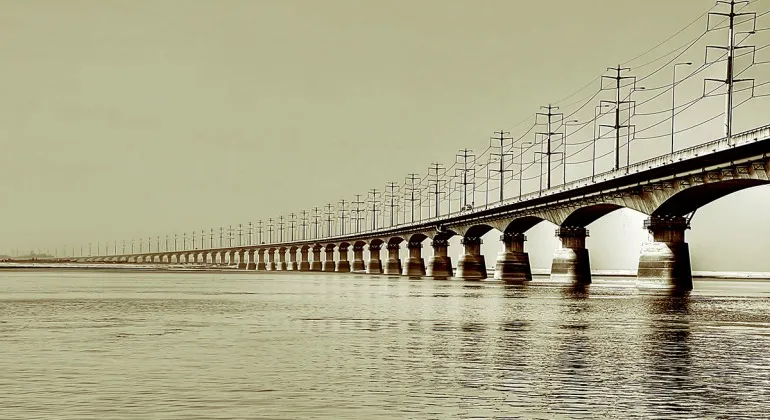
  • Jamuna Bangabandhu Bridge : A major structure built over the Jamuna River, which is significant for the development of transportation, engineering, and connectivity between different regions of Bangladesh.
  • Porabari Chomchom Tangail : A wonderful cultural food spot to taste one of Tangail's well-known traditional sweets.

Tangail Heritage Day Trip Suggestions

For an easy and convenient trip from Dhaka, start with Mohera Zamindar Bari in the morning, allow about two to three hours for its grounds, and then choose another heritage site from the Tangail area, depending on your itinerary and the remaining daylight. Checking out the Atia Mosque or karatia Zamindar Bari might be a viable option.

For a history-focused two-day itinerary, combine Mohera with Pakutia Zamindar Bari , Dhanbari Nawab Manzil , and other select places. These destinations are not located close together, so allow ample time for travel and avoid relying on straight-line distances when planning your route.

Whether visited on its own or as part of a larger Tangail itinerary, Mohera Zamindar Bari offers a valuable opportunity to appreciate the architectural, cultural history, and changing social context of Bengal. Its surviving buildings, well-decorated courtyards, and distinct historical features make it a memorable destination for travelers interested in exploring beyond the major cities of Bangladesh.

Frequently Asked Questions (FAQ)

Mohera Zamindar Bari is located in Mohera village, Mirzapur upazila, Tangail district, Bangladesh. This historic estate is located within the Mohera Police Training Center and can be reached via the Pakulla-Natiapara area from the Dhaka-Tangail highway. Travelers usually use the Natiapara market and the nearby Nasir Float Glass Factory as local sightseeing spots. Depending on the route and departure point, this destination is about 90-100 kilometers away from central Dhaka by road. This attraction is also listed as 'Mohera Zamindar Bari' on Google Maps.

Explore The Area

Top Attractions & Places to Visit in Tangail

Discover more heritage, nature, and must-visit spots across Tangail.

View all in Tangail

Atia Mosque, Tangail – History, Architecture, Location, Entry Fees and Complete Travel Guide

Atia Mosque, also known as Atia Jame Mosque or Atia Mosque , is one of the most notable historical mosques in Tangail Di...

Shafayet Al-Anik

Jamuna Resort Tangail – Location, Entry Fees, Accommodation, Activities and Complete Travel Guide

Jamuna Resort Tangail is a riverside resort located near the eastern entrance of the Jamuna Multipurpose Bridge in Bhuap...

Shafayet Al-Anik

Elenga Resort

Elenga Resort, Tangail , also known as Elenga Resort Limited, is a well-established rural resort and entertainment cente...

Shafayet Al-Anik

Jamuna Bangabandhu Bridge, Tangail, Bangladesh

Jamuna Bangabandhu Bridge, popularly known as Bangabandhu Bridge or Jamuna Bridge, is one of the most important infrastr...

Shafayet Al-Anik

Dhanbari Nawab Manzil Tangail - History, Architecture, Entry Fees and Complete Travel Guide

Dhanbari Nawab Manzil , also known as Dhanbari Nawab Palace, Dhanbari Zamindar Bari or Dhanbari Rajbari, is one of the m...

Shafayet Al-Anik

Kortia Zamindar House, Tangail - History, Architecture, Entry Fees and Complete Travel Guide

Karatia Zamindar Bari, also known as Karatia Zamindar Bari, Karatia Rajbari or Karatia Rajbari , is a historic zamindar ...

Shafayet Al-Anik

Munkona Zamindar House Tangail

Munkona Zamindar Bari , also known as Mokna Zamindar Bari, is a historic zamindari site located in Mokna Union, Nagarpur...

Shafayet Al-Anik

Secret Vrindavan Tangail

Hidden amidst the rural landscape of East Tangail, Gupta Vrindavan , also known as Gupta Vrindavan, is a unique religiou...

Shafayet Al-Anik

logo ColoZai

ColoZai is a trusted travel guide and destination explorer platform in Bangladesh. We are making travel simple, authentic, and accessible for everyone.

Need Help ?

We are Always here for you! Knock us on Whatsapp (10AM - 10PM) or Email us.