Mia Bari Mosque, Barisal – Complete Travel Guide to the Historic Karapur Mosque

Mia Bari Mosque, Barisal – Complete Travel Guide to the Historic Karapur Mosque

Barisal
·

16 October 2026

Travel Overview & Quick Facts

Location
Barisal
Admission / Entry Fee
Entry is free for devotees and general visitors. There is no specific sightseeing ticket or mandatory entry fee. Voluntary donations for the maintenance of the mosque will be gratefully accepted. Visitors should check with the mosque authorities about any special access arrangements.
Best Time to Visit
Open all year round; October to March is best, especially between 9:00 AM and 11:30 AM or 3:00 PM and 5:00 PM, excluding prayer times.
Opening Hours
Entry to the mosque is permitted daily for scheduled prayers; exact hours for public visits have not been verified. Entry for sightseeing must be confirmed locally.
Google Rating
★ 4.6 (428 reviews)
Category / Type
Historic mosques, Mughal architecture, religious heritage sites, cultural and architectural monuments

Introduction to Mia Bari Mosque, Barisal – Complete Travel Guide to the Historic Karapur Mosque

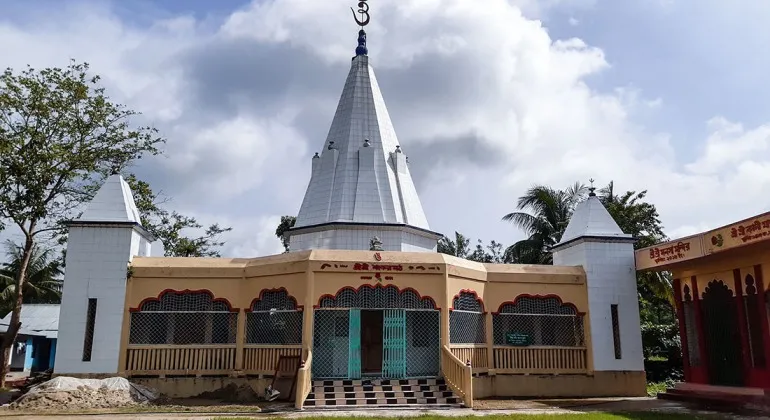
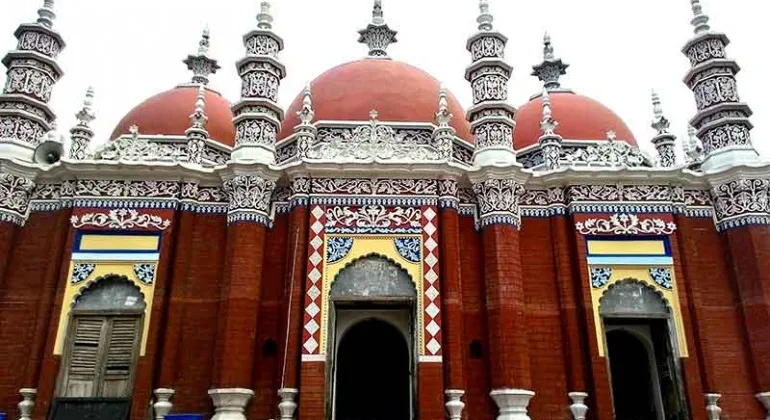
Mia Bari Mosque, also known as Karapur Mia Bari Mosque , Korapur Mia Bari Mosque or Mia Bari Jame Mosque , is one of the most notable historical religious sites in Barisal, Bangladesh. Located in Uttar Karapur village of Raipasha Karapur Union in Barisal Sadar Upazila, this century-old mosque is an exceptional example of Bengal's Mughal-influenced architectural heritage. Its distinctive red brick exterior, three graceful domes, intricately carved minarets and high prayer rooms create an unforgettable scene amidst the quiet villages and waterways of southern Bangladesh.

Unlike many conventional single-storey mosques, the Mia Bari Mosque has an exceptional two-storey architecture . The main prayer hall is situated on a massive base with vaulted chambers, and a wide staircase leads to the upper floor. The beautiful floral designs, geometric ornamentation, arched entrances and ornate minaret-like spires reflect the craftsmanship of Bengal's historic mosque builders. The surrounding ponds and village scenery contribute to the peaceful, timeless atmosphere of the place.

Often associated with the late Mughal and early colonial eras, the Mia Bari Mosque is an important destination for history buffs, architectural photographers, cultural explorers, and visitors interested in Bangladesh's Islamic heritage. Although historical accounts differ on its exact construction date and founder, the mosque is widely recognized as an important surviving example of Barisal's architectural past.

The mosque not only serves as a tourist attraction, but also serves as an active place of worship for Islam. Its ongoing religious use allows visitors to experience a genuine connection between historical architecture and contemporary social life. Tourists can combine their visit with Durga Sagar , the impressive Gutia Mosque , and other important heritage sites while exploring the larger district. (Guthia Mosque)

Location: North Karapur Village, Raipasha Karapur Union, Barisal Sadar Upazila, Barisal District, Bangladesh. The mosque is also commonly identified by the nearby Karapur Popular Secondary School and the connecting road of Nabagram Road.


History and cultural significance

Origin of Mia Bari Mosque

The history of the Mia Bari Mosque is closely intertwined with the regional landlord families of Barisal and the architectural heritage of the late Mughal period. The Bangladesh Tourism Board identifies the mosque as a historic Mughal structure and attributes its construction to a local landlord named Hayat Mahmud. Other historical accounts mention Muhammad Zahid or date its construction to the early 19th century. As a result, its exact year of foundation and original patronage should be considered a matter of historical uncertainty rather than established fact.

Architectural scholars have compared the building to the high-pitched mosques built in Bengal in the 18th century. Such buildings reflect a distinct regional interpretation of Mughal religious architecture. The overall layout of the mosque bears resemblance to historic high-pitched mosques in Dhaka, such as the Khan Muhammad Mridha Mosque and the Kartalab Khan Mosque.

Hayat Mahmud Heritage

According to local historical accounts, the Mia Bari Mosque is associated with Hayat Mahmud. It is said that he was exiled to Prince of Wales Island (now Penang, Malaysia) during the British colonial expansion. According to this account, he eventually returned to Bengal and founded the mosque and the adjacent reservoir. This story is an important part of the local identity of the monument, although the historical chronology and documentary evidence are not presented in a consistent manner in the various published sources.

Recognition as an archaeological monument

According to a report by The Daily Star, the Bangladesh Department of Archaeology included the Mia Bari Mosque in their official gazette in 1990. This recognition reflects the cultural and architectural importance of the structure and further reinforces the need for its careful conservation.

The mosque has been renovated several times over its long history. Some of the renovations have helped to maintain its functionality and decorative appearance, but sensitive preservation is also essential due to the building's historical importance. Visitors should refrain from touching fragile decorations, climbing on forbidden architectural structures, or disturbing the original structure.

Ongoing religious and social importance

The Mia Bari Mosque has been used as a place of prayer and religious education for the local Muslim community. Published accounts indicate that parts of its ground floor were used for Quranic and madrasa education. Its dual identity as a functioning mosque and historical monument sets it apart from abandoned archaeological sites.


Architecture and unique features

The biggest attraction of the Mia Bari Mosque is its exquisite architecture, which combines traditional Bengali mosque planning with Mughal-inspired ornamentation, high-rise construction, and distinctive red brickwork.

Tri-domed roof structure

The mosque has three domes above the main prayer hall. The central dome is more prominent than the two side domes, creating a balanced and distinctive roofline. Their rounded shapes and ornate pinnacles are one of the characteristic elements of historic Islamic architecture in Bengal.

The domes are particularly impressive when viewed from the front steps or the adjacent open field. Their reddish hue creates a contrast with the pale carvings surrounding the upper walls and ornate turrets.

Detailed minarets and decorative turrets

One of the mosque's most prominent features is its rows of slender, ornate minarets. Historical accounts generally mention eight main minaret-like spires, accompanied by a number of smaller, ornate spires. These elements surround the roof and corners, giving this relatively small structure an extraordinarily intricate appearance.

The minarets feature layered plasterwork, floral designs, geometric patterns, and decorative spires. Unlike the tall single minarets of many modern mosques, this structure essentially contributes to the architectural form of the historic building.

Elevated platform and two-tier construction

The Mia Bari Mosque is in the unique tradition of high altar mosques. Its main prayer hall is located on the upper floor, while the lower floor has vaulted rooms and passageways. A wide staircase leads up to this high altar from the surrounding courtyard.

The lower rooms are of considerable historical interest. Some researchers and local accounts suggest that they were once inhabited by travelers, religious teachers, or other residents associated with the mosque. Their original purpose has not been definitively established.

This architectural style makes the Mia Bari Mosque particularly interesting to visitors studying the architectural styles used in historical Bengal.

Decorative brickwork and floral designs

The exterior features a rich combination of reddish masonry, moulded decorative elements, light coloured relief work and colourful decoration around the openings. Floral designs, repeating geometric shapes and elaborate borders contribute to the remarkable visual character of the building.

The prayer hall has traditional arches and a mihrab pointing towards Mecca. The decoration around the arches and on the upper part of the building shows the influence of regional craftsmanship as well as Mughal artistic traditions.

The surrounding pond and village landscape

The mosque compound is flanked by two large ponds, locally known as dighis. Their presence highlights the historical character of the landscape and creates an attractive view of the mosque against the backdrop of the surrounding vegetation and village scene.

Travelers can also observe old trees, residential buildings, and traditional rural activities around the site. This setting helps explain how religious buildings historically served as important community landmarks in rural Bengal.


Things to see and do

Explore the historic exterior

Start by walking through the public areas of the mosque compound, admiring its red brick walls, ornate entrance, ornate minarets, and three domes. From different perspectives, the structure's geometric balance and elevated platform-like design are revealed.

Admire the staircase in the entryway.

The wide staircase is one of the architectural features of the Mia Bari Mosque. Visitors can see how the high prayer room is connected to the vaulted rooms below. Climb only at authorized points and avoid entering protected or fragile areas.

Observe traditional Islamic crafts

Pay close attention to the floral decorations, arch shapes, patterned edges, and carved carvings. These features provide valuable insight into the decorative tradition of historic mosques in Bangladesh.

Experience the peaceful rural environment

Spend some time enjoying the surrounding countryside, the traditional water bodies, and the quiet lanes. The contrast between the monument's sophisticated architecture and the simplicity of its rural surroundings is part of its charm.

Take pictures of architecture.

Photography enthusiasts can capture the mosque's distinctive domes, intricate architecture, ornate minarets, and staircases. Taking photos outside, in a public space, is usually the least disruptive way to do so. Ask permission before taking photos inside prayer rooms, taking photos of worshippers, or using professional equipment.

Learn about local history

Visitors interested in heritage preservation may benefit from respectfully speaking with knowledgeable local residents or mosque representatives. Personal accounts can provide insight into community heritage, although oral history should be viewed separately from documented architectural evidence.

Combine religious and architectural tours

The Mia Bari Mosque is a nice addition to the traditional itinerary of Barisal. Visitors interested in different architectural styles can also visit the historic Oxford Mission Church and the larger and more modern Guthia Mosque .


Entrance fee, visiting hours and rules

Entry and entrance fee

General Admission: Free. Mia Bari Mosque is an active religious institution, and published information available does not identify any specific admission ticket system for general visitors.

Children: It is not known if there is a separate entrance fee for children.

Photography: There is no set ticket price for photography. Visitors must obtain permission for interior, commercial, or professional photography.

Donations: Voluntary donations may be made for the upkeep of the mosque, where they are accepted. Visitors should not assume that donations are obligatory.

Opening hours and best time to visit

The mosque operates as an active place of worship, but it has not been possible to verify any reliable Google Maps schedule that specifies specific times for public visits. Therefore, it would be misleading to publish a definitive opening and closing schedule.

For visitors who are primarily interested in the architecture, 9:00 AM to 11:30 AM or 3:00 PM to 5:00 PM are reasonable suggested times for visiting, not guaranteed official times. Access to the prayer room may be restricted during times of collective worship, religious instruction, or other activities.

Friday congregational prayers are especially important. Visitors who do not participate in the prayers should refrain from disrupting Friday prayers and should seek permission before entering the prayer venue.

Visitor etiquette

  • Dress modestly: Wear clothing that covers shoulders and knees. Visitors should adhere to local religious dress expectations.
  • Take off your shoes: Take off your shoes before entering the designated prayer area.
  • Respect worship: Avoid talking loudly, playing music, recording distracting videos, and visiting tourist attractions during prayer.
  • Photography: Ask permission before taking pictures of worshippers, children, or religious events.
  • Restricted areas: Do not enter educational rooms, private spaces, or locked areas without permission.
  • Heritage Protection: Do not scratch the walls, touch the delicate decorations, or climb on the decorative parts.
  • Cleanliness: Dispose of waste responsibly and help protect the religious environment.

Accessibility Notice: The elevated main prayer room and its large staircase may be difficult for wheelchair users or travelers with limited mobility. Stair-free access to the upper prayer room has not been verified.


How to reach

Mia Bari Mosque is located in Uttar Karapur village under Raipasha Karapur Union, west of Barisal city . Travelers usually first reach Barisal city and from there travel towards Karapur via local roads via Nabagram Road.

Step 1: Travel from Dhaka to Barisal by bus

For many tourists, the most convenient way to travel by road is by intercity bus from Dhaka to Barisal. This service operates from major departure points in Dhaka, including the Sayedabad and Jatrabari areas, although different operators use different terminals and pick-up points.

  1. Select Dhaka-Barisal bus service and confirm the current departure terminal.
  2. Travel south towards Barisal using the national highway network and the Padma Bridge route where applicable.
  3. Arrive at the operator's designated Barisal terminal, which is usually located at the Nathullabad transportation area or another stop in the city.
  4. To go to North Karapur, arrange for local CNG auto-rickshaws, battery-powered cars, or reserved transportation.

Estimated bus journey time: About 4-6 hours under normal conditions, but may take longer during traffic jams and holidays.

Estimated one-way bus fare: Depending on the operator, seat class, and travel date, it is around ৳500–৳900 for non-AC services and ৳900–৳1,600 or more for AC services. These fares are estimates for planning purposes, not verified actual fares.

Step 2: Take a river launch from Dhaka

River transport is a common option to reach Barisal. Passenger launches usually operate on the Dhaka-Barisal route, subject to current shipping schedules and service availability.

  1. Travel to Sadarghat River Terminal in Dhaka.
  2. Confirm departure time, destination, and cabin availability from a licensed launch operator.
  3. Travel to the Barisal River Port, often known as the Barisal Launch Ghat.
  4. Hire local vehicles from Nadi Terminal to go towards Nabagram Road and North Karapur.

Estimated travel time: Approximately 8-12 hours, depending on ship and navigation conditions.

Estimated fare: Economy deck tickets can cost a few hundred taka, while private cabins can cost much more. Confirm the actual price and cabin category directly with the operator before booking.

Step 3: Travel by air

Barisal Airport serves this district and can be a quick option if scheduled passenger flights from Dhaka are operational. The number of flights and airline availability may vary, so travelers should confirm actual service before relying on this route.

  1. Check if there is a suitable flight available on the Dhaka-Barisal route on the desired date.
  2. Arrange for a reserved vehicle or local transportation upon arrival at Barisal Airport.
  3. Proceed towards Nabagram Road and Karapur area.
  4. Complete the last section towards the village on foot or, if necessary, in a suitable small vehicle.

Flight duration: Approximately 40-50 minutes if direct flight is available (this also does not include airport formalities and subsequent road journey). Airfare varies by airline, date, and availability.

Step 4: Travel by train

There is no direct passenger rail service from Dhaka to Barisal city. Passengers who wish to travel by train will have to travel by road after taking a train to a connecting destination. Direct road travel is usually more convenient for direct visits to Mia Bari Mosque.

Step 5: From Barisal city to Mia Bari Mosque

Arrange for a battery-operated autorickshaw, CNG autorickshaw or reserved local vehicle from Central Barisal. Ask the driver to take Nabagram Road towards North Karapur and mention Karapur Mia Bari Mosque as the destination.

  1. Start from your hotel, Barisal Launch Ghat, Nathullabad or other central transportation point.
  2. Proceed towards Karapur along Nabagram Road.
  3. Use Karapur Popular Secondary School , also known locally as Karapur Popular High School, as an important directional landmark.
  4. If traveling by regular local transportation, get off near the school or at the nearest accessible intersection.
  5. Follow local directions to the Mia Bari Mosque. According to published visitor accounts, it takes about 15 minutes to walk from the school, although the actual distance depends on where you are dropped off and current traffic conditions.

Estimated local journey: Approximately 30-60 minutes from the center of Barisal, including possible delays and last-minute arrivals.

Estimated local transportation costs

Transportation options Estimated rent Realistic advice
Shared battery-powered auto-rickshaws About 30–100 taka per person Confirm the route and final destination.
Reserved battery-powered auto-rickshaw Approximately 250–500 taka for a one-way trip Suitable for small groups; the final route may not accommodate all vehicles.
Reserved CNG auto-rickshaw Approximately ৳350–৳700 for a one-way trip Negotiate the fare before starting the journey.
Reserved car with driver Approximately ৳1,500–৳3,000 or more for local sightseeing arrangements Confirm route access, travel duration, and waiting charges.

All local transport fares are an estimated budget range, they are not independently verified prices. Actual prices depend on distance, vehicle type, bargaining, road conditions and local availability.

Important accessibility considerations

The published heritage report mentions the inaccessibility of the final entrance, some parts of which are unsuitable for ordinary vehicles. Do not assume that reserved vehicles will be able to reach the entrance to the mosque. Check the situation locally, especially when transporting elderly passengers or anyone with mobility limitations.

The landmark identifier P7FQ+MHP, Bangladesh is found in the published list of tourist attractions for the Karapur Mia Bari Mosque. However, no directly verifiable Google Maps Place URL with its exact coordinates was found during research. Visitors should verify the destination name, Raypasha Karapur Union and Karapur Popular Secondary School before starting the final journey.

Best time to travel

Mia Bari Mosque can be enjoyed all year round, as its main attraction is its historical architecture and ongoing religious significance. The months of October to March are particularly convenient for tourists planning a heritage tour of Barisal.

Recommended time of day

Late morning, from approximately 9:00 AM to 11:30 AM, is a good time to examine the exterior details and take photos of the ornate facade. Another interesting time is from approximately 3:00 PM to 5:00 PM, when the afternoon light enhances the beauty of the reddish walls and ornate minarets.

These are not scheduled opening times for the public, but rather suggested times for sightseeing. Prayer times and local activities always take priority.

Weekdays and Fridays

Ordinary days of the week may be more convenient for uninterrupted architectural observation. Friday is an important day of communal worship, so those interested in sightseeing rather than participating in prayer should avoid the main Friday prayer time.

Recommended visit duration

Allow approximately 45-90 minutes to take a good look at the exterior of the mosque, observe its ornate architecture, explore the designated areas, and enjoy the surrounding countryside . Architecture enthusiasts may want to take more time to take photos and observe the details.


Photography Tips and Responsible Travel

The Mia Bari Mosque, with its ornate red brick walls, domes, ornate minarets, and exceptionally high dais, offers excellent photo opportunities. However, due to the religious use and historical structure of this monument, considerate behavior is required.

  • Facade: A photo facing the main staircase can highlight the symmetry of the three-domed roof and ornate minarets.
  • Decorative details: Bring out floral designs, geometric borders, arched doorways, and minaret-like features without touching fragile surfaces.
  • Larger Landscape: Find approved viewing locations that include surrounding ponds, vegetation, and village surroundings.
  • Interior Photography: Please seek permission before taking photos of prayer rooms or religious activities.
  • Individuals and Privacy: Get permission before taking photos of worshipers, residents, students, or children.
  • Equipment: Tripods, drones, and commercial photography should not be used without proper permission.

Visitors should refrain from climbing the restricted sections of the historic staircase, standing on any architectural extensions, or interfering with any graves associated with the mosque grounds. These precautions show respect for local customs as well as help protect a valuable monument.

Consider carrying drinking water, wearing comfortable shoes for walking towards the village, and keeping personal belongings safe. As facilities near the monument may be limited, it is convenient to arrange for necessary shopping and meals in Barisal city.


Where to eat

The area around Mia Bari Mosque is predominantly residential and rural, and there are limited reliable formal dining options. There may be small village shops, tea shops and local food stalls around Karapur and its connecting roads, but their availability and opening times should not be guaranteed.

Local food options near Karapur

Common drinking water such as tea, bottled water, biscuits and locally made snacks can be found in nearby shops. Travelers should carry adequate amounts of drinking water and snacks, especially when traveling outside of regular meal times.

Dining in Barisal city

Barisal city has a large number of restaurants and general food outlets for good food. Sadar Road, Nathullabad and the commercial areas of the city center are convenient starting points for finding Bangladeshi food.

Typical regional dishes to try include freshwater fish curry with rice, bharta, dal, various vegetable dishes, chicken curry and seasonal local specialties. Fish dishes offer a particularly appropriate culinary experience due to Barisal's riverside food tradition.

Estimated food cost

Food or eating Estimated budget per person
Tea and light snacks ৳30–৳100
Simple rice dish with vegetables or pulses ৳100–৳220
Rice with chicken or fish curry ৳180–৳450
Restaurant food that contains a variety of ingredients ৳350–৳800 or more

This estimate is for travel planning purposes only. Restaurant menus, meal quantities, and prices may vary. Travelers planning a longer trip may want to combine their meal with a visit to the Bibi Pond area in central Barisal. (Bibi's Pond Barisal)


Where to stay?

For most visitors, Barisal city is the most convenient base for visiting the Mia Bari Mosque . The mosque is located in a rural setting and there are limited reliable places to stay for tourists in the immediate vicinity. Being in the city center provides easy access to restaurants, transport terminals, and other attractions.

Budget accommodation

Budget hotels and guesthouses are available in larger city centers and transport terminal areas. Basic rooms may have fans or air conditioning, attached bathrooms, and basic amenities for an overnight stay. As a general rule, budget travelers can budget for approximately 1,000–2,500 taka per night, depending on the hotel and season.

Mid-range hotel

Travelers who want more comfort can consider the city's established hotels, which offer private bathrooms, air-conditioned rooms, reception services, and convenient local transportation. The estimated budget for mid-range accommodations is around ৳2,500–৳5,000 per night.

Example of a hotel in Barisal

Hotels featured in the regional travel listings include Hotel Athena International , Hotel Grand Plaza , and Hotel Fair Star . These are not independently verified current recommendations, but are just a few examples. You should check their operating conditions, room quality, rates, and availability before booking.

Choosing the right location

  • Central Barisal: Convenient for restaurants, shopping, and visiting local attractions.
  • Sadar Road area: Convenient for sightseeing and transportation around the city.
  • Nathullabad area: Convenient for passengers using intercity buses.
  • Access to the river port: Convenient for visitors arriving or departing by launch.

For heritage-focused itineraries, having a hotel located in the city center makes it easy to visit Oxford Mission Church , Sri Sri Shankar Math , and other important tourist attractions in Barisal without changing your accommodation .


Practical travel tips

  • Confirm the destination: Use the full name 'Karpur Mia Bari Mosque, Uttar Karpur, Barisal Sadar', as other mosques in southern Bangladesh also have similar names.
  • Carry cash: Small shops and local transport drivers may not accept digital payments.
  • Ensure vehicle access: Some routes to the mosque may require walking or riding in small vehicles.
  • Allow extra time for travel: The journey may be slower than expected due to village roads, local traffic, and transportation systems.
  • Respect prayer times: Refrain from interrupting worship and religious instruction.
  • Dress modestly: Modest clothing is expected in an active mosque.
  • Use reliable navigation: If any mapping application gives unclear results, confirm the location by contacting local residents and the nearby Karapur Popular Secondary School.
  • Protect the monument: Avoid touching the decorative plasterwork, damaging the masonry, or littering.
  • Food and beverage plans: Restaurants around the mosque and facilities for visitors may be limited.
  • Consider accessibility: It is important to plan ahead for visitors who have mobility difficulties due to high stairs and potentially uneven paths.

Visitors should also remember that the mosque is a living religious institution. Permission from local caretakers takes precedence over the idea of ​​general visits, and some areas may not be accessible during social activities.


Nearby attractions

Mia Bari Mosque can be included in a worthwhile Barisal itinerary that includes historic mosques, colonial-era architecture, zamindar heritage, lakes, and traditional rural scenery. The following places of interest are located within Barisal district, although travel distances and road connectivity vary.

Durgasagar is one of the most well-known historical ponds and recreational landscapes in the region. Located in the Madhabpasha area, this site offers a view of the vast body of water and has an interesting connection to the local zamindar history. It is a particularly relevant companion destination due to its location in the greater West Barisal area.

Guthia Mosque, also known as Baitul Aman Jame Masjid and Eidgah Complex, is a major modern Islamic architectural landmark. Its spacious courtyard, monumental mosque, and distinctive minaret create an informative architectural contrast to the historic high platform design of the Mia Bari Mosque.

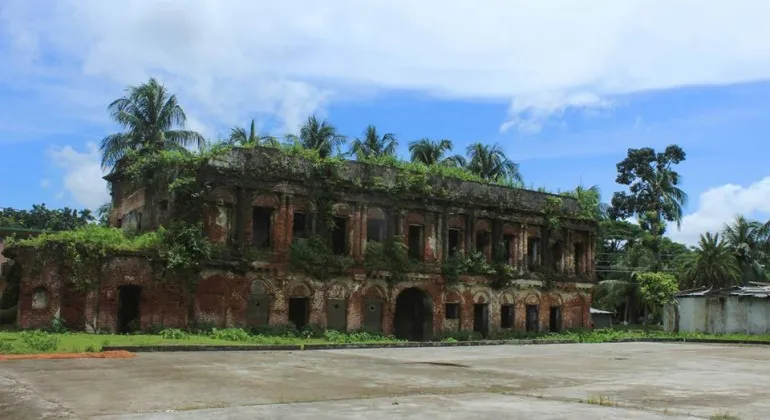
Explore another important aspect of Barisal's architectural heritage at the Lakutia Zamindar House. This historic estate is associated with the region's zamindar families and provides insight into the architectural and social history of South Bengal.

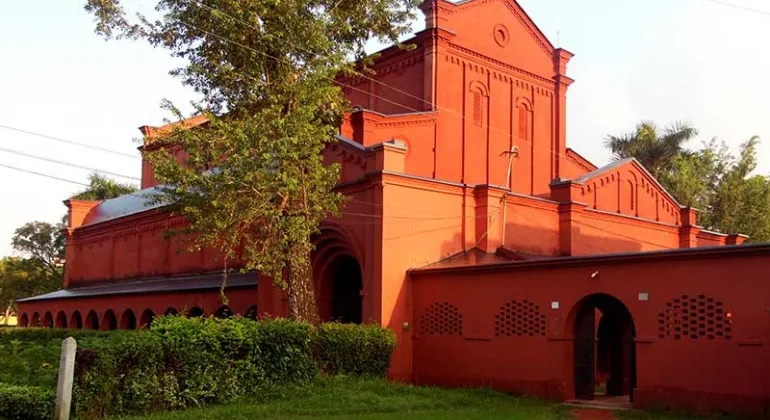
The historic Oxford Mission Church, often known as the Red Church, is one of the most distinctive Christian architectural landmarks in Barisal. Its striking red exterior and religious history make it particularly attractive to visitors who come to compare it with the various sacred buildings in the district.

Bibi Pukur is a prominent historical water body in central Barisal and an important place in the city. It is an easily accessible place to enjoy daily urban life and can be accompanied by a meal or a short walk around the city center.

6. Sri Sri Shankar Math, Barisal (Sri Sri Shankar Moth Barisal)

This Hindu religious monument is another important element of Barisal's spiritual and cultural heritage. Visitors interested in religious history can appreciate the diversity of architectural heritage that exists throughout the district.

This popular urban recreation center offers walking trails, open spaces, and opportunities to relax after visiting historical sites. It is a convenient addition to any itinerary centered around Barisal city.

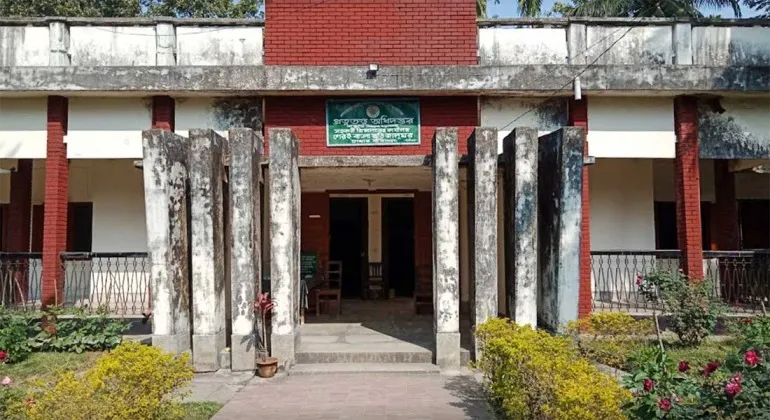
Visitors interested in the political and cultural history of Bengal can visit the museum associated with AK Fazlul Haque, popularly known as 'Sher-e-Bangla'. This destination adds an educational dimension to the district-wide heritage itinerary.

9. Shapla Village Satla – Red Water Lily Village

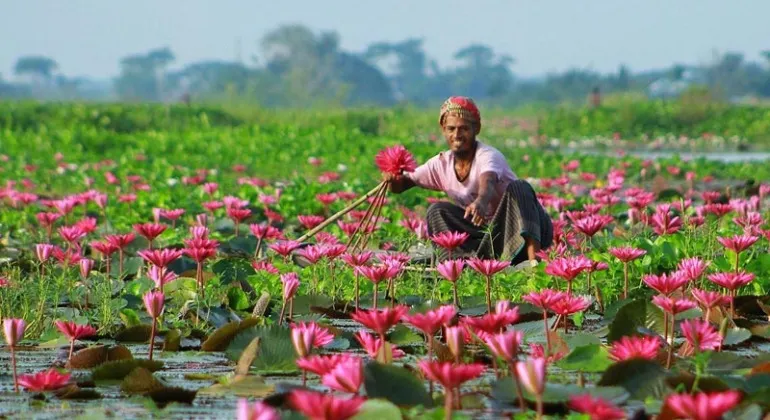
For a different kind of experience, Satla offers a rural landscape famous for its lotus flowers and traditional wetland scenery. This destination is located a bit away from central Barisal and is best planned as a separate trip or part of a longer district itinerary.

Recommended traditional routes for one day

For those with limited time, you can start your journey from Mia Bari Mosque and head to Durgasagar , visit Guthia Mosque if transport and access permits are available, and then return to Barisal city for Bibi Pukur or Oxford Mission Church . This is a suggested combination of destinations, not a verified shortest route. Please check road conditions, travel time, and personal access requirements before starting your journey.

Frequently Asked Questions (FAQ)

Mia Bari Mosque is located in the village of North Karapur in the Raypasha Karapur Union of the Barisal Sadar Upazila of the Barisal district of Bangladesh . It is commonly known as the Karapur Mia Bari Mosque or Karapur Mia Bari Mosque. Visitors usually approach it via Nabagram Road and the nearby Karapur Popular Secondary School serves as a convenient directional sign. The mosque is located in a traditional rural hamlet west of the center of Barisal.

Explore The Area

Top Attractions & Places to Visit in Barisal

Discover more heritage, nature, and must-visit spots across Barisal.

View all in Barisal

Guthia Mosque

Guthia Mosque , officially known as Baitul Aman Jame Mosque and Eidgah Complex , is one of the most famous religious sit...

Shafayet Al-Anik

Sri Sri Shankar Moth Barisal – History, Architecture, Travel Guide & Visitor Information

Sri Sri Shankar Math (also spelled Sri Sri Shankar Math or Shankar Math) is a Hindu religious pilgrimage site located in...

Shafayet Al-Anik

Bells Park Bangabandhu Udyan Barisal

Bell's Park, officially known as Bangabandhu Udyan, is one of the most well-known green spaces in Barisal, Bangladesh. L...

Shafayet Al-Anik

Bibi's Pond Barisal

Bibi Pukur is one of the most well-known historical sites in the heart of Barisal city, Bangladesh . Located along the b...

Shafayet Al-Anik

Durga Sagar

Durgasagar, also known as Durgasagar Dighi or Madhabpasha Dighi , is one of the most notable historical lakes in souther...

Shafayet Al-Anik

Oxford Mission Church, Barisal – A Complete Travel Guide to the Historic Red Church in Bangladesh

The Oxford Mission Church , officially known as the Oxford Mission Epiphany Cathedral Church, in Barisal, Bangladesh, is...

Shafayet Al-Anik

Sher-e-Bangla Memorial Museum

Sher -e-Bangla Memorial Museum , also known as Sher-e-Bangla Museum or Chakkar Museum, is a historical tourist attractio...

Shafayet Al-Anik

Lakutia Zamindar's house

Lakutia Zamindar Bari, also known as Lakutia Zamindar Bari or Babur Bari , is one of the historic zamindar estates in Ba...

Shafayet Al-Anik

Shapla Village Satla – Red Water Lily Village in Barisal, Bangladesh

Shapla Village Satla, also known as Satla Beel, Shaplar Beel or Satla Water Lily Village , is one of the most notable se...

Shafayet Al-Anik

logo ColoZai

ColoZai is a trusted travel guide and destination explorer platform in Bangladesh. We are making travel simple, authentic, and accessible for everyone.

Need Help ?

We are Always here for you! Knock us on Whatsapp (10AM - 10PM) or Email us.