Kotka Beach

Kotka Beach

Khulna
·

16 October 2026

Travel Overview & Quick Facts

Location
Khulna
Admission / Entry Fee
Kotka Beach is part of the protected Sundarbans and requires permission from the forest department and applicable visitor fees. Published sanctuary fee lists vary: a September 2024 report listed around 150 taka per day for Bangladeshi adults, 30 taka for students and 1,500 taka for foreign visitors, while a recent tour-operator list listed 300, 50 and 3,000 taka respectively, excluding applicable VAT. Boat transport, guide services, rangers, meals and overnight accommodation are additional. Check the current government fee list and make sure all costs are included in your tour package before booking.
Best Time to Visit
October to March, subject to forest department access restrictions.
Opening Hours
Visits are allowed only during the day, subject to forest department permission, approved itinerary, and seasonal closures; exact opening hours could not be verified on Google Maps.
Google Rating
★ 4.5
Category / Type
Natural Beaches, Sundarbans Wildlife Sanctuary, Mangrove Forest Eco-Tourism, Nature & Adventure

Introduction to Kotka Beach

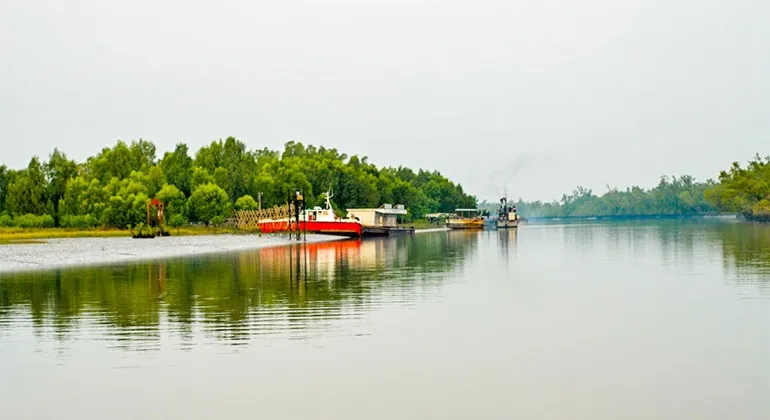
Kotka Beach, also known as Katka Beach or Jamtala Beach, is one of the most notable coastal attractions in the Sundarbans of southern Bangladesh. Located in the southeastern part of the vast mangrove forest on the shores of the Bay of Bengal, this remote destination offers a stunning natural coastline, dense mangrove forests, tidal waterways, and opportunities to observe wildlife in their natural habitat. Unlike the bustling beaches of Bangladesh's established coastal resorts, Kotka offers an intimate jungle experience, where the rhythm of the forest and the sea shapes every journey.

The beach is connected to the Kotka Forest Station and the ecologically important protected area, the Sundarbans East Wildlife Sanctuary. The surrounding landscape consists of shifting sandbanks, exposed mangrove roots, tidal mudflats, coastal forests and intricate waterways. This extensive forest ecosystem is home to chitra deer, monkeys, wild boars, crocodiles and numerous species of birds. The area is also part of the habitat of the Royal Bengal Tiger, although sightings are rare and should never be expected or actively pursued.

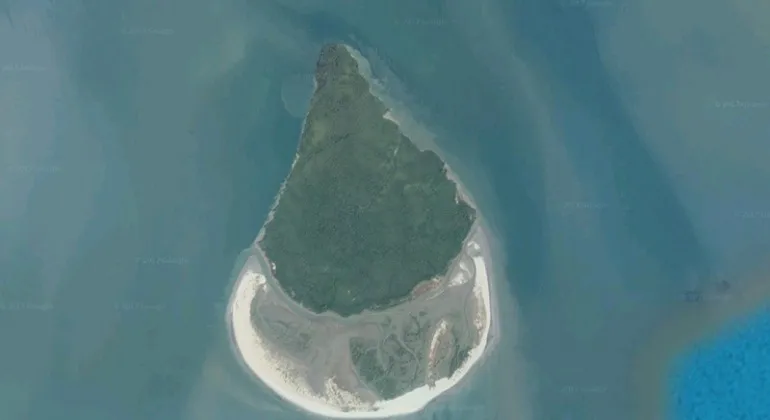
Location: Kotka Beach is generally located about 90 km from Mongla Port according to the geographical distance mentioned, although the actual route and travel distance vary depending on the navigable channel and tides. It is usually reached by organized Sundarbans boat trips from Khulna, Mongla or other authorized departure points. According to published geographical information, the beach is located at approximately 21.85428° North, 89.7721627° East; these are indicative coordinates, not verified location pins on Google Maps. The surrounding coastal area is included in Khulna Division and various map sources place it under different local administrative areas.

For tourists looking for an authentic experience of Bangladesh's coastal wilderness, Kotka is particularly attractive as part of a multi-day Sundarbans itinerary . Reaching this secluded spot requires advance planning, forest permits and a suitable watercraft. The journey through winding rivers and spectacular mangrove scenery is a major part of the experience.


Natural beauty and unique coastal landscape

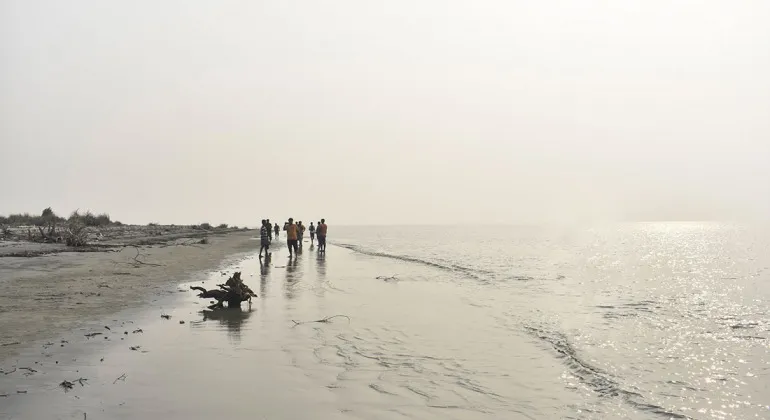
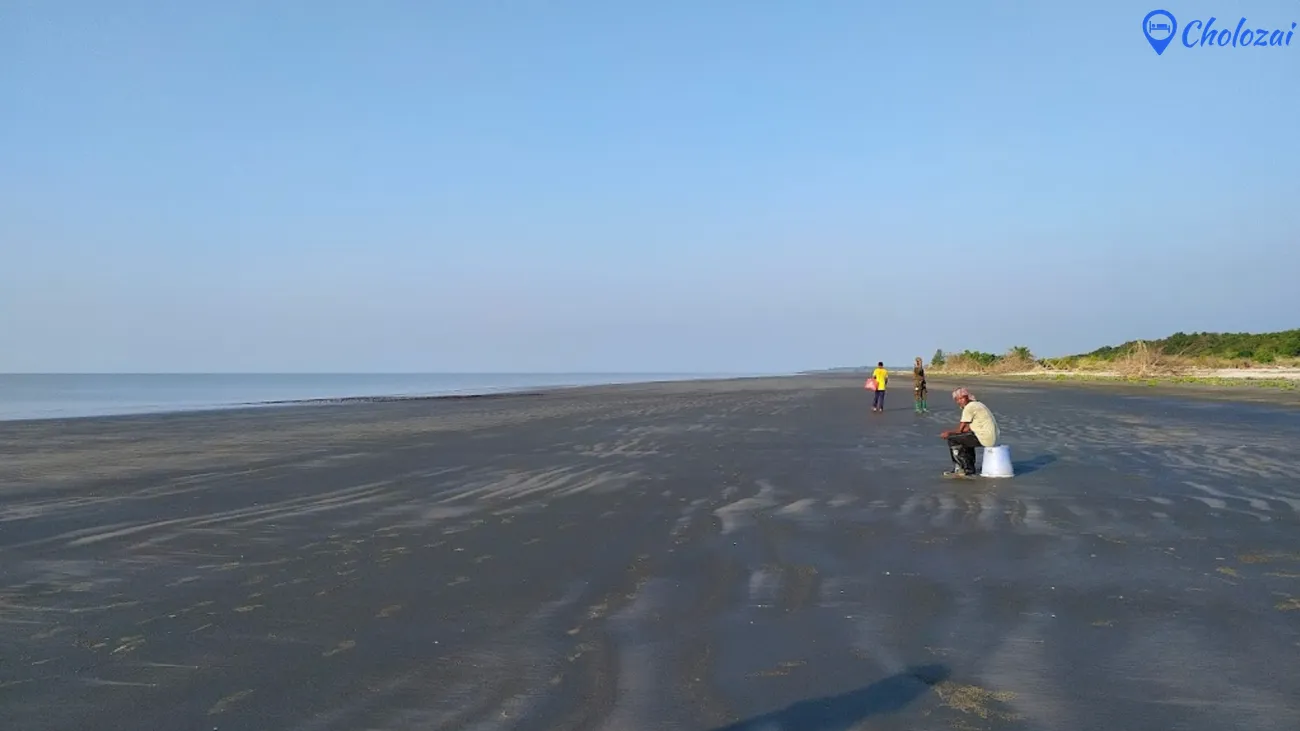
The main attraction of Kotka Beach is the confluence of the mangrove ecosystem of the Sundarbans with the open waters of the Bay of Bengal. This beach presents a completely different landscape from the developed tourist coastline. There are no continuous rows of seaside resorts, crowded entertainment centers or commercial beach paths. Instead, visitors find natural coastal vegetation, tidal channels, driftwood, exposed roots and a coastline that is constantly being shaped by erosion, sediment transport and tidal action.

Where the mangrove forest meets the ocean

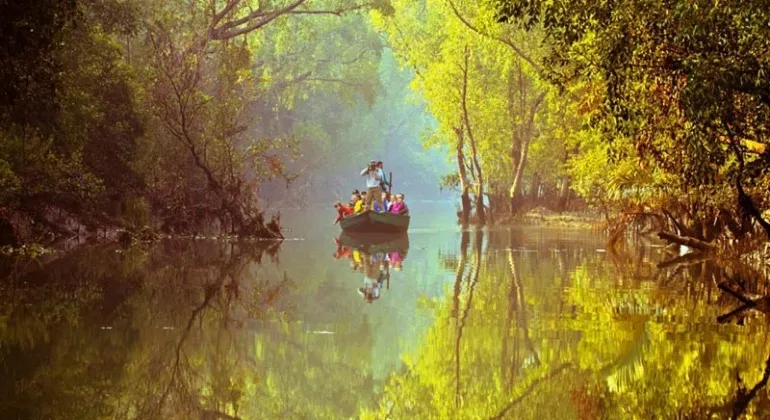
The intersection of forest and coastline creates some of Kotka's most memorable scenes. Mangroves and related coastal plants grow near sandy or muddy areas, while branches, roots, and natural debris take on distinctive shapes at the water's edge. Depending on the tide conditions, visitors may see wide open plains or coastlines partially covered by incoming water.

Sunrise, sunset and coastal photography

Early morning and late afternoon provide particularly attractive opportunities for landscape photography. Soft sunlight illuminates the mangrove canopy, reflecting on tidal channels and creating a beautiful contrast between the dark silhouettes of the trees and the open horizon. Photographers can capture the natural patterns of the coastline, coastal vegetation, boats and sand. The appearance of sunrise or sunset depends on the position of the boat, the accessible coastline and the surrounding vegetation cover.

A secure and changing environment

Kotka is not a permanently fixed recreational beach. Tidal currents and coastal erosion can alter the beach, narrowing walkways or exposing fallen trees. Visitors should follow the instructions of their guides and avoid unstable shores, submerged tree roots and unauthorized paths. The apparent emptiness of the beach is part of its beauty, but it should never be mistaken for the absence of natural hazards.


Wildlife, mangrove forests and Kotka Watchtower

Kotka's importance extends far beyond its coastal beauty. The surrounding forest is part of the larger Sundarbans habitat, which is renowned for its complex ecological relationships and extraordinary biodiversity. Protected waterways, natural grasslands, forest clearings and mangrove forests provide habitat for many species.

Wildlife observation

  • Chital Deer: Groups of chital deer are occasionally seen feeding near open areas of the forest, especially when visitors remain calm and maintain a safe distance.
  • Birds: Kingfishers, terns, cranes, birds of prey, and other local or seasonal birds can be seen around creeks and coastal habitats.
  • Monkeys and Wild Boars: Rhesus macaques and wild boars inhabit some parts of the surrounding forest, although sightings are not guaranteed.
  • Estuarine crocodiles: Crocodiles are found in the waterways of the Sundarbans and can sometimes be seen resting on the riverbank or in open mudflats.
  • Royal Bengal Tiger: The area is located within tiger habitat, but sightings in the wild are rare and uncertain. Visitors should never enter forest paths alone or approach any sign of tiger presence.

Kotka Watchtower and Forest Path

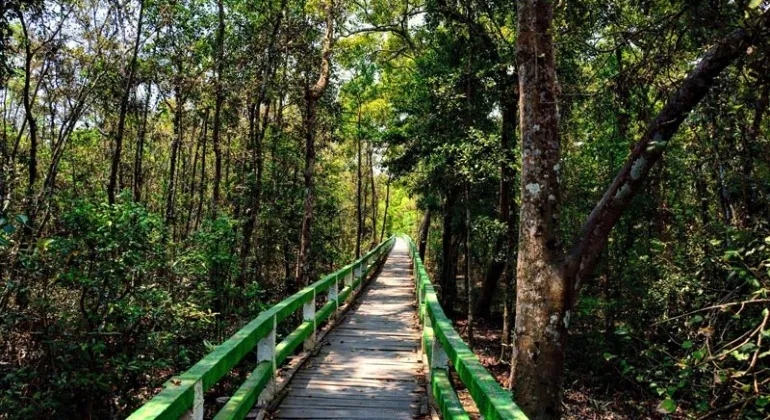
The Kotka area is known for its forest observation facilities, including a watchtower that was historically used by tourists to view the surrounding vegetation and wildlife habitat. As per the current government access rules, guided walks may include specific forest trails, observation posts or the Jamtola coastal area. Facilities may be affected due to maintenance, environmental damage or temporary restrictions, so it should not be assumed that the opportunity to visit the watchtower will be available without confirmation.

Combining a trip to Kotka with other places in the Sundarbans makes the diversity of natural scenery particularly enjoyable. Tourists interested in observing remote forestscan also explore hiron Point, another important destination associated with the mangrove ecosystem.


Best things to do at Kotka Beach

The main focus of Kotka's activities is getting close to nature, responsibly observing wildlife, and exploring the surrounding Sundarbans via authorized boats and guided trails.

  • Explore the natural coastline: Walk along a designated section of beach with an authorized guide and notice where the forest meets the Bay of Bengal.
  • Enjoy wildlife photography: Take photos of deer, birds, coastal plants, and other wildlife from safe observation points without disturbing the animals.
  • Take a guided mangrove tour: Learn how mangrove roots, tidal waters, and salinity affect the forest ecosystem.
  • Visit observation posts: Include watchtowers or designated observation areas in the park, when they are officially open for entry.
  • Explore the waterways by boat: Experience the narrow creeks and wide canals of the Sundarbans, which make it a unique river-based destination.
  • Monitor coastal changes: From a designated safe location, examine tidal patterns, exposed roots, natural sediment formation, and the effects of coastal erosion.
  • Enjoy quiet nature observation: listen to the birdsong, watch the movement of the tidal waters, and appreciate the relative solitude of this protected landscape.

Important: Swimming, sea bathing and recreational water sports should not be considered safe or permitted activities in Kotka. Entering the water is risky due to dangerous currents, variable depths, potentially unstable sediments and crocodile habitat. Follow the instructions of the Forest Department and the instructions of authorized guides.


Ticket prices, entry rules and permits

Kotka Beach is not a beach that is freely accessible to the public. It is located within the Sundarbans reserve, where government approvals, conservation regulations, and entry fees for visitors apply. There is no separate commercial beach ticket, as is usually the case with amusement park entrance tickets; the relevant entry fee applies to entry into the reserve forest and sanctuary.

Estimated forest entry fee

Published fee information varies by source and date. The following amounts are for planning purposes only and are not verified government tariffs as of October 2026.

Inspectorate Department Previously published daily fee Alternative published sanctuary fees
Bangladeshi adult ৳150 ৳300
Bangladeshi student ৳30 ৳50
Foreign adult ৳1,500 ৳3,000

The United News of Bangladesh published the first fee list in September 2024. The recently released Sundarbans Tourist Policy Guidelines mention the amount of alternative fees. Different charges may apply depending on the category of tourist, location, tax regime and revised rules of the Forest Department. Additional VAT, boat permit, guide, forest guard and other charges may apply. Travelers should confirm the applicable government fees before making payment.

Permit and booking requirements

  • Before entering the protected sanctuary, obtain the necessary permission through the approved process of the Forest Department.
  • Take the help of a reputable and properly licensed Sundarbans tour operator or arrange a legal private boat with the necessary guide and security personnel.
  • Make sure the package price quoted includes forest entry fees, permits, guide fees, meals, accommodation, and boat transport.
  • Carry your identity card and necessary documents for passenger registration or permit verification.
  • Follow designated landing areas, approved inspection routes, and instructions from forest department staff.
  • Do not collect plants, snail shells, wildlife, eggs, wood or other natural materials, and do not feed animals or litter.

Seasonal access restrictions

The Sundarbans was closed to tourism from 1 June to 31 August 2026 under a three-month conservation restriction and reopened on 1 September 2026. Similar seasonal restrictions have been imposed in previous years. Additional temporary restrictions may be imposed due to conservation needs, cyclones, navigation conditions or government safety guidelines. Therefore, the entry of any visitor to Kotka is not dependent on the daily schedule of the beach, but rather on the current permission and operational situation of the Forest Department.


How to reach

Kotka beach is mainly accessible by water. There is no conventional road directly to the beach and tourists cannot reach it by regular bus, train, motorcycle or car. The most convenient way is to go from Dhaka or any other city to Khulna or Mongla, and then board an authorized Sundarbans tourist ship that includes Kotka on its itinerary.

Step 1: Travel from Dhaka to Khulna by bus

Intercity buses connect Dhaka to Khulna via the South-Western Road Corridor and the Padma Bridge. The journey usually takes about 5-8 hours, depending on the operator, destination, traffic, and road conditions. For initial budgeting, regular and air-conditioned intercity services can cost an estimated Tk 700-1,800 or more per person. These are estimated transportation allowances, not verified current fares from the operator.

Upon arrival in Khulna, contact the tour operator to find out where to board the scheduled boat. Some tours depart from the Rupsha River area or other authorized river terminals, while others require a trip to Mongla.

Step 2: Travel from Dhaka to Khulna by train

Rail travel is another option to reach Khulna. Check the current Bangladesh Railway timetable for direct services between Dhaka and Khulna, which also includes the Sundarbans Express or Chitra Express if scheduled. Journey times are usually around 8-10 hours, but this can vary depending on changes in services, routes and timetables.

Train fares depend on the seating class and the current railway tariff. As a general plan, budget approximately 500–1500 taka or more per person, then check the actual fare with Bangladesh Railways before booking. Arrange a rickshaw, autorickshaw or rented car to travel from Khulna Railway Station to the tour operator's designated meeting point.

Step 3: Travel by air

Travelers who prefer to travel by air can check for scheduled services at Jessore Airport, the nearest established commercial airport in the greater Khulna region. Flight availability varies. You can travel from Jessore to Khulna by road, which usually takes about 1-2 hours, depending on traffic and destination.

The cost of traveling by road depends on the type of vehicle and bargaining. A private vehicle for the long journey from the airport to Khulna can cost around 2,000–4,500 ganna or more, while shared ground transport can be considerably cheaper. Be sure to check the cost with the local transport company before you start your journey.

Step 4: Reach any authorized boarding point in Mongla or Sundarbans.

Mongla is one of the main gateways for organized Sundarbans cruises. It usually takes about one and a half to two and a half hours to reach Mongla by road from central Khulna, depending on the chosen route, traffic congestion, and vehicles. Shared transport can cost around 100 to 300 taka per person as an initial allowance. Reserved vehicles can cost much more than this.

Short distance rickshaw or battery-powered autorickshaw fares within Khulna can be estimated at Tk 50-200, while CNG autorickshaw or reserved vehicle fares vary depending on distance and availability. These estimated fares should not be considered as fixed or regulated fares.

Step 5: Continue your journey towards Kotka by authorized boat or launch.

Join a licensed tourist launch, motor vessel or chartered boat from Mongla or any authorized river departure point to the Sundarbans. The boatmen navigate the river and canals to Kotka Forest Station and its surrounding coastal attractions. The distance, route and travel time depend on the tides, water level, boat speed, departure point and scheduled breaks.

Plan a multi-day expedition: Kotka is a remote forested destination, not an easy short trip from Khulna city. A more realistic way to visit Kotka is usually a 2-night, 3-day or longer Sundarbans cruise, with overnight stays on board. Some itineraries require additional travel time or have different disembarkation arrangements.

Alternative exit route

Some operators offer trips via Morelganj, Sharankhola or other approved waterways in the greater Sundarbans region. These options require advance confirmation, as navigational qualifications, permits, vessel availability and itineraries vary.

Important place for planning

  • Khulna City: The main regional transport and accommodation hub, with connections to the Sundarbans departure terminals.
  • Rupsha River: A major waterway connected to Khulna and an important landmark for river travel.
  • Mongla Port: The recognized departure area for vessels traveling to the Sundarbans.
  • Kotka Forest Station: An important operational center near the protected coastal destination.
  • Jamtala Beach and Kotka Observation Area: These are two common natural attractions that require government permission to enter.

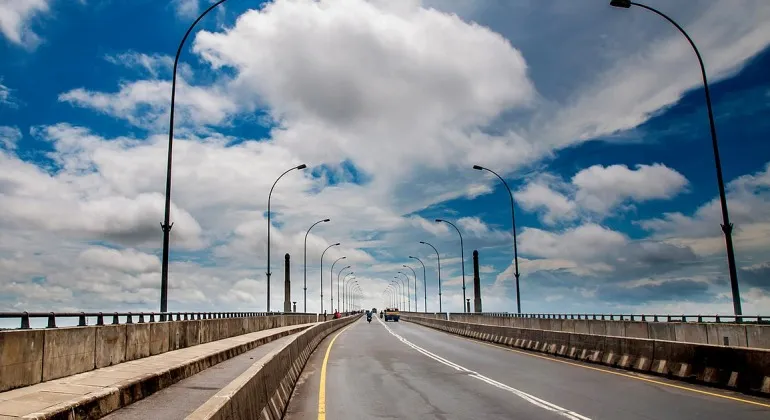
Visitors starting their journey from Khulna can also visit the khan Jahan Ali Bridge before or after their forest expedition. The bridge is a convenient landmark in the Khulna area, but it should not be confused with the direct road connection to Kotka.

Where to eat

There are no reliable conventional restaurants directly on Kotka Beach. This attraction is located in a remote protected forest environment, so visitors should make their own food arrangements through their tour operator before setting off. Most established multi-day Sundarbans packages include meals on board the tourist ship.

Food on the Sundarbans tour boat

Tour boats usually have freshly prepared Bangladeshi food available, depending on the operator and package category. The menu may include rice, pulses, a variety of vegetables, fish, chicken, eggs and seasonal fruits. Tea, biscuits and light snacks may also be included. The quality of the menu, drinking water facilities and availability of special diets should be confirmed in advance.

Food options in Khulna and Mongla

Before entering the forest, travelers can find restaurants, tea shops, and local food stalls in Khulna city and Mongla. Khulna has a variety of Bangladeshi cuisine and traditional food options. Near the port area, there is a convenient facility to buy necessary food and supplies before the journey to Mongla.

Food and drinking water advice

  • Before paying for the package, confirm the number of breakfasts, lunches, dinners, and snacks included.
  • Inform the operator about any vegetarian requirements, food allergies, or other dietary restrictions.
  • Carry sufficient safe drinking water on board or ensure a reliable supply of clean water.
  • Bring personal food with a lid if necessary, but never feed wildlife.
  • Keep food leftovers safe and ensure all trash is returned to the ship for proper disposal.

Don't expect to find beach hawkers, cafes, or shops once you enter the sanctuary. Visitors who want to eat at a conventional restaurant should plan their meals in Khulna or Mongla before boarding the ship or upon returning from the jungle.


Where to stay?

Accommodation in Kotka is quite different from the typical seaside resorts. There are no established government beach resorts or readily available independent hotels directly on the beach. Most tourists visit Kotka as part of an approved overnight boat trip to the Sundarbans.

Overnight stay on a tourist ship

Staying on a tourist launch is usually the most practical option for a trip to Kotka. Depending on the operator and type of ship, accommodation may include shared cabins, private cabins, en-suite bathrooms, dining areas and basic onboard facilities. The quality of bedding, sanitation, ventilation, electricity and emergency equipment can vary widely.

Before booking, make sure to check the correct cabin type, passenger capacity, drinking water facilities, life jackets, trained staff, emergency procedures, mobile network limitations, and whether the boat will anchor at an approved location for overnight stays.

Forest Department Housing

Historically, there are forest department facilities in various parts of the Sundarbans, including the greater Kotka area. These are not typical tourist hotels where you can just walk in and stay. Access, booking eligibility, maintenance status and permit requirements should be checked directly with the relevant authorities. Travellers should not rely on such accommodation without written confirmation.

Hotels in Khulna city

Khulna is a good place to stay for a night before or after a cruise. The city has a variety of budget, mid-range, and upscale hotels, as well as restaurants, markets, and easy access to intercity transportation.

Accommodation in Mongla

Mongla is another possible overnight stop for passengers whose ships are leaving the port. Accommodation is limited compared to Khulna, but staying there can reduce the need to travel by road early in the morning on the day of departure.

Practical advice: Tourists who primarily visit Kotka to enjoy the wildlife and coastal scenery should opt for a reliable two- or three-night Sundarbans boat tour rather than trying to arrange separate accommodation on the beach. Make sure the tour specifically includes Kotka, as not all Sundarbans tours go deep enough into the jungle to reach Kotka.


Visitor safety and responsible tourism

Kotka is a protected wilderness area, where responsible behavior and government guidance are essential. Its natural beauty should be enjoyed without damaging the forest, damaging the coastline, or exposing visitors to unnecessary risks.

Safety precautions

  • Never travel alone: ​​stay with an authorized guide and follow the instructions of the forest department.
  • Avoid swimming: Water entry is unsafe due to dangerous tidal currents, soft sediment, underwater hazards, and the presence of crocodiles in the estuary.
  • Keep your distance from wildlife: Do not approach deer, monkeys, crocodiles, or any other wildlife to take pictures.
  • Use approved walking paths: Avoid entering dense vegetation, unstable mudflats, or unauthorized forest paths.
  • Dress appropriately: Lightweight long-sleeved clothing, comfortable walking shoes, and a protective hat can make outdoor adventures more realistic.
  • Prepare for insects: Carry appropriate insect repellent and personal essentials.
  • Carry first aid supplies: Immediate medical care is limited in remote areas of the forest.
  • Follow boating safety rules: use life jackets as needed, follow crew instructions, and stay within the designated areas while boating.
  • Follow government restrictions: Never attempt to enter during conservation restrictions or when authorities suspend tourism activities.

Environmental responsibility

The Sundarbans is an internationally important ecosystem, and even minor disturbance from visitors can affect wildlife and fragile coastal habitats. Avoid playing loud music, shining unnecessary lights at animals, collecting single-use plastic waste, picking plants, and disturbing their nests or feeding areas.

Choose operators that adhere to conservation regulations and prioritize tourism that is safe and has a low impact on the environment. The purpose of a trip to Kotka should be to enjoy its wild landscape without altering or damaging it.


Suggested itinerary for Kotka and Sundarbans tour

A well-organized multi-day trip makes it easy to enjoy Kotka without rushing through the waterways or attempting unsafe independent travel. The following three-day outline is an illustrative one; the actual sequence of stops, arrival times, and landing permits depend on the operator, tides, and government regulations.

Day 1: Khulna or Mongla to Sundarbans

Upon arrival at the designated boarding terminal, complete passenger formalities and begin your authorized forest tour. Enjoy the river views and the beauty of the mangroves as you travel deep into the Sundarbans. Some itineraries may include a stop at an authorized nature-tourism center before heading to your overnight anchorage.

Day 2: Kotka Forest and Coastal Experience

Explore the Kotka area with an authorized guide, as per the approved route and tidal schedule. Possible activities include coastal observation, bird watching, wildlife photography, guided forest walks and visits to any of the observation posts with facilities. Spend some time enjoying the beauty of the confluence of the mangrove forest and the Bay of Bengal before returning to the ship.

Day Three: Return Journey

Proceed along the designated waterway and enjoy more wildlife or scenic views where permitted. Return to the designated landing point, then transfer to Khulna, Mongla or the next intercity transport.

Planning Note: A three-day trip does not guarantee that all attractions will be covered and some Kotka-centric routes may take longer. Before finalizing your travel plans, make sure to check the operator's written itinerary, departure and return points, forest department permits, accommodation arrangements, and emergency policy.


Nearby attractions

Kotka Beach is part of a larger landscape of mangrove forests, coastal waterways, and culturally significant sites that extend across the Khulna region. Some destinations can be included in an extended approved Sundarbans expedition, while others are best visited as separate excursions before or after a forest tour.

  • Sundarbans : The extraordinary mangrove ecosystem surrounding Kotka, renowned for its waterways, wildlife, biodiversity and conservation importance, provides the most natural backdrop for a Kotka tour.
  • Hiron Point Khulna : A remote forest tourist destination for wildlife viewing and mangrove exploration. Access requires a suitable watercraft and government entry permit, and is not a short overland journey from Kotka.
  • Karamjal Sundarbans : An easily accessible forest tourist destination near Mongla, known for its nature trails and wildlife-related visitor facilities. It is especially suitable for travelers who want to get a basic experience of the Sundarbans, although it should not be confused with the more in-depth experience of the Kotka Sanctuary.
  • Bangabandhu Char, Bangabandhu Island, Khulna (Bangabandhu Char Bangabandhu Island Khulna) : An attractive coastal island destination for tourists visiting the greater southwestern coastal region. Travel arrangements and government restrictions should be checked separately.
  • Putney Island, Khulna : A less developed coastal area known for its natural island scenery and estuary. Traveling here requires separate route planning and checking local access conditions.
  • khan Jahan Ali Bridge, Khulna : A notable bridge located over the Rupsa River and a must-see for travelers staying in Khulna before departing for the Sundarbans.
  • Khulna Divisional Museum : A cultural attraction where visitors can learn about regional history and heritage, a valuable addition to a Khulna city tour itinerary.
  • Rabindranath's In-Laws' House : A heritage site associated with the family history of Nobel laureate Rabindranath Tagore, it is of interest to travelers interested in the literary heritage of Bengal.
  • Hadith Park Khulna : An urban recreation center suitable for a comfortable walk while staying in Khulna city.
  • Bhutia Padma Lake Khulna : A nature-centric destination known for its seasonal aquatic scenery, which is suitable for a separate local tour.
  • Ruhul Amin Cemetery, Khulna : A historical monument that can complement a larger cultural tour of the district.

Recommended Combination: Prioritize the Sundarbans and an approved Kotka itinerary for wildlife and coastal views , and consider a trip to Hiran Point only if the waterways and permits are favorable. (Heron Point Khulna) Choose Karamjal Sundarbans for a brief introduction to mangrove tourism. With extra time in the city, travelers can visit the Khulna Divisional Museum and khan Jahan Ali Bridge .

Frequently Asked Questions (FAQ)

Kotka Beach is located in the southeastern part of the Sundarbans, near the Bay of Bengal, in southwestern Bangladesh. It is connected to the Kotka Forest Station and the Sundarbans East Wildlife Sanctuary. According to published geographical information, the beach is located at approximately 21.85428° North, 89.7721627° East, although the exact URL on Google Maps has not been independently verified. Kotka is approximately 90 km from Mongla Port according to the generally stated geographical distance, but the actual waterway may be longer. The beach can be reached by authorized boat trips rather than by direct road. For more information about the surrounding protected forest, see Explore Sundarbans .

Explore The Area

Top Attractions & Places to Visit in Khulna

Discover more heritage, nature, and must-visit spots across Khulna.

View all in Khulna

Complete travel guide to Rabindranath's in-laws' house – Dakshinindihi Rabindra Complex in Khulna

Rabindranath's In-Laws, also known as the Dakshinindihi Rabindra Complex or Rabindranath Tagore's In-Laws , is one of th...

Shafayet Al-Anik

Heron Point Khulna

Hiron Point, also known as Nilkamal, is a remote wildlife destination in the Sundarbans, Bangladesh, located on the shor...

Shafayet Al-Anik

Khulna Hadith Park – Complete Travel Guide to Shaheed Hadith Park

Khulna Hadith Park, officially known as Shaheed Hadith Park , is one of the oldest and historically significant public p...

Shafayet Al-Anik

Karamjal Sundarbans

Karamjal Sundarbans , also known as Karamjal Ecotourism Center or Karamjal Wildlife Breeding Center, is one of the easie...

Shafayet Al-Anik

Khulna Divisional Museum

Discover the archaeological treasures and cultural history of southwestern Bangladesh at the Khulna Divisional Museum, o...

Shafayet Al-Anik

Ruhul Amin Cemetery Khulna

Khulna Ruhul Amin Cemetery, also known as the Bir Shrestha Ruhul Amin Complex , is an important memorial located in Khul...

Shafayet Al-Anik

Sundarbans

The Sundarbans in Khulna, Bangladesh, is one of the most extraordinary natural destinations in South Asia and part of th...

Shafayet Al-Anik

Bangabandhu's Char Bangabandhu Island Khulna

Bangabandhu Island, also known geographically as Putney Island or Khulna Island, is a remote coastal area located in the...

Shafayet Al-Anik

Bhutia Padma Lake Khulna

Bhutia Padma Lake, commonly known as Bhutia Padma Beel or Bhutia Padma Beel, is a beautiful natural wetland located in T...

Shafayet Al-Anik

Khan Jahan Ali Bridge Khulna

Khan Jahan Ali Bridge, popularly known as Rupsha Bridge, is one of the most well-known landmarks in Khulna, Bangladesh. ...

Shafayet Al-Anik

Putney Island Khulna

Putni Island, also known as Putni Dwip, Putni Dwip and Dwipchar, is a remote coastal destination in the Sundarbans regio...

Shafayet Al-Anik

logo ColoZai

ColoZai is a trusted travel guide and destination explorer platform in Bangladesh. We are making travel simple, authentic, and accessible for everyone.

Need Help ?

We are Always here for you! Knock us on Whatsapp (10AM - 10PM) or Email us.