Kortia Zamindar House, Tangail - History, Architecture, Entry Fees and Complete Travel Guide

Kortia Zamindar House, Tangail - History, Architecture, Entry Fees and Complete Travel Guide

Tangail
·

19 October 2026

Travel Overview & Quick Facts

Location
Tangail
Admission / Entry Fee
No specific entry ticket price has been published for Karatia Zamindar House. Entry is generally considered free when the estate is open to visitors, but this historic property is privately owned and its main gate is usually locked. Permission may be required to enter the premises. Historically, visitors have been allowed entry on certain dates of the Bengali calendar, such as the 1st and 12th of Baishakh and during Eid celebrations, although these arrangements are not guaranteed. Confirm entry locally before traveling. There are no verified separate fees available for photography or guides.
Best Time to Visit
October to March, subject to visitor access and special opening dates.
Opening Hours
There are no set regular opening hours for the public. The main gate is usually closed; limited access may be allowed on certain festival days with prior permission.
Category / Type
Historical monuments, Zamindar palaces, architectural heritage, cultural heritage sites

Introduction to Kortia Zamindar House, Tangail - History, Architecture, Entry Fees and Complete Travel Guide

Karatia Zamindar Bari, also known as Karatia Zamindar Bari, Karatia Rajbari or Karatia Rajbari , is a historic zamindar estate in Tangail District, Bangladesh. Located in Karatia near the Putia River, about 8–10 km from central Tangail, this remarkable heritage complex preserves the architectural heritage of the influential Panni Zamindar family. Its old buildings, ornate verandas, ornate arches, historic mosques, courtyards and ponds provide a fascinating glimpse into the aristocratic culture of 19th and early 20th century Bengal.

Unlike a traditional tourist palace, Karatia Zamindar Bari is closely connected to a private family estate. Its main entrance is known to be often closed to general visitors, so advance confirmation for entry is particularly important. Nevertheless, its architectural significance and its connection to the renowned Zamindar Wazed Ali Khan Panni continue to attract historians, architecture lovers, heritage photographers, and travelers exploring the cultural identity of Tangail.

The estate is part of a significant network of historic sites spread across Tangail. Tourists interested in the zamindari heritage of Bengal can compare its architectural style with that of the Mohera Zamindar Bari , the Pakutia Zamindar House and the Dhanbari Nawab Manzil . Each represents a different chapter in the district's landlord aristocracy, architecture and cultural history.

Important information for visitors: Do not confuse Karatia Zamindar Bari with Mohera Zamindar Bari or other palaces open to the public. Its buildings are not operated as a conventional museum, with guaranteed daily admission. The exact location URL on Google Maps, current Google rating, number of reviews, and Google-verified opening hours could not be independently verified, so these metadata fields have been intentionally left unverified, rather than filled with fabricated information.
History of the Kortia Zamindar House

The history of Karatia Zamindar House is closely linked to the Panni Zamindar family , whose influence extended to various parts of the Tangail region for several generations. According to historical accounts recorded in Banglapedia, Bayezid Khan Panni settled in Karatia in the early 17th century. Over time, the family built up an important landed estate that came to be known as the Karatia Zamindari.

Rise of the Panni Zamindars

In the 19th century, Sadat Ali Khan became an important figure in the history of the family. Historical records record complex property disputes between the zamindari and Khwaja Alimullah of Dhaka. The settlement of these disputes later included arrangements for the maintenance of family expenses and religious or charitable donations. This sequence of events illustrates how land ownership, inheritance, legal contracts, and philanthropic work shaped the economic and social position of the influential zamindari families of Bengal.

Wazed Ali Khan Panni and the modern palace

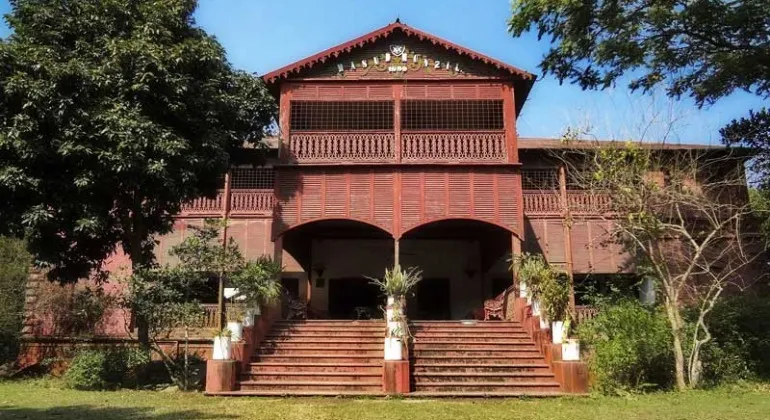
The architectural development most closely associated with the surviving estate took place in the late 19th and early 20th centuries. Wazed Ali Khan Panni, also known as Wajid Ali Khan Panni and popularly remembered as Chand Mia, was one of the most prominent members of the family. According to published historical accounts, the main structures of the palace are associated with the construction phases of 1899 and 1906. The 1906 phase is particularly associated with Wazed Ali Khan Panni.

Wazed Ali Khan Panni was also recognized for his contributions to education and public life. In the 1920s, he helped establish the institution in Karatia that later became the Government Sadat College. There is some disagreement among various sources about the exact year of its establishment, but it is generally given as 1925 or 1926. His involvement in anti-colonial politics and patronage of education made him an important figure beyond the boundaries of the estate.

From zamindari residence to endangered heritage

The political and administrative changes of the 20th century led to the decline of the traditional zamindari system. The historic buildings of Cartier gradually lost much of their former institutional role, although the estate maintained its connection with the descendants of the Ponni family. Over time, weathering, inadequate maintenance, and changing patterns of occupancy damaged various parts of this historic architecture.

Today, the Karatia Zamindar House is better understood as a surviving architectural monument of the region's landed gentry rather than a restored public museum. Its significance lies not only in the size and decoration of the buildings, but also in its importance in the larger history of Tangail's education, philanthropy, political activity, and rural society.


Architecture and important structures

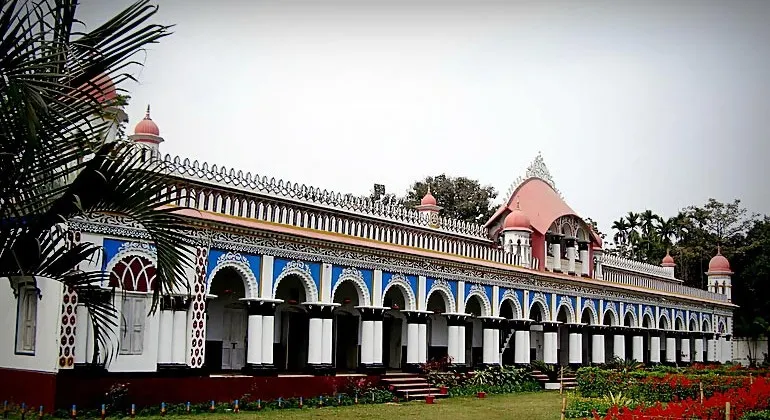
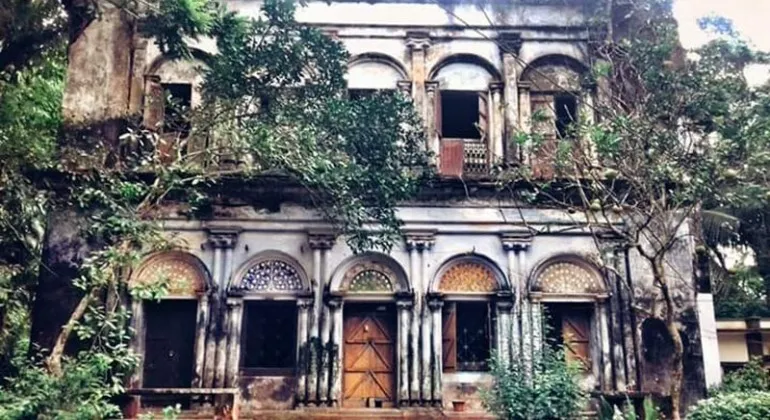
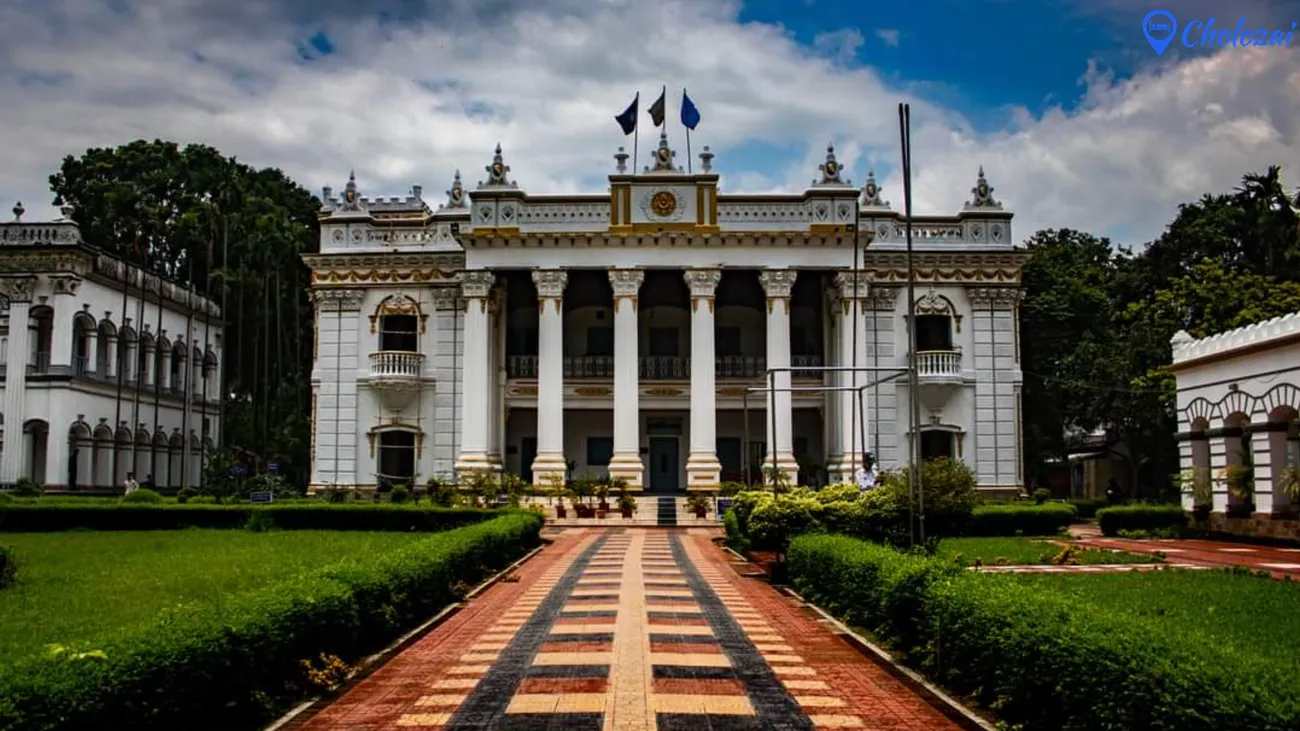
The Karatia Zamindar Bari is particularly interesting because its architecture does not follow a single style but rather combines different design traditions. It features elements of Mughal and Islamic architecture, as well as neo-classical forms, colonial-era construction, and decorative influences often described as Chinese. The result is a distinctive estate that reflects the tastes, wealth, and cultural connections of the Bengali landed aristocracy.

Rokeya Mahal

Rokeya Mahal is one of the most well-known buildings associated with the Karatia Estate. Historical accounts emphasize its Islamic and Mughal-inspired architectural features. The ornate arches, well-proportioned facades, traditional verandas, and carefully arranged structural details reflect the sophisticated residential architecture of the zamindari period. Where access is permitted, a close examination of the masonry, proportions, and decorative features reveals how regional building traditions were adapted to the domestic life of the elite.

Meeting room

The sitting room or meeting house is another important part of the estate. It is often described as a combination of Chinese-inspired decorative elements with neo-classical architectural influences. Historically, such a building served the social and administrative needs of a prominent family and provided a formal setting for meetings, discussions, and entertaining guests.

Dawood Mahal and the smaller division of the estate

Another structure associated with this larger complex is the Dawood Mahal, which in local parlance is associated with the smaller wing or estate. Its relationship with the surrounding pond and historic courtyard further enhances the architectural diversity of the Cartier. As the complex consists of a variety of privately controlled areas, visitors should not assume that they can freely approach or photograph every building.

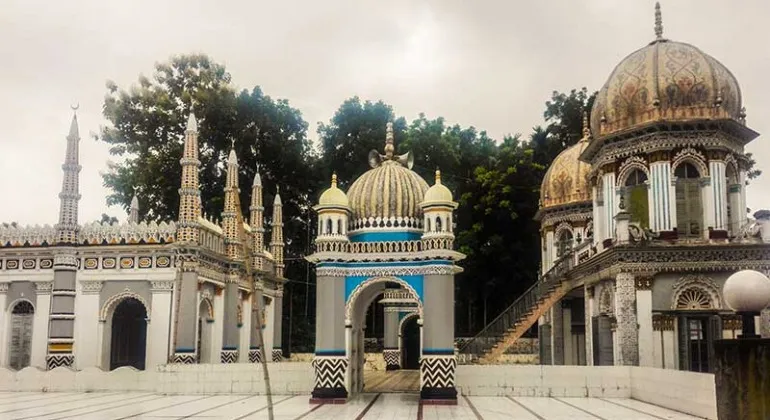
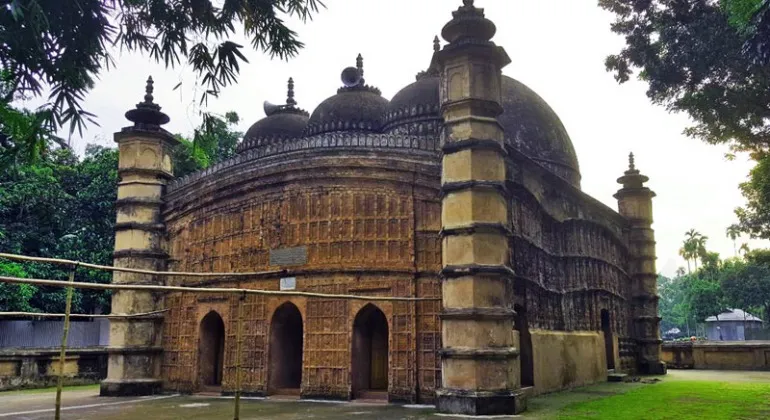
Historic eight-domed mosque

Near the Zamindar buildings is a historic mosque, well known in travelogues for its remarkable arrangement of eight domes. The domes are described as arranged in two rows: five small domes in one row and three in the other, of which the middle dome in the second row is the largest. Local accounts also mention a minaret about 15 feet high and an old staircase.

The mosque highlights the religious and charitable aspects of the zamindar estate. The exact date of its construction is not reliably established in the available visitor information, so no unfounded year should be assigned. Visitors should observe the customary etiquette of the mosque, dress modestly, refrain from disturbing prayers, and seek permission before taking photographs of worshippers or entering the reserved areas.

Courtyard, pond and estate landscape

Published accounts mention a vast walled compound with several historic buildings, ponds, wells and landscaped open spaces. Some travelogues estimate the approximate size of this historic estate compound to be 1,000 metres by 500 metres, although this should be considered a descriptive estimate rather than a modern land survey. The ponds and courtyards are integral to understanding how a traditional landlord's residence functioned as a self-contained social and administrative environment.

Deteriorated plaster, exposed brickwork, old timbers and plants add to the attractive character of the site. However, older architecture may have shaky floors, weak stairs or damaged structural elements. Visitors must remain in designated areas and should not enter dilapidated or locked buildings without authorized supervision.


What to see and what to do

A tour of the Kortia Zamindar Bari is primarily a means of experiencing the heritage and architecture. It is not an amusement park or a commercial entertainment center. The quality and scope of any tour depends largely on whether the property's caretakers allow entry into this historic complex.

  • Admire the historic architecture: Observe the contrasting architectural features of the estate's main buildings from a location with public access.
  • Explore the history of the Panni family: Learn how landownership, philanthropy, education, and politics shaped the family's influence in Tangail.
  • Visit the historic mosque: Where access is available, admire its distinctive domed architecture while respecting its religious functions.
  • Practice heritage photography: Take photos of permitted exterior views, architecture, entrances, and surrounding landscapes without entering private residential areas.
  • Get up close to the local community: explore Karatia's traditional settlements, roadside markets, and everyday cultural atmosphere.
  • Learn about educational heritage: Visit the area around Government Sadat College, historically associated with Wazed Ali Khan Panni, following the campus entry rules.

Photography recommendations

Morning and late afternoon light can be particularly useful for capturing historic architectural facades, ornamental details, and contrasts between architecture and vegetation. A basic smartphone camera is sufficient for general travel photography, but a wide-angle lens can help capture higher elevations if space permits are available. Professional shooting, drones, and commercial filming should only be undertaken after obtaining the necessary property permits and complying with applicable regulations.

How much time should visitors allow?

Allow about 30-60 minutes for the accessible outer perimeter and nearby heritage sites . It may be possible to tour for longer if additional buildings are allowed access. Do not plan to spend the entire day inside the palace, as access is not reliable. Tourists planning a larger heritage tour can combine the Korat with Atia Mosque and other attractions in Tangail.


Entrance fees, opening hours and visitor regulations

There is no reliably documented commercial ticketing system or verified daily schedule for public visits to the Karatia Zamindar House. Multiple travel sources indicate that the main gate is usually locked and that unrestricted access to the palace grounds is not permitted. This is the most important practical consideration for those planning a special trip to this place.

Visitor information Current guidelines
General admission fee There is no published general admission price; visits are generally considered free if entry is permitted.
Regular opening hours There is no verified daily public schedule.
The main entrance to the palace Usually restricted or locked according to published visitor details.
Special access date Historically, it has been reported on certain dates in the month of Baishakh and during the two Eid festivals; it is necessary to verify in advance.
Photography Subject to permission, confidentiality and any local restrictions.
Guided tour There is no standard institutional tour service or fixed guide price that has been independently verified.
Recommended visit duration Where accessible, approximately 30-60 minutes.

Are there any special open days for the public?

Several historical travelogues indicate that the site was occasionally open to visitors on the 1st and 12th of the Bengali calendar month of Baishakh , and on special days such as Eid-ul-Fitr and Eid-ul-Adha. Other accounts state that it was open for longer periods during the first twelve days of Baishakh. These are accounts of past activity, not confirmed current practices. Visitors should never assume that the gates will be open on those dates without speaking to the estate's designated representatives.

Essential etiquette for visitors

  • Seek permission before entering a walled compound or any residential building.
  • Do not climb walls, force gates open, or enter property through unauthorized entrances.
  • Respect the privacy of residents, caregivers, and neighboring families.
  • Wear modest clothing when visiting historic mosques.
  • Avoid touching fragile decorative parts, damaged masonry, and shaky wooden structures.
  • Do not litter, mark walls, or remove historical objects.
  • Ask before using a drone, tripod, or professional photography equipment.

Travel planning advice: Since limited access may hinder visits to the inner palace, consider the Koratia as part of a larger Tangail heritage tour of your journey, rather than relying solely on guaranteed entry to the palace.


How to reach

Karatia Zamindar Bari is located in Karatia, Tangail Sadar Upazila, Tangail District, Bangladesh . It is accessible by road from Dhaka and Tangail cities, and rail passengers can use Tangail Railway Station to complete their journey by local transport. Notable local landmarks here include Karatia Bazar, Karatia Bus Stop, Government Sadat College, and the historic Karatia Mosque.

By bus from Dhaka

  1. Travel to Mohakhali Inter-District Bus Terminal in Dhaka.
  2. Choose a bus to Tangail. Historically, operators serving this corridor include Nirala, Jhotika, and Dhaleshwari, but you should check service and departure arrangements before traveling.
  3. Ask the conductor if the bus stops at Karatia, or at the nearest suitable stop on the Dhaka-Tangail highway. Not all bus services use the exact same stoppages.
  4. Get off at the designated Koratia stop and hire a local rickshaw, battery-powered autorickshaw, or CNG car to head towards the Koratia Zamindar House.
  5. Ask about the old Zamindar estate near Government Sadat College and confirm the destination with the driver.

The journey from Dhaka by road usually takes around 2.5–4 hours, depending on traffic, departure point, road conditions and stopover arrangements . Budget approximately 200–350 taka per person for a typical intercity bus , this is not a guaranteed fare. Historical area information may mention lower prices, but these figures should not be relied upon as current ticket prices.

By train from Dhaka

  1. Start from Kamalapur Railway Station in Dhaka or any other station in Dhaka that offers suitable train services.
  2. For trains that stop at Tangail Railway Station, see the current Bangladesh Railway timetable. Some northern services use a different stoppage pattern.
  3. Purchase tickets of the appropriate class from authorized railway sales outlets.
  4. Rent a CNG, autorickshaw, or any other local vehicle to go to Karatia from Tangail Station.
  5. Proceed to Karatia Bazar or Government Sadat College area and look for Zamindar Estate.

The price of train tickets varies by train and class. It may be convenient to have a budget of around 150-400 taka or more, but you must check the actual fare for the selected train. Allow extra time for the road journey from the railway station.

From Tangail District Headquarters

From central Tangail, head towards Kortia via local roads. It is generally said that this area is located about 8-10 kilometers from the main city , although the exact distance depends on the starting point and the route chosen. Shared auto-rickshaws, reserved CNG-powered vehicles, and private cars are convenient options for travel.

To give an approximate idea of ​​the local budget, shared transport can cost around 20-60 taka per person, whereas a reserved short-distance autorickshaw or CNG ride can cost around 150-350 taka or more depending on the pickup location, route, waiting time and bargaining . A short-distance rickshaw ride from the nearest Koratia stop can cost around 20-80 taka. These fares are approximate, not verified or regulated.

By private car or rented microbus

Families or large groups can hire a private car or microbus from Dhaka or Tangail. From Dhaka, proceed along the main road towards Tangail and turn towards Karatia as per the locally confirmed directions. Private vehicles offer the flexibility to visit multiple historical sites in a day. The total rental cost depends on the size of the vehicle, fuel arrangements, tolls, waiting time and distance covered, so get a detailed cost estimate before you start your journey.

By air

There is no regular commercial airport in Tangail suitable for this journey. Domestic or international passengers arriving at Hazrat Shahjalal International Airport in Dhaka will have to travel by road or to a suitable railway departure station. There are no effective scheduled flights directly to Karatia.

Local sightseeing and directional tips

  • Karatia Bazaar: A convenient place to explore the historic estate and arrange for onward transportation.
  • Government Sadat College: An important landmark associated with the educational tradition of the Panni family.
  • Historic Karatia Mosque: A heritage site near Zamindar Chattar.
  • Karatia Bus Stop: A convenient stopping point for passengers arriving by suitable road routes.

As map listings and transliterations may vary, search using the names Karatia Zamindar Bari, Karatia Zamindar Bari and Karatia Rajbari when planning your route. Do not rely solely on map markings, but confirm the actual entrance and transportation arrangements with an experienced local person. The Tangail District Administration has published separate GPS references for the estate and the nearby mosque, but an unverified Google Maps Place URL has not been used in place of those coordinates.


Best time to travel

October to March is usually a good time to explore Tangail's historic architecture and visit multiple cultural sites in one day. However, at the Kortia Zamindar House, the most important consideration is not the season, but whether access to this privately owned estate can be arranged.

Morning and late afternoon are the best times to observe and photograph general architecture from approved public spaces, as the sunlight at these times allows the architectural features, arches, and intricate carvings to be clearly visible. Visitors should not consider these special times as official opening hours for photographing.

While historically special access has been linked to specific dates in the Bengali calendar and Eid, such access should be considered conditional. If entry is the primary purpose, ensure the exact dates and necessary arrangements before making transportation or accommodation arrangements.

Weekdays can be convenient for visiting Karatia in conjunction with other historical attractions, while festive periods can see increased interest from locals. Be flexible with prayer activities, private events, and any access restrictions imposed by property managers.


Where to eat

Karatia itself is home to local eateries, tea shops, and small eateries serving everyday Bangladeshi cuisine. Tourists looking for more sit-down restaurants will generally find more options in Tangail town, especially in established commercial areas like Nirala Mor.

Local food and general expenses

Typical meals include rice with fish or chicken curry, lentils, a variety of vegetables, parathas, eggs, and traditional snacks. A typical local meal per person can cost around 100–250 taka, while a better quality meal can cost around 250–600 or more, depending on the restaurant and menu. These amounts are approximate budgets, not guaranteed menu prices.

Paratha, dal or tea with eggs is a convenient option for breakfast before heading to the estate. Rice-based lunches are plentiful at local restaurants in Tangail. Choose a clean and busy place and carry drinking water, especially if you plan to visit several historical sites.

Try the famous burnt house in Tangail

No foodie's trip to Tangail is complete without trying the famous traditional sweet Porabari Chamchom . Made from milk and known for its unique texture and rich flavor, Chamchom is inextricably linked to the culinary identity of Tangail. It is also a popular souvenir for tourists returning to Dhaka.

If you are traveling with children or elderly family members, plan a suitable break for a meal in Tangail town rather than assuming that there are cafes or restaurants for tourists within the Kortia Palace grounds. The existence of any specific restaurants for tourists within this privately owned estate could not be verified.


Where to stay?

Most visitors can visit the easily accessible surroundings of Karatia and return to Dhaka on the same day. Those interested in additional historical sites, natural destinations, or a relaxed district-wide itinerary may prefer to stay overnight in Tangail.

Low and medium budget accommodation in Tangail city

Local residential hotels and guesthouses are available in Tangail city, especially around the central transportation and commercial areas. Low-budget accommodation can start at around 800–1,500 taka per night , while more comfortable accommodation can cost around 1,500–3,500 taka or more, depending on the season, amenities and room type. These are approximate estimates, not verified rents for any specific accommodation.

Before booking, make sure the accommodation has a private bathroom, air conditioning, secure parking, suitable family rooms, reliable check-in facilities, and a convenient location for your planned travel route. Check out recent guest reviews and contact the property directly if possible.

Resort-style accommodation

Those looking for a leisure-focused vacation can consider Elenga Resort as part of a trip to the greater Tangail area. Those traveling to the Jamuna Corridor can also check out jamuna Resort for current operations and booking status.

Another historical and residential destination to explore is Dhanbari Nawab Manzil , which offers a different kind of heritage experience in the Dhanbari area. It is located quite far from Karatia and is best visited as a separate or part of an extended itinerary.

Accommodation Tip: If your main interest is visiting Karatia, Atia Mosque, and nearby zamindars, stay in the center of Tangail. Choose a resort away from the city only if the recreational facilities and nearby attractions are an important part of your trip.


Practical travel tips and recommended itineraries

One-day traditional itinerary from Dhaka

Estimated time Recommended activities
7:00 am Leave Dhaka by bus or private vehicle.
10:00 AM–11:00 AM Arrive at Karatia, secure entry permits, and explore the estate's accessible heritage surroundings.
11:30 AM–1:00 PM Travel to another nearby historical attraction, leaving plenty of time for local road conditions.
1:00 PM–2:00 PM Have lunch in Tangail or at a convenient roadside restaurant.
2:00 PM–4:30 PM Continue your journey to selected heritage sites in Tangail.
From 4:30 PM Start your return journey to Dhaka, keeping traffic congestion in mind.

This schedule is only an example, it does not guarantee access or duration of the tour. Visitors who wish to visit multiple attractions located far apart from each other should allow more time or arrange for overnight stays.

What to carry

  • Comfortable shoes suitable for walking on uneven surfaces.
  • Drinking water and some light snacks.
  • Keep small amounts of cash for rickshaws and local purchases.
  • A charged mobile phone and downloaded navigation information.
  • Appropriate modest clothing for visiting mosques and historic sites.
  • Any prior written permission or contact details provided by the property's caretakers.

Security and accessibility

Historic estate buildings may have uneven ground, steep stairs, dilapidated surfaces or limited access. Wheelchair accessibility and specially designed accessible facilities for visitors have not been verified. Travellers with mobility limitations should check the suitability of accessible routes before visiting. Parents should keep a close eye on children near ponds, old buildings and roads.

Respect private property on the estate and do not attempt unauthorized entry, even if a side road appears accessible. The national emergency number for emergency assistance in Bangladesh is 999. When traveling alone, have a clear return transportation arrangement before leaving the main road.

Responsible heritage tourism

The Kortia Zamindar Bari is a reminder that historic buildings can be subject to neglect and inappropriate visitor behaviour. Please refrain from damaging plaster, writing on walls, collecting broken parts or disturbing residents. Supporting local shops, respecting community customs and providing accurate information on access are simple ways to encourage responsible heritage tourism.


Nearby attractions

While Karatia Zamindar Bari itself is a significant historical site, there are many other places in Tangail district that make a heritage-focused trip even more rewarding. The following destinations offer opportunities to explore Zamindar architecture, century-old mosques, scenic views, and regional culture. Distances and travel times should be checked separately before planning an itinerary for multiple destinations.

Historic palaces and landlord estates

  • Mohera Zamindar Bari : One of the most well-known heritage estates in Tangail, famous for its ornate buildings, gardens, ponds and impressive architecture. Its controlled courtyard offers a different experience from the restricted private courtyards of Karatia.
  • Pakutia Zamindar Bari : A historic Zamindar Bari in the Nagarpur area, notable for its old structure and architectural style. It is particularly interesting for travelers who want to compare different branches of zamindari architecture in Bengal.
  • Dhanbari Nawab Manzil : A prominent aristocratic residence associated with the Nawab family of Dhanbari. Its architecture and political history complete the story of the landlords of Panni.
  • Parir Dalan Hemnagar Rajbari : A notable surviving heritage structure in Hemnagar, known for its old architectural features and distinct local identity.

Historic mosques and spiritual monuments

  • Atiya Mosque : A famous early 17th century mosque located near Delduwar, admired for its ornate brickwork and distinctive architectural heritage, it is one of the best options to add to your Karatia tour.
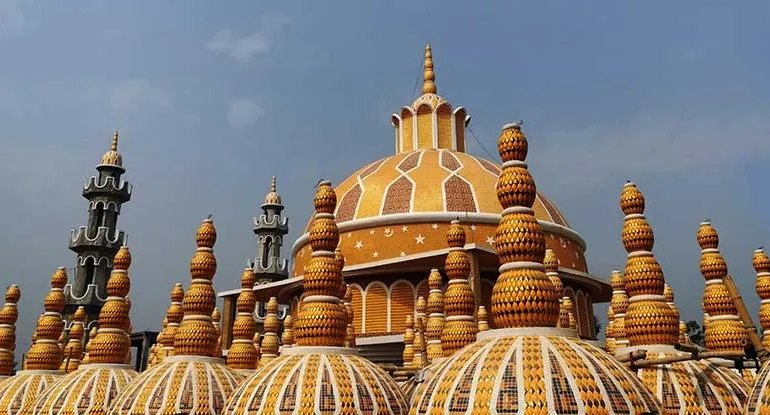
  • 201 Dome Mosque : A remarkable modern mosque complex located in Gopalpur, notable for its large number of domes and monumental architecture.
  • Dhanbari Mosque : An important religious and architectural landmark in the Dhanbari area.
  • Adam Kashmir Shrine : A locally significant spiritual destination for travelers interested in regional religious traditions.

Nature, leisure and regional experiences

  • Elenga Resort : A recreational destination that can complement a cultural trip with a more relaxed setting.
  • Madhupur National Park : One of the well-known natural pilgrimage sites in the district, which is appreciated for its Shalban ecosystem, flora and ecological significance.
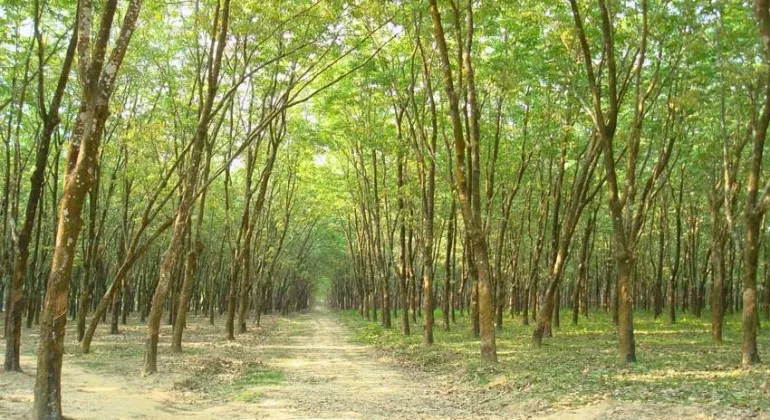
  • Pirgachha Rubber Garden : A rubber garden in the Madhupur region, suitable for travelers interested in rural scenery and an agricultural environment.
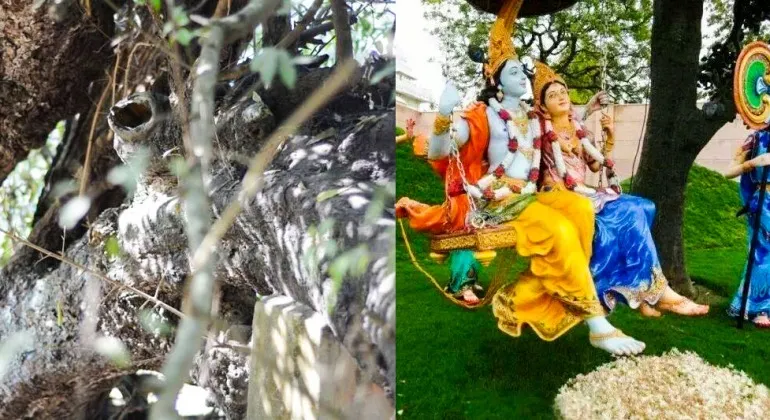
  • Gupta Vrindavan : A culturally significant destination associated with local religious traditions.
  • Jamuna Bangabandhu Bridge : An important structure on the Jamuna River Corridor, which is a major development in Bangladesh's transport infrastructure.
  • Jamuna Resort : A resort attached to the Jamuna Bridge area; check its current operating status before planning to stay here.
  • Porabari Chamchom : A famous culinary tradition of Tangail that adds a delicious local dimension to a heritage-focused day trip.

Recommended Combination: To make a one-day heritage tour of Tangail a reality, prioritize Karatia Zamindar Bari, Atia Mosque, and another easily accessible historical site. With two or more days at hand, travelers can explore the extensive network of palaces, mosques, and natural attractions without rushing through the far reaches of the district.

Frequently Asked Questions (FAQ)

Karatia Zamindar Bari is located in Karatia, Tangail Sadar, Tangail District, Dhaka Division, Bangladesh, near the historic Karatia settlement and the Putia River. It is located approximately 8–10 km from central Tangail, depending on the starting point and route. Government Sadat College, Karatia Bazar, and the Old Karatia Mosque are important local attractions. The estate is also known as Karatia Zamindar Bari or Karatia Rajbari. The permalink to its exact Google Maps location here has not been independently verified, so visitors should confirm access with local residents or estate representatives.

Explore The Area

Top Attractions & Places to Visit in Tangail

Discover more heritage, nature, and must-visit spots across Tangail.

View all in Tangail

Atia Mosque, Tangail – History, Architecture, Location, Entry Fees and Complete Travel Guide

Atia Mosque, also known as Atia Jame Mosque or Atia Mosque , is one of the most notable historical mosques in Tangail Di...

Shafayet Al-Anik

Mohera Zamindar's house

Mohera Zamindar Bari, also known as Mohera Zamindar Bari, Mohera Zamindar Bari or Mahera Zamindar House , is one of the ...

Shafayet Al-Anik

Jamuna Resort Tangail – Location, Entry Fees, Accommodation, Activities and Complete Travel Guide

Jamuna Resort Tangail is a riverside resort located near the eastern entrance of the Jamuna Multipurpose Bridge in Bhuap...

Shafayet Al-Anik

Elenga Resort

Elenga Resort, Tangail , also known as Elenga Resort Limited, is a well-established rural resort and entertainment cente...

Shafayet Al-Anik

Jamuna Bangabandhu Bridge, Tangail, Bangladesh

Jamuna Bangabandhu Bridge, popularly known as Bangabandhu Bridge or Jamuna Bridge, is one of the most important infrastr...

Shafayet Al-Anik

Dhanbari Nawab Manzil Tangail - History, Architecture, Entry Fees and Complete Travel Guide

Dhanbari Nawab Manzil , also known as Dhanbari Nawab Palace, Dhanbari Zamindar Bari or Dhanbari Rajbari, is one of the m...

Shafayet Al-Anik

Munkona Zamindar House Tangail

Munkona Zamindar Bari , also known as Mokna Zamindar Bari, is a historic zamindari site located in Mokna Union, Nagarpur...

Shafayet Al-Anik

Secret Vrindavan Tangail

Hidden amidst the rural landscape of East Tangail, Gupta Vrindavan , also known as Gupta Vrindavan, is a unique religiou...

Shafayet Al-Anik

logo ColoZai

ColoZai is a trusted travel guide and destination explorer platform in Bangladesh. We are making travel simple, authentic, and accessible for everyone.

Need Help ?

We are Always here for you! Knock us on Whatsapp (10AM - 10PM) or Email us.