Kantajeu Temple

Kantajeu Temple

Dinajpur
·

18 October 2026

Travel Overview & Quick Facts

Directions
Location
Dinajpur
Admission / Entry Fee
Entry is generally free for local visitors. Some travel sources suggest that a separate fee may apply for foreign visitors, but no current government fees for international visitors have been verified. Confirm entry requirements with authorities before visiting and bring cash for parking, local transportation, or other incidental expenses.
Best Time to Visit
October to March, especially November during the Ras Mela festival.
Opening Hours
Daily 8:00 AM - 5:00 PM
Google Rating
★ 4.5 (4769 reviews)
Category / Type
Historical monuments, religious heritage sites, terracotta architecture, cultural attractions

Introduction to Kantajeu Temple

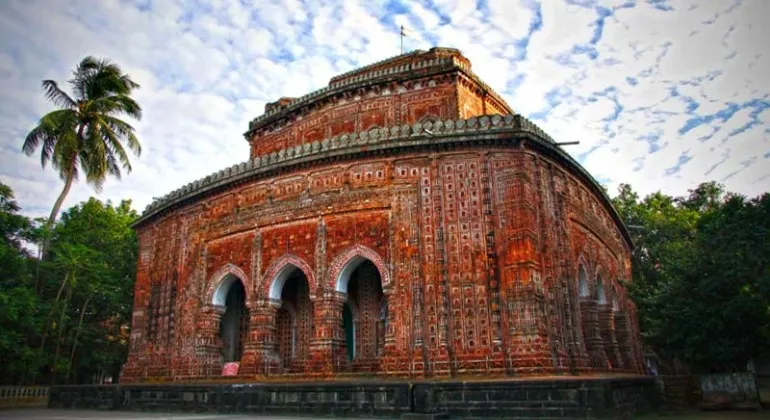
Kantaji Temple, also known as Kantaji Temple or Kantanagar Temple, is one of the most remarkable historical monuments in Bangladesh. Located in Kantanagar village of Kahrol upazila in Dinajpur district, this 18th-century Hindu temple is famous for its elaborate terracotta artwork, distinctive brick architecture, and deep religious and cultural significance. Dedicated to Lord Krishna and associated with Rukmini, the temple offers visitors a remarkable glimpse into the artistic achievements and devotional traditions of historic Bengal.

Situated on the banks of the Dhepa River, about 20 kilometers north of Dinajpur city, Kantajib Temple is an attractive destination for architecture lovers, photographers, history buffs, pilgrims, and tourists traveling to northern Bangladesh. Its exterior is adorned with thousands of detailed terracotta panels depicting scenes from Hindu epics, stories of gods and goddesses, floral designs, animals, royal processions, and everyday life in 18th-century Bengal. Each wall has new details to discover, making a leisurely stroll much more rewarding than a brief photo stop.

The temple originally had nine ornate spires built in the traditional Navaratna style, but they were destroyed in the devastating earthquake of 1897. The surviving structure remains an outstanding example of Bengal's terracotta heritage. Visitors can combine their visit with the nearby Nayabad Mosque another important monument reflecting the layered architectural history of the region.
History of Kantajiu Temple

The history of the Kantjiu Temple is closely linked to the royal patronage of Dinajpur and the development of religious architecture in Bengal in the 18th century. According to widely published historical accounts, Maharaja Prannath began construction of the temple in 1704. After his death, his successor Maharaja Ramnath continued the project and according to the Bangladesh government's tourism information, the temple was completed in 1722. Some historical accounts mention different dates of construction, so these dates should be considered in light of the discrepancies found in published documents.

The temple was established as a major pilgrimage site for devotees of Krishna and Rukmini. Its original nine-spired design reflects the Navaratna architectural tradition, in which nine spires are arranged on the upper levels of a main structure. These towering spires once gave the building a completely different appearance than it does today.

The original minarets were destroyed in the 1897 earthquake, which permanently changed the appearance of the temple. Although the pinnacles were lost, the original brick structure and its elaborate terracotta work survived. The monument is now revered not only as a place of worship, but also as an important historical document of the artistic, religious and social life of Bengal.

To learn more about the royal history of the district, tourists can also visit Dinajpur Rajbari


Architecture and terracotta artwork

The main feature of the Kantajiva Temple is its highly ornate brick exterior. Rather than relying primarily on painting, the builders used terracotta panels to create detailed designs across the walls, pillars, cornices, and architectural surfaces. These panels demonstrate the technical skill of traditional Bengali craftsmen and the extraordinary expressiveness of locally produced clay.

Stories told through terracotta

Many of the panels depict scenes from the Ramayana and Mahabharata, as well as from Krishna's life and devotional traditions. Other depictions depict musicians, dancers, animals, hunting expeditions, boats, royal activities, floral designs, and scenes of ordinary life. Taken together, these paintings make the temple a valuable visual repository of the artistic style and cultural imagination of the period.

Surviving Navaratna structure

The temple retains its original three-story solid brick structure, although the nine minarets that once topped it were removed in 1897. Its symmetrical structure, inward-swept wall surfaces, decorative friezes, and repeated terracotta designs create a rich and textured appearance. Walk around the building to appreciate the differences between each wall and the variety of designs used by the craftsmen.

Details to check

  • Mythological plaques: Find gods and goddesses, legendary characters, and narrative scenes from various episodes of Hindu epics.
  • Floral decoration: Note the recurring leaves, vines, geometric shapes, and ornamental borders surrounding the narrative panels.
  • Historical imagery: Notice the depictions of animals, vehicles, social gatherings, and royal activities, which help to portray the visual culture of historical Bengal.
  • Brickwork: Notice how each piece of terracotta creates a cohesive design across the larger architectural surface.

Visitors should refrain from touching or rubbing the historical plaques. These fragile parts are part of the monument's priceless heritage, and careful observation helps to preserve them for future generations.


Things to do at Kantajiu Temple

A visit to Kantajiu Temple is best enjoyed at a leisurely pace. Allow about one to two hours to explore the temple grounds, admire the ornate plaques, take photographs where permitted, and learn about the historical significance of this monument.

  • Explore the exterior: Discover the full range of terracotta designs by walking around the temple and observing its different aspects.
  • Take photos of the architecture: Before approaching the intricate carvings, take photos of the entire structure. Morning and late afternoon light can help bring out the depth of the carvings.
  • Learn about Hindu tradition: Understand the temple's connection to Krishna and Rukmini and its ongoing importance to devotees.
  • Observe local heritage: The surrounding village and rural landscape provide context for the temple's location and its long-standing social significance.
  • Travel during the Ras Mela: When this annual festival takes place, visitors can experience a more vibrant atmosphere with religious rituals and traditional fairs.
  • Hire a local guide: An experienced guide can explain the architectural features, historical context, and stories contained in the panels.

Sura Mosque, another listed heritage site in Dinajpur district. Before planning a trip to multiple locations, check local directions and transportation arrangements.


Ras Mela and cultural significance

The Kantajiu temple is associated with the Ras Mela, a traditional religious fair associated with the worship of Krishna and the celebration of Ras Purnima. The festival is usually held around the Bengali month of Kartik, often in November, although its exact date varies according to the religious calendar.

During the festival, the temple premises become quite busy as devotees, families, businessmen and visitors gather for religious activities and associated fairs. Depending on the year's schedule, visitors can expect to see devotional ceremonies, traditional products, local cuisine and a vibrant atmosphere reflecting the cultural heritage of northern Bangladesh.

If attending the Ras Mela is a priority for you, confirm the festival dates locally before traveling. Be prepared for large crowds, increased demand on transportation, and possibly limited accommodations. Arriving early and discussing return travel with your driver can make the trip easier.

Outside the festival season, the temple offers a quiet opportunity to study its architecture and terracotta decorations. Both experiences are valuable: one emphasizes the monument's artistic heritage, the other highlights its ongoing religious and social role.


Ticket prices and entry rules

It is commonly said that entry to Kantajiu Temple is free for local visitors. However, published information regarding entry fees for foreign tourists is not entirely consistent. It has not been possible to independently verify a current and reliable entry fee for all categories of visitors, so please check with the relevant authorities before your trip.

Visitor expenses Planning information
Local visitor access Usually reported as free
Access for foreign visitors Confirm current policies from authorities.
Photography Check local restrictions, especially in places of worship.
Local transportation Separate from any entrance fee
Parking or incidental expenses May apply depending on the facilities used.

Visitor etiquette

  • Wear appropriate and respectful clothing for religious and historical sites.
  • Follow the instructions of temple staff and worshippers.
  • Ask permission before taking close-up photos of people or religious activities.
  • Do not climb on historic structures, scratch brickwork, or touch fragile terracotta panels unnecessarily.
  • Dispose of trash responsibly and show respect for protected areas.
  • Keep small Bangladeshi notes with you for domestic shopping and travel.

It is generally open daily from 8:00 AM to 5:00 PM, but entry times may change during religious ceremonies, public holidays, renovations, or special events. Check the schedule before you travel, especially if you are traveling from a distance.


Best time to visit Kantajeu Temple

October to March is a good time to plan a trip to Kantajiu Temple. November is particularly attractive for tourists who want to experience the Ras Mela; on the other hand, other months of the year may be more suitable for a more leisurely architectural visit.

To photograph and view the terracotta work up close, try to arrive shortly after opening or in the afternoon, so you have plenty of time before it usually closes. The soft natural light can bring out the texture and depth of these carvings.

A relatively quiet atmosphere can be found on other days of the week, except during festivals, although visitor numbers vary. Expect a more lively atmosphere during the Ras Mela and major religious events, and extra time should be allowed for traffic, parking, and local transportation.

Allow about one to two hours for the temple itself. If you also plan to visit the Nayabad Mosque or other tourist attractions in the district, allow extra time for travel from one place to another.


How to reach

Kantajiu Temple is located in Kantanagar village of Kahrol upazila, about 20 km north of Dinajpur city. It is located near the Dinajpur-Tetulia road corridor and the Dhepa River. The most convenient way for most travelers is to first reach Dinajpur and from there travel by local bus, auto-rickshaw, CNG or reserved vehicle.

By bus from Dhaka

  1. Go to any coach terminal in Dhaka that serves northern Bangladesh, such as Gabtoli or Kalyanpur, and choose a bus bound for Dinajpur.
  2. Choose an operator and departure time that suits your schedule. For travelers who want to arrive in the morning, night coaches may be an option.
  3. This journey by road usually takes 7-10 hours, depending on traffic, route, and breaks.
  4. The estimated one-way fare for non-AC service is around ৳800–৳1,100 and for AC service ৳1,300–৳1,800. These are planned estimates, not guaranteed current fares; confirm prices at the time of booking.
  5. Upon reaching Dinajpur, take a local bus towards Kantanagar or hire an auto-rickshaw or CNG to the temple.

By train from Dhaka

  1. Go to Kamalapur Railway Station or any other departure station designated for your selected train.
  2. The stoppages and schedules of trains like Ekta Express, Pratijan Express, or Panchagarh Express may change, so check the current Bangladesh Railway schedule.
  3. Book a seat for Dinajpur Railway Station. The journey time and ticket price depend on the service and seat class.
  4. From Dinajpur station, take local transport to Kantanagar, which is about 20 kilometers away.

Train fares vary according to class and current railway tariffs. Please check the official ticketing service of Bangladesh Railways for actual fares and seat availability for your travel dates, rather than relying on old published estimates.

By air from Dhaka

  1. Book a flight from Dhaka to Saidpur Airport if suitable flight services are available on your selected date.
  2. Arrange for a private car or other suitable road transport to travel from Saidpur to Dinajpur city.
  3. Travel from Dinajpur towards Kantjiu Temple by reserved vehicle or local transport.

Saidpur Airport is a convenient regional gateway, but the onward journey requires a road connection. Before choosing this option, be sure to check flight schedules, road travel times, and total travel costs.

From Dinajpur city by local transport

  • Local Bus: Board any bus heading towards Kantanagar or Thakurgaon and confirm the nearest convenient stop from the conductor. It may take approximately 30-45 minutes depending on the route and traffic. A reasonable plan is to budget around 30-60 taka per person for a one-way fare.
  • Shared auto-rickshaw or CNG: Shared vehicles can be economical, although you may have to change vehicles or walk a short distance. Fares and waiting times depend on the service.
  • Reserved CNG or Auto Rickshaw: You will get more convenience if you rent a car directly from Dinajpur. The round trip cost including waiting time can be approximately ৳800–৳1,200, depending on the negotiation, type of car and fuel price.
  • Private Car: A private car is convenient for families or groups planning to visit multiple attractions. Before you start your trip, discuss the full-day fare, waiting time, and return arrangements.
  • Rickshaw or local van: These may be useful for short distances from a nearby road junction or village, but their availability and reasonable fare should be confirmed locally.

Estimates of local transport costs are for guidance only, and have not been verified as direct prices. Ask about return journeys before leaving Dinajpur, especially if visiting in the late afternoon or during the Ras Mela.

Nearby attractions and directions

Instead of just typing Dinajpur as the destination, type 'Kantajiu Temple' on Google Maps to get directions directly to the temple. The temple is located in Kantanagar, near the Dhepa River and the Dinajpur-Tentulia road corridor. Another nearby attraction is the Nayabad Mosque, which can be visited on the same trip as the temple. Make sure to check with your driver about the exact road conditions and local transportation routes.

Kantajeu Temple

GPS: 25.79038, 88.66674
Get Directions

Where to eat

Food options in the immediate vicinity of Kantjiu Temple may be more limited than in Dinajpur town. Small village food stalls and tea shops may be available, but their opening hours, menus, and amenities may vary. If you plan to spend a few hours exploring the area, consider bringing drinking water and some light snacks.

For more restaurant options, head back to Dinajpur town, where visitors can find rice dishes, fish curry, chicken curry, vegetables, pulses and familiar Bangladeshi snacks. Look locally for establishments that serve fresh food and cater to your dietary needs.

Local food worth trying

  • Kataribhog Rice: A fragrant rice variety of Dinajpur region and northern Bangladesh.
  • Freshwater Fish: Traditional fish cuisine is prevalent throughout the region, depending on seasonal availability.
  • Pitha: This traditional rice cake is particularly associated with winter food culture and can be found at local fairs.
  • Seasonal Litchi: Dinajpur is well known for its litchi, which is usually available in May and June, instead of the main tourist season of winter.
  • Tea and local food: Tea shops can provide a simple break before the return journey.

The price of food depends on the establishment and the quantity of food. Ask the price before ordering at small roadside stalls and find out the opening hours if you plan to eat after sunset.


Where to stay?

Most tourists choose Dinajpur city as their place of residence because it has more transportation options, shops, restaurants, and hotels than the area around Kantjiu Temple. Being in the city makes it easier to visit the temple as well as other tourist attractions in the district.

Budget accommodation

Budget hotels and guesthouses in Dinajpur are perfect for travelers who want to stay for just one night before or after visiting temples. Check recent reviews, room cleanliness, bathroom facilities, security, and whether the quoted price includes hot water or air conditioning.

Medium-quality accommodation

Travelers seeking more comfort should compare established hotels in Dinajpur city. Before booking, be sure to contact the hotel directly to confirm room availability, check-in times, parking, family-room options, and cancellation policies.

Plan your stay

  • Book in advance during Ras Mela and major public holidays.
  • If arriving by public transportation, choose accommodation that has easy access to the train station or bus terminal.
  • If you don't have transportation from your hotel, make arrangements for your return to Kantanagar in advance.
  • Check the latest prices instead of relying on outdated online price estimates.

For a short trip from Dhaka, a one-night stay in Dinajpur to visit the temples and one or two nearby heritage sites may be sufficient. A longer stay gives you more time to explore the entire district without rushing.


Travel Tips and Photography

A little preparation can make a visit to Kantajiu Temple more comfortable and also help preserve the historical features of the site. Although the monument is a major attraction, it remains a religious and heritage site rather than a modern tourist destination with extensive amenities.

  • Allow enough time: Allow one to two hours for the temple and extra time for transportation and nearby sightseeing.
  • Protect the artwork: Never climb on the structure or touch the delicate terracotta artwork unnecessarily.
  • Dress respectfully: Choose appropriate attire for the place of worship and follow specific instructions provided at the entrance.
  • Bring cash: Small vendors and local transport operators may not accept digital payments.
  • Check access: Check opening hours and whether there are any restrictions during religious ceremonies or renovation work.
  • Plan to take photos: A camera or phone with a zoom function can help capture small decorative details. Avoid blocking the path of worshippers or other visitors.
  • Prepare for the return: Arrange a car for the return trip or find out where and when local transportation will be available.
  • Respect local customs: Ask permission before taking photos of people and follow directions at places of worship.

For visitors interested in architecture and cultural heritage, the most rewarding way to explore the temple is to observe it carefully rather than rushing around the grounds. The variety of terracotta panels is vast, and many details are only visible when viewed from different angles.


Nearby attractions

Kantjiu Temple is an excellent starting point for exploring the historical monuments, religious sites, and natural attractions of Dinajpur. The nearby Nayabad Mosque is a particularly convenient addition to a heritage itinerary, although other destinations in the district can be reached via a long road journey.

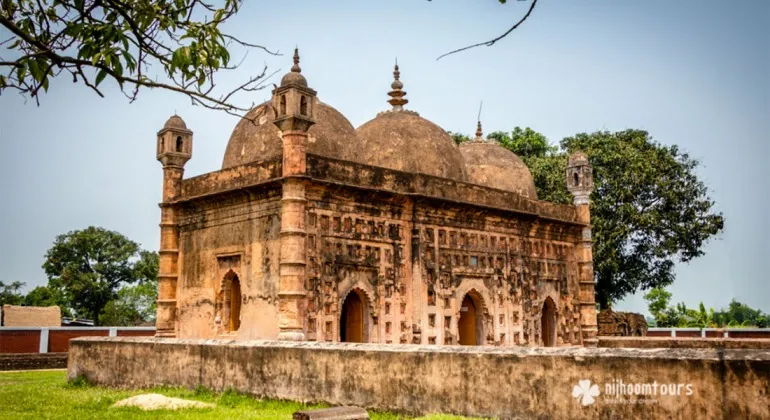
  • Nayabad Mosque: A historic mosque in the Kantanagar area, it is often visited in conjunction with the Kantaji Temple to visit two distinct religious sites. Its brick architecture provides a complementary perspective on the heritage of the region.
  • Ramsagar Dighi: A huge historical reservoir, known for its vast body of water and well-groomed surroundings, it is a perfect destination for those who want to balance outdoor activities with architectural sightseeing.
  • Dinajpur Palace: A heritage site associated with the erstwhile royal family of Dinajpur. Its historical connection with the rulers of the region further deepens the context of visiting the Kantjiu Temple.
  • Sura Mosque: Another religious heritage site in Dinajpur district for travelers interested in historical Islamic architecture.
  • Shopanpuri Artificial Amusement Park: An entertainment destination that can add a family-centric break to your extensive Dinajpur travel plans. Check travel times and current operating conditions before you go.
  • Hajee Mohammad Danesh University: A major educational institution in the district, which may be of interest to visitors exploring the contemporary city and academic landscape of Dinajpur.
  • Deepshikha Mathom School: This is a listed local educational center for travelers coming to research the district's social institutions and educational initiatives. Check visitor access arrangements before planning a stop here.

For a short trip, combine the Nayabad Mosque with the Kantajiu Temple and allow time to explore both monuments thoroughly. For a longer day trip, you may want to consider adding Ramsagar Dighi or Dinajpur Palace, keeping in mind the road distance, daylight hours, and your return transport. Be sure to check the location and current access arrangements before you set off.

Frequently Asked Questions (FAQ)

Kantajiu Temple is located in Kantanagar village of Kahrol upazila of Dinajpur district of Rangpur division in northwestern Bangladesh. It is located on the banks of the Dhepa River, about 20 kilometers north of Dinajpur city. Visitors can reach the area by local buses, CNG auto-rickshaws or private vehicles. The nearby Nayabad Mosque is another important landmark when planning a local heritage tour.

Explore The Area

Top Attractions & Places to Visit in Dinajpur

Discover more heritage, nature, and must-visit spots across Dinajpur.

View all in Dinajpur

Ramsagar Dighi Dinajpur

Ramsagar Dighi in Dinajpur , also known as Ramsagar Lake or Ramsagar National Park, is one of the most notable historica...

Shafayet Al-Anik

Dinajpur Palace

Dinajpur Rajbari , also known as Dinajpur Rajprasad or Rajbati, is an important historical site in Dinajpur District, no...

Shafayet Al-Anik

Shopanopuri Artificial Amusement Park

Swapnapuri Artificial Amusement Park, also known as Swapnapuri Picnic Spot or Swapnapuri Park , is one of the most well-...

Shafayet Al-Anik

Deepshikha Mathayom School Dinajpur

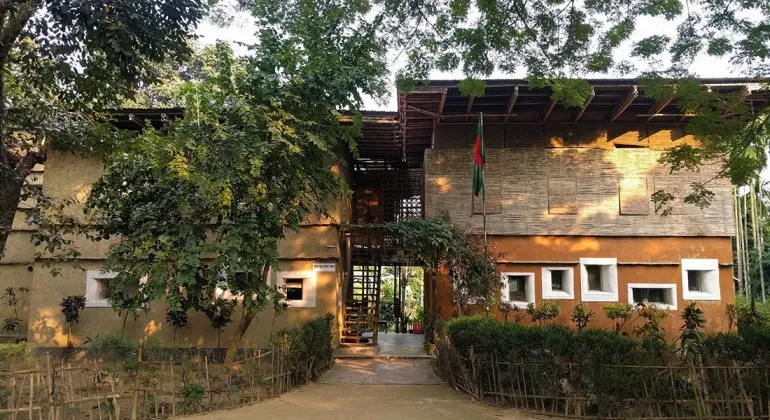
Deepshikha Meti School, also known as Meti Handcrafted School, is one of the most unique examples of sustainable archite...

Shafayet Al-Anik

Haji Mohammad Danesh University of Science and Technology

Haji Mohammad Danesh Science and Technology University (HSTU) is an important government university in the northern regi...

Shafayet Al-Anik

Nayabad Mosque in Dinajpur

The Nayabad Mosque in Dinajpur is one of the most notable historical mosques in northern Bangladesh, known for its strik...

Shafayet Al-Anik

Sura Mosque Dinajpur

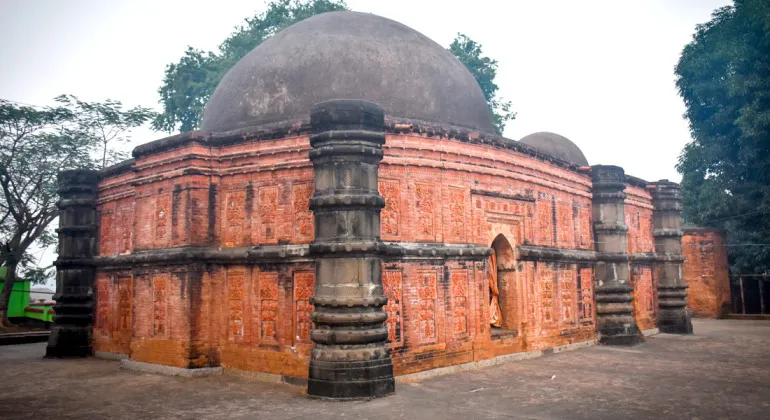
The Sura Mosque of Dinajpur is a historic Islamic architectural monument located in Ghoraghat Upazila of Dinajpur Distri...

Shafayet Al-Anik

logo ColoZai

ColoZai is a trusted travel guide and destination explorer platform in Bangladesh. We are making travel simple, authentic, and accessible for everyone.

Need Help ?

We are Always here for you! Knock us on Whatsapp (10AM - 10PM) or Email us.