Jahanara Imam Memorial Museum

Jahanara Imam Memorial Museum

Dhaka
·

18 October 2026

Travel Overview & Quick Facts

Directions
Location
Dhaka
Admission / Entry Fee
Entry is reportedly free for all visitors. No specific ticket prices have been publicly verified; contact the museum before visiting to confirm any current arrangements.
Best Time to Visit
Saturday, 10:00 AM to 5:00 PM; check opening times before traveling. Special hours may apply for National Day.
Opening Hours
Saturday 10:00 AM - 5:00 PM (Closed Sunday - Friday; check before coming)
Category / Type
Historical Museum, Bangladesh Liberation War Heritage, Literary Memorial, Cultural Attraction

Introduction to Jahanara Imam Memorial Museum

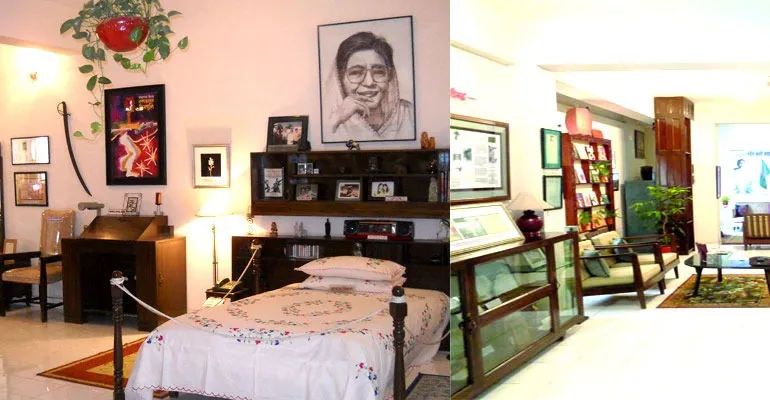
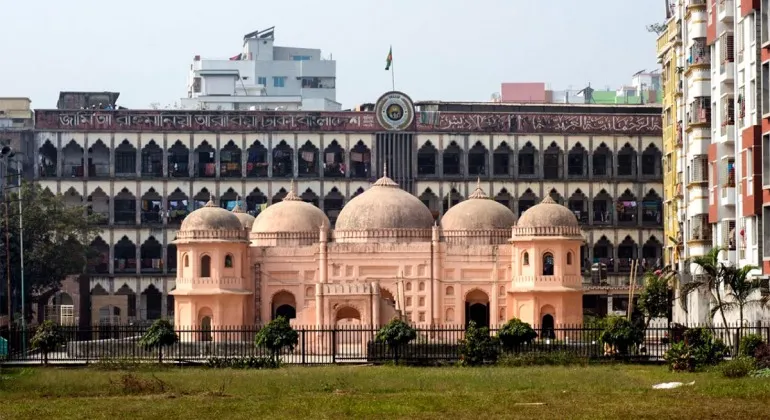
Jahanara Imam Memorial Museum , officially known as Shaheed Janani Jahanara Imam Memorial Museum, is a small but historically significant museum located on Elephant Road in Dhaka, Bangladesh. Established in 2007 as a family initiative, the museum preserves the personal belongings, photographs, letters, books, and historical documents of Jahanara Imam and her son Shafi Imam Rumi, who participated in the Bangladesh Liberation War of 1971. The museum presents a personal perspective on the sacrifices made by the families during the freedom struggle.

Jahanara Imam was an educationist, writer and a prominent figure. Her memoir 'Ekattorer Dinguli' depicts the pain, uncertainty and courage of a family during the Liberation War. Her writings remain an important source of personal experience about the conflict. Her son Rumi was associated with the 'Crack Platoon'; an urban guerrilla group that took part in various operations against the Pakistani forces during the war. Their stories have given this museum a unique place among the historical attractions of Dhaka.

The museum is located at Konica, 355 Shaheed Janani Jahanara Imam Sarani, Old Elephant Road, Dhaka 1205. Rather than being a large national gallery, it focuses on intimate family history and original memorabilia. It became a branch museum of the Bangladesh National Museum after it was transferred to government care in 2024. Visitors interested in Bangladesh's independence, literary history, and the humanitarian consequences of war will find the collection particularly meaningful.
History and significance

The museum was founded in 2007 by Saif Imam Jami, the younger son of Jahanara Imam, to preserve the memory of his mother and elder brother. Its establishment helped preserve family materials detailing the Liberation War and Jahanara Imam's later public life. The museum later came under the supervision of the Bangladesh National Museum, further strengthening its role in preserving the country's cultural and historical heritage.

Jahanara Imam gained wide recognition for her account of the events of 1971 and her subsequent participation in the civil movement demanding accountability for wartime atrocities. Her memoir, Days of 1971 , is crucial for understanding the personal aspects of the conflict. The museum complements the larger national memorials by recounting the history of one family through their daily experiences, letters, and personal belongings.

Rumi's involvement in the Liberation War and his family's grief and suffering are an important part of the museum's narrative. The exhibits encourage visitors to think about how the freedom struggle affected homes, relationships, and daily life, in addition to the military and political events typically depicted in history books.


What to see inside the museum

The collection is displayed in a small gallery and office space. Its intimate setting makes a visit here feel more like a visit to a private family collection than a visit to a large, traditional museum. The type of exhibition is subject to change, so visitors should ask staff about the current exhibitions available.

Photos and family history

The images depict the life of Jahanara Imam and the different generations of the Imam family. The images relating to Rumi and his wartime experiences help visitors connect personal family memories with the larger narrative of Bangladesh's independence.

Personal belongings and household items

The collection includes personal belongings, household items, furniture, and decorative objects of Jahanara Imam and her family. These ordinary objects establish a tangible connection to the people whose lives are documented in the museum.

Books and literary materials

Visitors can learn about Jahanara Imam's literary works and view books related to her writing. Her memoir ' Days of '70' is a particularly relevant text to understand the emotional and historical context of this collection. Please check to see if books are available for purchase upon arrival.

Records of letters, documents and movements

Letters, photographs, posters, and documents related to the War of Liberation and the subsequent civil movements are part of the museum's historical archive. Materials related to Rumi and the written memories of those who knew him provide a personal perspective that is not always visible in general historical exhibitions.

Allow approximately 30 to 60 minutes for a thorough visit, depending on the time required to read the exhibits and the materials on display. Visitors researching family history or the Liberation War may wish to spend more time.


Why visit the Jahanara Imam Memorial Museum?

This museum is particularly valuable for those who seek to understand the history of Bangladesh through eyewitness accounts and family memories, rather than just architectural artifacts. It offers a personal account of the liberation war and the lasting consequences of political violence.

  • For history buffs: Explore information about the 1971 War of Liberation and the experiences of a family affected by it.
  • For readers and students: Learn about the life and achievements of Jahanara Imam, including the context of the 'Days of Seventy-One '.
  • For families: Introduce older children and teens to the history of Bangladesh using photographs, documents, and personal items through age-appropriate explanations.
  • For researchers: Contact the museum for relevant documents, collection information, and any research arrangements.

The museum is small and best viewed as a means of exploring a specific heritage. It may not have the extensive participatory facilities of larger museums, but its private collection gives it considerable historical and educational significance.


Ticket prices and entry rules

Admission: Admission is free, according to official travel information. Current official ticket prices have not been independently verified, so please check with the museum directly before visiting. Do not assume that special programs, research services, or book purchases are included in the free admission.

Visitor information Details
General Admission Reported to be free; reconfirm before travel.
General inspection day Saturday
Reported opening hours From 10:00 AM to 5:00 PM
Address Kanika, 355 Shaheed Janani Jahanara Imam Shorani, Old Elephant Road, Dhaka 1205
Telephone +880 1732-174088; verify before use.

As the museum preserves historical documents and personal belongings, please follow staff instructions when taking photographs, touching objects, and entering protected areas. Please obtain permission before taking photographs of sensitive exhibits or other visitors. Opening times may change during national holidays, government events, or administrative changes.


Opening hours and best time to visit

According to the published visitor list, the museum is generally open on Saturdays from 10:00 AM to 5:00 PM and closed Sundays through Fridays. Some older visitor information mentions seasonal changes in closing times, so these times should be considered a guide only and not a definitive and up-to-date schedule.

Contact the museum or check their latest official announcements before you head out. Visiting on a Saturday morning is a convenient option, as it allows time to explore the exhibits and ask questions before they close. Avoid coming late in the day if you want time to peruse the exhibits.

The museum is a closed tourist attraction and can be visited all year round if it is open. Allow extra time for Dhaka traffic, especially if coming from other parts of the city.


How to reach

The museum is located at 355 Shaheed Janani Jahanara Imam Sarani, Konika, Old Elephant Road, near the New Market area of ​​Dhaka. Please use the full address when booking a ride or asking for directions. Since the location is inside a residential building, ensure the correct entrance and opening arrangements before starting the journey.

1. By bus from central Dhaka

Take a city bus that plies the New Market, Science Laboratory, Nilkhet or Elephant Road corridors, then walk or take a rickshaw to the museum address. Routes and fares vary by operator and starting point; budget approximately 20-60 taka for a typical short-distance city-bus journey and check fares locally. Before boarding the bus, ask the conductor if the bus stops at New Market or Science Laboratory.

2. By rickshaw or CNG autorickshaw

Cycle rickshaws are convenient for the last leg from New Market or Science Laboratory. Depending on distance, traffic, and bargaining, a short journey can cost around 40 to 120 taka. CNG autorickshaws are a faster option for coming from other parts of the city; fares for short journeys can vary considerably, so it is best to agree on a fare or ensure that the meter is installed before you start your journey.

3. App-based rides or private cars

Ride-hailing services and taxis can take visitors directly to Old Elephant Road. Write down the full name and address of the museum, then confirm with the driver that the destination is 355 Konica. Fares depend on pickup location, demand, and traffic. Street parking is limited, and due to traffic, it may be more convenient to drop off and walk a short distance rather than parking next to the building.

4. By train from outside Dhaka

Commuters arriving at Kamalapur Railway Station can take taxis, app-based rides or CNG auto-rickshaws to Elephant Road and New Market. The onward journey may take around 30-60 minutes or more depending on traffic. There is no direct railway station to the museum and the cost of local transport depends on the vehicle and time of day.

5. By air

To get to the museum from Hazrat Shahjalal International Airport, take a pre-booked car, taxi or ride-hailing service. The journey by road may take approximately 45-90 minutes or more, depending on traffic. There is no direct rail connection from the airport to the museum entrance, so road transport is the easiest option.

6. From the intercity bus terminal

Passengers arriving at Gabtoli, Sayedabad, Mohakhali or any other bus terminal in Dhaka can take a taxi, CNG autorickshaw or ride-hailing service to Elephant Road. Travel time and cost vary depending on the terminal, traffic and distance. If you are already staying in the New Market or Science Laboratory areas, local rickshaws are often convenient for the last leg.

Directions: The museum's coordinates are approximately 23.7355, 90.3868. Use the full street address and match the pin with the actual entrance to the museum, as the address shown on the map may differ. The Bangladesh National Museum, located in Shahbagh, is a separate attraction, not the museum's street address.

Jahanara Imam Memorial Museum

GPS: 23.7355, 90.3868
Get Directions

Where to eat

The museum is located in the well-known Elephant Road and New Market area, where visitors will find casual restaurants, local eateries, tea shops and light food stalls. There are a variety of food options here, from inexpensive Bengali food and rice dishes to fast food, bakeries and cafes. For a wider range of everyday food options, walk towards New Market or Science Laboratory Junction.

A nearby tea shop or simple restaurant is convenient for a quick stop before or after a museum visit. If you prefer to eat in, check current opening hours and recent reviews before choosing a place, as restaurant availability and quality may vary. Carry cash for small purchases, although payment methods vary from business to business.

Since the museum is usually only open on Saturdays, plan your lunch around the scheduled visiting hours of 10am to 5pm and leave enough time to return before closing.


Where to stay?

For convenient transportation, consider staying around Dhanmondi, Shahbagh, New Market, or central Dhaka. These areas offer easy access to restaurants, shopping streets, and transportation, although travel times can be uncertain during peak hours. Choose a hotel based not only on distance, but also on your overall itinerary, budget, safety needs, and reviews from recent guests.

Visitors who want a more extensive museum itinerary may prefer to stay near Shahbagh, which is convenient for the Bangladesh National Museum and the city center. Dhanmondi is another convenient base for travelers who want to combine cultural sightseeing with strolling along cafes and lakes. Be sure to check the exact location of the hotel and its current rates before booking.

For Saturday morning visits, staying in the heart of Dhaka can reduce the risk of delays due to city traffic. International visitors should make arrangements for transportation from the airport and have the museum's full address handy in Bangla or English for local drivers.


Tips and practical advice for visitors

  • Check opening times: The museum is open only on Saturdays as per the announced schedule. Check with the authorities before visiting, especially on public holidays.
  • Read in advance: Reading Jahanara Imam's ' Days of 1970' may make it easier to understand the pictures and family documents.
  • Allow enough time: A 30-60 minute visit is useful as an initial estimate, but researchers may need more time.
  • Be respectful: This collection is about wartime damage and national history. Follow the instructions of staff and do not touch any objects without permission.
  • Check the photography rules: Don't assume that you can photograph all documents or exhibits.
  • Plan for local transportation: Traffic can be heavy around Elephant Road and New Market. Allow extra time for delays.
  • Have contact details with you: In case the driver has difficulty finding the entrance, have the museum's address and telephone number handy.

This attraction is a small memorial museum rather than a large purpose-built complex. Visitors with mobility needs should contact the museum authorities in advance to inquire about entrances, stairs, seating, and other facilities, as these details are not reliably documented in public listings.


Nearby attractions

After visiting Jahanara Imam Memorial Museum, you can consider visiting other historical and cultural sites in Dhaka. Distances and travel times depend on roads and traffic, so plan each destination using an updated map.

  • Bangladesh National Museum : Located in Shahbagh, this major museum showcases the country's history, archaeology, culture, and artistic heritage. It complements the personal histories preserved at the Jahanara Imam Memorial Museum.
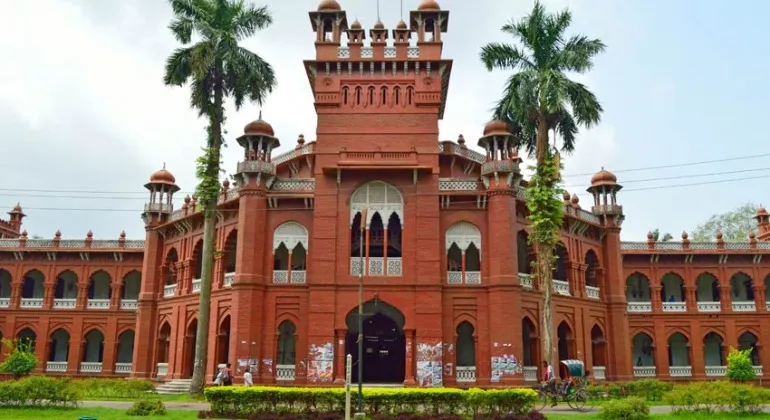
  • Curzon Hall Dhaka : A landmark of historic academic architecture associated with Dhaka University, suitable for visitors interested in education and colonial-era design.
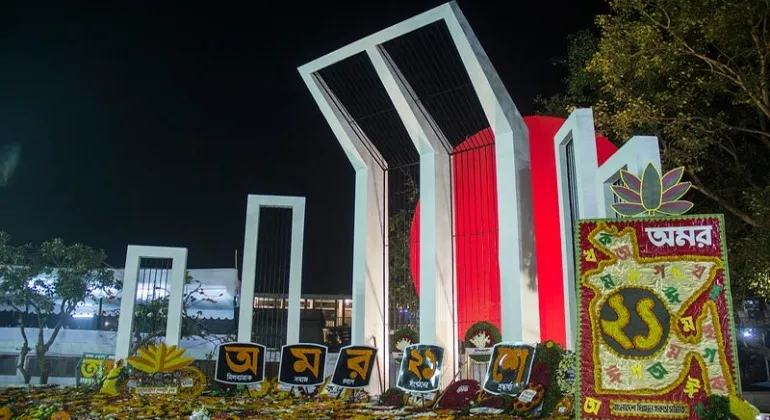
  • Shaheed Minar Dhaka : A national monument built in memory of those killed in the 1952 Bengali Language Movement, it presents a different perspective on the cultural and political history of Bangladesh.
  • Dhanmondi Lake : A popular urban recreation center for a walk or a relaxing break after visiting museums.
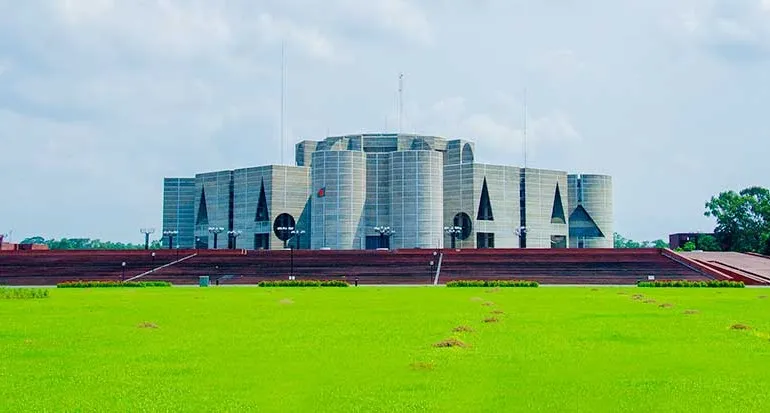
  • National Parliament Building : An internationally recognized architectural landmark designed by Louis I. Kahn. Check visitor access regulations before planning a visit.
  • Lalbagh Fort : A historic Mughal-era fort complex located in Old Dhaka, known for its architecture, gardens, and connections to the city's ancient history.
  • Ahsan Manzil : A distinctive pink palace located on the banks of the Buriganga River, it offers insight into the history of the Nawab family of Dhaka.
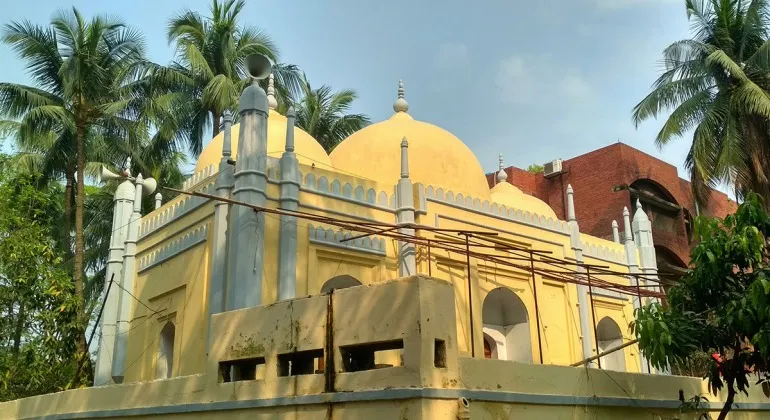
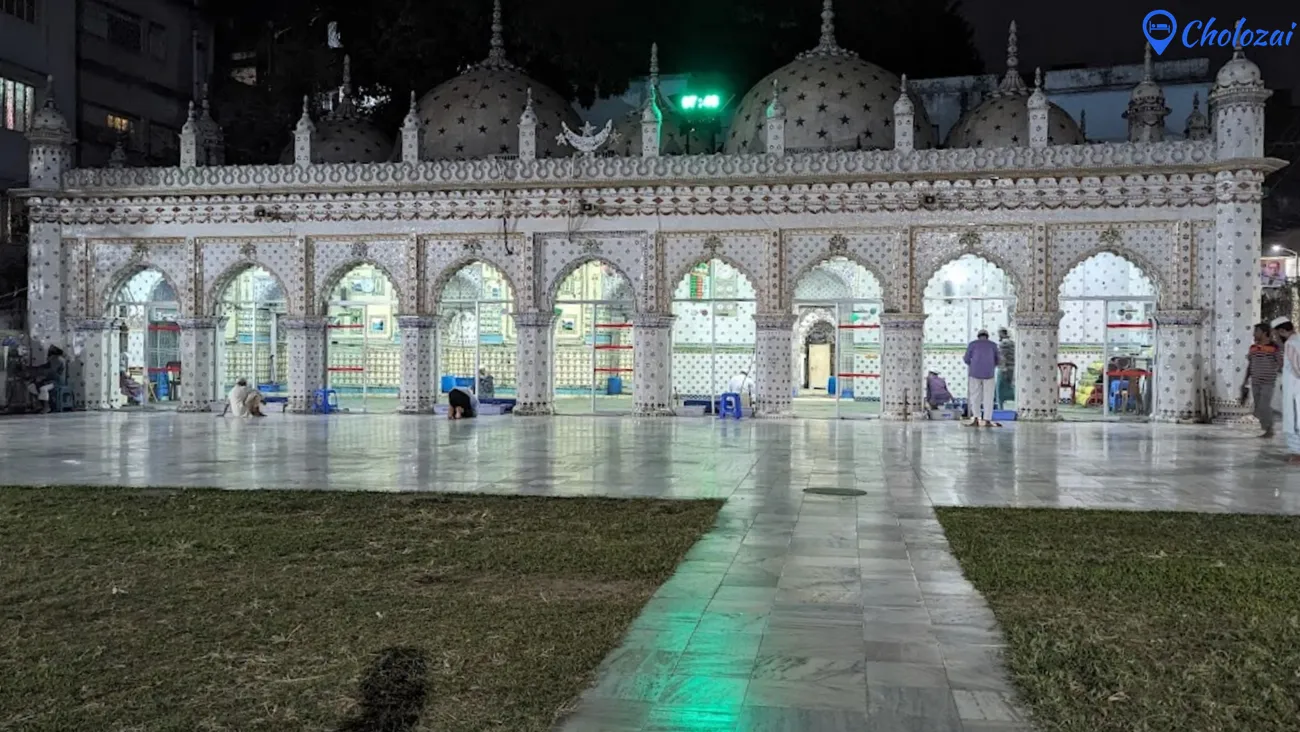
  • Star Mosque Dhaka : A historic mosque known for its ornate tile work and decorative designs.
  • Dhaka Rose Garden : A historical structure associated with the city's architectural and political heritage; ensure entry arrangements before visiting.
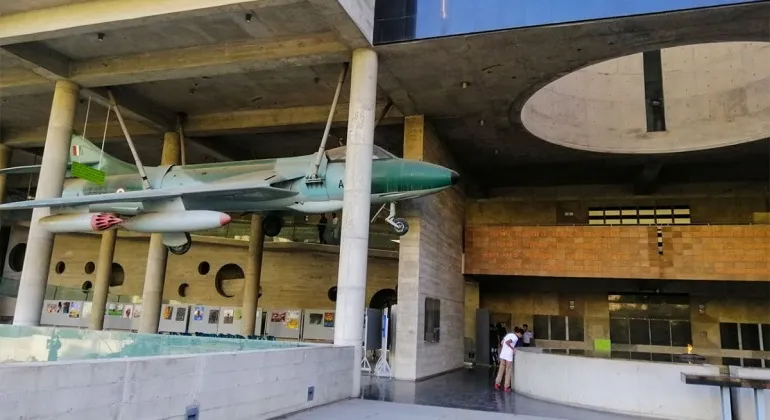
  • Bangladesh Air Force Museum : An aviation-focused attraction featuring aircraft and exhibits related to the history of the country's air force.
  • Hatirjheel : An urban waterfront area, known for its bridges, lake views, and evening beauty.
  • Dhaka Botanical Garden : This is a large garden, which has various plant collections and walking areas for visitors to take a nature-focused tour.
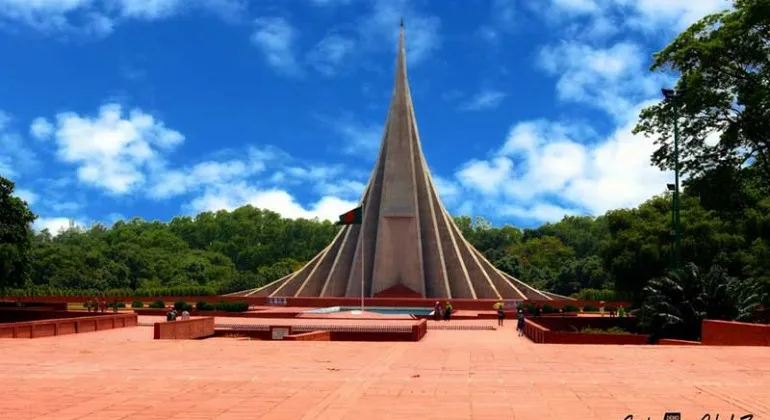
  • National Martyrs' Memorial, Savar : This national memorial, built in memory of the martyrs of the Liberation War, is located outside the center of Dhaka and it is best to plan a separate trip to visit here.
  • Moinot Ghat : A riverside destination located a little away from the city center, which is more suitable for a separate day trip than a short visit to the museum.
  • Rose Village Sadullahpur : A seasonal flower farming destination located on the outskirts of Dhaka, which is best visited as a separate rural tour.

For a short cultural itinerary, you can visit the Bangladesh National Museum and Shaheed Minar along with the museum, but check the opening hours of each site separately. For a more comprehensive historical tour, plan Lalbagh Fort and Ahsan Manzil in Old Dhaka as a separate itinerary to avoid unnecessary city-wide travel.

Frequently Asked Questions (FAQ)

The museum is located at Konika, 355 Shaheed Janani Jahanara Imam Sarani, Old Elephant Road, New Market Area, Dhaka 1205, Bangladesh. Before you travel, ask your driver about Shaheed Janani Jahanara Imam Memorial Museum and confirm the entrance to the building.

Explore The Area

Top Attractions & Places to Visit in Dhaka

Discover more heritage, nature, and must-visit spots across Dhaka.

View all in Dhaka

Star Mosque Dhaka

Tara Mosque in Dhaka, locally known as Tara Masjid , is one of the most beautiful and architecturally distinctive histor...

Shafayet Al-Anik

Seven Dome Mosque Dhaka

The Seven-Domed Mosque , also spelled as the Seven-Domed Mosque or the Seven-Domed Mosque, is one of the most distinctiv...

Shafayet Al-Anik

Musa Khan Mosque Dhaka

Musa Khan Mosque (Musa Khan Mosque) is a historic three-domed mosque located within the Dhaka University campus, near Cu...

Shafayet Al-Anik

Curzon Hall Dhaka – History, Architecture, Location, Visiting Times and Complete Travel Guide

Curzon Hall in Dhaka is one of the most significant historical buildings in Bangladesh and an enduring symbol of the cou...

Shafayet Al-Anik

Jahangirnagar University Dhaka

Jahangirnagar University, located in Savar, a suburb of Dhaka, Bangladesh, is a prestigious government university, known...

Shafayet Al-Anik

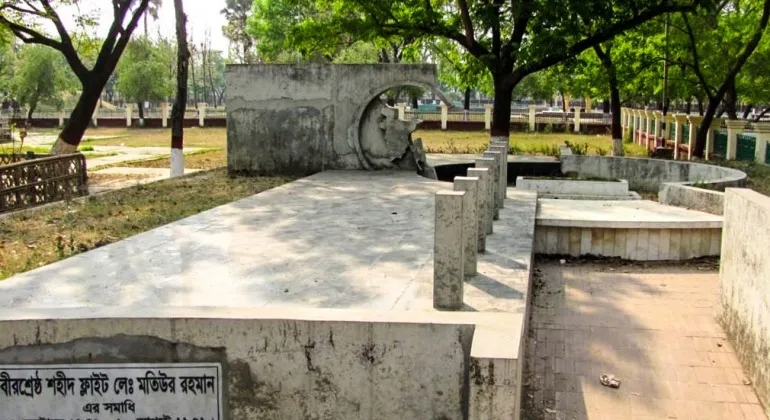
Grave of Bir Shrestha Matiur Rahman, Dhaka, Bangladesh

The Tomb of Bir Shrestha Matiur Rahman, located in Mirpur, Dhaka, is an important memorial that honors one of the seven ...

Shafayet Al-Anik

Shaheed Minar Dhaka – History, Location, Visiting Hours and Complete Travel Guide

The Central Shaheed Minar in Dhaka is one of the most important national monuments in Bangladesh, symbolizing the sacrif...

Shafayet Al-Anik

Liberation War Museum Dhaka

The Liberation War Museum in Dhaka , locally known as the Liberation War Museum , is one of the most important historica...

Shafayet Al-Anik

logo ColoZai

ColoZai is a trusted travel guide and destination explorer platform in Bangladesh. We are making travel simple, authentic, and accessible for everyone.

Need Help ?

We are Always here for you! Knock us on Whatsapp (10AM - 10PM) or Email us.